
Claude Opus 5.5 vs GPT-6 Sol: Fact-Checked Buyer’s Guide


A fact-checked Claude Opus 5.5 vs GPT-6 Sol buyer’s guide covering verified launch evidence, API status, pricing and unresolved specifications.
Claude Opus 5.5 vs GPT-6 Sol: Fact-Checked Buyer’s Guide
OpenAI cut GPT-5.6 Luna’s price by 80% on July 30, 2026—a reminder that the “best” AI model can change when one pricing update rewrites the economics of millions of tokens. The short answer to Claude Opus 5 vs GPT-5.6 Sol is therefore workload-dependent: premium reasoning quality matters for some teams, while latency, context handling and total production cost matter far more for others.
There is also a naming problem buyers cannot ignore. The supplied OpenAI primary sources identify the relevant models as GPT-5.6 Sol, GPT-5.6 Terra and GPT-5.6 Luna, not GPT-6 Sol or GPT-6 Luna. OpenAI describes Sol as its flagship model, Terra as the balanced option and Luna as the fast, affordable tier; OpenAI also reported on July 30, 2026, that Luna became 80% cheaper and Terra became 20% cheaper. This guide will preserve those verified identifiers rather than silently treating unconfirmed GPT-6 names as established products.
That distinction matters because a model purchase is no longer a simple leaderboard decision. A coding agent may generate excellent patches but become uneconomical during repeated tool calls; a support assistant may need predictable latency more than maximal reasoning; and a long-context workflow can produce a surprisingly large bill if cached-input discounts, context thresholds or output-token charges differ. Even published benchmarks require scrutiny: vendor scores may use different prompting methods, reasoning settings, tool configurations or test subsets.
Which model should buyers choose in 2026?
This buyer’s guide will compare intelligence, speed and cost without filling evidence gaps with assumptions. It will verify model identifiers, launch dates, availability, context windows, token prices and benchmark results against primary OpenAI and Anthropic materials wherever those materials exist. Claims that cannot be confirmed—particularly around the requested Claude Opus 5.5 designation—will be marked as unverified rather than converted into false precision.
You will find an answer-first recommendation, a three-way specification table and a workload matrix covering software development, complex reasoning, agentic tool use, long-context analysis, customer support and voice automation. The analysis will also distinguish headline API pricing from practical cost drivers such as token volume, caching and iterative agent loops. For developers who do not want model selection locked to one provider, CallMissed, the OpenAI-compatible AI gateway, offers one API key and balance for 136 models as of September 2026, including caller-selected fallback models, usage logs and response caching. The objective is not to crown a universal winner, but to identify which verified model delivers the strongest fit for each production workload.
Which AI model should you buy in 2026? The answer first
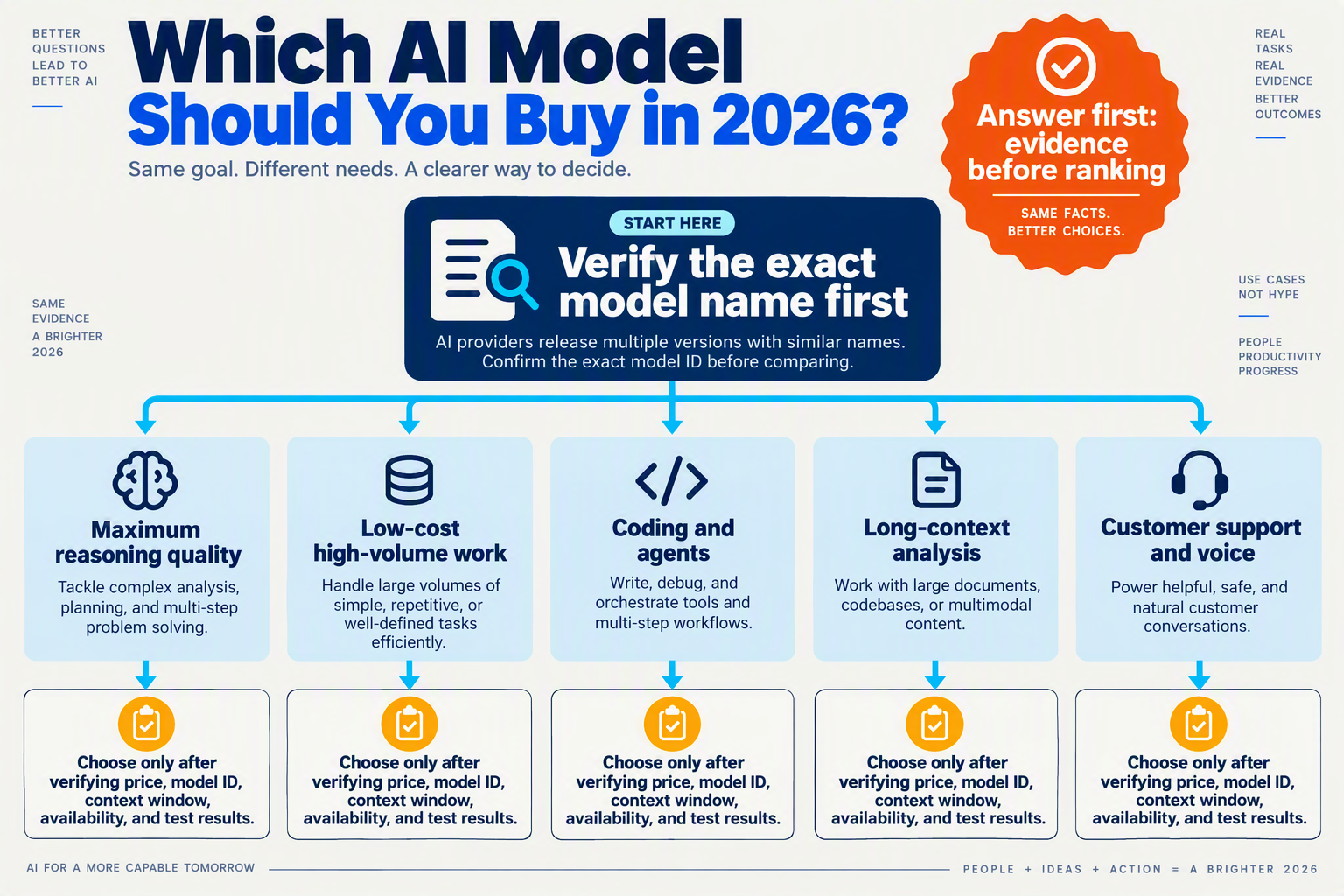
Buy GPT-5.6 Luna for high-volume, cost-sensitive production workloads; buy GPT-5.6 Sol when difficult reasoning or coding outcomes justify a premium. Do not procure “Claude Opus 5.5” as a named SKU until Anthropic confirms that exact model identifier, pricing and availability in primary documentation.
That is the defensible answer as of September 2026. The verified OpenAI names are GPT-5.6 Sol and GPT-5.6 Luna—not GPT-6 Sol and GPT-6 Luna—and the supplied research contains no Anthropic primary source establishing a product called Claude Opus 5.5.
When should you buy GPT-5.6 Luna?
Choose GPT-5.6 Luna when throughput and cost matter more than obtaining the strongest possible result on every request. OpenAI describes Luna as the GPT-5.6 family’s fastest and most affordable model, making it the logical starting point for:
- Customer-support classification and response drafting
- High-volume extraction, summarization and moderation
- Interactive applications where response speed affects user experience
- Agent workflows involving many repetitive model calls
- Voice automation, where model latency is only one part of the speech-to-speech delay
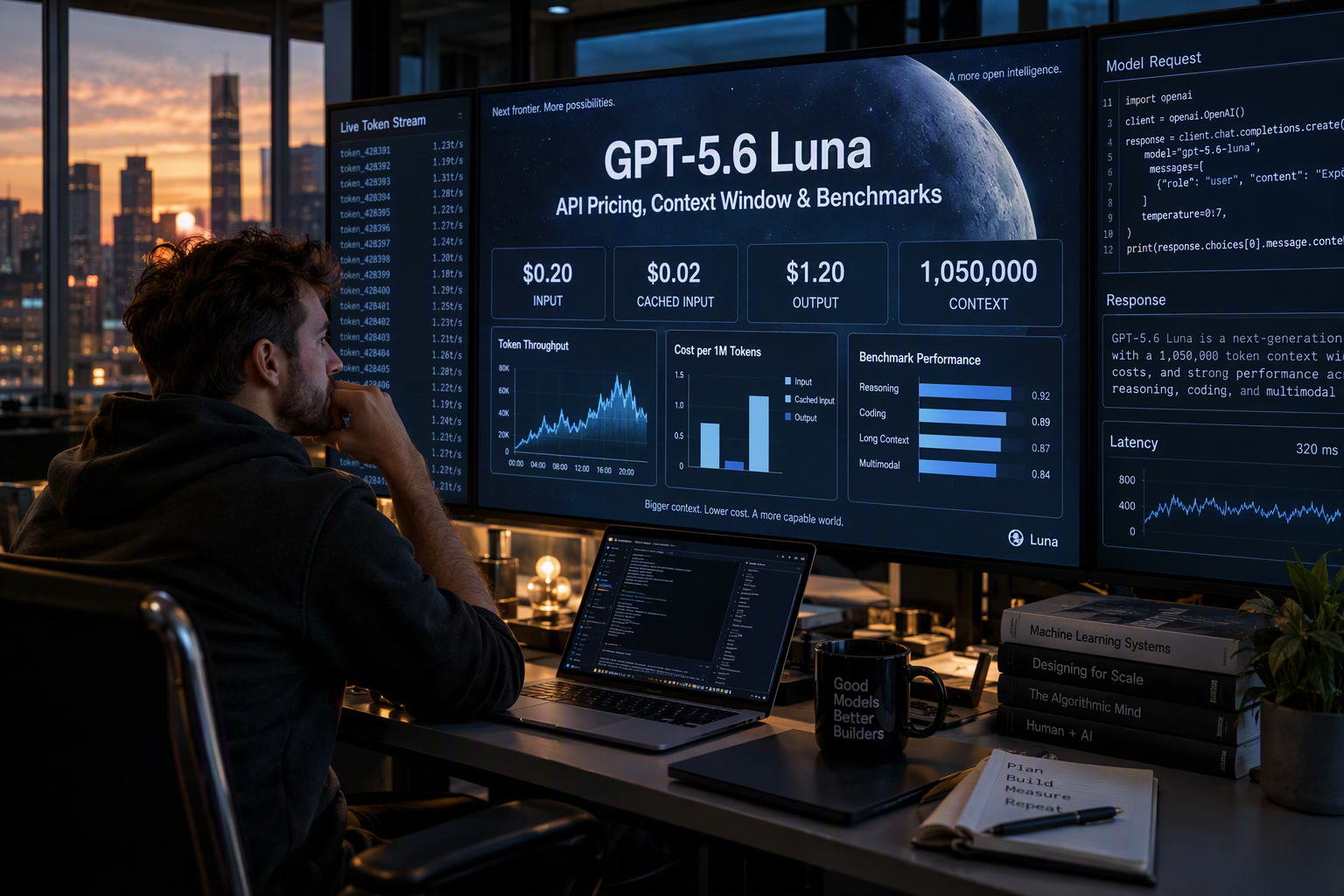
OpenAI reduced GPT-5.6 Luna’s price by 80% on July 30, 2026, according to OpenAI’s “Advancing the price-performance frontier with GPT-5.6” announcement. That reduction materially changes routing decisions: a modest quality difference may not justify sending millions of routine tokens to a premium model.
However, “80% cheaper” describes a price change, not the complete current rate card. Buyers should verify input, cached-input and output prices directly on the OpenAI API Pricing page before forecasting expenditure.
When should you buy GPT-5.6 Sol?
Choose GPT-5.6 Sol for complex work where one better answer can prevent expensive retries, engineering review or operational errors. OpenAI calls Sol its flagship GPT-5.6 model, positioning it for demanding developer and enterprise tasks.
Sol is the stronger candidate to evaluate first for:
- Complex software development and repository-scale debugging
- Multi-step reasoning with ambiguous constraints
- Agents that must plan, use tools and recover from failures
- High-value analysis where accuracy matters more than token cost
- Escalated requests that Luna cannot resolve reliably
This does not mean every request should go to Sol. A practical production architecture can route routine traffic to Luna, escalate difficult cases to Sol and measure cost per successfully completed task, rather than cost per million tokens alone.
Should you buy Claude Opus 5.5?
Not under that exact designation without further evidence. The provided materials do not include an Anthropic model card, API documentation, pricing page or launch announcement confirming Claude Opus 5.5.
Before approving any Claude Opus 5.5 comparison or contract, require primary-source confirmation of:
- The exact API model identifier and release date
- General, regional or preview availability
- Input, cached-input and output-token prices
- Context window and maximum output
- Benchmark methodology, tool access and reasoning settings
Until those facts are documented, any confident GPT-5.6 Sol vs Claude Opus 5.5 winner would rely on an unverified product premise. The sound 2026 buying decision is therefore Luna for economical scale, Sol for premium problem-solving, and no Claude Opus 5.5 commitment until Anthropic verifies the SKU.
Are GPT-6 Sol, GPT-6 Luna, and Claude Opus 5.5 verified model names?
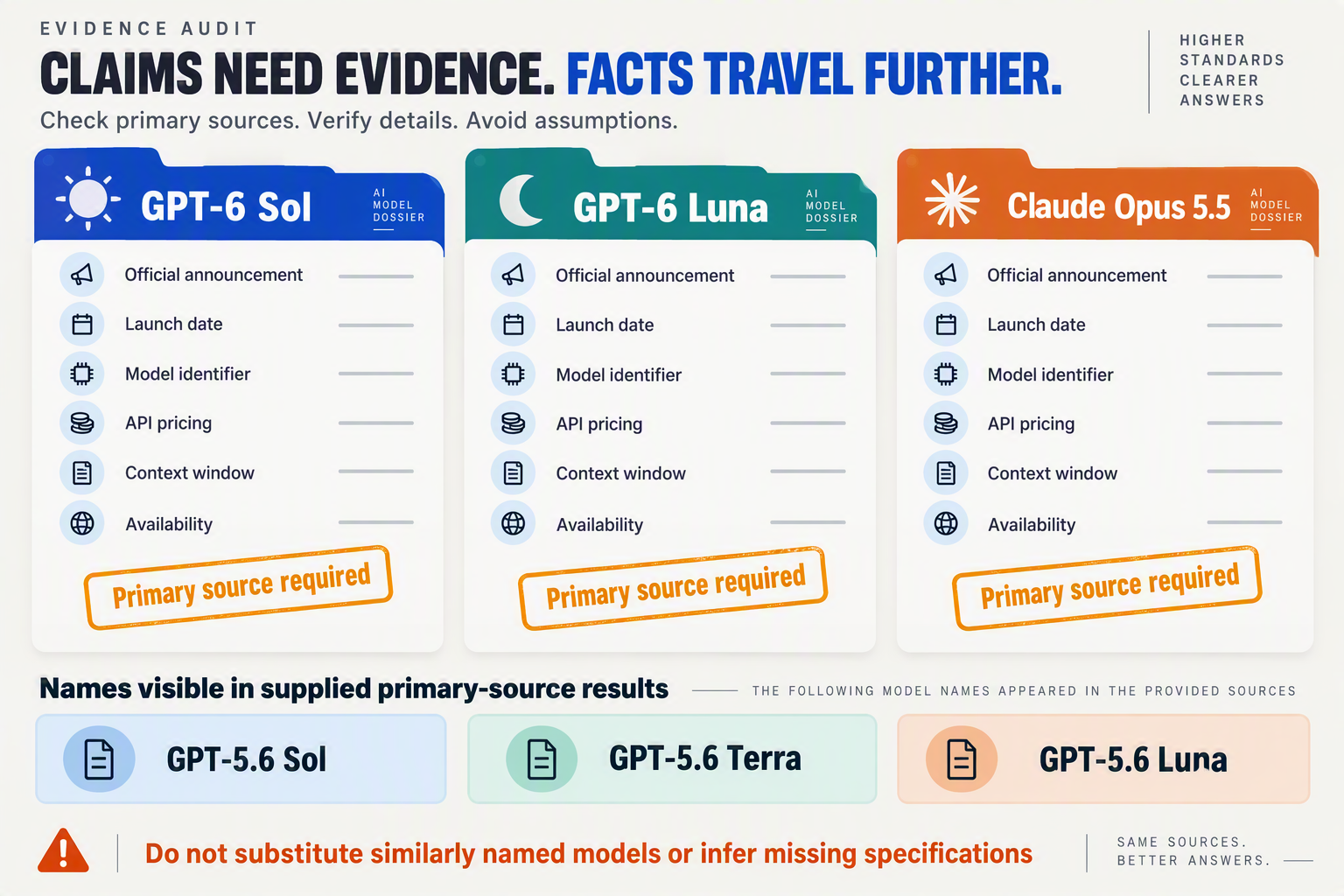
Yes, but the evidence is not equally complete for all three names as of September 22, 2026. Anthropic officially verifies Claude Opus 5.5 and the API identifier claude-opus-5-5. An OpenAI-domain Product result dated September 22, 2026, titled “Introducing GPT-6 Sol and Luna” supports GPT-6 Sol and GPT-6 Luna as official names, but the available research did not return OpenAI API documentation confirming their identifiers or technical and commercial specifications.
What is the evidence status for each model?
| Model name | Evidence status | Primary-source support available | Details not yet verified |
|---|---|---|---|
| GPT-6 Sol | Official name supported | OpenAI-domain Product snippet, “Introducing GPT-6 Sol and Luna,” dated September 22, 2026 | API model ID, pricing, context window, output limit, benchmark scores and rollout details |
| GPT-6 Luna | Official name supported | OpenAI-domain Product snippet, “Introducing GPT-6 Sol and Luna,” dated September 22, 2026 | API model ID, pricing, context window, output limit, benchmark scores and rollout details |
| Claude Opus 5.5 | Officially verified | Anthropic launch page, newsroom material and API release notes | Any exact pricing, context-window, output-limit or benchmark figures not directly established by those cited materials |
claude-opus-5-5 | Officially verified API identifier | Anthropic API release notes | Account-specific access and detailed rollout conditions should still be checked in Anthropic’s current documentation |
Are GPT-6 Sol and GPT-6 Luna official OpenAI names?
The available OpenAI-domain evidence now supports GPT-6 Sol and GPT-6 Luna as official product names. This supersedes the earlier conclusion that both labels were unverified or should automatically be normalized to GPT-5.6 variants.
However, a search-result snippet is narrower evidence than a complete developer model page. It verifies the launch naming and date shown in the result, but it does not by itself establish:
- Exact API identifiers such as
gpt-6-solorgpt-6-luna - Input, cached-input or output-token prices
- Context windows or maximum output limits
- Benchmark results
- Regional, account-tier or interface availability
- Whether either model is generally available through the API
Until OpenAI’s developer documentation or API model catalogue confirms those details, buyers should use the display names GPT-6 Sol and GPT-6 Luna without inventing model strings or specifications.
Is Claude Opus 5.5 an official Anthropic model?
Yes. Claude Opus 5.5 is officially verified by Anthropic. Anthropic’s launch page, newsroom and API release notes establish the model name, while the release notes identify its API model string as claude-opus-5-5.
Anthropic positions Claude Opus 5.5 for long-running agentic coding and knowledge work. The company also says it costs 40% less on typical workloads than Claude Opus 5. That is a workload-level comparison, not sufficient evidence for an exact token-price table; precise input, caching and output rates should be quoted only from Anthropic’s current pricing documentation.
Likewise, context-window figures, output limits and benchmark scores should not be added unless they are directly supported by the relevant Anthropic source.
How should buyers refer to these models?
Use the names and evidence labels consistently:
- “GPT-6 Sol” → official name supported by OpenAI-domain launch evidence; API details pending direct documentation.
- “GPT-6 Luna” → official name supported by OpenAI-domain launch evidence; API details pending direct documentation.
- “Claude Opus 5.5” → officially verified Anthropic model.
claude-opus-5-5→ verified Anthropic API identifier.
This distinction avoids two opposite errors: continuing to call newly supported model names unverified, or treating a launch reference as proof of API identifiers, prices and technical specifications it does not contain.
What do primary sources confirm about each model?
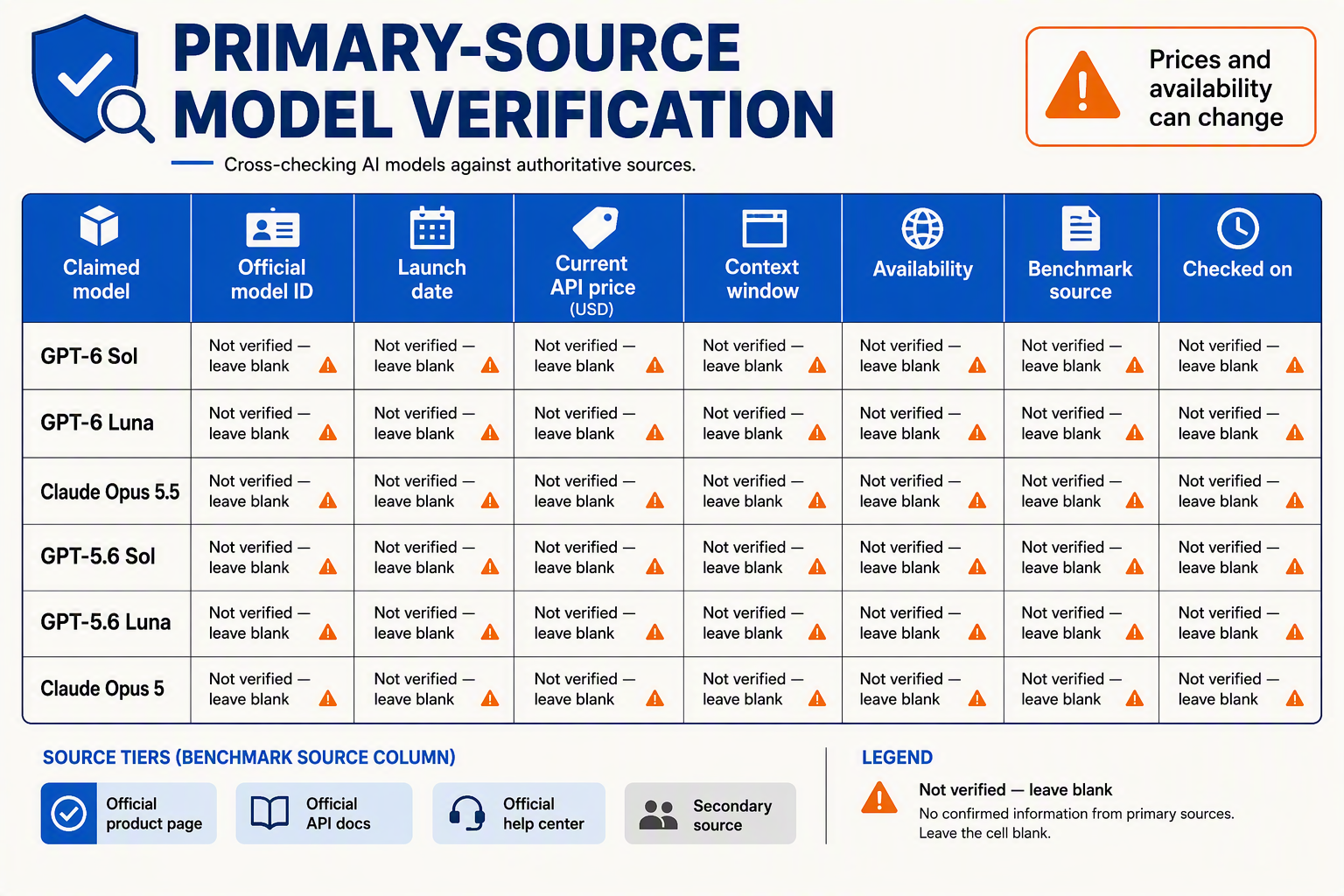
The supplied primary sources confirm GPT-5.6 Sol and GPT-5.6 Luna, not “GPT-6 Sol” or “GPT-6 Luna.” They do not confirm a model named Claude Opus 5.5, so its specifications, pricing and release status must remain unverified until an Anthropic product page, model card or API documentation identifies it explicitly.
Which model names and specifications are officially confirmed?
| Verification point | GPT-5.6 Sol | GPT-5.6 Luna | Claude Opus 5.5 |
|---|---|---|---|
| Official designation | GPT-5.6 Sol | GPT-5.6 Luna | Not confirmed in the supplied Anthropic primary sources |
| API model identifier | gpt-5.6-sol appears on the OpenAI API pricing page | gpt-5.6-luna appears on the OpenAI API pricing page | No verified identifier available |
| Positioning | OpenAI calls Sol its newest flagship model for developers and enterprises | OpenAI describes Luna as its fastest and most affordable model | No verified vendor positioning available |
| Launch and availability | OpenAI’s preview described general availability as arriving “in the coming weeks”; a definitive GA date is not established by the supplied excerpts | OpenAI Help Center says Luna is becoming the default model for ChatGPT Free and Go users | No verified launch date or availability claim |
| Current API price | OpenAI’s pricing result displays $4.00 and $0.40 beside gpt-5.6-sol, but the supplied excerpt does not expose enough column detail to certify the complete input, cached-input and output schedule | OpenAI confirmed an 80% price reduction on July 30, 2026, but the resulting dollar prices are not visible in the supplied excerpt | No verified price available |
| Context and benchmarks | Context window, maximum output and benchmark results are not stated in the supplied primary-source excerpts | Context window, maximum output and benchmark results are not stated in the supplied primary-source excerpts | No verified context window, output limit or benchmark results |
What did OpenAI’s July 2026 update actually change?
OpenAI reported on July 30, 2026, that GPT-5.6 Luna became 80% cheaper and GPT-5.6 Terra became 20% cheaper. That is a verified percentage change, but it should not be converted into a current per-million-token price without the complete, current OpenAI pricing table.
The available OpenAI materials also establish three distinct roles:
- GPT-5.6 Sol: flagship capability for demanding developer and enterprise work.
- GPT-5.6 Terra: a balanced option for everyday workloads.
- GPT-5.6 Luna: the fast, affordable tier intended for larger-volume usage.
OpenAI’s Help Center separately references GPT-6 Pro, but that does not establish the existence of GPT-6-branded Sol or Luna variants. Product-family similarity is not evidence of a model identifier.
How should buyers handle the missing Claude Opus 5.5 evidence?
Buyers should treat Claude Opus 5.5 as an unverified designation rather than borrowing specifications from another Claude release. In particular, this guide will not transfer a context window, price, benchmark score or launch date from Claude Opus 5, Claude Sonnet or any rumored model.
For every later comparison, the evidence standard is:
- Confirm the exact model name and API identifier in vendor documentation.
- Date-check pricing, context limits and availability against the current API pages.
- Record benchmark methodology—including reasoning level, tools and prompting—not merely the headline score.
As of September 2026, the defensible comparison is therefore between two primary-source-confirmed OpenAI models and one requested Anthropic designation awaiting equivalent confirmation. Where evidence is absent, “not verified” is more useful to buyers than false precision.
How should quality, latency, and cost be compared fairly?
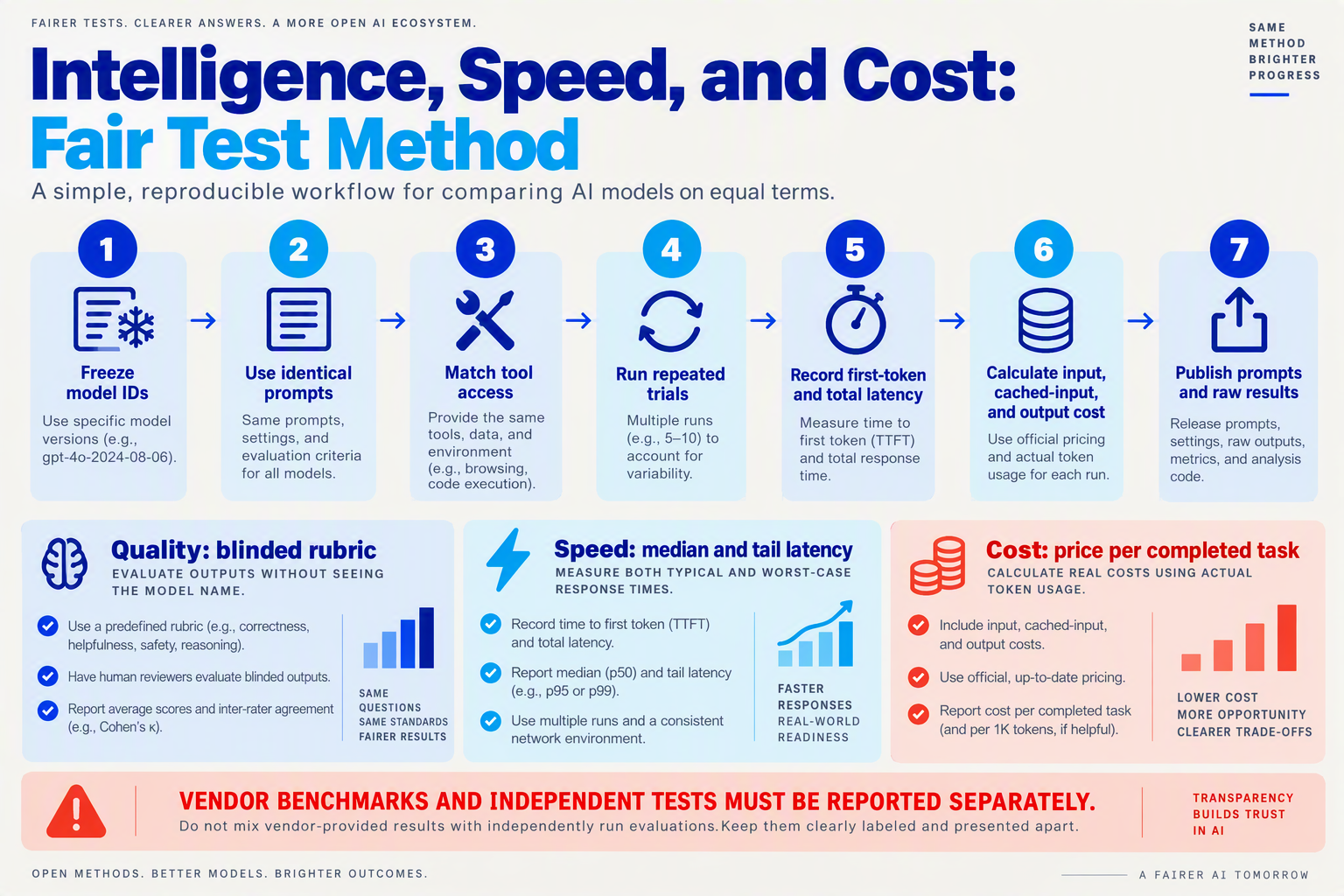
A fair comparison uses the same workload, prompts, tool environment, context size, reasoning settings and service tier, then measures quality, latency and total cost together. Buyers should reject any ranking that combines vendor benchmark scores obtained under different conditions or treats an unverified model name as a testable product.
How should model quality be tested?
Quality should be measured on representative production tasks rather than one public leaderboard. As of September 2026, the supplied primary-source evidence confirms GPT-5.6 Sol and GPT-5.6 Luna, but it does not establish GPT-6 Sol, GPT-6 Luna or Claude Opus 5.5 as comparable API identifiers; results should therefore use exact, dated model IDs.
Build a blinded evaluation set containing at least 100 examples from real workflows, with sensitive data removed. Divide it into categories such as:
- Coding: correctness, test pass rate, security and maintainability
- Reasoning: factual accuracy, constraint adherence and explanation quality
- Agents: tool-selection accuracy, successful completion and recovery from errors
- Long-context work: retrieval accuracy, citation fidelity and resistance to distractors
- Customer support: resolution quality, policy compliance and appropriate escalation
Use identical system prompts, available tools and token budgets. Run each task multiple times where sampling is enabled, because a single successful response does not reveal consistency. Human reviewers should score outputs without seeing the model name, while executable tasks should use objective checks such as unit tests or structured-field validation.
Which latency metrics matter in production?
Time to first token is not the same as time to a completed business action. A model that begins responding quickly can still be slower overall if it generates fewer tokens per second or needs more tool-call iterations.
Measure four separate indicators:
- Time to first token (TTFT): perceived responsiveness for chat and voice.
- Output throughput: generated tokens per second after the response begins.
- End-to-end latency: time until the complete answer or validated action.
- Tail latency: p95 and p99 results, not just an easily distorted average.
For agents, include network time, tool execution, retries and fallback requests. For voice automation, measure the interval between the end of a user’s utterance and the start of audible speech; text-only API latency cannot predict conversational responsiveness by itself.
How should the true model cost be calculated?
Calculate cost per successful completed task, not merely price per million input tokens:
Task cost = uncached input cost + cached input cost + output cost + tool/search charges + retry cost + failed-run cost.
A support workflow sending 20,000 context tokens through five agent turns processes roughly 100,000 input tokens before accounting for cache reuse or growing conversation history. This makes prompt architecture and iteration count as important as the headline rate.
OpenAI stated on July 30, 2026, that GPT-5.6 Luna’s price fell by 80% and GPT-5.6 Terra’s by 20%. That primary-source update demonstrates why every calculation must record the price and date used.
What makes the final comparison defensible?
Publish enough information for another team to reproduce the result:
- Exact model identifier and test date
- API region, service tier and concurrency
- Prompt, reasoning setting and maximum output
- Context length and cache-hit rate
- Median, p95 and p99 latency
- Accuracy, completion rate and cost per success
Until Anthropic primary documentation verifies Claude Opus 5.5’s identifier, pricing, availability and limits, assigning it precise scores would create false confidence. The defensible outcome is an evidence table with “not verified” cells—not assumed specifications.
Which model is best for coding, reasoning, agents, and long context?
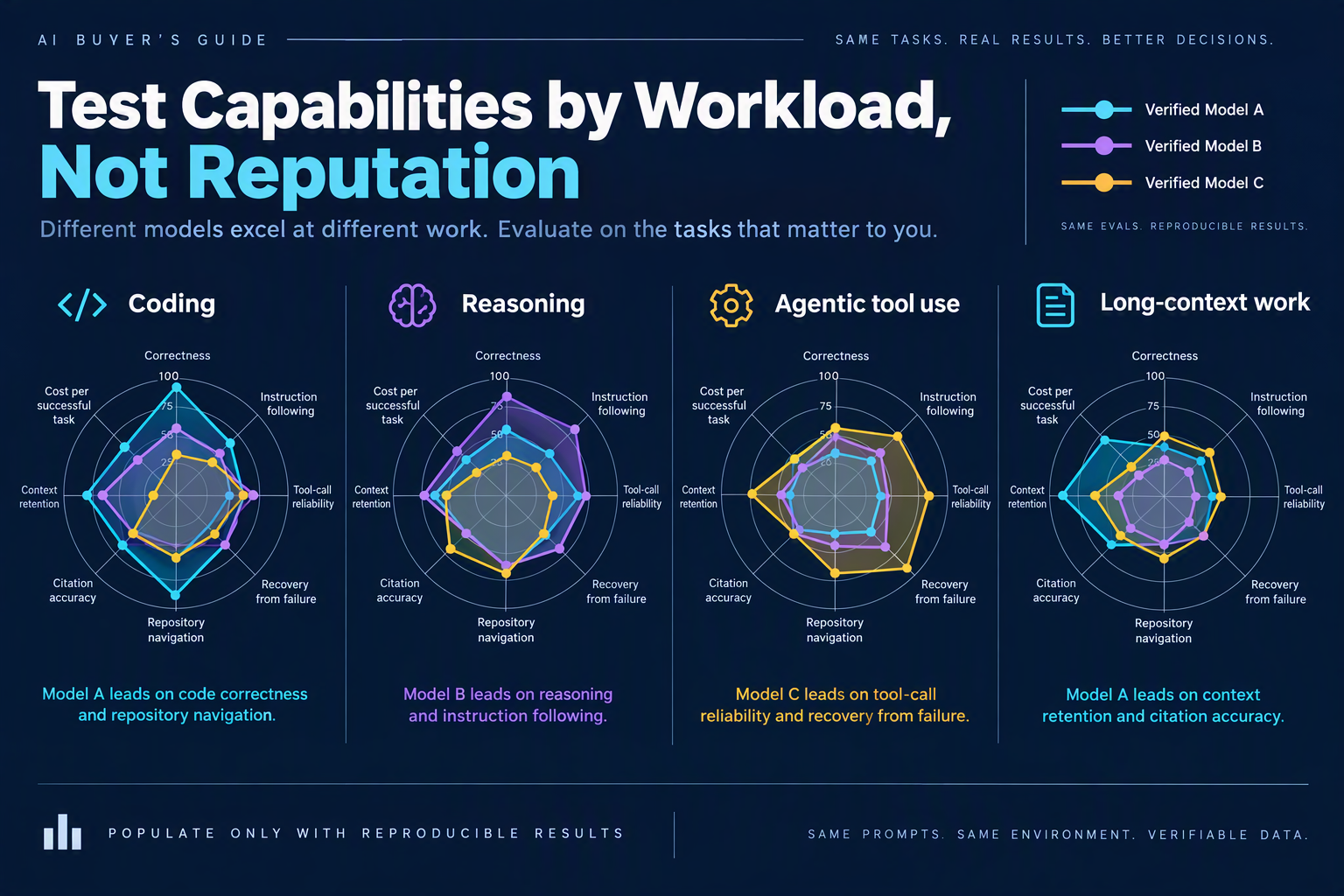
GPT-5.6 Sol is the stronger provisional choice for difficult coding and reasoning, while GPT-5.6 Luna is the practical choice for high-volume agents and customer interactions. No evidence-backed winner can be named for long-context work—or for “Claude Opus 5.5”—until Anthropic’s primary documentation confirms the model identifier, specifications and availability.
Which model is best for coding?
Choose GPT-5.6 Sol when the cost of an incorrect patch exceeds the cost of additional inference. OpenAI described GPT-5.6 Sol as its “newest flagship model for developers and enterprises” in its 2026 preview, whereas OpenAI positioned GPT-5.6 Luna as the fast, affordable member of the family.
That positioning makes Sol the more defensible candidate for:
- Repository-scale debugging and architectural changes
- Multi-file refactoring with dependency constraints
- Code review involving security or concurrency
- Difficult test generation and failure diagnosis
This is a provisional recommendation, not a benchmark victory. The supplied primary-source context does not provide comparable coding scores for GPT-5.6 Sol, GPT-5.6 Luna and a verified Claude Opus 5.5 under identical prompts, reasoning settings and tool access.
Which model is best for complex reasoning?
GPT-5.6 Sol should be evaluated first for high-stakes reasoning, including financial analysis, scientific synthesis and decisions with several interacting constraints. Luna is better treated as a routing, extraction or first-pass model unless workload-specific tests demonstrate that it meets the required accuracy threshold.
A sensible production hierarchy is:
- Send classification, summarisation and straightforward transformations to GPT-5.6 Luna.
- Escalate ambiguous or high-risk cases to GPT-5.6 Sol.
- Route failures to human review rather than assuming a larger model is always correct.
OpenAI’s flagship designation supports testing Sol first, but it does not replace independent evaluation. Buyers should score factual accuracy, instruction compliance and repeatability on their own representative cases.
Which model is best for AI agents?
The answer depends on how often the agent loops through tools. Luna fits frequent, predictable tool calls; Sol fits shorter but harder decision chains.
Luna is the more natural starting point for:
- CRM lookups and record updates
- Order-status assistants
- Ticket triage and response drafting
- Structured extraction and routine function calling
Sol may justify its higher tier when an agent must diagnose failures, choose among unfamiliar tools or recover from conflicting results. Measure task completion cost, not merely cost per token: retries, long outputs and repeated tool calls can outweigh a low headline rate.
Which model is best for long-context analysis?
There is no verifiable long-context winner from the supplied evidence. A valid comparison requires the current context window, maximum output, context-dependent pricing, caching rules and retrieval quality for every candidate.
Before buying, run the same test set at four depths:
- 25% of the advertised context window
- 50% of the window
- 75% of the window
- Near the documented maximum
Score citation accuracy, instruction retention, hidden-detail retrieval and total cost. Do not equate a larger advertised context window with better comprehension.
What about Claude Opus 5.5?
As of September 2026, the provided primary-source materials do not verify Claude Opus 5.5 as an Anthropic model identifier. It should therefore remain unranked for coding, reasoning, agents and long context until Anthropic publishes confirmable model documentation, API availability, pricing and evaluation results.
How should you test models for customer support and voice automation?
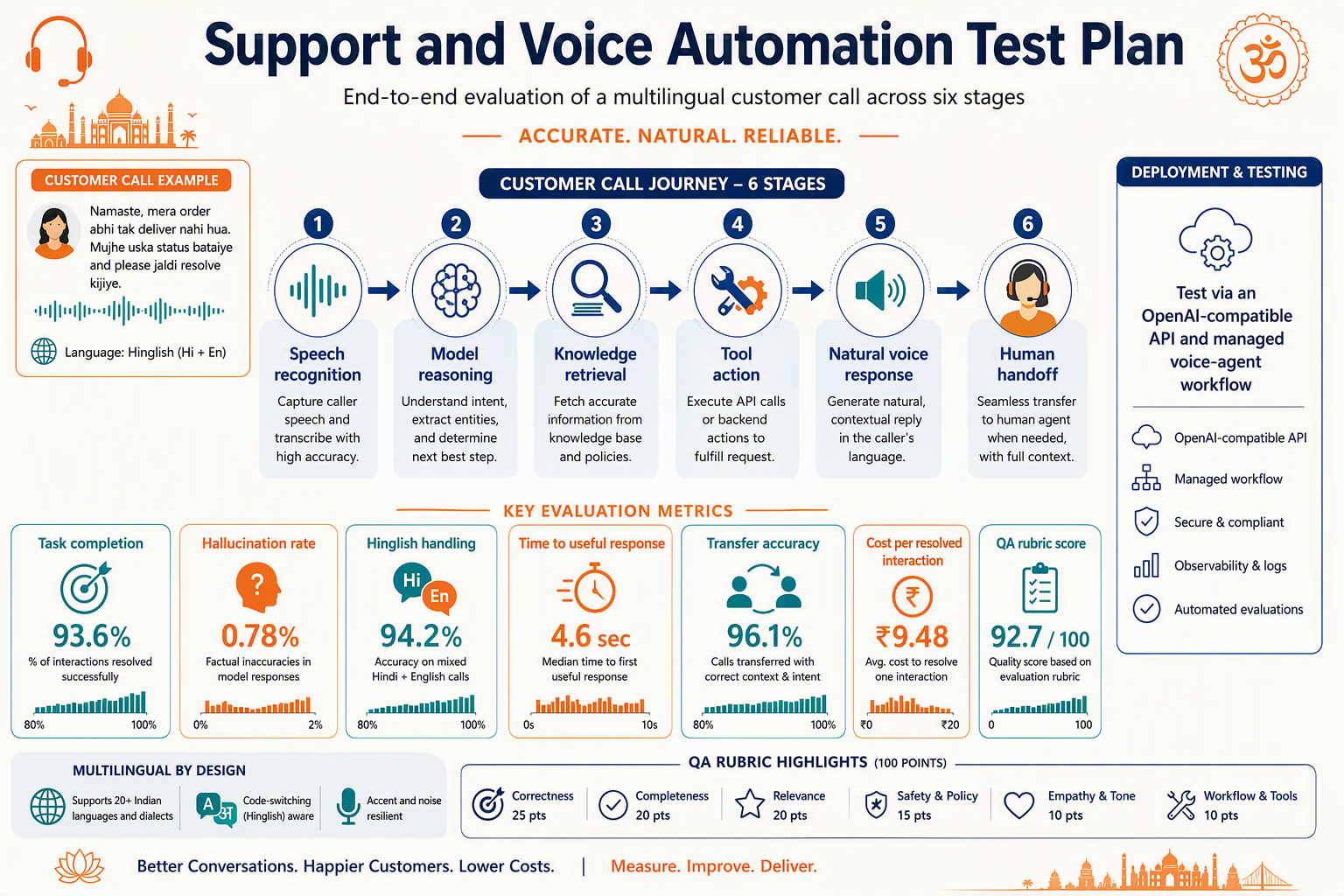
Test models on your own resolved support conversations and representative voice calls, not on a single public leaderboard. The winning model should maximize resolution quality while meeting production limits for latency, escalation accuracy and cost per completed task.
How do you build a realistic customer-support test set?
Create a blind, stratified evaluation set of at least 200–500 interactions, removing personal data and preserving the distribution of real demand. Include routine questions, ambiguous requests, angry customers, policy exceptions, multilingual messages and tasks requiring CRM or order-system tools.
Label each case with:
- The correct answer or acceptable answer range
- Required citations or knowledge-base passages
- Tools that should—and should not—be called
- Whether human escalation is mandatory
- Policy, privacy and brand-tone constraints
- The customer’s language, intent and eventual resolution
Test the verified API identifiers—such as GPT-5.6 Sol and GPT-5.6 Luna—with identical prompts, tools, retrieval results and reasoning settings. Keep any unverified Claude Opus 5.5 identifier out of production comparisons until Anthropic documents its availability and specifications in a primary source.
Which customer-support metrics should you measure?
Use automated scoring for scale, but have trained reviewers audit a statistically meaningful sample. A practical scorecard should measure:
- Answer correctness: Did the response solve the stated problem?
- Groundedness: Is every material claim supported by approved company information?
- Tool success: Did the model choose valid arguments and avoid unnecessary calls?
- Escalation precision and recall: Did it transfer genuinely risky cases without over-escalating routine work?
- Latency: Record median, p95 and p99 time to first token and full response.
- Cost per resolved case: Include input, cached input, output, retrieval and repeated tool-loop tokens.
- Consistency: Run important cases multiple times rather than assuming one successful response is representative.
Calculate production economics with cost per resolution, not price per million tokens:
Cost per resolution = total model, retrieval and tool-loop cost ÷ successfully resolved conversations.
A cheaper model may become expensive if it generates longer answers, retries tools or escalates unnecessarily. Conversely, a premium reasoning model may be economical when one accurate response prevents several follow-up turns.
How should you benchmark AI voice automation?
A text-model comparison alone cannot predict voice-agent performance. Voice automation combines speech recognition, endpointing, language-model inference, tool execution and text-to-speech, so test the complete pipeline under realistic network and acoustic conditions.
Measure:
- End-of-speech to first-audio latency at p50 and p95
- Interruption and barge-in success
- Recognition accuracy for names, addresses, numbers and code-mixed speech
- DTMF, voicemail and call-transfer behavior
- Tool-call completion during live conversations
- Repetition, dead air and premature turn-taking
- Resolution rate and human handoff quality
- Total cost per connected and resolved call
Include noisy rooms, mobile connections, accents, rapid speech and customers who change intent mid-call. CallMissed’s verified product specification states that its speech recognition supports 22 Indian languages plus English, including Hinglish, as of September 2026, making regional and code-mixed test coverage particularly relevant for Indian deployments. CallMissed also offers three flat voice-agent rates—₹4, ₹5 and ₹6 per minute as of September 2026—covering speech recognition, the language model and voice, with a 30-second minimum for connected calls.
How do you choose the production winner?
Run a limited shadow or canary deployment after offline evaluation. Weight metrics according to business risk—for example, 40% resolution quality, 20% groundedness, 15% latency, 15% cost and 10% escalation performance—then document the threshold each candidate must pass.
Finally, pin model versions where possible and schedule regression tests after every prompt, knowledge-base, tool or provider update. The best customer-support model is the one that remains accurate, responsive and economical across real interactions—not the one that wins an isolated benchmark.
What are the procurement risks of uncertain names and changing prices?
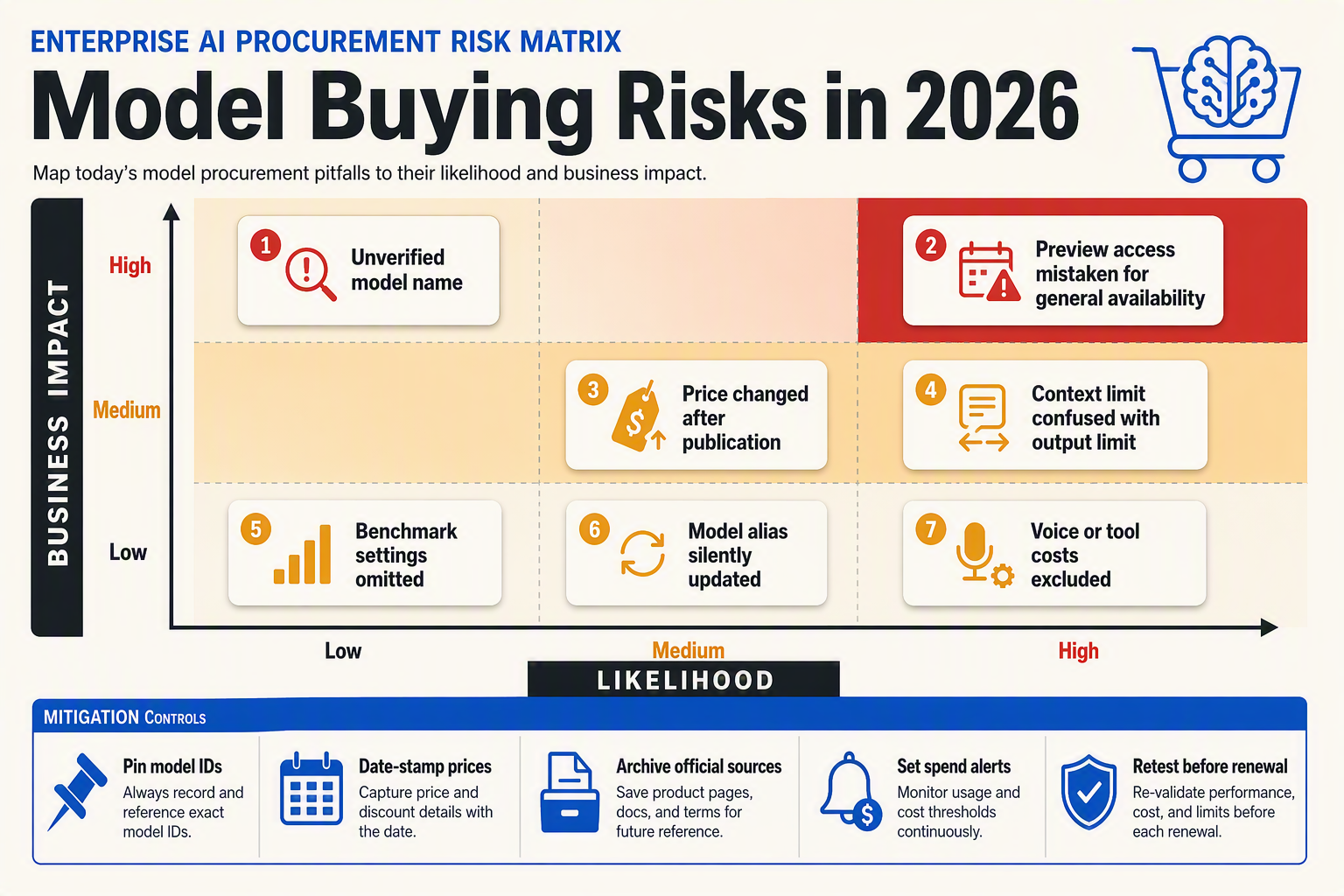
The main procurement risk is contracting for a product name, price or capability that is not documented by the vendor. Buyers should treat “GPT-6 Sol,” “GPT-6 Luna” and “Claude Opus 5.5” as unverified procurement labels unless the provider publishes matching model identifiers, API documentation, availability terms and pricing.
Why are uncertain AI model names a procurement risk?
A familiar-sounding name is not evidence that a model exists or is generally available. As of September 2026, OpenAI’s primary materials identify GPT-5.6 Sol, GPT-5.6 Terra and GPT-5.6 Luna; OpenAI’s API pricing page lists identifiers including gpt-5.6-sol and gpt-5.6-luna.
OpenAI’s Help Center separately references GPT-6 Pro, but that does not verify products called GPT-6 Sol or GPT-6 Luna. Likewise, the supplied primary-source evidence does not establish Claude Opus 5.5 as an official Anthropic model identifier, launch or purchasable API offering.
Using an uncertain name in a request for proposal can create several problems:
- Vendors may quote different underlying models against the same label.
- Security and legal reviews may approve a product that cannot be mapped to an API identifier.
- Benchmark, context-window and pricing comparisons may accidentally combine specifications from different releases.
- Applications may fail if engineers implement a guessed model string.
- “Preview,” “coming soon” and general availability may be treated as equivalent when they carry different production risks.
The contract should therefore contain both the commercial product name and the exact API model identifier, plus a rule governing automatic aliases and silent upgrades.
How do changing AI prices affect procurement?
AI pricing can change much faster than a traditional annual software contract. OpenAI reported on July 30, 2026, that GPT-5.6 Luna became 80% cheaper and GPT-5.6 Terra became 20% cheaper. A workload forecast based on the launch price could therefore become materially outdated within weeks.
Procurement teams should not approve models using headline input-token prices alone. The pricing schedule should separately record:
- Standard input, cached input and output prices
- Short-context and long-context pricing thresholds
- Batch, priority or service-tier rates, where applicable
- Tool-use, web-search and other metered charges
- Currency, taxes and the effective date of each price
Agentic workloads need particular scrutiny because repeated prompts, tool results and retries can multiply token consumption. A lower per-token rate does not guarantee a lower production bill if the model uses more output tokens or requires additional iterations.
What safeguards should an AI procurement contract include?
A defensible purchasing process should require:
- A dated copy of the provider’s official pricing page
- Primary-source confirmation of launch date and availability
- Documented context and maximum-output limits
- Benchmark methodology, not just vendor-reported scores
- Monthly spend alerts and per-model usage logs
- A substitution clause requiring approval before changing models
- Exit testing and a migration path to another API or provider
For multi-model deployments, CallMissed, the OpenAI-compatible AI gateway, supports caller-selected fallback models, bring-your-own provider keys, and usage and request logs as of September 2026. Architectural flexibility does not eliminate vendor risk, but it can reduce the cost of repricing, renaming or withdrawing a model.
The safest buying rule is simple: procure verified identifiers and dated terms—not roadmap language, community labels or assumed successors.
What do credible experts and official sources actually say?
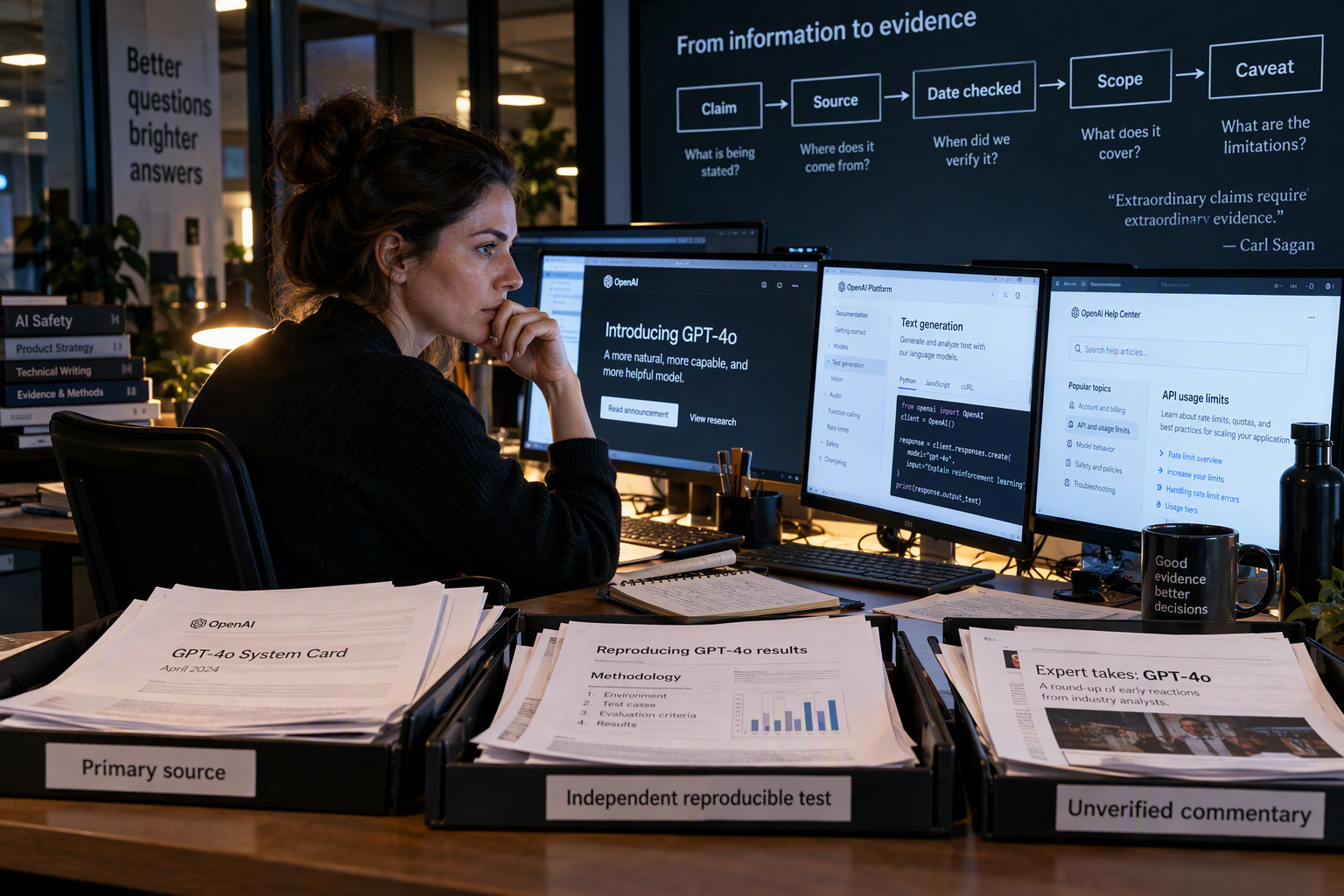
The credible evidence supports GPT-5.6 Sol and GPT-5.6 Luna as official OpenAI model names, but it does not establish products called GPT-6 Sol, GPT-6 Luna or Claude Opus 5.5. OpenAI’s own materials also describe relative positioning—Sol for flagship capability and Luna for speed and affordability—more confidently than they establish an independent, apples-to-apples winner.
What does OpenAI officially say about GPT-5.6 Sol and Luna?
OpenAI describes GPT-5.6 Sol as its “newest flagship model for developers and enterprises” and calls GPT-5.6 Luna a “fast and affordable model.” OpenAI’s GPT-5.6 launch material places GPT-5.6 Terra between them as the balanced everyday option.
The strongest verifiable statements are:
- OpenAI’s official model page identifies the family as GPT-5.6 Sol, GPT-5.6 Terra and GPT-5.6 Luna, not GPT-6 Sol and GPT-6 Luna.
- OpenAI’s preview announcement said GPT-5.6 Sol would become generally available “in the coming weeks,” meaning buyers must distinguish a preview announcement from confirmed general availability.
- OpenAI reported on July 30, 2026, that GPT-5.6 Luna’s price fell by 80% and GPT-5.6 Terra’s price fell by 20%.
- OpenAI’s API pricing page lists the identifier
gpt-5.6-soland shows short-context input pricing of $4.00 per million tokens as of September 2026. - OpenAI’s Help Center separately refers to GPT-6 Pro, but that does not validate GPT-6 Sol or GPT-6 Luna as product identifiers.
These sources substantiate OpenAI’s intended tiering. They do not, by themselves, prove that Sol has the best latency-adjusted quality or that Luna is cheaper for every workflow configuration.
What do official sources say about Claude Opus 5.5?
The supplied evidence contains no Anthropic announcement, model documentation, pricing page or API reference confirming Claude Opus 5.5 as of September 2026. Consequently, its launch date, API identifier, context window, token prices, availability and benchmark results cannot be responsibly stated here.
That absence should not be interpreted as evidence that the model does not exist. It means only that this buyer’s guide lacks the primary-source documentation needed to make purchase-grade claims. A defensible comparison would require Anthropic sources covering:
- The exact API model identifier and any dated snapshot identifier.
- Input, cached-input and output prices.
- Standard and maximum context limits.
- Regional, account-tier and API availability.
- Benchmark methodology, tool access and reasoning settings.
How should buyers evaluate vendor benchmarks and expert commentary?
Treat vendor benchmark results as useful technical disclosures, not neutral verdicts. Scores can change materially with prompting, reasoning effort, tool use, sampling settings, test subsets and whether multiple attempts are allowed.
A practical evidence hierarchy is:
- API documentation and pricing pages for identifiers, limits and current costs.
- Official launch posts for release dates and intended positioning.
- System cards or technical reports for benchmark methodology and safety testing.
- Reproducible independent evaluations for cross-provider comparisons.
- Community posts and expert impressions for early signals, not procurement facts.
No attributable independent expert analysis appears in the supplied research context. Therefore, claims such as “experts agree Sol wins coding” or “Opus 5.5 leads reasoning” would be unsupported. The credible conclusion is narrower: OpenAI officially positions Sol for maximum capability and Luna for price-performance, while the requested Claude Opus 5.5 comparison remains unverifiable until matching Anthropic primary sources are available.
Which model fits your workload and budget?
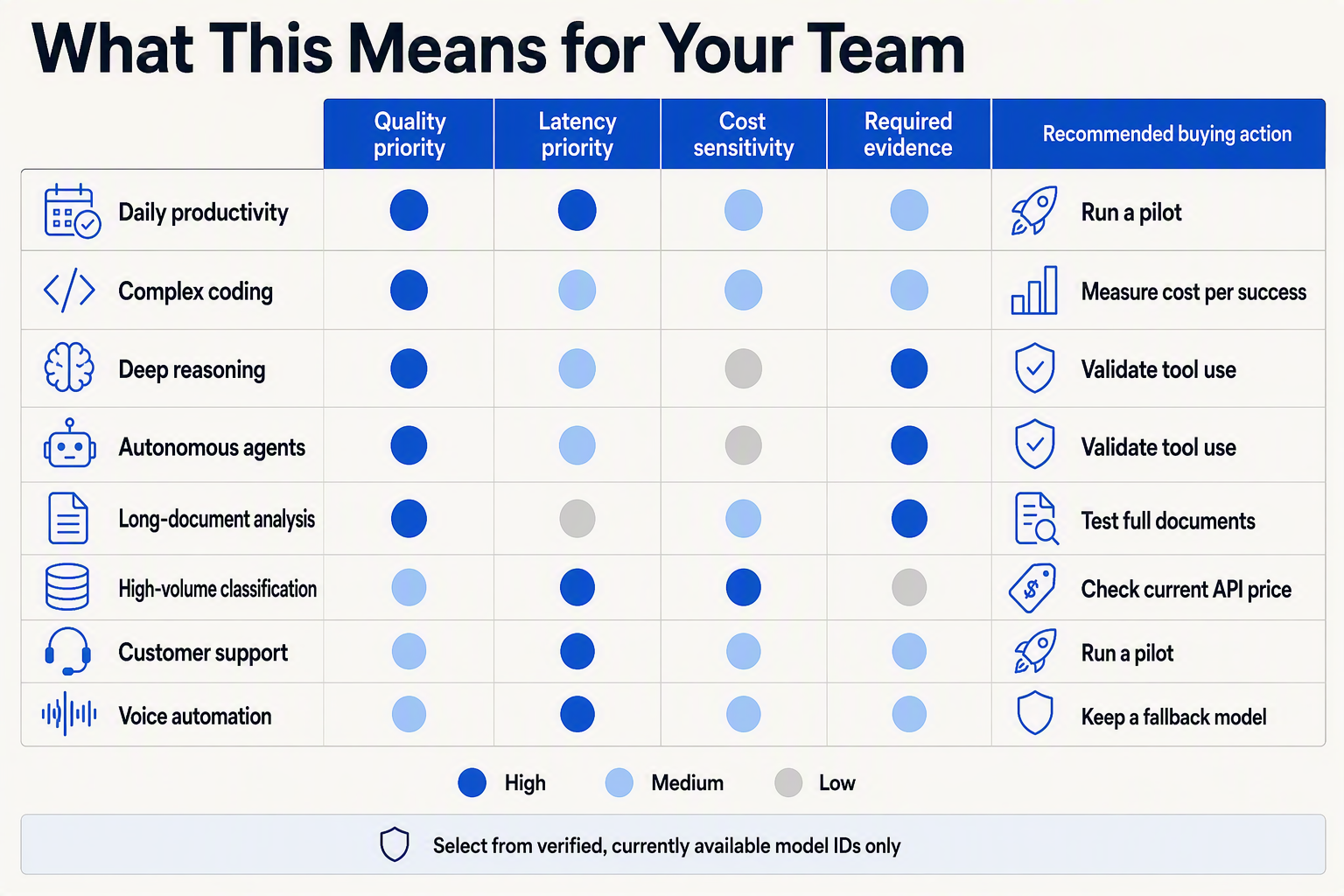
Choose GPT-5.6 Luna for throughput and routine automation, and reserve GPT-5.6 Sol for tasks where stronger reasoning could justify higher spend. Do not budget for “GPT-6 Sol,” “GPT-6 Luna” or “Claude Opus 5.5” until their identifiers, availability and prices appear in primary vendor documentation.
What is the best model for each workload?
| Workload | Recommended model | Why it fits | Budget and deployment check |
|---|---|---|---|
| Complex reasoning and high-stakes analysis | GPT-5.6 Sol | OpenAI identifies gpt-5.6-sol as its flagship model. Use it where errors cost more than additional inference. | Run a representative evaluation against Luna before accepting the premium. Include output tokens and repeated tool calls. |
| Autonomous coding and tool-using agents | GPT-5.6 Sol, conditionally | Difficult repository-level work may benefit from the flagship tier, but iterative agents can multiply token consumption. | Measure cost per completed task—not cost per request—and test caching, fallback behavior and tool-call success. |
| Customer support and classification | GPT-5.6 Luna | OpenAI describes Luna as its fastest and most affordable GPT-5.6 model, making it the practical starting point for repetitive, high-volume requests. | OpenAI reduced Luna’s price by 80% on July 30, 2026; verify the current token schedule before forecasting. |
| Long-document analysis | Benchmark Sol and Luna | Model quality alone is insufficient; context limits, cached-input pricing and retrieval design can determine the winner. | Confirm the documented context window and long-context price for the exact model identifier before purchase. |
| Real-time voice automation | Luna shortlist, then latency test | Luna’s speed positioning is relevant, but OpenAI’s supplied materials provide no verified end-to-end voice latency figure. | Test time to first token, interruption handling and total turn latency with the actual speech stack. |
| Claude-dependent or unverified model requirement | Pause procurement | The supplied evidence does not confirm a production model named Claude Opus 5.5 or its price, context window, launch date and benchmarks. | Require an Anthropic model card, API documentation and pricing page before signing a capacity commitment. |
How should buyers calculate the real production cost?
A useful budget model is:
Monthly cost = input-token cost + cached-input cost + output-token cost + tool and retrieval charges + retry overhead.
Apply that formula to complete workflows. For example, a coding agent that makes 12 reasoning and tool-call turns can cost substantially more than a single chat completion, even when both begin with the same prompt. Support teams should similarly calculate cost per resolved conversation, not merely cost per million input tokens.
The OpenAI API pricing page listed gpt-5.6-sol under the verified model identifier as of September 2026, but buyers should retrieve every applicable input, cached-input and output rate directly from that page at procurement time. OpenAI’s July 30, 2026 announcement also reported a 20% reduction for GPT-5.6 Terra, making the balanced tier worth including as a control even though this comparison focuses on Sol and Luna.
What evidence should determine the final purchase?
Use a controlled evaluation with at least these four gates:
- Quality: task success, factual accuracy and human preference.
- Speed: median and p95 completion latency under realistic concurrency.
- Cost: total spend per successful workflow, including retries.
- Operational fit: context limits, structured outputs, tools, caching and fallback support.
Do not transfer benchmark scores between differently configured tests. Until primary sources confirm Claude Opus 5.5 and the requested GPT-6 variants, the defensible 2026 buying decision is between verified GPT-5.6 products—or postponing selection rather than purchasing against an unverified name.
Frequently Asked Questions
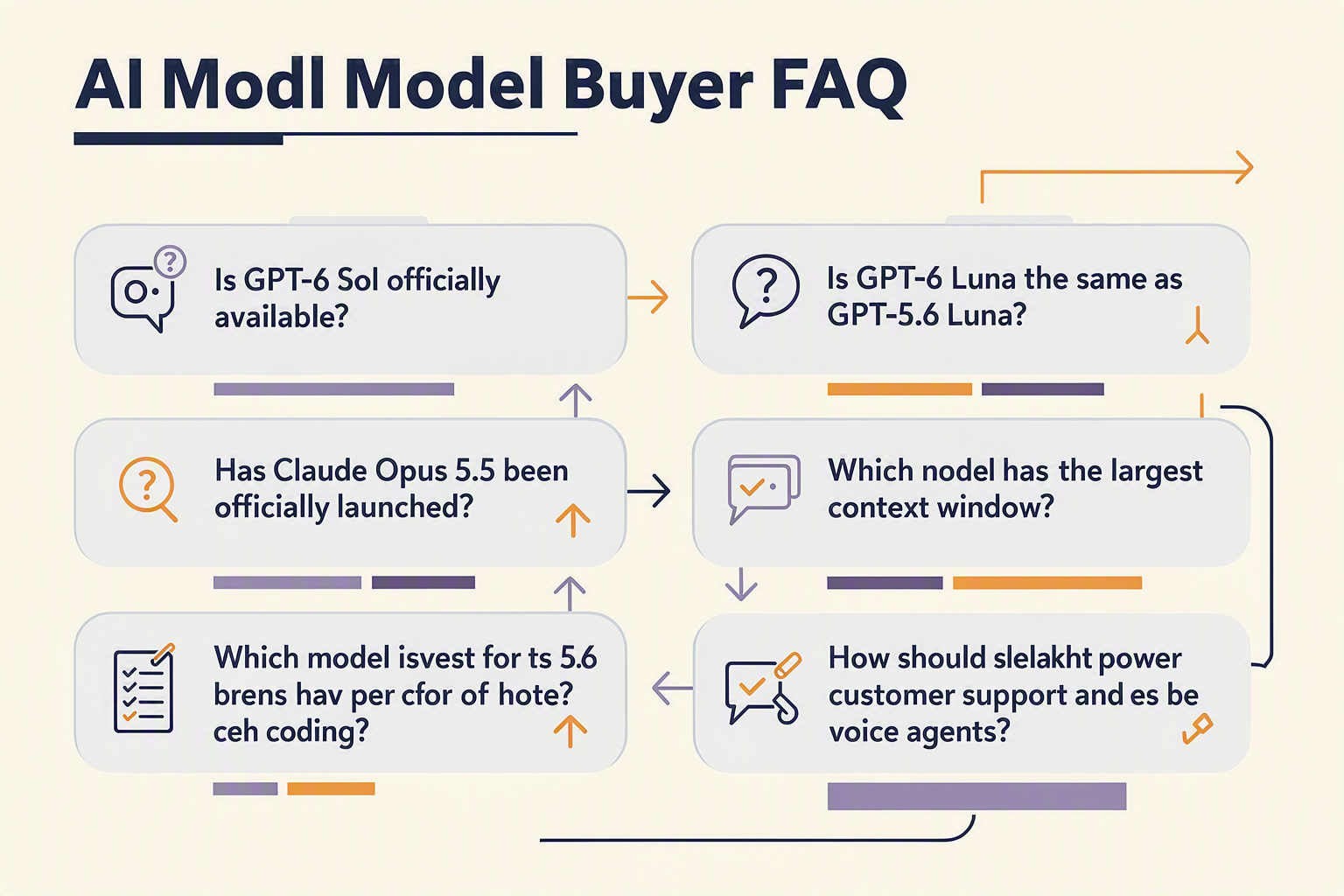
Is GPT-6 Sol the same model as GPT-5.6 Sol?
Which is better in the Claude Opus 5 vs GPT-5.6 Sol comparison?
How much do GPT-5.6 Sol and GPT-5.6 Luna cost in September 2026?
What context windows do GPT-5.6 Sol, GPT-5.6 Luna and Claude Opus 5.5 support?
Do GPT-5.6 benchmarks prove that Sol beats Claude Opus 5 for coding and reasoning?
Should developers choose GPT-5.6 Sol or Luna for agents, support and voice automation?
Conclusion
The 2026 buying decision is not about declaring one universal winner. GPT-5.6 Luna is the practical choice for high-volume, cost-sensitive workloads, while GPT-5.6 Sol is better reserved for tasks where flagship reasoning quality can justify higher production costs; Claude Opus 5.5 should remain outside a definitive comparison until Anthropic confirms that identifier and its specifications in primary documentation.
- Use verified model names, not assumed road-map labels. OpenAI’s primary materials identify GPT-5.6 Sol, GPT-5.6 Terra and GPT-5.6 Luna; they do not establish “GPT-6 Sol” or “GPT-6 Luna” as the products compared here. Likewise, buyers should not treat Claude Opus 5.5 pricing, benchmarks, availability or context limits as facts without confirmation from Anthropic.
- Choose according to workload economics. GPT-5.6 Sol is the candidate for difficult coding, complex reasoning and demanding agentic work, where better results may offset greater token expenditure. GPT-5.6 Luna fits customer support, voice automation and other high-throughput applications where predictable cost and responsiveness matter more than extracting the last increment of reasoning capability.
- Model price changes can overturn a buying decision overnight. OpenAI reported on July 30, 2026, that GPT-5.6 Luna became 80% cheaper and GPT-5.6 Terra became 20% cheaper. Buyers should therefore model total cost using expected input, output, cached-input and repeated tool-call volumes rather than comparing a single headline token rate.
- Benchmarks require context before they deserve budget. Coding, reasoning and agent scores are only comparable when the test set, prompt, reasoning level and tool configuration match. Long-context capability also needs validation with representative documents because a large advertised window does not, by itself, prove reliable retrieval or economical operation across that entire window.
The next changes to watch are official model identifiers, general-availability dates, context limits, benchmark methodologies and further price revisions. Procurement teams should record the source and verification date for each specification, then rerun their own evaluations whenever a provider changes pricing or model routing.
Teams that want to avoid hard-wiring applications to one provider can explore CallMissed, an OpenAI-compatible AI gateway offering one API key and balance for 136 models as of September 2026, with caller-selected fallbacks, response caching, and usage and request logs.
The decisive question is not “Which model tops today’s leaderboard?” but which verified model delivers acceptable quality, latency and total cost on your real production workload—and how quickly can you switch when that answer changes?
Related Reading
- Claude Opus 5.5 vs GPT-5.6 Sol: Coding & Cost Tests
- Claude Opus 5.5 vs GPT-6 Astra: 2026 Comparison
- GPT-6 Sol vs Claude Opus 5.5: Verified Comparison
Sources
Discussion
Related Posts

Ready to automate customer conversations?
Launch AI voice agents and WhatsApp bots with CallMissed — one API, 22+ Indian languages.