

 Featured
Featured article
AI Receptionist for Event Venues: 2026 Voice and WhatsApp…
Implement an AI receptionist for event venues to qualify leads, verify availability, book tours, recover calls, and escalate safely.
Read articleHow-to
Practical guides
Step-by-step tutorials for voice agents, WhatsApp bots, and API workflows.
 26 min read
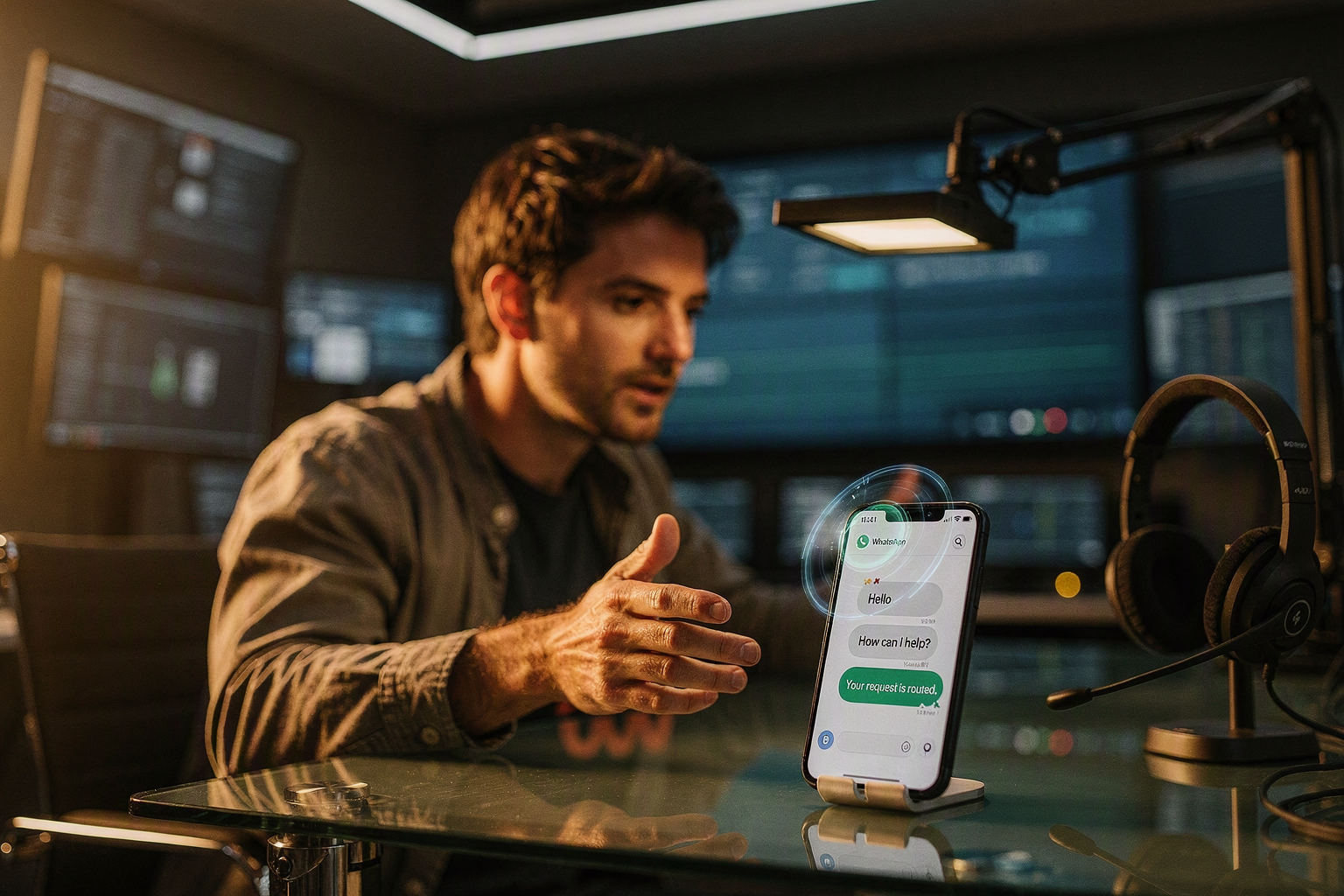
How Can I Connect an LLM API Gateway to Voice and WhatsApp Agents? A…
Learn how to connect voice and WhatsApp agents through one LLM API gateway with shared schemas, routing, streaming, security, and troubleshooting.
Read more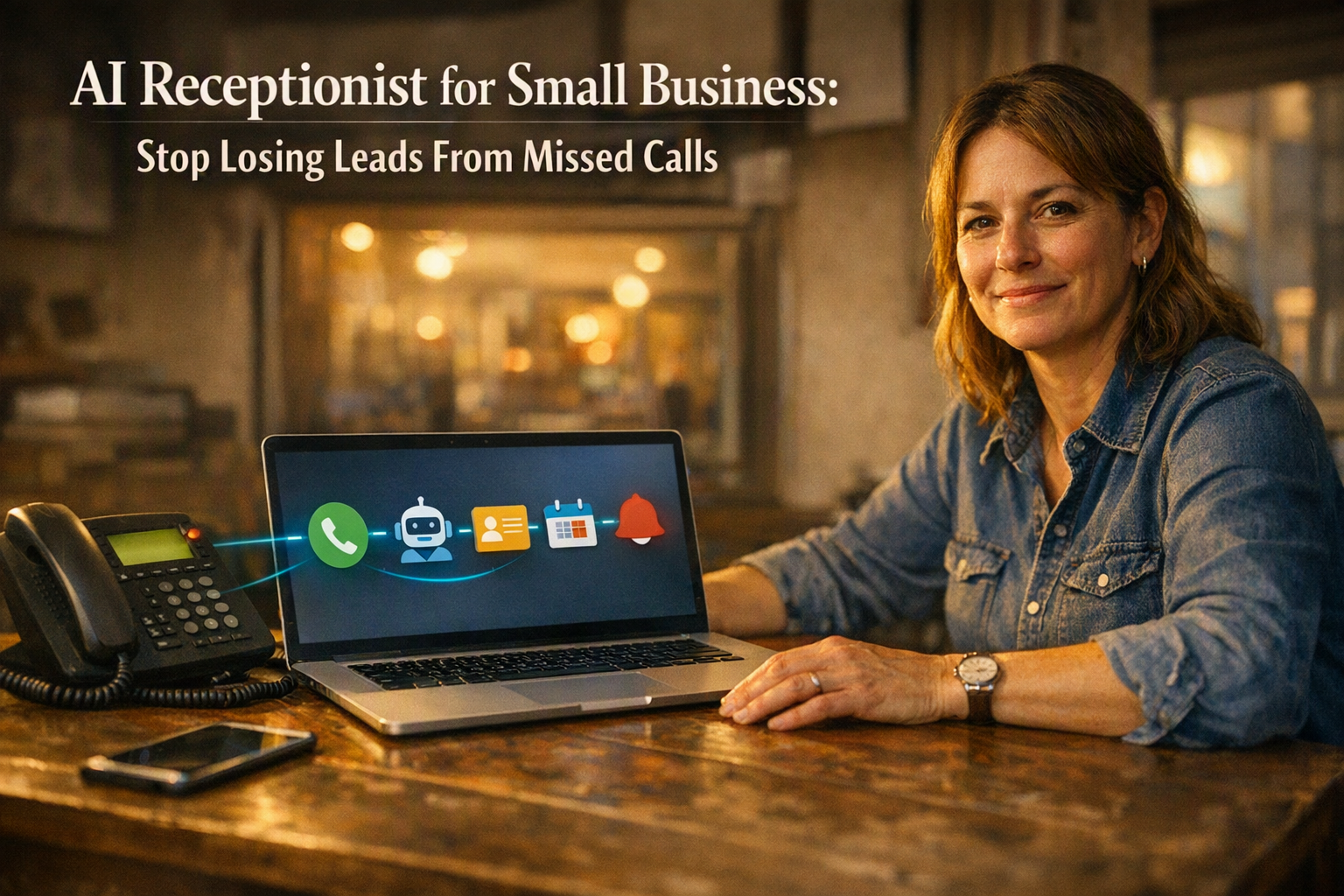 22 min read
AI Receptionist for Small Business: Stop Losing Leads From Missed Calls
Learn how an AI receptionist helps a small business recover missed calls with lead capture, routing, CRM webhooks, consent, and measurable follow-up.
Read more 21 min read
How Do I Build a ChatGPT App With Supabase Edge Functions? Step-by-Step…
Learn how to build a ChatGPT app with Supabase Edge Functions using secure API keys, authentication, persistence, streaming, deployment, and troubleshooting.
Read moreEvaluate options
Compare solutions
Head-to-head comparisons for voice AI, chatbots, and support automation.
 12 min read
Meta Muse Code vs GitHub Copilot vs Cursor: Verified 2026 Comparison
Compare Meta Muse Code vs GitHub Copilot and Cursor on availability, agents, IDEs, pricing, privacy, and enterprise fit using verified sources.
Read more 12 min read
Grok 4.20 vs Gemini 3.1 Pro for Reasoning Tasks: What Can Be Verified?
Compare Grok 4.20 and Gemini 3.1 Pro for reasoning tasks using verified sources, honest trade-offs, pricing checks, and a fair test plan.
Read more 11 min read
GPT-4o Transcribe vs GPT-4o Mini Transcribe Accuracy Difference: What…
Compare GPT-4o Transcribe and Mini Transcribe accuracy evidence, pricing verification, trade-offs, and a fair WER testing plan for your audio.
Read moreLatest articles
 24 min read
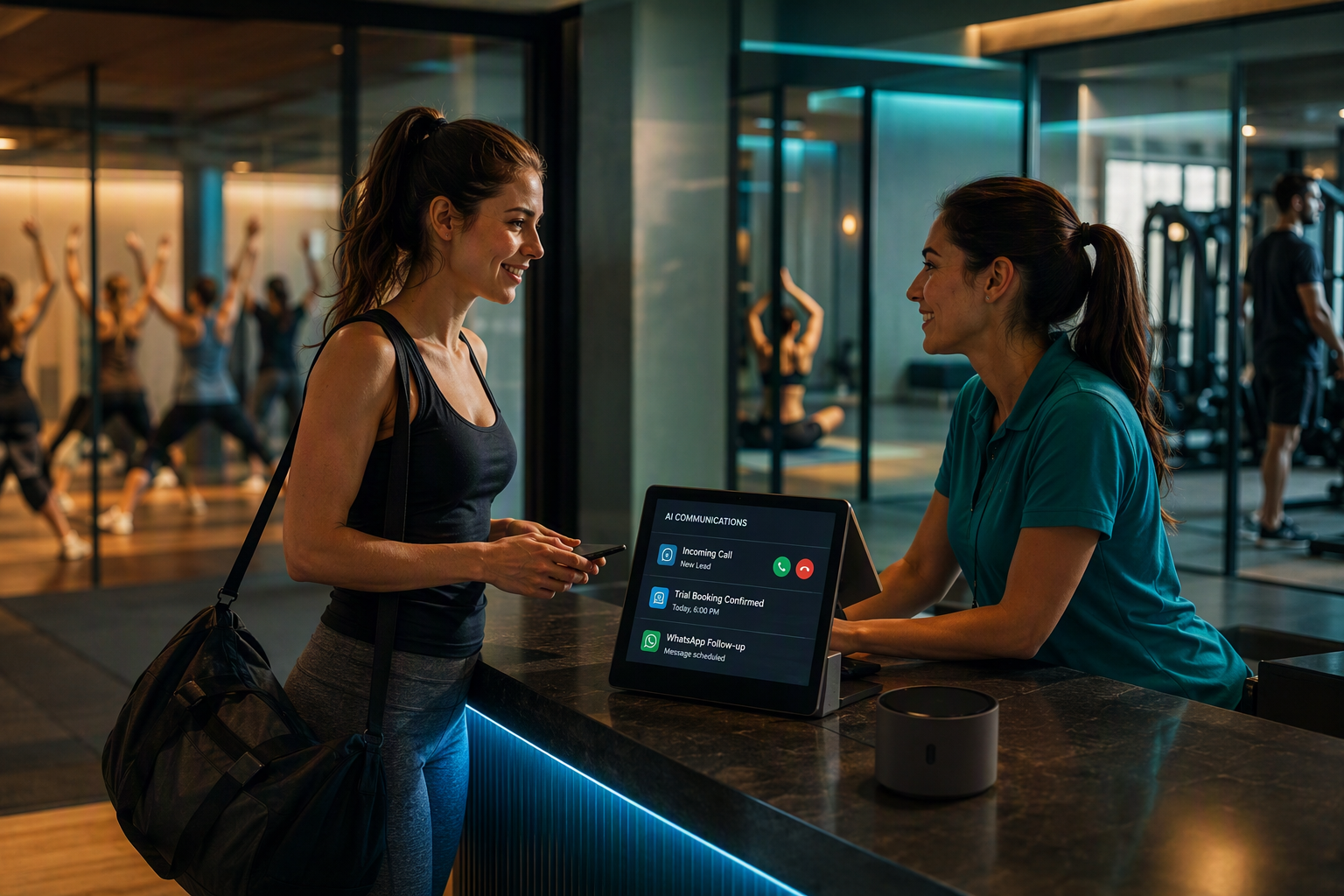
AI Receptionist for Gyms: 2026 Buyer and Implementation Guide for…
Choose and deploy an AI receptionist for gyms with safer calls, trial bookings, WhatsApp follow-up, integrations, handoffs and KPI tracking.
Read more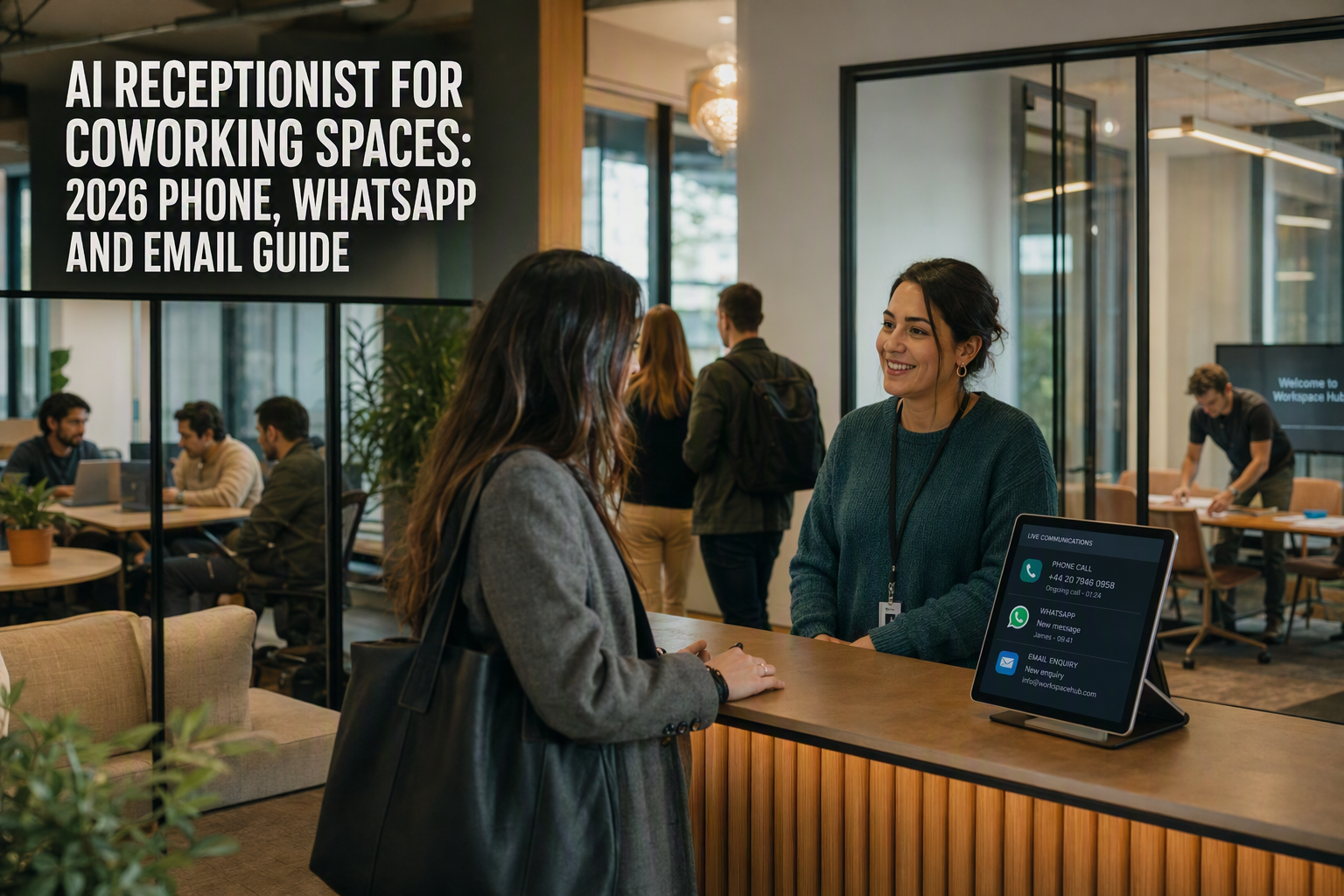 27 min read
AI Receptionist for Coworking Spaces: 2026 Phone, WhatsApp and Email…
Learn how an AI receptionist for coworking spaces handles enquiries, tours and leads safely across phone, WhatsApp and email.
Read more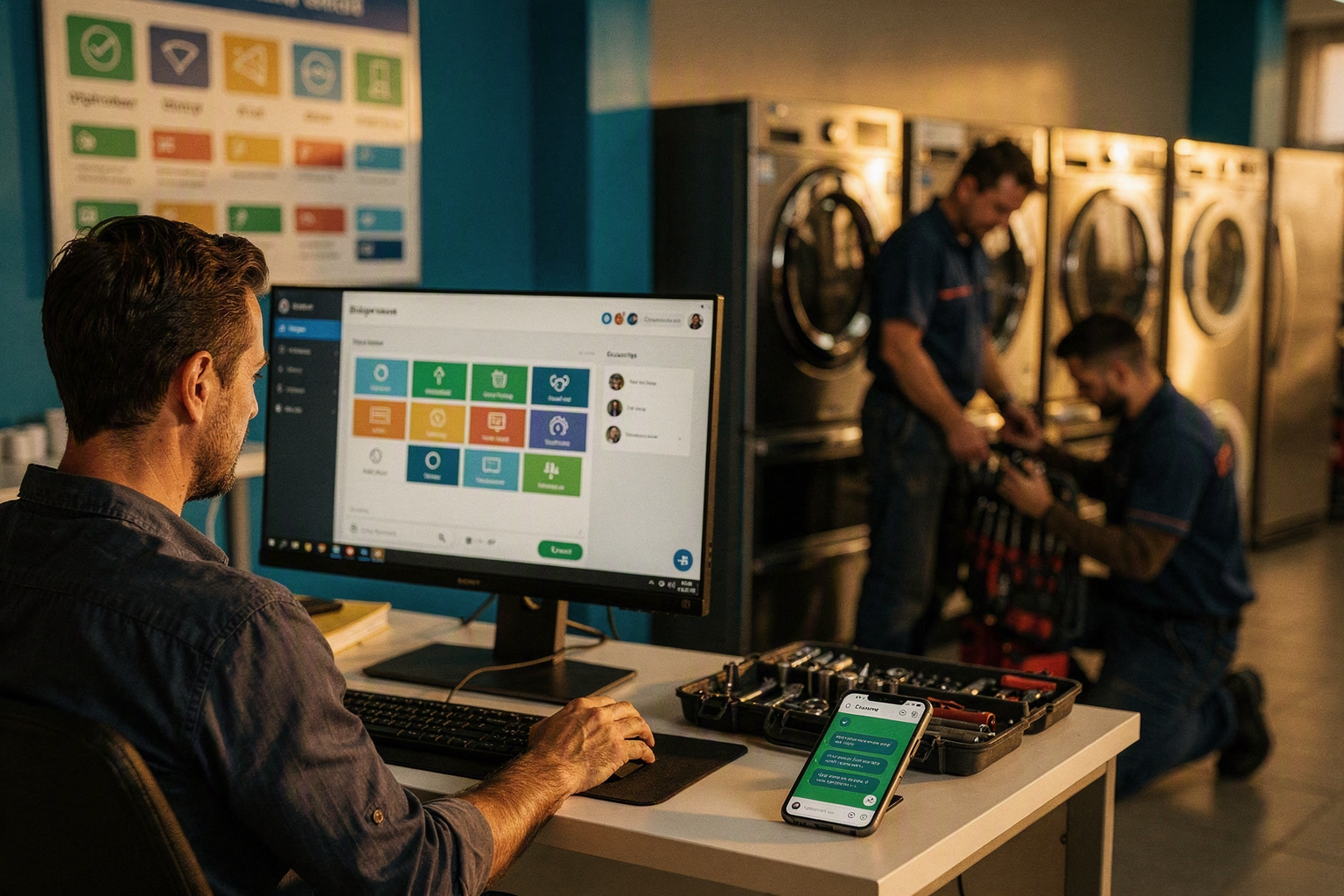 22 min read
AI Receptionist for Repair Shops: 2026 Implementation Guide for…
Learn how an AI receptionist for repair shops handles intake, bookings, safety escalation, integrations, WhatsApp updates and KPIs in 2026.
Read more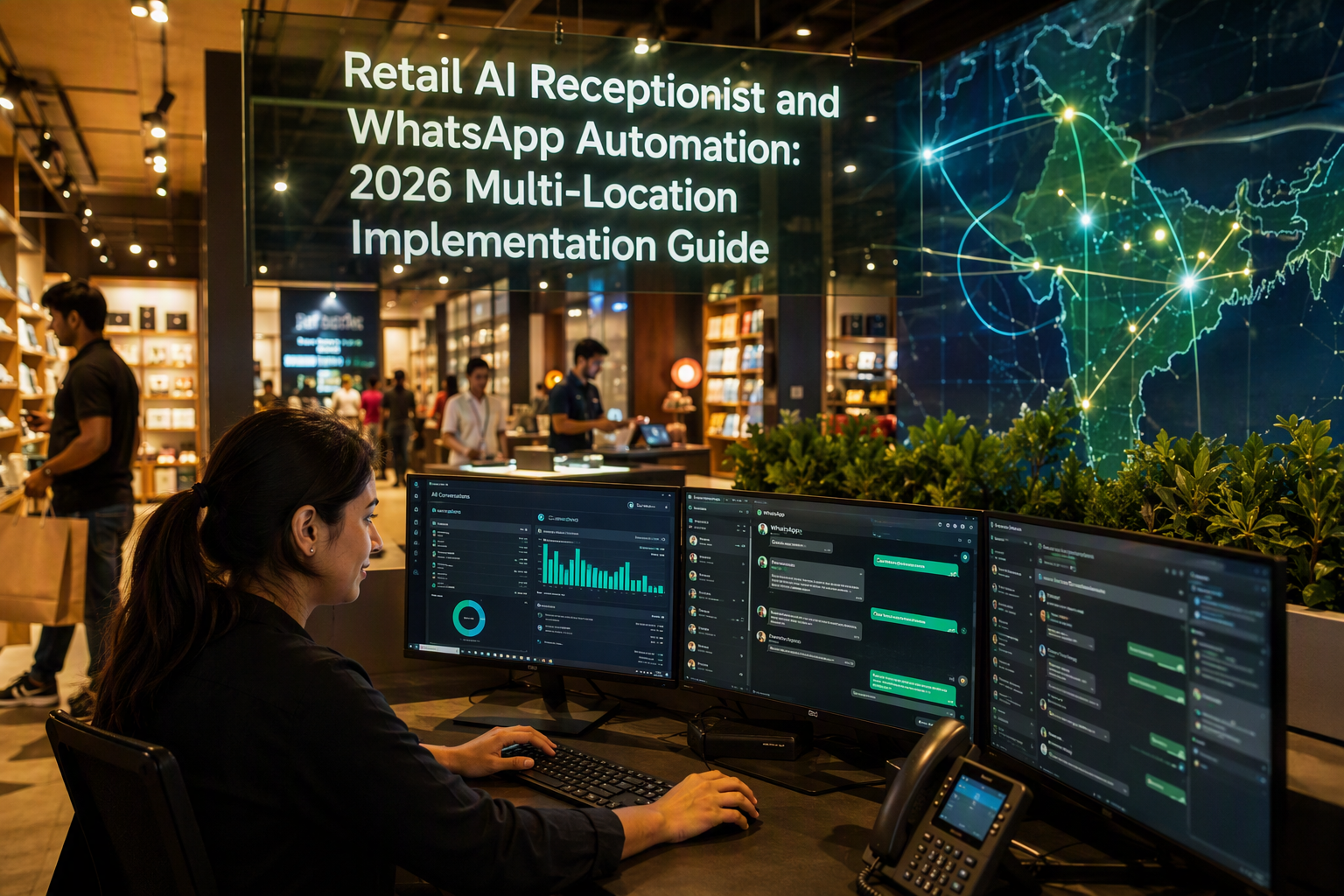 24 min read
Retail AI Receptionist and WhatsApp Automation: 2026 Multi-Location…
Implement a retail AI receptionist and retail WhatsApp automation with safe workflows, integrations, testing, escalation, and measurable KPIs.
Read more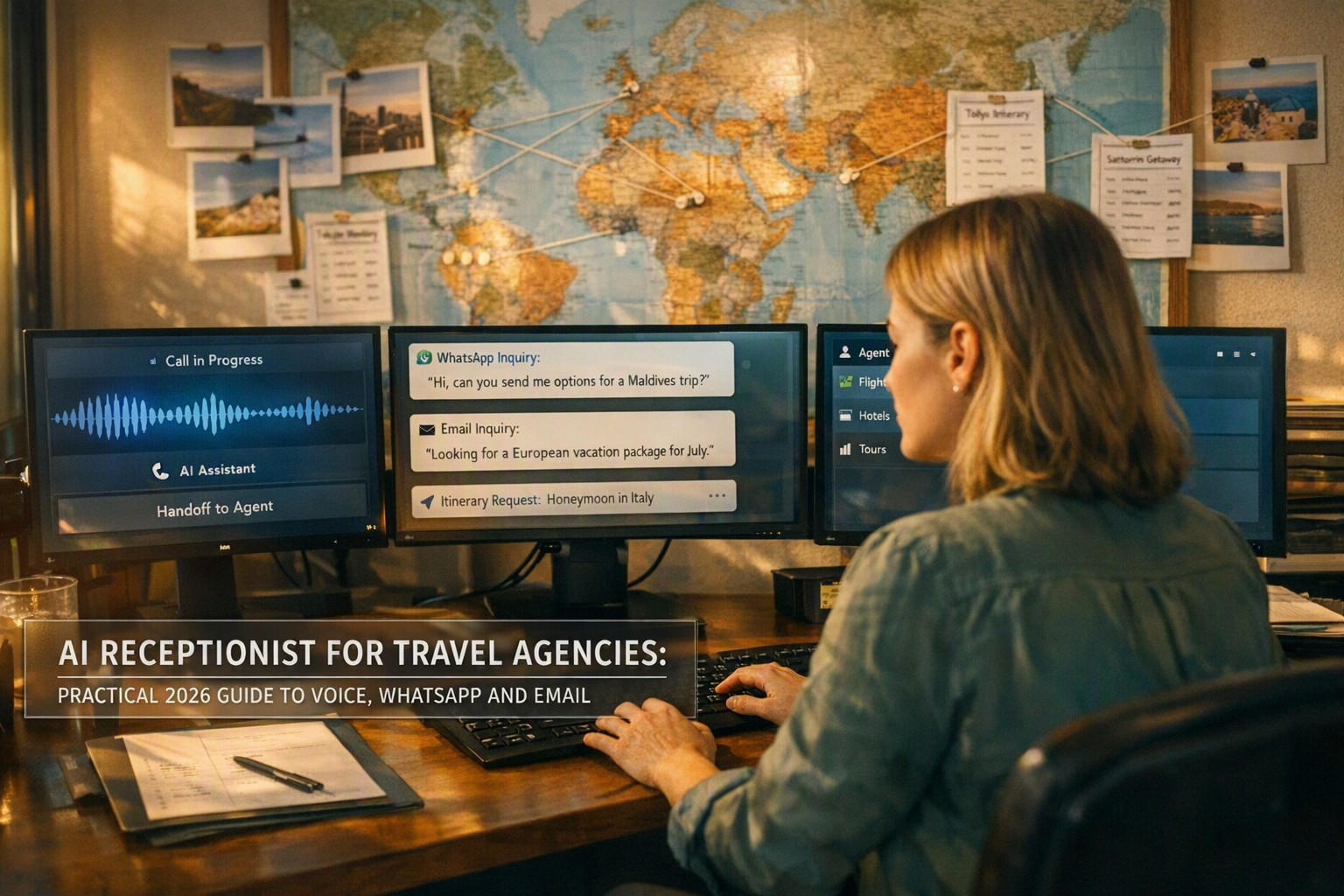 28 min read
AI Receptionist for Travel Agencies: Practical 2026 Guide to Voice,…
Learn how an AI receptionist for travel agencies captures leads, verifies availability, books consultations and escalates safely in 2026.
Read more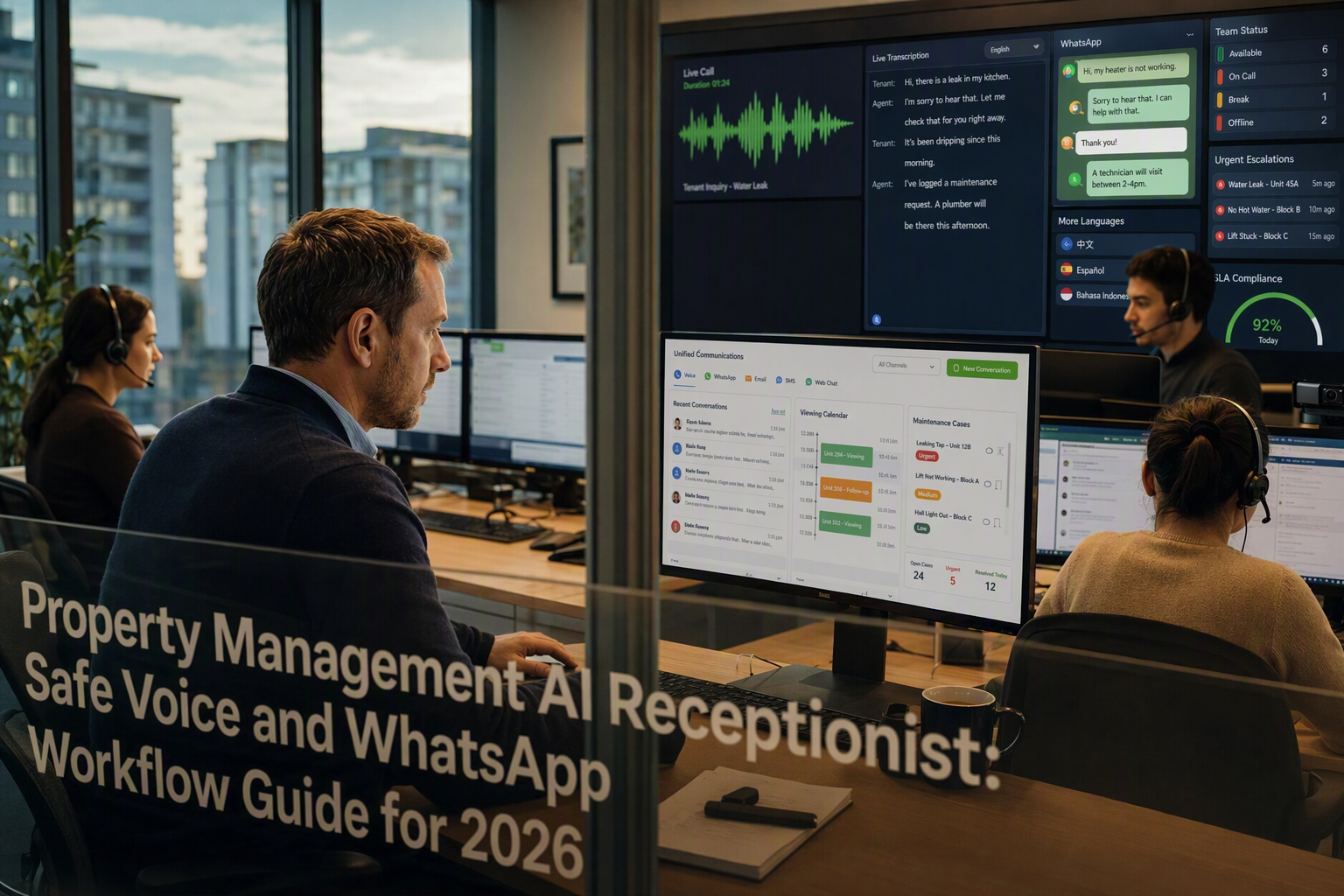 27 min read
Property Management AI Receptionist: Safe Voice and WhatsApp Workflow…
Learn how a property management AI receptionist handles calls, WhatsApp, maintenance triage, emergencies, integrations and KPIs safely.
Read more 24 min read
AI Receptionist for Veterinary Clinics: Complete 2026 Workflow Guide
Learn how an AI receptionist for veterinary clinics handles booking, missed calls, reminders, WhatsApp, escalation, privacy, and KPIs.
Read more 26 min read
AI Receptionist for Salons: 2026 Phone and WhatsApp Implementation Guide
Implement an AI receptionist for salons with reliable booking, WhatsApp, deposits, handoffs, missed-call recovery and measurable KPIs.
Read more 29 min read
AI Receptionist for Medical Clinics: Practical 2026 Implementation Guide
Implement an AI receptionist for medical clinics with safe booking, missed-call recovery, privacy controls, escalation, testing, and KPIs.
Read moreGet new guides in your inbox
Practical AI voice, WhatsApp automation, and LLM API updates — no spam.
CallMissed platform
Build your own AI voice agent
Automate inbound calls, qualify leads, and support customers across voice and WhatsApp — with a single dashboard and API.
Editor's picks
Recommended reads
High-value guides our team suggests for product and engineering readers.
12 min readMeta Muse Code vs GitHub Copilot vs Cursor: Verified 2026 Comparison
Compare Meta Muse Code vs GitHub Copilot and Cursor on availability, agents, IDEs, pricing, privacy, and enterprise fit using verified sources.
Read more12 min readGrok 4.20 vs Gemini 3.1 Pro for Reasoning Tasks: What Can Be Verified?
Compare Grok 4.20 and Gemini 3.1 Pro for reasoning tasks using verified sources, honest trade-offs, pricing checks, and a fair test plan.
Read moreBrowse by topic
Browse by type