
Five-Day Banking India: Can Support Stay Available?


Understand the five-day banking India proposal, what remains unconfirmed, and how digital support can help customers reach human staff.
Five-Day Banking India: Can Support Stay Available?
What happens when a bank branch is closed for an extra day—but a customer still needs help? Five-Day Banking India is back in the spotlight as bank employees amplify #5DayBankingNow, raising a practical question beyond working hours: how can customers get routine support when branches are unavailable?
The proposal is generally described as a Monday-to-Friday banking week, with Saturdays as holidays. UNI Global Union reported that bank unions linked the demand to a settlement and joint note dated 8 March 2024. But a proposed schedule is not the same as a nationwide policy: reporting available through August 2026 indicated that government approval was still needed and no nationwide start date had been confirmed.
The issue is timely. A coordinated #5DayBankingNow campaign was promoted for 30 August 2026, while September reporting has described renewed labor tensions and possible strike action. Those reports do not consistently identify dates or likely service impacts, so customers should check their own bank’s official notices rather than assume a strike—or a branch closure—is confirmed. Availability may differ by institution and location.
For customers, the bigger challenge is continuity. A five-day branch week could make it more important to answer simple questions outside branch hours: where to find holiday schedules, how to locate a branch or ATM, what documents are needed, or where to report a lost card. An automated assistant can provide approved information and collect details for follow-up, but it should not pretend to resolve a disputed transaction, make a lending decision, or handle suspected fraud without appropriate secure processes and human escalation.
This article looks at what five-day banking could mean for everyday service, which routine requests automation can realistically handle, and where a trained person must remain in the loop. It also explains how banks can set clear escalation paths, keep information current, and tell customers when a request needs human attention. Platforms such as CallMissed offer AI agents and a shared inbox with human handoff—an example of how automation can support continuity without replacing the people needed for complex or sensitive cases.
Can customer support stay available beyond branch hours?
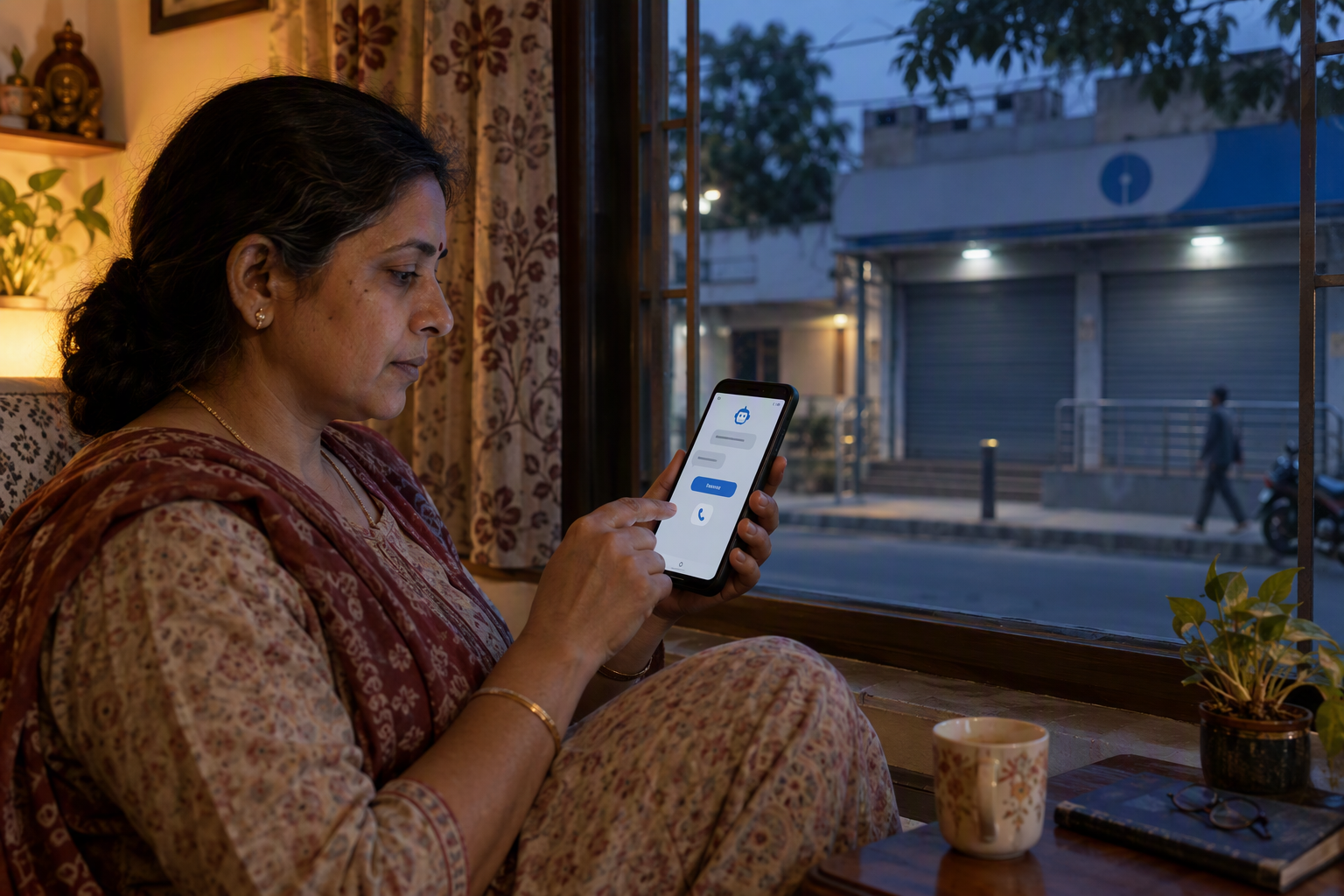
Yes—customer support can stay available beyond branch hours when automation handles low-risk, repeatable questions and routes everything else to a person or a secure banking process. The practical goal is not to make every banking service self-service; it is to answer routine questions promptly while making the limits of automation clear.
Which customer requests can automation handle after hours?
A well-maintained assistant can answer questions using bank-approved information, such as:
- Branch opening hours, holiday schedules and branch or ATM locations
- Required documents for common services, with links or instructions to the bank’s official process
- General explanations of products, fees and application steps
- Where to find a form, track a request or contact the right support team
For example, if a customer asks whether a branch is open on Saturday, an assistant can state the relevant published schedule and offer nearby service options. It should identify the source and date of that information, especially during a holiday or a period of changing service arrangements. If it cannot verify an answer, it should say so rather than guess.
The #5DayBankingNow campaign has put service continuity alongside working-week debates. UNI Global Union reported that unions linked the five-day demand to a settlement and joint note dated 8 March 2024. Whatever the eventual policy outcome, banks can design support for routine needs that arise outside branch hours—and make sure customers know when an automated answer is only a first step.
Which banking issues should go to a human?
Automation should not be treated as a substitute for secure identity checks or human judgment. Disputed transactions, suspected fraud, lost-card emergencies, complaints, loan decisions and requests involving account-specific information need the bank’s approved secure process, with escalation to a trained employee where appropriate.
A useful handoff tells customers what happens next: whether the issue has been recorded, which channel to use, and when a person is expected to respond. The assistant should never ask customers to disclose passwords, PINs or one-time passcodes in an ordinary chat. For urgent cases, it should direct customers to the bank’s official emergency contact or secure app—not leave them in a conversational loop.
September 2026 labor-dispute reports circulating online do not consistently agree on strike dates or service impacts. Customers should check their bank’s official notices for local branch availability rather than rely on an unverified post or assume every location is affected.
How can banks make automated answers dependable?
Three practices make after-hours support more useful:
- Use approved, current content. Assign owners to branch schedules, fees and process instructions, and update them when policies change.
- Set clear boundaries. Tell customers which tasks the assistant can complete and which require authentication or staff review.
- Track unresolved questions. Review handoffs and unanswered queries to find gaps in information or staffing.
As of September 2026, CallMissed offers AI agents and a shared inbox with a human-handoff queue, capabilities that illustrate how automated first responses can connect to human support. Its speech recognition supports 22 Indian languages plus English, including code-mixed speech such as Hinglish, which can help serve customers who prefer regional-language conversations. These tools can support continuity, but banks still need to supply accurate content and define secure escalation procedures.
What does five-day banking in India mean, and is it approved?
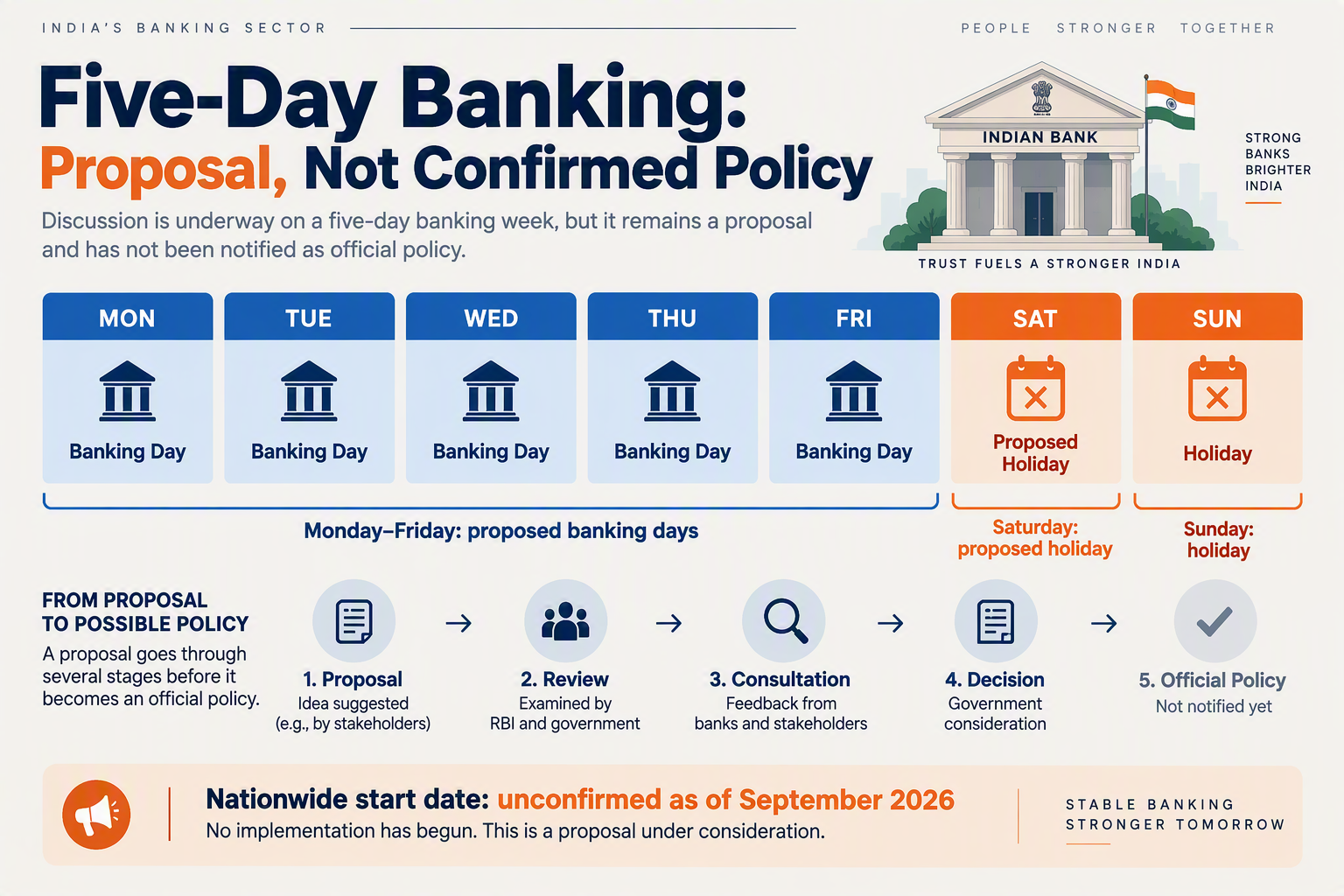
Five-day banking in India means a proposed Monday-to-Friday branch week, with Saturdays treated as holidays. As of September 25, 2026, the supplied reporting does not establish it as an implemented nationwide policy or confirm a nationwide start date; government approval is still reported as pending.
What would change under a five-day banking week?
The proposal concerns the regular banking workweek: Saturdays would become holidays, alongside Sundays and existing holidays. It should not be read as confirmation that every bank, branch or customer service channel would follow an identical schedule. Banks may communicate local opening hours and service arrangements separately, so customers should check their own institution’s official notices.
The proposal is tied to a settlement and joint note dated March 8, 2024. UNI Global Union says bank unions link their five-day-week demand to that agreement. But an agreement or union demand is not, by itself, proof that a change has been approved and implemented across the country.
That distinction matters for customer planning. A proposed Saturday closure is not the same as a confirmed closure at a particular branch, and online or phone support availability should not be assumed from the branch schedule alone. Customers should verify current arrangements directly with their bank.
Is five-day banking approved in India?
The available context does not show final nationwide approval. Reporting through August 2026 described government approval as still required, with no confirmed implementation date. Until an official decision and schedule are announced, five-day banking should be described as a proposal—not an established banking rule.
The demand is again in the news through #5DayBankingNow. TheKanal reported that bank employees promoted a coordinated campaign on X for August 30, 2026, while UNI Global Union has reported renewed union action over the five-day-week demand. These developments show that the issue remains active; they do not establish that the policy has been approved.
Are bank strikes or branch closures confirmed for September 2026?
The supplied September reports are not consistent enough to treat a specific strike date or service impact as confirmed. One social-media post alleges a three-day strike for September 28–30, 2026, while other reports describe renewed labor tensions without establishing a uniform disruption schedule. Such claims can change quickly and may not apply to every bank or location.
Before visiting a branch or relying on a service, check the bank’s official website, app, customer-care channel or local branch notice. Confirmed bank communications—not a campaign post or circulating strike report—are the practical source for whether a particular service is available.
What does the approval uncertainty mean for customer support?
For banks, the useful planning question is not simply whether Saturday will become a holiday; it is how customers can get accurate help when a branch is closed. Automation can support continuity by sharing current, bank-approved information and directing customers to secure processes or human staff when a request needs more than a routine answer.
That requires clear limits: an automated assistant should not imply that a proposed schedule is already in force, nor promise that a branch or service is open without verified information. Banks can keep schedule notices current, identify when a request needs a person, and tell customers how to reach the appropriate team. The policy remains uncertain; customer communication can still be prepared.
What has changed in the five-day banking proposal?
What has changed in the five-day banking proposal?
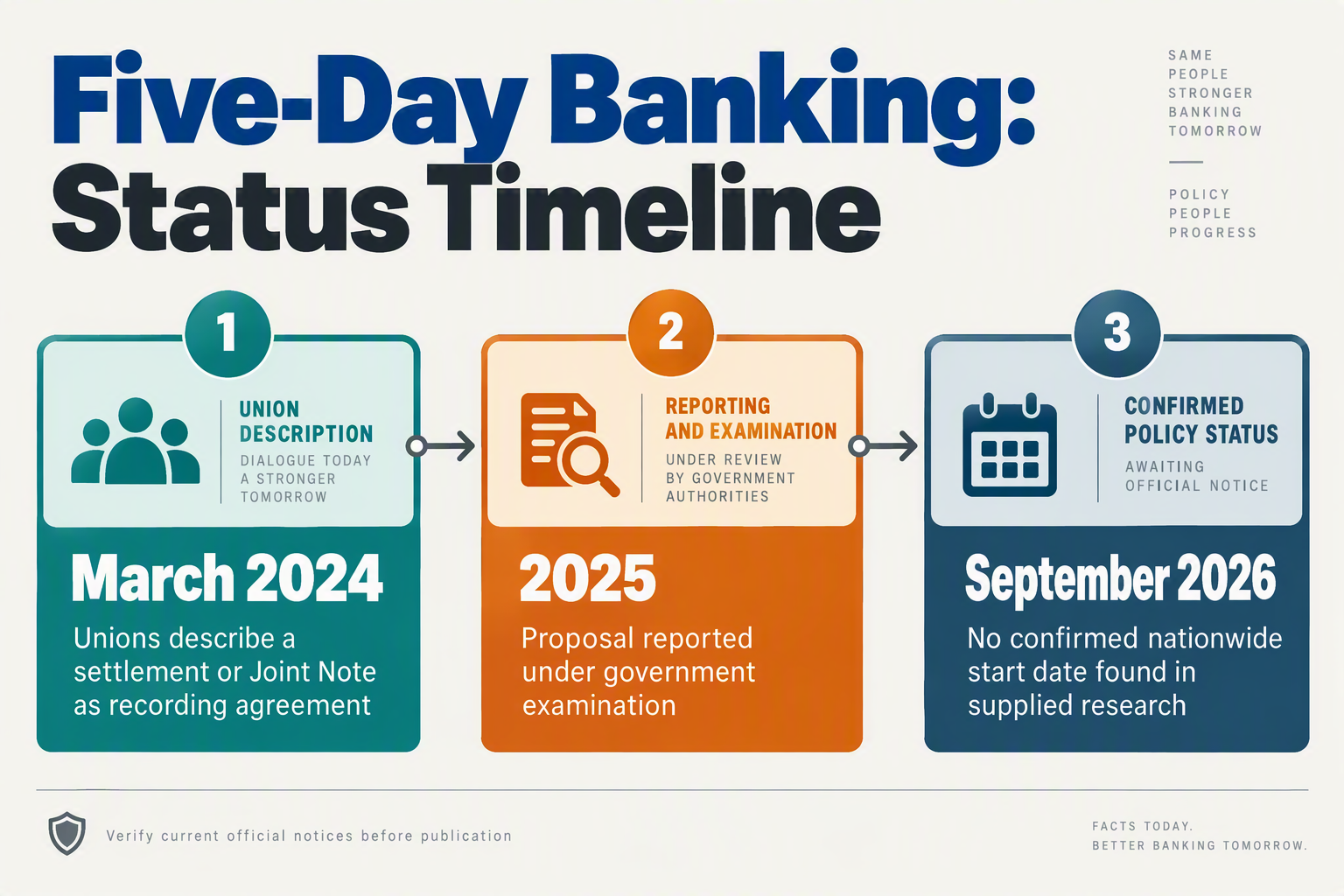
The proposal remains a proposed Monday-to-Friday banking week, with Saturdays as holidays—not an implemented nationwide policy. What has changed is the public pressure around it: #5DayBankingNow and renewed labor-dispute reporting have brought the issue back into focus, while approval and a confirmed start date remain unresolved.
What does the proposal actually cover?
Bank unions describe five-day banking as a demand linked to a settlement and joint note dated 8 March 2024. UNI Global Union reported that connection; it does not mean the schedule has taken effect across India. Reporting available through August 2026 indicated that government approval was still required, with no confirmed nationwide implementation date.
| Issue | What the available reporting says | Status as of September 2026 | Customer-service implication |
|---|---|---|---|
| Proposed schedule | Monday-to-Friday banking, with Saturdays as holidays | Proposal, not confirmed nationwide policy | Check the relevant bank’s published hours |
| Union position | UFBU and bank unions describe the demand as linked to the 8 March 2024 settlement and joint note | Union-backed demand | The agreement’s existence does not itself establish implementation |
| Government approval | August reporting said approval was still needed | No confirmed approval is identified in the supplied research | Do not assume every branch follows a five-day week |
| #5DayBankingNow | A coordinated campaign was promoted for 30 August 2026; theKanal reported the online push | Advocacy activity, not a policy announcement | Campaign activity alone does not change service hours |
| Strike reports | September coverage describes renewed labor tensions and possible strike action | Dates and service effects conflict across reports | Verify notices with the bank before travelling or relying on branch access |
Why is #5DayBankingNow back in the news?
The campaign has given the long-running demand a renewed public platform. TheKanal reported that bank employees amplified #5DayBankingNow in a coordinated online push promoted for 30 August 2026. That is evidence of advocacy, not proof that a five-day schedule has been approved.
Labor developments are also being reported. A United Forum of Bank Unions post on X said conciliation on 23 January 2026 had not produced a concrete outcome; September reports describe renewed tensions and possible strike action. However, the supplied search results disagree on strike dates and likely service impacts. Treat unverified strike claims cautiously: customers should check official notices from their own bank and relevant union before making plans.
What should customers and banks do while the status is unclear?
For customers, the practical rule is to distinguish a proposal, a campaign, and a confirmed branch schedule. Availability may vary by institution and location, and a social-media trend does not establish whether a particular branch is open.
Banks can prepare for continuity without waiting for a nationwide policy change. A useful readiness checklist is:
- Keep branch hours, holiday calendars, ATM locations, and service instructions current across customer channels.
- Make clear which routine questions an automated assistant can answer and which requests require a secure process or a person.
- Publish escalation routes and official service notices so customers can verify changes rather than rely on conflicting reports.
That distinction matters: automation can help customers find approved information outside branch hours, but it cannot make an unconfirmed schedule official or replace human handling for sensitive cases.
Which banking tasks can automation handle safely after hours?

Which banking tasks are safe to automate after hours?
After-hours automation is safest when it provides general information, explains a bank’s approved process, or records a request for follow-up—not when it moves money, changes account access, or makes a judgment about a customer’s finances. That distinction matters as #5DayBankingNow keeps five-day banking in public discussion: a proposed Monday-to-Friday week with Saturdays off is not a confirmed nationwide policy, and service arrangements still depend on each bank.
UNI Global Union traces the unions’ five-day-week demand to a Settlement and Joint Note dated 8 March 2024. As of September 2026, the supplied reporting does not establish a nationwide implementation date. Reports about possible strike dates and effects also conflict, so customers should check official bank notices for local service updates rather than rely on social posts alone.
What routine banking questions can an assistant answer?
A bank can prepare an assistant to answer questions from current, bank-approved information, including:
- Branch and ATM locations, opening hours and holiday schedules
- Which documents are generally needed for a service, and where to find the bank’s official instructions
- How to navigate the bank’s app, website, phone menu or complaint process
- General explanations of published fees, product terms or service steps, with a clear direction to official documentation
These answers should be bounded: an assistant can explain a published process, but it should not interpret a customer’s individual contract or promise an outcome. Banks should review source content, give it an owner and update it when schedules, fees or procedures change. A confident answer based on an outdated holiday calendar is still a service failure.
Language access is another practical consideration. As of September 2026, CallMissed offers speech recognition in 22 Indian languages plus English, including code-mixed speech such as Hinglish. That capability illustrates how voice automation can accommodate varied ways of speaking; it does not by itself mean a bank has enabled those languages or validated banking answers in them.
Which requests should move to a person or secure banking channel?
Automation should not collect or act on sensitive credentials in an ordinary support conversation. Requests involving a disputed transaction, suspected fraud, a lost or stolen card, account access, payment instructions, credit decisions or changes to personal details need the bank’s approved authentication and case-handling process. The assistant can direct a customer to that secure process, capture a minimal callback request where permitted, or transfer the conversation to a trained employee.
A useful after-hours flow is:
- Identify the request category without asking for a PIN, password or one-time password.
- Provide approved next steps for routine questions or urgent reporting.
- Route sensitive or uncertain cases to a secure channel or human queue.
- Set expectations clearly about whether the customer has reached a person and when follow-up is available.
The handoff should preserve the customer’s stated issue and avoid making them repeat details unnecessarily, while limiting what is stored to the bank’s policy.
For example, CallMissed’s omnichannel inbox includes a human-handoff queue: switching the AI off hands the thread to a person. As of September 2026, that is a platform capability—not a claim of bank integration or a substitute for a bank’s security controls. Used within a bank-designed workflow, automation can keep routine information available beyond branch hours while leaving consequential decisions and sensitive cases with people and secure systems.
What changes for customers, banks and service continuity?
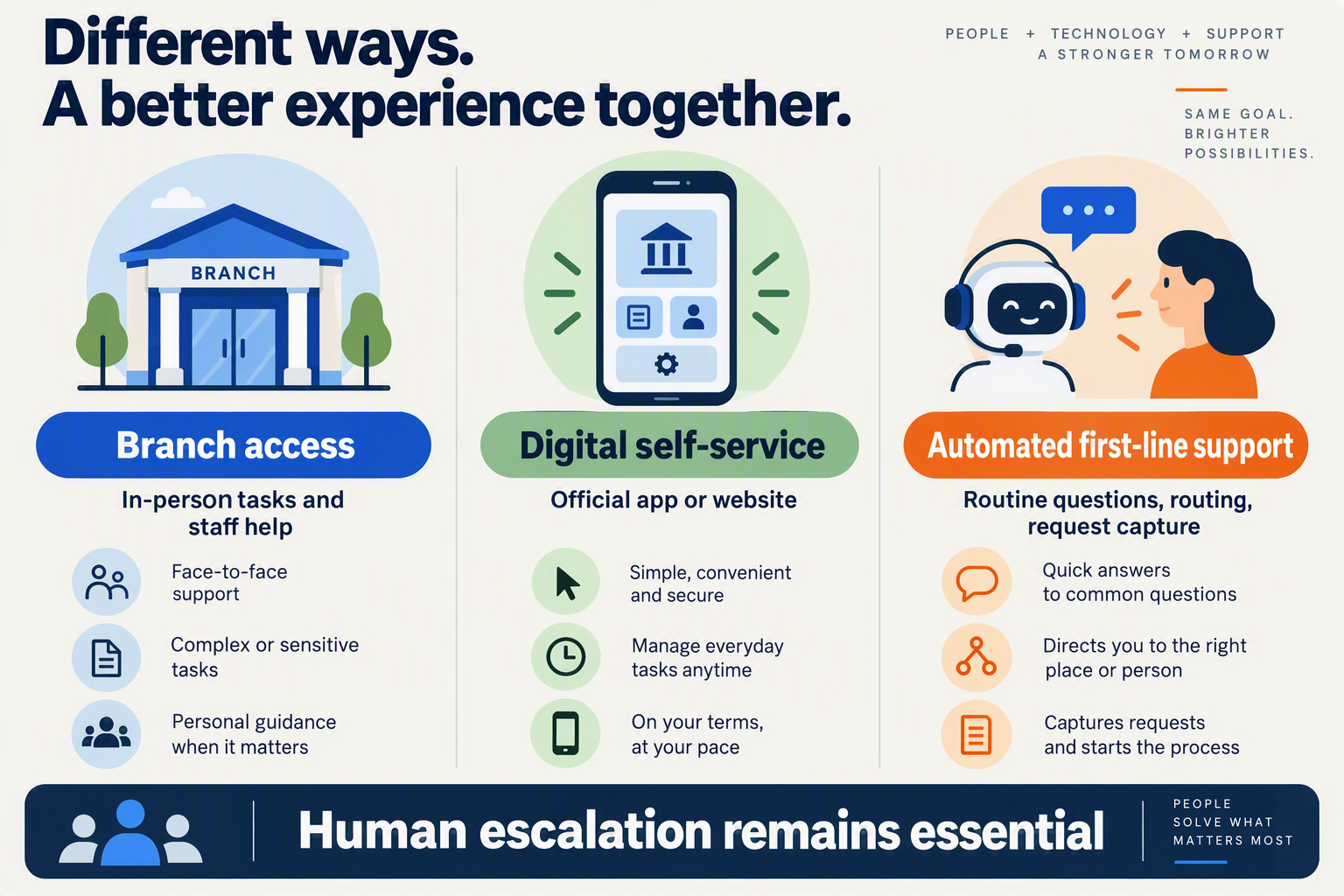
Five-day banking could shift more routine support demand to digital and phone channels on Saturdays, but it does not make every banking service available—or make automation a substitute for staff. Banks would need clear answers for simple requests, secure routes for sensitive cases and a visible way to reach a person.
What changes for customers if branches close on Saturdays?
The proposal is a Monday-to-Friday banking week, with Saturdays as holidays; it is not established nationwide policy. UNI Global Union reported that unions link the demand to a settlement and joint note dated 8 March 2024. Reporting available through August 2026 said government approval was still required and no nationwide start date had been confirmed.
For customers, the practical change would be fewer branch days for services that still require in-person help. Demand could rise for reliable information about branch and ATM locations, holiday schedules, documentation and the right channel for a request. Digital support can reduce uncertainty, but banks should state plainly which actions require a branch visit or staff review.
The #5DayBankingNow campaign adds a current labor-relations context: CBOA’s campaign post promoted 30 August 2026 as a day of coordinated activity. September reporting about possible strike action is inconsistent on dates and service impact, so customers should check their bank’s official notices rather than treat a strike or closure as confirmed. Branch availability may vary by bank and location.
Which support tasks can automation handle—and where should it stop?
Automation is most useful for frequent, low-risk questions with answers drawn from current, bank-approved information. For example, an assistant could:
- Provide branch hours, holiday schedules, branch or ATM locations and general process guidance.
- Explain what documents are commonly needed for a service and direct customers to the bank’s official channel.
- Capture a customer’s question and contact details for follow-up, with consent and appropriate safeguards.
It should not make lending decisions, adjudicate disputed transactions or ask customers to disclose passwords, PINs or one-time passcodes in an unsecured conversation. Suspected fraud, account access problems and complaints with financial consequences need a secure workflow and a clear route to trained staff. A useful assistant says what it can do, identifies when a request needs human attention and gives the customer an actionable next step.
How can banks protect service continuity?
Continuity depends on more than keeping a chatbot online. Banks need to keep schedules and process guidance current, avoid promising that an automated answer completes a transaction, and ensure conversations needing review enter a staffed queue. They should also tell customers when follow-up will happen and provide an alternative official channel for urgent issues.
A practical service design has three steps:
- Answer routine questions using approved, updated content.
- Collect only the details needed to understand and route the request.
- Escalate sensitive or unresolved cases to a person or secure banking process.
Platforms such as CallMissed offer AI agents and a shared inbox with human handoff, illustrating how automation can support continuity while leaving complex cases with people. The wider lesson for five-day banking is not that every service can be automated; it is that customers should still receive a clear answer, a safe next step and an honest indication of when human help is available.
What do unions, banks and customers prioritize?

Five-day banking brings different priorities into focus: unions seek a Monday-to-Friday workweek, banks must preserve dependable service, and customers want help that remains clear and accessible when branches are closed. Automation can support continuity, but it cannot settle the policy question or replace human support for sensitive cases.
What do bank unions prioritize in the five-day banking debate?
Bank unions have framed five-day banking as a long-standing workplace demand. UNI Global Union reported that unions linked it to a Settlement and Joint Note dated 8 March 2024. The #5DayBankingNow campaign promoted for 30 August 2026 gave that demand renewed visibility, but a campaign is not evidence that a nationwide schedule has taken effect.
For employees, the proposal is about working arrangements. Customer-support automation should not be presented as a substitute for that discussion: answering routine questions after hours does not resolve questions about staffing, working time or implementation.
The status also matters to customers. Reporting available through August 2026 indicated that government approval was still required and no nationwide start date had been confirmed. September labor-dispute reports have been inconsistent about possible strike dates and service impacts. Customers should check their bank’s official notices before making plans; branch availability can vary by bank and location.
What operational priorities would banks need to balance?
If a five-day week is adopted, banks would need to consider how to maintain predictable service across branch, phone and digital channels. That is an operational consideration, not a claim that banks have announced a particular plan. The practical questions include how routine enquiries are answered on weekends, how urgent issues reach trained staff, and how customers are told when a request cannot be resolved automatically.
Automation is most useful when its scope is explicit. It can provide approved information—such as branch hours, holiday schedules or general process instructions—without implying that a customer’s account-specific problem has been resolved. Banks would also need a clear route from an automated answer to a person or to the bank’s secure service channel, especially for disputed transactions, suspected fraud and other sensitive matters.
A sensible service design separates requests by risk:
- Answer directly: general FAQs and published branch or ATM information.
- Collect and route: requests that need follow-up, with a clear expectation about who will respond and through which channel.
- Escalate securely: fraud concerns, disputed transactions and requests requiring identity verification or account access.
What do customers need when branches are closed?
Customers primarily need accurate answers, clear boundaries and a reliable next step—not an automated system that claims to handle every issue. A useful assistant should identify itself as automated, use current bank-approved information, and say plainly when a person or secure process is required.
This matters particularly during fast-moving labor disputes. Conflicting online reports should not be treated as confirmation of a closure or strike; customers should rely on their bank’s official communications for local service updates.
Platforms such as CallMissed offer AI agents alongside a shared inbox with human handoff, an example of how routine support and human follow-up can work together. As of September 2026, that kind of capability can help organize customer enquiries, but the bank remains responsible for approved information, secure escalation and decisions that require human judgment.
What should banks and customers do before a holiday or disruption?
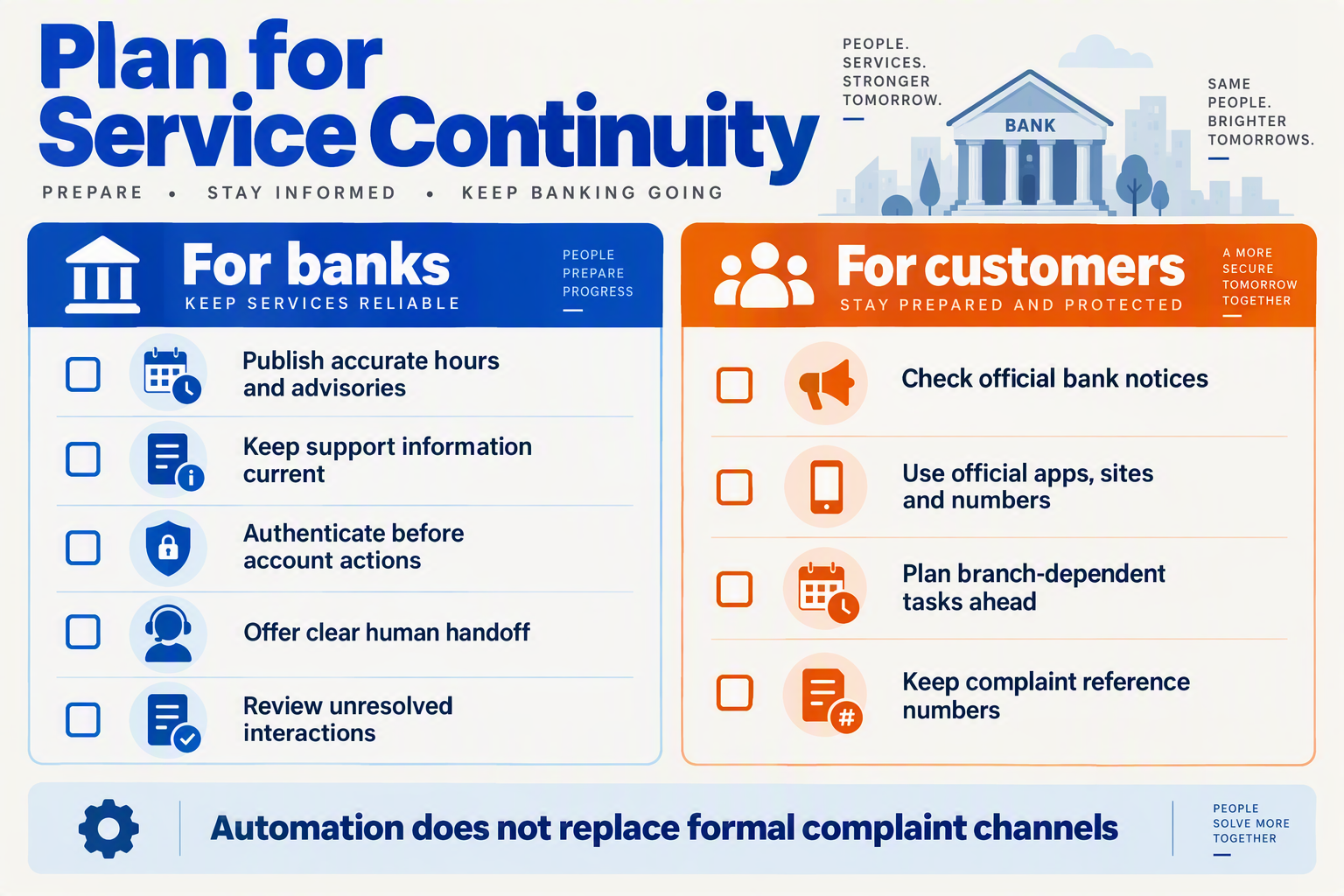
Before a holiday or service disruption, customers should verify what is actually open, save the bank’s official contact and reporting channels, and avoid sharing sensitive information with unverified accounts. Banks should keep routine answers current and make a clear human route available for urgent or sensitive cases.
What should customers check before a bank holiday or disruption?
Start with the bank’s own website, app, branch notice or verified social account—not a forwarded message. This matters because the five-day banking proposal is not confirmed nationwide policy: reporting available through August 2026 said government approval was still needed and no nationwide start date had been confirmed. September 2026 labor-dispute reports have also differed on strike dates and potential service impacts, so customers should not assume a disruption is confirmed without an official notice.
| Check | Customer action | Bank or support-team action | Why it matters |
|---|---|---|---|
| Branch availability | Confirm the branch’s opening hours and any local closure notice through an official bank channel. | Publish location-specific hours and update them when circumstances change. | A national discussion does not establish what is happening at a particular branch. |
| Time-sensitive requests | Complete routine in-person requests before a closure where possible; confirm required documents and processing steps. | Provide current, bank-approved instructions and identify requests that require branch attendance. | Customers can plan without relying on an automated answer to make an exception. |
| Digital access | Check that the official app, website and support details are accessible; use only links reached through the bank’s verified channels. | Keep official digital support routes visible and provide clear guidance if a channel is unavailable. | Reduces confusion when a branch is closed or a message is circulating. |
| Lost card or suspected fraud | Use the bank’s official card-blocking or fraud-reporting process immediately; do not send PINs, passwords or one-time passcodes in chat. | Direct customers to secure reporting and blocking procedures; escalate suspected fraud to an appropriate human or specialist workflow. | These cases require secure handling, not a general-purpose FAQ response. |
| Unresolved or urgent issue | Record the time, channel and any reference number, then request human follow-up through an official route. | Explain when a person will respond and preserve the conversation details for follow-up. | A chatbot answer is not the same as resolving a disputed or complex case. |
How should banks prepare support teams for a closure?
Banks can use a short readiness sequence before a holiday or a reported disruption:
- Review official notices. Confirm the affected dates, branches and services; do not present union campaign posts or conflicting strike reports as final bank guidance.
- Refresh approved answers. Check holiday hours, branch and ATM information, document lists, and the current procedures for card loss or fraud reports.
- Test escalation. Verify that an automated assistant can identify cases it should not handle alone and route them to a person or secure process.
- Tell customers what happens next. State whether a request is informational, submitted for follow-up, or still requires action from the customer.
The distinction is practical: automation can answer a verified question after branch hours, while a human or secure banking process remains responsible for sensitive decisions and unresolved cases. Platforms such as CallMissed provide AI agents alongside an omnichannel inbox with human handoff, an example of how banks can connect routine automated support with a person when a conversation needs attention.
Frequently Asked Questions

What does five-day banking in India mean for customers?
Has five-day banking been implemented across India?
Does the #5DayBankingNow campaign mean a bank strike is confirmed?
What can customer-support automation answer outside bank branch hours?
Can an AI assistant handle a lost card, suspected fraud, or a disputed transaction?
How can banks keep customer support available if branches close for an extra day?
Conclusion
Five-day banking in India remains a proposal, not a confirmed nationwide schedule. The #5DayBankingNow campaign and September 2026 labor-dispute reports make service continuity timely—but conflicting reports are no substitute for checking a bank’s official notices.
The practical takeaway is that automation can help customers get routine information beyond branch hours, provided banks keep answers current and sensitive issues reach trained staff. That means designing for clear limits, secure processes and human follow-up—not promising that every problem can be solved by a bot.
- Five-day banking generally means a Monday-to-Friday branch week, with Saturdays as holidays; the cited reporting through August 2026 said government approval and a nationwide start date were still unconfirmed.
- Automation can answer routine questions, such as branch hours, holiday schedules, locations and document requirements, using bank-approved information.
- Sensitive cases need a safe route to people or secure processes. Disputes, suspected fraud and lending decisions should not be treated as ordinary FAQ requests.
- Availability may vary by bank and location, so customers should verify branch and service updates through official channels.
Next, watch for official policy decisions, bank-specific notices and how institutions communicate escalation options. Platforms such as CallMissed offer AI agents and a shared inbox with human handoff—one example of tools that can support continuity without replacing human judgment. As banking hours evolve, are banks making it clear what automation can answer—and when a person will take over?
Related Reading
- AI Agent Human Oversight Rules for Customer Support
- ChatGPT Cross-Site Data Collection: Support Privacy
- July 2026 AI Agent Updates: Gemini for Support Teams
Sources
Discussion
Related Posts



Ready to automate customer conversations?
Launch AI voice agents and WhatsApp bots with CallMissed — one API, 22+ Indian languages.