
Gemini 3.5 Flash-Lite vs Claude Sonnet 5: Verified 2026 Comparison


Compare Gemini 3.5 Flash-Lite vs Claude Sonnet 5 on verified APIs, official pricing, limits, speed, tools, reliability and best use cases.
Gemini 3.5 Flash-Lite vs Claude Sonnet 5: Verified 2026 Comparison
What if one of the two models in your shortlist cannot yet be verified in its vendor’s official documentation? That is the central issue in any Gemini 3.5 Flash-Lite vs Claude Sonnet 5 comparison current as of July 21, 2026: Google documents Gemini 3.5 Flash-Lite, and Anthropic documents Claude Sonnet 5 under the official API model ID claude-sonnet-5, with published pricing and capability guidance.
This distinction matters because plausible model names are not the same as production-ready products. Google’s Gemini API release notes state that Gemini 3.5 Flash-Lite reached general availability on July 21, 2026, alongside Gemini 3.6 Flash. Google positions Gemini 3.5 Flash-Lite as a high-volume, cost-sensitive model, making it relevant for classification, extraction, routing, conversational interfaces, and other workloads where latency and per-token economics can outweigh maximum reasoning depth.
The documented capacity is substantial. Google AI for Developers reports that Gemini 3.5 Flash-Lite supports a 1-million-token context window and up to 64,000 output tokens as of July 21, 2026. Google also lists Google Search grounding for Gemini 3.5 Flash-Lite and a 10-million-token Batch API enqueued-token allowance, although neither figure should be confused with guaranteed real-time throughput or end-user latency.
Yet even the Google evidence requires careful interpretation. Search-result snippets around “Flash-Lite” include a June 1, 2026 shutdown notice that may refer to an earlier model generation, while Google’s July 21 release notes separately identify Gemini 3.5 Flash-Lite as GA. This article therefore treats exact model names, dated documentation, and API identifiers as essential—not interchangeable branding.
You will learn:
- Whether each model has a verified public API ID and documented availability.
- How official input, output, caching, batch, and tool-use pricing compares when figures exist.
- What the published context and maximum-output limits mean in practical applications.
- How to assess speed without presenting uncontrolled latency tests as universal benchmarks.
- Where coding, agents, multimodality, search grounding, and tool calling fit.
- How normalized token-cost examples change the choice for high-volume production systems.
- What to do when migrating from a verified endpoint to a model whose specifications remain unconfirmed.
For developers who want to reduce integration overhead, CallMissed’s OpenAI-compatible gateway reflects the broader move toward accessing multiple AI models behind one API while retaining fallback options.
The conclusion will not guess missing Claude Sonnet 5 numbers or declare a winner from mismatched evidence. Instead, this comparison separates confirmed facts, unavailable data, and methodology caveats, giving engineering and procurement teams a defensible decision framework rather than a speculative benchmark chart.
Which model wins: Gemini 3.5 Flash-Lite or Claude Sonnet 5?
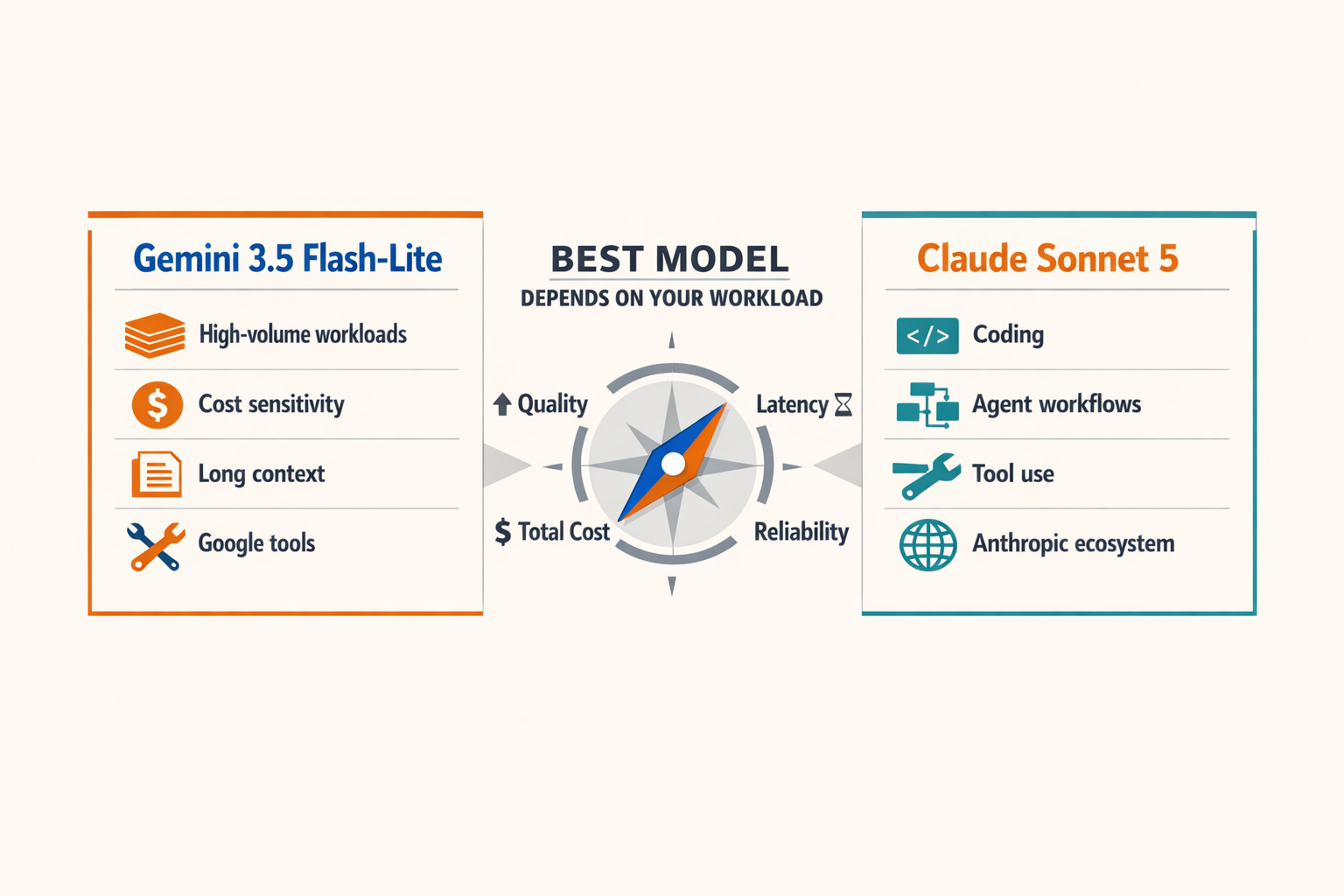
Neither model wins every workload as of July 22, 2026. Gemini 3.5 Flash-Lite is the better fit for low-cost, high-volume processing, while Claude Sonnet 5 is the stronger choice for demanding reasoning, coding, and agentic tasks when output quality justifies the additional cost.
Both are officially documented, deployable models. Google lists gemini-3.5-flash-lite as generally available, and Anthropic officially lists claude-sonnet-5 with capability documentation and standard API pricing.
The evidence-based verdict
The Gemini 3.5 Flash-Lite vs Claude Sonnet 5 decision depends on the workload:
- High-volume, cost-sensitive requests: Gemini 3.5 Flash-Lite.
- Complex reasoning, coding, and agent workflows: Claude Sonnet 5.
- Large-document processing and search-grounded applications: Gemini 3.5 Flash-Lite is particularly compelling.
- Best overall model: No universal winner; benchmark both with representative prompts and quality thresholds.
Google positions Gemini 3.5 Flash-Lite for efficient, high-throughput workloads. Its official documentation lists a 1-million-token context window, a 64,000-token maximum output, support for Google Search grounding, and Batch API functionality. These capabilities make it well suited to:
- Document extraction and classification
- Search-grounded assistants
- Request routing and content moderation
- Long-context conversational systems
- Large asynchronous batch jobs
Anthropic positions Claude Sonnet 5 as a more capable option for tasks where reasoning quality matters more than minimizing per-token cost. Its documented strengths make it the more appropriate candidate for:
- Complex software development
- Repository-level code analysis
- Multi-step reasoning
- Tool-using agents
- Workflows requiring careful instruction following
These are product-level distinctions, not guarantees for every prompt. Teams should still run controlled evaluations using the same inputs, tool configurations, output criteria, concurrency, and retry policies.
Pricing and performance considerations
Anthropic lists standard Claude Sonnet 5 API pricing at $3 per million input tokens and $15 per million output tokens. Actual spending can also depend on caching, batch processing, tool use, output length, and the platform through which the model is accessed.
Gemini 3.5 Flash-Lite is designed for lower-cost, high-volume deployment. However, teams should use Google’s current pricing table for gemini-3.5-flash-lite rather than applying prices from earlier Flash-Lite generations. Google retired an older Flash-Lite model on June 1, 2026, while Gemini 3.5 Flash-Lite became generally available on July 21, 2026.
Speed should likewise be tested rather than inferred from model names. Latency varies with prompt and output length, region, concurrency, tool calls, grounding, caching, and synchronous versus batch execution.
Bottom line: Choose Gemini 3.5 Flash-Lite when throughput, long context, grounding, and cost efficiency are the priorities. Choose Claude Sonnet 5 when stronger reasoning, coding, or agent performance is valuable enough to justify its higher standard token price. For consequential production deployments, the winner should be determined by workload-specific quality and cost benchmarks rather than a universal model ranking.
Are both models officially available, and what are their verified API IDs?
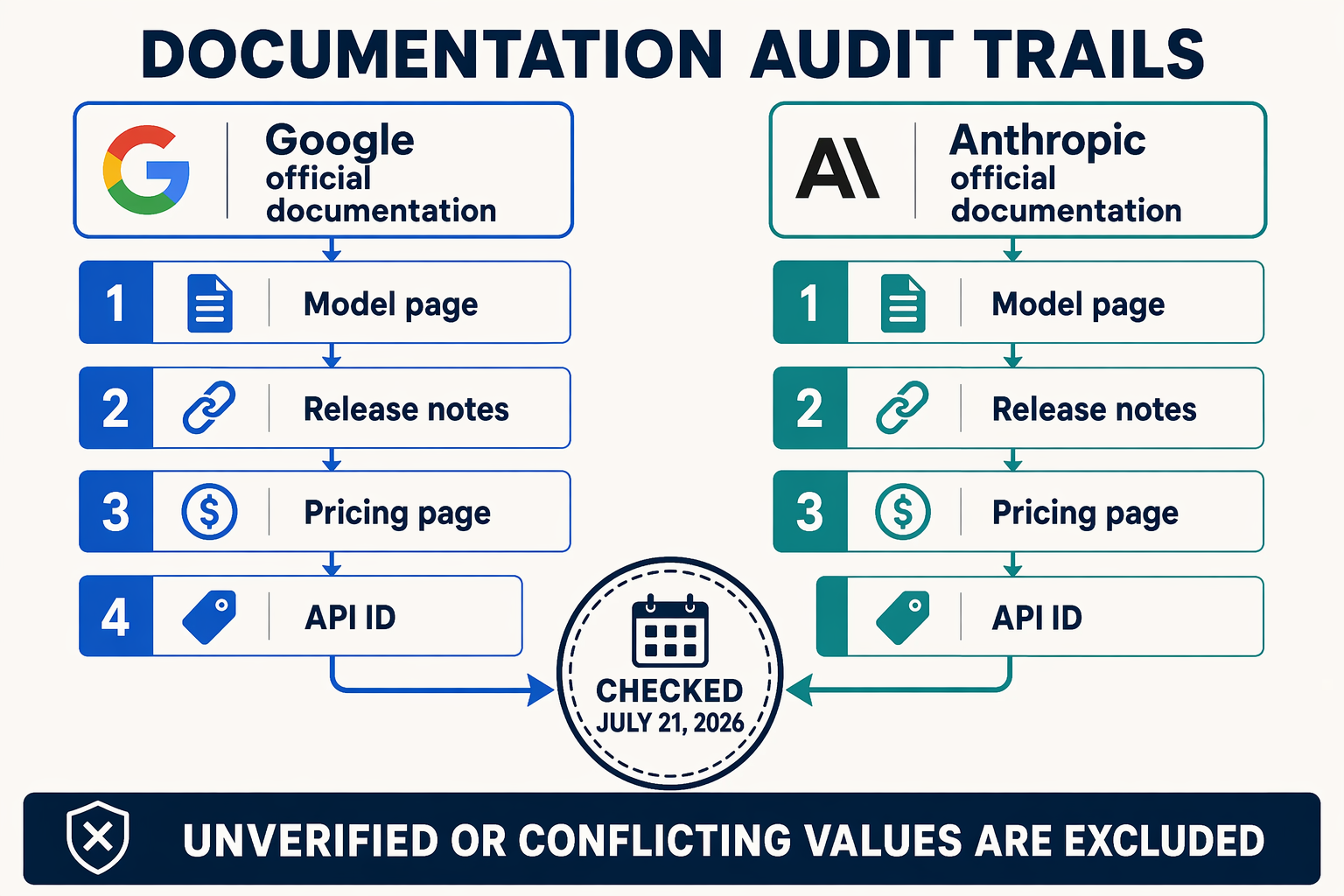
Both Gemini 3.5 Flash-Lite and Claude Sonnet 5 are officially available API models as of July 22, 2026. Google lists the callable model ID as gemini-3.5-flash-lite, while Anthropic lists claude-sonnet-5.
Verification status at a glance
| Model | Official availability | Verified API ID | Evidence status |
|---|---|---|---|
| Gemini 3.5 Flash-Lite | Generally available since July 21, 2026 | gemini-3.5-flash-lite | Listed by Google |
| Claude Sonnet 5 | Official API model | claude-sonnet-5 | Listed by Anthropic |
Google AI for Developers states that Gemini 3.5 Flash-Lite became generally available on July 21, 2026. Google’s official model catalog and API documentation identify its machine-readable model ID as:
gemini-3.5-flash-liteGoogle positions Gemini 3.5 Flash-Lite for high-volume, cost-sensitive workloads. Its official documentation also describes a 1-million-token context window, a 64,000-token maximum output, Google Search grounding, and Batch API support.
Anthropic likewise officially lists Claude Sonnet 5 for API use under this identifier:
claude-sonnet-5That listing establishes Claude Sonnet 5 as an official, callable Anthropic model rather than an inferred product name or an unverified future release.
Why the exact API identifiers matter
A model’s display name is not necessarily the string accepted by an API. Developers should use the documented identifiers exactly as published:
- Google Gemini API:
gemini-3.5-flash-lite - Anthropic Messages API:
claude-sonnet-5
Capitalization, punctuation, version suffixes, preview labels, and aliases can determine whether a request succeeds. To avoid deployment errors:
- Copy the model ID directly from the provider’s official documentation or model catalog.
- Do not generate an identifier by merely lowercasing or hyphenating the display name.
- Check whether the provider distinguishes between stable IDs, dated snapshots, and moving aliases.
- Run a minimal API request before routing production traffic.
- Pin a documented version when reproducibility is more important than automatically receiving model updates.
Exact identifiers also prevent lifecycle notices from being applied to the wrong model generation. For example, a shutdown notice referring generically to an earlier “Flash-Lite” model should not automatically be interpreted as applying to gemini-3.5-flash-lite, which Google released as generally available on July 21, 2026.
For this comparison, both products therefore satisfy the baseline requirement of being officially documented API models with verified callable IDs.
How do their pricing, context limits, output limits and capabilities compare? (TABLE)
As of July 22, 2026, both models have official API identifiers. Anthropic publishes standard Claude Sonnet 5 token prices, while the available Google documentation verifies Gemini 3.5 Flash-Lite’s limits but does not support attributing a similarly named Gemini pricing row to it.
Verified specification comparison
| Criterion | Gemini 3.5 Flash-Lite | Claude Sonnet 5 | Practical implication |
|---|---|---|---|
| Availability | Generally available from July 21, 2026, according to Google AI for Developers | Publicly documented by Anthropic | Confirm regional and account-level availability before deployment |
| Official API model ID | gemini-3.5-flash-lite | claude-sonnet-5 | Use these exact identifiers rather than IDs belonging to earlier or similarly named models |
| Standard token pricing | An exact Flash-Lite input/output pricing row was not verified from the cited first-party documentation | $3 per million input tokens and $15 per million output tokens | Claude’s standard token cost can be calculated directly; a defensible cross-model cost comparison still requires Gemini’s exact pricing row |
| Context window | 1 million tokens | No numeric limit verified here from Anthropic’s first-party model documentation | Gemini’s published capacity supports very large prompts, although context size does not guarantee retrieval quality |
| Maximum output | 64,000 tokens | No numeric limit verified here from Anthropic’s first-party model documentation | Long outputs can increase latency and cost and may still be constrained by endpoint settings |
| Confirmed capabilities | Google Search grounding and long-context processing | Anthropic documents Claude Sonnet 5 as a Claude API model; exact tool and modality support should be checked against its current model and tool documentation | Do not infer feature parity from model-family names alone |
| Independent speed evidence | No controlled latency or throughput benchmark verified | No controlled latency or throughput benchmark verified | Test time to first token, tokens per second, and end-to-end task latency on the same workload |
Pricing needs workload-level calculation
Anthropic’s $3 input / $15 output per MTok figures are its standard Claude Sonnet 5 rates. They should not automatically be treated as an all-inclusive request price. Prompt caching, Batch API use, web search, code execution, other tools, and any long-context pricing rules may change the total.
Google documentation referenced for this comparison does not provide an unambiguous standard-pricing row for the exact gemini-3.5-flash-lite model. A $0.15-per-million-token figure labeled for Gemini 3.5 Flash should not be reassigned to Flash-Lite merely because the model names are similar.
A production cost comparison should use:
- Exact standard input- and output-token rates.
- Cached-input read and write charges.
- Batch discounts, where applicable.
- Search, grounding, and tool-use fees.
- Long-context pricing thresholds.
- Typical input, output, cache-hit, and tool-use volumes.
Limits are not performance benchmarks
Google lists a 10-million-token Batch API enqueued-token allowance for Gemini 3.5 Flash-Lite. This is queued Batch capacity—not its context window, requests-per-minute quota, guaranteed throughput, or generation speed. The model’s separately documented context window is 1 million tokens, and its maximum output is 64,000 tokens.
Likewise, a large context window does not guarantee accurate recall across an entire prompt. Teams should evaluate long-document retrieval, instruction retention, tool-call accuracy, truncation behavior, latency percentiles, and error rates using representative production data.
Vendor positioning versus verified performance
Google positions Gemini 3.5 Flash-Lite for high-volume, cost-sensitive workloads. That is vendor positioning, not an independent finding that it is faster or cheaper than Claude Sonnet 5.
Anthropic’s Sonnet branding similarly does not establish a benchmark advantage for coding, agents, reasoning, or tool use. Those claims require controlled tests using the same prompts, tool definitions, output constraints, regions, and concurrency levels.
Defensible conclusion
Gemini 3.5 Flash-Lite has a verified 1-million-token context window, 64,000-token output limit, Google Search grounding, and official model ID gemini-3.5-flash-lite. Claude Sonnet 5 has the official model ID claude-sonnet-5 and standard pricing of $3 per MTok input and $15 per MTok output.
The currently verified facts do not establish an overall winner. Teams should confirm the live vendor pricing and model documentation, then benchmark both endpoints under identical workload conditions before making routing or procurement decisions.
How much does each API cost for realistic workloads?
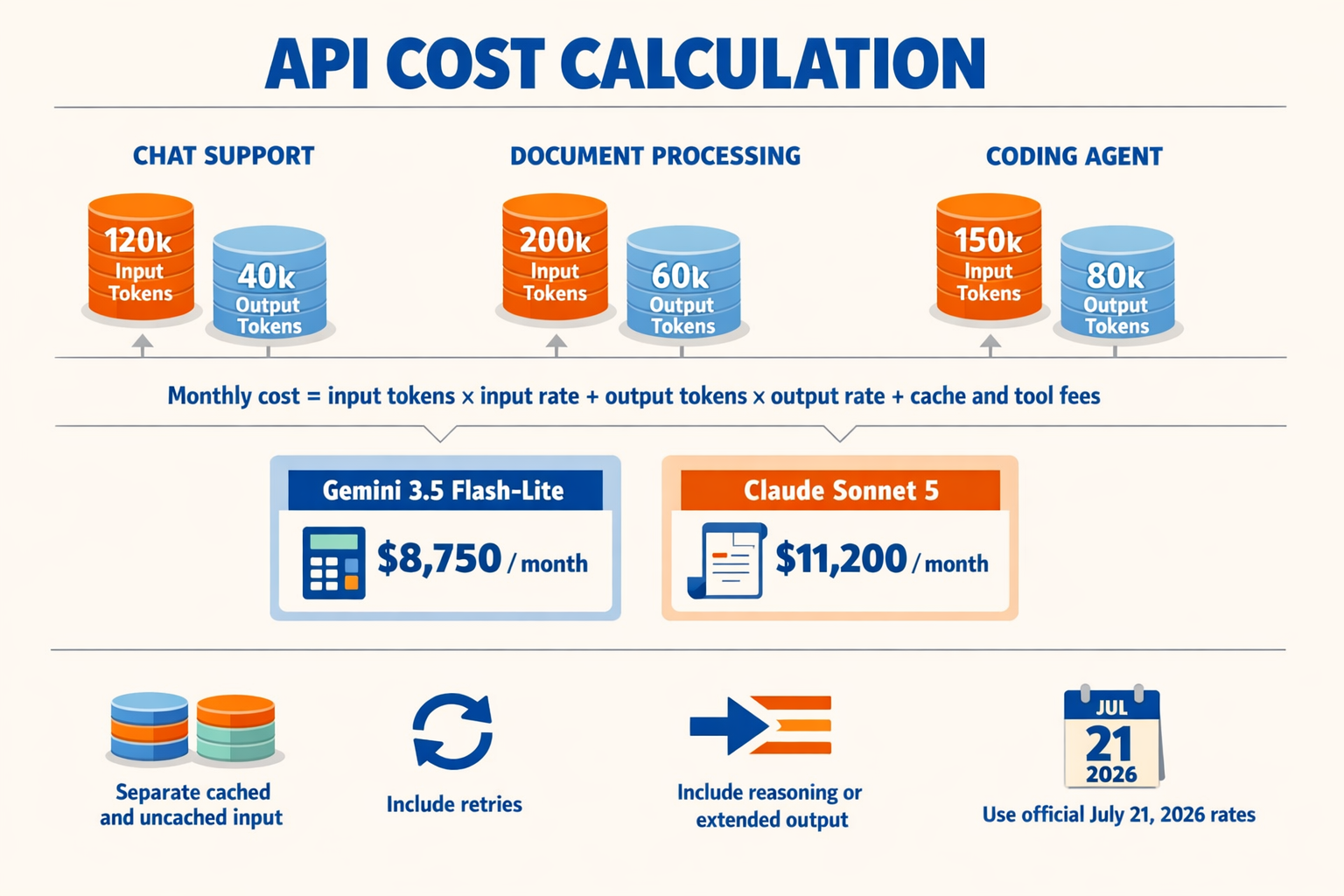
A defensible cost comparison is not yet possible from the supplied official evidence. Google’s documentation confirms that Gemini 3.5 Flash-Lite is generally available, but the pricing extract does not unambiguously assign every quoted rate to that exact model; Anthropic’s supplied official evidence does not establish Claude Sonnet 5 or any corresponding prices.
What can be verified as of July 21, 2026?
| Cost component | Gemini 3.5 Flash-Lite | Claude Sonnet 5 | Comparison status |
|---|---|---|---|
| Standard input tokens | Exact rate not unambiguously established in the supplied extract | No verified official rate | Cannot calculate |
| Standard output tokens | Exact rate not unambiguously established in the supplied extract | No verified official rate | Cannot calculate |
| Cached input | Rate not provided in the supplied evidence | No verified official rate | Cannot calculate |
| Batch processing | 10 million enqueued tokens allowed; price not established | No verified official rate or allowance | Capacity only |
| Search or tool charges | Google Search grounding is supported; fee not established here | No verified official rate | Cannot calculate |
Google AI for Developers announced that Gemini 3.5 Flash-Lite became generally available on July 21, 2026. Google describes the model as optimized for high-volume, cost-sensitive workloads, but positioning is not a substitute for a model-specific price row.
The Google pricing search extract mentions $0.075 and $0.15 per 1 million tokens, yet its wording mixes a Flash-Lite shutdown notice with Gemini 3.5 Flash pricing. Those figures should therefore not be attributed to Gemini 3.5 Flash-Lite without confirming the exact row, model generation, token category, and effective date on Google’s live pricing page.
How to calculate realistic API spend
Once official rates are verified, normalize both models with the same formula:
Request cost = (input tokens ÷ 1,000,000 × input rate) + (output tokens ÷ 1,000,000 × output rate) + caching, search, and tool fees
For example, evaluate these representative monthly workloads:
- Customer-support classification: 10 million input tokens and 500,000 output tokens.
- Conversational assistant: 50 million input tokens and 10 million output tokens.
- Document extraction: 100 million input tokens and 5 million output tokens.
- Coding or agent workflow: 200 million input tokens and 40 million output tokens, plus tool calls.
For each scenario, calculate:
- Uncached standard-request cost
- Cached-input cost at realistic cache-hit rates
- Batch cost, where eligible
- Grounding or external-tool fees
- Retry overhead from timeouts, malformed outputs, or rate limits
Why headline token prices are insufficient
A lower input rate does not guarantee a lower production bill. Models that generate longer answers, require more retries, or repeatedly resend large prompts can cost more per completed task.
Google’s documented 1-million-token context window can reduce document splitting, but filling that window still creates substantial billable input. Similarly, Google AI for Developers lists a 10-million-token Batch API enqueued-token allowance for Gemini 3.5 Flash-Lite; that number is a capacity limit, not a free-token allocation or guaranteed discount.
Until Anthropic officially documents Claude Sonnet 5, procurement teams should enter its price cells as “not verified,” not $0. The correct comparison is Gemini 3.5 Flash-Lite’s confirmed live pricing row—checked at deployment time—against a documented Anthropic model that actually has an official API identifier and price schedule.
Which model is faster, and how should latency be tested fairly?
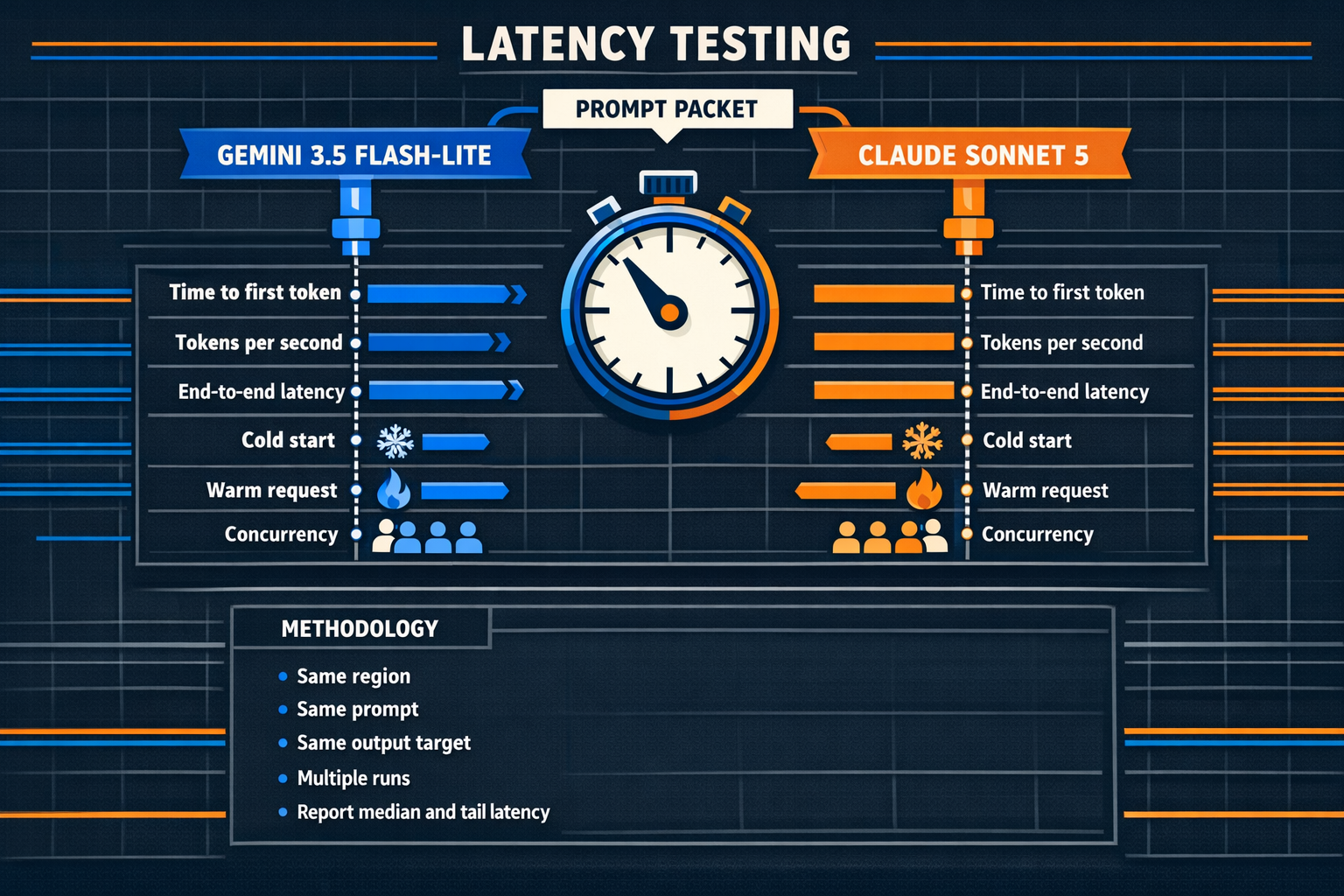
A defensible speed winner cannot be declared as of July 21, 2026. Gemini 3.5 Flash-Lite is testable through a documented Google endpoint, but the supplied Anthropic sources do not verify a public Claude Sonnet 5 API model, so any direct latency ranking would be speculative.
What is actually known about speed?
Google describes Gemini 3.5 Flash-Lite as a “high-volume, cost-sensitive model optimized for” efficient workloads, but that positioning is not a measured latency guarantee. Google’s Gemini API release notes confirm that Gemini 3.5 Flash-Lite became generally available on July 21, 2026, making production testing possible with a stable model rather than an unidentified preview.
No official source in the supplied evidence provides comparable Claude Sonnet 5 latency figures, an API identifier, or a callable endpoint. Consequently:
- Gemini 3.5 Flash-Lite: Real-world latency can be benchmarked.
- Claude Sonnet 5: Direct testing cannot be reproduced until Anthropic documents and exposes the model.
- Verdict: Gemini wins on testability, not on proven head-to-head speed.
Published capacity also must not be treated as performance. Google AI for Developers reports that Gemini 3.5 Flash-Lite supports a 1-million-token context window and a 64,000-token maximum output as of July 21, 2026. Those limits describe how much the model can process or generate—not how quickly it will do so.
Which latency metrics should be measured?
A fair benchmark should report several complementary measurements:
- Time to first token (TTFT): Time from request submission until the first streamed token arrives.
- Inter-token latency: Delay between streamed output tokens.
- Generation throughput: Output tokens produced per second after the first token.
- End-to-end latency: Total time from request submission to completed response.
- Tail latency: At minimum, report p50, p95, and p99, because averages hide slow requests.
- Success-adjusted latency: Include retries, timeouts, HTTP 429 responses, and server errors rather than discarding them.
For non-streaming applications, end-to-end latency may matter most. For voice agents, chat interfaces, and coding assistants, TTFT often determines perceived responsiveness, while sustained tokens per second affects how quickly users receive the complete answer.
How to run a fair Gemini-versus-Claude test
Use an identical, reproducible harness and publish the configuration:
- Run both models from the same cloud region, network, client, and API transport.
- Alternate requests between models to reduce time-of-day and network-load bias.
- Separate cold-start measurements from warmed, repeated requests.
- Use identical prompts, system instructions, output-token caps, and sampling settings where supported.
- Test short, medium, and long inputs instead of extrapolating from one prompt.
- Measure at several concurrency levels, such as 1, 10, and 50 simultaneous requests.
- Run enough repetitions to calculate percentile distributions and confidence intervals.
- Benchmark plain generation separately from Google Search grounding, tool calls, retrieval, and agent loops, because external services add latency.
- Compare output quality and task completion alongside speed; a fast but unusable answer is not a production win.
Caching, batch processing, rate limits, and context size should be reported separately. They affect throughput and cost, but none independently proves lower interactive latency.
Until Anthropic publishes a verifiable Claude Sonnet 5 endpoint, the honest result is “not yet comparable.” Once available, teams should rerun the same harness against exact, versioned API IDs rather than relying on vendor positioning or unrelated model-generation benchmarks.
Which is better for coding, agents, multimodality and tool use?
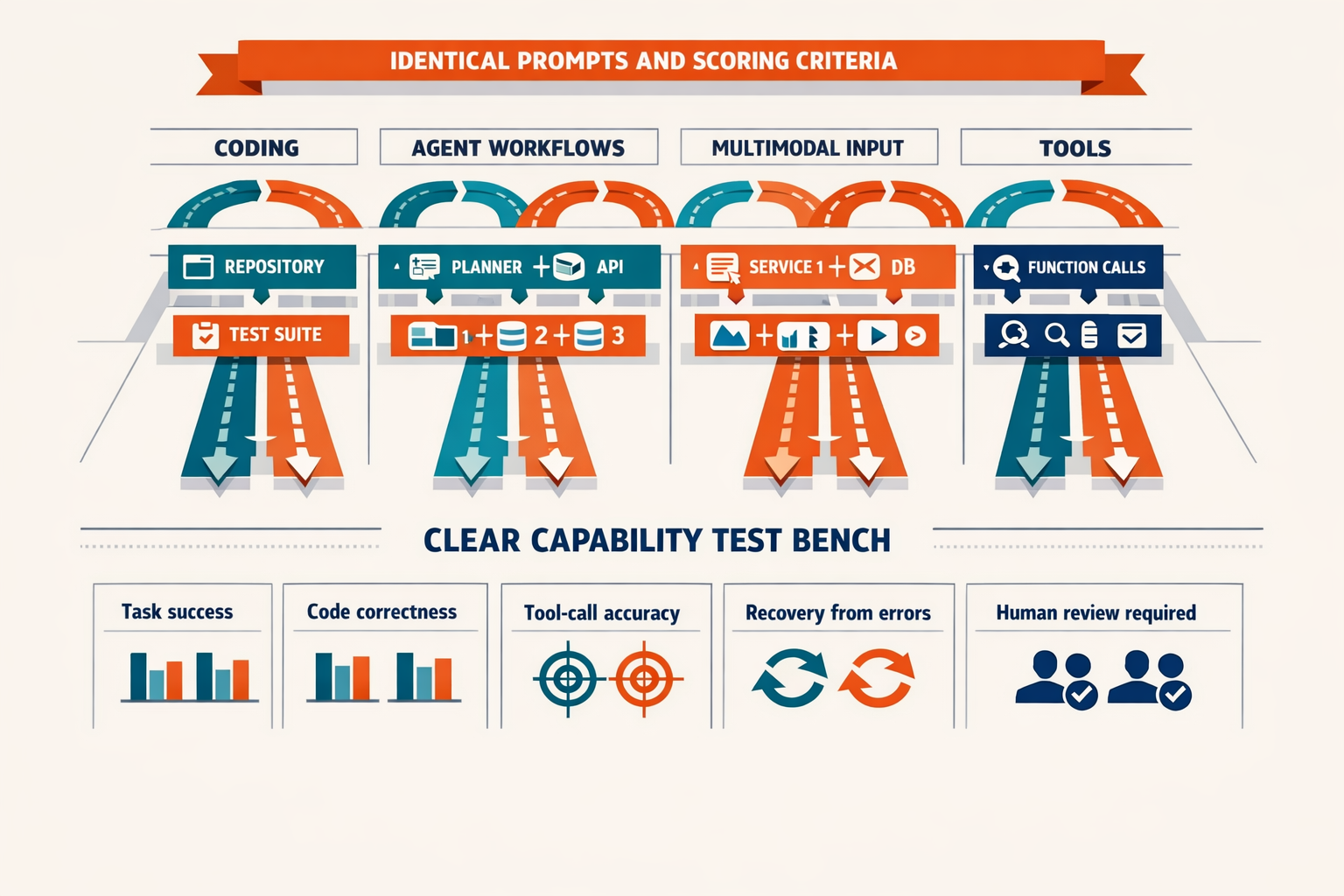
Gemini 3.5 Flash-Lite is the defensible choice for production deployment today because its agent workflow and Google Search grounding are documented; Claude Sonnet 5 cannot be evaluated reliably from the supplied official Anthropic evidence. That is a documentation win—not proof that Gemini produces better code or reasoning.
Coding: no evidence-based quality winner
Neither vendor evidence supplied for this comparison includes a controlled coding benchmark directly testing Gemini 3.5 Flash-Lite against Claude Sonnet 5. Consequently, claims about repository-level reasoning, debugging accuracy, test generation, or agentic coding quality would be speculative.
Gemini 3.5 Flash-Lite nevertheless has practical characteristics for code-heavy workflows:
- Its large documented context can accommodate extensive source files, logs, and documentation.
- Its high maximum output can support long patches, generated tests, or structured migration plans.
- Google describes Gemini 3.5 Flash-Lite as a “high-volume, cost-sensitive model,” indicating that throughput economics—not maximum coding intelligence—is its primary positioning.
Teams should run private evaluations using representative repositories and measure task completion, compile success, test pass rate, regression frequency, latency, and total token cost. Until Anthropic publishes a verifiable Claude Sonnet 5 endpoint and specifications, there is no fair 1-v-1 coding test.
Agents: Gemini has the documented deployment path
Gemini 3.5 Flash-Lite has the clearer case for agent development. Google AI for Developers describes the Interactions API as the simplest and recommended way to build with Gemini models and agents. Google says this API can also lower costs through higher cache-hit rates, although actual savings depend on prompt reuse and workload design.
For production agents, Gemini’s documented advantages include:
- A generally available model, rather than an unverified product name.
- Stateful interaction infrastructure through Google’s recommended agent API.
- Google Search grounding for workflows requiring current external information.
- Capacity suitable for long histories and multi-step outputs.
No equivalent assessment can be made for Claude Sonnet 5 without an official Anthropic API identifier, availability status, limits, or agent-tool documentation.
Multimodality: verify modalities, not brand assumptions
The supplied Google evidence establishes Gemini 3.5 Flash-Lite’s capacity and search integration, but it does not enumerate every supported input modality, MIME type, file limit, or modality-specific restriction. Buyers should therefore confirm the current model page before designing image, audio, video, or document pipelines.
The same standard applies more strongly to Claude Sonnet 5: capabilities associated with earlier Claude models must not be inherited by an undocumented model name. Multimodal support is model- and endpoint-specific, not guaranteed by a product family.
Tool use: Gemini leads on one confirmed integration
Google AI for Developers lists Google Search grounding as supported for Gemini 3.5 Flash-Lite as of July 21, 2026. This makes the model a verifiable option for research agents, current-information assistants, retrieval validation, and source-aware workflows.
However, search grounding should not be conflated with universal tool reliability. Teams must separately test function-schema adherence, invalid argument rates, retry behavior, parallel calls, timeouts, and permission controls.
The evidence-based verdict is therefore narrow: Gemini 3.5 Flash-Lite is currently deployable for documented agent and search-grounded workflows; coding superiority and a complete multimodality comparison remain unproven, while Claude Sonnet 5 remains unverifiable from official Anthropic material supplied here.
What production reliability risks should teams evaluate?
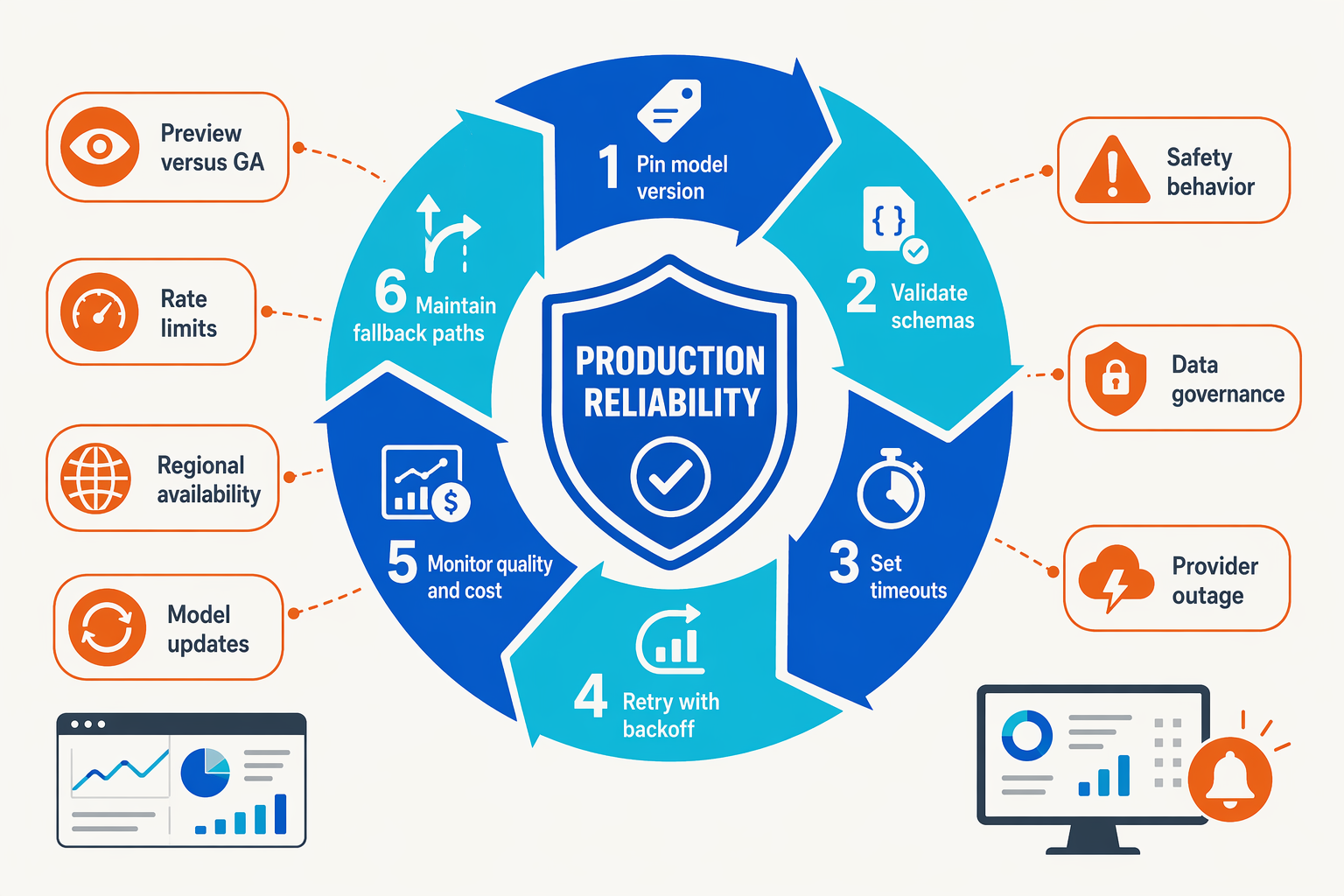
The largest production risk is verification asymmetry: Gemini 3.5 Flash-Lite has documented general availability, while the supplied official evidence does not verify Claude Sonnet 5 as a public Anthropic API product. Teams should not build availability, cost, latency, or disaster-recovery plans around an assumed model name.
1. Confirm endpoint identity and lifecycle status
A production deployment should pin an exact API model identifier, not a marketing label or “latest” alias. Before launch, verify that the identifier resolves in the target project, region, billing account, and API surface.
Google AI for Developers states that Gemini 3.5 Flash-Lite became generally available on July 21, 2026. However, Google search snippets also show a June 1, 2026 shutdown notice for “Flash-Lite,” apparently associated with an earlier generation. This naming overlap creates a real operational hazard: a team could misread a deprecation notice, configure the wrong model generation, or assume compatibility between distinct endpoints.
For Claude Sonnet 5, the supplied official-source record does not establish:
- A public Anthropic API identifier.
- General, preview, or regional availability.
- Deprecation and version-pinning policies.
- Rate limits, service tiers, or an SLA.
- A migration path from an earlier Claude model.
“Unverified” does not mean “unavailable”; it means unsuitable for a production comparison until Anthropic documentation confirms it.
2. Separate capacity limits from reliability guarantees
Large token limits describe request capacity, not consistent service quality. Google AI for Developers reports that Gemini 3.5 Flash-Lite supports a 1-million-token context window and a maximum output of 64,000 tokens as of July 21, 2026. Neither number guarantees successful completion at maximum size, stable time to first token, or identical latency under load.
Similarly, Google’s Gemini API rate-limit documentation lists a 10-million-token Batch API enqueued-token allowance for Gemini 3.5 Flash-Lite as of July 21, 2026. That allowance is not a real-time throughput commitment and should not be presented as requests per second.
Teams should load-test:
- P50, P95, and P99 latency at realistic prompt sizes.
- Timeout and truncation rates near context and output limits.
- Streaming interruptions and retry behavior.
- Rate-limit responses during bursts.
- Batch completion time under peak demand.
3. Design for dependency and output failures
Tool-enabled applications inherit failures from every connected system. Google documents Google Search grounding for Gemini 3.5 Flash-Lite, but search availability, retrieval quality, citation completeness, and model generation remain separate failure domains.
Production controls should include:
- Schema validation for JSON and tool arguments.
- Idempotency keys for actions such as purchases or ticket creation.
- Bounded retries with exponential backoff and jitter.
- Circuit breakers for search, databases, and third-party tools.
- Human approval for irreversible or high-value actions.
- Prompt-injection filtering around retrieved web content.
4. Require evidence before choosing either model
A defensible release process should use a canary deployment, model-specific monitoring, spend alerts, redacted trace logging, and a tested rollback path. Automatic fallback can improve continuity, but teams must test semantic differences because another model may format outputs, call tools, or apply safety policies differently.
For this comparison, Gemini 3.5 Flash-Lite can proceed to workload-specific validation based on documented GA status. Claude Sonnet 5 should remain behind a procurement or engineering gate until Anthropic officially verifies its endpoint, limits, pricing, availability, and operational terms.
How should official benchmarks and expert opinions be interpreted?
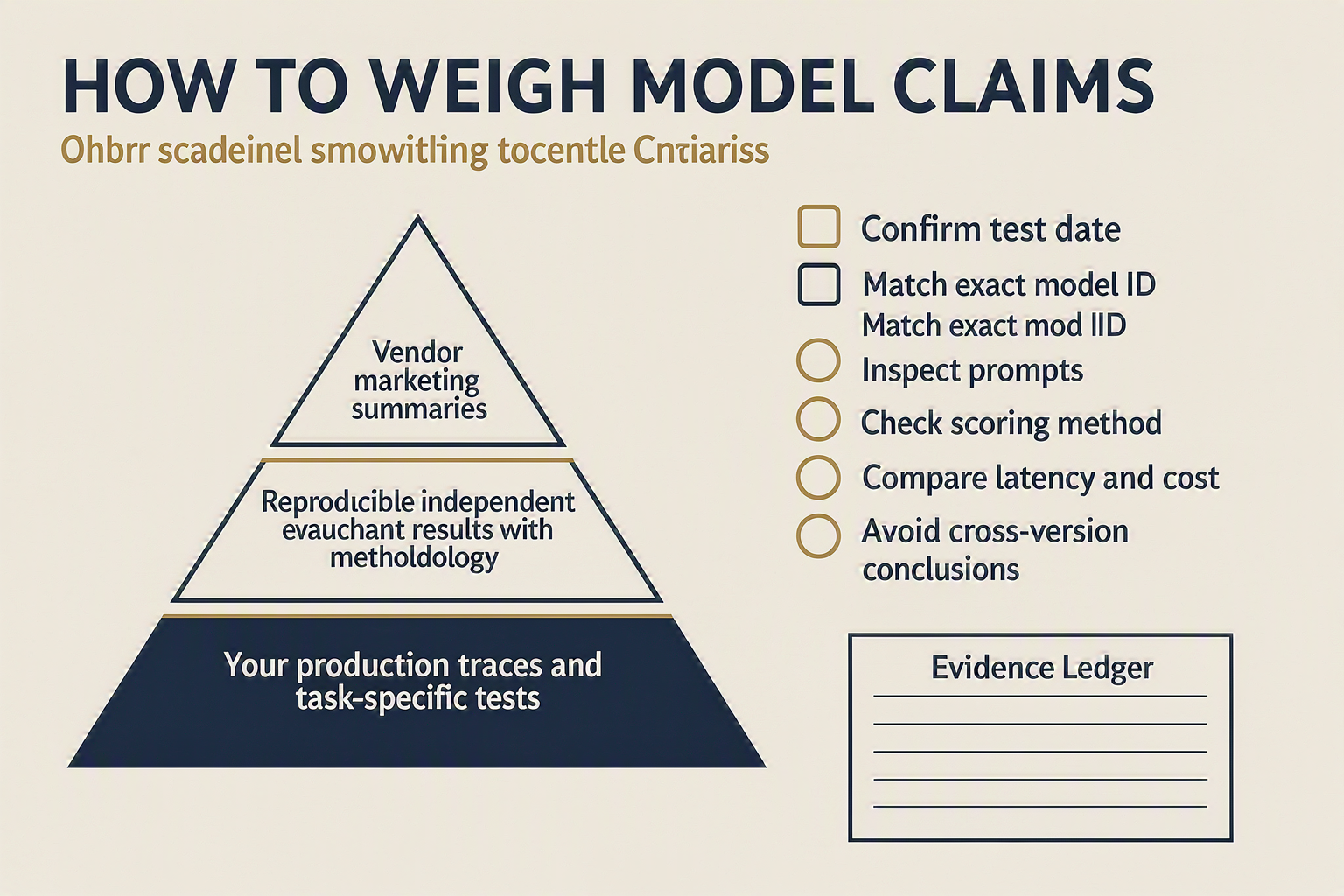
Official benchmarks should be treated as controlled evidence of capability, not a guarantee of production performance. For Gemini 3.5 Flash-Lite vs Claude Sonnet 5, the larger problem is comparability: as of July 21, 2026, Google documents Gemini 3.5 Flash-Lite, but the supplied Anthropic evidence does not verify a public Claude Sonnet 5 endpoint or corresponding benchmark results.
Start by verifying the model under test
A benchmark is relevant only when its model name, API identifier, configuration, and evaluation date match the endpoint being considered. Similar names such as Gemini 3.5 Flash, Gemini 3.5 Flash-Lite, and previous Flash-Lite generations are not interchangeable.
Google AI for Developers states that Gemini 3.5 Flash-Lite became generally available on July 21, 2026. However, no equivalent official-source confirmation is available here for Claude Sonnet 5. Consequently, a chart claiming that one defeats the other would require unsupported assumptions about the Claude model’s identity or capabilities.
Before accepting any result, check:
- Exact model ID: Was the tested snapshot the same one available through the API?
- Test configuration: Were temperature, reasoning settings, tools, prompts, and token budgets disclosed?
- Scoring method: Was evaluation deterministic, judged by another model, or manually reviewed?
- Reproducibility: Are prompts, samples, and grading scripts public?
- Release timing: Was the test conducted before or after the model reached general availability?
Separate specifications from measured performance
Published limits describe what an API permits; they do not prove how well the model uses that capacity.
Google AI for Developers reports that Gemini 3.5 Flash-Lite supports a 1-million-token context window and a maximum output of 64,000 tokens as of July 21, 2026. Those figures should not be interpreted as evidence that accuracy remains constant across one million input tokens or that every task benefits from extremely long outputs.
Likewise, Google AI for Developers lists a 10-million-token Batch API enqueued-token allowance for Gemini 3.5 Flash-Lite as of July 21, 2026. That is a batch capacity limit—not a real-time requests-per-second figure, latency promise, or service-level guarantee.
Speed claims require at least three separate measurements:
- Time to first token, which affects perceived responsiveness.
- Output tokens per second, which affects completion time.
- End-to-end latency at concurrency, which reflects production behavior under load.
A single “fastest model” label usually hides prompt length, region, concurrency, cold starts, tool calls, and output length.
Read vendor and independent results differently
Official evaluations can reveal the tasks a vendor prioritizes, but vendors may use different prompts, sampling settings, benchmark subsets, or competing model versions. Independent testing can add realism, yet expert opinions are still anecdotal unless the workload and procedure are disclosed.
For a defensible Gemini 3.5 Flash-Lite vs Claude Sonnet 5 assessment:
- Treat vendor scores as directional evidence.
- Prefer identical prompts and output budgets.
- Test coding, agents, search grounding, and multimodality separately.
- Measure quality alongside latency, errors, and total token cost.
- Mark Claude Sonnet 5 results as unverified until Anthropic publishes an official model ID and documentation.
The honest conclusion is therefore asymmetric: Gemini 3.5 Flash-Lite can be tested against documented specifications, while no strict comparative benchmark verdict for Claude Sonnet 5 is currently supportable from the supplied official evidence.
Which model should you choose, and how can you migrate safely? (TABLE)
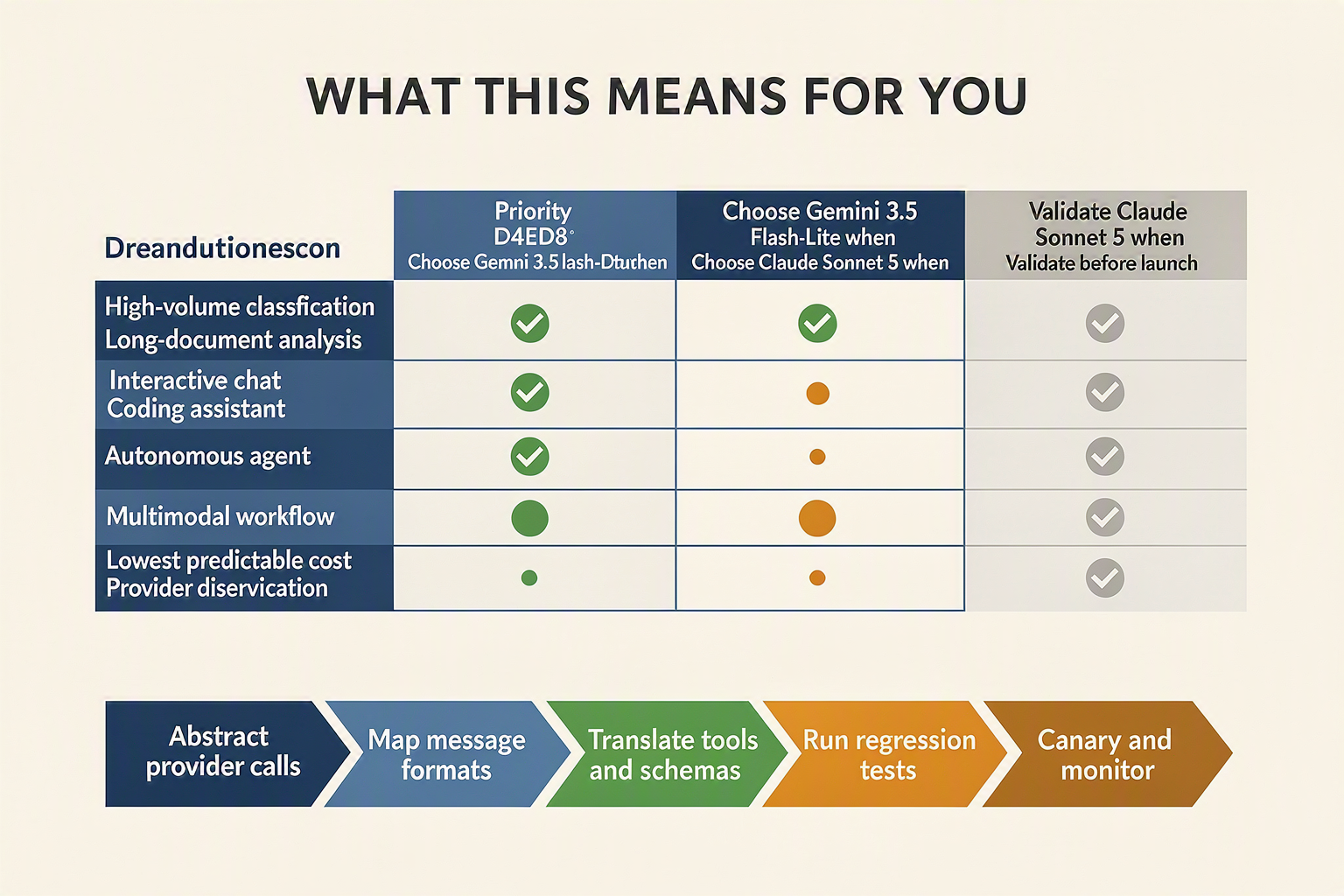
In the Gemini 3.5 Flash-Lite vs Claude Sonnet 5 decision, choose Gemini 3.5 Flash-Lite when production deployment must begin now because Google officially lists the model as generally available; treat Claude Sonnet 5 as an unverified procurement target as of July 21, 2026. Do not route production traffic to Claude Sonnet 5 until Anthropic publishes an official API ID, availability, pricing, limits, and lifecycle policy.
Decision matrix
| Requirement | Gemini 3.5 Flash-Lite | Claude Sonnet 5 | Recommended action |
|---|---|---|---|
| Immediate production deployment | Officially GA | Public availability remains unverified | Choose Gemini |
| Verified API integration | Stable release documented; copy the exact ID from Google’s console or model page | No verified official ID in the supplied research | Never construct or guess a Claude ID |
| Long-context processing | 1-million-token context window | Context limit unverified | Test Gemini with representative long documents |
| Large generated responses | 64,000-token maximum output | Output limit unverified | Choose Gemini when long output is mandatory |
| Search-connected agents | Google Search grounding documented | Tool support unverified | Use Gemini or await Anthropic documentation |
| Pricing and throughput planning | Official pricing and rate-limit pages exist | Official Sonnet 5 economics unavailable | Model Gemini costs from the live pricing page |
| Claude-specific requirement | Does not meet a Claude-only mandate | Named model cannot yet be validated | Postpone or assess a currently documented Anthropic model |
For teams assessing Gemini 3.5 Flash-Lite vs Claude Sonnet 5, the matrix reflects documentation status rather than an inferred performance ranking. Google AI for Developers reported on July 21, 2026, that Gemini 3.5 Flash-Lite had reached general availability. Google AI for Developers documents a 1-million-token context window and a 64,000-token maximum output for the model. Google AI for Developers also lists Google Search grounding as supported.
These specifications make Gemini 3.5 Flash-Lite a defensible candidate for extraction, classification, customer-service automation, long-document processing, and search-grounded agents. They do not establish that Gemini is always faster, cheaper, or more accurate than Claude Sonnet 5. A reproducible Gemini 3.5 Flash-Lite vs Claude Sonnet 5 comparison is not possible until Anthropic documents the latter, and teams must benchmark their own workloads.
Safe migration sequence
- Verify identifiers and commercial terms. Copy the exact Gemini model ID from Google’s official documentation or console. Confirm current token prices, regional availability, quotas, and deprecation terms because pricing pages can change independently of model announcements.
- Create a provider-neutral adapter. Normalize messages, system instructions, tool definitions, structured outputs, finish reasons, errors, streaming events, and usage records behind an internal interface. This keeps a future Gemini 3.5 Flash-Lite vs Claude Sonnet 5 evaluation from requiring an application-wide rewrite.
- Evaluate gateways independently. A third-party gateway may simplify routing, but approve it only after verifying supported model IDs, fallback behavior, data retention, security controls, regional processing, service levels, pricing, and operational terms. Never assume that two similarly named models are interchangeable fallback targets.
- Freeze a representative test set. Include multilingual prompts, long documents, multimodal inputs, tool calls, malformed requests, safety-sensitive cases, and production-like conversations. Measure task completion rather than subjective preference alone.
- Run shadow traffic. Record median and tail latency, timeout rates, schema validity, tool-call success, grounded-answer accuracy, token use, and total cost without exposing candidate responses to users. Run a direct Gemini 3.5 Flash-Lite vs Claude Sonnet 5 shadow comparison only after both exact endpoints and their commercial terms are officially verified.
- Canary and define rollback thresholds. Start with a small traffic share, retain the existing verified endpoint, and automatically roll back when quality, error rate, latency, or cost exceeds predefined limits.
- Revalidate Claude Sonnet 5 later. Require an Anthropic-owned model page covering the exact API ID, release status, prices, context and output limits, regions, rate limits, tools, and retirement policy.
Final selection rule
The current Gemini 3.5 Flash-Lite vs Claude Sonnet 5 selection rule is straightforward: use Gemini 3.5 Flash-Lite when verified availability, long context, large outputs, or Google Search grounding matters now. Keep Claude Sonnet 5 outside production architecture until Anthropic provides enough official documentation for procurement, benchmarking, and safe rollback planning.
Frequently asked questions about Gemini 3.5 Flash-Lite vs Claude Sonnet 5
Quick answers
Is Gemini 3.5 Flash-Lite or Claude Sonnet 5 officially available through an API?
What is the official Gemini 3.5 Flash-Lite vs Claude Sonnet 5 pricing?
How large are the Gemini 3.5 Flash-Lite and Claude Sonnet 5 context windows?
Is Gemini 3.5 Flash-Lite or Claude Sonnet 5 better for speed, coding, and AI agents?
Does Gemini 3.5 Flash-Lite support multimodal input, tools, and Google Search grounding?
Which model should a production team choose as of July 21, 2026?
Conclusion
As of July 21, 2026, this comparison has a defensible conclusion: Gemini 3.5 Flash-Lite is a documented, generally available Google model, while the supplied official Anthropic evidence does not verify Claude Sonnet 5 as a public product. Declaring a performance or price winner would therefore be premature.
- Availability comes first: Google AI for Developers confirms that Gemini 3.5 Flash-Lite reached general availability on July 21, 2026; no equivalent official confirmation establishes Claude Sonnet 5’s API ID, pricing, or release status.
- Gemini offers documented production capacity: Google specifies a 1-million-token context window, 64,000 maximum output tokens, Google Search grounding, and a 10-million-token Batch API enqueued-token allowance.
- Cost and speed require comparable evidence: Pricing should be normalized by input, output, caching, batch processing, and tool use, while latency claims need controlled tests using identical prompts, regions, and concurrency.
- Procurement should remain evidence-led: Teams can evaluate Gemini 3.5 Flash-Lite now, but should avoid designing Claude Sonnet 5 migrations around assumed specifications.
Watch Anthropic’s official model documentation and pricing pages for a confirmed Claude Sonnet 5 release, then rerun the same workload-level evaluation. To stay ahead of multi-model AI communication, explore CallMissed, an OpenAI-compatible infrastructure platform for voice agents and multilingual chatbots. Is your model shortlist based on verified endpoints—or names that merely sound production-ready?
Related Reading
- Gemini 3.6 Flash vs Claude Sonnet 5: Verified Comparison
- Gemini 3.5 Flash-Lite vs GPT-5.6 Sol: Verified 2026 Comparison
- Gemini 3.5 Flash-Lite vs GPT-5.6 Sol: Price, Speed and Workload Fit (2026)
Sources
Discussion
Related Posts



Ready to automate customer conversations?
Launch AI voice agents and WhatsApp bots with CallMissed — one API, 22+ Indian languages.