
GPT-6 Sol vs GPT-6 Astra: Is Sol Actually Real in 2026?



Verify GPT-6 Sol vs GPT-6 Astra using official evidence, identify documentation gaps, and plan safer API evaluations as of September 22, 2026.
GPT-6 Sol vs GPT-6 Astra: Is Sol Actually Real in 2026?
What if one half of the internet’s hottest AI comparison does not officially exist? As of September 22, 2026, the “GPT-6 Sol vs GPT-6 Astra” debate rests on a faulty premise: OpenAI has published an announcement and system card for GPT-6 Astra, but the available official evidence does not establish a separately launched model named GPT-6 Sol.
The naming confusion is understandable. OpenAI describes GPT-6 Astra as its “most intelligent and aligned model yet,” with capabilities spanning advanced reasoning, computer use, coding and cybersecurity. The GPT-6 Astra System Card calls it “the most capable model we have ever broadly deployed,” and its Alignment section was updated on September 9, 2026, according to OpenAI’s Deployment Safety Hub. Those are strong, first-party signals of a real product: a dedicated announcement, deployment documentation and a system card.
However, OpenAI’s own “Path to Astra” material compares Astra with GPT-5.6 Sol, not GPT-6 Sol. An OpenAI Community discussion similarly frames GPT-6 Astra at low reasoning effort as a potential replacement for GPT-5.6 Sol at high reasoning effort. Community posts can clarify practical usage, but they do not prove that a new product exists—and neither search snippets nor repeated mentions turn “GPT-6 Sol” into an official model identity.
That distinction matters now because an incorrect model name can create real operational risk. Developers may design routing logic around a nonexistent API identifier, procurement teams may compare fabricated pricing, and businesses may postpone migrations while waiting for a model that OpenAI has not documented. In fast-moving multi-model environments, platforms such as CallMissed, the OpenAI-compatible AI gateway, expose 136 models through one API key and balance as of September 2026, making accurate model identifiers and fallback planning especially important.
This fact-check will separate confirmed facts from plausible assumptions by examining five questions:
- Does GPT-6 Sol have an official announcement or product page?
- Is there a system card, API model identifier, pricing entry or changelog record?
- Why do official sources mention GPT-5.6 Sol alongside GPT-6 Astra?
- Which reasoning, coding, computer-use and safety evaluations would support a legitimate comparison?
- What migration risks arise if teams treat rumors, screenshots or community shorthand as API-ready documentation?
The evidence standard is straightforward: official announcements, system cards, API documentation, pricing pages and changelogs outrank community posts, benchmark aggregators, screenshots and search snippets. Until equivalent first-party records appear, GPT-6 Astra is confirmed; GPT-6 Sol remains an unverified label.
Is GPT-6 Sol real? The evidence-based verdict as of September 22, 2026

No authoritative evidence confirms GPT-6 Sol as a separately launched OpenAI model as of September 22, 2026. The defensible comparison is GPT-6 Astra versus GPT-5.6 Sol; “GPT-6 Sol” should be treated as an unverified or mistaken label unless OpenAI publishes matching first-party documentation.
What evidence confirms GPT-6 Astra?
GPT-6 Astra clears the core tests used to verify whether an AI model is real, released and operationally usable.
OpenAI provides multiple first-party records:
- A dedicated launch announcement: OpenAI calls GPT-6 Astra its “most intelligent and aligned model yet” and identifies computer use, coding and cybersecurity among its capabilities.
- A business-focused product announcement: OpenAI describes GPT-6 Astra as its “most capable model for business,” including stronger reasoning, writing and design judgment.
- A deployment system card: The OpenAI Deployment Safety Hub describes GPT-6 Astra as “the most capable model we have ever broadly deployed.”
- A dated safety-document update: OpenAI’s GPT-6 Astra System Card records an Alignment section update on September 9, 2026, clarifying how evaluations test alignment generalization.
- An official predecessor comparison: OpenAI’s Path to Astra says Astra represents a significant increase in cybersecurity capability and token efficiency compared with GPT-5.6 Sol.
Together, these records establish GPT-6 Astra’s identity more strongly than a screenshot, third-party benchmark entry or repeated search phrase could.
What evidence would make GPT-6 Sol official?
A model name should not be accepted merely because it sounds consistent with an existing product family. For GPT-6 Sol to become a confirmed product, researchers should be able to locate at least one authoritative release record—and preferably several mutually consistent records—such as:
- An OpenAI announcement or product page explicitly naming GPT-6 Sol
- An official system card or deployment safety report
- A supported API model identifier in OpenAI’s developer documentation
- An entry on an official pricing or availability page
- A dated platform changelog documenting release or deprecation
- Reproducible API responses showing the documented identifier is accepted
The supplied official research establishes these signals for Astra but not for GPT-6 Sol. That is an absence-of-verification finding, not proof that OpenAI could never use the name later.
Why is “GPT-6 Sol” appearing in comparisons?
The likeliest explanation is version-number drift: references to GPT-5.6 Sol are being shortened, misread or rewritten as GPT-6 Sol because Astra belongs to the GPT-6 generation.
OpenAI’s own comparison names GPT-5.6 Sol, while an OpenAI Community discussion recommends considering GPT-6 Astra at low reasoning effort as a replacement for GPT-5.6 Sol at high reasoning effort. That discussion may help users interpret migration choices, but an OpenAI Community post is not equivalent to official API documentation.
The evidence hierarchy is therefore:
- OpenAI announcements, system cards and API documentation
- OpenAI pricing pages and changelogs
- Official technical comparisons
- Community discussions and benchmark aggregators
- Screenshots, snippets, social posts and rumors
The practical verdict remains clear: GPT-6 Astra is confirmed; GPT-6 Sol is not currently substantiated as a distinct OpenAI release. Any benchmark, price or API claim attached to GPT-6 Sol should remain marked unverified until a first-party record can be produced.
Why are searches confusing GPT-6 Sol with GPT-5.6 Sol?
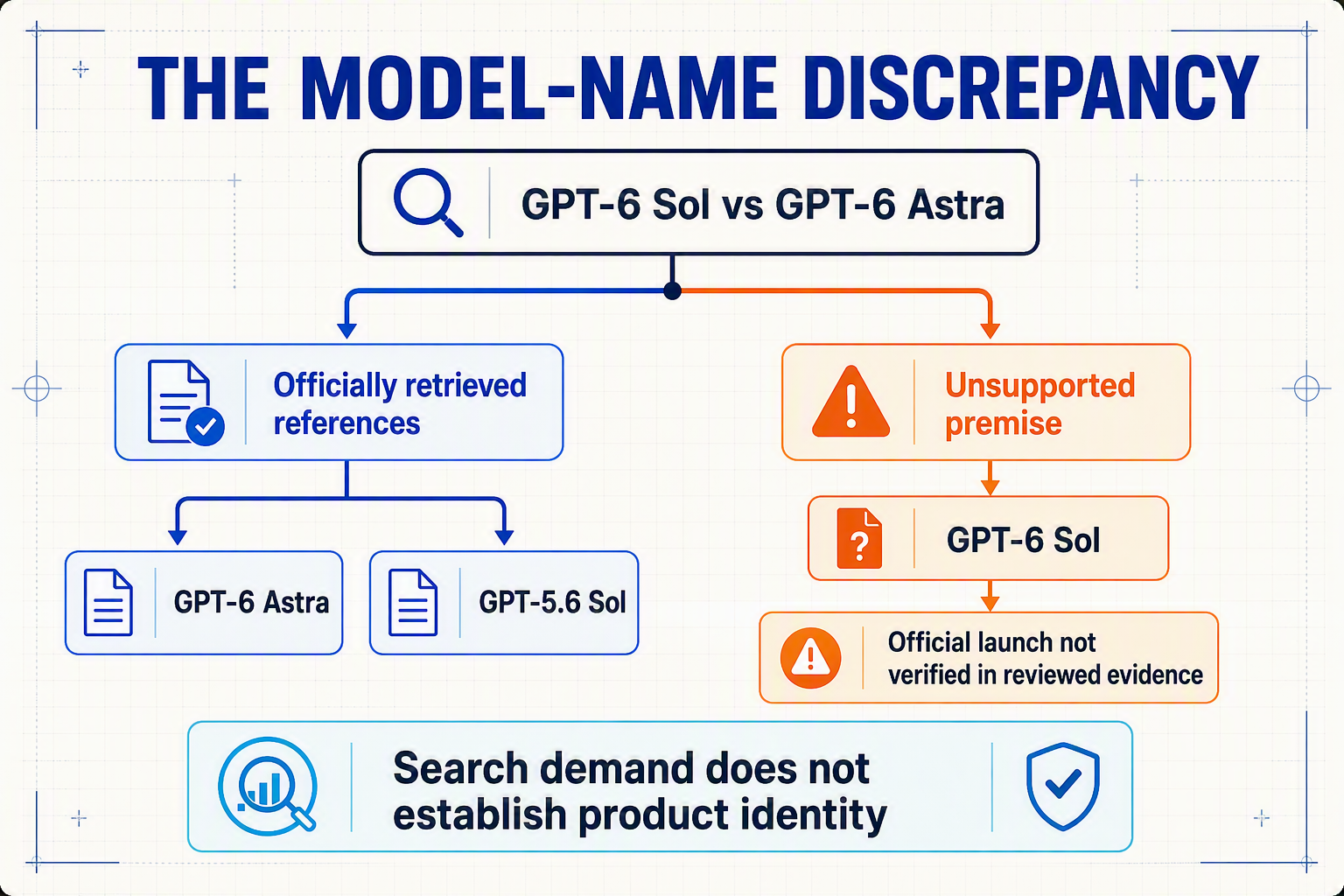
Searches confuse GPT-6 Sol with GPT-5.6 Sol because they combine a verified family name, “Sol,” with the newer GPT-6 generation attached to Astra. The resulting phrase sounds plausible, but OpenAI’s first-party material supports GPT-6 Astra versus GPT-5.6 Sol, not GPT-6 Sol versus GPT-6 Astra.
What is the likely source of the GPT-6 Sol name?
The confusion begins with two real model references appearing close together:
- GPT-6 Astra is named in dedicated OpenAI announcements and the GPT-6 Astra System Card.
- GPT-5.6 Sol appears in OpenAI’s “Path to Astra” material as an earlier comparison point.
- An OpenAI Community thread discusses using GPT-6 Astra at low reasoning effort as a replacement for GPT-5.6 Sol at high reasoning effort.
Readers scanning these references can easily compress “GPT-6 Astra compared with GPT-5.6 Sol” into “GPT-6 Astra compared with GPT-6 Sol.” That is a natural naming assumption, not evidence of a product launch.
OpenAI’s “Path to Astra” page explicitly says Astra represents a significant increase in cybersecurity capability compared with GPT-5.6 Sol and is “significantly more token efficient.” As of September 22, 2026, that wording is the clearest first-party explanation for why Sol appears in Astra-related searches.
Why do search snippets make the wrong comparison look credible?
Search results optimize for matching words and inferred intent, not for verifying whether every model name is official. A query containing “GPT-6,” “Sol” and “Astra” can therefore surface pages that separately mention GPT-6 Astra and GPT-5.6 Sol.
Several mechanisms can reinforce the mistaken label:
- Version normalization: Users may assume every contemporary variant shares the GPT-6 prefix.
- Query rewriting: Search systems may interpret “GPT-6 Sol” as an approximate request about Sol’s relationship to GPT-6 Astra.
- Snippet compression: A short extract can omit “5.6” or the sentence structure that distinguishes the two models.
- Community shorthand: Forum participants may abbreviate model names once the conversational context seems obvious.
- Repetition effects: Aggregators and generated summaries can reproduce an unsupported term until it appears established.
A search result is therefore a discovery tool, not a product registry. Repeated indexing does not create an official API model identifier.
How can readers distinguish a naming mix-up from a real launch?
Use a simple verification sequence before treating GPT-6 Sol as available:
- Find a dedicated announcement on OpenAI’s official website.
- Confirm a corresponding system card or Deployment Safety Hub record.
- Check OpenAI’s API documentation for an exact model identifier.
- Verify pricing, access tiers and a dated changelog entry.
- Treat forum discussions, screenshots and snippets only as secondary leads.
This process produces an asymmetric result as of September 22, 2026. OpenAI calls GPT-6 Astra its “most intelligent and aligned model yet,” while the GPT-6 Astra System Card describes it as “the most capable model we have ever broadly deployed.” The system card’s Alignment section also records an update dated September 9, 2026.
No equivalent evidence in the supplied research establishes GPT-6 Sol. The accurate interpretation is therefore a transition or comparison involving GPT-5.6 Sol and GPT-6 Astra, while “GPT-6 Sol” remains an unverified extrapolation from two legitimate names.
Which key developments are confirmed, unverified or still unknown?
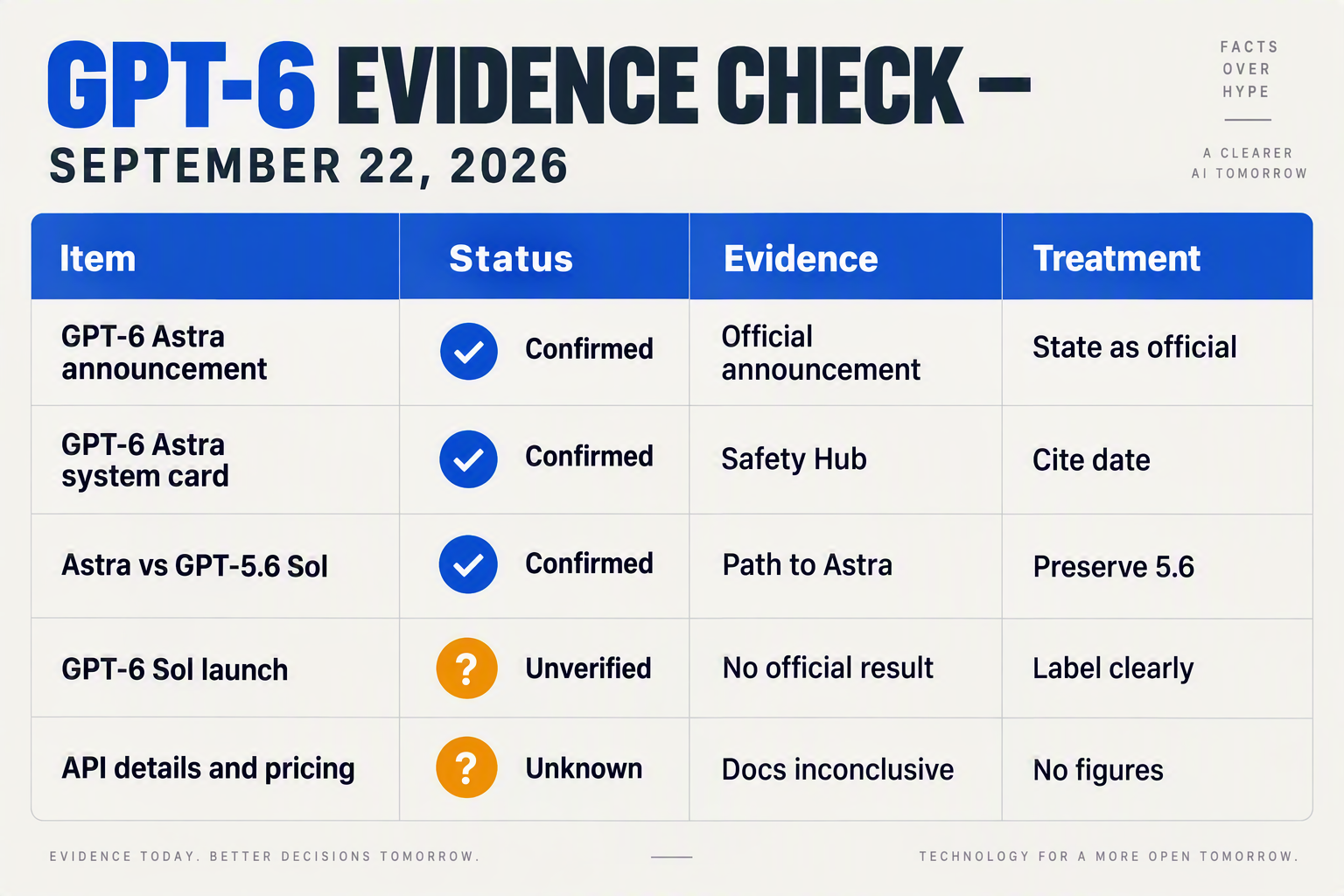
The evidence confirms GPT-6 Astra, while a separately launched GPT-6 Sol remains unverified as of September 22, 2026. OpenAI’s materials compare Astra with GPT-5.6 Sol, indicating that GPT-5.6 Sol—not GPT-6 Sol—is the supported reference point.
| Item | Evidence status | What the supplied research establishes |
|---|---|---|
| GPT-6 Astra announcement | Confirmed | OpenAI published official product announcements describing GPT-6 Astra’s reasoning, coding, computer-use, cybersecurity, writing and design capabilities. |
| GPT-6 Astra system card | Confirmed | OpenAI’s Deployment Safety Hub hosts an official GPT-6 Astra System Card, providing first-party deployment and safety documentation. |
| September 9, 2026 alignment update | Confirmed | OpenAI’s system card records a September 9, 2026 update clarifying how evaluations test alignment generalization. |
| GPT-5.6 Sol comparison | Confirmed | OpenAI’s “Path to Astra” publication explicitly compares GPT-6 Astra with GPT-5.6 Sol, including cybersecurity capability and token-efficiency claims. |
| Separate GPT-6 Sol launch | Unverified | The supplied research contains no official OpenAI announcement, system card, documentation page or changelog confirming a model named GPT-6 Sol. |
| GPT-6 Sol API model ID and pricing | Not established | No authoritative API identifier or official pricing-page entry for GPT-6 Sol appears in the evidence. |
| GPT-6 Sol context limits and benchmarks | Not established | The research provides no verified context-window specification or first-party benchmark results for GPT-6 Sol. |
| GPT-6 Sol rollout tiers and latency | Not established | No official rollout schedule, ChatGPT subscription eligibility or measured latency figure is documented. |
Community posts and search snippets may inform further investigation, but they do not override OpenAI product pages, system cards, API documentation or pricing records.
Which sources can prove that a new GPT-6 model exists?
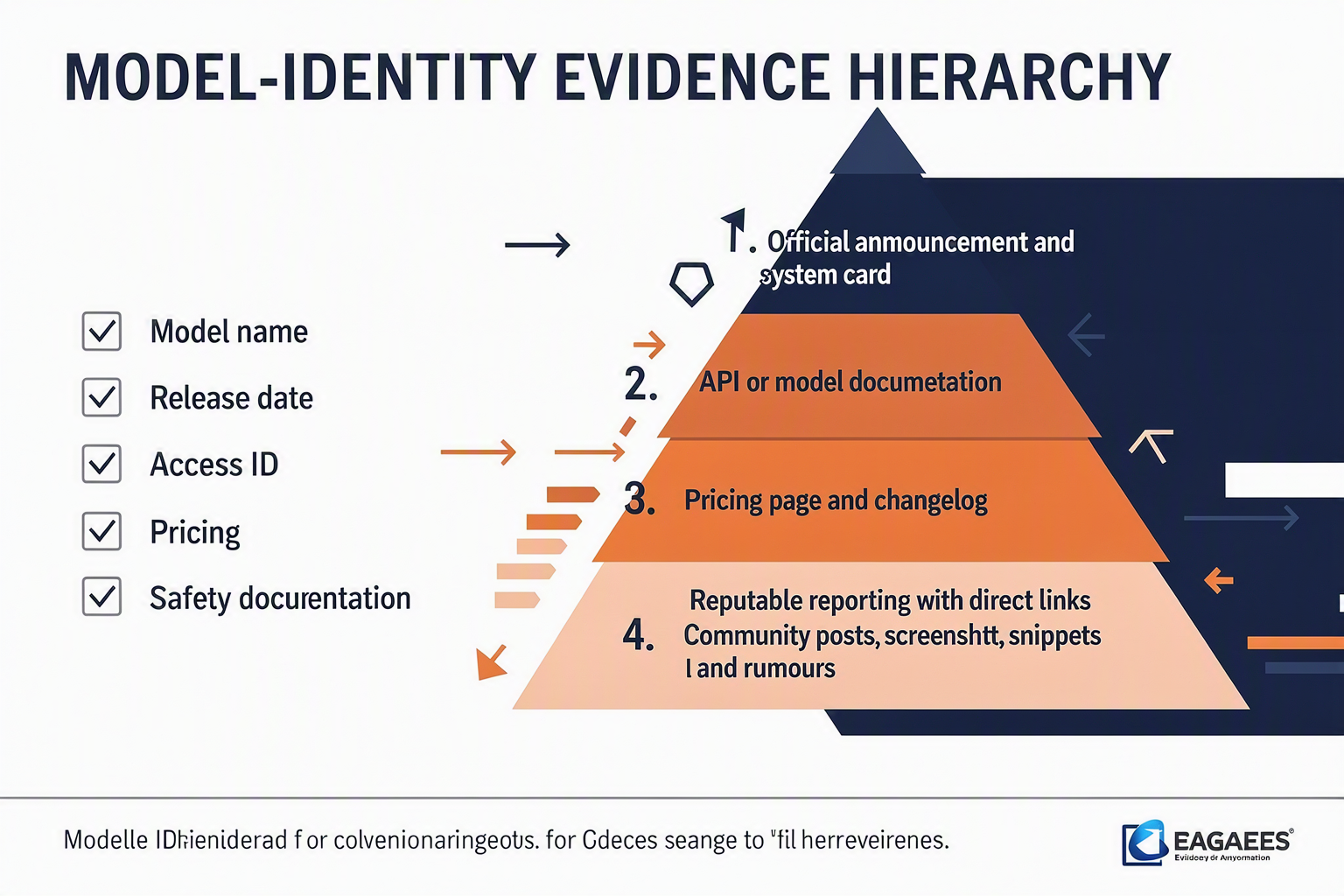
A new GPT-6 model is verified when OpenAI publishes consistent first-party records identifying it as a released product. As of September 22, 2026, the supplied official materials verify GPT-6 Astra, but they do not establish a separately launched model named GPT-6 Sol.
What evidence confirms an official model release?
Use this hierarchy, ideally with several sources agreeing:
- First-party announcement or product page: OpenAI has published official pages titled “GPT-6 Astra,” explicitly introducing the model.
- System card: OpenAI’s Deployment Safety Hub hosts a GPT-6 Astra System Card, including an update dated September 9, 2026. A system card provides stronger evidence than promotional language because it documents evaluations, risks and deployment safeguards.
- Developer documentation with an exact model ID: API documentation should specify the callable identifier, supported endpoints, context limits and parameters. A marketing name without a documented model ID does not prove API readiness.
- Pricing and availability page: Official pricing, account eligibility, regional access and rollout status establish whether users can actually obtain the model.
- Dated changelog: Release notes can confirm launch timing, aliases, previews, replacements and later revisions.
Why are community claims not enough?
Community posts, benchmark aggregators, screenshots, search snippets and rumors are leads—not proof. They may be incomplete, mislabeled, outdated or based on temporary interface experiments.
Applied here, OpenAI’s official Astra materials repeatedly compare GPT-6 Astra with GPT-5.6 Sol, including the “Path to Astra” page. The supplied research contains no equivalent OpenAI product page, system card, exact API identifier, pricing entry or changelog for GPT-6 Sol. Therefore, “GPT-6 Sol” should remain unverified as of September 22, 2026.
How does Astra’s confirmed positioning compare with claims about GPT-6 Sol?
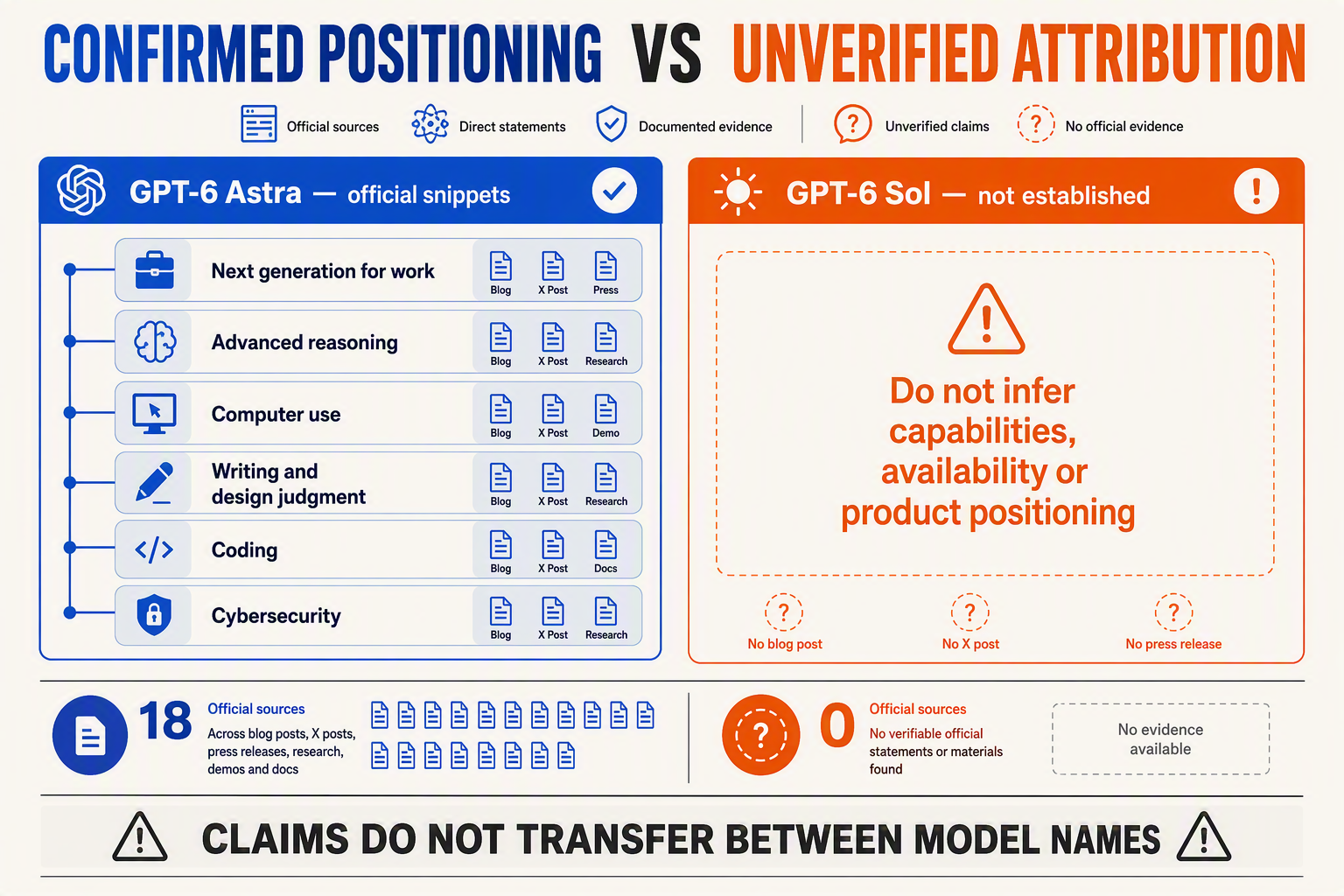
GPT-6 Astra has confirmed official positioning; GPT-6 Sol does not. As of September 22, 2026, OpenAI’s official announcement snippets position GPT-6 Astra around advanced reasoning, computer use, stronger writing and design judgment, coding, cybersecurity, and business workloads. The available research provides no equivalent announcement, system card, API documentation, pricing entry, or model identifier for “GPT-6 Sol.”
What has OpenAI officially claimed about GPT-6 Astra?
OpenAI describes GPT-6 Astra as its “most capable model for business,” highlighting advanced reasoning and computer use alongside stronger writing and design judgment. A separate OpenAI announcement emphasizes coding and cybersecurity, while the GPT-6 Astra System Card, updated September 9, 2026, calls Astra the company’s most capable broadly deployed model.
These are confirmed product-positioning statements, not independent proof that Astra will lead every workload. Crucially, none should be transferred to GPT-6 Sol. The official material found instead compares Astra with GPT-5.6 Sol, leaving claims about a distinct GPT-6 Sol unsupported.
How should teams compare Astra with an alleged GPT-6 Sol?
Use representative production tasks rather than rumor-driven specifications:
| Evaluation area | What to measure | Evidence required |
|---|---|---|
| Task success | Completed workflows | Blind human review |
| Factuality | Supported claims and citations | Verified answer set |
| Instruction following | Constraint compliance | Pass/fail rubric |
| Coding correctness | Tests passed | Executable test suite |
| Tool reliability | Successful calls and recovery | Tool logs |
| Long-context retrieval | Relevant details recovered | Seeded-document tests |
| Computer use | Accurate interface actions | Recorded task runs |
| Safety | Harmful or policy-breaking outputs | Adversarial test set |
| Latency | Median and tail percentiles | Production telemetry |
| Output tokens | Tokens per successful result | API usage logs |
| Cost | Spend per completed task | Billing plus success data |
Until GPT-6 Sol receives comparable official documentation and testable access, any head-to-head conclusion would compare Astra evidence with Sol speculation, not two verified products.
What must developers verify before calling Astra API-ready?
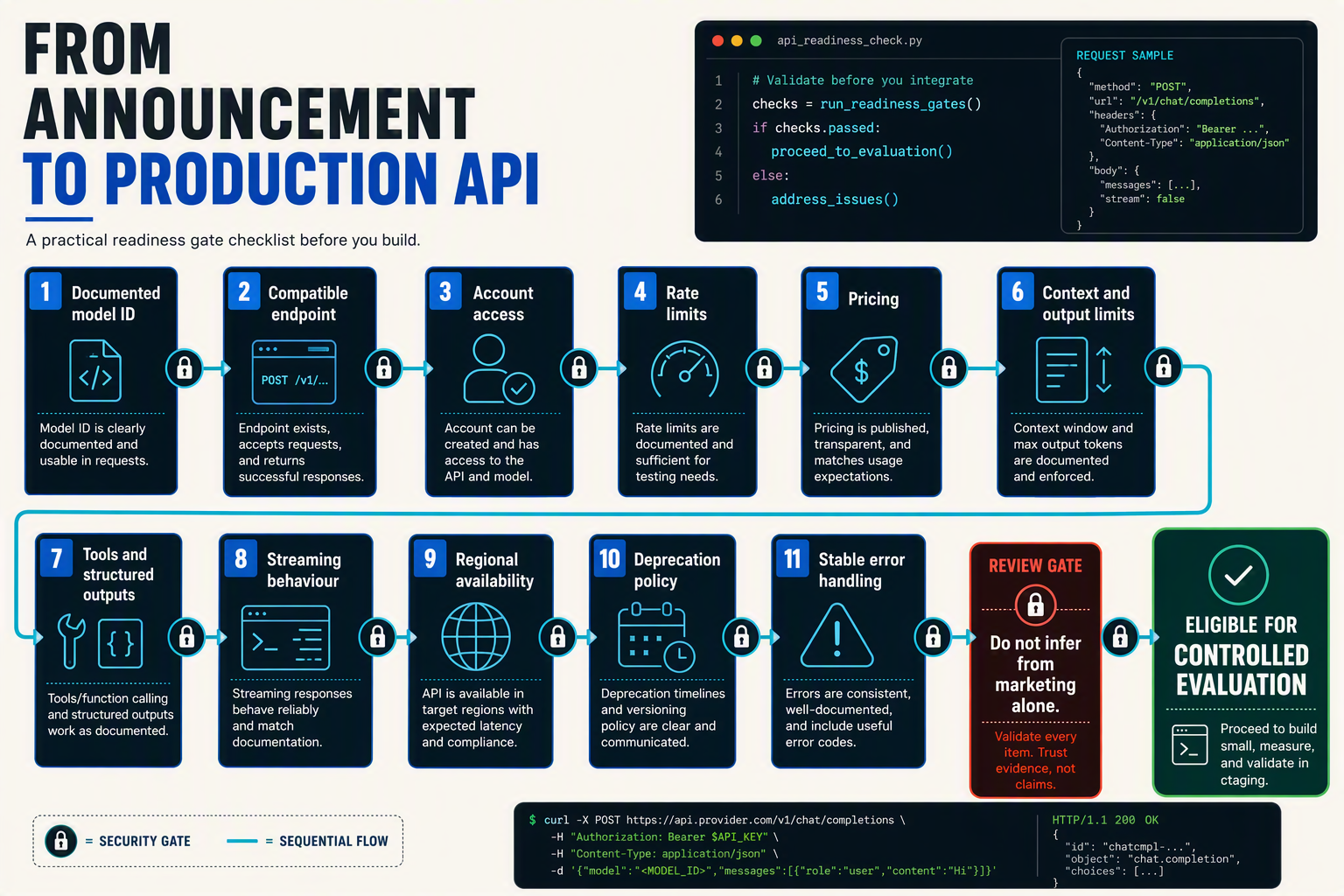
Marketing announcements and system cards do not by themselves establish that GPT-6 Astra is production-ready through an API. As of September 22, 2026, the supplied research includes official OpenAI announcement pages and a GPT-6 Astra System Card, but it does not verify the operational API details developers need.
What proves that an Astra API is usable?
Before implementation, teams should verify these items directly in official OpenAI API documentation, account consoles, pricing pages, and changelogs:
- Exact model ID: Confirm the documented identifier accepted in requests; do not infer it from the product name.
- Endpoint compatibility: Check whether Astra supports Chat Completions, the Responses API, or another endpoint—and whether existing SDKs support it.
- Account access: Verify access for the specific organization, project, API key, and billing region.
- Rate limits: Record requests-per-minute, tokens-per-minute, concurrency, and any usage-tier restrictions.
- Pricing: Confirm dated input, cached-input, output, tool-use, and other applicable charges.
- Context and output limits: Validate maximum context length, output-token limits, supported inputs, and truncation rules.
- Tools and structured outputs: Test function calling, JSON schemas, strict validation, computer use, and tool-result handling where required.
- Streaming behavior: Verify event formats, usage reporting, interruption handling, and timeouts.
- Regional availability: Check where inference and any data-processing or storage features are available.
- Deprecation policy: Identify snapshot versions, aliases, migration windows, and retirement notices.
- Stable errors: Confirm documented HTTP status codes, retry guidance, idempotency behavior, and error payload schemas.
Which Astra details remain unverified?
The supplied research does not establish an exact Astra API identifier, price, context or output limits, access tiers, rate limits, or rollout schedule. A community post claiming that Astra is “live in the API” is weaker evidence than official model documentation and should not be treated as deployment authority.
For multi-model evaluation, an OpenAI-compatible gateway such as CallMissed can simplify switching by using one API key across 136 models as of September 2026. However, compatibility does not replace vendor verification: developers must still confirm that the intended Astra model is officially listed, accessible, and contractually suitable before production use.
What do official statements and community discussions actually establish?
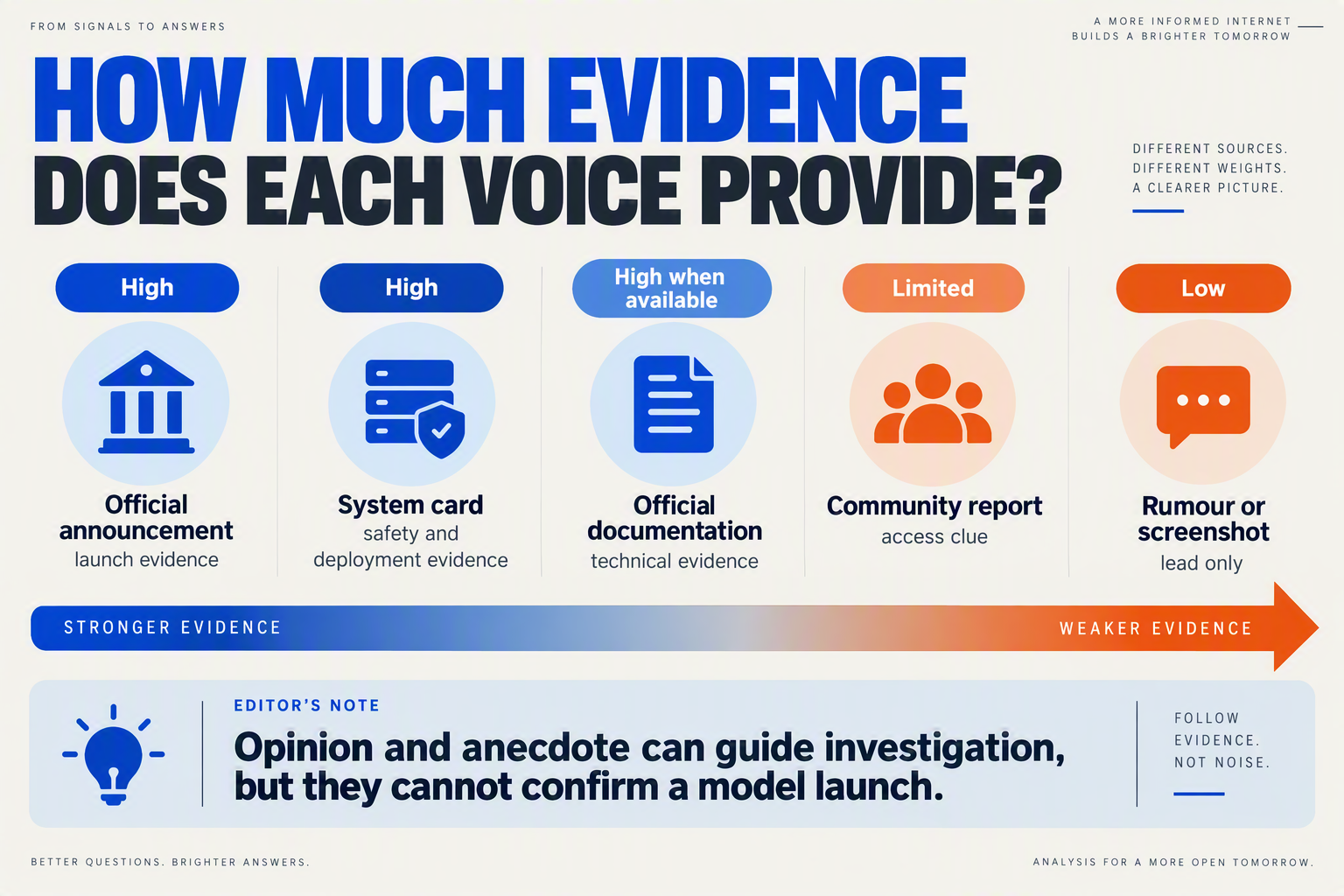
As of September 22, 2026, official OpenAI sources establish GPT-6 Astra as a released model and compare it with GPT-5.6 Sol—not with a confirmed product called GPT-6 Sol. Community discussions may help interpret migration strategies, but they do not prove model identity, access, pricing, or API behavior.
What has OpenAI officially confirmed?
OpenAI’s September 2026 announcements describe GPT-6 Astra as a new generation of intelligence with capabilities spanning advanced reasoning, computer use, coding, cybersecurity, writing, and design judgment. OpenAI’s Path to Astra report also states that Astra represents a significant increase in cybersecurity capability and token efficiency relative to GPT-5.6 Sol.
The GPT-6 Astra System Card, including an alignment update dated September 9, 2026, provides deployment and safety documentation. Together, these first-party materials confirm:
- The identity and launch of GPT-6 Astra
- Astra’s stated capabilities and safety evaluations
- OpenAI’s direct comparison between Astra and GPT-5.6 Sol
They do not establish a separately launched GPT-6 Sol.
What can community discussions tell us?
An OpenAI Community thread suggests treating low-reasoning GPT-6 Astra as a transition path from high-reasoning GPT-5.6 Sol. That is useful operational context, but a forum discussion cannot independently confirm:
- Product names or model identifiers
- Account-level availability or rollout timing
- API parameters and behavior
- Pricing, rate limits, or access tiers
Unless those details appear in official OpenAI model documentation, API references, pricing pages, or changelogs, they remain unconfirmed as of September 22, 2026.
What does this fact-check mean for researchers, buyers and API teams?
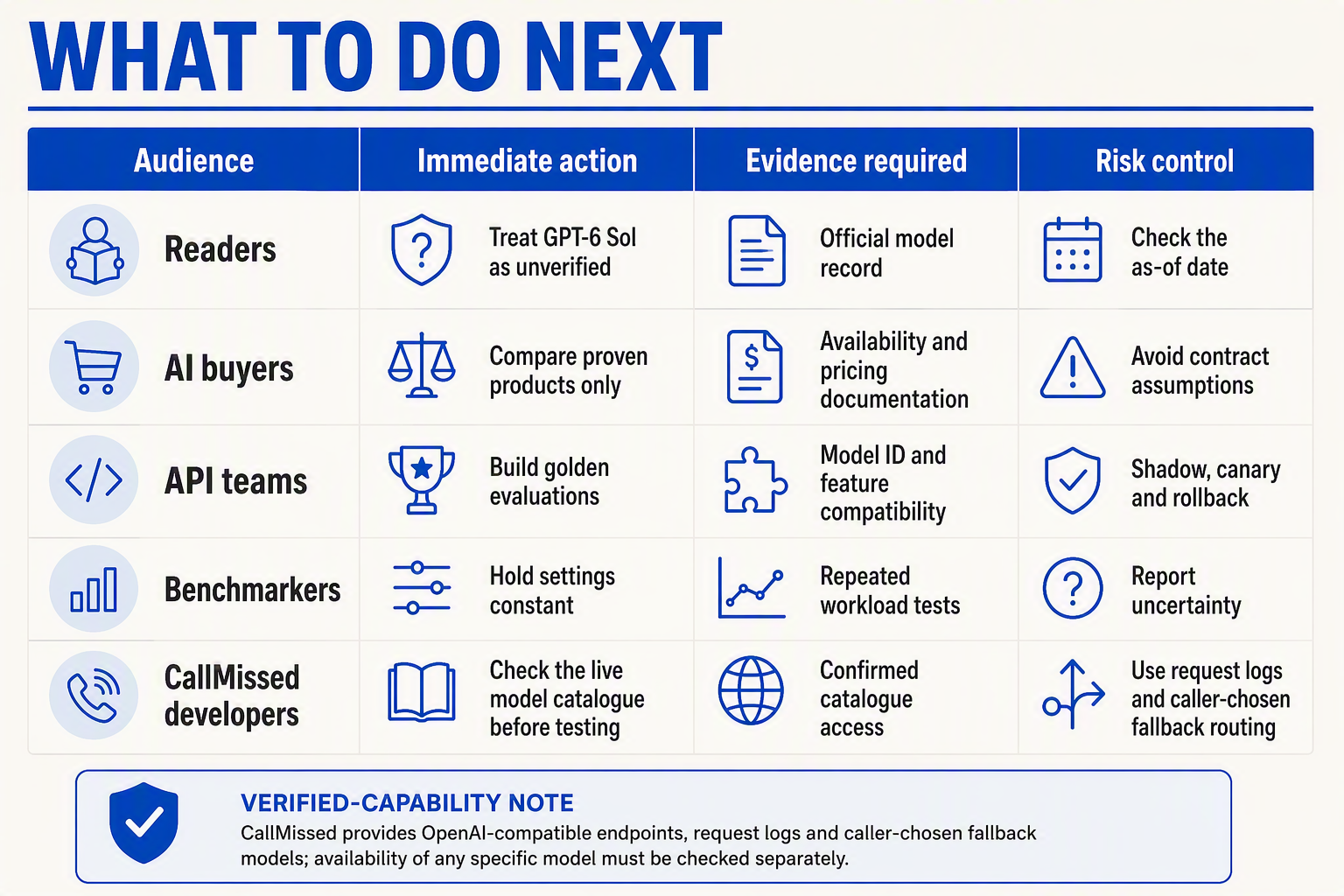
The practical conclusion is verify model identity before procurement or migration. As of September 22, 2026, OpenAI’s announcement and system card establish GPT-6 Astra, while the reviewed official records compare Astra with GPT-5.6 Sol—not a separately documented GPT-6 Sol.
| Role | Immediate action | Migration gate | Risk avoided |
|---|---|---|---|
| Researchers | Cite OpenAI’s announcement, API documentation and GPT-6 Astra System Card; label GPT-6 Sol as unverified unless a primary record appears. | Require an official model page, API identifier, pricing entry, changelog or system card. | Turning search snippets, screenshots or community claims into false facts. |
| Buyers and procurement teams | Do not issue purchase orders, budgets or forecasts against an unverified GPT-6 Sol SKU, price or release date. | Confirm contractual availability, model identifier, pricing, limits and data terms with the provider. | Paying for nonexistent capacity or building business cases on speculative pricing. |
| API and platform teams | Inventory model IDs, SDK assumptions, prompts, schemas, tools, rate limits and fallback chains; pin versions where supported. | Run golden evaluation sets covering quality, safety, structured output and tool use before changing production routing. | Silent regressions caused by aliases, defaults or incompatible behavior. |
| ML operations and SRE teams | Test with shadow traffic, then use a small canary rollout while monitoring quality, cost and latency. Define explicit fallback and rollback paths. | Expand traffic only after acceptance thresholds hold under representative workloads. | Broad outages, cost spikes and irreversible production migrations. |
What is the safest API migration sequence?
Use a gated migration: verify the primary record, confirm the callable model ID, run offline golden evals, shadow real traffic, canary a limited share, and expand only after measured approval. Multi-model gateways can simplify contingency planning; for example, CallMissed’s OpenAI-compatible API supports caller-chosen fallback models, usage logs and request logs as of September 2026, but every target model should still pass workload-specific validation before production routing.
Frequently Asked Questions

Is GPT-6 Sol an official OpenAI model?
Is GPT-6 Astra officially launched?
Is GPT-6 Astra API-ready?
Can GPT-6 Sol and GPT-6 Astra prices be compared?
Can their benchmarks and context limits be compared?
What should teams verify before migrating to GPT-6 Astra?
- Confirm the official model ID and endpoint.
- Check regional and account availability.
- Verify pricing, context limits, rate limits, and deprecation dates.
- Re-run quality, latency, safety, tool-use, and cost evaluations.
Adopt a gated migration: test offline, run a limited canary, monitor production outcomes, and retain rollback to the current model until acceptance thresholds are met.
Conclusion
As of September 22, 2026, the evidence supports one clear verdict: GPT-6 Astra is confirmed, while GPT-6 Sol remains unverified as a separate OpenAI launch in the supplied research.
- OpenAI has published both an official GPT-6 Astra announcement and a GPT-6 Astra System Card, providing strong first-party confirmation of the model’s identity.
- OpenAI’s official comparison material names GPT-5.6 Sol—not GPT-6 Sol—as Astra’s predecessor, making GPT-6 Astra versus GPT-5.6 Sol the defensible comparison.
- Mentions of “GPT-6 Sol” may reflect version-number drift, mistaken rewriting or unsupported speculation; community posts, screenshots and search snippets do not establish an official model.
- Future confirmation would require first-party evidence such as an OpenAI product page, system card, API model identifier, pricing entry or dated changelog.
To explore how AI communication infrastructure is evolving, readers can also examine CallMissed, an India-hosted platform offering voice and chat agents alongside an OpenAI-compatible developer API.
Watch for consistent documentation across OpenAI’s product, safety and developer channels. Before any migration, verify first-party documentation and use controlled evaluations, canaries, fallbacks and rollback procedures.
Related Reading
- Claude Fable 5.1 vs GPT-6 Astra Pricing: Real API Costs in 2026
- Claude Opus 5.5 vs GPT-6 Astra: 2026 Comparison
- Claude Fable 5.1 vs GPT-6 Astra for Coding: 2026 Evidence-Led Comparison
Sources
Discussion
Related Posts


Ready to automate customer conversations?
Launch AI voice agents and WhatsApp bots with CallMissed — one API, 22+ Indian languages.