

Knowledge Graphs vs Vector RAG: When to Use Which in 2026



A practical comparison of knowledge graph RAG and vector RAG in 2026 — how they work, when to use each, and hybrid architectures.
RAG is the standard pattern for grounding LLMs in private data. The default uses vector search. Knowledge graphs offer a different approach with different trade-offs.
How Vector RAG Works
Chunk documents, embed them, store in a vector database, retrieve by semantic similarity, and inject into the prompt. Strengths: simplicity, scalability, generality. Weaknesses: retrieves by similarity, not structured relationships.
How Knowledge Graph RAG Works
Entities are nodes, relationships are edges. Retrieval traverses the graph to find relevant entities and connected neighbors. Strengths: precision, explainability, multi-hop reasoning.
When to Use Vector RAG
Use when your data is unstructured, you need speed to production, and queries are semantically broad.
When to Use Knowledge Graphs
Use when your domain has well-defined entities and relationships, users ask multi-hop questions, or explainability matters.
Hybrid Approaches
The most advanced systems combine both: vector retrieval for candidates, graph for entity resolution and relationship traversal.
Tools
Vector: Pinecone, Qdrant, Weaviate, pgvector, Milvus
Graph: Neo4j, Amazon Neptune, ArangoDB
Hybrid: LangChain, LlamaIndex
Frequently Asked Questions
Is a knowledge graph just a better database?
Can I convert existing documents into a graph automatically?
Which is faster?
Related Posts
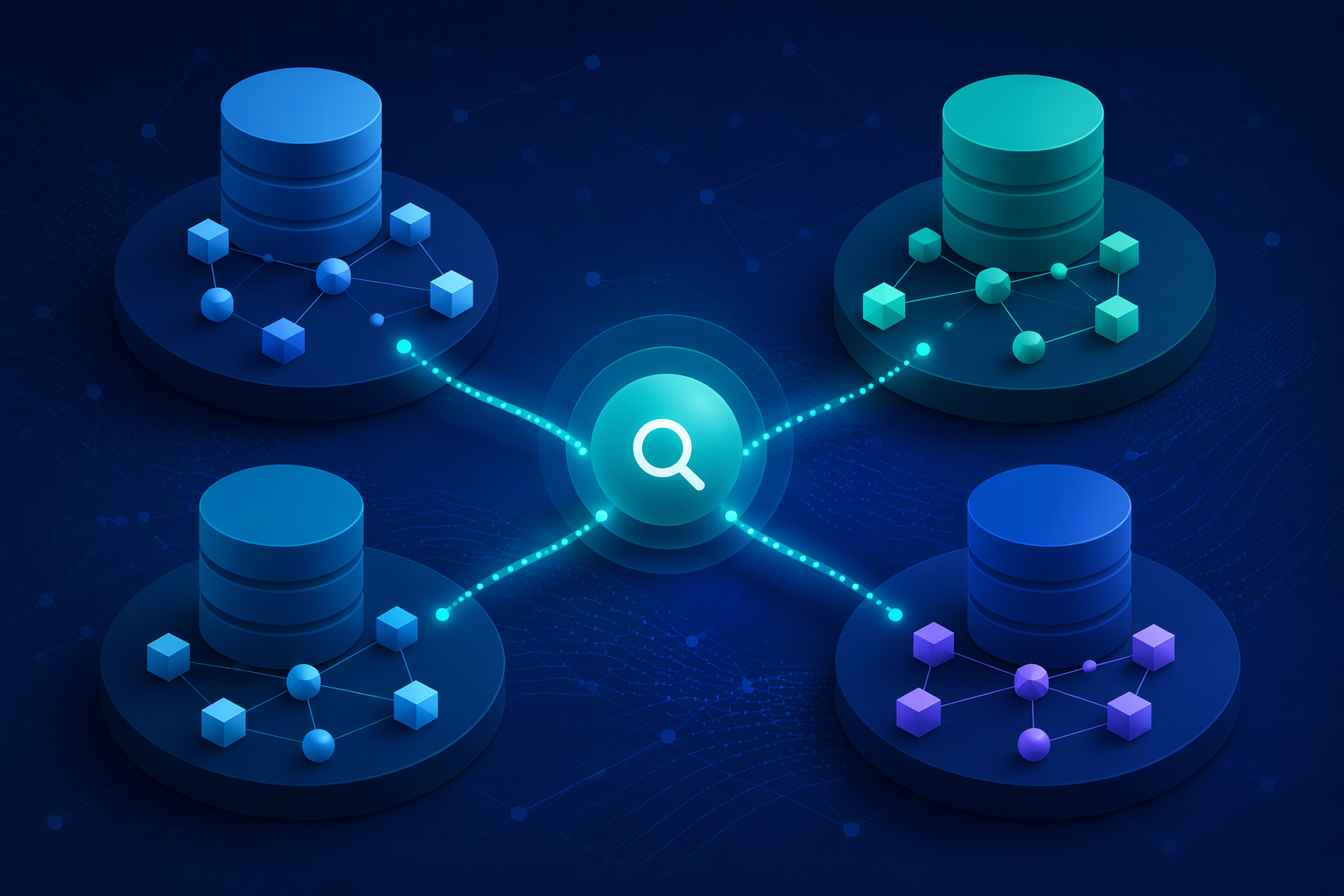
Best Vector Database 2026: Pinecone vs Qdrant vs Weaviate vs pgvector
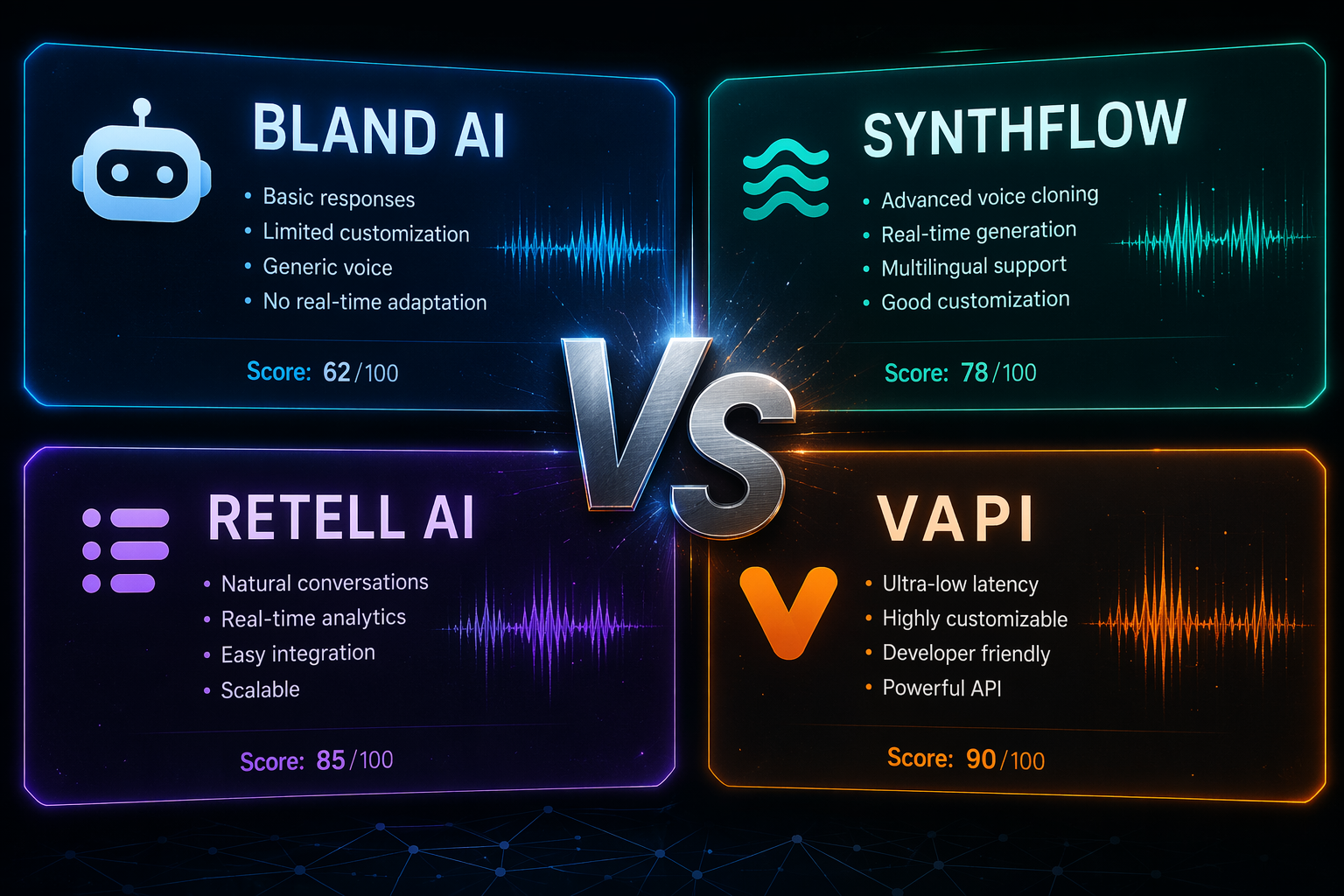
Bland AI vs Synthflow vs Retell AI vs Vapi: Best AI Voice Agent Solutions for Businesses in 2026
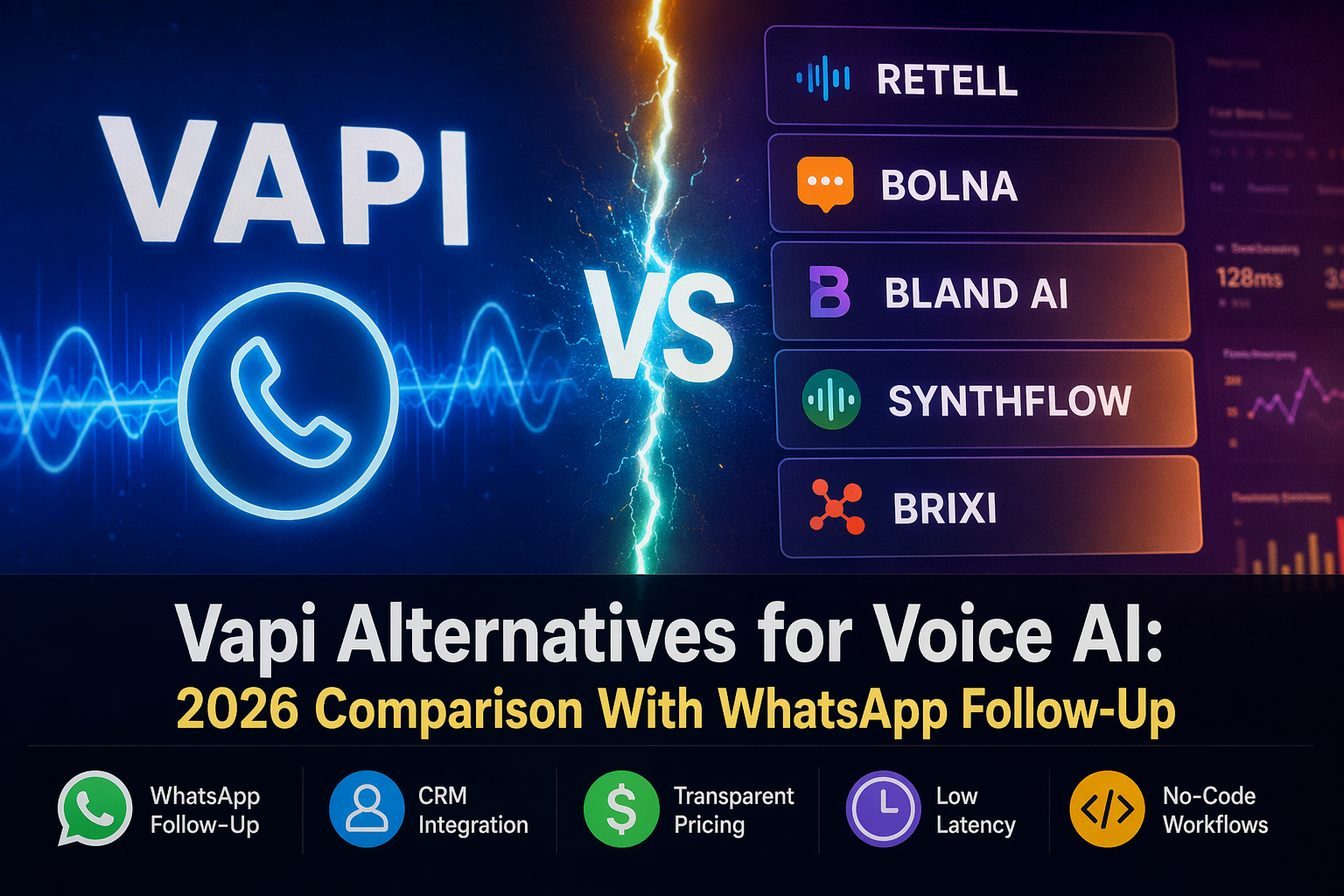
Vapi Alternatives for Voice AI: 2026 Comparison With WhatsApp Follow-Up
Ready to automate customer conversations?
Launch AI voice agents and WhatsApp bots with CallMissed — one API, 22+ Indian languages.