

Why Spain is Blacklisting Palantir: National Security Fears and Tech Sovereignty



Explore the strategic implications of Spain blacklisting US data giant Palantir. Understand the security concerns, affected sectors, and what it means for enterprise tech.
Why Spain is Blacklisting Palantir: National Security Fears and Tech Sovereignty
In an unprecedented move that has sent shockwaves through the global tech sector, Spain has ordered a sweeping blacklist of the CIA-backed U.S. data analytics giant Palantir Technologies, banning it from both public entities and private, state-controlled companies. The Spanish government’s quiet yet decisive directive instructs these organizations to immediately cancel all discussions, active negotiations, and contracts with the controversial firm run by CEO Alex Karp. For a European nation to completely sever ties with one of the world's most powerful data intelligence providers is not just unusual—it represents a massive geopolitical shift in how sovereign nations view foreign-controlled software infrastructure.
This drastic escalation matters right now because it highlights a deepening global anxiety over data sovereignty and national security. Palantir, long scrutinized for its deep ties to U.S. defense and intelligence agencies, has faced intense skepticism over the potential misuse of classified and sensitive domestic data. Spain's preemptive strike reflects a broader European push to reclaim "tech sovereignty"—the principle that a nation must retain absolute control over its digital infrastructure, citizen data, and critical communication channels rather than outsourcing them to foreign intelligence-linked corporations. As governments worldwide realize that software is the ultimate geopolitical leverage, they are increasingly turning to open, compliant, and localized technology solutions to safeguard their borders and businesses.
In this article, we will unpack exactly why Spain is blacklisting Palantir: national security fears and tech sovereignty. We will explore the strategic security concerns that prompted Madrid’s sudden directive, analyze how this decision fits into Europe's broader regulatory battle against Silicon Valley monopolies, and examine the immediate fallout for both public administration and private enterprise. Finally, we will look at how this shift is driving demand for localized, transparent communication and data solutions—such as CallMissed, which helps enterprises deploy secure, compliant AI voice and data agent infrastructure natively—proving that the future of enterprise tech lies in absolute data control.
Introduction: Spain's Decisive Move Against Palantir

In a quiet yet unprecedented assertion of digital sovereignty, the Spanish government has initiated a sweeping blacklist against the U.S. data analytics titan Palantir Technologies. The directive—which has targeted both public administrative entities and state-controlled private corporations—demands the immediate termination of all active negotiations, current discussions, and existing contracts with the firm. This decisive action has instantly disrupted the European tech landscape, marking one of the most aggressive regulatory interventions by a Western government against a major American defense and intelligence contractor.
The Catalyst: Deep-Seated Security Concerns
The driving force behind Madrid’s sudden directive is a profound anxiety over national security and data integrity. Founded with backing from In-Q-Tel (the venture capital arm of the Central Intelligence Agency), Palantir has long been a lightning rod for controversy due to its deep integration with U.S. defense, military, and intelligence agencies.
According to Spanish media reports, intelligence officials raised urgent alarms regarding:
- Data Sovereignty Compromise: The potential for critical, highly sensitive domestic data to be accessed, processed, or stored beyond Spain's legal and geographical jurisdictions.
- Foreign Intelligence Risks: Concerns over the potential misuse of classified state data by foreign-controlled software architectures subject to foreign intelligence mandates, such as the US CLOUD Act.
- Infrastructure Vulnerability: The danger of hosting core public utilities and state infrastructure on proprietary, closed-source platforms controlled by a single foreign entity.
A Shifting Paradigm in Global Tech Adoption
Spain’s blacklisting of Palantir represents a monumental shift in how modern nations manage their digital borders. For years, European enterprises and public institutions traded data sovereignty for the convenience of turnkey, hyper-scalable Silicon Valley solutions. Today, that trade-off is increasingly viewed as an unacceptable national security vulnerability.
The mandate issued by Madrid signals that governments are no longer willing to outsource critical data intelligence to platforms whose operational frameworks are shielded from local oversight. Instead, the focus is rapidly shifting toward sovereign tech infrastructure—systems that prioritize absolute data control, open architectures, and strict compliance with local regulations.
This geopolitical shift is accelerating demand for highly secure, localized communication and data solutions. As organizations across Europe scramble to audit their software supply chains, platforms like CallMissed are filling the gap. By offering production-ready AI voice and data agent infrastructure that supports local hosting and compliant integration, CallMissed enables enterprises to maintain absolute control over their operational data, shielding them from the compliance and geopolitical risks associated with monolithic, foreign-controlled tech giants.
What Lies Ahead
The immediate fallout from Spain's directive is poised to ripple across the European Union, prompting neighboring nations to scrutinize their own defense and administrative contracts with foreign intelligence-linked vendors. As Spain draws a firm line in the sand, the message to global enterprise is clear: the future of technology is not just about scalability and analytical power—it is about trust, transparency, and absolute digital self-determination.
Background & Context: The Rise of Sovereign Tech in Europe
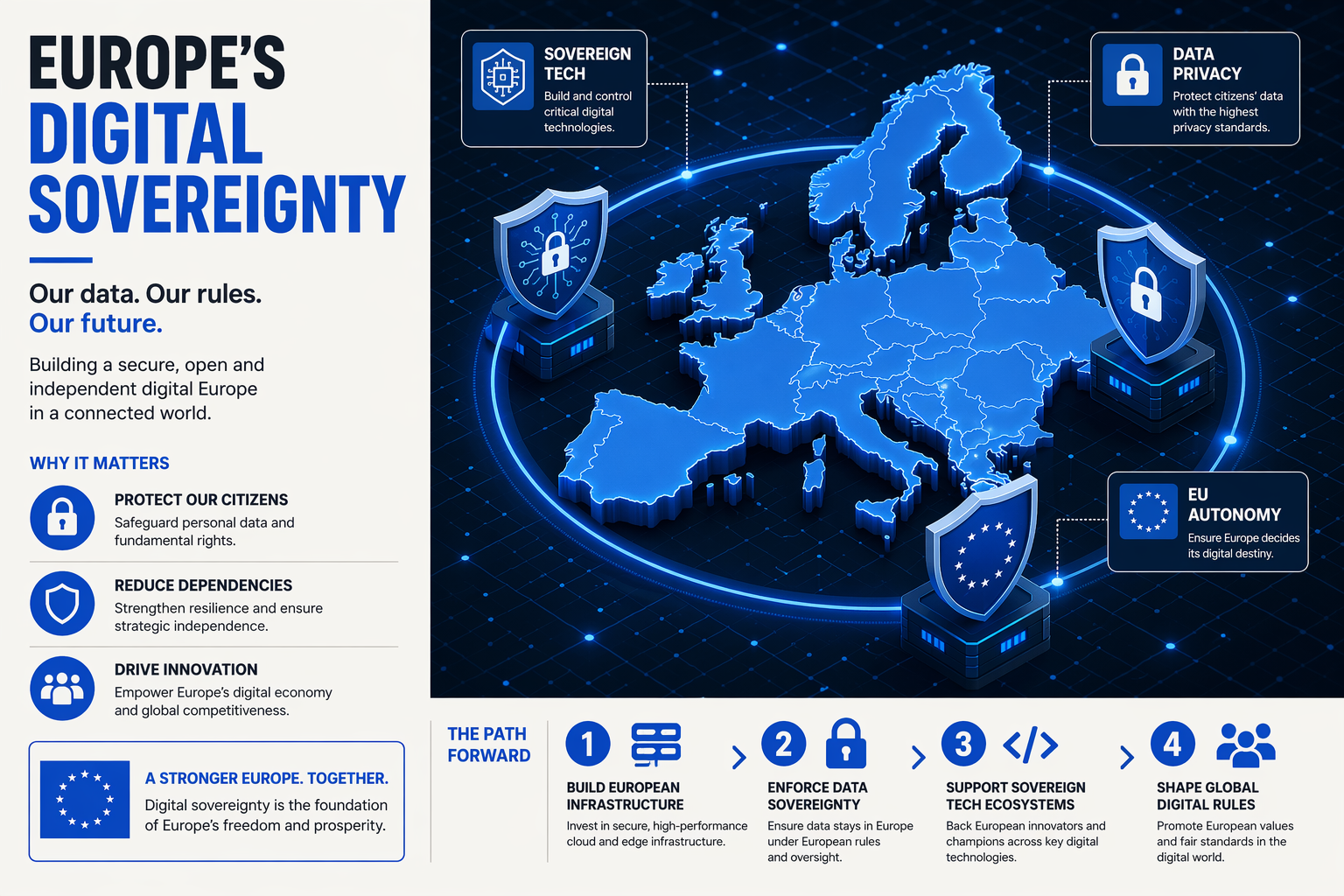
Spain’s dramatic blacklisting of Palantir Technologies does not occur in a vacuum; rather, it represents a critical flashpoint in a rapidly escalating geopolitical movement: the rise of sovereign tech in Europe. For nearly a decade, European policymakers have grown increasingly uneasy with their systemic reliance on foreign technology monopolies, particularly those headquartered in the United States and subject to extraterritorial laws like the US CLOUD Act.
Madrid’s decisive directive to sever all ties with the CIA-backed data analytics giant reflects a broader continental shift. European nations are realizing that true independence requires absolute control over their digital infrastructure, national security intelligence, and citizens' data.
The Geopolitical Stakes of Sovereign Tech
The concept of tech sovereignty has transitioned from a theoretical policy debate in Brussels to a hardline national security mandate across European capitals. Spain's preemptive strike highlights three key drivers behind this shift:
- Extraterritorial Jurisdiction Fears: Under US law, American technology companies can be compelled to hand over data stored on foreign servers to US intelligence agencies. For critical infrastructure, defense, and public administration, this creates an unacceptable risk of espionage.
- The Weaponization of Software: Modern software is no longer just a business tool; it is the central nervous system of state operations. Allowing a foreign-controlled entity—especially one deeply intertwined with US defense and intelligence frameworks—to manage critical public and private data pipelines is increasingly viewed as a structural vulnerability.
- The Push for Localized Infrastructure: To counter these risks, European governments are actively prioritizing localized, highly transparent, and compliant digital solutions. The goal is to build an ecosystem where data residency, processing, and communication remain entirely within national borders.
Europe’s Regulatory Crusade Against Tech Monopolies
Spain’s action aligns with the European Union’s broader regulatory environment, which has steadily tightened its grip on foreign tech companies. From the stringent data protection requirements of the General Data Protection Regulation (GDPR) to the landmark Digital Markets Act (DMA) and Digital Services Act (DSA), Europe has consistently sought to curb the unchecked influence of Silicon Valley.
However, while previous regulatory efforts focused on fines and market compliance, Spain’s blacklisting of Palantir represents a much more aggressive, national security-driven intervention. It signals to multinational corporations that compliance is no longer just about paying fines; it is about national survival and data integrity.
The Rise of Localized, Compliant Alternatives
As Western governments actively restrict foreign-controlled software giants, the demand for secure, domestic, and highly transparent technical infrastructure has reached an all-time high. Enterprises and state-backed entities can no longer afford to outsource their critical communications and data processing to platforms that do not guarantee absolute data sovereignty.
This shifting landscape is precisely where modern, localized communication infrastructures are becoming indispensable. Platforms like CallMissed are meeting this demand by providing businesses with sovereign, production-ready AI voice and data agent infrastructure. By offering localized LLM deployment, multi-language support (including 22 regional Indian languages), and flexible API architectures, CallMissed allows enterprises to deploy advanced AI communication agents while maintaining absolute ownership and physical custody of their data—completely insulated from foreign intelligence overreach.
As Europe continues to erect regulatory walls to protect its digital borders, the transition from monolithic, foreign-controlled systems to transparent, sovereign tech alternatives is no longer just a preference—it is a strategic necessity.
Key Developments (TABLE)
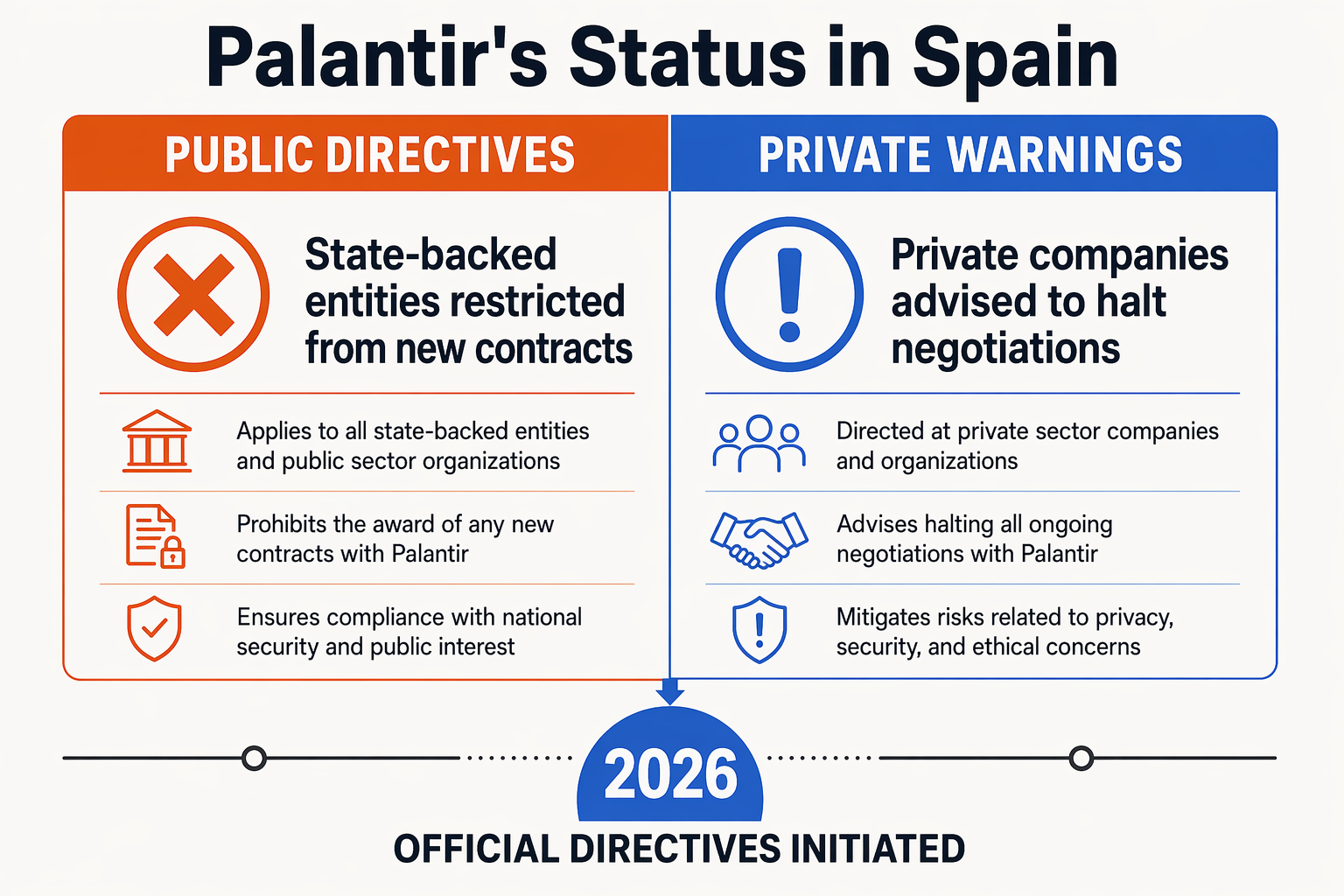
The Spanish government's quiet escalation against Palantir Technologies has unfolded rapidly, catching many in the European tech and defense sectors by surprise. In a matter of days, the administration moved from internal security assessments to issuing sweeping, binding directives to state-controlled entities.
To understand the scale of this intervention, it is essential to trace the key developments that led to the sudden blacklisting of the CIA-backed firm, led by CEO Alex Karp.
Timeline of the Blacklist Implementation
The transition from standard regulatory oversight to an absolute prohibition highlights how quickly national security concerns can reshape commercial partnerships. The table below outlines the core developments, directives, and affected sectors as Spain implements this unprecedented tech ban:
| Phase / Event | Action Taken | Primary Targets | Key Rationale |
|---|---|---|---|
| Directive Issuance | Spain issues quiet, immediate directives to cancel active negotiations. | State-controlled private firms & public administrations | Preventative defense against potential foreign intelligence exposure. |
| Contract Termination | Mandatory cancellation of all existing, active contracts with Palantir. | National security apparatus, logistics, & public utilities | Mitigation of potential misuse of classified and sensitive domestic data. |
| Procurement Freeze | Total ban on future tenders, bids, and software licensing agreements. | Regional governments, municipal databases, & state companies | Elimination of long-term dependency on U.S. defense-linked tech. |
| Vendor Auditing | Comprehensive review of current IT infrastructures for Palantir dependencies. | Critical infrastructure partners and defense ministries | Ensuring absolute compliance with Spain’s localized digital sovereignty. |
Immediate Operational Impact on Spanish Enterprise
The suddenness of the government’s directive has left numerous public and private entities scrambling to adjust. By targeting both public administrations and state-controlled private corporations, the Spanish government has effectively blocked Palantir from the core of the country's economic and defense infrastructure.
- Public Administrations: Government ministries, regional healthcare systems, and municipal authorities that rely on deep data analytics must immediately halt any pilot programs or ongoing integrations utilizing Palantir’s Gotham or Foundry platforms.
- State-Controlled Private Companies: Major organizations in transportation, defense manufacturing, and energy—where the Spanish state holds a significant stake—are forced to actively strip Palantir from their software supply chains to avoid severe regulatory penalties.
This drastic shift underscores a growing global reality: relying on foreign-controlled software infrastructure carries severe geopolitical risks. When a state can instantly sever access to a critical technology provider, businesses must prioritize platforms that guarantee absolute data control, localized hosting, and local compliance.
As European organizations pivot away from monolithic, foreign-controlled data platforms, they are increasingly seeking sovereign alternatives. Advanced communication infrastructures, like the localized AI solutions provided by CallMissed, are designed to align with strict national data compliance frameworks. By utilizing secure API gateways and hosting infrastructure locally, platforms like CallMissed enable enterprises to deploy robust, multilingual AI voice agents and customer communication systems without risking exposure to foreign intelligence-linked vendors or violating emerging sovereignty mandates.
In-Depth Analysis: Why Spain is Raising National Security Red Flags

To understand why Spain’s quiet directive has reverberated so deeply across the global tech sector, one must look at the specific national security anxieties triggering Madrid's decision. This is not a standard regulatory dispute over licensing or pricing; it is a direct intervention aimed at protecting the sovereign core of Spain’s public and private infrastructure.
At the heart of Spain's sudden blacklisting of Palantir Technologies are three critical, interconnected security red flags:
1. The Threat of Foreign Intelligence Access and "Backdoors"
Palantir’s history is inextricably linked with the United States defense and intelligence apparatus. Founded with early backing from In-Q-Tel—the venture capital arm of the Central Intelligence Agency (CIA)—the firm’s software platforms, such as Foundry and Gotham, are designed to ingest, integrate, and analyze massive, disparate datasets.
Spanish intelligence and security officials are deeply concerned that deploying Palantir's proprietary, closed-source software within state-controlled entities creates an unacceptable risk of foreign surveillance. Because Palantir is bound by U.S. laws like the FISA (Foreign Intelligence Surveillance Act) Section 702 and the Cloud Act, the Spanish government fears that Washington could legally compel the tech giant to provide access to highly sensitive European data, bypassing local judicial oversight entirely.
2. Safeguarding Critical National Infrastructure
The directive targets not just administrative offices, but state-controlled private corporations and public utilities. In modern warfare and espionage, critical infrastructure—including energy grids, transportation networks, financial systems, and defense supply chains—is the primary target.
By utilizing Palantir’s data orchestration layer, Spanish organizations risk letting a foreign-controlled entity become the "operating system" for these vital sectors. If a geopolitical dispute arises, Spain could find itself vulnerable to:
- Vendor Lock-in: The inability to migrate critical operations away from Palantir without crippling state services.
- Information Asymmetry: A foreign corporation possessing a more comprehensive, real-time understanding of Spain's internal infrastructure than the Spanish government itself.
3. Protecting Classified and Sensitive Domestic Data
Palantir specializes in "connecting the dots" using artificial intelligence and big data analytics. When applied to municipal, healthcare, or law enforcement registries, the software builds highly detailed profiles of citizens and state operations. Spain’s Ministry of Defence and national intelligence agencies raised alarms over the potential misuse or leakage of this classified domestic data.
In an era where data is the ultimate geopolitical leverage, letting a foreign firm manage the databases of state police, public healthcare systems, or military logistics is increasingly viewed as a surrender of digital sovereignty.
The Shift Toward Sovereign Tech Infrastructure
Spain's decisive move underscores a broader global paradigm shift. Governments and enterprise businesses are realizing that they can no longer outsource their core data and communication intelligence to opaque, foreign-controlled monopolies.
To mitigate these security risks, forward-looking organizations are pivoting toward highly transparent, localized, and compliant technology stacks. For example, in the realm of enterprise AI and communications, platforms like CallMissed allow companies to deploy advanced AI voice and data agents natively. By offering flexible LLM deployment options (supporting over 300 models) and strict localized data boundaries, such platforms ensure that critical organizational intelligence remains entirely under domestic control, eliminating the threat of foreign data exploitation.
Impact & Implications: From State Entities to Private Enterprises
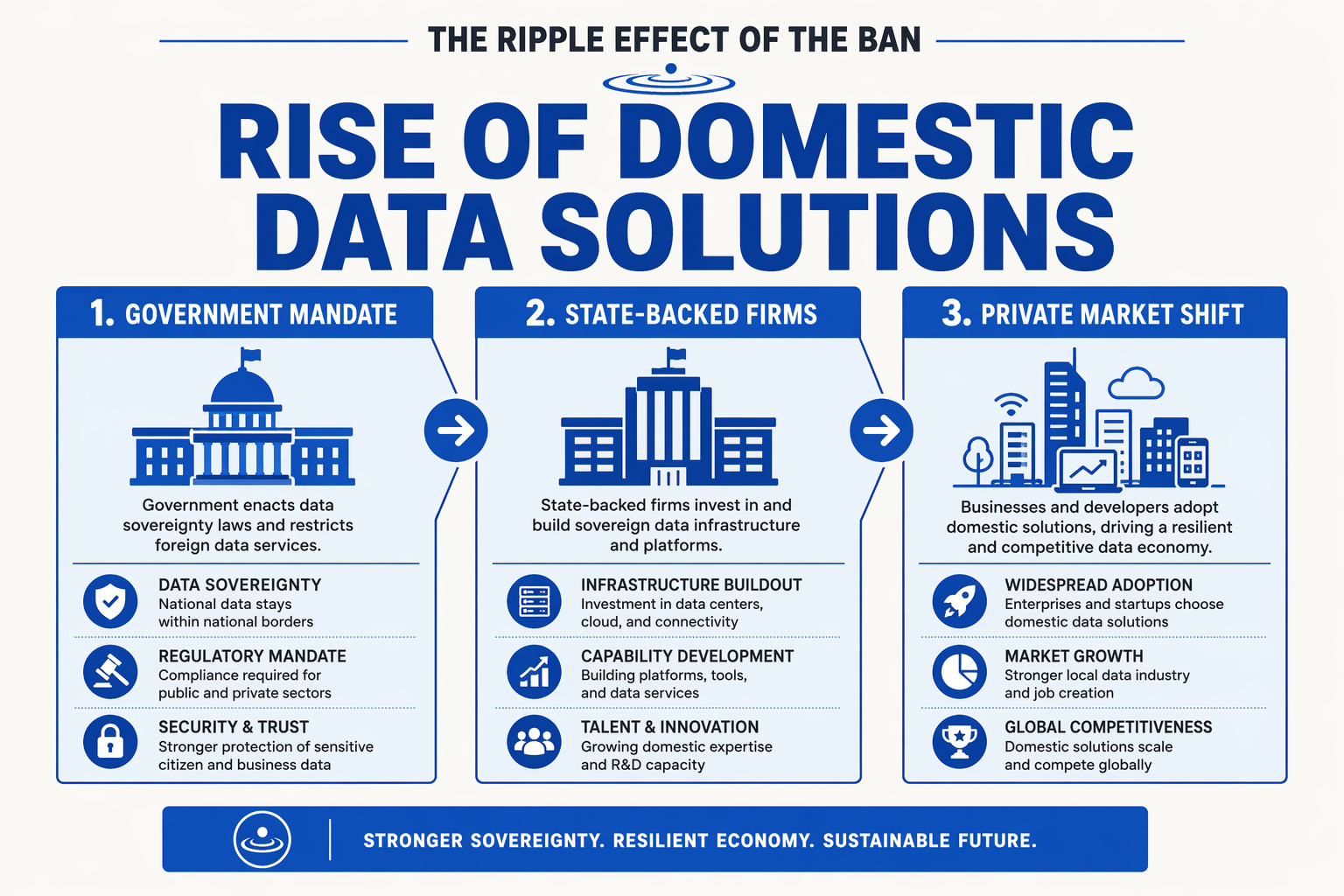
The immediate fallout of Madrid’s directive extends far beyond the halls of government ministries. By instructing both public administrative bodies and state-controlled private enterprises to instantly cease discussions, negotiations, and active contracts with Palantir Technologies, the Spanish government has initiated a massive operational realignment. The ripple effects of this blacklisting are disrupting day-to-day operations and forcing a fundamental reassessment of third-party software dependencies across Spain's entire economic infrastructure.
The Chill on State-Controlled Enterprises
For state-controlled private entities—which often operate critical national infrastructure like transportation, energy, and defense—the sudden ban on CEO Alex Karp’s company presents an immediate operational challenge. These organizations regularly deal with massive datasets that require advanced analytics. However, the government's stance is clear: the operational convenience of Palantir’s Gotham or Foundry platforms is heavily outweighed by the potential risk of foreign intelligence agencies accessing sensitive domestic data.
The implications of this ban include:
- Immediate Contract Terminations: State-affiliated enterprises must abruptly halt all active deployments, leaving IT departments scrambling to find compliant, domestic, or localized alternatives.
- Procurement Freezes: Active procurement pipelines and collaborative pilot projects involving Palantir are being canceled mid-negotiation, resulting in lost time and sunk evaluation costs.
- Compliance Overhauls: Legal and risk compliance teams are auditing their entire software supply chains to ensure no subsidiary systems or secondary vendors rely on Palantir's backend infrastructure.
A Catalyst for the Localized AI and Tech Movement
This blacklisting is a watershed moment for sovereign technology. It proves that relying on opaque, foreign-controlled software giants poses an existential compliance risk. As Spanish enterprises distance themselves from Palantir, they are turning toward transparent, localized, and open-architecture software solutions that guarantee absolute data residency.
In this new regulatory landscape, platforms that prioritize data sovereignty are becoming the gold standard. For example, CallMissed enables enterprises to deploy secure, production-ready AI voice and data agent infrastructure natively. By giving organizations complete control over where their LLMs run and how their communication data is stored, platforms like CallMissed offer the exact security guarantees that foreign defense contractors cannot. This shift ensures that critical business communications remain entirely within sovereign borders and under domestic jurisdiction.
The Broader Corporate Precedent
Spain’s decisive action sends a clear warning to the broader private sector: data sovereignty is no longer just a theoretical regulatory preference—it is a strict operational mandate. Fully private corporations operating in Spain are watching this development closely. Many are proactively auditing their own tech stacks to avoid future regulatory friction, realizing that the tide has permanently turned against closed, foreign-intelligence-linked platforms.
Ultimately, Spain is setting a precedent that other European nations are likely to follow. The demand for plug-and-play AI and data solutions that respect national borders is skyrocketing, marking the beginning of a highly localized, sovereign era in enterprise technology.
Expert Opinions: The Geopolitics of Data Analytics

The quiet blacklisting of Palantir Technologies by the Spanish government has triggered intense debate among geopolitical strategists, technology policymakers, and national security experts. At its core, this unprecedented move represents a structural shift in how sovereign nations view the convergence of big data, foreign intelligence, and state administration.
Experts argue that Spain’s directive to sever all ties with the U.S. analytics firm highlights three critical geopolitical realities of the modern digital era:
1. The Weaponization of Software Pipelines
In international relations, data analytics is no longer viewed merely as an administrative tool; it is now recognized as a strategic asset. Geopolitical analysts note that Palantir’s deep-seated history as a CIA-backed enterprise—funded in its infancy by the agency's venture arm, In-Q-Tel—makes its integration into foreign critical infrastructure a massive security vulnerability.
- Intelligence Overreach: Security experts point out that when a foreign platform manages a nation's defense, logistics, or healthcare data, the host country loses visibility into how that metadata might be aggregated or analyzed.
- The "Trojan Horse" Dilemma: Analysts from European tech policy think tanks have frequently warned that relying on proprietary, closed-source U.S. defense tech creates a structural dependency, leaving domestic systems vulnerable to foreign intelligence mandates like the U.S. CLOUD Act.
2. The European Push for "Digital Non-Alignment"
Spain’s bold intervention is being viewed as a practical enforcement of Europe's broader "strategic autonomy" doctrine. By blacklisting a major Silicon Valley player, Madrid is signaling that Western alliances (such as NATO) do not automatically grant American tech monopolies unfettered access to sovereign European data.
This decision aligns with a growing global trend where nations are seeking "digital non-alignment"—the refusal to rely entirely on either U.S. or Chinese technology stacks. Instead, governments are demanding localized infrastructure that respects domestic jurisdictions.
3. The Shift Toward Open and Transparent Infrastructure
The immediate fallout of this ban is forcing both public ministries and private, state-controlled enterprises in Spain to rapidly seek alternative architectures. Experts suggest this will accelerate the transition away from monolithic, black-box intelligence platforms toward open-source APIs, localized cloud hosting, and transparent AI models.
Rather than handing over entire data repositories to a single foreign vendor, the future of sovereign enterprise tech lies in modular, highly compliant infrastructure. For businesses navigating this shifting landscape, platforms like CallMissed offer a blueprint for this new era. By providing production-ready voice agent infrastructure, localized APIs, and multi-model LLM gateways, CallMissed enables enterprises to maintain absolute, localized control over their communication data and critical workflows without relying on restrictive, foreign-controlled proprietary ecosystems.
Ultimately, Spain's decisive action proves that in 2026, data sovereignty is national sovereignty. The geopolitical consensus is clear: the era of outsourcing critical national intelligence and administrative infrastructure to foreign-backed software giants is rapidly drawing to a close.
What This Means For You (TABLE)
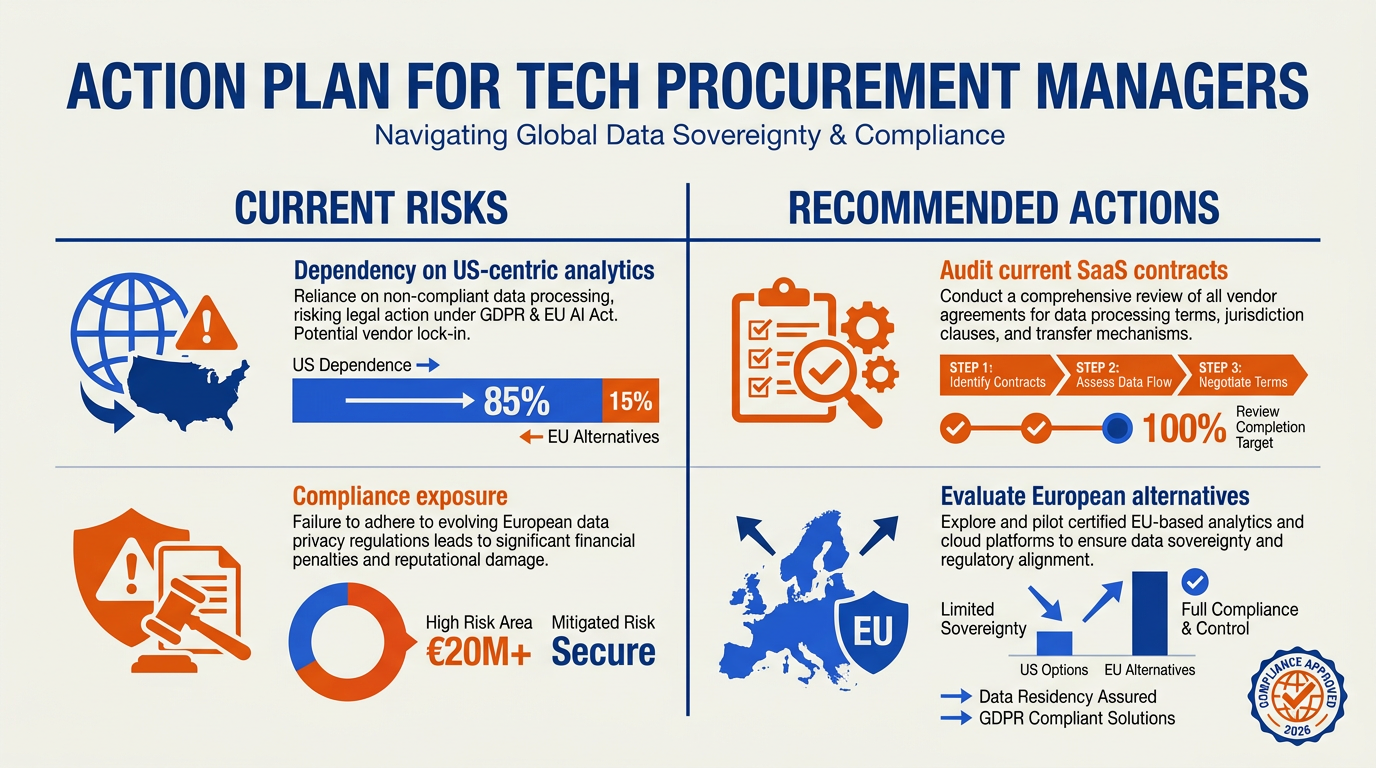
For businesses, IT decision-makers, and government contractors, Spain’s sudden directive to blacklist Palantir Technologies is a major wake-up call. It highlights a rapidly evolving regulatory environment where national security, data sovereignty, and software origin are prioritized over legacy capabilities.
If your organization handles sensitive domestic data, public administration contracts, or critical infrastructure, this policy shift requires an immediate strategic pivot. To help you navigate this transition, the table below outlines the core operational areas affected by Spain's blacklisting of Palantir, the immediate impact on enterprise operations, and the recommended strategic alternatives.
Impact Analysis and Transition Framework
| Operational Area | Impact of Palantir Blacklist | Risk Level | Recommended Strategy & Action |
|---|---|---|---|
| Active Negotiations | Immediate termination of all pending procurement discussions and contracts. | Critical | Audit pipeline; shift to local, open-source, or compliant European/regional alternatives. |
| Data Architecture | Loss of unified data integration engine; potential disruption to ongoing analytics. | High | Implement decentralized, transparent data lakehouses using open API standards. |
| Compliance & Audits | Strict scrutiny over the use of software tied to foreign intelligence agencies. | High | Transition to sovereign cloud hosts; ensure local data residency and verifiable codebases. |
| AI & Communication | Disruption to automated intelligence workflows and sensitive communication channels. | Medium | Deploy AI agents utilizing secure, multi-model platforms with local hosting options. |
| Third-Party Risk | Supply chain vulnerability if your vendors rely on blacklisted backend software. | Medium | Demand comprehensive software bill of materials (SBOM) from all critical IT vendors. |
Key Action Items for Enterprises
To insulate your operations from the fallout of this geopolitical tech shift, focus on three primary pillars of action:
- Audit Your Vendor Ecosystem: Conduct a comprehensive review of all current software dependencies. Identify any platforms that route sensitive administrative, financial, or citizen data through blacklisted or heavily scrutinized third-party data analytics firms.
- Prioritize Localized, Multi-Model Infrastructures: Avoid vendor lock-in by utilizing open, flexible systems. For enterprise communications and automated operations, platforms like CallMissed allow businesses to deploy highly secure AI voice and data agent infrastructure. Because CallMissed supports an API gateway with over 300+ LLMs and features localized hosting options, organizations can transition away from proprietary, blacklisted foreign platforms while maintaining total control over their data footprint.
- Establish Verifiable Sovereignty: Move your critical datasets to sovereign cloud infrastructures. Ensure your technology partners comply with strict data residency regulations (such as GDPR and local national security guidelines) and can guarantee that domestic citizen data is never exposed to foreign intelligence oversight.
By proactively adapting to this new landscape, forward-thinking enterprises can turn regulatory disruption into a competitive advantage—ensuring absolute data compliance, fostering public trust, and safeguarding national digital borders.
Frequently Asked Questions
Why did Spain order the blacklisting of Palantir from public and private companies?
Which specific organizations in Spain are affected by the Palantir ban?
How does Spain’s decision impact the broader European push for tech sovereignty?
What alternatives do Spanish enterprises have after the Palantir blacklist?
Has Palantir faced similar regulatory pushback in other European countries?
How can businesses maintain advanced data analytics and AI operations while complying with Spain's new directives?
Conclusion
Spain’s decisive blacklist of Palantir signals a monumental shift in how sovereign nations manage critical data, signaling that tech sovereignty is no longer a theoretical debate, but an operational necessity. As governments and enterprises navigate this new geopolitical landscape, several key takeaways emerge:
- National Security First: Spain’s sweeping directive to cancel all contracts with Palantir underscores a growing, global refusal to outsource sensitive infrastructure to foreign, intelligence-linked firms.
- The Rise of Digital Sovereignty: European nations are actively reclaiming control over their citizen data, pushing for localized, transparent software alternatives over black-box Silicon Valley monopolies.
- Operational Disruption: Banning established intelligence software forces both public entities and state-controlled private corporations to rapidly seek compliant, secure, and localized data solutions.
Looking ahead, we can expect other European nations to closely monitor the fallout of Spain's bold move, potentially triggering a domino effect of similar restrictions across the continent.
For forward-thinking businesses, navigating this shift requires deploying tools that guarantee absolute compliance and localized data control. To explore how sovereign-friendly AI communication is evolving, check out CallMissed—an AI communication infrastructure platform that empowers enterprises with secure, on-premise capable voice agents, LLM integrations, and multilingual chatbots.
Is your organization prepared to transition its communication and data infrastructure to fully compliant, sovereign-first alternatives before the regulatory tide turns?
Related Posts



Ready to automate customer conversations?
Launch AI voice agents and WhatsApp bots with CallMissed — one API, 22+ Indian languages.