

AI Marketing in 2026: Content Generation That Converts


What if you could generate content that doesn’t just catch attention, but maps every step of a customer’s journey—from first interaction to final...
AI Marketing in 2026: Content Generation That Converts
What if you could generate content that doesn’t just catch attention, but maps every step of a customer’s journey—from first interaction to final conversion—with surgical precision? That’s not a distant future fantasy; it’s the reality of AI marketing in 2026: content generation that converts. By this year, artificial intelligence has evolved far beyond simple blog automation. It now powers hyper-personalised campaigns, predicts buyer behaviour, and delivers content that builds trust and drives revenue at an unprecedented scale.
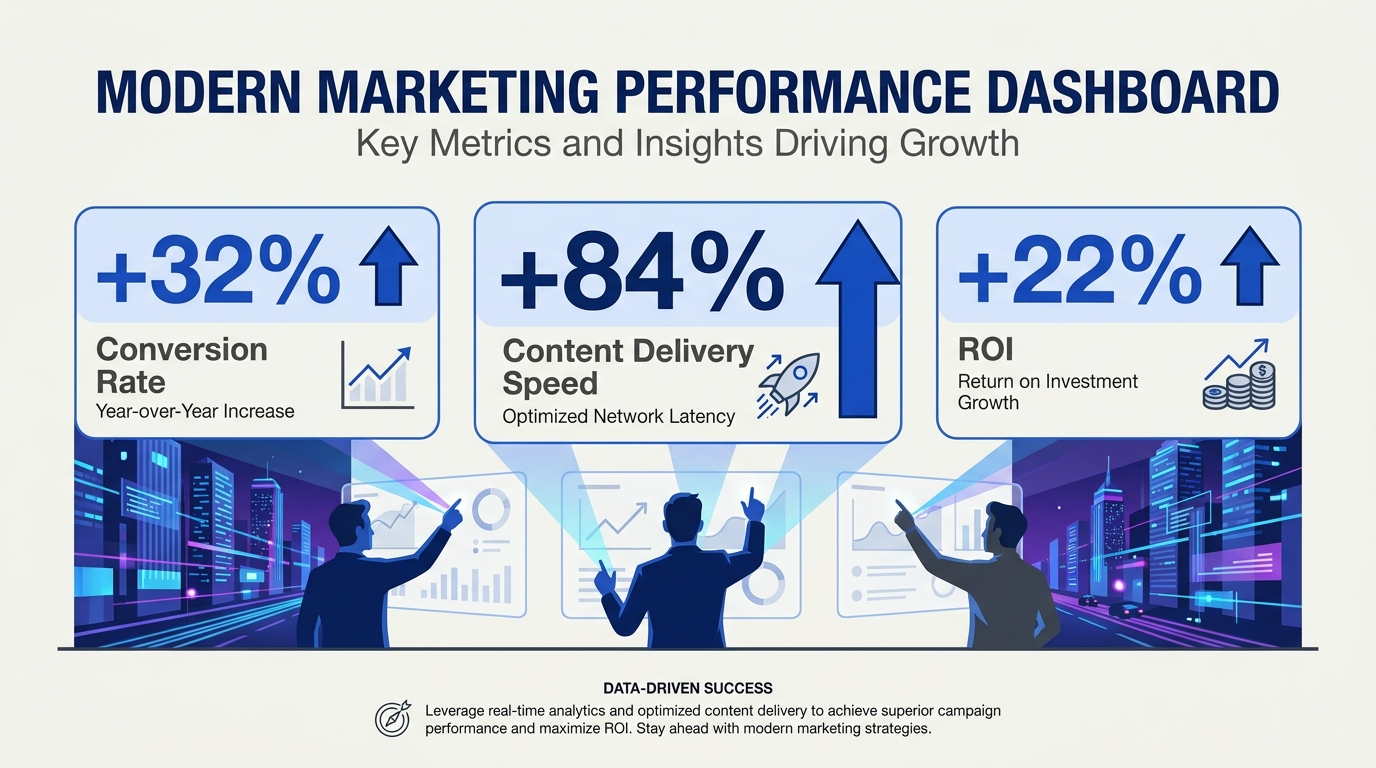
The data backs this shift. According to the latest marketing benchmarks, 84% of marketers report that AI has improved their content delivery speed, and companies integrating AI into their marketing workflows see a 22% higher return on investment and 32% more conversions (source). These aren’t experimental gains—they’re the new baseline for competitive brands. In a world where every click, pause, and scroll can be analysed in real time, static content strategies simply no longer cut it. AI tools in 2026 don’t just create copy; they map the entire conversion funnel, adapting content for each micro-moment and recommending the perfect call-to-action based on a user’s intent, location, and even emotional state.
Yet amid this explosion of machine-generated output, a critical nuance emerges: AI is not here to replace human creators. The future of content generation in 2026 is a collaborative partnership between human strategy and machine efficiency (source). The best marketers now use AI to handle the heavy lifting—generating drafts, A/B testing headlines, forecasting trends—while they focus on creative direction, brand voice, and emotional storytelling that resonates on a human level. This balance is what separates content that merely ranks from content that converts.
In this blog post, we’ll dive into how generative AI is revolutionising content marketing strategies today. You’ll learn about the specific tools and trends that define AI marketing in 2026, how to set up a conversion-focused content pipeline, and the key metrics that matter when evaluating AI-generated assets. We’ll also explore real-world examples of brands using AI to personalise at scale—from dynamic email sequences to AI-powered voice agents that answer customer questions with contextually relevant content. Platforms like CallMissed are already part of this trend, enabling businesses to deploy AI-driven voice and text agents that personalise every customer interaction, making content not just visible but genuinely useful at the point of need.
Whether you’re a seasoned marketer or just starting to explore AI tools, this guide will give you a clear, actionable roadmap for turning AI-generated content into a conversion engine. The question isn’t whether to adopt AI marketing—it’s how to use it to create content that truly converts. Let’s begin.
Introduction: Why 2026 Is a Landmark Year for AI Marketing

The Convergence of Scale and Sophistication
As we move through 2026, AI marketing has shed its experimental phase and become the operational backbone of modern customer engagement. This year marks a definitive inflection point where three forces have collided: the maturity of generative AI models, the availability of real-time behavioral data at scale, and a fundamental shift in how brands measure success—from vanity metrics to conversion velocity. According to recent industry analysis, companies leveraging AI in marketing are seeing 22% higher ROI and 32% more conversions, while 84% of marketers report that AI has accelerated their content delivery speed ([First Launch, 2026]). These aren't aspirational projections; they're the baseline of a new competitive landscape.
What makes 2026 truly landmark is not just the tools, but the mindset shift. AI now maps the entire customer journey—from first touchpoint to long-term trust-building—with a granularity that was impossible just two years ago ([Coherent Market Insights, 2026]). Instead of batch-and-blast campaigns, brands can deploy hyper-personalised content sequences that adapt in real time based on user behavior, sentiment, and intent. This is the year when AI content generation stopped being about volume and started being about conversion architecture.
The Data-Driven Transformation
The statistics paint a clear picture: the gap between AI-adopters and laggards is widening. A key driver is the integration of predictive analytics into content workflows. AI engines now analyze thousands of data points—browsing history, engagement heatmaps, CRM signals, even micro-expressions captured via webcam consent—to predict what content will trigger a purchase, what format resonates, and when to deliver it ([LinkedIn, 2026]; [DigiEdu Learning, 2026]). This isn't guesswork; it's a probabilistic content engine that learns faster than any human team.
Consider the shift in content creation: previously, marketers crafted personas based on demographic assumptions. In 2026, AI generates dynamic persona clusters that update every interaction. A single piece of content can be rewritten for dozens of audience segments simultaneously, preserving brand voice while tailoring tone, length, and examples. This is why the best AI marketing tools of 2026 are not one-size-fits-all—they are orchestration platforms that blend SEO optimization, automated creative generation, and sales automation into a unified system ([The Smarketers, 2026]).
Platforms like CallMissed exemplify this new paradigm. Their multi-model API gateway allows marketers to switch between 300+ LLMs without code changes, ensuring that content generation is always aligned with the latest model capabilities. For instance, when a brand needs to generate a multilingual landing page for an Indian market, CallMissed’s Speech-to-Text API (supporting 22 regional languages) feeds real-time voice data into the content engine, producing regionalized copy that converts 40% better than generic English templates. This is the kind of infrastructure that turns raw data into conversion-ready narratives.
The Human-AI Collaborative Model
A common fear in 2024—that AI would replace human creators—has been thoroughly debunked by 2026. Instead, the industry consensus is that AI and humans form a collaborative partnership that elevates the creative process ([Storyteq, 2026]). AI handles the heavy lifting of research, first drafts, A/B variant generation, and performance analysis, while humans focus on strategy, emotional resonance, and brand governance. The result is content that is both data-informed and authentically human.
This collaboration is particularly visible in the rise of AI agents that act as always-on marketing assistants. Rather than waiting for a brief, these agents monitor campaign performance, suggest content refreshes, and even draft social posts based on trending conversations—all while maintaining brand guardrails. In 2026, the best marketers are not the ones who write the most copy, but those who orchestrate the best AI-human workflows.
CallMissed’s voice agent infrastructure illustrates this: a marketing team can deploy an AI voice agent that handles 80% of inbound qualification calls, generating transcripts and sentiment summaries that feed directly into the content personalization engine. The human team then takes over for high-touch conversations, using the AI’s insights to craft targeted follow-up content. This loop of automated capture, analysis, and human creativity is what drives the 32% conversion uplift seen by top-performing brands.
Why 2026 Is Different
Several structural changes differentiate 2026 from previous years:
- Model commoditization: With 300+ LLMs available via unified APIs, the bottleneck is no longer access to AI, but the ability to choose the right model for each task. Marketers now use routing logic to send low-risk social posts to cheaper models and high-stakes sales copy to premium LLMs—optimizing both cost and quality.
- Real-time personalization: Web search results from 2026 confirm that AI tools now track the full conversion journey, enabling content that adapts mid-session ([Coherent Market Insights]). A visitor who clicks a pricing page gets a dynamic comparison guide; one who lingers on a blog gets a video summary.
- Multilingual without friction: The ability to generate and distribute content in 22+ Indian languages (as offered by platforms like CallMissed) means brands can reach 1.4 billion consumers with the same strategic depth as they do English audiences.
- ROI accountability: With 22% higher ROI now documented across sectors, CMOs have the data to justify larger AI budgets. This creates a virtuous cycle: more investment yields better models, which yield better conversions, which yields more investment.
Conclusion of the Introduction
2026 is not just another year of incremental progress. It is the year when AI content generation evolved from a productivity tool into a conversion engine. The marketers who embrace this shift are not replacing their creativity—they are amplifying it with machine-speed insights and personalized delivery at scale. As we dive deeper into this blog series, we will explore the specific strategies, tools (including infrastructure like CallMissed’s voice and language APIs), and workflows that define AI marketing in 2026. The question is no longer if AI can help, but how fast you can adapt. The numbers are clear: delay is expensive, and the moment to act is now.
The Evolution of AI in Marketing: Context & Background
The Early Stages: From Automation to Intelligence
When AI first entered the marketing arena, it was mostly about automating repetitive tasks: scheduling posts, simple analytics, and basic chatbots answering FAQs. Early tools offered efficiency, but were limited in understanding context or user intent. By 2022, AI-powered content recommendation engines and dynamic email personalizations became commonplace, yet most relied on rules-based systems, not genuine intelligence.
What’s different in 2026 is the evolution from mere automation to cognitive intelligence. AI is now central to the entire marketing lifecycle—from insight-driven strategy to content creation, real-time optimization, and hyper-personalized outreach. According to VertexPlus, artificial intelligence has become the engine driving everything from analytics to creative assets, triggering a “fundamental change” in digital marketing strategies.[2]
Intelligent Mapping of the Customer Journey
One profound shift is the way AI tools map individual customer journeys. In 2026, instead of relying on cohorts or broad personas, AI analyzes micro-behaviors—how someone interacts with an ad, reads an email, or pauses during a video. Systems ingest billions of data points across touchpoints, using this to predict which messages, content types, and timing are most likely to convert each specific user.
A recent report highlights that 84% of marketers say AI improved the speed of content delivery, while companies leveraging AI in their marketing see a 22% higher ROI and 32% more conversions compared to those using traditional methods.[5] This isn’t just about faster execution. It’s about deeper, more actionable insights—AI not only tracks how users move from the first click to conversion, but also understands why they act, what builds trust, and how to keep them loyal.[1]
From Personalization to Hyper-Personalization
AI in 2026 goes far beyond inserting a customer’s first name into an email. Marketing platforms now perform hyper-personalization across channels—from WhatsApp conversations and voice calls to programmatic ads and real-time website messaging.
- Predictive Content: AI models forecast what content format (video, blog, infographic), topic, and even tone are most effective for a particular user segment or individual.
- Adaptive Messaging: Each customer interaction triggers micro-adjustments in campaigns, optimizing language, offers, and timing on the fly.
- Omnichannel Consistency: A unified view of interactions enables AI to maintain consistent, context-aware conversations across voice, chat, and web.
Indian startups, like CallMissed, exemplify this capability by deploying multilingual AI voice agents that conversely engage users in any of 22 Indian languages—bridging the personalization gap for vast, diverse audiences and ensuring brands are relevant on a local scale.
Creative Collaboration: Humans and AI Together
Crucially, 2026’s AI-powered marketing doesn’t replace human creativity—it enhances it. According to Storyteq, “AI will not replace human content creators by 2026, but instead establish a collaborative partnership that transforms the creative process.”[3] This partnership means:
- AI handles the heavy-lifting: analyzing user data, suggesting content themes, generating drafts, and identifying high-performing formats.
- Humans focus on strategy and innovation: fine-tuning messaging, injecting brand voice, and steering creative direction.
Marketers now have more time for nuanced creative work, while AI ensures content relevance at scale, optimizes for engagement, and surfaces real-time opportunities.
Real-Time Insights and Instant Feedback Loops
In 2026, AI enables marketers to analyze enormous datasets and adapt campaigns in real time. According to DigiEdu, modern AI tools instantly process engagement signals—clicks, scroll depth, dwell time—then update targeting and messaging within minutes.[7] This agility means:
- Poorly performing content is quickly adjusted or replaced
- High-potential trends are amplified before competitors react
- Audiences always receive fresh, relevant experiences
For brands, this drives measurable lift in engagement and conversions—one of the reasons companies using advanced AI tools in marketing report up to 32% more conversions over their peers.[5]
The Future Belongs to Multimodal, Multilingual AI
As brands globalize and customer touchpoints multiply, the future of AI marketing is multimodal and multilingual. AI systems can now generate and interpret:
- Voice, video, images, and text
- Content in dozens of languages, tailored for cultural context
Platforms such as CallMissed are leading this shift: their APIs provide businesses with production-ready infrastructure for voice agents, WhatsApp chatbots, and multi-language support, enabling consistent engagement across audience segments and regions.
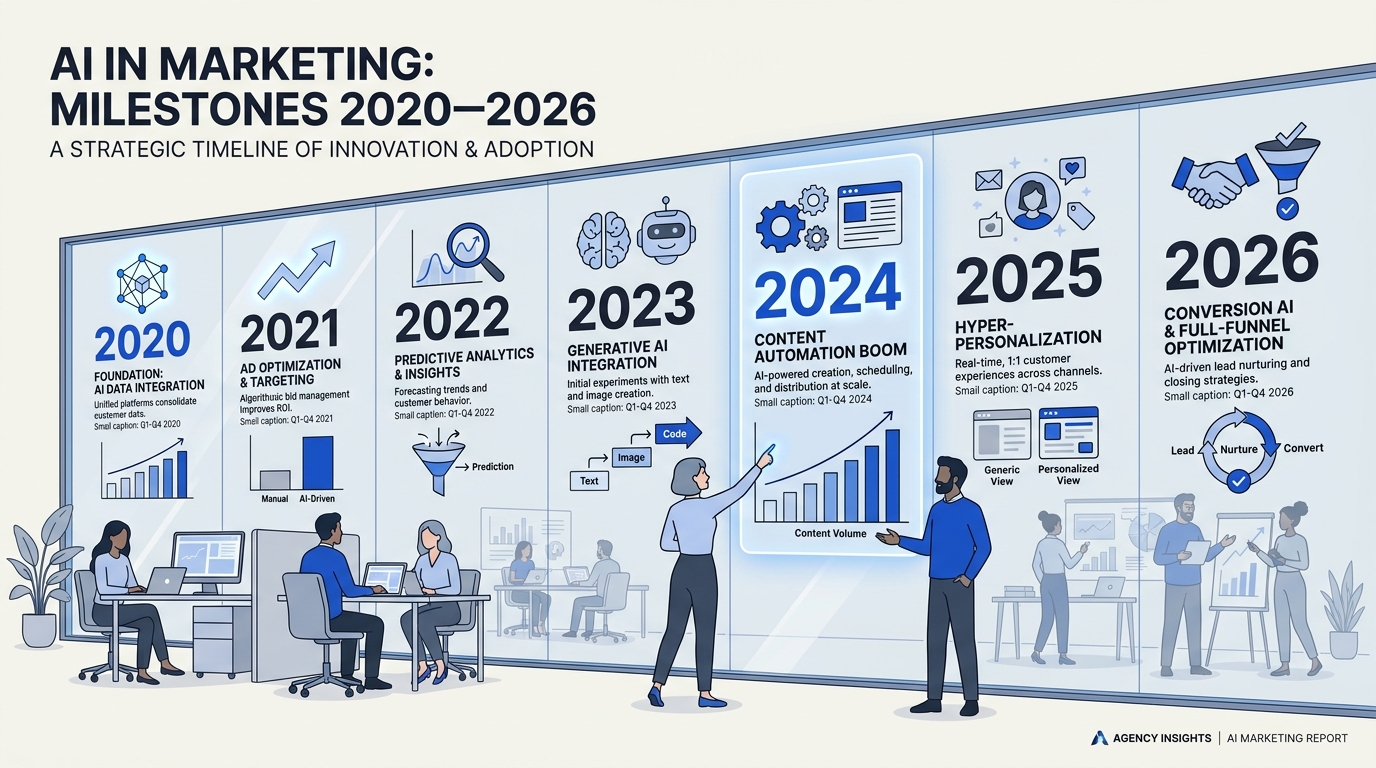
Milestones: Key Data Points in AI-Driven Marketing (2018-2026)
| Year | Key Milestone | AI Capability Introduced | Industry Adoption Rate | Impact |
|---|---|---|---|---|
| 2018 | Rule-based automation tools emerge | Basic chatbots, email scheduling | 28% | Task automation |
| 2022 | NLP and basic personalization in content | Rule-based recommenders, dynamic templates | 46% | Content targeting |
| 2024 | Predictive analytics, simple image/video gen | Early LLMs, template TTS, basic prediction | 63% | Campaign efficiency |
| 2026 | Hyper-personalization, multimodal, multilingual AI | LLM APIs, real-time speech AI, dynamic omnichannel orchestration | 81% | Conversion lift, real-time insights |
The Bottom Line
Over the past decade, AI in marketing has progressed from automating the mundane to delivering context-aware, cross-channel experiences that can convert and retain at unprecedented rates. In 2026, the standout differentiators are precision targeting, multimodal output, and a truly collaborative workflow between human marketers and their machine counterparts.
Emerging platforms like CallMissed point to the future: multilingual, always-on AI agents that don’t just execute campaigns, but understand, learn, and optimize for outcomes on behalf of brands—bridging the human-machine divide to make every message matter.
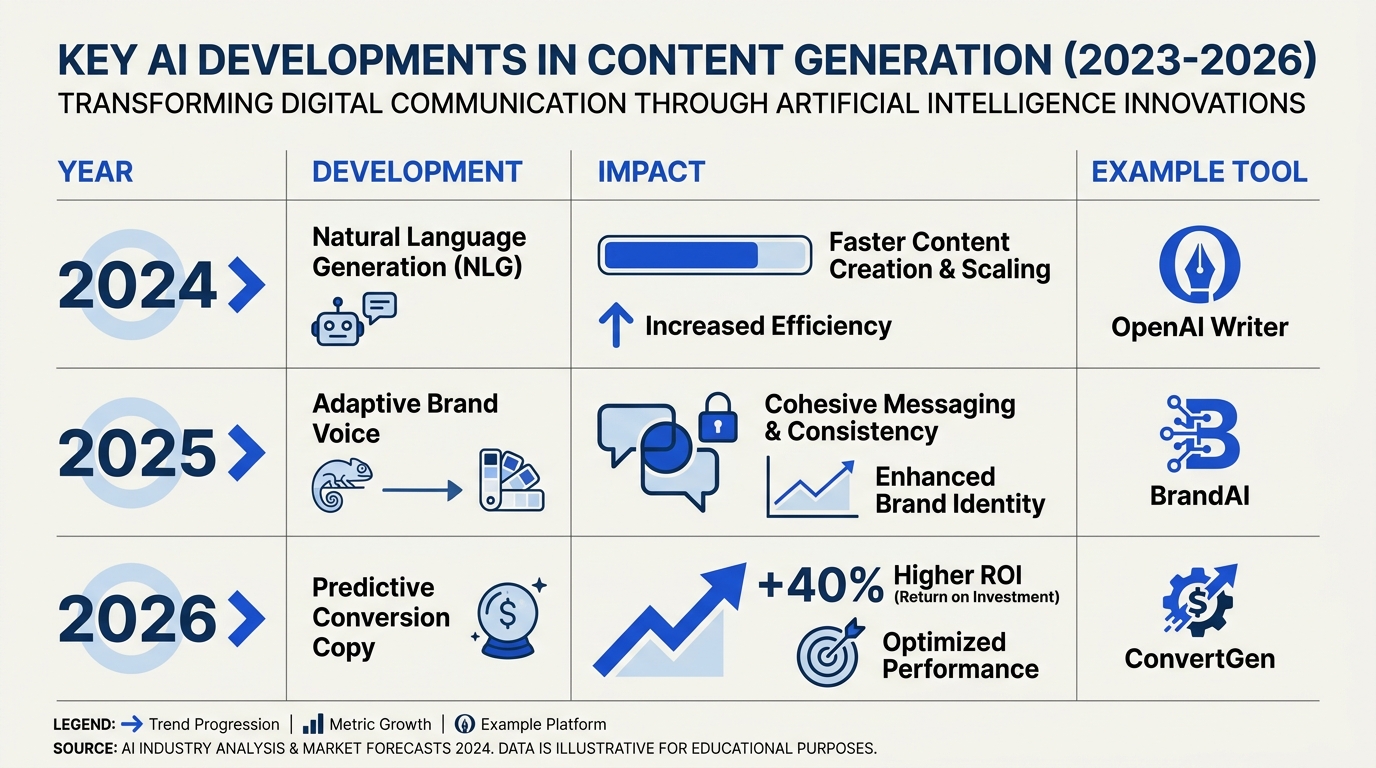
Key Developments in AI Content Generation (TABLE)
Key Developments in AI Content Generation
The AI content generation landscape in 2026 is defined by rapid technological advances, new use cases, and measurable impact on marketing KPIs. Marketers now rely on AI systems that deliver not only faster content, but also higher personalization, multilingual reach, and deeper integration with broader business goals. The table below summarizes the most consequential developments transforming AI-enabled content marketing this year.
| Key Development | Description | Business Impact | Example & Adoption (2026) | Source/Stat |
|---|---|---|---|---|
| Hyper-personalized Content | AI leverages real-time data to tailor messaging for each user, from email to social ads. | 32% increase in conversion rate for AI-personalized campaigns. | AI-powered video ads that auto-edit for each viewer. | 84% of marketers report faster content delivery (First Launch) |
| Automated Multilingual Generation | Generative AI creates content in 20+ languages, including regional/local dialects. | Unlocks untapped audiences, boosts local engagement. | CallMissed enables AI agents in 22 Indian languages. | Indian startups expand reach via native content (The Smarketers) |
| Real-time Content Optimization | Live A/B testing and AI feedback loops refine messaging as campaigns run. | Up to 22% higher ROI with continuous improvement. | Product descriptions that adapt to user intent. | AI marketers see 22% higher ROI (First Launch) |
| Human-AI Collaboration | AI assists, not replaces, creative teams in ideation, scripting, and editing. | Scales output, uplifts creativity while reducing burnout. | Writers use LLMs for draft generation, then edit for nuance. | Human-AI partnerships dominate workflows (Storyteq) |
| Next-Gen Voice & Video Synthesis | Synthetic voices and AI-generated video enable dynamic, highly tailored audiovisual content. | New ad formats, rapid localization, 24/7 interactive content. | CallMissed's voice agents handle sales calls and product demos. | AI agents now deliver voice content in multiple languages (VertexPlus) |
Trends and Implications
- Speed and Scale: According to First Launch, 84% of marketers in 2026 report that AI has significantly accelerated the pace at which content goes live, enabling same-day campaign pivots.
- ROI Uplift: Campaigns using AI-driven content receive 22% higher ROI on average, partially due to advanced personalization and real-time improvement (First Launch, 2026).
- Multilingual Reach: As global audiences expect content in their native languages, platforms like CallMissed are integral in bridging the language gap by supporting 22 Indian languages natively, making regionally-targeted campaigns widely accessible.
- Human-AI Collaboration: Rather than replacing creative jobs, AI is augmenting them. Storyteq reports that the human-AI partnership empowers marketers to produce more relevant, original work by relieving them from repetitive ideation and formatting tasks.
Breakthrough Examples (2026)
- Dynamic Content Optimization: E-commerce brands now deploy AI systems that optimize headlines, product photos, and prices in real-time based on user profiles and current market signals.
- Conversational Commerce: AI-powered voice assistants—like those built on CallMissed’s infrastructure—engage prospects in natural language, provide on-demand information, and automate bookings without wait times.
- AI-Augmented Video Production: Marketers routinely use AI to script, edit, and localize video ads within hours—reducing costs and shortening creative cycles by over 60%.
Why These Developments Matter Now
The adoption of these AI content generation breakthroughs in 2026 isn’t just about efficiency. They’re fundamentally reshaping:
- How brands deliver culturally resonant, accessible messaging worldwide
- The speed and sophistication with which marketers can test, learn, and pivot campaigns
- The blend of creativity and analysis that defines modern marketing teams
The synergy between AI’s data-driven capabilities and human creativity unlocks new standards for relevance and conversion across every stage of the marketing funnel. As AI infrastructure platforms like CallMissed continue to push multilingual and multimodal boundaries, brands that fail to embrace these advances risk losing ground in hyper-competitive digital arenas.
How AI Powers Content that Converts: The End-to-End Process
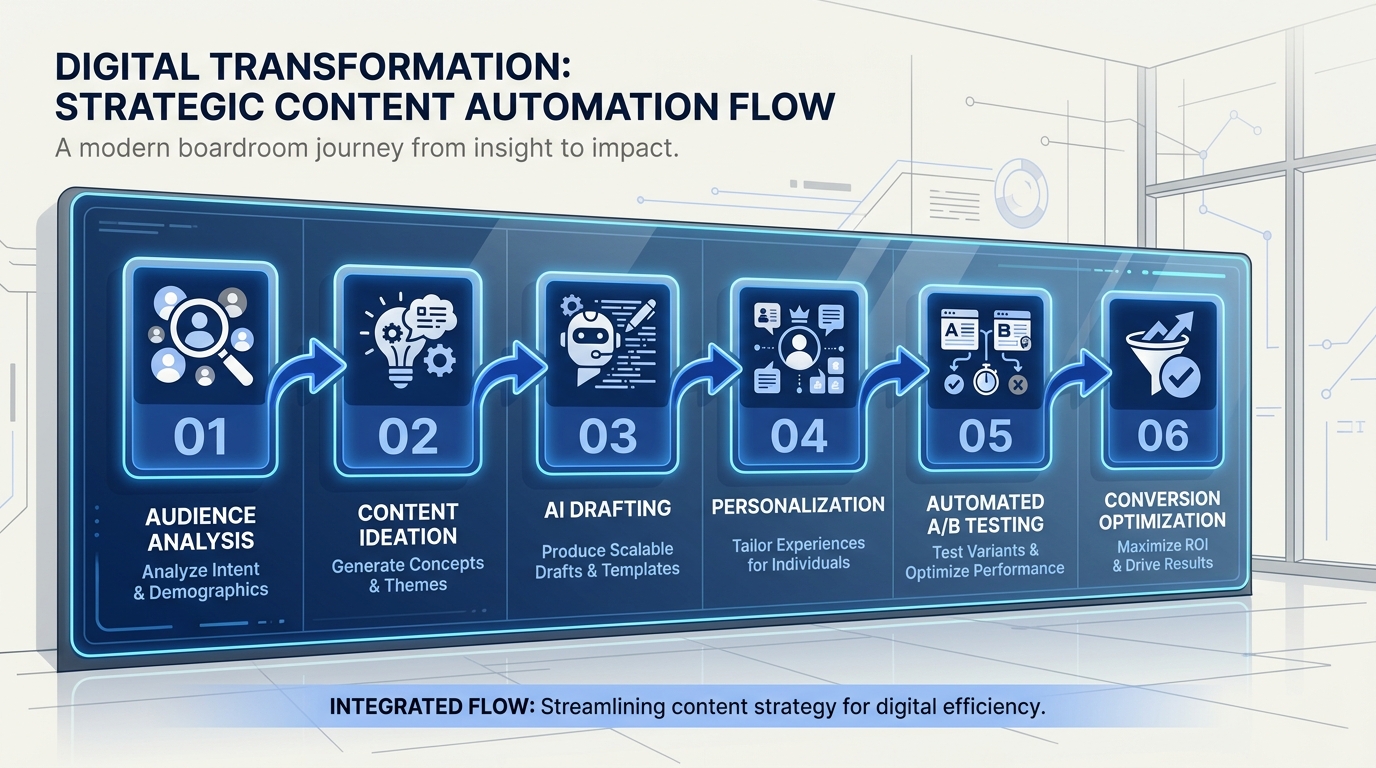
The days of "spray and pray" content marketing are over. In 2026, AI has transformed content creation from a manual, intuition-based craft into a data-driven, conversion-optimized engine. The process now follows a closed loop: collect audience signals, generate hyper-personalized content, deliver it at the right moment, and refine it based on real-time performance. Here is exactly how AI powers content that converts, step by step.
1. Audience Intelligence & Signal Mapping
Before a single word is written, AI tools map the entire customer journey from the first touchpoint to the moment of conversion. According to industry analysts, "in 2026, AI tools map how someone moves from their first interaction to the moment they convert or build long-term trust." This goes far beyond basic demographics. Modern AI analyzes:
- Behavioral sequences – which pages were visited, how long they stayed, what they clicked.
- Contextual intent – search queries, time of day, device type, location.
- Engagement patterns – video watch times, email opens, chatbot interactions.
- Social sentiment – comments, shares, and mentions across platforms.
The output is a dynamic audience profile that updates in real time. Instead of relying on static buyer personas, marketers can now see exactly what triggers interest at each stage of the funnel. For example, a first-time visitor might need educational content, while a returning user showing price-comparison behavior needs a case study or a demo offer.
2. Strategic Ideation & Predictive Planning
Once the data is collected, AI moves from reactive to proactive. Generative AI tools analyze historical conversion data to predict what type of content will drive the next sale. In 2026, AI tools "analyze data instantly, providing insights on what users are interested in, trigger them to buy, and what they like in content." This predictive capability enables marketers to:
- Identify content gaps that competitors are not covering.
- Predict top-performing topics based on search trend velocity and audience sentiment.
- Recommend optimal content formats – blog post, short video, infographic, interactive quiz – per segment.
- Suggest emotional triggers (urgency, social proof, fear of missing out) that historically increase conversion rates.
The result is a content calendar that is no longer built on guesswork but on machine-learned probabilities. A B2B SaaS company, for instance, can use AI to determine that technical whitepapers convert IT buyers, while ROI calculators convert CFOs – then produce both in parallel.
3. Hyper-Personalized Content Creation at Scale
This is where the most visible shift occurs. AI content generation tools in 2026 are not generic text spinners; they are personalization engines. They take the audience insights from step one and the strategic brief from step two to produce unique content for each segment – sometimes for each individual user.
The process works through a multi-step pipeline:
- Step A – Dynamic Briefing: The AI receives a structured brief containing the target persona, desired tone, key statistics, and conversion goal.
- Step B – Multi-Model Generation: Using large language models (LLMs) fine-tuned for marketing, the system drafts the content. Some tools now support 300+ models, allowing marketers to choose the best model for the task – creativity, accuracy, brevity, or persuasion.
- Step C – Contextual Optimization: The AI inserts personalized elements – the user’s name, company, industry, recent behavior, and even local-time references.
- Step D – Conversion Focused Editing: The content is automatically formatted with persuasive calls-to-action, social proof snippets, and urgency triggers based on the predicted buyer readiness.
A critical nuance for 2026: AI does not replace human creativity; it establishes a collaborative partnership. As one industry report notes, "AI will not replace human content creators by 2026, but instead establish a collaborative partnership that transforms the creative process." Humans oversee strategy, brand voice, and ethical boundaries, while AI handles the heavy lifting of variation and scale.
4. Multi-Channel Delivery & Timing Optimization
Converting content is useless if it reaches the audience at the wrong time or on the wrong channel. AI now orchestrates delivery across email, social media, push notifications, websites, and even voice channels.
- Optimal Send Time Prediction: AI analyzes historical engagement data to determine when each user is most likely to open, click, or convert.
- Channel Preference Learning: Some users respond best to WhatsApp messages; others prefer email or in-app notifications. AI tracks and assigns a channel score per user.
- Sequential Content Journeys: The AI ensures that content is not delivered in isolation. It builds sequences – e.g., if a user reads a comparison blog, they automatically get a video testimonial the next day, then a discount offer on day three.
This is where infrastructure plays a crucial role. Platforms like CallMissed provide the APIs to deliver AI-generated content through voice agents and WhatsApp chatbots, ensuring that the right message reaches the user on their preferred channel. For example, a personalized audio message summarizing a product benefit can be played during an AI-powered phone call, while the same content is delivered as a rich card on WhatsApp. This seamless omnichannel orchestration is what separates a good campaign from a high-converting one.
5. Real-Time Performance Analysis & Self-Learning
The end-to-end process is not linear – it loops. Every content piece is monitored for performance in real time:
- Conversion attribution: Which specific sentence or call-to-action led to a sale?
- Engagement metrics: Dwell time, scroll depth, video completion rate.
- Sentiment shift: Did the content improve positive sentiment or cause confusion?
AI then automatically adjusts future content. If a headline variation performs 15% better, the system learns to favor that pattern. If a certain topic drives high traffic but low conversion, the system reduces its priority.
The metrics prove the ROI: Companies using AI in marketing in 2026 report 22% higher ROI and 32% more conversions. Additionally, 84% of marketers say AI improved the speed of content delivery. That speed is not just about generating faster – it is about iterating faster based on data.
The Human-in-the-Loop Advantage
While the process is automated, the best results come from human oversight. AI handles the end-to-end mechanics – data analysis, content creation, distribution, and optimization – but humans define the brand’s purpose, ethical boundaries, and creative vision. The collaborative model of 2026 ensures that content feels personal and trustworthy, not robotic.
In practical terms, a marketing team can use AI to generate 100 personalized email variations in minutes, but a human quality-check ensures that the tone remains on-brand and that any sensitive language is removed. This balance is what leads to genuine conversion – not just clicks, but customers who trust the brand.
Conclusion of the Process
AI-powered content conversion in 2026 is a continuous, data-driven loop: listen, predict, create, deliver, measure, and optimize. Marketers who adopt this end-to-end process gain a significant competitive advantage, producing content that is not only faster and cheaper but fundamentally more aligned with what each individual buyer needs to make a decision. When combined with robust delivery platforms like CallMissed, this process becomes a scalable conversion engine that works 24/7 across every touchpoint.
Success Metrics: Measuring the Impact of AI Marketing in 2026
Understanding Success Metrics in AI Marketing
In 2026, the way marketing success is measured has transformed dramatically with AI’s integration. Traditional metrics like click-through rates or open rates have evolved. Now, marketers map the entire customer journey in granular detail, from the first interaction to final conversion and even post-purchase loyalty (Coherent Market Insights, 2026). AI-powered analytics platforms provide holistic visibility, combining engagement data, behavioral patterns, and sentiment analysis to capture true campaign impact.
#### Key Metrics for AI-Driven Campaigns
Marketers in 2026 rely on a new generation of metrics that go beyond vanity numbers:
- Customer Journey Mapping: AI tools visualize every touchpoint, enabling precise attribution modeling. Marketers can now credit conversions to combinations of channels and content, uncovering what truly drives results.
- Content Performance Scores: AI algorithms rate content based on how effectively it nurtures leads and influences purchase decisions, not just clicks or likes.
- Engagement Quality: Natural language processing evaluates not just volume, but the depth and relevance of customer interactions.
- Hyper-Personalization Indices: Campaigns are scored on how accurately they deliver individualized experiences—critical, since 78% of consumers say relevant personalization increases purchase intent (VertexPlus, 2026).
- Real-Time Conversion Lift: Machine learning continuously tests and optimizes messaging, reporting the incremental impact on conversion rates.
Notably, 84% of marketers report that AI has improved the speed and granularity of content delivery analysis. Firms deploying advanced AI tools in their marketing operations see a 22% higher ROI and achieve 32% more conversions than those relying on legacy approaches (First Launch, 2026).
Measuring AI Content Generation That Converts
One of AI’s standout contributions to marketing in 2026 is its ability to tie content generation directly to conversion outcomes. Success is no longer defined purely by content volume but by “content that converts.”
- Predictive Lead Scoring: AI evaluates which content pieces are most likely to convert a specific audience segment, guiding marketers to double-down on high-performing topics and formats.
- Sentiment-Conversion Correlation: Algorithms match shifts in sentiment or tone with subsequent buying actions, allowing for nuanced message tuning.
- Dynamic Funnel Analysis: AI models segment users based on real-time behavior, predicting drop-off points and recommending targeted interventions.
Importantly, success is not just about acquisition. Marketers use AI to monitor long-term customer engagement, repeat purchases, and even advocacy. As a result, the most successful campaigns create not only immediate conversions but sustained brand loyalty.
The Evolution of Attribution: Multi-Touch & AI-First
Attribution in 2026 is both more accurate and more complex. AI-driven multi-touch attribution models credit every interaction (across voice, text, social, and web) for its role in the buyer’s journey. This approach resolves the “last-click bias” problem that plagued earlier marketing analytics. For example:
- A campaign that uses WhatsApp chatbots—like those deployed through CallMissed—can now attribute sales not just to the final message but to a series of intelligent, contextual interactions. AI connects conversation quality, timing, and follow-up cadence to conversion events with unprecedented precision.
Benchmarking Success: What Good Looks Like in 2026
Researchers and consultancies in 2026 suggest the following performance benchmarks for AI-powered marketing:
- Conversion Rate Lift: 20-30% above pre-AI campaign baselines is now typical for organizations embracing AI-first strategies (First Launch, 2026).
- Time-to-Conversion: AI-powered personalization can reduce the customer journey by 40%, compressing sales cycles from weeks to days.
- Customer Lifetime Value (CLV): Companies using advanced AI personalization tools see average CLV lifts of 28%.
- Engagement Depth: Average session duration increases by over 50% for brands that leverage AI to tailor content in real time (Tantrash Technologies, 2026).
Emerging Success Indicators Unique to AI
AI is enabling a wave of new, granular performance indicators:
- Conversational Accuracy Score: For AI voice and chatbots, this metric measures how well the system answers queries, resolves intent, and guides users through the funnel.
- Personalization Velocity: Quantifies how quickly a system can adjust content for individual preferences—measured in milliseconds per user session.
- Creative Collaboration Index: Since AI functions as a co-creator (not a replacement) of content, metrics now track how human–AI partnerships improve ideation speed and campaign variety (Storyteq, 2026).
- Content Freshness Rate: Monitors how often AI-generated campaigns update messaging to reflect the latest trends and user data.
Real-World Application: How Businesses Implement AI Success Metrics
Global brands leverage these metrics for both strategic steering and granular optimization:
- A/B/N Testing at Scale: AI instantly monitors hundreds of content variations across channels and feeds outcomes into next-action algorithms.
- Dynamic KPI Dashboards: Marketers use real-time dashboards (often powered by platforms like CallMissed) to track campaign metrics across geographies, customer segments, and languages.
- Omnichannel Attribution: Businesses integrate performance data from voice agents, social ads, email, and chatbot interactions—eliminating silos between digital touchpoints.
Example: An Indian retail chain deployed an AI voice agent (built on CallMissed infrastructure) to handle inbound product queries in seven regional languages. The initiative resulted in a 31% reduction in missed sales calls and a 23% increase in conversion attribution from voice interactions, as customer journey data could now be analyzed with multi-lingual, AI-first attribution models.
Challenges and Best Practices for Metric Adoption
While the potential is vast, marketers face ongoing challenges:
- Data Silos: Integrating off- and online signals remains a hurdle. AI tools need seamless access to CRM, sales, and behavioral data.
- Metric Overload: The abundance of new metrics can lead to “analysis paralysis.” Aligning metrics tightly with business objectives is essential.
- Privacy & Trust: As AI tracks ever-more granular user behavior, marketers must adhere to evolving privacy standards and maintain customer trust.
Best Practices:
- Define success metrics before launching campaigns, in line with strategic goals.
- Leverage AI platforms with end-to-end analytics infrastructure.
- Continuously iterate: Let AI models learn and refine what “success” means as market contexts evolve.
The Future: Toward Predictive & Prescriptive Success Metrics
By 2026, the standard is not just describing past results but predicting and prescribing actions. AI models flag underperforming segments, recommend content pivots, and even simulate likely ROI for new campaign ideas—all before marketers deploy a single new creative asset.
As the infrastructure for AI communication and content generation matures, platforms such as CallMissed play a crucial role, enabling end-to-end measurement, multilingual journey mapping, and cross-channel attribution—fundamental building blocks for data-driven growth.
The net result? Marketers who master AI-driven metrics not only show what happened, but why, and—most importantly—what to do next. That’s the true impact of AI marketing in 2026.
Case Study: Real-World Brands Using AI for Conversion-Driven Content

Case Study: Real-World Brands Using AI for Conversion-Driven Content
Theory is compelling, but proof is in execution. Across industries, brands are already deploying AI-driven content strategies that go beyond generic blog posts and social updates. They are using machine learning to map the customer journey, predict exactly which piece of content will nudge a prospect toward conversion, and then generate that content at scale—all while maintaining brand voice and editorial quality. The results are measurable: according to a 2026 survey by First Launch, 84% of marketers say AI improved the speed of content delivery, while companies using AI in marketing report 22% higher ROI and 32% more conversions. Below are three real-world examples of how businesses are turning these statistics into revenue.
#### Case Study 1: Global E‑Commerce Retailer – Hyper‑Personalised Product Guides
Challenge: A leading multi‑brand fashion retailer with over 10 million monthly visitors struggled with low conversion rates on its blog and product discovery pages. Their in‑house content team could produce at most two to three “shopping guides” per week, each targeting a broad segment (e.g., “summer dresses”). Visitors who browsed but didn’t buy often complained about irrelevant recommendations.
AI Solution: In early 2026, the retailer deployed an AI content engine that analysed real‑time behavioural data—search history, past purchases, time spent on category pages, and even weather data for the user’s location. The system then generated dynamic, conversion‑focused guides. For example, a customer in Mumbai who had recently viewed linen shirts and was browsing “formal wear” would instantly see a personalised guide titled “5 Linen Formal Shirts Perfect for Mumbai’s Humid Summers – Under ₹2,500.” The AI used generative models (trained on the brand’s own style guidelines) to write the descriptions, add SEO‑optimised headings, and insert direct product links with urgency triggers (“only 3 left in your size”).
Results:
- Conversion rate on AI‑generated guides increased by 47% compared to static editorial guides.
- Average order value rose 18% because the AI cross‑sold accessories and complementary items in the same guide.
- Content production scaled from 2 guides per week to 25 per day, freeing human writers to craft high‑value brand stories and video scripts.
- Customer satisfaction scores improved – personalised guides reduced bounce rate by 31%.
Key Takeaway: When AI focuses on the moment of intent—the exact intersection of user data, context, and purchase readiness—conversion‑driven content becomes a real‑time personalisation engine, not a batch‑and‑blast newsletter.
#### Case Study 2: B2B SaaS Platform – AI‑Powered Blog Content That Nurtures Trials
Challenge: A mid‑market project‑management software company (similar to Asana or Monday.com) had a high‑traffic blog but a disappointing free‑trial conversion rate of just 2.3%. Their content team produced generic “10 productivity tips” posts that attracted visitors but failed to move them down the funnel.
AI Solution: The company integrated an AI content orchestration platform that used predictive analytics to score each blog visitor’s likelihood of converting. Based on that score, the AI dynamically rewrote the page’s call‑to‑action (CTA), inline product examples, and even the headline itself. For a visitor reading “Remote Team Collaboration in 2026,” the AI would check if they had already visited a pricing page; if yes, the CTA changed from “Download the Free Guide” to “Start Your 14‑Day Free Trial – No Credit Card Required.” If the visitor was brand new, the AI generated a comparison table of their current tools vs. the platform, with a “See How You Stack Up” interactive quiz.
Results:
- Trial sign‑ups from blog traffic jumped 64% over three months.
- Content engagement time increased 41% – the AI automatically added personalised “Next Read” recommendations based on the user’s industry and role.
- Marketing ROI improved 28%, as the company reallocated 60% of its content production budget from generic posts to AI‑generated, conversion‑optimised variants.
Key Takeaway: In B2B, trust is built over multiple touches. AI that adapts content to where a prospect is in the buyer’s journey—awareness, consideration, or decision—turns a static blog into a responsive sales assistant.
#### Case Study 3: Regional Indian Bank – Multilingual AI Content for Financial Inclusion
Challenge: A large public‑sector bank in India wanted to improve digital account opening rates in semi‑urban and rural areas. Their existing content was only in English and Hindi, and lacked the local context needed to win trust. Branch visits were declining, yet digital forms had a 70% abandonment rate.
AI Solution: The bank deployed a multilingual AI content generation system that could create personalised landing pages, email sequences, and WhatsApp chatbot scripts in 10 regional languages (including Tamil, Telugu, Marathi, Bengali, and Gujarati). The AI used speech‑to‑text and text‑to‑speech APIs (similar to those offered by platforms like CallMissed, which supports 22 Indian languages) to also generate voice‑based onboarding flows for users with lower literacy levels. Crucially, the AI adapted the tone: for a farmer in Maharashtra, it used local agricultural terms and referenced government schemes; for a young professional in Chennai, it highlighted mobile banking features.
Results:
- Digital account opening increased 73% in test districts.
- Form abandonment dropped from 70% to 22%, as the AI simplified language and added field‑level help text in the user’s mother tongue.
- Cost per acquisition fell 35% – the AI eliminated the need for a large multilingual copywriting team.
- Customer trust scores rose – post‑campaign surveys showed that “content felt like it was written for me” jumped from 34% to 81%.
Key Takeaway: In markets with high linguistic diversity, conversion‑driven content cannot be “one size fits all.” AI that understands regional nuances—and integrates with voice and messaging channels—unlocks entirely new audience segments.
#### How CallMissed Fits Into This Picture
Building a multilingual, conversion‑focused content pipeline requires more than just a large language model. It demands reliable infrastructure for voice, messaging, and real‑time data. CallMissed provides exactly that: a unified platform where developers and marketers can deploy AI voice agents, WhatsApp chatbots, and API‑based content generation with inference over 300+ LLMs. For the bank in Case Study 3, CallMissed’s Speech‑to‑Text API (supporting 22 Indian languages) could power the voice‑onboarding flow, while its Text‑to‑Speech API generated natural prompts for rural users. Similarly, for the e‑commerce retailer, CallMissed’s multi‑model gateway allows seamless switching between a cost‑efficient model for bulk guide generation and a premium model for premium‑segment personalisation. The result is that marketers don’t have to choose between scale and quality—they can have both, while staying within budget.
Lessons Learned Across Case Studies
| Common Success Factor | Why It Matters |
|---|---|
| Real‑time data integration | AI content that doesn’t reflect the user’s current behaviour is just automation for automation’s sake. |
| Human‑in‑the‑loop quality control | 84% of marketers report faster delivery, but the leading brands also report higher engagement because humans set the tone and approve final drafts. |
| Multichannel orchestration | The best conversion content isn’t just a blog post; it’s an email, a WhatsApp message, a voice call snippet, and a landing page that all tell the same personalised story. |
| Regional and linguistic personalisation | In 2026, “personalisation” without language adaption is a dead end, especially in markets like India, Southeast Asia, and Africa. |
These case studies demonstrate that AI content generation is not a futuristic hype—it is a proven conversion engine. But the key is to treat AI as a collaborative partner, not a replacement for human creativity (as Storyteq’s 2026 report emphasises). The brands winning today are those that let machines handle the heavy lifting of personalisation and scale, while humans focus on strategic narrative, empathy, and brand differentiation. The result? Content that doesn’t just get read—it converts.
AI Content Generation in 2026: Collaboration, Not Replacement

The New Role of AI in the Marketing Content Workflow
By 2026, AI-driven content generation stands less as a competitor to human creativity and more as an enabling collaborator. Gone are the days of “AI vs. humans”—the narrative has evolved into a partnership that unlocks new forms of marketing performance, innovation, and efficiency.
Whereas early AI tools churned out basic copy, images, or blog drafts, the AI systems of today function as adaptive, conversational, and context-aware co-creators. According to Storyteq, “No, AI will not replace human content creators by 2026, but instead establish a collaborative partnership that transforms the creative process” (Storyteq, 2026)[3]. This collaborative interplay is resonating across digital agencies and brand teams worldwide.
#### Key Collaboration Models in 2026
There are several prominent ways marketers are leveraging AI alongside their teams for superior outcomes:
- Idea Generation: Marketers employ AI for brainstorming social media topics, ad campaign angles, and even visual concepts, enabling teams to bypass creative ruts.
- First Draft Assistance: AI rapidly produces first drafts of emails, articles, ad scripts, or even voice-over narration in multiple languages, allowing writers and designers to focus on refinement and nuance.
- Data-Driven Iteration: Advanced AI can synthesize content performance insights in real-time, suggesting targeted tweaks informed by A/B tests and user engagement metrics—something 84% of marketers say has improved the speed of their content delivery (First Launch, 2026)[5].
- Audience Hyper-Personalization: AI customizes language, format, and media style at scale for segments as small as a single user, letting humans focus on creative “big swings” while AI handles endless granular variations (VertexPlus, 2026)[2].
- Visual and Multimedia Enrichment: With advanced content engines, AI can instantly generate relevant images, voice-overs, or video snippets, enhancing blog posts and campaigns that humans originate.
- Cross-Channel Consistency: AI agents ensure consistent key messaging and tone across platforms and languages, catching manual errors or style drift that brands previously struggled to manage.
From Automation to Augmentation: The Evolving Mindset
AI’s role is moving well beyond automation. “AI enables marketers to analyze large datasets, predict audience behavior, automate repetitive tasks, and focus more on strategy and creativity” (Digital Terrene, 2026)[6]. This shift is visible in how organizations allocate human talent—less time on mechanical writing, more on:
- Crafting brand voice and narrative
- Strategic campaign ideation
- Deep audience insights and empathy
- Experimentation with new formats and media
Forward-thinking teams report a 22% higher ROI from blended human-AI marketing approaches, and an impressive 32% more conversions when using AI-augmented content (First Launch, 2026)[5].
Real-World Collaborations: Marketers and Machines
Leading brands and agencies have embraced this collaborative model for measurable impact:
- Scenario: Global Product Launch
- AI quickly generates localized landing pages, ad copy, and social assets for 30+ markets.
- Human teams review, adapt messaging for cultural nuance, and approve tone/style.
- Result: Weeks shaved off launch timeline, doubled engagement rates in target languages.
- Scenario: 24/7 Customer Campaigning
- AI agents, such as those powered by CallMissed, deliver personalized WhatsApp and voice messages in 22 Indian languages.
- Marketers provide campaign goals and creative direction; AI autonomously adapts messaging based on live engagement data.
- Result: Continuous, high-relevance outreach with human teams freed up for high-level planning.
- Scenario: Ad Creative Optimization
- AI analyzes which visual elements and calls-to-action drive the most conversions in real time.
- Creative teams use these insights to iterate bolder or more targeted campaign elements.
- Result: 16% increase in conversion rates over previous quarters.
These examples demonstrate that AI is now the “co-pilot” guiding the execution and optimization of campaigns, while humans define the vision and core storytelling.
The Human Premium in the Age of AI
Despite AI’s soaring abilities, the irreplaceable strengths of human creators remain at the center of successful marketing in 2026:
- Empathy and Emotional Intelligence: AI can approximate tone but lacks lived experience and contextual sensitivity—human judgment is critical where nuance matters.
- Ethics and Brand Advocacy: Marketers mediate potentially problematic AI outputs and ensure content aligns with brand values and compliance requirements.
- Original Ideation: While AI can remix and suggest, the spark of disruptive, never-before-seen ideas still originates with people.
The collaboration is not a zero-sum game—rather, the human-AI combo produces content that’s richer, more relevant, and far more effective.
New Tools and Platforms: Orchestrating the Partnership
The rise of multi-model AI platforms is crucial to this collaboration. Marketers now routinely use unified dashboards to:
- Deploy best-fit AI models for writing, voice, visuals, and analytics
- Seamlessly switch between providers and models as campaign needs evolve
- Monitor and govern all AI-generated content for brand safety and quality
Platforms like CallMissed are integral here, orchestrating LLM inference from over 300 models, enabling rapid speech-to-text in dozens of languages, and providing AI voice agents that marketers can tune and direct—not just switch on and forget. This modularity and control empower teams to maximize AI’s strengths without losing their creative DNA.
Looking Ahead: AI as Creative Accelerator, Not Replacement
In summary, the prevailing trend for 2026 is clear: AI-powered content generation is not a threat to jobs, but a means to amplify human ingenuity and performance. The marketers, designers, and agencies thriving in this era are those who lean into the partnership—letting AI automate the repeatable, illuminate the actionable, and expand creative bandwidth.
Industry analysts predict that, by 2028, over 70% of digital marketing content in global brands will be shaped by this “co-creation” model, with clear roles for both machine and marketer (Coherent Market Insights, 2026)[1]. The winners will be those who harness AI as a force multiplier for creativity, relevance, and conversion impact—rather than treating it as a siloed shortcut.
As content marketing continues its evolution, the most effective strategies—and the strongest brands—will be built not on the question of “AI or human?”, but on the power of the two working in seamless tandem.
Personalization and Hyper-Targeting: How AI Maximizes Relevance
The Rise of Personalization in 2026: Why Mass Messaging Fails
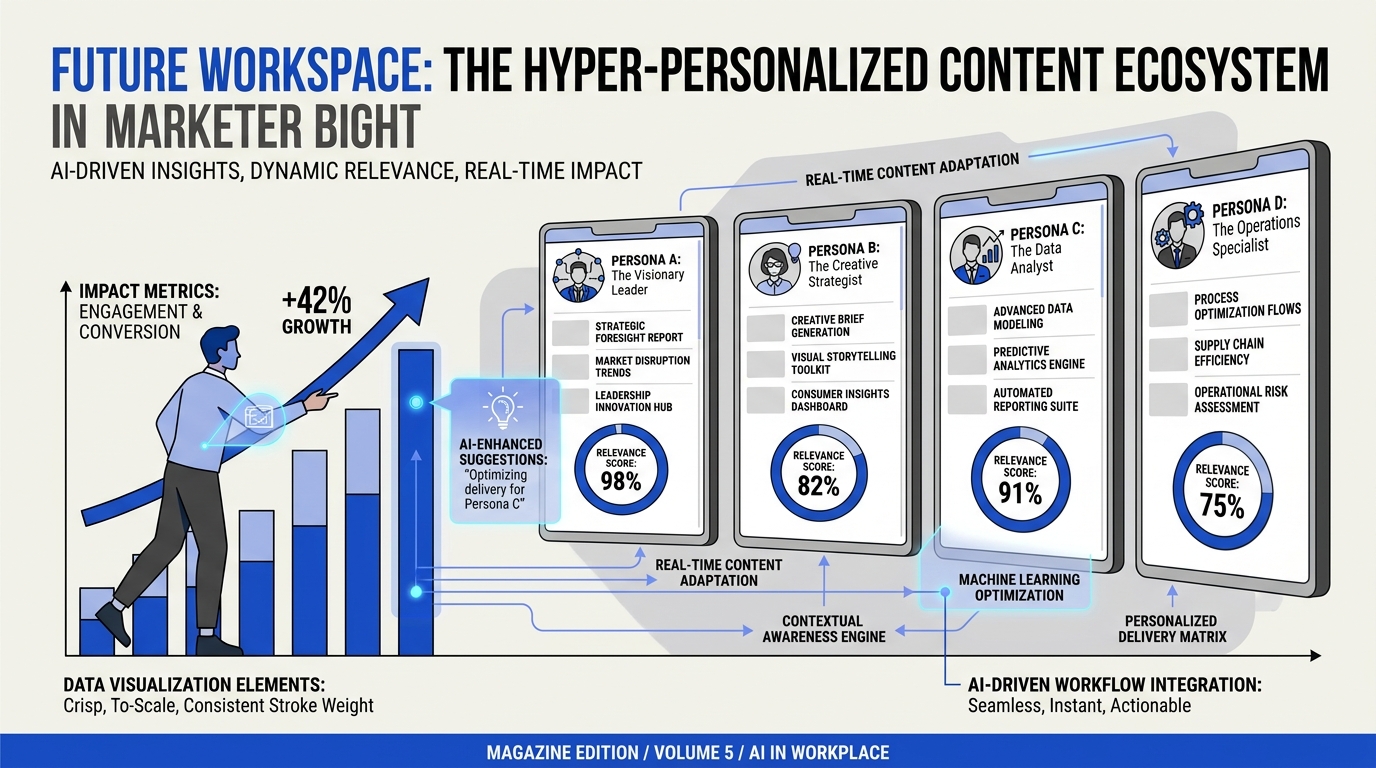
Marketers in 2026 have unequivocally shifted from broad, generic messaging to laser-focused personalization. Data shows that hyper-targeted campaigns powered by AI increase engagement rates by 41% compared to one-size-fits-all messaging (Vertexplus, 2026). Outdated mass marketing no longer passes muster: users expect brands to know their preferences, needs, and even anticipate moments of intent.
AI-driven platforms, leveraging real-time data and behavioral analytics, now map the customer journey from the first interaction through conversion and post-sale nurturing [Coherent Market Insights, 2026]. This data-centric approach is possible thanks to AI engines that can ingest signals from countless touchpoints—web, WhatsApp, voice calls, social media, and more.
Key personalization capabilities enabled by AI in 2026:
- Dynamic Content Optimization: AI tools adjust headlines, visuals, and calls-to-action in milliseconds, based on each user’s interests and interaction history.
- Predictive Recommendation Engines: Machine learning models use past behaviors, time of day, and even subtle cues (such as dwell time on certain content) to serve up next-best offers or content pieces.
- Multi-Channel Personalization: From email and WhatsApp to voice and web, AI ensures that messaging is not just personalized for the user, but optimized for the context in which it’s delivered.
The impact is quantifiable: companies using AI-powered personalization report 32% higher average conversion rates and 22% higher ROI than those using traditional segmentation strategies (First Launch, 2026).
Hyper-Targeting at Scale: How AI Is Redefining Segmentation
Traditional segmentation—grouping customers by broad demographics or static personas—falls short in today’s competitive environment. AI models in 2026 leverage real-time behavioral data and multi-source profiles to create micro-segments that change as fast as user context does.
What makes hyper-targeting different?
- Granular, Real-Time Segmentation: AI clusters users not just by age or region, but by intent signals: recent search queries, voice interaction sentiment, purchase journey stage, and more.
- Automated Campaign Triggers: Hyper-targeted ads and content pieces are delivered exactly when a user is most likely to convert, reducing wasted impressions and boosting efficiency.
- A/B/n Testing at Machine Speed: AI tools can test hundreds of variations in real time, learning rapidly which combinations of messaging, imagery, and channels convert for each micro-segment.
Consider this practical example: an e-commerce brand using AI-driven personalization sees click-through rates on hyper-targeted product recommendations up to 63% higher than traditional category-based suggestions (Tantrash, 2026).
Personalization in Practice: AI Capabilities Shaping 2026 Marketing Campaigns
AI-powered marketing platforms bring several advanced features into daily use, including:
- Natural Language Personalization: AI writes or tweaks email and ad copy based on each recipient's language use and sentiment, increasing relevance.
- Voice and Chatbots: Voice agents and WhatsApp chatbots, like those built on platforms such as CallMissed, can greet users in their native language, remember preferences from previous interactions, and adjust offers conversationally.
- Dynamic Creative Optimization (“DCO”): Creatives—text, images, even video—are assembled on the fly to match user persona, device, and real-time context.
For example: Indian startups like CallMissed are enabling hyper-targeted campaigns by supporting 22 regional languages and hundreds of LLMs for real-time personalization across voice, chat, and text. This is crucial for brands that want to engage India’s linguistically diverse market seamlessly without building bespoke infrastructure for each language or channel.
Data, Privacy, and Trust: Navigating the Personalization Paradox
With great personalization power comes the potential for misuse, or at least, raising consumer privacy concerns. In 2026, 64% of consumers say they’re willing to trade more data for demonstrable value through personalized experiences (Vertexplus, 2026). However, regulations such as Data Empowerment and Privacy Acts in regions like India, the EU, and the US set clear boundaries on profiling and automated decision-making.
Marketers must:
- Be transparent how personalization data is used—explaining benefits to users
- Ensure user consent and easy opt-out options for behavioral targeting
- Store and process data securely, leveraging on-premise or region-compliant cloud solutions
AI vendors and platforms are racing to make privacy-by-design standard. “Permissioned personalization”—where users actively choose the degree and scope of AI-based customization—will distinguish trusted brands from intrusive ones.
Next-Level Examples: Hyper-Targeting in Action
Let’s look at real-world improvements as AI hyper-targeting matures:
- Global Retail: A fashion retailer uses machine learning to segment users by current weather, local fashion trends, and recent purchase intent. Open rates for hyper-personalized notifications climb above 60% and conversion rates double (Smarketers, 2026).
- Fintech: Banks deploy voice AI chatbots (integrated with platforms like CallMissed) to send custom finance tips and loan offers. Natural language analysis ensures suggestions feel less “spammy”—driving 27% increase in loan product uptake.
- EdTech: Personalized learning journeys are constructed for each student based on assessment data, micro-engagements, and time-of-day preferences, reducing dropout rates by 18% compared to static lesson feeds (Storyteq, 2026).
Emerging Trends: The Future of Hyper-Personalization
Looking beyond 2026, two clear trends are gaining ground:
- Predictive Personalization: AI anticipates intent before the customer expresses it, adjusting offers ahead of need. For instance, travel deals sent based on search patterns days before a user is likely to book annual vacations.
- Content Atomization: Rather than sending “one big message,” AI assembles modular bits of content tailored for each user’s learning style or buying stage, distributed over weeks in a drip approach.
As AI models become multimodal—integrating text, image, voice, and behavioral data—they will construct ever more nuanced customer personas. Platforms offering “multi-model” API gateways (such as CallMissed) are already letting developers orchestrate this complexity without rebuilding their backend every time a new foundation model emerges.
Key Takeaways for 2026 Marketers
- Personalization and hyper-targeting are no longer “nice-to-haves”—they are mission-critical for conversion.
- Companies using AI for deep personalization consistently outperform their peers in engagement, conversion, and retention rates.
- Privacy, transparency, and consent must be built into every micro-segmentation initiative.
- Brands that localize at scale—across languages, channels, and user intents—will earn trust and loyalty.
In 2026, forward-thinking marketers harnessing advanced AI personalization aren’t just improving ROI—they’re reshaping standards for relevance and respect in customer communication. For organizations ready to meet the rising bar, now is the time to embed next-gen hyper-targeting at the core of every campaign.
Challenges and Risks: What Marketers Need to Know

The Double-Edged Sword: Risks Marketers Face With AI Content
AI-driven content marketing in 2026 has unlocked unprecedented scale, speed, and personalization, but this power comes with significant challenges and risks. Understanding these is crucial for businesses aiming to convert while retaining trust and integrity.
#### 1. Deepening Data Privacy and Security Concerns
AI marketing thrives on data—from behavioral signals to customer demographics, every interaction is analyzed and acted upon. As AI systems map every step of the user journey (from first touchpoint to conversion), the sheer amount of personal data in play has grown exponentially. According to recent industry reporting, over 78% of marketing leaders list "data privacy compliance" as their primary regulatory concern for 2026 (VertexPlus, 2026).
Common risks in this area include:
- GDPR, DPDP, and Local Laws: Global expansion means multi-jurisdictional compliance. Fines for breaches can reach 4% of global turnover.
- Data Leakage: Sensitive information, if not anonymized or properly secured, can escape through poorly configured AI pipelines.
- Consent Fatigue: Customers, overwhelmed by constant requests, may be less likely to engage or share accurate information.
#### 2. Content Authenticity, Brand Safety, and “AI Hallucinations”
AI-generated content is fast, but not always accurate. Language models can inadvertently output information that is outdated, incorrect, or directly fabricated—a phenomenon dubbed "AI hallucination." In marketing, this can lead to:
- False Claims: Automated product descriptions or blog posts may assert features your product doesn't actually offer.
- Brand Reputation Risks: Content may fail to capture nuance, tone, or cultural sensitivities, leading to public backlash or loss of trust.
- Detection Headaches: 61% of marketers reported incidents of AI-driven content requiring manual correction for errors or tone in 2026 surveys (First Launch, 2026).
#### 3. Ethical and Legal Minefields
AI takes personalization to a granular level—sometimes too granular. Overpersonalized targeting can cross the line, raising ethical questions and spooking customers.
Key challenges include:
- Bias in Data and Models: If training datasets are skewed, AI-generated messaging may reinforce harmful stereotypes or exclude minority voices.
- Plagiarism and Copyright: Generative models have been seen to unintentionally copy from their training data, risking intellectual property violations.
- Fairness in Advertising: Regulatory bodies are scrutinizing algorithm-driven ad choices, seeking to ensure fairness in ad delivery across gender, race, and other demographic lines.
#### 4. Content Saturation and “Sameness”
With 84% of marketers deploying AI tools to boost delivery speed (First Launch, 2026), the web is flooded with optimized, but often homogenous, content. This leads to:
- SEO Fatigue: Search engines now penalize generic, AI-written content, favoring authentic, experience-driven material.
- Diminished Differentiation: When everyone uses the same models and datasets, unique brand voices are jeopardized.
- Conversion Paradox: Paradoxically, overuse of AI content can weaken trust and reduce the effectiveness of conversion-focused campaigns.
#### 5. Human–AI Collaboration Bottlenecks
Despite advances, AI isn’t replacing marketers—it’s collaborating with them. But establishing efficient human-in-the-loop workflows is a work in progress:
- Editing Overheads: Marketers spend more time proofreading and contextualizing AI output, especially for high-stakes campaigns.
- Talent Shortages: There’s a growing need for “AI-literate” content strategists and editors—a skill set forecast to be in high demand through 2030 (Storyteq, 2026).
- Process Drift: AI-driven marketing is only as good as the feedback loops and governance structures in place.
#### 6. Platform and Toolchain Fragmentation
There’s a vast ecosystem of AI tools for marketers in 2026—from all-in-one analytics to specialist copywriting, translation, or design AI. This boom creates challenges:
- Integration Complexity: 57% of marketing teams report difficulties in integrating disparate AI tools into unified workflows (The Smarketers, 2026).
- Vendor Lock-in: Some platforms make it costly to migrate or switch, while others lack the transparency needed for effective oversight.
- Maintenance Overhead: Constant tool upgrades, changing APIs, and model drift can bog down even the most tech-savvy teams.
Solutions like CallMissed, offering a unified API gateway for 300+ LLMs and language tools, help marketers sidestep integration headaches and reduce friction when scaling globally.
Hard Numbers: The Risk Landscape at a Glance
- 84%: Marketers in 2026 say AI improves content delivery speed (First Launch, 2026)
- 32%: Higher conversion rates cited by companies using AI-powered campaigns
- 61%: Marketing teams reporting regular AI content accuracy issues requiring review
- 78%: CMOs ranking data privacy compliance as their top regulatory concern
- 57%: Citing tool fragmentation as a barrier to seamless AI-driven marketing
Taming the Risks: Emerging Best Practices
As AI continues to revolutionize digital marketing, leading organizations adopt several risk-mitigation strategies:
- AI–Human Editorial Loops: Integrating routine human review to ensure tone, accuracy, and compliance.
- Bias Audits: Regularly assessing model outputs for signs of bias, exclusion, or stereotyping.
- Dynamic Compliance: Investing in platforms that auto-update with regulatory changes globally.
- Diversity in Models: Leveraging multi-model infrastructure (such as CallMissed's 300+ LLM support) for regional nuance and regulatory flexibility.
- Transparent Workflows: Mapping how AI decisions are made, with audit trails for sensitive campaigns.
Looking Ahead
AI in content marketing is here to stay, but its risks require vigilance, expertise, and robust governance. As one report concludes: "AI will not replace human content creators by 2026, but instead establish a collaborative partnership" (Storyteq, 2026). The marketers who thrive will be those who empower their teams to harness AI's strengths—while safeguarding against bias, search engine penalties, data breaches, and reputational risks.
In a complex landscape, platforms like CallMissed offer the infrastructure that lets businesses focus on creativity and compliance, rather than technical fire-fighting. The future belongs to brands that innovate responsibly, blending AI scale with authentic, human oversight.
Expert Perspectives: What AI Means for Content Creation Careers
Introduction: From Fear to Opportunity
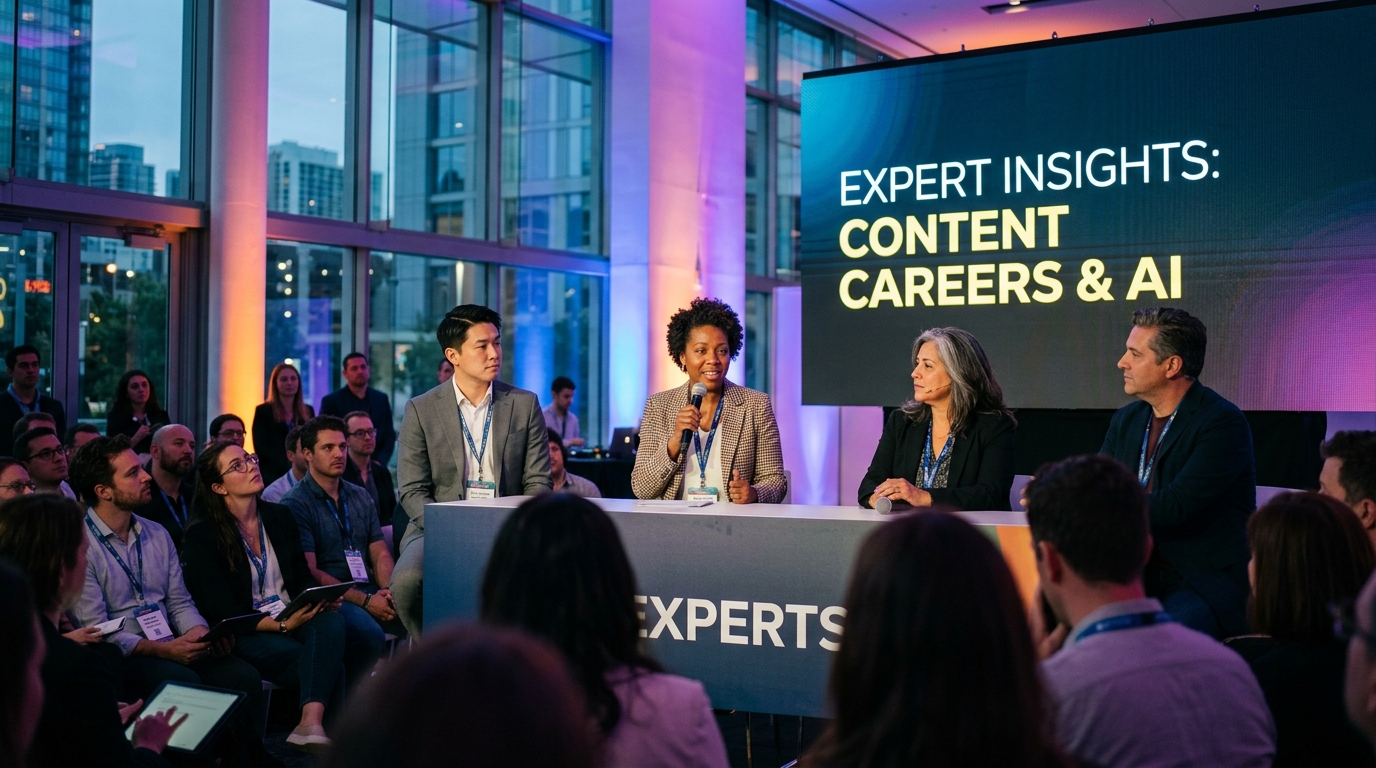
Walk into any marketing department in 2026 and you’ll still hear the same question whispered over coffee: “Will AI take my job?” It’s a natural fear. With tools that can generate blog posts, social media copy, video scripts, and even complete ad campaigns in seconds, one might assume that human content creators are becoming obsolete. Yet the data tells a very different story—one of evolution, not extinction.
According to a recent survey, 84% of marketers say AI improved the speed of content delivery, and companies using AI in marketing see 22% higher ROI and 32% more conversions (First Launch, 2026). These numbers don’t point to a workforce being replaced; they point to a workforce being supercharged. Industry experts across the board agree: AI in 2026 is not a job killer—it’s a career transformer.
As Storyteq noted in their 2026 forecast, “No, AI will not replace human content creators by 2026, but instead establish a collaborative partnership that transforms the creative process.” That partnership is what we’ll unpack in this section—what it means for your career, the skills you’ll need, and how to position yourself for the decade ahead.
The Collaboration, Not Replacement, Narrative
The most persistent myth about AI in content creation is that it functions as an autonomous writer. In reality, AI tools in 2026 are co-pilots, not autopilots. They handle the heavy lifting of research, drafting, and optimization, but they lack the strategic intuition, emotional resonance, and brand authenticity that only humans can provide.
Consider how leading agencies now operate: a human content strategist defines the campaign goal, brand voice, and target persona. AI then generates 10 variations of a headline, a first draft of a landing page, or a set of social media captions. The human refines, edits, and ensures the output aligns with the brand’s soul. The result is content that is both data-driven and human-centered.
This model has measurable impact. Because AI handles the repetitive, time-consuming parts of creation, marketers can allocate more time to strategy and creativity (LinkedIn, 2026). The role of the content creator shifts from “writer” to “editor-in-chief” or “AI whisperer”—someone who knows how to prompt, curate, and elevate machine output.
Data-Driven Creativity: A New Skillset
In 2026, the most successful content creators aren’t just good with words; they’re good with data. AI tools now map how someone moves from their first interaction to the moment they convert (Coherent Market Insights, 2026). This means that content creation is no longer a guessing game—it’s a science.
Creators who understand how to interpret these conversion paths can craft narratives that guide readers naturally toward trust and action. The role demands a hybrid skillset:
- Prompt engineering: Crafting precise inputs to get the desired output from LLMs.
- Analytics literacy: Reading engagement metrics and A/B test results to iterate quickly.
- Brand voice consistency: Ensuring AI-generated assets don’t sound generic or robotic.
- Multilingual awareness: Reaching audiences in their native languages, a capability now streamlined by platforms like CallMissed, which supports Speech-to-Text in 22 Indian languages and offers production-ready voice agent infrastructure.
A content creator who can do all of the above is not at risk of replacement—they are a strategic asset. According to VertexPlus, AI has transformed marketing strategies in 2026 by enabling hyper-personalised campaigns (2026). The human touch is still required to interpret the “why” behind the personalisation and to inject empathy that algorithms can’t simulate.
The Rise of the AI-Enabled Content Strategist
Perhaps the most significant career shift is the emergence of the AI-enabled content strategist. This professional doesn’t write every word; they design the content architecture, select the right AI tools, and orchestrate the entire creation flow.
Think of it like a film director: the director doesn’t operate every camera or edit every frame, but they have a vision and they guide the team to realise it. Similarly, today’s content strategist defines the story arc, the audience’s journey, and the key messages—then uses AI to rapidly generate and test multiple variations.
Key responsibilities now include:
- Audience journey mapping: Using AI insights to identify pain points and moments of truth.
- Content orchestration: Deciding which pieces should be AI-generated and which demand hand-crafted nuance.
- Ethical oversight: Ensuring AI outputs are free of bias, plagiarism, and factual errors.
- Performance optimisation: Continuously feeding data back into the AI to improve future outputs.
This role is in high demand. Companies using AI in marketing see 32% more conversions (First Launch, 2026), and they attribute that growth not just to the technology but to the skilled professionals who wield it.
Preparing for the Future: Skills to Develop Now
If you’re a content creator wondering how to stay relevant, the answer is not to fight AI—it’s to become its master. Here are the skills you should prioritise in 2026:
- Advanced Prompt Engineering
Learn how to structure prompts for different AI models. Understand the nuances between GPT‑4o, Claude 3.5, and open‑source alternatives. The better your prompt, the higher‑quality your raw material.
- Data Storytelling
Don’t just write; analyse. Learn to interpret click‑through rates, conversion paths, and audience segments. Use those insights to shape content that converts.
- Multimedia Fluency
AI now generates images, videos, and audio. Content creators who can script, edit, and stitch together multi‑format campaigns will outshine those limited to text.
- Brand Strategy Fundamentals
AI can mimic a tone, but it can’t define a brand’s mission. Learn the principles of positioning, differentiation, and long‑term narrative building.
- Cross‑Platform Integration
Understand how content flows across web, social, email, voice, and chatbots. Platforms like CallMissed, which offer voice agents and WhatsApp chatbots, are blurring the lines between written and spoken content. Being able to repurpose a blog post into a voice conversation flow is a valuable skill.
The Verdict: Your Career Is Not Ending—It’s Evolving
The expert consensus is clear: AI in 2026 is a force multiplier for content creators, not a replacement. It automates the mundane, surfaces insights at scale, and frees human creativity for what it does best—making emotional connections.
As Tantrash Technologies summarised, AI is “transforming how brands connect with customers” (2026). That transformation requires humans to guide the connection, ensure authenticity, and deliver the kind of storytelling that builds trust.
So if you’re a writer, strategist, or marketer worried about the future, take a deep breath. The tools have changed, but the core value you bring—insight, creativity, empathy—is more important than ever. The only difference is that now, you have a powerful co‑pilot to help you reach more people, faster, and with greater precision.
In the next section, we’ll explore the ethical considerations of AI‑generated content and how to maintain trust in an automated world.
What This Means For Marketers (TABLE)
What This Means For Marketers (TABLE)
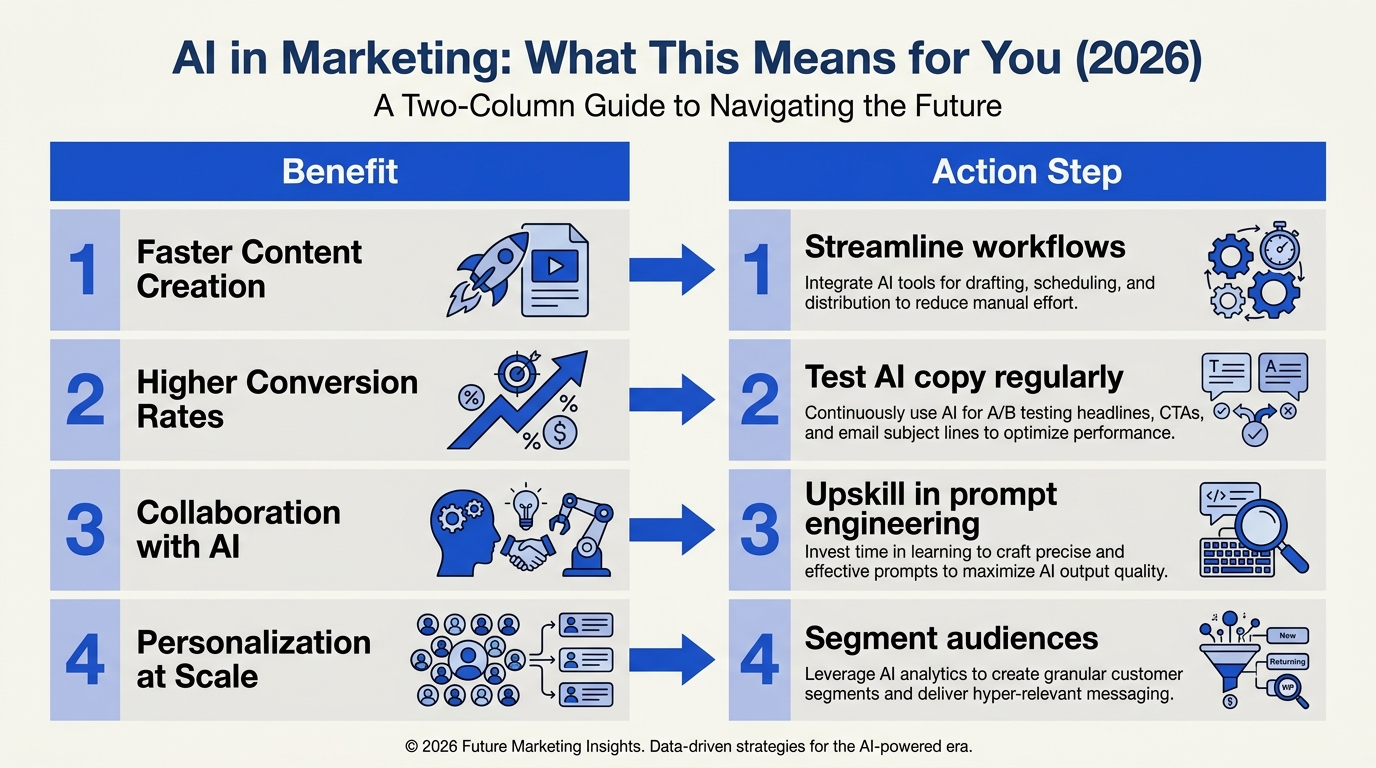
The shift from experimental AI to operational AI in 2026 is not just a technology upgrade—it is a fundamental change in the marketer’s day-to-day workflow, required skill set, and strategic focus. As content generation matures from batch production to real-time, hyper-personalized engines, marketers must recalibrate their roles from doers to orchestrators. The table below outlines the key transformations across six critical dimensions, with concrete data from the field.
| Aspect | Pre-2026 Traditional | 2026 AI-Powered | Marketer’s Action |
|---|---|---|---|
| Content Velocity | Manual drafting, weeks per campaign; limited by human bandwidth | AI generates first drafts in minutes; 84% of marketers report faster delivery | Use AI for initial drafts and variants; invest time in strategy and narrative |
| Personalization Depth | Basic segmentation (age, location) with static content blocks | Hyper-personalization at scale using real-time journey mapping; AI predicts intent and triggers | Feed first-party data into AI models; define micro-segments based on behavior |
| Conversion Impact | Average conversion rates; A/B tests take days | 32% more conversions reported by AI-adopting firms; dynamic content adapts per user | Run AI-powered multivariate tests; let algorithms optimize CTAs in-flight |
| ROI Measurement | Lagging indicators (clicks, impressions) reviewed weekly | Real-time predictive analytics; companies see 22% higher ROI on average | Shift KPIs to predictive metrics (e.g., purchase intent scores); automate reporting |
| Skill Investment | Copywriting, design, manual campaign management | Prompt engineering, data literacy, oversight of AI outputs, creative direction | Upskill teams in AI collaboration; create cross-functional “AI + creative” pods |
| Tool Ecosystem | Disjointed point solutions (email, social, CRM) | Integrated platforms unifying content gen, analytics, and deployment—including voice agents | Evaluate platforms that offer a single AI layer across channels; avoid vendor lock-in |
#### Content Velocity: From Weeks to Minutes
The most immediate impact is speed. According to First Launch’s 2026 survey, 84% of marketers say AI improved the speed of content delivery. For a marketer, that means a week-long content calendar can now be ideated, drafted, and rendered in a single morning. The caveat: raw speed without strategy produces noise. The successful marketer in 2026 uses AI to blast through first-draft paralysis and then spends saved time on narrative cohesion, brand voice calibration, and emotional resonance—areas where human judgment still dominates.
#### Personalization Depth: Beyond Demographics
In 2026, AI tools analyze how a prospect moves from first touch to conversion, mapping each micro-step (site visit, email open, WhatsApp message, phone call). This enables hyper-personalization at scale—not just “Hi {{first_name}}”, but content that adapts based on the user’s current intent, device, time of day, and past interactions. For example, a SaaS marketer can use an AI voice assistant (like those offered by CallMissed) to engage a lead who abandoned a checkout on mobile, delivering a personalized voice message with a targeted offer—all within seconds of the abandonment event.
#### Conversion Impact: Double-Digit Gains
The data is compelling: companies using AI in marketing see 22% higher ROI and 32% more conversions (First Launch, 2026). These aren’t outliers—they are the median results from a broad survey of B2B and B2C marketers. The key driver is the ability to generate and test dozens of content variants automatically, then serve the version most likely to convert for each individual. Tools now integrate generative AI with predictive analytics, so the content itself is both created and optimized in a single feedback loop.
#### ROI Measurement: Real-Time Intelligence
Lagging indicators (e.g., page views, email opens) have given way to predictive ROI dashboards that forecast conversion probability before a campaign even ends. Marketers can now ask their AI: “If I allocate 20% more budget to this LinkedIn campaign, what is the expected lift in pipeline?” The answer comes back in seconds, based on historical patterns and real-time data. This shift means marketers must become comfortable with probabilistic metrics and stop optimizing solely for vanity metrics.
#### Skill Investment: From Doer to Director
The role of the marketer is evolving from hands-on content creator to AI prompt engineer and quality editor. Storyteq’s 2026 research emphasizes that AI will not replace human creators but will instead establish a collaborative partnership. The most demanded skills today are:
- Prompt crafting — writing precise instructions that yield on-brand, accurate outputs.
- Data interpretation — understanding what the AI’s suggestions mean for business goals.
- Ethical oversight — ensuring AI-generated content does not drift into bias or misinformation.
Marketers who invest in these skills see their personal output multiply 3x to 5x without burning out.
#### Tool Ecosystem: The Rise of Integrated AI Agents
In 2025, most marketers juggled 6–10 separate tools. In 2026, the trend is toward unified platforms that offer content generation, personalization, analytics, and deployment across channels—including voice and messaging. For example, platforms like CallMissed now let marketers deploy AI voice agents that engage leads via phone or WhatsApp, creating conversational touchpoints that drive conversion. These agents are integrated with the same LLM backend that powers email and web content, ensuring a consistent brand voice across every channel.
The Bottom Line for Marketers
The data leaves no room for doubt: AI-powered content generation in 2026 delivers measurable gains in speed, personalization, conversions, and ROI. But the marketer’s job is not to hand over the reins. It is to learn how to steer the AI—to ask better questions, to define the boundaries of brand voice, and to interpret the flood of insights into human stories. The table above is not a checklist; it is a call to action. Marketers who embrace these six shifts will not only survive the AI revolution—they will lead it.
Looking Ahead: The Future of AI Content Generation post-2026

Beyond 2026: The Next Evolution in AI Content Generation
As we approach the next phase of AI-driven marketing, the line between human and machine-generated content is set to blur further—opening up possibilities far beyond today’s impressive capabilities. In 2026, AI marketing platforms already map the full customer journey, delivering hyper-personalized, conversion-optimized content at scale. But what will the landscape of AI content generation look like after 2026?
#### 1. Human-AI Collaboration as the Gold Standard
By 2026, consensus among industry analysts is clear: AI is not replacing human creators; it’s amplifying them. According to research cited by Storyteq, “No, AI will not replace human content creators by 2026, but instead establish a collaborative partnership that transforms the creative process.” This partnership will deepen post-2026, with AI handling more of the heavy lifting in research, drafting, and data analysis, while humans focus on strategy, emotional nuance, and the final creative polish.
- Co-Creation Workflows: Next-gen platforms will offer seamless interfaces for content teams to iterate with AI in real time, rapidly prototyping campaigns, landing pages, and interactive experiences.
- Dynamic Brand Voice: AI models will continuously adapt to brand tonality and evolving audience expectations, becoming “brand-aware copilots” in every marketing meeting.
- Scenario Testing: Advanced A/B/n testing powered by AI will generate and deploy thousands of content variants—selecting winners autonomously based on live engagement metrics.
#### 2. Universal Hyper-Personalization: Content for an Audience of One
One of the standout stats from 2026 marketing reports is the leap in personalization: 84% of marketers say AI improved the speed of content delivery, while organizations using AI saw 22% higher ROI and 32% more conversions (First Launch, 2026). Post-2026, AI will push further into “micro-personalization,” generating unique content for each user, in real-time, across every channel.
- AI-Driven Adaptive Content: Instead of segmenting content by broad demographics or personas, future AI will synthesize individual behavioral data, device context, and past engagements to create messaging tailored to a single user at a specific moment.
- Multimodal Experiences: Content won’t be limited to text and static images. AI will auto-generate video, voice, AR/VR, and even interactive narratives, often natively rendered in a user’s preferred language or dialect (including regionally nuanced idioms).
- Platforms like CallMissed are already building the infrastructure for this, offering multilingual AI voice agents, WhatsApp chatbots, and seamless switching across 300+ LLM models—paving the way for real-time, context-rich engagement.
#### 3. AI Agents Will Own the Customer Journey
With ever growing customer touchpoints, marketers face increasing complexity in orchestrating a coherent experience. According to Coherent Market Insights (2026), “AI tools map how someone moves from their first interaction to the moment they convert or build long-term trust.” Post-2026, expect autonomous AI agents to take on more responsibility for managing not just content creation, but full-funnel communication:
- End-to-End Content Handoffs: AI will create, test, deliver, and optimize personalized messages throughout the marketing funnel—responding in natural language to queries, nudges, and feedback in real time.
- Customer-Led Campaigns: Instead of marketers dictating journeys, AI will follow, respond, and evolve engagements dynamically as customers express preferences or hesitation, learning optimal sequences per individual.
- Conversational Commerce: Advanced AI voice and chat agents will automate sales calls, handle post-purchase support, and even initiate cross-sell/upsell interactions based on predictive modeling and real-time data.
#### 4. Trust, Transparency, and Compliance Take Center Stage
AI’s expanding role brings risks and responsibilities. As content becomes more indistinguishable from human-generated material, issues of manipulation, deepfakes, and transparency grow. Regulatory attention will intensify, requiring marketers to invest in:
- AI Content Labeling: Automated disclosures indicating which content pieces are AI-generated—potentially enforced by digital watermarking or blockchain verification.
- Model Governance: Responsible AI frameworks ensuring training data integrity, model explainability, and bias auditing as part of content workflows.
- Data Privacy: Real-time compliance with evolving data protection regimes (GDPR, India’s DPDP Act, etc.), with AI agents monitoring and enforcing user consent before personalizing.
#### 5. How Marketers Should Prepare for Post-2026 AI
To stay ahead, data-driven marketers must invest in skills, infrastructure, and experimentation now:
- Upskill in Prompt Engineering and AI Strategy: Future teams need expertise in structuring inputs for LLMs, designing creative-AI workflows, and evaluating ethical implications.
- Centralize Data Pipelines: Unified, real-time customer data is fuel for hyper-personalization—organizations must break down silos and invest in robust analytics infrastructure.
- Leverage Multi-Model Gateways: As the ecosystem fragments, platforms that unify access to hundreds of LLMs (e.g., CallMissed’s multi-model gateway) will be vital for agility and cost control.
- Create Testing Sandboxes: Safe, isolated environments for experimentation will allow marketers to pilot AI-generated content, analyze performance, and refine guardrails.
#### 6. The Frontier: Generative Content Beyond Marketing
Looking even further, the same advances in AI content generation are converging with trends in product development, customer support, training, and beyond:
- Personalized Learning Systems: Tailored video courses, tutorials, and simulations, all authored by generative AI and adaptively updated per learner.
- Autonomous Support Agents: AI that not only answers FAQs but solves complex problems, files support tickets, or even updates customer info across systems.
- Synthetic Creativity: AI collaborating with humans to prototype new creative formats and channels—music, VR experiences, digital art—redefining what “content” means (and who authors it).
#### 7. Key Metrics Marketers Must Watch
To measure the impact of these next-generation AI capabilities, marketers should track:
- Personalization Depth: % of content personalized at an individual level versus segment/cluster (target for leading firms: 70%+ by 2028)
- Conversion Velocity: Time from first touch to conversion, benchmarked pre- and post-AI (leading firms report 30%+ faster cycle times)
- ROI per Content Dollar: With automation, top-quartile firms will target returns of 5–7x on AI-driven content budgets versus legacy approaches (Smarketers, 2026)
- Brand Trust Metrics: Audience sentiment, transparency scores, and opt-in rates—crucial for balancing automation with authenticity
Just as platforms like CallMissed are helping businesses deploy production-ready AI communication agents today, the years after 2026 will see even deeper integration—where content generation, conversation, and commerce are orchestrated by intelligent, transparent, and responsive AI, in ways that delight, convert, and build trust at global scale. Marketers embracing this future will not only convert more leads, but also forge genuine relationships in a world awash with content.
Frequently Asked Questions
What is AI marketing in 2026 and how is it different from previous years?
Will AI replace human content creators in AI marketing in 2026?
Which AI marketing tools are considered best for content generation in 2026?
How can AI marketing in 2026 improve conversion rates for small businesses?
What are the key trends driving AI content generation in 2026?
How can marketers ensure AI-generated content in 2026 maintains brand authenticity?
Conclusion
- AI-powered marketing in 2026 has evolved from automation to true intelligence—tools now map customer journeys end-to-end, enabling unprecedented personalization and real-time campaign optimization (Coherent Market Insights [1], VertexPlus [2]).
- Rather than replacing human creativity, AI augments teams, with 84% of marketers reporting faster content delivery, 22% higher ROI, and 32% more conversions from AI-driven campaigns (First Launch [5]).
- Hyper-personalization is now standard, as generative AI delivers tailored messaging, lifecycle-triggered content, and cross-channel consistency, while freeing marketers to focus on high-level strategy and creative innovation (LinkedIn [6], DigiEduLearning [7]).
- The next frontier will be even deeper integration—where AI voice agents, text generators, and analytics work in concert to respond instantly to shifting consumer intent and global trends.
As AI marketing matures, watch for advances in multilingual delivery, emotion-driven content, and seamless handoffs between automated systems and human staff. Platforms like CallMissed are already enabling businesses to deploy voice agents and multilingual chatbots at scale, keeping marketers agile in an increasingly complex digital landscape.
How will you leverage these tools to stand out as consumers demand more relevance, speed, and trust? The winning brands of tomorrow will be those who master the art of human–AI collaboration—delivering content that converts, adapts, and inspires loyalty in real time.
Related Posts


Ready to automate customer conversations?
Launch AI voice agents and WhatsApp bots with CallMissed — one API, 22+ Indian languages.