
SpaceX in 2026: Starship, Starlink Expansion, and the Path to Public Valuation


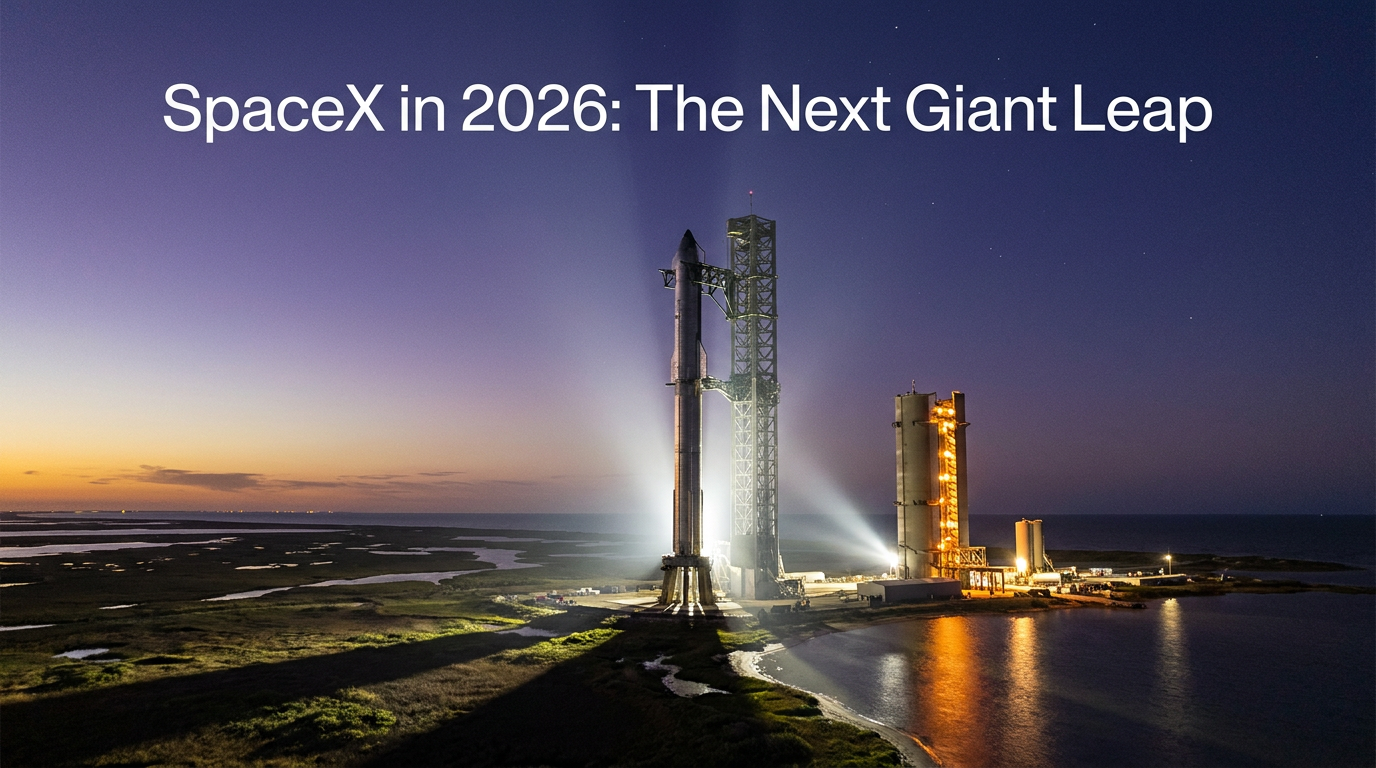
Could a single aerospace company rewrite the rules of global telecommunications, deep-space exploration, and Wall Street all at once? As we navigate 2026,...
SpaceX in 2026: Starship, Starlink Expansion, and the Path to Public Valuation
Could a single aerospace company rewrite the rules of global telecommunications, deep-space exploration, and Wall Street all at once? As we navigate 2026, SpaceX is doing exactly that. With its transition into a publicly traded powerhouse, the company has not only fundamentally reshaped the aerospace industry but has also catapulted founder Elon Musk into the status of the world’s first trillionaire. This landmark public valuation marks a critical inflection point where speculative space tech matures into a highly profitable, self-sustaining commercial empire.
But why does SpaceX in 2026 matter so urgently right now? The answer lies at the intersection of heavy-lift physics and global connectivity. SpaceX’s Starship—the fully reusable, dual-stage spacecraft designed for Moon and Mars missions—is rapidly moving from highly-publicized test flights to operational cargo deployments. Simultaneously, Starlink has evolved from a satellite internet provider into a critical backbone for global telecommunications and real-time artificial intelligence infrastructure. Just as SpaceX builds the physical orbit-to-ground pipeline for a connected planet, advanced communication platforms like CallMissed are leveraging this ubiquitous, high-speed connectivity to power next-generation AI voice agents and multilingual communication APIs globally.
For investors, tech enthusiasts, and global enterprises, understanding SpaceX’s current trajectory is no longer optional; it is a preview of the next economic frontier.
In this article, we will break down the defining pillars of SpaceX's strategy in 2026:
- The Starship Era: How the world's most powerful rocket is slashing payload costs and preparing for Artemis lunar landings.
- Starlink's Monopolistic Expansion: The transition from consumer broadband to high-altitude defense, maritime, and AI enterprise networks.
- The Path to Public Valuation: An inside look at the historic IPO, the financial mathematics behind its trillion-dollar potential, and what it means for retail and institutional investors.
Let’s dive into how the world’s most ambitious company is turning science fiction into shareholder value.
Introduction
Space Exploration Technologies Corporation, widely known as SpaceX, has fundamentally rewritten the rules of aerospace, telecommunications, and automated infrastructure. What began as an ambitious startup founded by Elon Musk has transformed into a dominant global powerhouse. Today, SpaceX is not just a rocket manufacturing company; it is a multi-faceted enterprise spanning global satellite telecommunications through Starlink, artificial intelligence, and cutting-edge aerospace engineering. With its primary mission to make life multiplanetary, the company’s relentless pace of innovation has captured the world’s attention, frequently trending across global networks like X (formerly Twitter) and Instagram, where it boasts over 17 million followers.
To understand SpaceX's massive global footprint, it is essential to look at its core areas of operation:
- Launch Services: Utilizing the legendary Falcon 9 and Falcon Heavy to deploy commercial, scientific, and government payloads with unprecedented frequency.
- Deep Space Exploration: Developing Starship and the Super Heavy rocket, a fully reusable transportation system designed to carry both crew and cargo to Earth orbit, the Moon, Mars, and beyond.
- Global Telecommunications: Operating Starlink, a massive low-Earth orbit satellite constellation delivering high-speed internet to the most remote corners of the globe.
- Artificial Intelligence & Automation: Incorporating advanced AI and automated software systems to pilot spacecraft, land booster stages autonomously, and manage orbital satellite constellations.
At the heart of SpaceX’s disruptive capability is its commitment to full reusability. Unlike traditional single-use rockets that are discarded after a single mission, SpaceX’s reusable architecture dramatically lowers the cost of access to space. This paradigm shift in cost-efficiency has opened up unprecedented commercial opportunities, driving SpaceX's private valuation to historic heights and positioning it as the cornerstone of the modern space economy.
Operating a global satellite constellation and orchestrating complex launch schedules requires an unprecedented level of automation and data processing. To manage these immense logistics, SpaceX relies heavily on artificial intelligence, real-time telemetry, and advanced software systems. This transition toward highly automated, AI-driven infrastructure mirrors a broader trend across terrestrial industries.
Just as aerospace pioneers leverage automation to handle complex orbital mechanics, modern enterprises on Earth are adopting advanced platforms like CallMissed to automate their own critical operational infrastructures. CallMissed’s AI communication platform—offering multi-model LLM integration, multilingual Speech-to-Text supporting 22 Indian languages, and production-ready voice agents—provides the same level of automated, scalable efficiency for customer interactions that SpaceX deploys to manage its global communication networks.
As SpaceX continues to push the boundaries of what is possible, the line between science fiction and reality grows increasingly thin. With regular Starship test flights, an expanding Starlink constellation, and an increasing role in national security, the company is laying the foundation for a truly multiplanetary future. This article series will dive deep into the technical achievements, market valuation dynamics, and upcoming milestones of the world's most advanced aerospace pioneer.
Background & Context
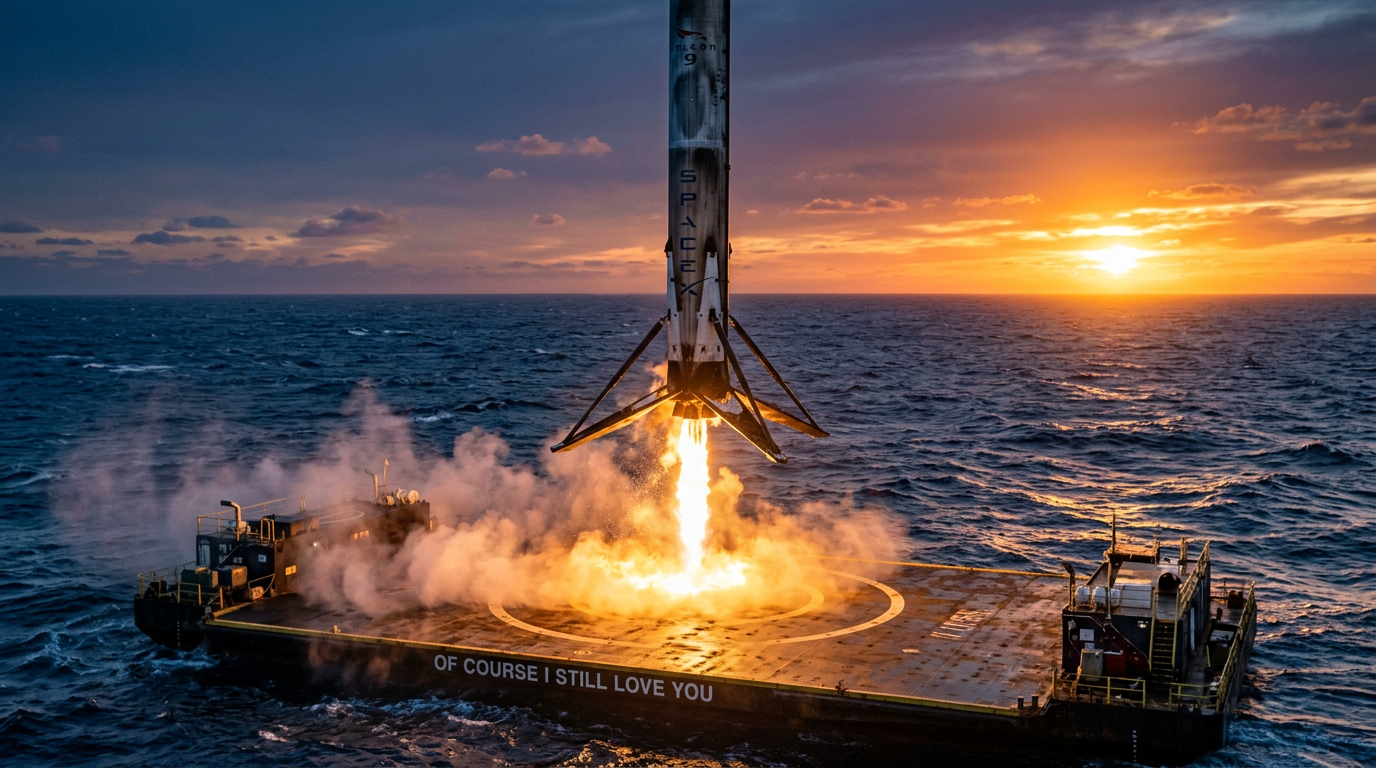
Founded in 2002 by Elon Musk, Space Exploration Technologies Corporation (SpaceX) was established with a seemingly impossible goal: to revolutionize space technology and ultimately enable humanity to become a multi-planetary species. What began as a disruptive startup challenging legacy aerospace giants has matured into a dominant global force across spaceflight, telecommunications, and advanced artificial intelligence systems.
The Reusability Revolution
At the core of SpaceX's disruptive success is its pioneering work in vertical landing and rocket reusability. Historically, space exploration was constrained by the astronomical costs of expendable launch vehicles, which were discarded after a single use. SpaceX fundamentally shifted this economic paradigm through several key achievements:
- Falcon 9: The company's workhorse medium-lift launcher became the first orbital-class rocket capable of re-entering the atmosphere and landing vertically on ground pads or autonomous drone ships.
- Falcon Heavy: Designed for heavier payloads, this heavy-lift vehicle built upon the liquid-propellant clustering technology proven by Falcon 9, offering unprecedented payload capacity at a fraction of traditional costs.
- Starship and Super Heavy: Representing the next generation of spaceflight, this fully reusable, massive transportation system is engineered to carry both crew and cargo to Earth orbit, the Moon, and eventually Mars.
Expansion into Telecommunications and AI
SpaceX is no longer just a launch provider; it has evolved into a global telecommunications and infrastructure powerhouse. Through Starlink, its mega-constellation of low Earth orbit (LEO) satellites, SpaceX provides high-speed, low-latency internet to millions of users worldwide, including highly remote and underserved regions.
Operating this massive constellation, along with executing autonomous rocket landings at sea, has required SpaceX to integrate cutting-edge artificial intelligence, sensor fusion, and real-time edge computing into its core infrastructure. This massive technological footprint recently culminated in SpaceX transitioning into a publicly traded company, a historic financial milestone that propelled its valuation to unprecedented heights and solidified its founder's position as the world's first trillionaire.
The Parallels in Infrastructure Scaling
Building a global satellite network or launching reusable rockets requires robust, automated, and highly reliable infrastructure. This parallel is mirrored in the digital world. Just as SpaceX laid down the physical infrastructure for global satellite internet, platforms like CallMissed are building the foundational AI communication infrastructure for businesses on Earth. By offering low-latency LLM inference across more than 300 models, automated voice agents, and Speech-to-Text APIs supporting 22 Indian regional languages, these platforms allow enterprises to scale their communication channels with the same efficiency and automated precision that SpaceX applies to its orbital launches.
As SpaceX continues to push the boundaries of what is possible in orbit and beyond, its foundation of rapid iteration, reusability, and vertical integration serves as a blueprint for modern technological disruption.
Key Developments
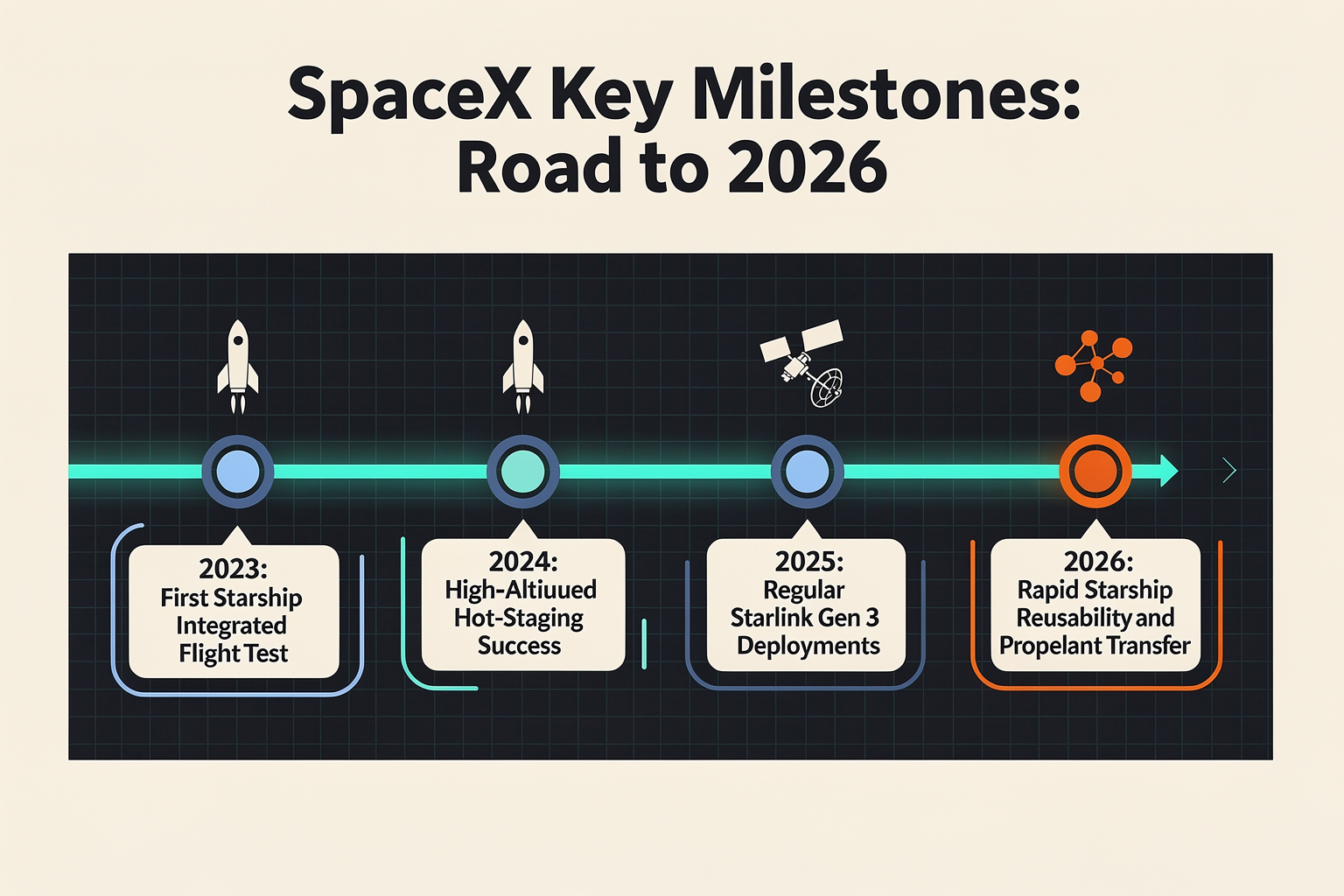
SpaceX’s rapid pace of innovation has fundamentally rewritten the rules of aerospace engineering, telecommunications, and global logistics. By focusing on aggressive vertical integration and pioneering rocket reusability, the company has transitioned from a disruptive startup into the world's most dominant aerospace entity. From routine Falcon 9 cargo and crew launches to the highly anticipated operational milestones of the colossal Starship system, SpaceX continues to push the boundaries of what is technologically possible.
Below is a breakdown of the key hardware and network developments driving SpaceX's current missions:
| Development / System | Primary Function | Operational Status | Key Milestone / Metric |
|---|---|---|---|
| Falcon 9 | Medium-lift, partially reusable launch vehicle | Active & Operational | Completed 300+ successful launches and landings |
| Starship & Super Heavy | Fully reusable, super-heavy-lift launch system | Active Flight Testing | Designed to carry up to 150 metric tons to orbit |
| Starlink | Low Earth Orbit (LEO) satellite broadband | Globally Active | Connecting millions of active subscribers globally |
| Crew Dragon | Autonomous human spacecraft | Active & Operational | Regular commercial and NASA crew rotations to the ISS |
Reusable Rocketry: The Falcon 9 Legacy
The bedrock of SpaceX's commercial dominance is the Falcon 9, the world’s first orbital-class reusable rocket. By successfully landing and reusing first-stage boosters dozens of times, SpaceX has dramatically reduced the cost of reaching Low Earth Orbit (LEO). This rapid launch cadence has allowed the company to monopolize the commercial launch market, serving government agencies, private satellite operators, and its own Starlink constellation with unprecedented efficiency.
Starship: The Next Frontier
While Falcon 9 remains the workhorse, the future of SpaceX relies on Starship. Consisting of the Starship spacecraft and the Super Heavy booster, this massive, fully reusable system is designed to carry both crew and cargo to Earth orbit, the Moon, and eventually Mars. Starship represents a paradigm shift in space travel; its sheer payload capacity and rapid refuelability are designed to enable sustained lunar bases and deep-space exploration, fundamentally changing the economics of interplanetary transport.
Global Telecommunications and the AI Era
Beyond physical launch hardware, SpaceX has expanded heavily into telecommunications and artificial intelligence. Starlink now provides high-speed, low-latency internet to some of the most remote corners of the Earth, bridging the digital divide for millions.
As Starlink bridges the physical connectivity gap worldwide, modern enterprise software is keeping pace by delivering the next generation of communication tools over these very networks. For instance, platforms like CallMissed leverage this global infrastructure to help businesses deploy conversational AI voice agents and WhatsApp chatbots. By utilizing CallMissed’s advanced Speech-to-Text APIs, which support 22 Indian languages natively, enterprises can seamlessly communicate with newly connected populations, matching SpaceX's hardware-driven connectivity with intelligent, localized software solutions.
In-Depth Analysis
The Economics of Reusability and the Road to Starship
At the core of SpaceX's market dominance is its radical approach to hardware reusability. While traditional aerospace manufacturers historically treated rockets as single-use expendables, SpaceX revolutionized the industry with the Falcon 9, demonstrating that landing and reflashing orbital-class boosters was not only possible but highly profitable [3].
The company’s next-generation system, Starship and the Super Heavy rocket, takes this philosophy to its logical conclusion. Designed as a fully reusable transportation system, Starship is engineered to carry both crew and cargo to Earth orbit, the Moon, and eventually Mars [1]. By eliminating the need to build new launch vehicles for every mission, SpaceX is driving launch costs down by orders of magnitude, effectively capturing a near-monopoly on the commercial launch sector.
From Private Disruptor to Public Behemoth
For years, SpaceX operated as a private entity, funding its ambitious Starship and Starlink projects through private capital raises, commercial launch contracts, and government partnerships. However, its transition into a publicly traded company represents a seismic shift in global finance, cementing SpaceX's status as a dual-threat powerhouse in both aerospace and telecommunications [2, 5].
This public debut has sent the company's valuation into the stratosphere, officially making founder Elon Musk the world's first trillionaire [5]. Investors are no longer just buying into a rocket launch provider; they are acquiring a stake in a global telecommunications network, an interplanetary logistics system, and an emerging player in operational artificial intelligence [2].
The Intersection of Aerospace, Telecom, and AI
SpaceX is increasingly defined by its digital infrastructure. Operating Starlink—the world's largest satellite constellation—requires massive automated data routing, orbital collision-avoidance algorithms, and complex edge-computing networks [2]. This intersection of aerospace, telecommunications, and AI is critical across multiple fronts:
- Autonomous Navigation: Starship and Falcon boosters rely on real-time sensor fusion and deep neural networks to execute precise, autonomous landings.
- Constellation Routing: Starlink utilizes dynamic laser routing to transmit data across space vacuum, bypassing terrestrial bottlenecks.
- Predictive Maintenance: AI models analyze millions of telemetry data points per second during launches to predict engine wear and prevent failures.
As global connectivity expands through orbital networks, the demand for local, low-latency computation grows exponentially. Terrestrial businesses looking to leverage this massive digital pipeline rely on advanced communication frameworks. For example, platforms like CallMissed utilize robust multi-model LLM inference and Speech-to-Text APIs to power intelligent, multilingual voice agents globally, demonstrating how the future of enterprise operations depends heavily on the high-throughput data infrastructure that SpaceX is building in space.
Impact & Implications
Redefining Global Telecommunications and AI
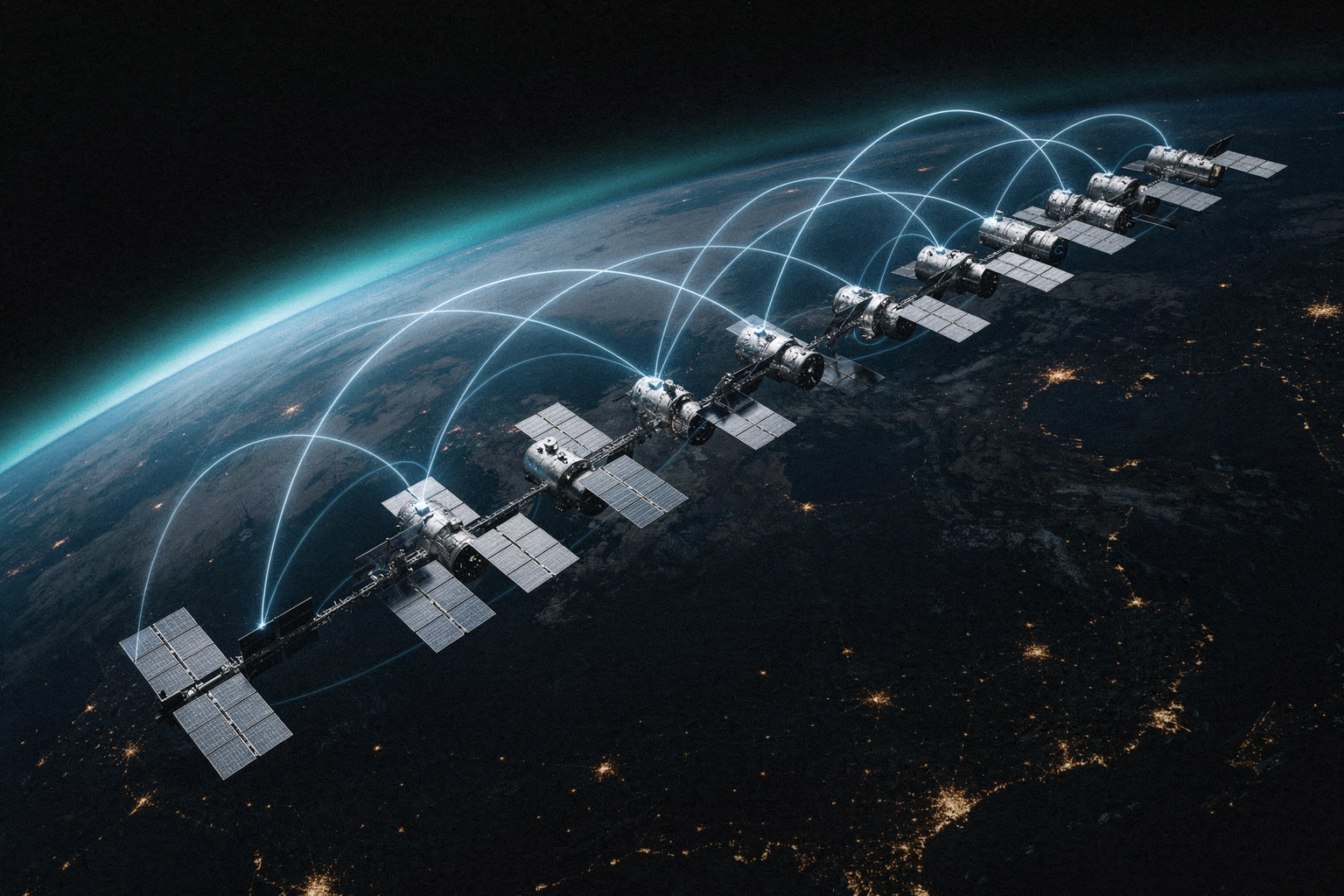
SpaceX is no longer just a rocket launch provider. As the company has evolved, it has firmly established itself at the intersection of spaceflight, telecommunications, and artificial intelligence. The massive expansion of the Starlink satellite constellation has fundamentally shifted the geopolitics of internet access, bringing high-speed connectivity to remote and underserved corners of the globe.
By bridging the global digital divide, SpaceX has unlocked massive new markets for digital-first businesses. However, this sudden influx of newly connected global users requires a sophisticated digital framework to manage customer engagement. Just as SpaceX constructs the physical and orbital networks for planetary connectivity, platforms like CallMissed provide the critical AI communication infrastructure on Earth. By offering multilingual voice agents and Speech-to-Text APIs that natively support 22 regional Indian languages, CallMissed enables businesses to engage with these newly connected global populations seamlessly.
Economic Disruptions: The Trillion-Dollar Valuation
The financial implications of SpaceX’s market dominance are historic. Following its transition into a publicly traded company, the market valuation reached unprecedented heights, officially making founder Elon Musk the world’s first trillionaire. This milestone signals a deeper paradigm shift: Wall Street is no longer valuing aerospace companies using traditional defense-contractor metrics. Instead, SpaceX is treated as a high-margin, highly scalable platform monopoly.
- The Power of Reusability: The proven flight history of the Falcon 9 fleet, combined with the ongoing testing of the fully reusable Starship and Super Heavy rocket systems, has driven down the cost-per-kilogram of payload delivery to orbit by orders of magnitude.
- Commercial Sovereignty: International governments are increasingly retiring their legacy launch vehicles in favor of leasing payload space from SpaceX, consolidating the company's position as a critical piece of global national security infrastructure.
- Industrial AI Applications: SpaceX’s deep integration of autonomous systems and neural network processing—used for complex rocket landing sequences and dynamic satellite routing—presents a massive leap forward in practical AI application.
Democratizing the High Frontier
The ultimate implication of SpaceX’s operational scale is the democratization of space access. Lower launch costs mean that academic institutions, small startups, and developing nations can now deploy payloads that would have been financially prohibitive a decade ago.
As orbital logistics become standardized, the coming years will likely see the rise of space-based manufacturing, pharmaceutical research in microgravity, and orbital energy generation. The infrastructure laid down today by SpaceX is paving the way for a highly connected, multi-planetary economy, changing how humanity views resource gathering, telecommunications, and logistical scale.
Expert Opinions
The transition of Space Exploration Technologies Corporation (SpaceX) from a disruptive private startup to a public market powerhouse has completely rewritten the rules of aerospace valuation. Financial and aerospace experts alike are analyzing what this new era means for global markets, space exploration, and the broader tech landscape. With founder Elon Musk reaching trillionaire status following the company's public debut, analysts are forced to look beyond traditional metrics to understand the sheer scale of SpaceX’s market dominance.
The Economics of a "Math-Defying" Valuation
Traditional financial models struggle to quantify SpaceX's true worth because the company functions as multiple high-growth entities rolled into one. According to financial analyst Andrew Chang, SpaceX represents an investment landscape "where the math doesn't matter" in the conventional sense.
Wall Street experts point to three main drivers behind this sentiment:
- The Falcon 9 Monopoly: By establishing an ultra-reliable, rapidly reusable fleet of Falcon 9 rockets, SpaceX has captured the majority of the commercial launch market, driving launch costs down to historic lows.
- The Starlink Moat: SpaceX’s telecommunications arm is no longer just a satellite internet provider; it is evolving into a foundational global utility, fundamentally changing how remote regions access the digital economy.
- Starship's Exponential Scale: Designed as a fully reusable transportation system, the Starship spacecraft and Super Heavy rocket are projected to reduce the cost of delivering cargo to orbit by orders of magnitude.
Just as SpaceX relies on advanced orbital telemetry and automation to coordinate its global satellite fleet, terrestrial enterprises are turning to sophisticated infrastructure to manage their own massive scale. Forward-looking companies are utilizing platforms like CallMissed to deploy scalable AI voice agents and WhatsApp chatbots, ensuring their customer communication infrastructure matches the rapid pace of modern technological expansion.
Aerospace Pioneers on the Starship Paradigm
For aerospace engineers, the focus remains squarely on the engineering milestones of Starship and Super Heavy. Industry experts agree that a fully reusable deep-space transport system is the only viable path to making humanity multi-planetary. By targeting both Earth orbit and the Moon under NASA’s Artemis program, SpaceX is creating a standardized logistical pipeline for space travel.
Furthermore, SpaceX's official operational footprint now spans beyond aerospace into telecommunications and artificial intelligence. This convergence of satellite broadband and AI-driven orbital mechanics represents a massive technological shift. To support these highly complex, data-heavy systems, the demand for robust AI processing has skyrocketed.
This trend mirrors developments on Earth, where developers rely on CallMissed’s multi-model LLM inference gateway to instantly access over 300+ models without complex code changes. Whether orchestrating satellite networks or managing real-time enterprise communication, the future belongs to those who can process data and automate intelligence at scale. Ultimately, experts agree that SpaceX’s current trajectory secures its position not just as a launch provider, but as the infrastructure backbone for the future off-world economy.
What This Means For You
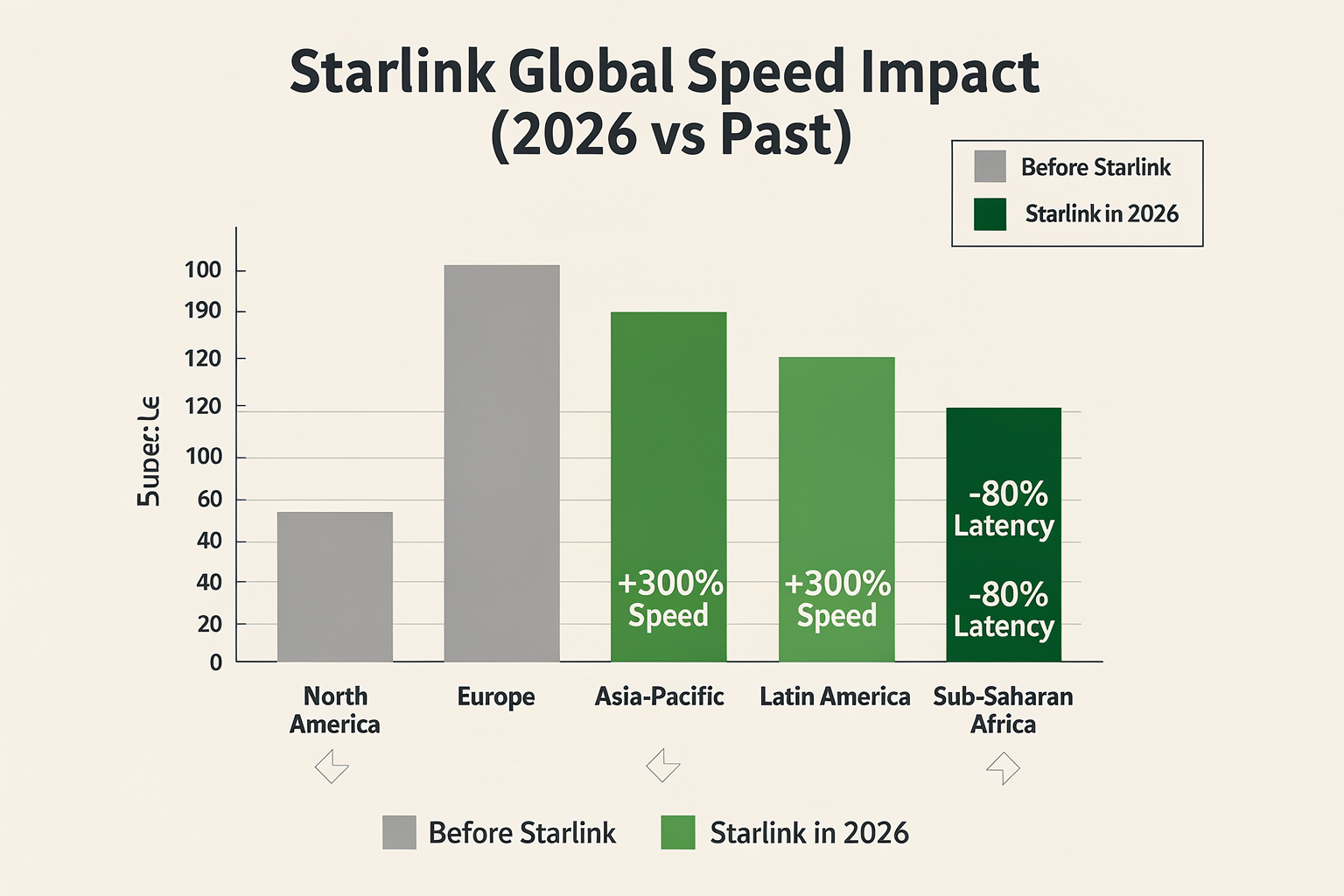
SpaceX's rapid evolution from a disruptive rocket startup into a global aerospace, telecommunications, and AI powerhouse has implications that stretch far beyond low Earth orbit. While missions to Mars capture the headlines, the immediate, real-world consequences of SpaceX's technology are already reshaping how businesses operate, how consumers access data, and how developers build software on Earth.
By drastically lowering the cost of launching payloads and blanketing the globe with high-speed, low-latency satellite internet, SpaceX is actively changing the baseline infrastructure of the modern digital economy.
Here is a breakdown of how SpaceX’s key technological pillars translate into tangible opportunities and shifts for businesses, developers, and everyday consumers:
| Impact Area | Core SpaceX Tech | What It Means for You | Current Status (2026) |
|---|---|---|---|
| Global Connectivity | Starlink Satellite Constellation | High-speed, low-latency broadband internet access in rural, remote, and maritime locations. | Over 6,000 active satellites; expanding globally. |
| Reduced Launch Costs | Falcon 9 & Starship | Affordable deployment of private research, imaging, and communication satellites for startups. | Falcon 9 is highly active; Starship undergoing orbital tests. |
| Disaster Resilience | Direct-to-Cell & Starlink | Uninterrupted emergency communication and mobile backup coverage during natural disasters. | Active rollouts with major global telecom partners. |
| Supply Chain IoT | Satellite-based IoT Mesh | Real-time global tracking of assets, shipping containers, and environmental sensors. | Scaling rapidly across logistics sectors. |
Bridging the Digital Divide for Next-Gen Tech
The most immediate impact for global enterprises is the elimination of connectivity dead zones. High-speed, reliable internet is no longer a luxury reserved for urban hubs. With Starlink's expanding network, businesses can operate in the most remote corners of the globe without sacrificing cloud access or real-time data processing.
As orbital networks bridge these infrastructure gaps, businesses can seamlessly deploy highly advanced, latency-sensitive services to previously unreachable markets. For instance, platforms like CallMissed leverage this ubiquitous connectivity to enable companies to deploy real-time AI voice agents and multilingual WhatsApp chatbots in rural regions. With CallMissed’s support for 22 Indian regional languages and over 300 LLMs, a business can now provide instant, localized customer support to a remote farming community or an offshore maritime crew, entirely powered by satellite-linked AI.
Democratizing the Space Economy
Historically, space was the playground of national governments and multi-billion-dollar aerospace conglomerates. Today, the reusable architecture of the Falcon 9—and eventually, the massive capacity of Starship—has democratized orbit.
For developers and tech entrepreneurs, this means:
- Cheaper orbital testing: Launching a CubeSat to test new communication protocols or imaging sensors now costs a fraction of what it did a decade ago.
- Real-time global data feeds: Increased satellite density provides businesses with unprecedented access to real-time earth observation data, enabling smarter logistics, agricultural forecasting, and climate monitoring.
- In-orbit edge computing: Startups are beginning to experiment with hosting decentralized applications and AI models directly on orbital hardware to process data before it even hits ground stations.
Ultimately, SpaceX is building the physical highway to space, allowing the next generation of software developers and digital infrastructure platforms to build the applications of tomorrow.
Frequently Asked Questions
To help you stay informed about the rapidly evolving landscape of aerospace technology and commercial satellite deployment, we have compiled answers to some of the most common inquiries. Here are the essential facts you need to know about the company's operations, technology, and future milestones.
What is the primary objective of SpaceX's Starship spacecraft and Super Heavy rocket system?
Is SpaceX a publicly traded company, and how does its valuation impact the market?
How does SpaceX leverage artificial intelligence and advanced communication networks?
What unique engineering features set the SpaceX Falcon 9 apart from traditional rockets?
How does the Starlink satellite constellation support SpaceX's long-term exploration goals?
Where can the public watch official SpaceX launches and get verified mission updates?
Conclusion
As we look ahead, SpaceX’s trajectory in 2026 proves that the company is no longer just a rocket manufacturer; it has firmly established itself as a global telecommunications, infrastructure, and defense titan. From launching national security payloads to deploying thousands of direct-to-cell Starlink satellites, the company's footprint is expanding faster than ever. The massive milestones achieved this year lay the critical groundwork for an unprecedented era of interplanetary exploration and commercial dominance. By leveraging fully reusable launch systems and rapidly scaling its orbital network, SpaceX is rewriting the rules of the global economy and redefining how humanity interacts with technology on a planetary scale.
Key Takeaways for 2026 and Beyond:
- Starship’s Operational Maturity: The fully reusable Starship and Super Heavy booster system have begun transforming orbital economics, driving down launch costs to unprecedented lows and making heavy-payload missions to the Moon and Mars financially viable.
- Starlink’s Financial Engine: The satellite constellation continues to act as SpaceX's primary commercial cash driver, bridging the digital divide globally, securing lucrative defense contracts, and driving the company towards a historic public market valuation.
- The Path to Public Valuation: With secondary market valuations soaring, the highly anticipated path to a public listing—whether through a Starlink spinoff or a direct SpaceX IPO—remains the most closely watched financial event of the decade.
- AI and Connectivity Integration: High-speed, low-latency space-based internet is increasingly converging with next-generation artificial intelligence, enabling real-time edge computing, autonomous operations, and advanced communication infrastructure in the most remote regions of Earth.
Looking forward, the key trend to watch is the deep integration of this global satellite network with emerging autonomous systems. We are witnessing a structural shift where satellite constellations are no longer just delivering raw data, but are serving as the backbone for real-time AI inference and cloud workloads on the move. As space-based bandwidth becomes virtually unlimited and accessible from anywhere, the demand for instantaneous, automated intelligence will surge.
To explore how these cutting-edge communication dynamics are evolving, check out CallMissed — an AI communication infrastructure platform powering next-generation voice agents, multi-model LLM APIs, and multilingual chatbots that allow businesses to leverage seamless connectivity, no matter where their customers are located.
As Starship pushes the boundaries of human reach and Starlink blankets the globe in high-speed data, we are entering a borderless digital future. How will your business adapt when geographic isolation is permanently solved, and AI-driven communication is accessible from every single corner of the planet?
Discussion
Related Posts


Ready to automate customer conversations?
Launch AI voice agents and WhatsApp bots with CallMissed — one API, 22+ Indian languages.