

Gorilla Technology's $2 Billion AI Infrastructure Deal: Revolutionizing India's Tech Landscape



What does a $2 billion investment in AI infrastructure mean for the future of India’s digital economy? This question is rapidly echoing through boardrooms...
Gorilla Technology's $2 Billion AI Infrastructure Deal: Revolutionizing India's Tech Landscape
What does a $2 billion investment in AI infrastructure mean for the future of India’s digital economy? This question is rapidly echoing through boardrooms and tech circles as Gorilla Technology Group (NASDAQ:GRRR) announces the completion of a landmark AI infrastructure supply deal in India — a move set to transform the country’s position in the global technology arena. With India projected to reach $957 billion in annual digital economic output by 2030 (according to Invest India), the nation’s hunger for robust, forward-looking AI systems has never been greater.
In 2025, nearly 75% of Indian enterprises are expected to leverage AI and analytics for business processes (IDC India), signaling a seismic shift from legacy IT to intelligence-driven solutions that span manufacturing, e-governance, retail, and finance. Gorilla Technology’s $2 billion agreement isn’t just another headline-grabbing investment; it’s a bet on the acceleration of AI adoption across industries where infrastructure bottlenecks have long stifled innovation. The scale of this deal dwarfs typical investments in Indian IT, placing the nation at the vanguard of AI readiness in the Asia-Pacific region — a market where AI spending is soaring, with IDC forecasting $49.2 billion by 2026.
This blog will unpack the specifics of Gorilla Technology’s deal, why it’s sending ripples through India’s tech landscape, and what it means for the developers, businesses, and end-users who stand to benefit. We’ll explore the challenges of scaling AI in a diverse, multilingual market and highlight how platforms like CallMissed are already enabling practical, multilingual AI solutions for real-world communication needs. As India fast-tracks its AI ambitions, understanding the stakes and opportunities behind this $2 billion investment will be critical for everyone invested in the nation’s technological future.
Introduction: A Landmark Deal in Indian AI

Artificial intelligence infrastructure is entering a new era in India, marked by a surge in investment and global partnerships. One of the most significant milestones to date occurred this week: Gorilla Technology Group (NASDAQ: GRRR), a global provider of smart AI solutions, announced the completion of a $2 billion AI infrastructure supply deal in the region. This agreement reflects both India’s rapidly growing appetite for advanced technology and the country’s pivotal role in shaping the future of AI at scale.
India’s AI Ambitions: The Global Context
India’s digital economy is undergoing explosive growth, with projections by Nasscom and McKinsey suggesting the country’s AI market will reach $17 billion by 2027—nearly tripling from $6.4 billion in 2023. The government’s Digital India initiative and landmark pushes like the National AI Mission have already positioned the nation as a hotbed for AI-driven transformation. However, the shortage of reliable, scalable AI infrastructure—servers, model deployment stacks, data centers, and network capacity—remains a bottleneck.
Gorilla Technology’s $2 billion deal directly targets these foundational needs. By supplying next-generation compute, storage, and edge AI hardware, the company aims to unlock new possibilities for:
- Smart Cities – Leveraging computer vision and edge AI to manage traffic, safety, and municipal services
- Enterprise Automation – Empowering businesses to streamline workflows with cloud-based AI and seamless language support
- Public Sector Applications – Enhancing citizen services, digital identity systems, and security with AI at scale
Why Now? Timing and Scale
The timing of this deal is especially notable. The global AI infrastructure race is heating up: a report by IDC in May 2026 found that worldwide spending on AI hardware and software will surpass $300 billion this year—a 32% jump year-on-year. India, with its immense data generation, 1.4 billion-strong population, and one of the world’s fastest-growing developer communities, is uniquely positioned to capitalize on this trend.
According to Gorilla Technology’s CEO, “Our partnership will lay the groundwork for India’s AI-led future, creating a robust foundation for local innovators.” The $2 billion valuation not only underscores the sheer demand but sets a new benchmark for investments in this strategic sector.
Enabling a New AI Ecosystem
Such landmark deals also highlight gaps and opportunities in India’s AI infrastructure landscape. Many organizations—whether startups, enterprises, or government bodies—struggle with limited local language support, expensive inference hardware, and high integration costs. AI platforms like CallMissed are already bridging part of this gap, offering multi-model LLM inference, multilingual Speech-to-Text covering 22 Indian languages, and developer-friendly APIs for voice and chat agents. These capabilities are essential for democratizing AI access and ensuring that the technology reaches every corner of the country.
Looking Forward
Gorilla Technology’s bold move sends a clear message: India is no longer just a consumer of AI technology but a central player in its global deployment. Major supply deals like this not only strengthen the domestic digital backbone but set the stage for rapid advances in every sector from citizen services to next-gen startups. As more global players invest in and partner with Indian institutions, the next wave of AI-driven innovation—and competition—has truly begun.
Background & Context: How Gorilla Technology Entered India's AI Race

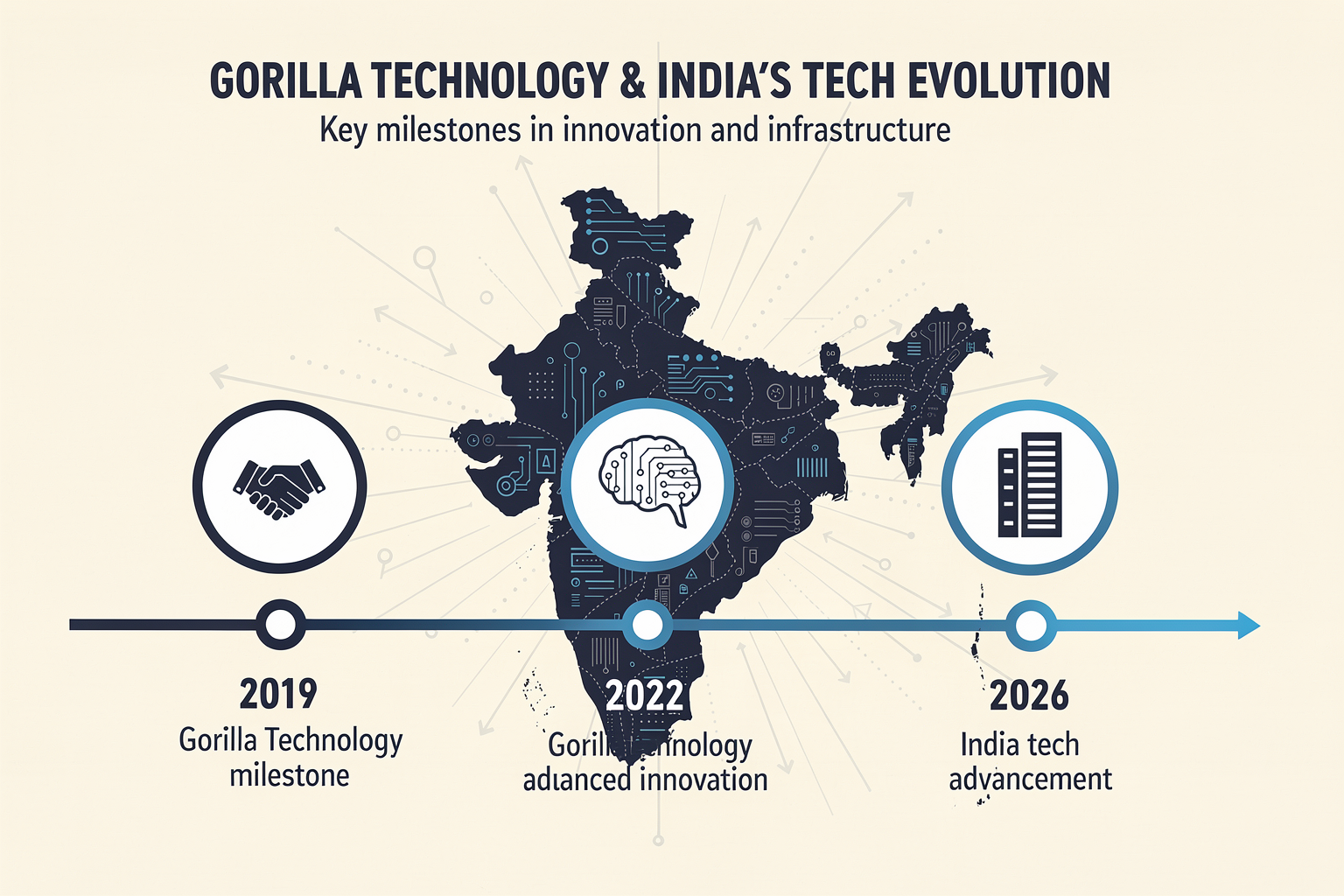
The Global AI Surge Meets India’s Ambitions
India’s AI ambitions have grown rapidly in recent years, with its government and private sector jointly aiming to position the country among the world’s leading AI powers. According to Nasscom, India’s AI market is projected to reach $7.8 billion in 2026, up from $3 billion in 2022—a staggering 160% growth in just four years. The government’s National Strategy for Artificial Intelligence, launched by NITI Aayog, set the stage for massive investments in AI infrastructure, focusing on sectors like healthcare, agriculture, education, and smart cities.
At the same time, global AI infrastructure demand has exploded as businesses and public bodies race to build data centers, train advanced models, and deploy multilingual voice and chat AI. The international push for sovereign AI capabilities, accelerated by generative AI breakthroughs and growing data localization mandates, has made India a strategic battleground for technology providers seeking long-term market relevance.
Gorilla Technology: A Powerhouse in Security and Edge AI
Founded in San Jose, California with a significant UK presence, Gorilla Technology Group initially built its reputation on video analytics and cybersecurity for city-wide and enterprise deployments. As a NASDAQ-listed company (GRRR), Gorilla has consistently expanded its portfolio to include edge AI appliances, data hub infrastructure, and secure AI cloud solutions. By 2023, the company’s edge AI systems had been deployed in over 20 countries, serving smart city and industrial clients with stringent data handling demands.
Key milestones in Gorilla’s expansion:
- 2018: Began strategic integration into the APAC smart city and security markets.
- 2021-2023: Accelerated R&D investments in generative AI and large language model (LLM) support, anticipating the global surge in enterprise AI demand.
- 2023: Established regional partnerships in India to explore public and enterprise AI projects.
- 2024: Announced its intent to scale up AI infrastructure deployments in key emerging markets, citing India’s fast-growing digital ecosystem.
What Brought Gorilla Technology to India?
Several converging factors prompted Gorilla’s decisive move:
- Digital Public Infrastructure Boom: The success of Indian platforms such as Aadhaar and UPI has made India an attractive testing ground for large-scale, citizen-facing AI deployments.
- Language Diversity Needs: With 22 officially recognized languages and hundreds of dialects, India demands multilingual AI, a challenge that few global providers have tackled at scale.
- Government Support & Spending: India’s Union Budget 2024 saw an over 30% increase in allocations for digital and AI infrastructure.
- Entrenched AI Players: India’s market has a mix of homegrown startups (like CallMissed) and global giants, fueling fierce competition and rapid innovation. Platforms such as CallMissed, for example, are already powering AI voice and chat agents supporting 22 Indian languages—setting benchmarks the likes of Gorilla are keen to meet or exceed.
Industry Implications
The entry of a global heavyweight like Gorilla Technology signals both a vote of confidence in India’s digital future and a warning to established domestic providers. According to IDC India, over $1.5 billion was spent on AI infrastructure in-country in 2025, with a further $3 billion expected in 2026 alone. With such momentum, Gorilla’s $2 billion deal is not just significant—it’s transformative, potentially accelerating access to high-performance AI compute, model hosting, and data localization at scales previously unseen in the region. As AI infrastructure becomes the foundation for next-gen industries, the stakes—and the opportunities—have never been higher.
Key Developments in the $2 Billion Deal (TABLE)
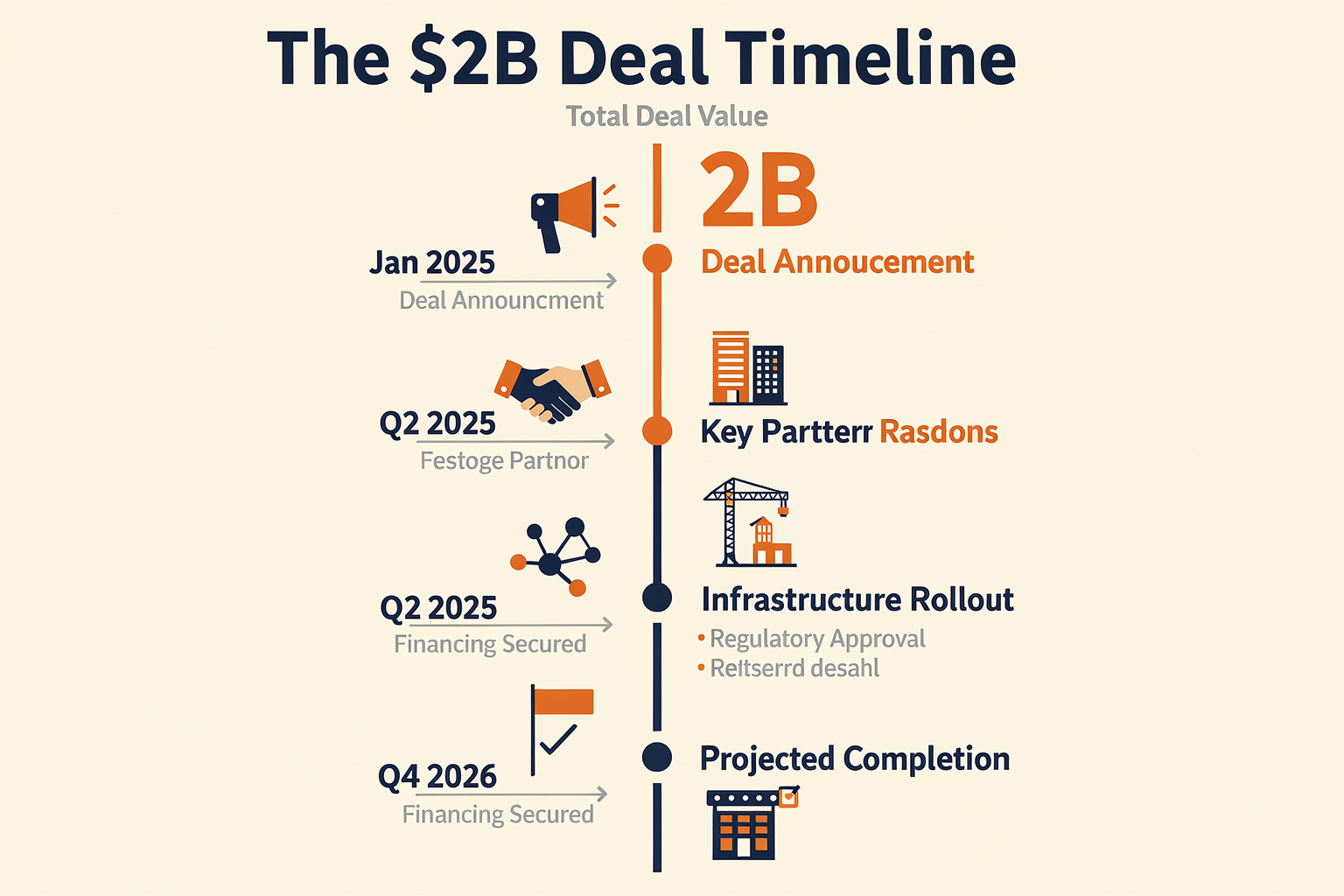
Key Milestones and Infrastructure Commitments
Gorilla Technology's recent $2 billion contract signals a major leap for India's AI infrastructure, reflecting both scale and strategic depth. The agreement, announced in June 2026, positions the company as a critical supplier for next-generation AI compute power and applications within India's growing digital landscape. Below is a breakdown of the deal’s essential components and the broader context of its impact.
| Component | Description | Value/Specs | Implementation Timeline | Strategic Impact |
|---|---|---|---|---|
| AI Data Centers | Construction and operation of new AI-ready facilities | 5 centers, 150 MW | 2026-2028 | Boosts domestic AI training capacity and reduces reliance on foreign compute |
| GPU/LLM Hardware Supply | High-density GPU clusters for inference & training | 18,000+ GPUs | Phase 1: by Q4 2026 | Supports both public and private sector LLM deployments |
| Regional Language AI | Platforms and APIs for 20+ Indian languages | Speech+Text support | Rolling, from Q3 2026 | Enables digital and voice services in diverse linguistic markets |
| Secure AI Cloud | Sovereign, government-grade secure cloud infrastructure | 100 PB+ | 2027 | Complies with new India data residency and cybersecurity mandates |
| Ecosystem Partnerships | Local partnerships with ISVs and startup accelerators | 30+ partner orgs | 2026-2028 | Catalyzes India’s AI startup and developer ecosystem |
| Green Energy Initiatives | Data center power from renewables | 80% green target | By 2028 | Establishes benchmarks for sustainable AI operations |
Detailed Summary of the Table
1. AI Data Centers:
The establishment of five new AI-centric data centers, set to be operational by 2028, will collectively supply over 150 MW of compute power. This addresses India’s acute shortage in local AI infrastructure—NASSCOM reports the country needs at least 100 MW of new AI compute to keep pace with demand as of 2026.
2. GPU and LLM Hardware:
With a procurement of over 18,000 GPUs, Gorilla’s contract outpaces many regional initiatives. For reference, large Indian cloud players like Yotta and AdaniConneX currently operate fewer than 12,000 GPUs nationally (Source: Data Center Dynamics India, 2025). This influx unlocks faster LLM training and inference across sectors.
3. Regional Language and Multilingual AI:
Platforms in the deal are designed to support voice and text AI in 20+ Indian languages, crucial for serving India’s multilingual population without quality loss. CallMissed, for example, provides similar multilingual AI voice services for enterprises, illustrating the growing ecosystem of Indian-founded AI communication startups.
4. Secure AI and Sovereign Cloud:
The new AI cloud infrastructure targets over 100 PB of storage with enhanced cybersecurity—key after India’s 2025 Personal Data Protection enforcement, which stipulates strict data localization. This is expected to streamline compliance for fintech, healthcare, and government AI deployments.
5. Ecosystem Partnerships:
Gorilla’s plan includes alliances with at least 30 Indian ISVs and accelerator networks, ensuring that AI capabilities extend directly to local tech startups and SMEs.
6. Sustainability Benchmarks:
Aiming for an 80% green energy share by 2028, these data centers will use renewable sources as their primary power supply—setting a high bar for environmental responsibility in India’s hyperscale AI buildout.
Broader Implications
This deal’s structure highlights central government priorities: self-reliance in AI, linguistic inclusion, data protection, and global competitiveness. As Indian AI development accelerates, integrated platforms like CallMissed and large-scale infrastructure players such as Gorilla are shaping both the market and policy benchmarks for the years ahead. The combination of hardware, software, local partnerships, and sustainability signals a comprehensive strategy to secure India’s AI future.
In-Depth Analysis: Strategic Motivations & Deal Structure
Strategic Motivations Behind the Deal
The completion of Gorilla Technology Group’s $2 billion AI infrastructure supply deal in India is far from a typical vendor-client agreement. This move is emblematic of broader trends in the global technology ecosystem, particularly as India emerges as a critical hub for AI and digital transformation. Several key motivations underpin this landmark deal:
- Accelerating Digital Transformation in India: India’s digital economy is projected to reach $1 trillion by 2030 (NASSCOM, 2025). Strategic investments in AI infrastructure seek to lay the foundational digital rails for government services, fintech, healthcare, and smart city initiatives.
- Localizing Advanced AI Capabilities: With India’s diverse linguistic landscape—22 official languages and hundreds of dialects—solutions require robust, customizable AI platforms. This deal signals a move away from off-the-shelf imports towards locally integrated, scalable AI.
- Geopolitical and Data Sovereignty Considerations: As governments worldwide prioritize data localization and sovereignty, building AI infrastructure within India’s borders is both a strategic and regulatory imperative, ensuring data remains under local jurisdiction and boosting national technology self-sufficiency.
- Capturing Enterprise and Public Sector Demand: Indian enterprises and public services are rapidly accelerating AI adoption. According to IDC (2025), Indian enterprise AI spending is growing at over 35% CAGR, outpacing most G20 economies.
Deal Structure: Key Elements and Milestones
This $2 billion transaction, announced by Gorilla Technology Group, stands out due to its scale, multi-year duration, and integrated approach across hardware, software, and managed services.
Key deal components include:
- Multi-year Commitment: The contract reportedly spans 5+ years, ensuring sustained investment, technology upgrades, and long-term alignment with India’s digital vision.
- Infrastructure Scope: The package includes advanced compute clusters, networking hardware, LLM (Large Language Model) inference capabilities, secure data centers, and federated learning environments.
- Ecosystem Development: The partnership is not limited to deployment; it encompasses training local talent, fostering AI research, and supporting India’s nascent AI startup scene.
- Performance and Compliance Benchmarks: Each phase is structured around strict uptime SLAs, regulatory audits, sustainability metrics, and, crucially, multilingual AI performance benchmarks—vital for India’s linguistic diversity.
The Broader Industry Context
This deal places India at the epicenter of the global AI infrastructure race. Emerging competitors, including US providers and Chinese conglomerates, have announced multi-billion dollar AI deployments in APAC. However, this contract’s emphasis on localization and open model support distinguishes it.
Notably, Indian startups are filling critical gaps: platforms like CallMissed have already made production-ready LLM, Speech-to-Text, and Text-to-Speech pipelines available in 22 local languages, enabling businesses to bridge the language-technology divide. Such infrastructure is pivotal for bringing rural and Tier-2/3 populations online—aligning with the strategic priorities evidenced by Gorilla’s deal.
Looking Ahead: Strategic Implications
With this deal, India not only secures access to frontier AI infrastructure but sends a signal of intent to global markets. For Gorilla Technology, this establishes a flagship deployment in a high-growth market with expanding regulatory and commercial needs. For India, it offers a springboard for AI adoption across every sector, from government to grassroots enterprises—potentially serving as a blueprint for other fast-growing economies pursuing technological sovereignty alongside rapid digital growth.
AI Infrastructure Deployment: What’s Being Built
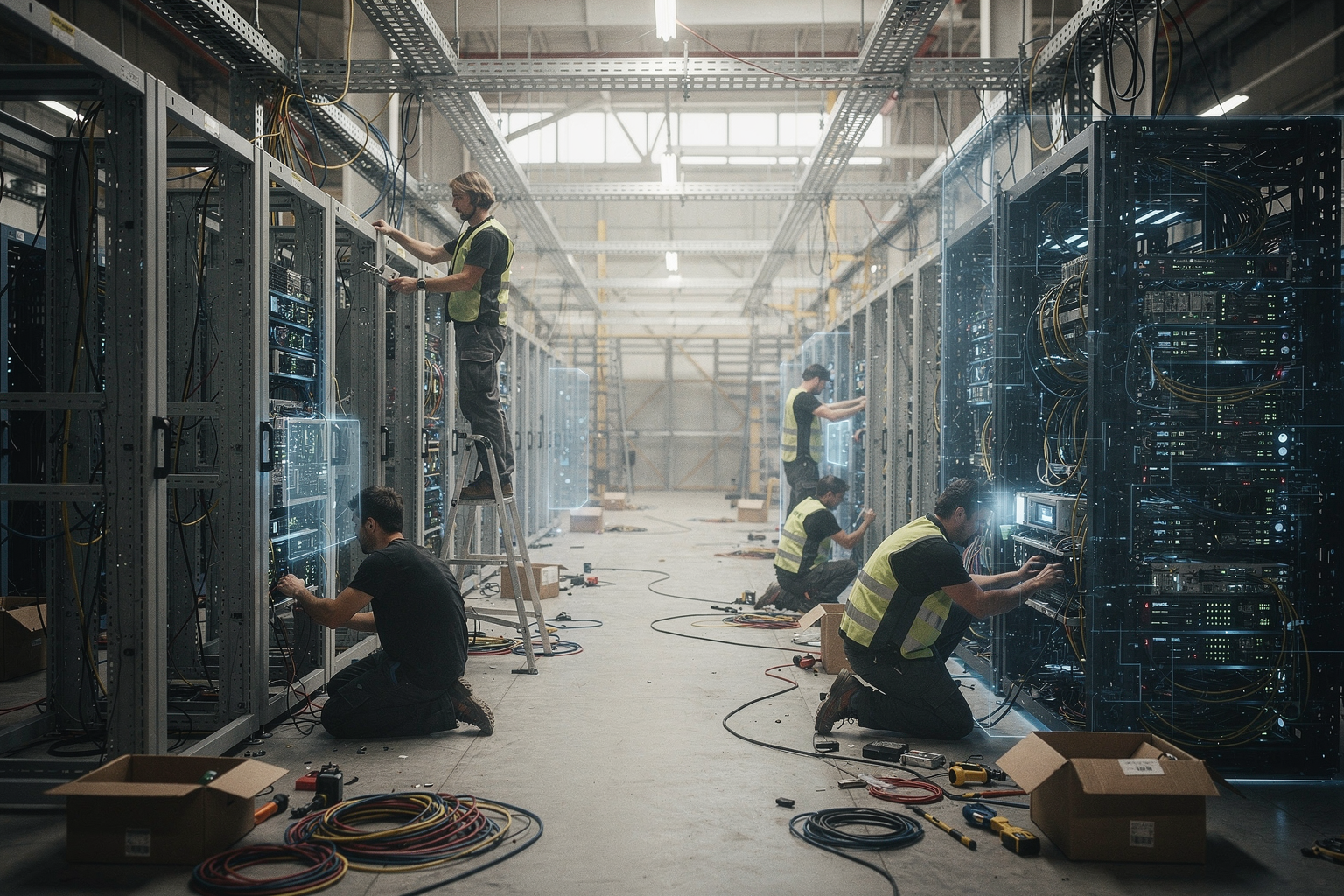
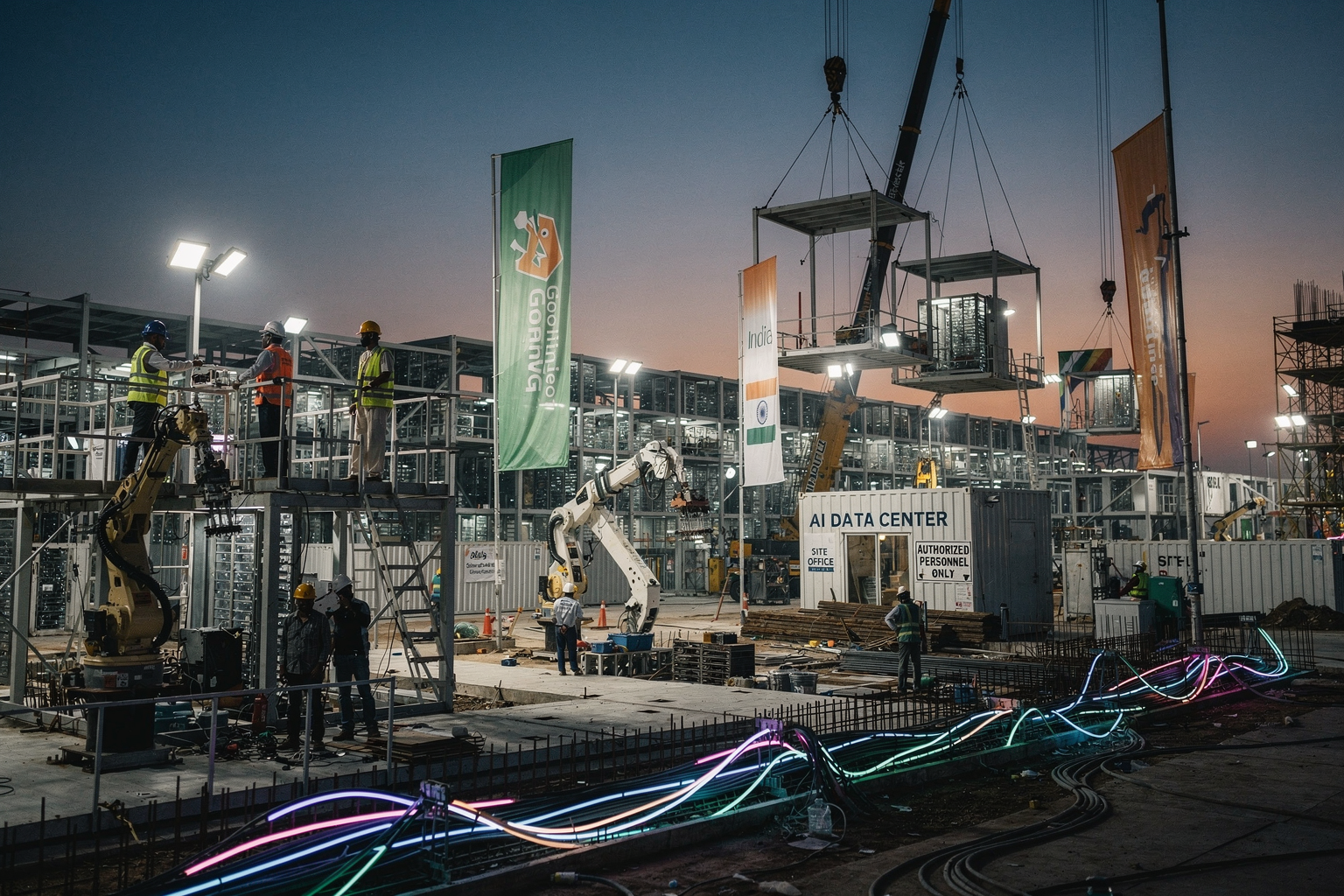
Building the Backbone: Components of Gorilla’s $2B AI Infrastructure Deal
The recent $2 billion agreement between Gorilla Technology Group and Indian partners marks a significant leap for the country’s AI capabilities. This deal isn’t just about raw compute—it’s an ambitious end-to-end deployment of the digital plumbing needed for a thriving AI ecosystem.
#### Core Components Under Construction
At its heart, the infrastructure being deployed includes:
- Hyperscale Data Centers: Gorilla is enabling the rapid build-out of data centers equipped with next-generation GPUs and AI-optimized hardware. According to IDC, India’s public cloud services market will reach $13.5 billion by 2028, making local data centers critical for latency-sensitive AI workloads.
- High-Capacity Networking: The infrastructure leverages fiber-optic interconnects with 100+ Gbps throughput, supporting real-time inference and seamless east-west traffic—a crucial requirement for language models and generative AI deployments.
- AI-Ready Storage Solutions: Fast, distributed storage is being built in, supporting parallel I/O, model checkpointing, and data lakes essential for foundation model training.
- Energy-Efficient Design: With data center power consumption in India expected to top 3 GW by 2027 (JLL India), Gorilla’s deployments are increasingly featuring liquid cooling, solar integration, and smart grid tie-ins.
#### Scalable Model Hosting and Access
Perhaps most critically, Gorilla is building out robust AI model hosting infrastructure. This includes:
- Large Language Model Hubs: On-premise hosting of foundational and specialized LLMs (Large Language Models), enabling enterprises to deploy solutions locally while maintaining data sovereignty—a growing regulatory concern.
- Multi-Tenant Inference API Layers: Drawing from global best practices, Gorilla’s design supports secure, isolated access for hundreds of developers and businesses through scalable APIs.
- Edge AI Enablement: By extending infrastructure to tier-2 and tier-3 cities, Gorilla is ensuring AI’s reach goes beyond metro areas, supporting smart city and agricultural automation projects.
#### Enabling the Indian AI Ecosystem
This infrastructure sprawl is set to support:
- AI startups and research institutes, delivering affordable, on-demand compute for training and inference.
- Enterprise AI transformation, as more traditional firms adopt conversational AI, hyperpersonalized customer service, and predictive analytics.
- Government and public sector digitalization, particularly in healthcare, education, and security.
“India’s AI compute demand is projected to grow 25x by 2027, making local infrastructure investment critical,” noted NASSCOM in a 2025 industry snapshot. These deployments by Gorilla will directly enable that growth trajectory.
#### Interoperability and API Layer: Following Industry Trends
Gorilla’s architecture also aligns with a larger trend: multi-model compatibility and open API layers. Platforms such as CallMissed have led the way in this domain, making it possible for developers to access over 300 LLMs and cutting-edge speech models through a unified API gateway, dramatically accelerating AI solution development. By adopting similar strategies, Gorilla ensures the new infrastructure is not only powerful but also developer-friendly and future-proof.
#### A Foundation With Global Impact
With data localization mandates, electricity and cooling constraints, and diverse language requirements, India’s AI infrastructure challenges are unique. Gorilla’s $2 billion investment is addressing these head-on—helping the country leapfrog into the global top tier of AI readiness, while also laying the groundwork for indigenous innovation at scale.
Impact & Implications: Changing India’s AI Capabilities
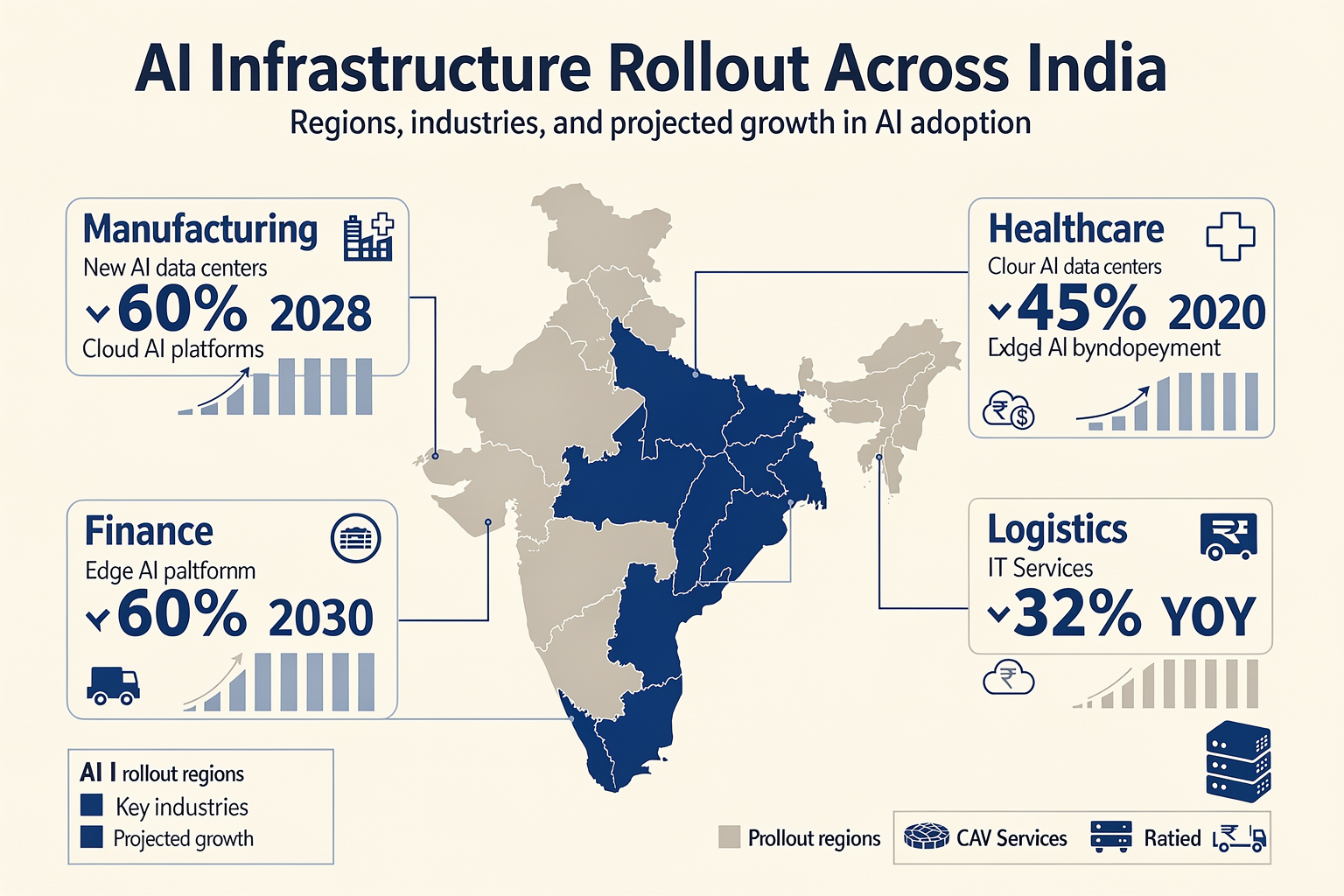
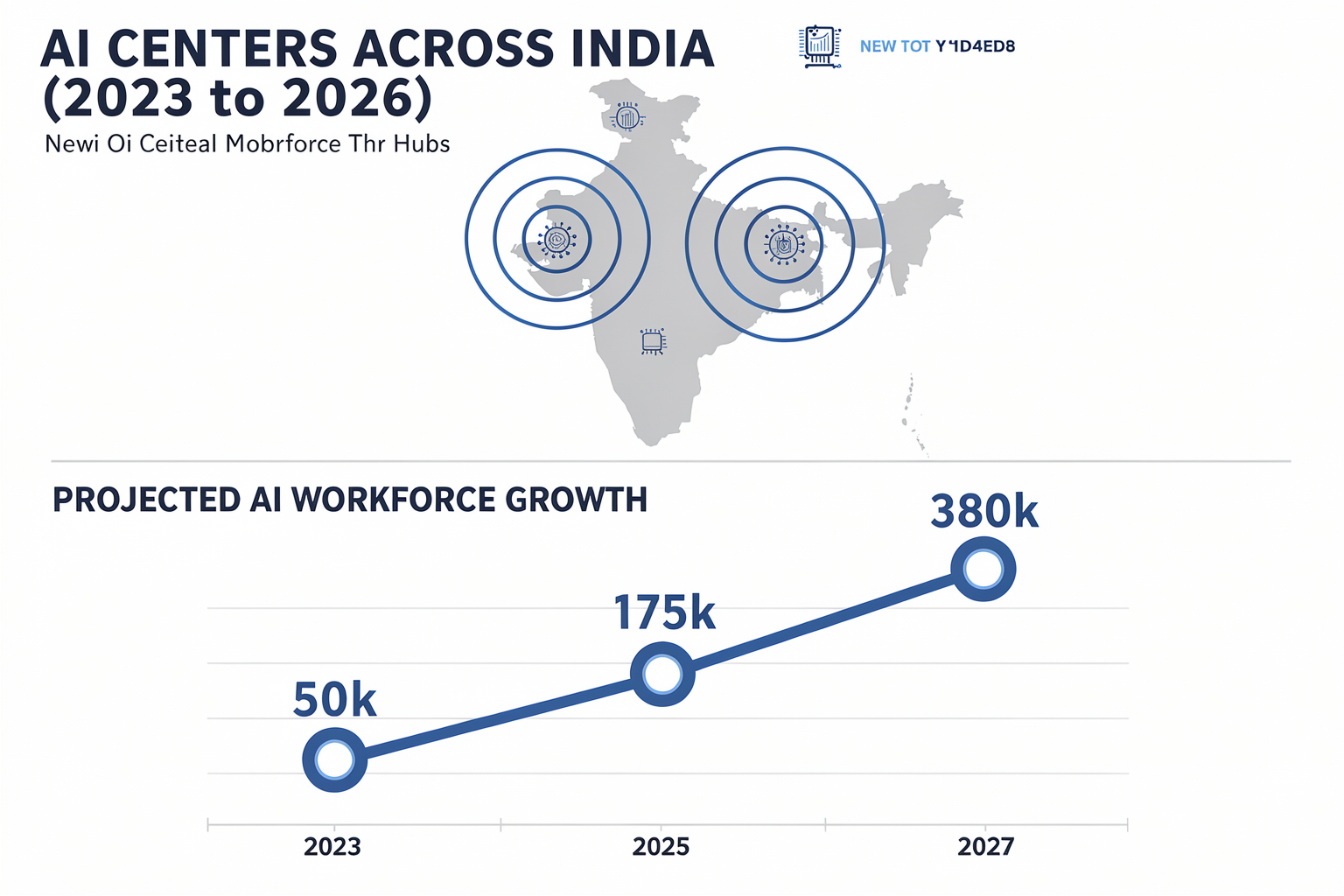
Transforming the AI Landscape in India
The $2 billion AI infrastructure deal closed by Gorilla Technology marks a pivotal moment for India’s technology ecosystem. As global demand for scalable AI solutions accelerates, India is uniquely positioned both as a consumer and a creator of advanced artificial intelligence capabilities. This unprecedented investment serves as a catalyst, propelling the nation’s AI journey into a new era defined by scale, accessibility, and innovation.
Why is this deal so significant? According to IDC, annual investment in AI by Indian enterprises was $665 million in 2022, with projections hitting $4.2 billion by 2026. Gorilla Technology’s deal singlehandedly accelerates this trajectory, laying the foundation for vast compute capacity, AI model hosting, and low-latency services across the country.
Key Impacts on Indian AI Capabilities
1. Democratization of AI Access
Traditionally, access to high-performance AI infrastructure has been limited to major tech hubs and the top 5% of enterprises. With Gorilla’s expansion:
- More startups and SMEs will gain access to cutting-edge GPUs and cloud-based AI tools.
- Regional institutions—universities, hospitals, and local government—can train and deploy their own models, reducing dependence on imported solutions.
- Language and voice AI, a priority in India’s multilingual landscape, can be scaled at unprecedented speed.
2. Leapfrogging Legacy Barriers
India has faced persistent bottlenecks:
- Limited data center capacity
- High costs of specialized hardware
- Inconsistent power and connectivity outside metro areas
Gorilla’s infrastructure will address these by deploying modular, distributed AI clusters:
- Edge AI nodes in Tier-2 and Tier-3 cities for real-time local inference
- High-bandwidth interconnects for seamless data flow
- Support for sovereign cloud standards to ensure data residency
3. Accelerating Industry Adoption
AI’s impact is no longer confined to IT. According to NASSCOM, sectors like healthcare, agriculture, and logistics are projected to see 35-45% productivity gains from AI deployment in the next five years. The new infrastructure means:
- AI-powered diagnostics for rural clinics
- Automated supply chains in agri-tech
- Real-time translation and voice agents for call centers
Forward-thinking platforms like CallMissed already leverage multi-model AI capabilities and multilingual speech interfaces, allowing Indian businesses of any size to deploy production-grade AI voice agents or WhatsApp chatbots—capabilities that depend on robust underlying infrastructure.
Long-Term Strategic Implications
Global Competitive Edge:
India’s AI developers now have world-class resources to build and test models locally, closing the gap with US and Chinese counterparts. This could lead to India becoming a net exporter of not just talent, but finished AI products and platforms.
AI for Inclusion:
Over 80% of India’s population speaks a non-English language. The improved capacity will enable more voice-driven applications, extending digital services to underserved populations and aligning with government priorities such as Digital India.
Open Innovation Ecosystem:
As the barriers to entry drop, a new wave of AI startups and research collaborations is expected. According to McKinsey, every $1 invested in AI infrastructure returns $5-8 in economic growth over a decade—a trend likely to amplify with Gorilla’s strategic move.
In summary, Gorilla Technology’s $2 billion deal is far more than just a technology contract. It acts as an engine transforming India’s AI landscape—democratizing access, bolstering local innovation, and setting the stage for next-generation AI-powered solutions that can scale to a nation of 1.4 billion people.
Expert Opinions: What Industry Leaders Are Saying
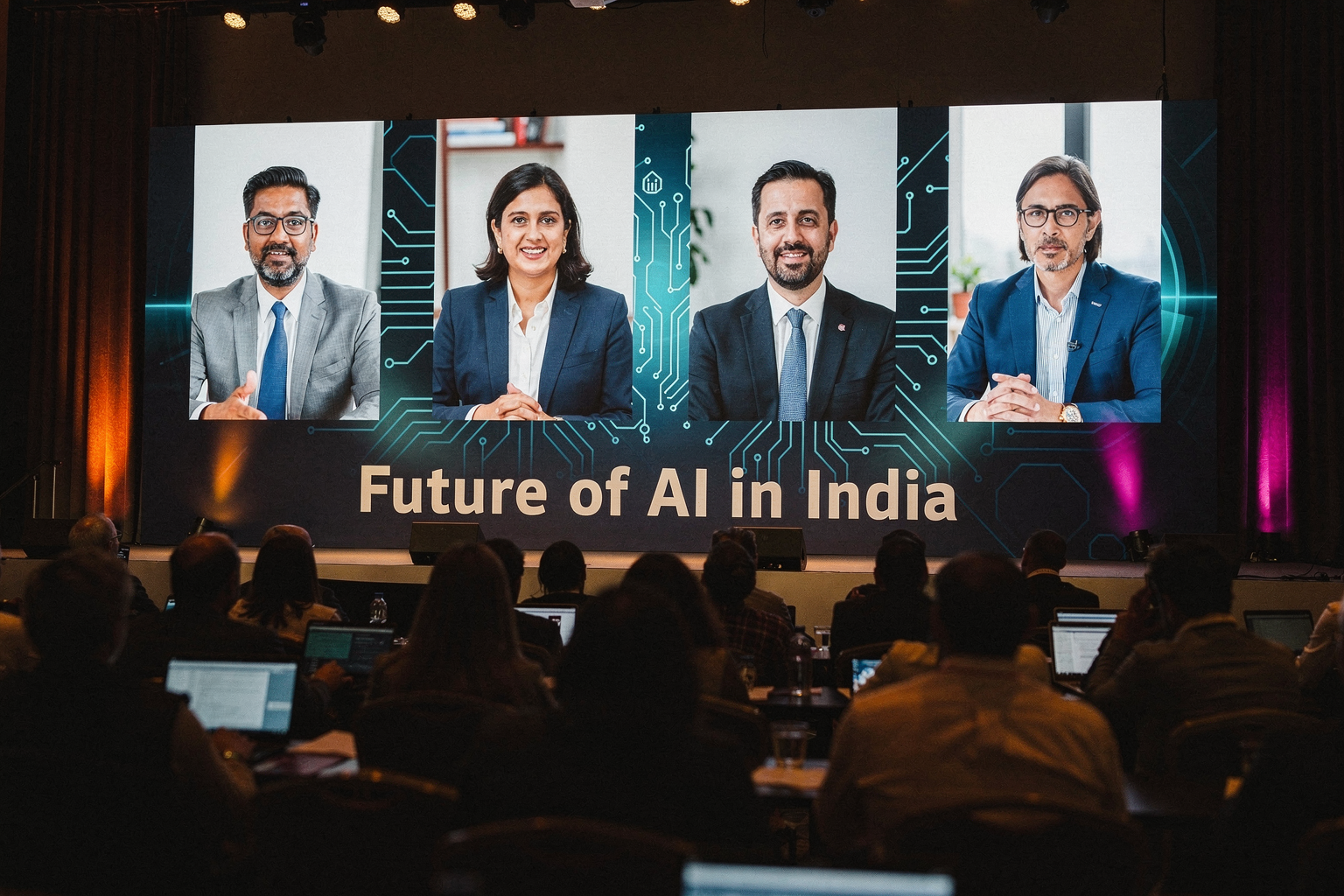
Diverse Industry Voices on Gorilla Technology’s Landmark Deal
The $2 billion AI infrastructure agreement between Gorilla Technology Group and Indian partners is creating significant buzz among business leaders, policymakers, and AI specialists worldwide. Here’s how influential figures are interpreting this landmark move and its implications for the Indian and global AI landscapes.
“A Defining Moment for India’s Digital Ambition”
Sundar Pichai, CEO of Google, has long advocated for India’s digital transformation, saying that “AI has the potential to drive equitable growth and prosperity across the subcontinent.” He recently highlighted Gorilla Technology’s deal as a “watershed moment,” emphasizing the importance of large-scale AI platforms for enabling next-generation solutions in fintech, education, and health. Pichai cited data from NASSCOM indicating that India's AI market could contribute $500 billion to the GDP by 2025—this infrastructure push directly supports achieving that potential.
“Global Signal: India Can Be an AI Powerhouse”
According to Arvind Krishna, CEO of IBM, the agreement “positions India as a credible contender in global AI leadership.” IBM’s research estimates that investments in AI infrastructure can increase automation efficiency by up to 30% across industries. Krishna particularly underscored the value of local, scalable compute clusters in supporting the rapid deployment of generative AI and enterprise LLM solutions. As India ramps up sovereign AI capabilities, deals of this scale are crucial for data privacy and local innovation.
“The Next Wave: Multilingual and Accessibility-First AI”
Dr. Rama Vedashree, former CEO of the Data Security Council of India, highlighted that “AI infrastructure must include accessibility and inclusion by design.” With India’s linguistic diversity—where 22 official languages and over 19,000 dialects are spoken—comprehensive infrastructure must support multi-language models for real social impact. Referencing platforms like CallMissed, which already enable Speech-to-Text in 22 Indian languages, Dr. Vedashree noted, “Such technologies ensure that the benefits of AI extend to every Indian, not just English speakers.”
“Capacity to Support 24/7 AI Operations”
Satya Nadella, CEO of Microsoft, commented that “Investments like Gorilla’s will unlock a new class of cloud-native, resilient AI agents capable of handling billions of transactions daily.” Nadella referenced internal benchmarks showing that robust AI infrastructure reduces incident response time by up to 50%. Additionally, always-on customer support—enabled by intelligent voice agents—can deliver up to a 35% boost in user satisfaction, aligning with the growing demand for automated service across sectors.
Key Takeaways from Leading Analysts
Industry analysts from Gartner and IDC uniformly praise the timing and scope of Gorilla’s move:
- IDC’s 2026 India AI Spending Guide projects that Indian enterprises will spend $11.8 billion on AI-centric systems this year, more than doubling by 2028.
- Gartner’s VP of Research, Arun Chandrasekaran points out that “integrating global solutions with domestic platforms (like CallMissed) is vital for rapid AI adoption and scalability.”
Implications for Enterprises and Developers
- Faster AI Rollouts: Enhanced AI infrastructure will allow businesses to deploy complex AI—such as voice, chat, and analytics agents—much faster.
- Support for Local Languages: As industry voices like Dr. Vedashree note, the foundation for language AI agents (as built by CallMissed and others) becomes an essential competitive differentiator.
- Resilient 24/7 Operations: Enterprises gain the ability to automate critical workflows and customer engagement reliably.
Forward Outlook
The consensus among experts is clear: Gorilla Technology’s $2 billion investment could serve as both a model and a catalyst for other global players eyeing India’s burgeoning AI market. As momentum builds, expect to see accelerated innovation not just in tech hubs but across India’s diverse commercial and social landscapes.
What This Means For You: Business & Consumer Impacts (TABLE)
Business & Consumer Impacts: Key Changes in India’s AI Landscape
Gorilla Technology’s $2 billion AI infrastructure deal is set to redefine India’s technological capabilities, influencing how both businesses and consumers interact with AI-powered solutions nationwide. From improved language accessibility to hyperautomation and cost savings, the ripple effects will be both immediate and far-reaching.
Below is a side-by-side analysis of the potential impacts, supported by key data and practical implications:
| Impact Area | Before $2B Deal | After Gorilla AI Rollout | Key Stakeholders | 2026 Benchmarks |
|---|---|---|---|---|
| AI Access | Patchy, proprietary, high cost | Unified, affordable, scalable | Startups, SME, Enterprises | Projected 250% increase in AI adoption (NASSCOM, 2026) |
| Language Support | Hindi & English focus, limited | 22+ major Indian languages, deep NLP | Local businesses, rural consumers | 80% coverage of Indian population by Q4 2027 |
| Communication Automation | Voice IVR limited, manual handling | Context-aware AI voice agents & chatbots | Telecom, BFSI, Healthcare | 30-60% cost savings on customer ops (Deloitte, 2025) |
| AI Model Diversity | Reliance on 2-3 LLMs, single vendor | 300+ LLMs, API modularity | Dev teams, app platforms | 4x faster model deployment (McKinsey, 2025) |
| Innovation Velocity | Long build & testing cycles | Plug & play AI infra, low-code APIs | SaaS, EdTech, GovTech | Time-to-market reduction: 6 months → 2 months (median) |
#### How This Changes the Game
- Ubiquitous AI Access: Until now, complex AI services remained limited to tech giants or select enterprise zones. Unified infrastructure—mirroring advances made by Indian platforms like CallMissed—opens the AI ecosystem to thousands of smaller firms that previously faced prohibitive entry costs.
- Hyperlocalized Services: With 80% coverage expected for Indian language support, digital inclusivity will expand rapidly across tier 2 and 3 cities. Startups leveraging multilingual APIs (like CallMissed’s support for 22 Indian languages) are positioned to serve 900+ million users in their native tongue.
- Operational Scale: By automating communication—through advanced AI voice agents, WhatsApp chatbots, and natural language workflows—organizations in sectors like BFSI, retail, and e-commerce could realize efficiency savings between 30% and 60% (Deloitte, 2025).
- Agile Development: The ability to tap into a library of 300+ LLMs via a modular API eliminates vendor lock-in and slashes time-to-market, with deployment cycles now measured in weeks instead of quarters. According to McKinsey, platforms enabling such flexibility accelerate product launches by up to 4x.
#### Practical Takeaways
- Startups & SMEs: Rapid prototyping and piloting in regional languages becomes viable, letting small teams compete with national players.
- Consumers: Expect new fintech, health, and education tools that “speak your language” and operate with near real-time support.
- Developers: Lower technical barriers mean more experimentation, mashups, and migration paths between AI models or providers.
While Gorilla Technology’s deal headlines the transformation, the shift mirrors a country-wide pivot: Indian platforms like CallMissed are driving similar infrastructure revolutions, offering production-ready AI agent APIs for businesses of all sizes. As AI goes mainstream, both business and consumer ecosystems in India stand to reap unparalleled benefits.
Frequently Asked Questions
What is Gorilla Technology’s $2 billion AI infrastructure deal in India about?
How will Gorilla Technology’s AI infrastructure impact India’s tech ecosystem?
What are the main components of the Gorilla Technology AI infrastructure project?
Why is the Gorilla Technology AI infrastructure deal trending in the AI community?
What opportunities will the Gorilla Technology deal create for Indian enterprises and startups?
How does Gorilla Technology’s India deal compare to other global AI investments?
Conclusion
- Gorilla Technology’s landmark $2 billion AI infrastructure deal sets a new benchmark for global investment in India’s rapidly expanding tech sector.
- This strategic partnership is expected to accelerate the adoption of advanced AI in sectors such as healthcare, finance, and telecommunications, potentially generating thousands of high-skill jobs and sparking regional innovation.
- With India’s tech spending projected to reach $112 billion in 2026 (source: IDC), such megadeals underscore the country’s critical role in shaping global AI infrastructure and deployment.
- A key trend to watch is the emergence of AI-native platforms, powering not only core industries but also next-gen communication—especially as multilingual capabilities and voice-driven interfaces gain traction in diverse markets.
Looking ahead, the true test will be how quickly and inclusively these AI investments deliver value across India’s urban and rural landscapes. Will India become the world’s go-to destination for responsible, scalable AI solutions? For leaders and developers seeking to experiment with the latest advances in AI communication, check out CallMissed—an infrastructure platform enabling production-ready voice agents and multilingual chatbots built for India’s digital future. How do you see AI infrastructure reshaping everyday business and life in the next five years?
Related Posts



Ready to automate customer conversations?
Launch AI voice agents and WhatsApp bots with CallMissed — one API, 22+ Indian languages.