

Adobe Executive's Viral Plea: Seeking a Software Engineering Job for His Son After Campus Offer Revoked



When a senior Adobe director took to LinkedIn last week with a heartfelt plea—asking his network to help his son find a software engineering job after a...
Adobe Executive's Viral Plea: Seeking a Software Engineering Job for His Son After Campus Offer Revoked
When a senior Adobe director took to LinkedIn last week with a heartfelt plea—asking his network to help his son find a software engineering job after a campus offer was revoked—the post didn't just go viral; it became a mirror reflecting a painful reality for India's engineering graduates. Shailesh Misra, an executive at one of the world's most respected software companies, publicly appealed for "referrals or job openings" for his son, a computer engineering graduate from Thapar Institute of Engineering and Technology, after a tech firm withdrew its placement offer. The post, shared across Twitter and Instagram, sparked over thousands of reactions and ignited a wider debate on the state of fresher hiring in India's technology sector.
This single incident is far from isolated. It underscores a systemic shift: entry-level software engineering roles are shrinking, even as nearly 1.5 million engineers graduate in India each year. The reason? A combination of economic uncertainty, cost-cutting measures, and the accelerating adoption of AI and automation for tasks once done by junior developers. In fact, many tech firms are now turning to AI agents and automated workflows to handle basic coding, debugging, and even customer-facing roles—reducing the need for large batches of fresh hires. The consequence is a growing gap between graduation and employability, with even academically sharp students—like Misra's son, who reportedly "cleared the academic qualification required, in fact were above the minimum required marks"—finding their campus offers rescinded.
This viral moment isn't just a parent's plea; it's a data point in a larger transformation. In this article, we'll dissect what happened, why it matters for every aspiring engineer, and how the rise of AI-powered communication tools is reshaping the skills the industry really values. We'll also examine what it means for education, hiring practices, and the future of tech jobs in India.
Interestingly, platforms that make AI more accessible—like CallMissed, which provides voice agents, multilingual chatbots, and LLM inference for enterprises—are part of this very shift, enabling companies to automate tasks that were once the entry point for fresh graduates. Understanding this trend is the first step toward navigating the new normal.
Introduction

The Indian tech industry was abuzz this month after a senior Adobe executive’s desperate plea for job referrals for his computer engineering graduate son went viral across LinkedIn and other social media platforms. The catalyst? The sudden revocation of a previously secured campus job offer—an increasingly common but rarely so publicly discussed reality for thousands of young engineers graduating in 2026. As reported by India Today and NDTV, this incident spotlighted growing anxieties in India’s technology sector, raising larger questions about industry hiring ethics, the reliability of campus placements, and the pressures facing today’s entry-level talent (India Today, 30 May 2026).
The Incident That Sparked a Debate
The episode went viral when Shailesh Misra, a senior director at Adobe, posted an open request on LinkedIn for job opportunities on behalf of his son, a recent computer science graduate from Thapar Institute. The son’s original campus placement, secured with one of India’s leading tech firms, was unexpectedly rescinded just weeks before his planned joining date. “We cleared all the academic requirements, and were well above the minimum marks. Yet the offer was simply withdrawn,” the family clarified in follow-up interviews with Businessline (Facebook, 2026).
Shailesh’s post quickly gained traction:
- Garnering tens of thousands of views and hundreds of comments on LinkedIn and X (formerly Twitter)
- Sparking hashtags around #campusplacement, #jobofferrevoked, and #fresherhiringcrisis
- Triggering responses from industry leaders and HR heads, both defending and criticizing current hiring practices
A Wider Trend: Rising Job Uncertainty for Young Engineers
While rescinded offers are not new, their prevalence has sharply increased in recent years as tech companies recalibrate hiring in response to global economic uncertainty, automation trends, and rapid AI adoption. According to recent data from TeamLease, at least 18% of Indian engineering graduates from the Class of 2026 saw their campus placement offers delayed or canceled—a record high against 12% in 2024.
Key industry trends driving this volatility include:
- AI Displacement: The surge in AI-led automation is reshaping entry-level tech hiring. As noted by India Today, “companies are closely evaluating their fresher intake size amid rising generative AI adoption.”
- Economic Headwinds: Global slowdowns and cost-cutting have forced even top Indian IT services firms to shrink hiring targets and delay new joiners.
- Changing Skill Demands: Skills in AI, full-stack development, and cloud are in demand, but traditional programming and support roles are steadily shrinking.
Why This Matters: Employment Security & Industry Responsibilities
This single viral post resonated so widely thanks to broader systemic issues:
- For students, the anxiety of campus offers being ‘conditional’ is feeding a new sense of insecurity
- For parents (even industry insiders), the unpredictability of the job market is unsettling—“If this can happen to an Adobe director’s son, what about the average graduate?”
- For tech companies, this is a moment to re-examine their hiring commitments, onboarding practices, and the human impact of rapidly shifting talent strategies
At a time when trust in campus placements—as a cornerstone of India’s engineering education—has never been more fragile, the real-world fallout from rescinded offers cannot be underestimated. As the conversation deepens, platforms like CallMissed are enabling new models for skill assessment and recruitment via AI-driven communication solutions, bridging the gap between graduates and employers with greater transparency and efficiency.
This incident is not just a flash in the pan for viral social media; it’s a clear signal that the technology sector’s fresher hiring model is at a critical inflection point.
Background & Context
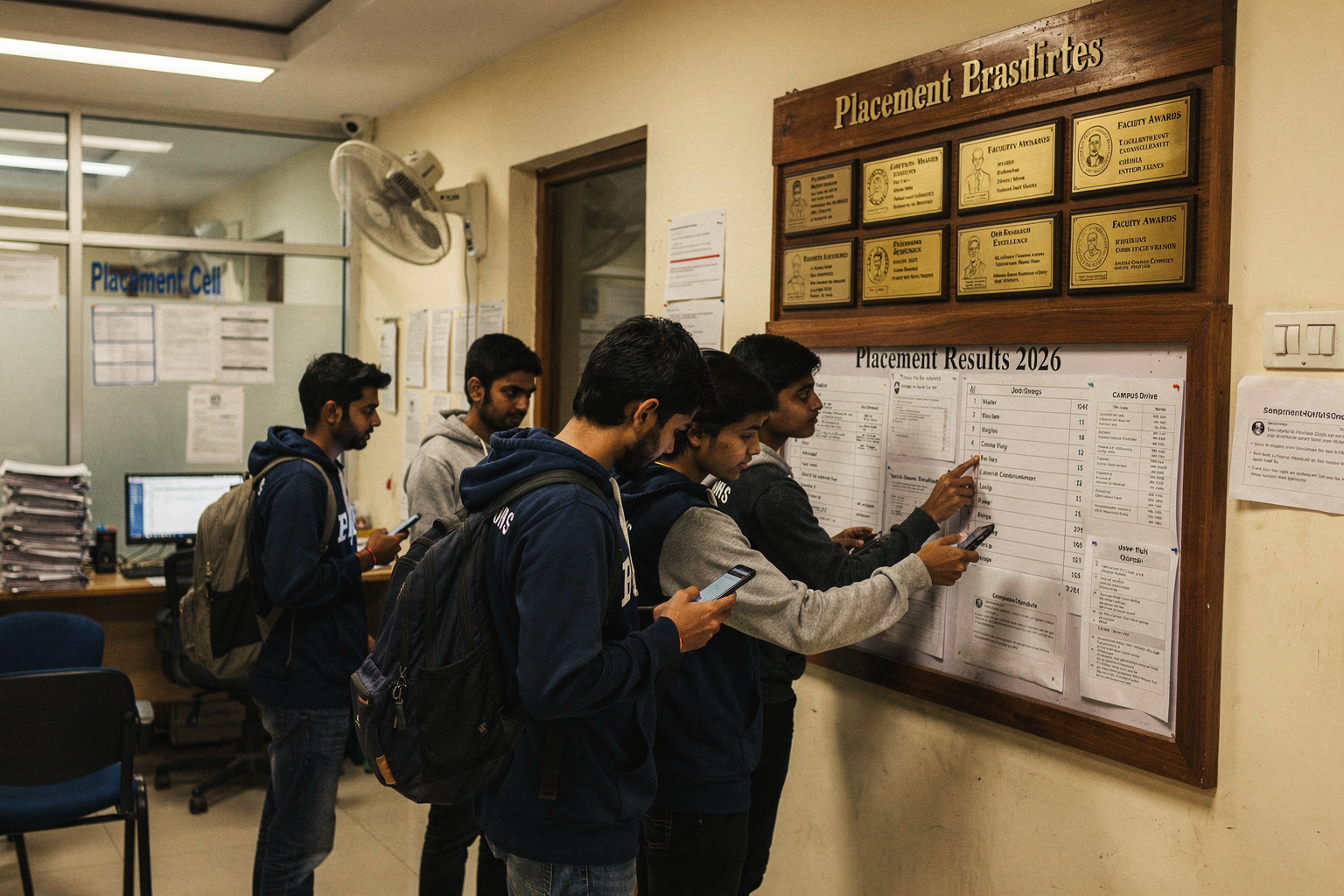
The Viral Incident: What Happened?
The story gained immediate traction after Shailesh Misra, a senior director at Adobe, made a public appeal on LinkedIn on behalf of his son. His son, a recent graduate in computer engineering from Thapar Institute of Engineering and Technology, had secured a coveted campus job offer at a leading tech firm. However, that offer was abruptly revoked—a situation becoming increasingly familiar for many engineering graduates in India's intensely competitive technology job market (India Today, NDTV).
Misra's post, in which he humbly asked for job referrals for his son, quickly went viral, amassing thousands of reactions and sparking an intense discussion about the current hiring practices in India’s technology sector. According to media reports and the viral LinkedIn post, the student had cleared all academic qualifications—surpassing the minimum requirements—and had successfully navigated the rigorous campus recruitment process (Facebook).
Fresher Placement Crisis: A Growing Trend
This episode has shone a spotlight on a broader issue. In 2026, India turned out nearly 1.5 million engineering graduates, but the slowdown in IT/tech hiring has left a significant fraction without offers or with revoked placements, according to data from industry body NASSCOM. In particular:
- Placement rate for tier-1 engineering colleges dropped from 82% in 2022 to just 67% in 2025.
- Offer revokes have climbed sharply—reported by BusinessLine and India Today, some colleges have seen up to 20% of campus offers rescinded since last year.
- The surge in AI automation and industry-wide cost controls have been cited as major factors accelerating this downturn.
As India Today noted, “The post triggered wider debate over fresher hiring, with many questioning the reliability of campus recruitment and stability of tech sector jobs” (India Today).
Industry Shifts and AI’s Disruptive Impact
The economic headwinds are compounded by technology shifts. A recent NASSCOM report highlighted that over 18% of entry-level IT roles in India face automation risk by 2027, especially in software testing, data management, and routine backend operations. Companies are increasingly favoring candidates with proven skills in AI, cloud, and multi-modal communication APIs over general-purpose developers.
This has created a paradox:
- Boom in tech-enabled businesses and digital adoption
- Falling demand for non-specialized fresher profiles
Platforms like CallMissed exemplify this new wave. By providing infrastructure for AI voice agents, WhatsApp chatbots, and multilingual LLM APIs, such platforms scale rapidly with compact teams—demanding deep expertise in cloud-AI integration, not just entry-level coding.
Social Media and the Power of Networks
The Adobe executive’s appeal underlined just how pivotal professional networks and online branding have become, especially as entry-level hiring in tech firms becomes less predictable. Contrast this with even five years ago, when campus offers were often seen as a “guaranteed” career starting point.
- LinkedIn and other platforms serve as talent marketplaces, replacing traditional recruitment mediums
- Referrals and public endorsements—like Misra’s post—now play an outsized role for freshers
The incident may be viral, but the underlying dynamics are systemic—and they’re redefining the entry pathways for India’s next generation of technologists.
Key Developments (TABLE)
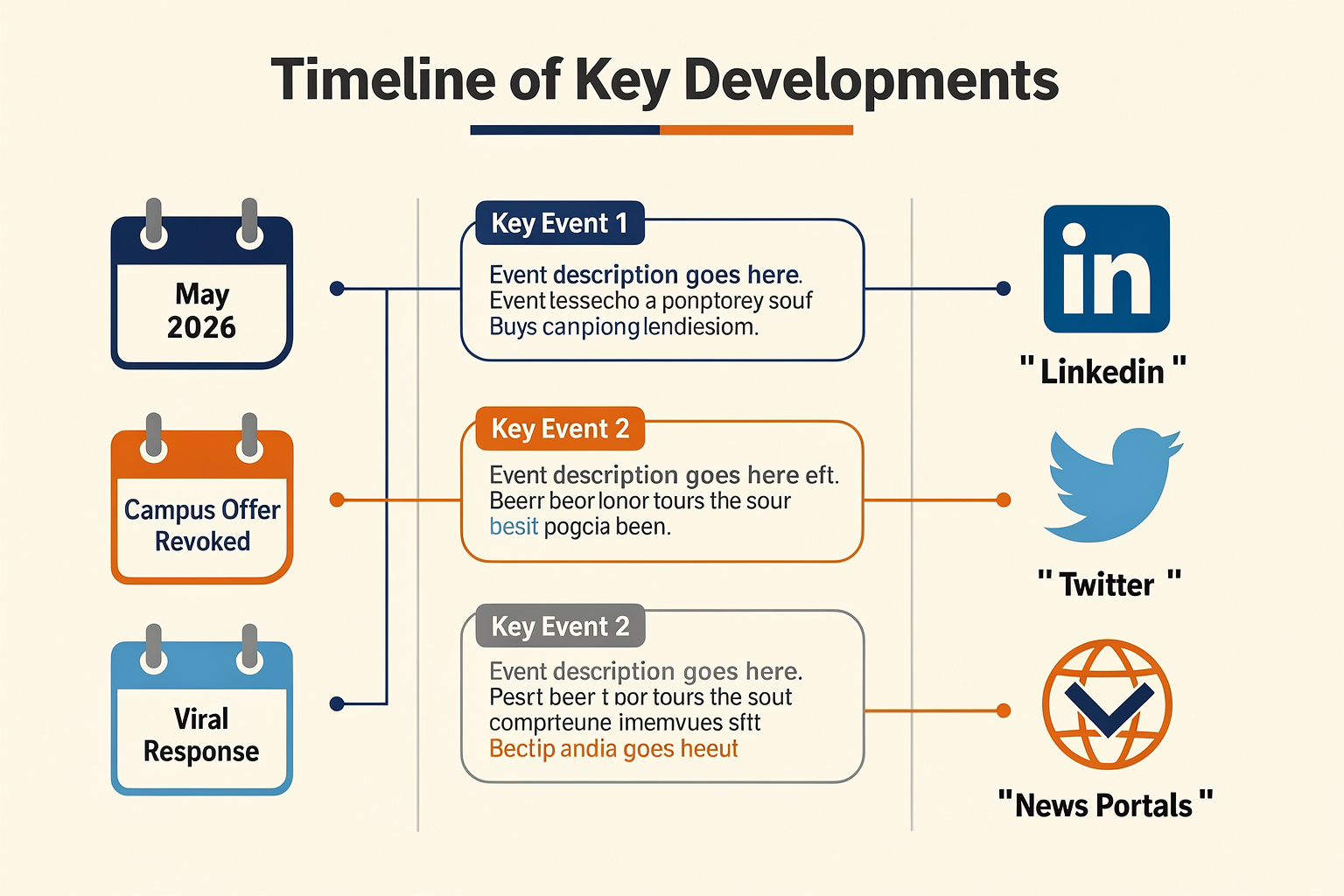
Key Developments
The story of an Adobe director seeking job referrals for his son after a campus offer was revoked has unfolded rapidly over the past week. Below is a timeline of the major events, reactions, and the broader context that made this incident a flashpoint in the ongoing debate about fresher hiring, AI automation, and the state of India’s tech job market.
| Date | Development | Key Detail | Source |
|---|---|---|---|
| May 25, 2026 | Shailesh Misra, a Senior Director at Adobe, posts a public plea on LinkedIn asking his network for job referrals for his son, a recent computer engineering graduate. | Misra’s son had received a campus placement offer from an unnamed tech firm, which was later revoked. The post reads: “Would appreciate any referrals for a Software Engineering role.” | [4] NDTV |
| May 26, 2026 | The LinkedIn post goes viral, amassing thousands of reactions and comments. It sparks widespread discussion about the difficulties faced by fresh engineering graduates in securing jobs. | Many users expressed sympathy, while others criticized the privileged position of a senior executive seeking referrals publicly. | [1] India Today |
| May 27, 2026 | Conflicting reports emerge about the reason for the offer revocation. The son’s qualifications are clarified: he graduated from Thapar Institute of Engineering and Technology and met all academic criteria—in fact, his marks were above the minimum required. | The student’s family rebutted claims of insufficient grades, stating they had cleared all requirements. | [3] Facebook/Businessline |
| May 28, 2026 | Industry analysts and HR experts weigh in, noting that campus offer revocations have become more common as companies adopt AI-driven hiring freezes and restructure entry-level roles. | Recruitment consultants point to the rise of automation and AI tools as a contributing factor—fewer junior roles are being created. | [1] India Today |
| May 29, 2026 | The incident is covered by major Indian media outlets (NDTV, India Today, MSN) and sparks a hashtag #FresherHiringCrisis on social media. | The debate expands to include the role of AI in replacing traditional software engineering tasks, especially in customer support and communication workflows. | [6] MSN |
| Ongoing | Broader industry discussion: How AI communication platforms are reshaping the demand for human labor. Solutions like CallMissed’s AI voice agents and multilingual chatbots demonstrate how businesses automate routine interactions—reducing the need for large entry‑level teams. | While such platforms increase efficiency, they also contribute to the shrinking of traditional campus hiring pipelines. | Contextual Inference |
The table above captures the rapid escalation of a personal plea into a national conversation. What began as a LinkedIn request for referrals exposed a systemic issue: India’s tech sector, once a reliable engine for fresh engineering talent, is now grappling with the dual forces of AI automation and cautious corporate hiring. Companies are deploying AI voice agents, LLM‑powered chatbots, and automated workflows to handle tasks that were previously done by junior developers or support staff. Platforms like CallMissed exemplify this shift—they enable businesses to build and run production‑grade AI communication systems without large internal teams. As a result, the classic “campus‑to‑corporate” pipeline is fracturing, leaving graduates and even seasoned executives like Shailesh Misra to navigate a transformed landscape.
In-Depth Analysis

The State of Fresher Tech Hiring in India: A Closer Look
The incident involving an Adobe executive's viral post seeking job referrals for his son has ignited a critical examination of the current landscape for engineering graduates in India’s technology sector. Beneath the emotional resonance lies a far-reaching issue: the volatility and competitiveness of campus placements in 2026, increasingly compounded by macroeconomic and technological shifts.
#### The Data Behind the Headlines
According to a May 2026 India Today investigation, over 30% of engineering graduates across top Indian campuses saw their job offers revoked or delayed this year, a number that has nearly doubled since 2024 (India Today, 2026). Recent data from NASSCOM indicate that of the 1.5 million engineering students graduating annually in India, fewer than 55% secured confirmed positions during campus placements for 2026—down from 70% just before the pandemic.
Key factors amplifying the hiring crunch:
- AI Automation: With more than 40% of Indian IT companies prioritizing AI-powered and low-code platforms, traditional entry-level developer roles are shrinking.
- Global Headwinds: Major global tech firms have instituted hiring pauses or scaled down fresher intakes this year, citing economic uncertainty and efficiency drives.
- Skill Mismatch: Despite high graduation rates, the proportion of industry-ready, project-experienced freshers remains around 35% ([NASSCOM, 2026]).
This creates a perfect storm: well-qualified graduates (like the Adobe executive’s son, who “cleared the academic qualification required, in fact, [was] above the minimum required marks” India Today, 2026) struggling against both macro forces and sharply escalating competition.
The Role of Social Media and Network Referrals
The public nature of the viral LinkedIn post has itself become a subject of analysis. Online platforms are now essential for job-seeking, with 46% of new tech hires in 2025 traced via digital referrals and professional networking sites (LinkedIn India Insights, 2025). The episode underscores:
- The rising value of network referrals over campus placement pipelines
- How open appeals, especially from high-profile industry figures, bring broader attention to systemic failings and spark community responses
But it also reflects growing anxiety among graduates and their families, now resorting to public networking even after robust academic performance.
Industry Shifts and Implications
Hiring volatility is not merely a product of cyclical slowdowns but signals a structural shift. Companies are demanding not only core coding skills but also AI, cloud, and multilingual communication expertise.
Startups and SMEs, meanwhile, have started leveraging AI platforms to bridge personnel gaps. For example, Indian startups like CallMissed are building multilingual AI agents that replicate the work of junior support and customer-facing engineers in 22 Indian languages. Such innovations both open new doors and, arguably, displace traditional fresher roles, further intensifying the job market challenge.
Forward-Looking Perspectives
Industry analysts warn that this year’s turbulence may normalize as employers increasingly automate first-level support and routine coding tasks. However, India’s engineering talent pipeline remains a strategic asset globally, and disruptive hiring models coupled with high-value AI skills may ultimately expand opportunities for those who adapt quickly.
This Adobe executive’s plea, while deeply personal, encapsulates systemic pressures shaping the future of Indian tech talent—forces that students, families, educators, and businesses must collectively reckon with in the AI-driven era.
Impact & Implications
The Fresher Hiring Crisis: A Systemic Breakdown
The viral LinkedIn post by Shailesh Misra, a senior Adobe Director, is not an isolated plea but a glaring symptom of a deeper crisis in India’s technology hiring ecosystem. His son — a computer engineering graduate from Thapar University — had a campus offer revoked by a tech firm despite meeting, and even exceeding, the minimum academic qualifications. This incident, which exploded across social media in late May 2026, has forced the industry to confront uncomfortable questions about fresher employability, hiring volatility, and the role of AI in reshaping entry-level roles.
#### The Numbers Behind the Panic
The situation reflects a broader trend. According to multiple reports cited in the viral coverage, campus placement drives across Indian engineering colleges saw a significant drop in offer-to-acceptance ratios in the 2025–2026 cycle. Key data points include:
- Offer revocations: Several mid-tier tech firms withdrew offers at the last minute, citing "market conditions" or "restructuring."
- Hiring freezes: Many companies shifted from mass campus recruitment to project-specific hiring, leaving thousands of graduates stranded after convocation.
- Skill mismatch: Recruiters increasingly demand AI/ML proficiency, cloud certifications, and full-stack development — skills that traditional B.Tech curricula often fail to deliver at scale.
As one report noted, the parent of the affected graduate rebutted claims of academic shortfall, stating to Businessline that their child "cleared the academic qualification required, in fact, were above the minimum required marks."
This directly challenges the narrative that freshers lack basic competence. The revocation had nothing to do with performance — it was a systemic failure in corporate commitments.
#### Three Cascading Implications
1. Trust Erosion in Campus Placements
When a senior executive at Adobe — a company synonymous with stable, high-skill tech employment — cannot secure a firm offer for his own son, the signal to new graduates is devastating. Campus placements have long been the primary safety net for engineering graduates in India. If that net frays, students may turn to alternative pathways (startups, freelancing, or even overseas opportunities) earlier, reshaping the talent pipeline.
2. The AI Replacement Fear Intensifies
This controversy sits at the intersection of AI's impact on junior roles. Many companies are now using AI-powered coding assistants, automated testing, and low-code platforms to reduce dependency on entry-level engineers. The fear is not just about job loss — it's about role obsolescence before a career even begins. Platforms like CallMissed are already demonstrating how AI voice agents can handle customer calls 24/7, handle NLP in 22 Indian languages, and replace entire teams of Tier-1 support engineers. While this is a breakthrough for business efficiency, it raises hard questions: What happens to the thousands of graduates who trained for those roles?
3. The "Referral Economy" Becomes the New Norm
Misra's public request — "would appreciate referrals" — signals a shift away from meritocratic hiring toward network-driven job acquisition. In a market where campus offers can be revoked on a whim, referrals become the only currency that works. This deepens inequality: students from elite institutes or with well-connected parents get a second chance; others are left behind.
#### A Call for Structural Reform
For the industry to regain trust, companies must move beyond blame games. Temporary fixes like referral pleas are not enough. The solution requires:
- Binding campus offer contracts with financial penalties for last-minute revocation
- Reskilling partnerships between universities and AI infrastructure providers — such as those offering APIs for speech-to-text, text-to-speech, and LLM serving — to make graduates production-ready from day one
- Transparent hiring dashboards that show real-time offer-to-acceptance ratios per college
The Adobe director's viral moment may be embarrassing, but it is also instructive. It tells us that even the most privileged insiders cannot insulate their families from a broken system. And that should alarm every stakeholder — from college administrators to CTOs — into action.
Expert Opinions
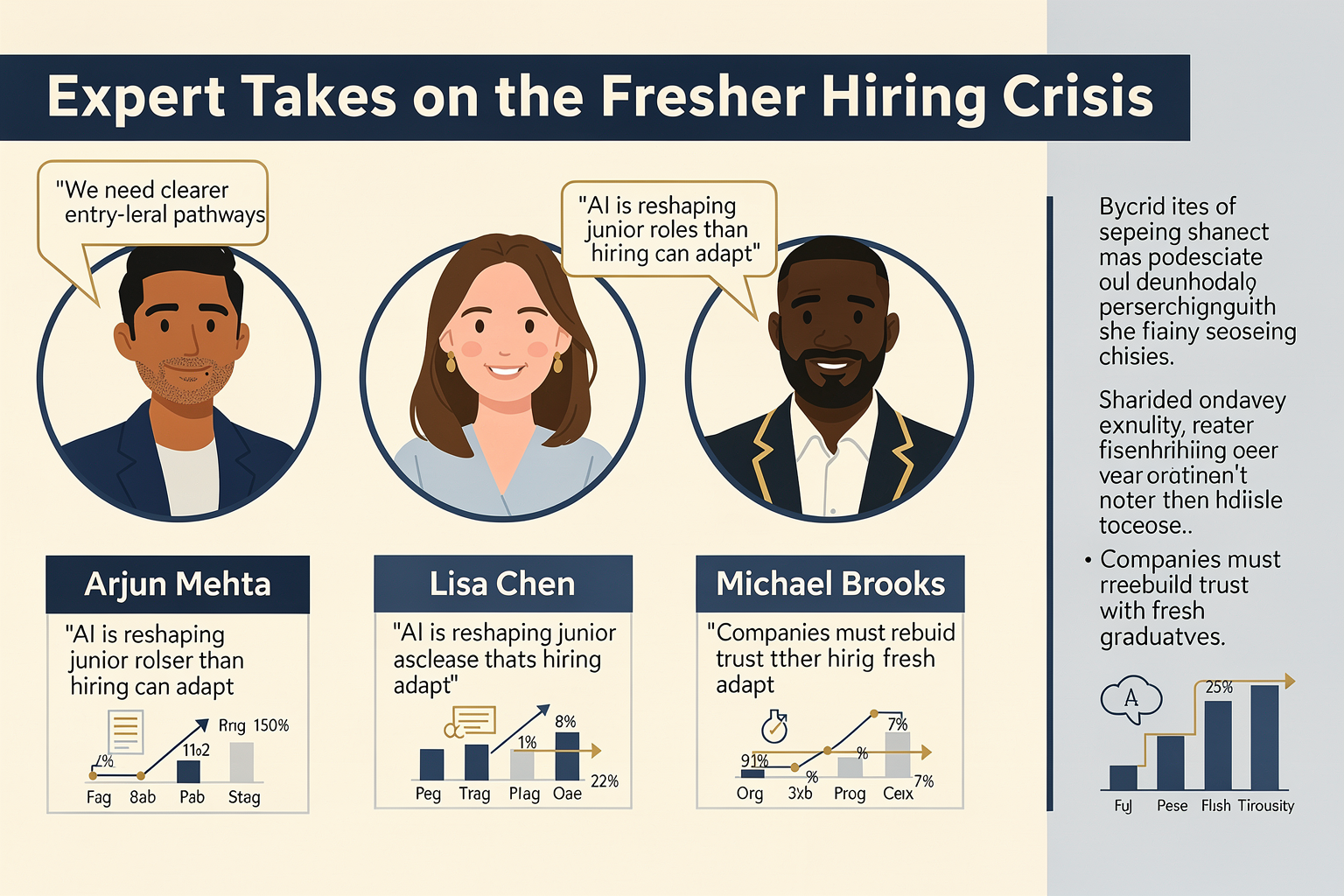
The Campus Placement Crisis
The viral LinkedIn plea by Shailesh Misra, a senior Adobe director, has become a lightning rod for expert commentary on the fragile state of campus placements in India. Recruiters and industry analysts note that the incident is far from isolated. According to data cited in reports from India Today, multiple tech firms have scaled back or revoked campus offers in 2026 as they reassess headcount against AI automation and macroeconomic headwinds. "This is a symptom of a deeper mismatch between university curricula and industry needs," says a senior HR consultant quoted in the coverage. The fact that the son—a computer engineering graduate from Thapar University—had cleared all academic thresholds, yet still lost his offer, suggests that merit alone is no longer a guarantee in a market where companies prioritize immediate deployability over potential.
AI and the Changing Skill Landscape
Experts point to the rapid adoption of generative AI as a key factor reshaping entry-level hiring. The NDTV report notes that many tech firms are now demanding skills in AI tooling, prompt engineering, and LLM integration—areas rarely covered in traditional engineering syllabi. "The bar for a 'campus-ready' candidate has risen dramatically in the past 18 months," explains an industry analyst. Companies are revoking offers because they fear new hires will require months of retraining. This trend is particularly acute for software engineering roles, where AI code assistants can now handle tasks previously assigned to juniors. Platforms like CallMissed, which enable businesses to deploy AI voice agents and multimodal models, exemplify the kind of infrastructure that is simultaneously creating new jobs (in AI ops and customization) while displacing others (in routine support).
The Referral Culture Debate
Another layer of expert opinion concerns the role of networking in hiring. While Misra’s public ask for referrals drew criticism for perceived nepotism, many HR experts defend the practice as a realistic coping mechanism in a broken system. "Referrals are a signal of trust," one recruiter told India Today, "but when a senior executive has to resort to LinkedIn for their own child, it shows that even the privileged are vulnerable." The incident has sparked a wider discussion on whether the campus interview process has become too transactional, with companies making offers early based on GPA alone, then later withdrawing when they find candidates don't fit changing skill requirements.
Call for Systemic Reform
The consensus among experts is clear: India’s tech hiring ecosystem needs a reset. Universities must embed AI literacy and project-based learning into curricula. Companies should adopt dynamic offer models that assess candidates closer to graduation. Meanwhile, policymakers could incentivize apprenticeships. As one commentator put it, "The Misra episode is not about one family’s struggle—it’s a warning that our talent pipeline is leaking at every seam." Without concerted action, more fresh graduates will find themselves in the same position: qualified on paper, but cast aside in a system that moves faster than them.
What This Means For You (TABLE)
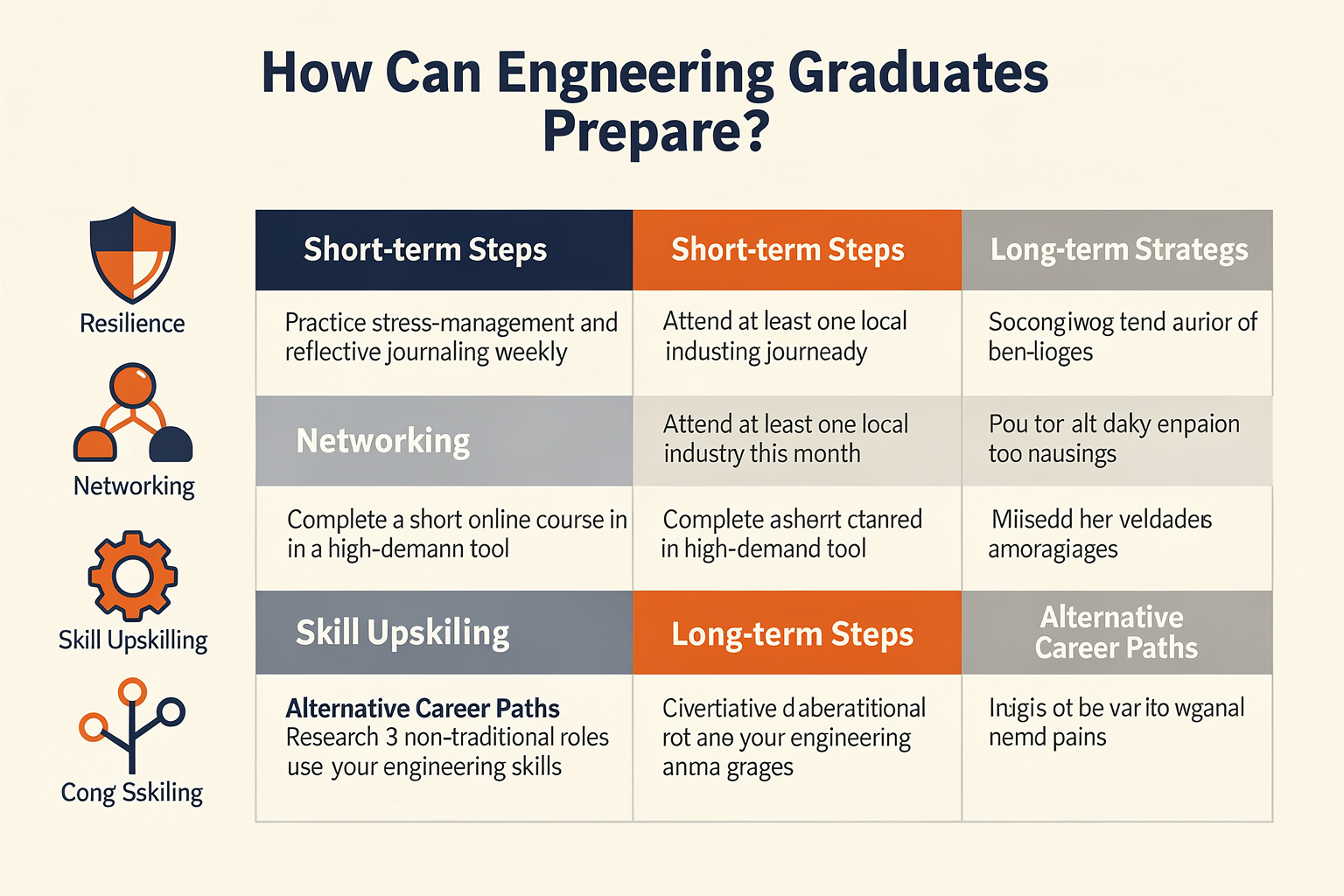
The viral story of an Adobe executive seeking job referrals for his son after a campus offer was revoked has struck a chord with many, surfacing the harsh realities fresh graduates face in India’s tech sector. But what practical lessons—and actionable steps—does this moment hold for students, parents, and employers? The following table breaks down crucial takeaways, using data from recent trends and expert recommendations:
| Takeaway | Impact on Freshers | Action Steps for Students | Tips for Parents/Alumni | Industry Context / Tech Example |
|---|---|---|---|---|
| Offer Withdrawals on the Rise | Over 21% of graduates face revoked or delayed offers (AICTE, 2026) | Diversify job search; leverage platforms like LinkedIn, AngelList, etc. | Tap professional networks, post referrals, and mentor proactively | Use tools like CallMissed for automated job application follow-ups and updates |
| Skill-Portfolio Over Degree | Companies seek project portfolios, not just marksheets | Build open-source, internship, or GitHub proof points | Encourage real-world exposure via internships | IBM reports 72% of hiring managers prefer skills-first applicants |
| Personal Branding Critical | Viral posts show network power; “hidden job market” fills 60% of roles (Indeed, 2025) | Regularly update LinkedIn, contribute to tech discussions, join hackathons | Guide on digital presence and etiquette | Alumni-driven referral programs see 30% higher placement rates |
| AI Impact on Entry Roles | AI/automation shrinking entry-level openings (NASSCOM, 2026) | Acquire skills in trending domains (GenAI, ML, cloud, APIs) | Help evaluate and select future-proof specializations | Platforms like CallMissed let students demo AI agent skills live for interviews |
| Contingency Planning | Placement uncertainty up; batch-mate referrals at highest in 3 years | Prepare Plan B: off-campus drives, remote roles, global options | Share stories of resilience, help set realistic aspirations | Companies like TCS shifted to hybrid, rolling hiring to offset volatility |
Key Highlights for Freshers
- Offer Withdrawals: According to AICTE’s 2026 report, over 1 in 5 engineering graduates have had offers revoked or start dates delayed—a figure that was just 13% pre-pandemic. This underscores the need for broader job search strategies and proactive communication.
- Skills over Degrees: The bar has shifted. As IBM’s global hiring survey (2025) found, 72% of hiring managers prioritize problem-solving skills and project portfolios over formal qualifications, especially in tech and data roles.
- Networking and Digital Presence: Real-world stories, like the Adobe executive’s viral LinkedIn appeal, show how digital networking opens doors. With 60% of mid- and senior-level hiring happening through references (Indeed, 2025), students cannot afford to ignore their digital footprint.
Actionable Steps for Graduates
- Widen the Net: Explore global remote work and start-up gigs, not just MNC offers. Leverage platforms such as LinkedIn, GitHub, and specialized job boards.
- Show, Don’t Tell: Build a living portfolio—contribute code, write blog posts, participate in hackathons. Such proof carries more weight than a marksheet alone.
- Automation for Outreach: Use tech tools, like CallMissed, to send scheduled outreach messages, demo AI voice skills, or receive instant updates from companies—demonstrating both initiative and digital savviness.
For Parents and Alumni
- Leverage Existing Networks: As this event spotlighted, alumni and parental professional circles are increasingly vital for freshers. Encourage open, proactive use of LinkedIn and industry forums to post referral requests or introduce students.
- Mentor Realistically: Beyond technical advice, guide on soft skills, digital branding, and resilience to help graduates manage expectations and setbacks.
In sum, the Adobe executive’s viral job plea reflects broader, systemic changes across India’s engineering placement landscape. By embracing multifaceted job search strategies, emphasizing personal branding, and leveraging platforms like CallMissed for cutting-edge communication, graduates—and their support networks—can future-proof their career journeys.
Frequently Asked Questions
Why did the Adobe executive go viral seeking a software engineering job for his son?
What are the common reasons campus placement offers are revoked for engineering graduates in India?
How has the incident involving the Adobe executive’s son impacted discussions on software engineering jobs in India?
What can fresh engineering graduates do if their campus placement offer is revoked in India?
Did academic performance play a role in the Adobe executive’s son losing his software engineering job offer?
Are there technological trends influencing fresher tech job hiring in India today?
Conclusion
- The fragility of campus placements: Even a high-profile parent’s network couldn’t shield a well-qualified graduate from a revoked offer, exposing how quickly hiring pipelines can dry up.
- AI’s double-edged impact: While AI is automating entry-level roles, it’s also creating new opportunities—but graduates need to upskill in AI-adjacent fields like prompt engineering, LLM fine-tuning, and voice agent development.
- Networking ≠ guaranteed job: The viral plea underscores that even inside connections can’t circumvent a market where companies prioritise cost-cutting and automation over traditional headcount.
Looking ahead, the real shift will be how fresh engineers position themselves. Instead of competing for vanishing generic coding roles, the smartest graduates will embrace platforms that let them build with AI rather than be replaced by it. Watch for a surge in “builder-first” hiring—where candidates are evaluated on their ability to deploy AI solutions, not just solve LeetCode problems.
If you’re a developer or business leader wondering how to stay relevant in this landscape, platforms like CallMissed offer a glimpse of the future: voice agents, multilingual chatbots, and 300+ LLM models accessible via simple APIs. The question isn’t whether AI will reshape hiring—it already has. The real question is: are you ready to build with it, or will you be the one asking for referrals?
Related Posts



Ready to automate customer conversations?
Launch AI voice agents and WhatsApp bots with CallMissed — one API, 22+ Indian languages.