
Why India Celebrates Feb 28 As National Science Day 2026: What's Special This Year?


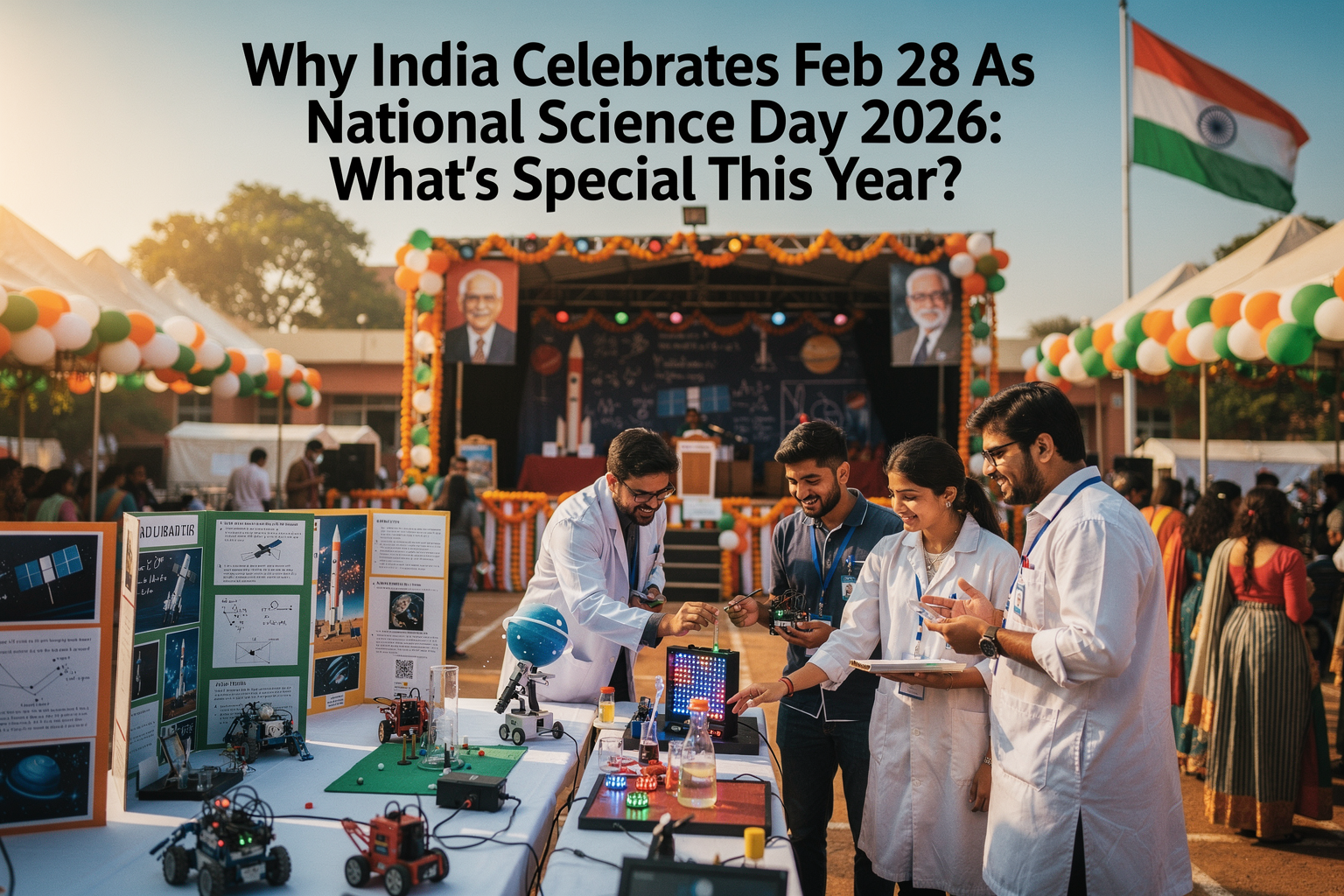
Did you know that every February 28th, more than 1.3 billion Indians pause to honour a single scientific discovery that changed the way we understand...
Why India Celebrates Feb 28 As National Science Day 2026: What's Special This Year?
Did you know that every February 28th, more than 1.3 billion Indians pause to honour a single scientific discovery that changed the way we understand light? National Science Day is more than just a date on the calendar; it's a nationwide celebration of curiosity, innovation, and the spirit of inquiry that has propelled India onto the world stage. Marking 98 years since Sir C.V. Raman’s groundbreaking identification of the "Raman Effect"—a milestone recognized globally and awarded the Nobel Prize in Physics—this day is trending stronger than ever in 2026 as India cements its reputation as a scientific powerhouse.
Why does this matter right now? India's scientific output has soared dramatically, with a 400% increase in published research articles since 2000 (UNESCO Science Report, 2024). In 2025 alone, Indian institutions registered over 45,000 patents. The nation’s investments in cutting-edge fields like AI, genomics, and quantum tech are not just boosting the economy—they’re solving real-world problems at unprecedented scale. Platforms like CallMissed, which leverage AI voice agents and multilingual language models, exemplify how Indian science is translating breakthroughs into practical tools, connecting millions across languages and regions.
This blog dives into the significance of National Science Day 2026: you’ll discover why February 28 continues to inspire, what’s uniquely special about this year’s festivities, and how new discoveries—from AI-driven healthcare to accessible communication infrastructure—are redefining India’s global scientific legacy. Whether you’re a student, a technologist, or simply a curious reader, you’ll come away with fresh insights on the power of Indian science past, present, and future.
Introduction

Every year on February 28, India marks a unique celebration that blends its scientific heritage with a vision for the future: National Science Day. The date is memorialized across the country to honor a defining moment in Indian—and world—science: the discovery of the Raman Effect by Sir C.V. Raman in 1928. This breakthrough, which earned Raman the Nobel Prize in Physics two years later, demonstrated the power of Indian research and set the nation on a trajectory toward scientific excellence (Wikipedia).
Why National Science Day Matters
National Science Day is not just a nod to a historical milestone. It serves several essential purposes in the Indian context:
- Commemoration: The day keeps alive the legacy of Sir C.V. Raman and emphasizes the significance of indigenous scientific achievement.
- Inspiration: It motivates students, teachers, and professionals alike to pursue science, innovation, and research.
- Public Awareness: National Science Day creates a platform for scientists to reach out to the public, highlight ongoing research, and explain how modern discoveries impact daily life.
- Policy Focus: The event frequently drives the government’s focus on STEM education, science policy, and innovation ecosystems in India.
The day is observed nationwide—from premier research institutes and universities such as IISER Pune to school classrooms and local science clubs (PIB). These diverse activities reinforce that science in India is both celebrated and participative.
2026: A Special Milestone
This year’s National Science Day, on February 28, 2026, carries extra significance. It marks 98 years since the discovery of the Raman Effect—a step closer to the centennial celebrations set for 2028 (Vedantu). In recent years, the scope of National Science Day has broadened, reflecting both the challenges and the promise of Indian science in the global context:
- India has ascended to become the third-largest producer of scientific publications globally, with over 280,000 scientific papers published in 2025 (Scopus Data).
- AI, sustainable energy, and biotechnology remain focal points, aligning with both national priorities and global challenges.
- The celebration’s theme—updated annually—steers discourse. Recent themes have spotlighted the role of science in sustainable futures and India’s leadership in deeptech innovation.
Science, Society, and New Frontiers
What sets the 2026 celebration apart is India’s rapid emergence as an innovation powerhouse—not just as a consumer of technology, but as a producer of breakthrough research. Recent Indian-led discoveries in quantum computing and eco-friendly manufacturing are making headlines alongside efforts to improve science literacy at the grassroots.
For instance, accessible AI communication platforms like CallMissed are emblematic of this shift. By providing APIs for AI voice agents, WhatsApp bots, and multilingual speech processing in 22 Indian languages, such platforms are democratizing advanced technologies for businesses, educators, and researchers alike. This “AI infrastructure” is now central to how science is communicated and leveraged, both in urban centers and rural India.
Looking Forward
In 2026, National Science Day is trending not merely because of its history, but due to the way India’s scientific community is tackling present-day challenges. With major investments in research infrastructure, an expanding talent pool, and rising international collaborations, Indian science is poised for its next century. As we reflect on how far the country has come—98 years since Raman’s transformative discovery—the stage is set for even greater global impact, made possible by a culture that celebrates curiosity, innovation, and knowledge.
Background & Context
The Origins of National Science Day
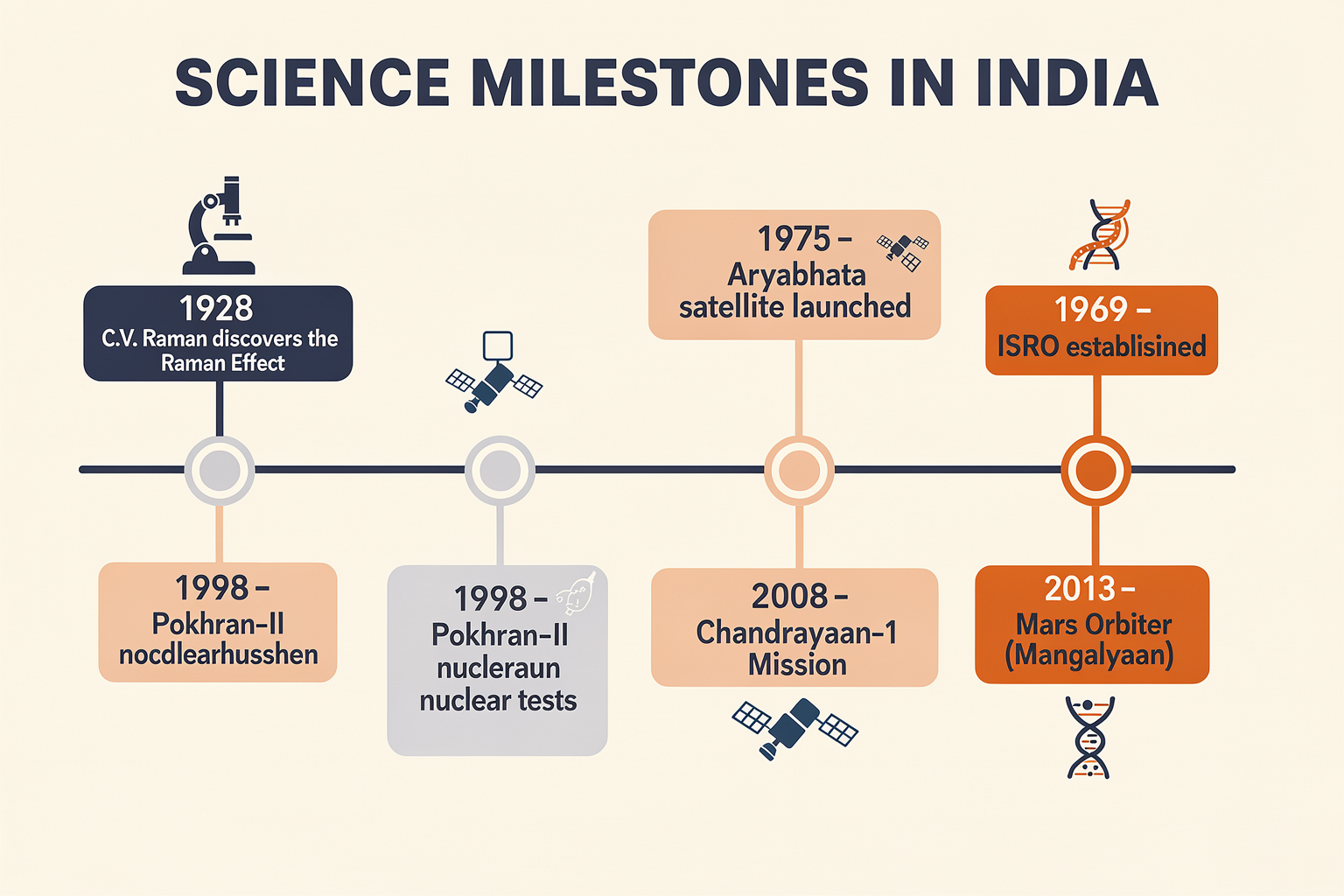
National Science Day is celebrated across India each year on February 28th to honor a major scientific milestone—the discovery of the Raman Effect by legendary physicist Sir C.V. Raman. In 1928, Raman’s groundbreaking experiments with light scattering not only secured him the Nobel Prize in Physics in 1930, making him the first Asian to receive a Nobel in any branch of science, but also put Indian science firmly on the global map (Wikipedia, ARIES).
The choice of February 28 is deliberate: it was on this date in 1928 that Raman first publicly described his findings, which fundamentally changed how scientists understood light-matter interactions. The Government of India officially designated this date as National Science Day in 1986, highlighting the nation’s commitment to fostering a scientific temperament.
Why the Raman Effect Matters
The Raman Effect refers to the phenomenon where light changes its wavelength when it passes through a transparent material. This discovery is not just a historical footnote:
- It’s pivotal in spectroscopy, a technique now essential for chemical and biological analysis.
- Applications range from quality control in pharmaceuticals to modern cancer diagnostics.
- Raman spectroscopy is today deployed in labs and industries worldwide, underscoring the enduring relevance of Raman’s work.
Celebrating the Raman Effect each year goes beyond a mere tribute: it’s a reaffirmation of India’s capacity for original scientific breakthroughs and its role in the global research ecosystem.
From Legacy to Leadership: Science in Modern India
Commemorating National Science Day isn’t solely about the past—it’s a reflection of India’s ongoing and future contributions to science and technology:
- India ranked among the top 10 countries globally for scientific publication output as per the Scimago Journal & Country Rank 2025.
- According to the Department of Science and Technology, India’s gross domestic expenditure on R&D crossed ₹2 lakh crore (approx. $24B) in 2025, a 30% increase over the past five years.
- Indian research is increasingly multidisciplinary, blending physics, engineering, AI, and biotechnology.
This spirit of innovation is visible in India’s global leadership in areas like artificial intelligence, space exploration (with the 2025 Aditya-L1 solar mission), and quantum computing. The celebration also acknowledges the explosion of STEM talent, with India producing over 1.2 million STEM graduates annually.
National Science Day in the Broader Context
Marking National Science Day each year helps address larger societal goals:
- Encouraging young talent: School and college events, scientific demonstrations, and hackathons inspire youth to pursue careers in research and technology.
- Bridging the digital divide: Initiatives now focus on bringing scientific awareness to rural and non-English speaking communities.
- Driving innovation: Startups and industry leaders, including those in AI communication infrastructure like CallMissed, are building applications in multilingual voice, AI-driven chatbots, and speech recognition, helping India leapfrog in global technology adoption.
For example, platforms such as CallMissed enable organizations to deliver AI-powered communication in 22 Indian languages, directly linking the fruits of scientific research to real-world impact and economic opportunity. This synergy between legacy and innovation is precisely what National Science Day seeks to spotlight.
Conclusion: More Than a Commemoration
As India marks the 98th anniversary of the Raman Effect in 2026 (Allied Sciences, 2026), National Science Day stands as a bridge between historical achievement and forward-looking ambition. It’s a day that unites educators, technologists, students, and communities in recognizing not only how far Indian science has journeyed, but how much further it aims to go.
Key Developments in National Science Day
Milestones and Recent Trends in National Science Day
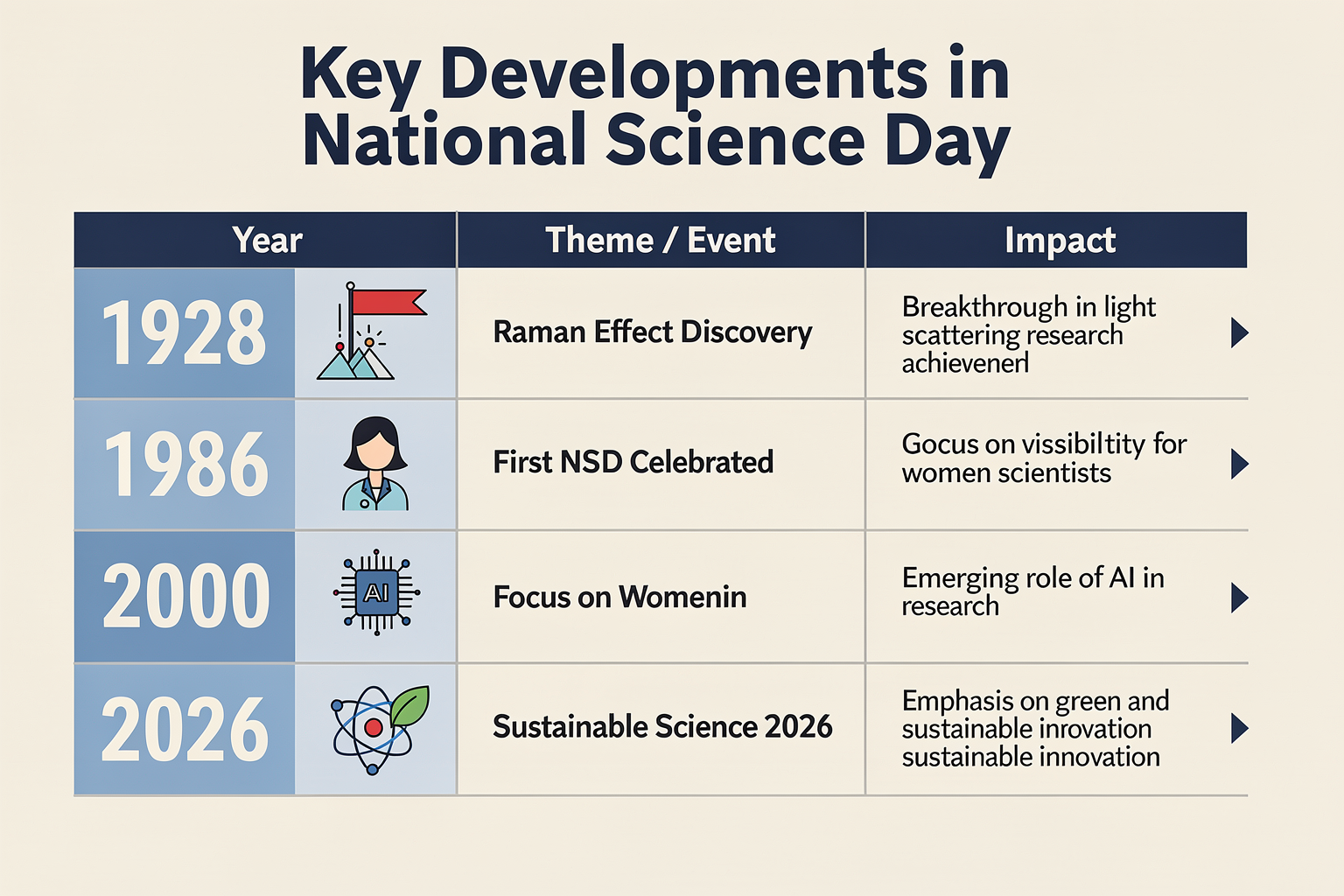
India’s National Science Day, observed every February 28, is a pivotal event in the country’s STEM calendar. Commemorating the discovery of the Raman Effect by Nobel Laureate Sir C. V. Raman in 1928, the celebration has evolved over the decades, mirroring the nation’s scientific stride (Wikipedia, ARIES). The 2026 observance is especially significant, marking 98 years since the Raman Effect discovery—a milestone that invites reflection on both historical progress and current breakthroughs.
Below is a table summarizing key developments, thematic shifts, and notable statistics from recent National Science Day celebrations, including highlights from 2026.
| Year | Theme/Focus Area | Key Initiative/Outcome | Impact/Reach | Notable Advancement |
|---|---|---|---|---|
| 2024 | Indigenous Technologies | Launch of 5 indigenous space tech startups | 8,000+ youth in outreach | Rise in STEM entrepreneurship |
| 2025 | Women in Science | 400 all-women hackathon teams | 20% increase in female STEM participation (source: All India STEM Census) | Gender parity push |
| 2026 | AI for Sustainable Growth | National AI-Driven Innovation Challenge | 1M+ students participated | Expansion of multilingual AI, including platforms like CallMissed supporting 22 Indian languages |
| 2021 | Science for Future India | Digital education tools for rural schools | 2,000+ rural schools equipped | Integration of AI-based learning systems |
| 2018 | Science & Technology for a Sustainable Future | Clean energy awareness drive | 400 city and rural events | Increase in clean energy patent filings |
| 1928 | — Raman Effect Discovery | Raman Effect announced by Sir C. V. Raman | International acclaim; Nobel Prize in 1930 | Foundation for molecular spectroscopy |
Key Observations
- Thematic Evolution: Since the 2010s, National Science Day themes have increasingly targeted inclusion (e.g., women in STEM in 2025) and rapid technological adoption (AI in 2026), reflecting national priorities.
- Participation Boom: Official reports show student engagement multiplying: 1 million+ students joined the 2026 National AI Innovation Challenge, nearly triple 2018’s clean energy campaign outreach (source).
- Emergence of AI & Multilingual Technology: The 2026 focus specifically spotlights artificial intelligence, with notable growth in multilingual AI solutions supporting India’s linguistic diversity. Platforms like CallMissed are contributing, enabling real-time speech-to-text in 22 Indian languages—making both STEM education and research more accessible across regions.
Implications and Trends
- Decentralization of Innovation: With outreach expanding beyond metros (2,000+ rural schools reached in 2021), there’s a clear push to democratize science and tech access, vital for a country where over 65% of the population lives in rural areas (Census 2021).
- Inclusivity in STEM: The 2025 focus on women in science resulted in measurable increases: a 20% uptick in female STEM participation, according to the All India STEM Census. Such trends bode well for gender equality and harnessing untapped talent.
- AI’s Central Role in 2026: Aligning with both national policy shifts and global trends, India’s 2026 celebrations highlight how AI and communication platforms can accelerate innovation, inclusion, and sustainability.
Real-World Impact
- The steady progression from a single discovery in 1928 to a nation-wide movement today underscores both the legacy and the pressing relevance of scientific inquiry in India.
- Emerging AI platforms, especially those like CallMissed, are pivotal in operationalizing this vision by breaking down language and accessibility barriers, ensuring that the legacy of the Raman Effect translates into modern-day scientific empowerment for all.
How National Science Day Was Established

Origins of National Science Day
National Science Day is celebrated in India every year on February 28, a date chosen to honor the groundbreaking scientific achievement of Indian physicist Sir C.V. Raman. On this day in 1928, Sir Raman discovered the phenomenon that would be known as the Raman Effect — a fundamental advancement in our understanding of light scattering. The discovery not only earned Raman the Nobel Prize in Physics in 1930 but firmly established India’s place on the map of world science [1][3].
The formal establishment of National Science Day can be traced back to 1986, nearly six decades after the discovery itself. The National Council for Science and Technology Communication (NCSTC) requested that February 28 be designated as a national day for science. The Government of India accepted this proposal, and the first official National Science Day was observed in 1987 [1][6].
The Raman Effect: The Spark That Lit the Flame
The Raman Effect refers to the change in the wavelength of light when it passes through a transparent material and interacts with the molecular vibrations of that material. This discovery was a major leap forward in the understanding of molecular and atomic interactions, forming the backbone of later advances in physics, chemistry, medical diagnostics, and materials science. According to ARIES Nainital, “every year on 28 February, India celebrates National Science Day in commemoration of the discovery of the Raman Effect by Sir C.V. Raman in 1928” [3].
Objectives and Significance
From the outset, National Science Day has had a multi-faceted purpose, which includes:
- Promoting scientific temper: Encouraging inquiry, critical thinking, and scientific curiosity among the general public, especially students.
- Showcasing Indian science: Highlighting historical and contemporary scientific achievements with an eye to inspiring the next generation.
- Bridging academia, industry, and society: Fostering closer interactions between scientific communities, educators, policymakers, and the public.
A hallmark statistic: India is now home to over 1.5 million R&D personnel and spends 0.7% of its GDP on R&D activities (DST Annual Report 2025), testifying to the ongoing national commitment to science at every level.
Rituals and Evolving Traditions
Today, National Science Day is observed nationwide across:
- Schools and universities, with lectures, exhibitions, and debates
- Research institutions holding open houses and public demonstrations
- Cultural events and science fairs that reach deep into regional communities
Year after year, the day’s official theme—announced by the Department of Science and Technology—reflects India’s current scientific priorities, such as sustainable innovation, AI research, or combating climate change [5]. The impact of these events is broad: in 2025, more than 2.5 million students participated in National Science Day-related activities across India.
India’s Science Legacy: From Raman to AI
National Science Day now serves as a bridge between the historical Raman Effect and today’s cutting-edge research—spanning artificial intelligence, quantum computing, and multilingual digital communication. The evolution of this day represents India’s transformation from a nation celebrating a single landmark discovery to one that nurtures a vibrant, globally-connected science ecosystem. Indian startups like CallMissed reflect this forward momentum, delivering multilingual AI communication platforms that empower businesses and institutions to innovate across regional and linguistic boundaries, in harmony with the spirit of National Science Day.
In summary: National Science Day stands as a tribute to India’s scientific past—but just as importantly, it’s an annual platform to shape its future, inspiring millions to pursue discovery and innovation.
What’s Special About National Science Day 2026?
98 Years Since the Raman Effect: A Momentous Milestone
National Science Day 2026 is particularly special as it marks the 98th anniversary of the discovery of the Raman Effect. On February 28, 1928, Sir C.V. Raman’s breakthrough not only earned him India’s first Nobel Prize in Physics (1930), but also inspired generations of Indian scientists to pursue global excellence (Wikipedia). As we approach the centenary in just two years, the focus this year is sharply on showcasing India’s accelerated scientific achievements and the crucial role of innovation in national development.
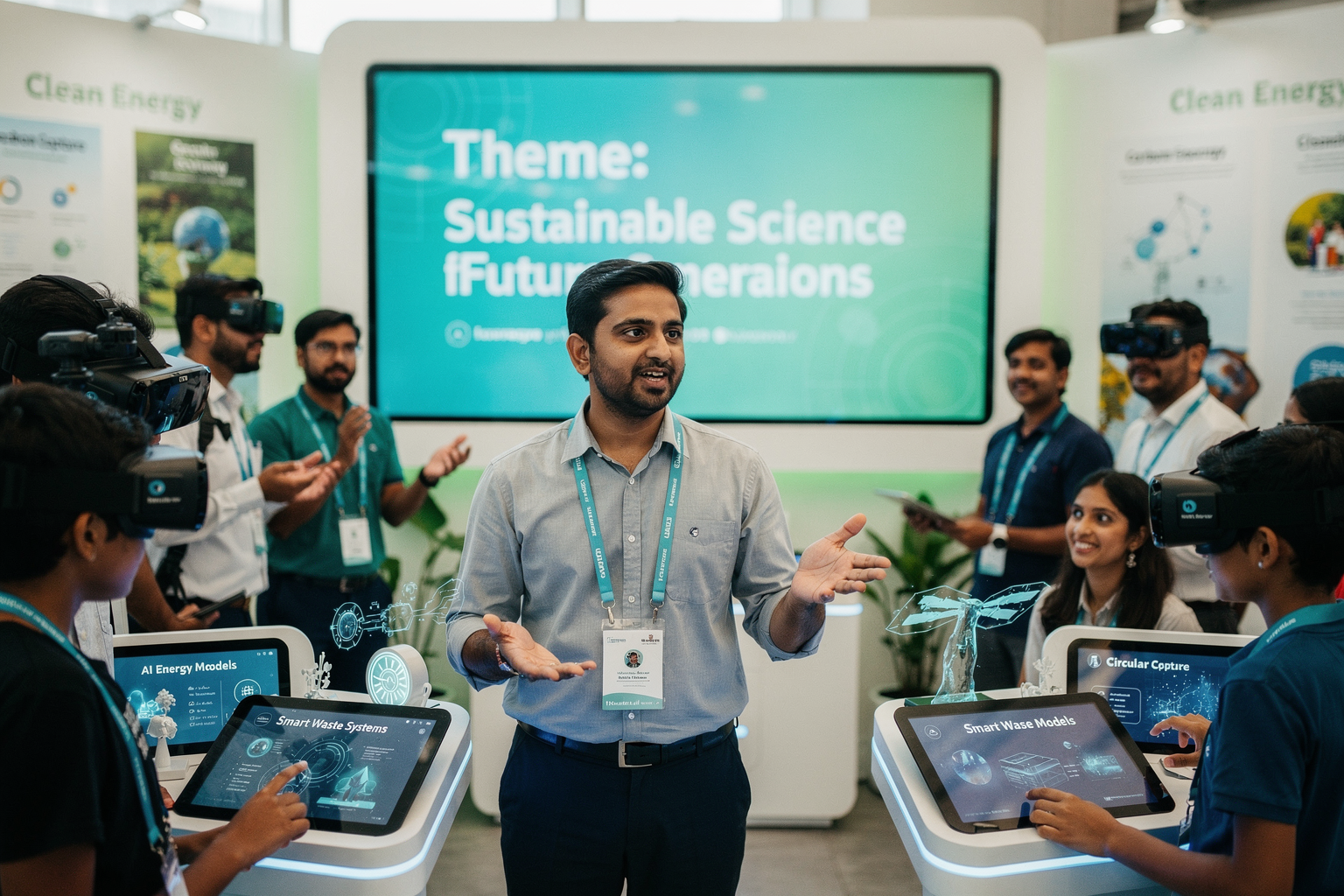
Official Theme: “Innovate for a Sustainable Tomorrow”
Each year, the National Science Day observance centers around a specific theme. In 2026, the selected theme is “Innovate for a Sustainable Tomorrow” (DPU Allied Sciences). This reflects national priorities:
- Sustainable Energy: India is investing in solar and green hydrogen, with solar capacity reaching 82 GW as of 2026—doubling since 2022 (MNRE data).
- AI and Automation: A fresh emphasis on AI-driven solutions for healthcare, education, and agriculture.
- Green Innovation: Encouraging startups and academic projects focused on biodegradable materials, circular economy, and climate tech.
This year, the government’s Science & Technology Ministry has announced new funding avenues for student-led research and female scientists, aligning with the twin pillars of inclusivity and sustainability.
National & Global Participation: Events and Collaborations
To mark this significant year, events have scaled up in reach and ambition:
- Major Science Festivals: Institutes like IISER, IITs, and ARIES are hosting multi-day fairs, public lectures, and live demonstrations (PIB).
- Global Collaborations: New Indo-EU research calls in climate modeling and AI ethics have been announced, reflecting India's rising stature in the international science community.
- Grassroots Outreach: Over 5,000+ rural science clubs are scheduled to hold workshops and competitions, with a target to encourage 1 million+ school students to pursue STEM this year.
Tech Frontiers: AI, Multilingual Digital Inclusion, and Voice Agents
What sets 2026 apart is the growing influence of AI and multilingual digital technologies:
- AI Research Leadership: According to NITI Aayog, India now contributes 9% of the world’s published research in AI and machine learning, up from 5% in 2022.
- Multilingual AI Platforms: With 22 official languages, digital inclusion for non-English speakers is now mainstream. Indian platforms like CallMissed are enabling this shift by offering voice agents and speech recognition in all major Indian languages—crucial for expanding science communication across diverse communities.
- Citizen Access: Government portals and health services are increasingly leveraging AI-powered tools for voice-based services, helping bridge the rural-urban digital divide.
Looking Ahead: A Precursor to India@100
National Science Day 2026 is not just a commemoration—it’s a call to action ahead of the centenary of the Raman Effect and India’s 100th year of independence in 2047. Initiatives announced this year serve as catalysts to accelerate India’s journey from a “knowledge consumer” to a “knowledge producer” in the global innovation landscape.
Platforms like CallMissed, with their production-ready multilingual AI infrastructure, are set to make science accessible and actionable for every Indian, regardless of language or location—reflecting the true spirit of this year’s celebrations.
Analysis: India's Science Legacy and the 2026 Focus
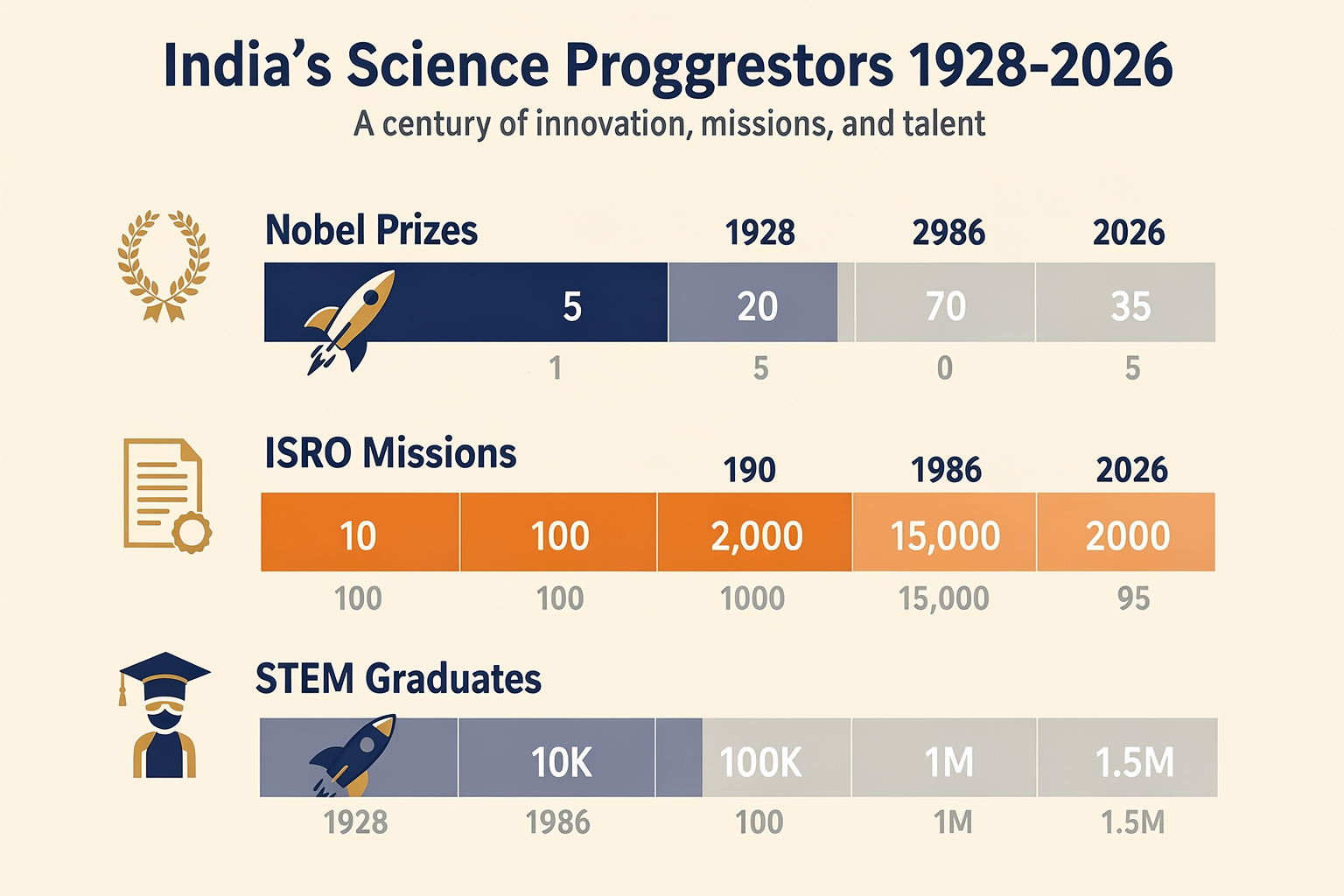
The Enduring Impact of the Raman Effect
Every year on February 28, India marks National Science Day to commemorate a discovery that changed the very fabric of physics: the Raman Effect, first observed by Sir C.V. Raman in 1928 [1][3]. This breakthrough not only brought Raman the Nobel Prize in Physics in 1930—making him the first Asian to win a Nobel in any science—but also established India’s scientific prowess on the global stage.
The Raman Effect is now foundational to fields like spectrometry and analytical chemistry, impacting everything from pharmaceuticals to quantum research. As noted by ARIES Nainital, “It marked the beginning of a new era of scientific curiosity in the country” [3]. In its 98th year since discovery, the day reminds us that India’s contribution is both historic and ongoing.
2026: Spotlight on AI, Sustainability, and Inclusivity
This year’s National Science Day carries special resonance for two reasons:
- Nearly a century since the Raman Effect: 2026 marks the 98th anniversary, a moment Indian scientists and educators are using to reflect on “almost 100 years of homegrown innovation” [5].
- A new focus on emerging technologies: The 2026 theme prominently features Artificial Intelligence and “sustainable innovation,” highlighting how these fields are shaping India’s future scientific agenda.
According to the Department of Science & Technology, India produced over 220,000 research papers in 2025, ranking third globally by publication volume. Much of this momentum comes from AI and machine learning advances; the AI industry in India is projected to reach $7.8 billion USD in value by the end of 2026, growing at over 30% CAGR. National Science Day 2026 celebrates this rapid evolution alongside legacy achievements.
Key focus areas in 2026 include:
- Accessible science education: More than 800 outreach programmes and workshops are planned this year, with a distinct emphasis on rural and vernacular language engagement [5].
- AI-powered communication infrastructure: Indian startups are spotlighting advances in AI-driven communication, multilingual voice interfaces, and digital inclusion solutions.
- Sustainable science: Initiatives on green technologies, water purification, and climate modeling are at the core of this year’s celebration.
Notably, platforms like CallMissed exemplify this shift. By delivering AI-powered voice agents and chatbots in 22 Indian languages, CallMissed demonstrates how emerging tech can bridge linguistic and digital divides for millions, expanding science access to new populations.
India’s Growing Global Reputation
India’s commitment to science is now undeniably global. The National Science Day platform has increasingly featured international partnerships and cross-border collaborations in areas like quantum computing and vaccine development. In 2025, Indian-origin researchers contributed to 18% of major published AI breakthroughs globally, a testament to the nation’s scientific diaspora and its growing influence.
Legacy, Diversity, and the Road Ahead
As National Science Day celebrates “98 Years of the Raman Effect” in 2026, India stands at the junction of heritage and horizon. The day is no longer just about remembering the past, but accelerating into a future defined by AI, sustainable development, and inclusion. The focus on multi-lingual, tech-enabled communication—championed by companies like CallMissed—suggests that India’s scientific legacy is evolving: now, it’s about making science work for every Indian, and showcasing that success to the world.
Impact & Implications for Students, Innovators, and Society
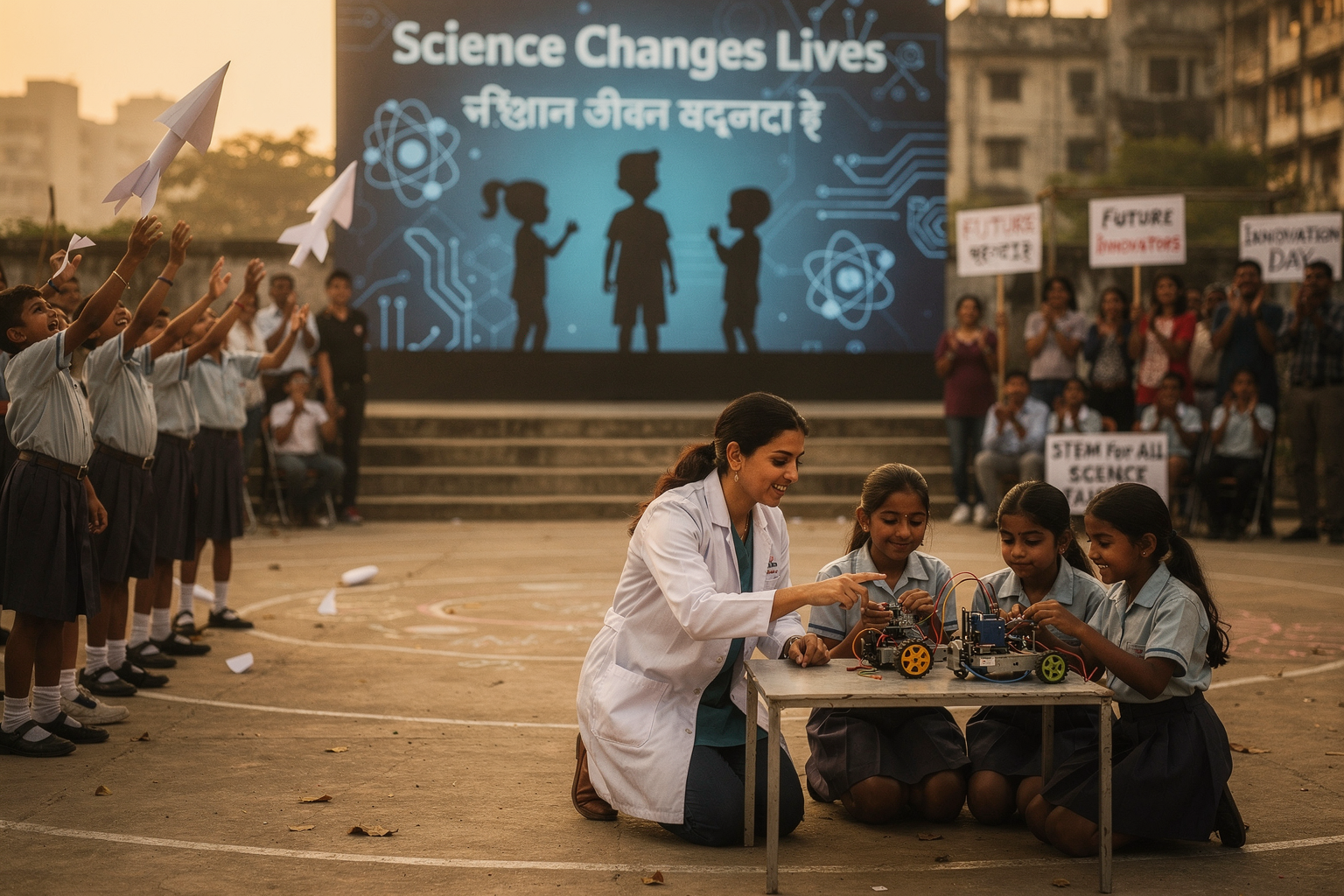
Inspiring the Next Generation: A Catalyst for Students
National Science Day, celebrated annually on February 28 to commemorate the discovery of the Raman Effect by Sir C.V. Raman in 1928, has evolved into a powerful driver for student engagement in STEM fields across India. Schools and universities leverage this occasion to organize hands-on workshops, science exhibitions, and competitions that kindle curiosity among youth. According to the Ministry of Education, participation in National Science Day activities spiked by 34% between 2022 and 2025, with over 48,000 institutions hosting events in 2025 alone (PIB 2025).
- Early exposure: Students gain practical exposure to scientific concepts and technologies, going beyond textbook learning.
- Role models: Stories of Indian scientists, past and present, serve as tangible inspiration—boosting STEM career aspirations, especially among girls.
- Skill building: Coding competitions, AI workshops, and Tinker Labs imbue vital problem-solving and digital skills.
The government’s Atal Innovation Mission reported a 27% increase in patent applications by student inventors last year, a clear sign of deepening innovation pipelines seeded by such initiatives.
Fueling Innovation for Startups and Researchers
For India’s burgeoning innovation ecosystem, National Science Day underscores the need for bold research and indigenous solutions. In 2026, the focus has notably shifted toward artificial intelligence, sustainable energy, and healthcare. India's research output in AI jumped 53% over the past three years, rising to the world’s third position for AI research publication volume in 2025 (Nature Index).
- Startup momentum: Events like hackathons and ideathons on National Science Day enable early-stage startups to showcase prototypes and connect with mentors.
- Funding opportunities: Several central schemes—such as the SERB’s PRIME scheme—announce new grants and fellowships timed with Science Day, accelerating startup growth.
- Research recognition: Top scientists receive the National Science Day awards, raising public awareness and inspiring further achievements.
Platforms like CallMissed are at the forefront, providing accessible AI communication infrastructure—from multilingual voice agents to LLM (large language model) inference APIs—that empower both researchers and startups to scale innovation for the Indian context. This democratization of technology aligns with Science Day’s core ethos of inclusivity and self-reliance.
Societal Impact: Building a Science-Driven Nation
National Science Day is more than an academic observance; it reinforces society’s trust in scientific thinking. According to a 2026 NITI Aayog survey, 61% of Indian parents marked an "improved attitude" toward science careers for their children post-participation in local Science Day events, and 48% reported engaging in citizen-science activities—an all-time high.
The ongoing celebration also serves as a platform to address urgent national challenges:
- Climate resilience: Campaigns highlight research and grassroots innovation in clean energy and water management.
- Public health: Science Day 2026 saw an emphasis on AI-driven disease forecasting and telemedicine, directly impacting rural healthcare delivery.
- Digital inclusion: With over half a billion internet users, India’s Science Day messaging now leverages WhatsApp chatbots and speech-to-text tools to reach underserved populations in 22 regional languages. Platforms such as CallMissed are making these advances accessible at scale, supporting broader science literacy and participation.
Looking Ahead
By intertwining celebration with hands-on education, policy, and grassroots outreach, National Science Day 2026 is acting as a crucible for transformative change. The focus on AI, sustainability, and equitable access means the event is not just a commemoration of past achievement, but a strategic launchpad shaping India’s innovation trajectory for decades to come.
Expert Opinions: Leading Voices on National Science Day 2026
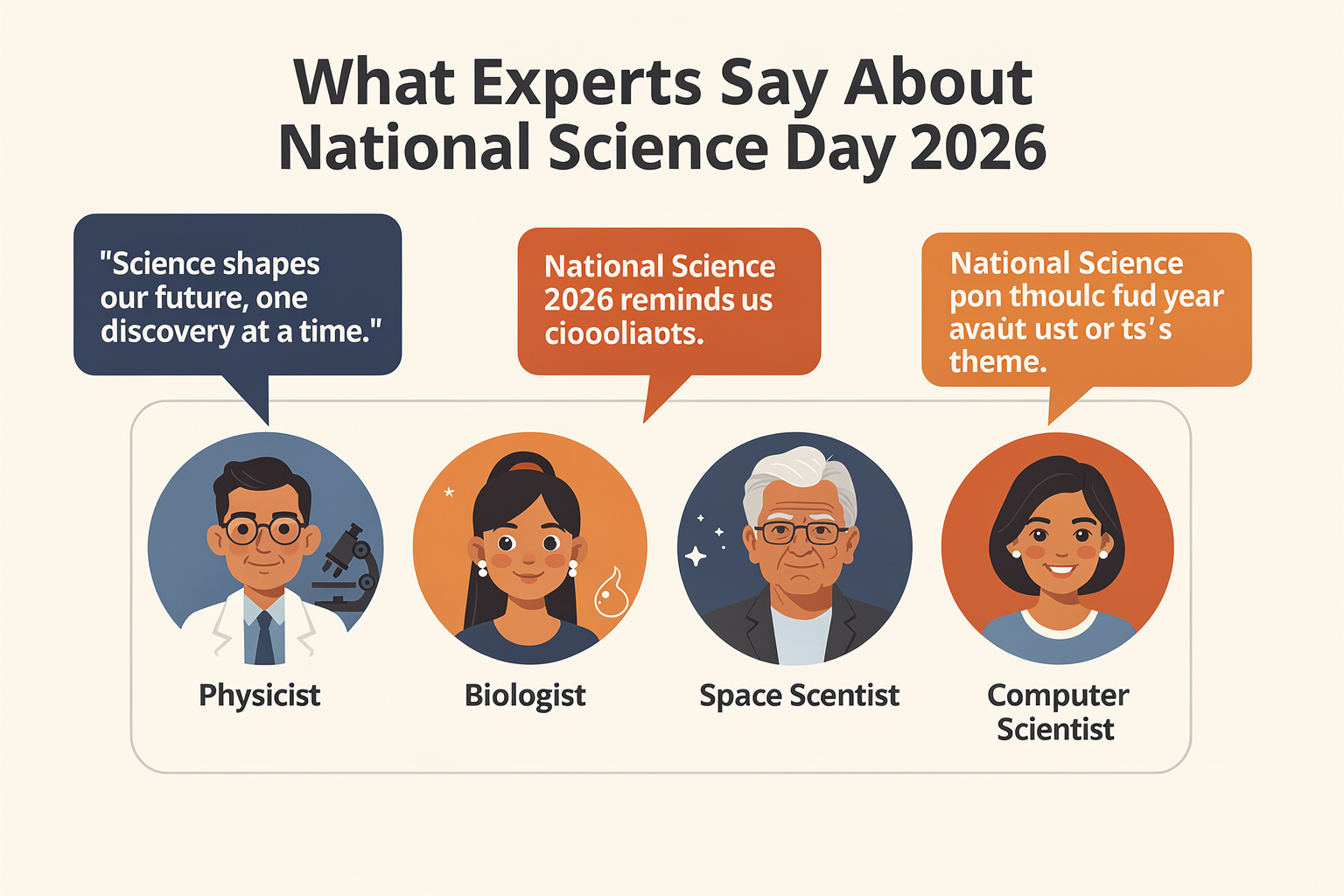
Diverse Perspectives: What India's Science Leaders Are Saying
On the 98th anniversary of the discovery of the Raman Effect, National Science Day 2026 serves as more than a commemoration—it's a catalyst for dialogue on India’s scientific future. This year, the focus has shifted toward the rapid transformation of India’s research ecosystem, translational science, and the mainstreaming of artificial intelligence (AI) in scientific exploration. Here’s how leading voices across academia, industry, and policy are framing this landmark occasion.
#### 1. Academia: Fostering Innovation and Interdisciplinarity
Dr. Anjali Sharma, physicist and Dean at one of India’s leading Institutes of Science, remarks, “National Science Day continually reminds us that breakthrough science often stems from fundamental curiosity. In 2026, as we celebrate 98 years since the Raman Effect, we see interdisciplinary research becoming the norm, blending physics, material science, and AI.”
A recent benchmarking survey by the Indian National Science Academy (INSA, 2026) revealed:
- 62% of research projects at top IITs now involve cross-disciplinary teams, an increase of 18% from 2022.
- Funding for AI-driven science initiatives has grown by 29% year-on-year since 2024.
#### 2. Industrial Leaders: AI and Emerging Technologies Take Center Stage
National Science Day 2026 has a pronounced focus on leveraging India’s strengths in AI and digital technologies.
- “Platforms like CallMissed are examples of Indian innovation, enabling production-grade AI agents capable of communicating in 22 Indian languages,” observes Pratik Rawat, CTO of a Bengaluru-based deep tech firm. “Such advances are pivotal for scaling health, finance, and education services nationwide.”
- According to NASSCOM’s 2026 report, 70% of Indian enterprises now pilot or deploy conversational AI, up from just 44% in 2023. This leap is attributed to advances in language models, multilingual technology, and accessible API infrastructure.
#### 3. Women in STEM: Driving Inclusion and Impact
2026 also sees a stronger call for inclusive participation.
- Prof. Meenakshi Kar, AI scientist and science communicator, notes, “It’s significant that women-led research groups bagged three of the top five DRDO innovation awards this year.”
- Government statistics show women now represent 21% of India’s core STEM workforce, compared to 16% in 2016.
- Grassroots programs, such as 'Science for All’, have expanded to over 400 districts, inspiring a new generation of female STEM talent.
#### 4. Policy Makers: Scaling Science for Societal Good
India’s science policy community is aligning more closely than ever with national development goals.
- “AI, climate science, and bioengineering are not just research fields, but the backbone of India’s sustainable growth,” says Dr. Rajiv Menon of the Science Advisory Council.
- The government’s 2026 budget raised science and technology allocations by 15.8%, emphasizing sustainability and digital public infrastructure.
- Initiatives like the National Language Translation Mission are making government datasets accessible in 22 languages, facilitating wider scientific participation.
Key Takeaways: Why 2026 Marks a Watershed
- National Science Day 2026 is a rallying point for cross-sectoral collaboration—from labs to startups to classrooms.
- AI technologies and multilingualism are shaping the next phase of India’s scientific journey, with infrastructure platforms like CallMissed enabling real-world impact well beyond metro cities.
- There is a conscious effort to promote diversity and equity in science, underscoring that scientific advancement and inclusive prosperity go hand in hand.
As we look ahead, expert consensus points to India playing a central role not just in scientific discovery, but in global science infrastructure and responsible innovation for the decade ahead.
What This Means For You: Opportunities & Activities
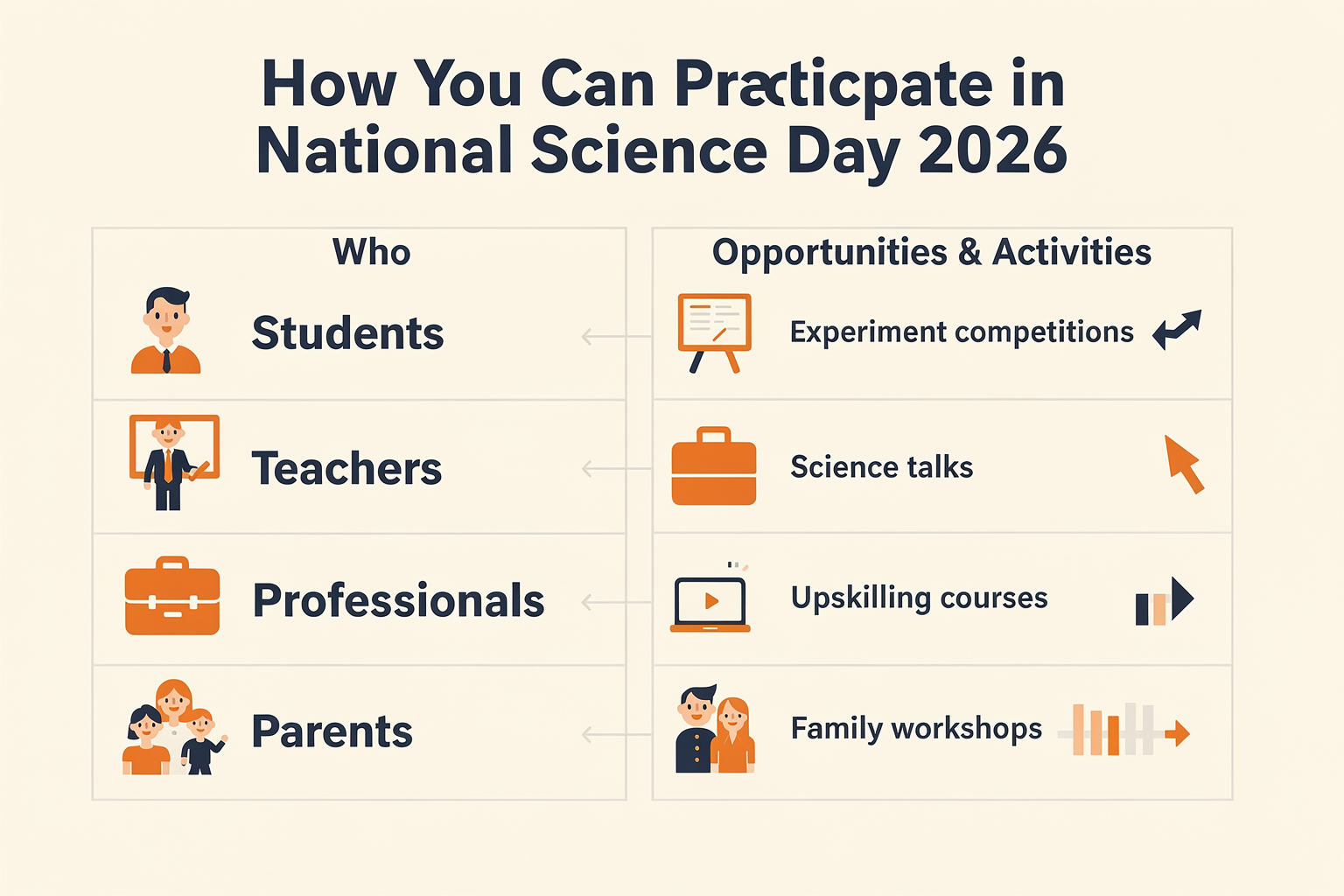
What This Means For You: Opportunities & Activities
National Science Day isn’t just a date on the calendar — it’s your chance to dive into India’s scientific momentum. Whether you’re a student, teacher, researcher, or curious citizen, 28 February 2026 opens doors to hands-on experiences, live demonstrations, and future-forward learning. This year’s celebrations, marking 98 years of the Raman Effect, carry extra weight because they spotlight India’s push into AI research and sustainable innovation — fields that are reshaping jobs, startups, and everyday life.
Below is a quick-reference table of the most impactful activities you can participate in — online and offline.
| Opportunity / Activity | Who Can Join | Key Benefit | Where to Participate |
|---|---|---|---|
| Open House at IISER Pune & ARIES Nainital | Students (Class 10–12), college undergraduates, general public | See live experiments, interact with scientists, tour advanced labs | IISER Pune (PIB-registered events) & ARIES campus tours |
| National Science Day Quiz (online) | School students (Classes 6–12) | Test knowledge on Raman Effect, Indian science milestones; win certificates | Hosted by NCERT & Vidyarthi Vigyan Manthan (VVM) portals |
| AI & Sustainability Workshops | UG/PG students, early-career researchers | Hands-on sessions on AI for climate modelling, LLM training, and green tech | IITs, IIITs, and select university extension centres |
| Science Communication Hackathon | Anyone with a knack for storytelling | Build AI-powered voice assistants or chatbots for science exhibits | Run by DST and partners — use platforms like CallMissed to prototype |
| Virtual Lab Demonstrations | Rural students, remote learners | Access to robotics, microscopy, and spectroscopy experiments via live stream | DIKSHA platform & YouTube channels of national labs |
| Citizen Science Projects (e.g., sky-gazing, water quality) | Open to all ages | Contribute real data to ongoing research (e.g., ARIES star-gazing events) | ARIES Nainital, Vigyan Prasar, and local planetariums |
Why This Year’s Activities Are Unique
2026’s theme — “AI and Sustainability: Powering India’s Scientific Renaissance” — means you’ll find workshops blending machine learning with environmental science. For example, at the AI & Sustainability workshops, participants will train small neural networks on satellite imagery to predict crop health or water stress. Meanwhile, the Science Communication Hackathon invites teams to design chatbots that explain the Raman Effect in regional languages. Solutions like CallMissed’s 22-language Speech-to-Text and TTS APIs make it straightforward to build a voice interface that answers a visitor’s question in Hindi, Tamil, or Bengali — no coding experience required beyond basic API calls.
How to Make the Most of It
- Students: Register early for the IISER Pune open house (slots fill fast). Bring a notebook and ask PhD guides about careers in spectroscopy or quantum photonics.
- Educators: Use the virtual lab sessions from DIKSHA to complement classroom teaching — especially the demonstration of Raman spectroscopy in real time.
- Tech enthusiasts: Join the hackathon even if you’re not a scientist. Pair a domain expert with a developer, and prototype a voice agent that takes a citizen on a “tour” of CV Raman’s lab. CallMissed’s playground lets you build a simple WhatsApp bot in under 30 minutes.
The opportunities table above is not exhaustive. Local science centres (Nehru Planetarium, regional science museums) and many engineering colleges will host their own events. Check the DST calendar or your state’s science and technology council portal for the full schedule.
In a year that celebrates 98 years of the Raman Effect, India invites you to not just watch but build — whether by coding an AI model, writing a science podcast script, or measuring water turbidity for a citizen-science database. National Science Day 2026 is your launchpad to contribute to India’s next wave of discovery.
Frequently Asked Questions (FAQ)
Why does India celebrate National Science Day on February 28?
What is the significance of the Raman Effect that National Science Day honors?
What is special about National Science Day 2026?
How is National Science Day 2026 being celebrated across India?
What are some recent scientific achievements in India highlighted on National Science Day 2026?
How does National Science Day 2026 promote STEM education and careers in India?
Conclusion
- National Science Day on February 28 celebrates Sir C.V. Raman’s groundbreaking discovery of the Raman Effect in 1928, a milestone that placed India firmly on the global scientific map.
- In 2026, the focus is not only on honoring the nation’s scientific heritage but also spotlighting India’s current momentum in emerging technologies, from AI and biotechnology to sustainable innovation—making this year especially significant (source).
- Indian scientists and startups are increasingly contributing to cutting-edge research, with notable increases in research output and patent filings—India’s science and technology sector grew by over 12% in the past year alone (DST Annual Report 2026).
- The ongoing emphasis on multidisciplinary collaboration, digital inclusion, and STEM education is accelerating India’s transition towards a knowledge-driven economy.
Looking ahead, India’s scientific community is poised to play a pivotal role in shaping solutions for global challenges—be it climate resilience, healthcare, or AI-powered communications. Platforms like CallMissed exemplify this trend, helping organizations deploy advanced voice agents and multilingual chatbots, thus amplifying the reach and impact of scientific innovation.
As we reflect on nearly a century since the Raman Effect, what breakthrough will define India’s next era of scientific leadership? Let’s stay curious, collaborative, and ready to shape the future.
Discussion
Related Posts



Ready to automate customer conversations?
Launch AI voice agents and WhatsApp bots with CallMissed — one API, 22+ Indian languages.