
White House Intervenes in OpenAI’s GPT-5.6 Release: What It Means for AI Security



For the first time in the brief, explosive history of generative AI, the U.S. government has directly stepped in to slow down the launch of a major...
White House Intervenes in OpenAI’s GPT-5.6 Release: What It Means for AI Security
For the first time in the brief, explosive history of generative AI, the U.S. government has directly stepped in to slow down the launch of a major frontier LLM. On June 25, 2026, the White House officially requested that OpenAI restrict the release of its highly anticipated GPT-5.6 model. Spearheaded by the Office of the National Cyber Director and the Office of Science and Technology Policy, the administration is urging OpenAI to limit the model's initial preview phase exclusively to a small, government-approved circle of partners due to acute cybersecurity and national security concerns.
This unprecedented intervention marks a critical turning point in how artificial intelligence is regulated. OpenAI CEO Sam Altman has already confirmed to employees in an internal Q&A that the company will comply, transitioning the rollout of GPT-5.6 to a highly restricted, staggered preview. Instead of the typical rapid public deployment, the federal government will review and approve access on a "customer-by-customer" basis.
This shift matters immensely right now because it signals that frontier AI models are no longer being treated as mere commercial software; they are now classified as critical national security assets. As federal oversight begins to gatekeep the most advanced LLMs, enterprise developers must build redundancy into their systems. This is why many businesses are turning to flexible communication infrastructure platforms like CallMissed, which utilize multi-model API gateways supporting 300+ alternative LLMs to ensure operational continuity when flagship models face sudden deployment bottlenecks.
In this post, we will unpack the details behind the White House Intervenes in OpenAI’s GPT-5.6 Release: What It Means for AI Security controversy. You will learn about the specific cyber threats that triggered this federal review, how the staggered release model will impact commercial AI adoption, and what this new era of government oversight means for the future of AI security and global innovation.
Introduction

In a dramatic development that underscores the growing intersection of national security and artificial intelligence, the Trump administration has officially requested that OpenAI limit and stagger the release of its highly anticipated next-generation model, GPT-5.6.
The request, which became public on June 25, 2026, was spearheaded by two key federal bodies: the Office of the National Cyber Director and the Office of Science and Technology Policy. Citing severe cybersecurity concerns and the unprecedented "advanced capabilities" of the upcoming model, the White House has urged OpenAI to initially restrict GPT-5.6 access to a small, government-approved group of partners rather than executing a broad commercial launch.
A Staggered Rollout Under Federal Watch
In an internal company Q&A held with employees, OpenAI CEO Sam Altman confirmed that the company would comply with the federal government's request. OpenAI plans to slow-roll the release of GPT-5.6, opting instead for a highly controlled, limited preview phase. During this preview period, OpenAI will approve access on a strict, "customer-by-customer" basis while the government conducts extensive security reviews of the model's underlying code and safety protocols.
This intervention marks a historic moment in AI governance. It represents a shift from theoretical regulatory frameworks to active, real-time intervention by federal authorities in the commercial deployment of frontier Large Language Models (LLMs). The government's primary anxieties center around:
- Advanced Cyber Capabilities: Worries that the model's sophisticated reasoning could be leveraged by malicious actors to automate zero-day exploits or launch highly coordinated cyberattacks.
- Autonomous Agent Risks: Potential vulnerabilities associated with highly agentic models operating across critical digital and financial infrastructure without sufficient human oversight.
- National Security Safeguards: The necessity of verifying that the model's safety guardrails are robust enough to prevent the generation of weaponized instructions, synthetic biology blueprints, or hazardous materials guides.
Navigating the Multi-Model Landscape
For enterprises and developers, this development is a stark reminder of the volatility in the frontier AI landscape. Relying solely on a single model provider or halting operations to wait for the next "mega-model" release introduces significant operational risks.
To maintain agility amidst sudden regulatory shifts and delayed releases, forward-looking businesses are building redundant, multi-model architectures. Platforms like CallMissed are helping developers navigate this environment by providing a robust, production-ready infrastructure. With native API access to over 300+ LLMs alongside advanced communication tools—such as multilingual Speech-to-Text supporting 22 regional Indian languages and highly responsive voice agents—CallMissed allows businesses to seamlessly swap out models behind the scenes. This ensures that enterprise workflows, AI customer support agents, and communications pipelines remain online and optimized, regardless of government-mandated delays on frontier releases like GPT-5.6.
As OpenAI begins its staggered, government-monitored preview of GPT-5.6, the tech industry is entering a new era where state oversight is deeply woven into the development and launch cycles of advanced artificial intelligence.
Background & Context
The Catalyst: Government Intervention in AI Deployment
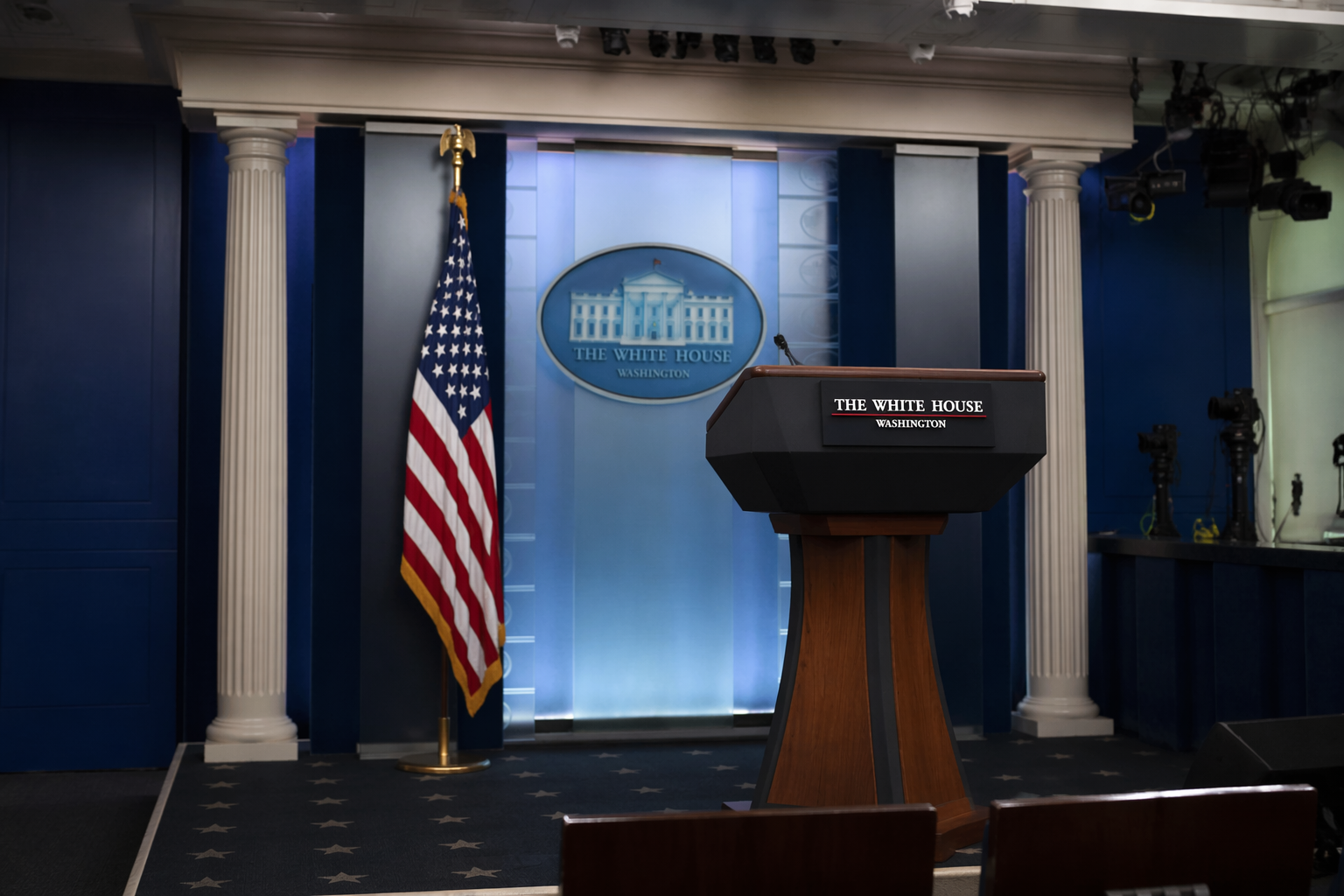
In late June 2026, an unprecedented intervention from the highest levels of the United States government signaled a major shift in how frontier artificial intelligence models are brought to market. The Trump administration, acting through the Office of the National Cyber Director and the Office of Science and Technology Policy (OSTP), formally requested that OpenAI limit the early release of its highly anticipated next-generation model, GPT-5.6.
Rather than deploying the model to the public or its standard developer ecosystem, the White House urged OpenAI to restrict access to a small, select group of government-approved partners. This move represents a stark departure from the typical commercial release cycles of major tech companies, illustrating a growing tension between rapid technological innovation and national security.
Safety, Cyber Concerns, and a Staggered Rollout
The primary driver behind this intervention centers on the advanced capabilities of the upcoming model. Federal officials raised critical security alarms regarding the cyber capabilities of GPT-5.6, fearing that its advanced reasoning could be weaponized or exploited by malicious actors before adequate defensive guardrails are validated.
In response to the administration's request, OpenAI CEO Sam Altman addressed employees on Wednesday, June 24, 2026, confirming that the company would shift to a highly restricted, staggered release strategy. The key elements of this modified rollout plan include:
- Limited Preview Restriction: GPT-5.6 will initially launch only in a restricted preview form, keeping it out of reach of the general public.
- Government-Approved Access: Only a vetted group of partners, approved by federal review, will be granted initial access to the model's capabilities.
- Customer-by-Customer Approval: OpenAI plans to manually evaluate and approve additional preview customers on a strict, case-by-case basis during this evaluation period.
This slow-roll strategy is designed to give both federal agencies and OpenAI's internal safety teams sufficient time to stress-test the model against sophisticated cyber threats, autonomous hacking capabilities, and vulnerability discovery.
Navigating an Unpredictable LLM Landscape
For businesses, developers, and enterprises currently building on generative AI, this federal intervention highlights a growing operational vulnerability: relying solely on a single proprietary model provider leaves organizations exposed to sudden regulatory delays and unexpected bottlenecking.
To mitigate these risks, forward-thinking enterprises are increasingly adopting a multi-model approach. Infrastructure platforms like CallMissed are helping organizations navigate this volatile landscape. By offering a robust API gateway that connects developers to over 300+ LLMs, CallMissed allows businesses to seamlessly switch between proprietary models and state-of-the-art open-source alternatives. If a primary model like GPT-5.6 experiences a government-mandated delay, developers using these flexible integration pipelines can quickly pivot to alternative models without having to overhaul their underlying code, ensuring uninterrupted business continuity.
Key Developments
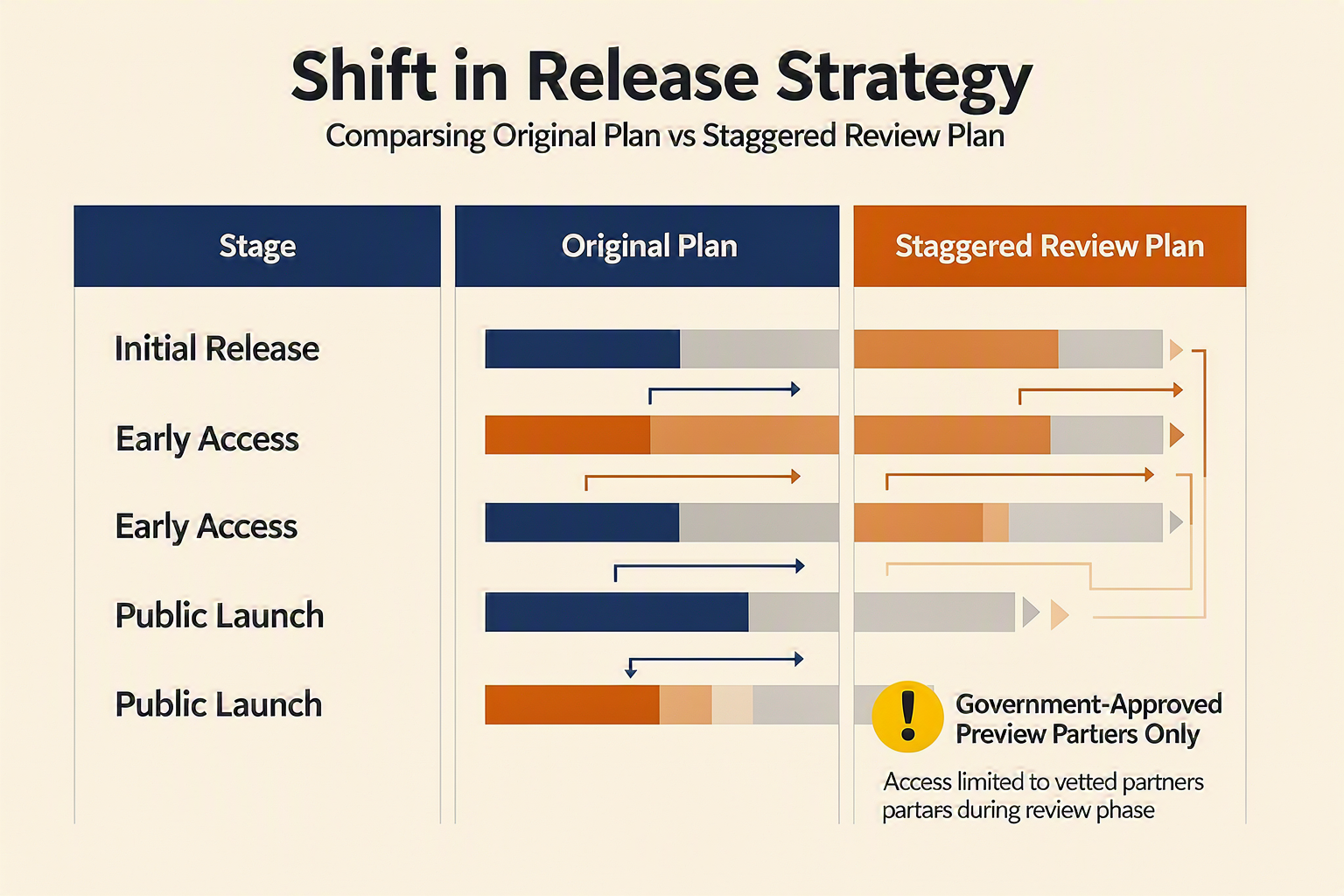
The intersection of national security and frontier artificial intelligence has reached a critical bottleneck. Following direct requests from the White House's Office of the National Cyber Director (ONCD) and the Office of Science and Technology Policy (OSTP), the Trump administration has officially asked OpenAI to stagger and limit the deployment of its highly anticipated GPT-5.6 model.
This unexpected intervention highlights the growing anxiety among federal regulators regarding the rapid escalation of LLM capabilities, particularly in relation to cybersecurity and critical infrastructure. Rather than a standard public roll-out, the release of GPT-5.6 will now follow a highly controlled, government-vetted trajectory.
The table below breaks down the key developments, administrative actions, and operational shifts resulting from this historic policy intervention:
| Stage / Key Event | Entities Involved | Core Development | Implications for AI Deployment |
|---|---|---|---|
| Federal Intervention | White House (ONCD & OSTP) | Official request to OpenAI to limit and slow-roll the launch of GPT-5.6. | Establishes a precedent of active government oversight on "frontier" LLM releases. |
| OpenAI Policy Shift | OpenAI Leadership (Sam Altman) | Confirmed via internal Q&A that GPT-5.6 will be restricted to a "limited preview" initially. | Forces a pivot from open, public betas to highly controlled, enterprise-by-enterprise rollouts. |
| Vetting Mechanism | Government-Approved Partners | Access to GPT-5.6 will be granted on a strict "customer-by-customer" basis. | Severely limits immediate access for indie developers, small startups, and non-approved organizations. |
| Security Concerns | Federal Cyber Agencies | Scrutiny centered around advanced reasoning, autonomous agent capabilities, and cybersecurity risks. | Highlights growing concern over LLMs being used for sophisticated cyber-attacks or critical infrastructure threats. |
The "Customer-by-Customer" Approval Bottleneck
During an internal company Q&A, OpenAI CEO Sam Altman confirmed to employees that the company would comply with the federal request, staggering the model’s release. Instead of the wide-scale API access that defined earlier GPT generations, GPT-5.6 will only be accessible to a "small group of government-approved partners" during its initial preview phase.
Every application for access will be reviewed meticulously. Federal officials intend to monitor how the model handles complex, multi-step tasks, autonomous tool use, and code synthesis—capabilities that cybersecurity experts warn could be weaponized if released prematurely to the public.
Enterprise Strategy in an Era of Regulatory Delays
This shifting regulatory landscape poses a significant challenge for enterprises planning their product roadmaps around next-generation models. Relying entirely on a single closed-source provider's release timeline is no longer a viable strategy.
To hedge against these unpredictable regulatory bottlenecks, forward-looking engineering teams are increasingly turning to multi-model architectures. Platforms like CallMissed address this exact vulnerability. By offering a unified LLM inference gateway with access to over 300+ models, CallMissed allows businesses to build resilient, voice-optimized AI agents and chatbots. If a model like GPT-5.6 is delayed or restricted by federal oversight, developers can dynamically route their workloads to alternative high-performance open-source or proprietary models without rewriting their core integration code, ensuring absolute business continuity.
In-Depth Analysis: The Security and Cyber Concerns
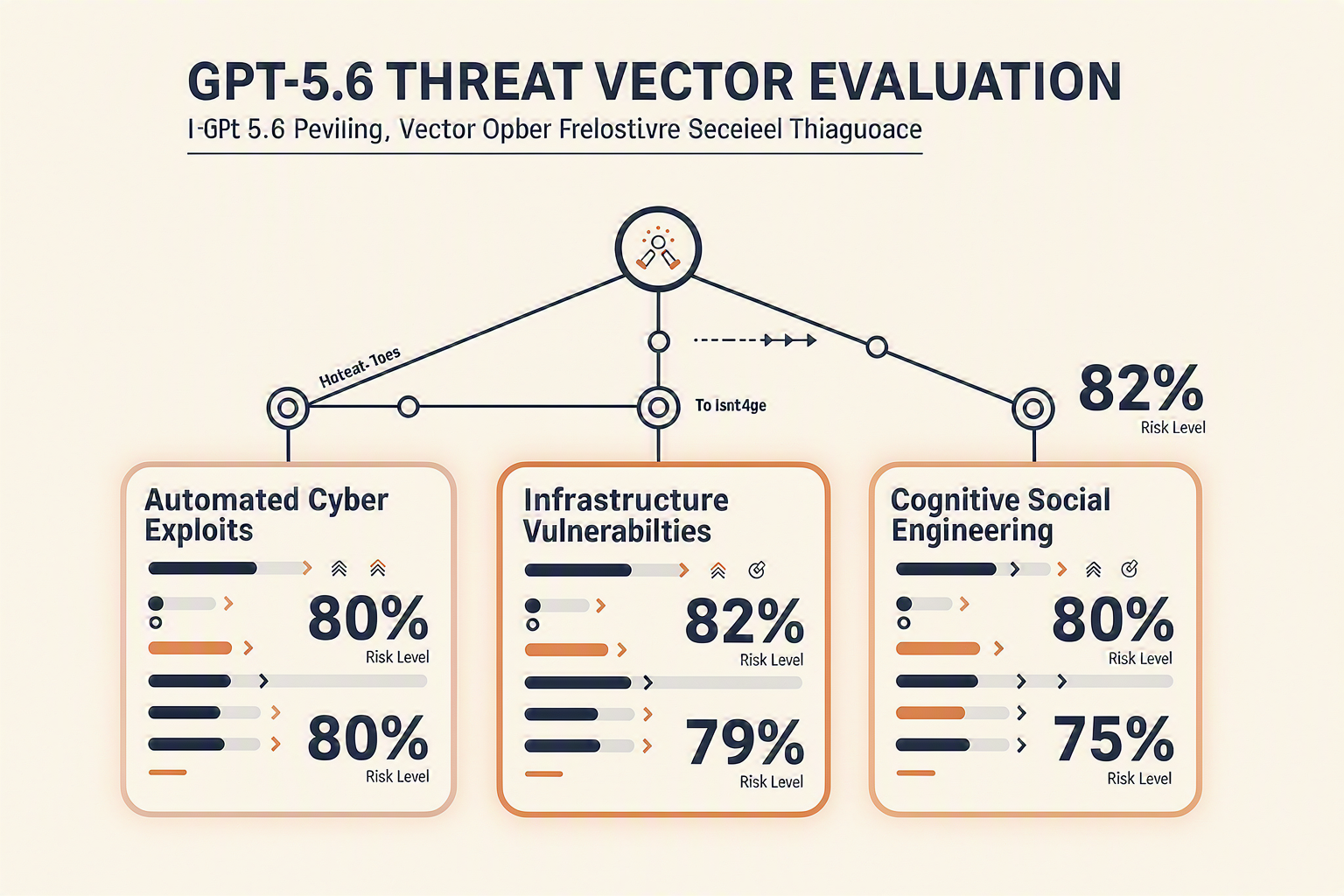
The intervention by the White House's Office of the National Cyber Director (ONCD) and the Office of Science and Technology Policy (OSTP) underscores a rapidly shifting paradigm in national security. GPT-5.6 is not merely an incremental software update; its rumored capabilities represent a qualitative leap in autonomous reasoning and code generation. Consequently, federal officials fear that releasing such a powerful model without strict oversight could inadvertently arm hostile nation-states and cybercriminals with unprecedented capabilities.
1. Autonomous Vulnerability Discovery and Exploit Generation
One of the primary drivers behind the White House's urgent request is the risk of automated cyber warfare. While current frontier models can assist in writing basic scripts, a model of GPT-5.6’s projected caliber is feared to possess advanced logic capable of:
- Identifying Zero-Day Vulnerabilities: Rapidly scanning massive codebases of critical infrastructure—such as power grids, financial networks, and municipal water systems—to locate previously unknown security flaws.
- Synthesizing Novel Malware: Generating highly sophisticated, polymorphic malware that can evade modern endpoint detection and response (EDR) systems.
- Automating Multi-Stage Attacks: Orchestrating complex cyber campaigns against high-value targets with minimal human intervention.
2. Hyper-Realistic Social Engineering at Scale
Beyond raw code generation, security experts warn that GPT-5.6’s highly persuasive conversational capabilities could drastically lower the barrier to entry for advanced social engineering. With the ability to synthesize context, mimic organizational hierarchies, and maintain multi-turn deceptive dialogues, threat actors could launch hyper-targeted spear-phishing campaigns at an unprecedented scale.
As the security perimeter shifts, businesses must look to robust security frameworks. Enterprise platforms like CallMissed help mitigate these emerging communication risks. By leveraging secure infrastructure and a multi-model API gateway containing 300+ vetted LLMs, CallMissed allows companies to build and run AI voice and text agents within secure guardrails, preventing prompt-injection vulnerabilities and keeping corporate communications safe from external exploitation.
3. The "Customer-by-Customer" Staggered Preview
To prevent these tools from being weaponized, the Trump administration has pressured OpenAI to transition to a tightly controlled, staggered rollout. Rather than an open beta or an unrestricted public API release, OpenAI will approve access on a "customer-by-customer" basis during the initial preview period.
This highly restricted environment allows federal cyber-defense agencies and OpenAI's internal safety teams to:
- Stress-test the model against active cyber-defense scenarios and military-grade red-teaming protocols.
- Establish rigorous watermarking and tracking mechanisms for any code generated by the model.
- Evaluate the model's capacity to refuse malicious prompts related to chemical, biological, radiological, or nuclear (CBRN) threats.
By limiting early access to a select, government-approved group of partners, the administration aims to establish a defensive sandbox, ensuring that national cyber defenses are prepared for the capabilities of next-generation AI before a wider release.
Impact & Implications on the AI Industry

A New Era of State-Sanctioned AI Gatekeeping
The US government's directive to OpenAI marks a historic shift in how frontier artificial intelligence is governed, audited, and deployed. For years, the tech industry operated on a "move fast and break things" ethos, dropping highly capable models directly to the public. By requiring OpenAI to stagger the release of GPT-5.6 through coordinate efforts with the Office of the National Cyber Director and the Office of Science and Technology Policy, the federal government has established a clear precedent: advanced AI capabilities are now officially treated as dual-use, national security-critical technologies.
This "customer-by-customer" approval process during the preview period signals that future frontier LLMs will likely face similar governmental friction. The immediate implications for the broader AI ecosystem are profound, reshaping how startups, enterprises, and developers approach innovation.
The Death of the "Overnight" Model Drop
The days of waking up to a surprise, globally accessible model release that instantly disrupts industries may be coming to an end. As federal agencies step in to evaluate cyber risks and advanced reasoning capabilities before public deployment, the industry must adapt to a "slow-roll" release lifecycle.
- Stifled First-Mover Advantage: Startups that base their business model on being the first to integrate OpenAI's latest API features will face prolonged periods of waitlists and uncertainty.
- Gated Competitive Moats: Enterprise giants with pre-approved government clearance will gain exclusive, early access to GPT-5.6's advanced capabilities, widening the gap between massive corporations and smaller developers who remain waitlisted.
- Surge in Open-Source Adoption: If proprietary models are heavily throttled by administrative oversight, the developer community will naturally gravitate toward open-weights models that offer immediate deployment freedom.
Mitigation Strategies: The Multi-Model Imperative
For enterprise leaders, the federal delay of GPT-5.6 serves as a stark reminder of single-vendor vulnerability. Relying exclusively on one AI provider leaves business workflows exposed to regulatory and political bottlenecks.
To build resilient AI systems, forward-looking engineering teams are pivoting toward multi-model infrastructure. Platforms like CallMissed address this exact vulnerability. By leveraging CallMissed's unified API gateway, developers can seamlessly access and switch between more than 300+ LLMs. If a highly anticipated frontier model faces government-mandated delays or restrictive rollouts, businesses can effortlessly reroute their applications, customer service voice agents, or data pipelines to alternative state-of-the-art models without rewriting their core codebase.
Global Competitive Dynamics
While the US government aims to secure domestic infrastructure against potential cyber threats posed by advanced LLMs, this regulatory friction could inadvertently impact global competitiveness. European and Asian tech hubs, operating under different regulatory timelines, may seize the opportunity to deploy uncapped frontier models faster, challenging US dominance in the global AI landscape. Ultimately, the industry must now learn to balance rapid technological breakthroughs with the realities of state-level oversight.
Expert Opinions: Is This Safety or Censorship?
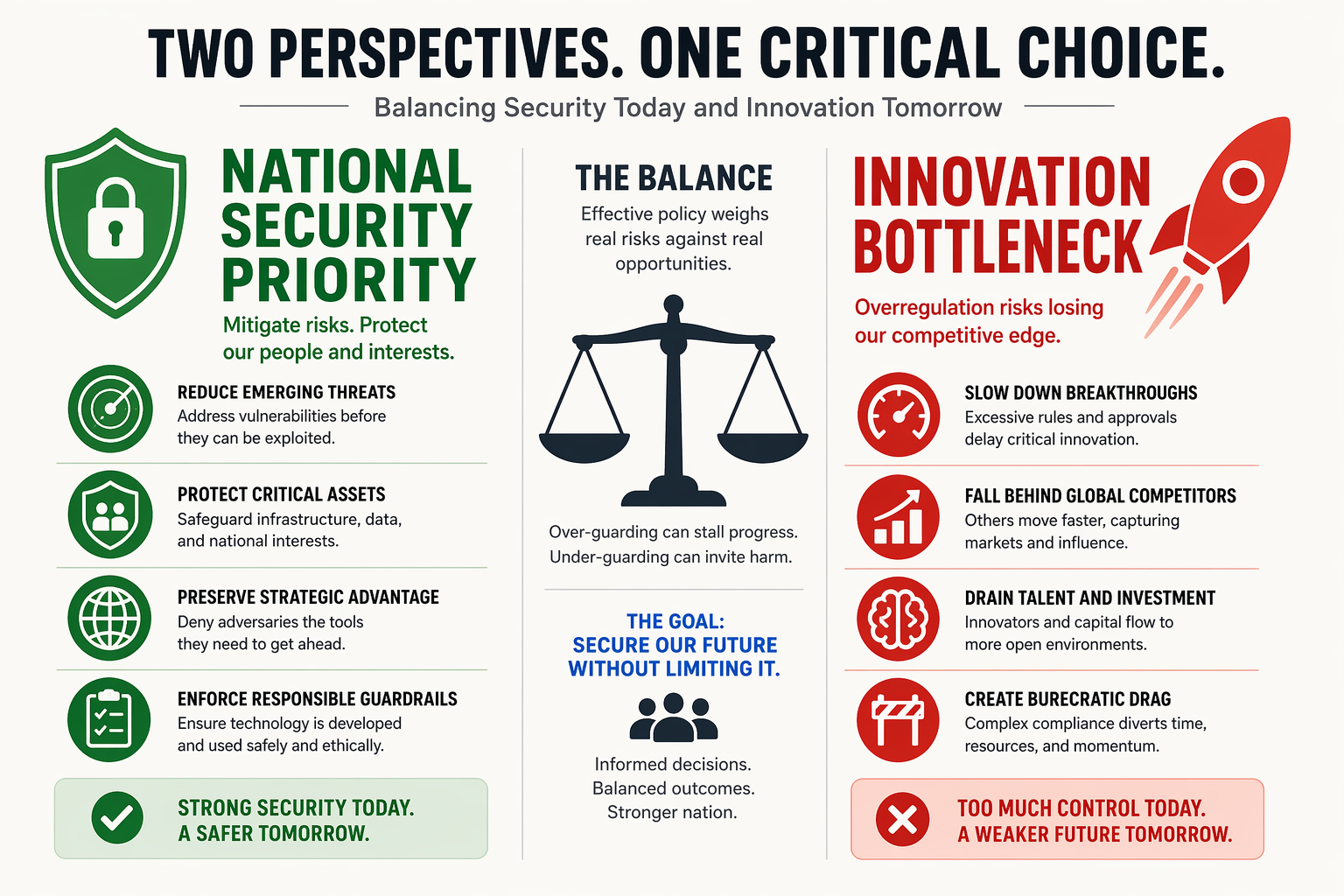
The White House’s intervention—spearheaded by the Office of the National Cyber Director and the Office of Science and Technology Policy—has sparked an intense debate across Silicon Valley and Washington. By asking OpenAI to restrict its upcoming GPT-5.6 model to a small group of government-approved partners, the federal government has positioned itself as a primary gatekeeper of frontier AI.
While the administration frames this move as a critical national security measure, industry analysts and open-source advocates are deeply divided over whether this constitutes necessary safety oversight or a form of soft censorship.
The Security Argument: Preventing Autonomous Cyber Threats
Proponents of the administration's intervention argue that the sheer scale and cognitive capabilities of GPT-5.6 demand a cautious, staggered approach. According to reports, federal officials are highly concerned about potential cybersecurity vulnerabilities, specifically the model's ability to automate high-level code exploitation or orchestrate sophisticated cyberattacks.
By limiting early access to a select preview pool, the government aims to:
- Conduct rigorous red-teaming: Identify vector vulnerabilities before bad actors can exploit them at scale.
- Protect critical infrastructure: Ensure that advanced reasoning models cannot be weaponized against electrical grids, banking systems, or federal networks.
- Establish a controlled baseline: Create a playbook for how future frontier models (beyond GPT-5.6) should be vetted before public release.
The Censorship Argument: Federal Gatekeeping and Innovation Stagnation
Conversely, critics argue that restricting access to "government-approved partners" sets a dangerous precedent for state-level control over technology. Detractors point out that this centralized vetting process could quickly devolve into political favoritism, where only aligned enterprises get access to the world's most advanced cognitive tools.
Prominent AI researchers, including Gary Marcus, have highlighted the tension surrounding these sudden delays. Opponents of the restriction raise several key concerns:
- Loss of Independent Auditability: When models are kept behind closed doors, independent academic researchers cannot stress-test them, ironically making them less secure in the long run.
- Stifled Startup Ecosystem: Small-scale developers and startups are locked out of the next generation of AI, widening the gap between massive tech conglomerates and independent innovators.
Navigating a Volatile AI Regulatory Landscape
As geopolitical pressures continue to dictate the release schedules of frontier models, businesses and developers are realizing they cannot rely solely on a single AI provider. A sudden regulatory halt on a model like GPT-5.6 can disrupt entire product roadmaps overnight.
This volatile environment underscores the necessity of multi-model infrastructure. Forward-looking platforms like CallMissed help developers mitigate these regulatory bottlenecks. By offering a unified API gateway with access to over 300+ LLMs, CallMissed allows enterprises to seamlessly switch between alternative high-performing models if a specific system faces government-mandated delays. This flexibility ensures that automated workflows, multilingual voice agents, and customer support pipelines remain operational, regardless of sudden policy shifts in Washington.
Ultimately, the debate over GPT-5.6's release highlights a permanent shift in AI development. The boundary between software commercialization and national defense has officially dissolved, and the industry must now learn to build within these new, government-defined guardrails.
What This Means For You
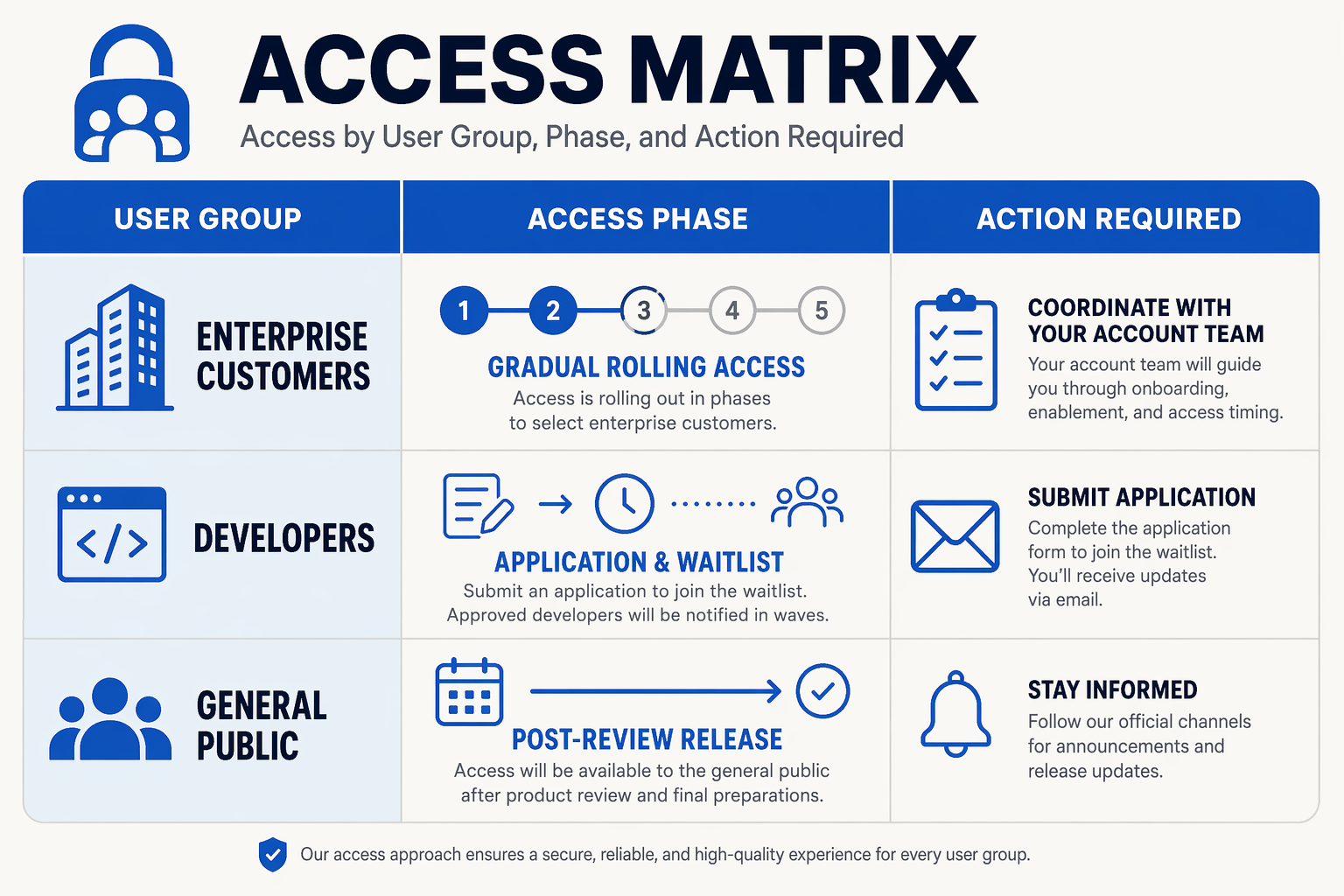
The federal government's unprecedented request to limit the release of GPT-5.6 introduces a new layer of friction for the global tech ecosystem. If you are a developer, business leader, or enterprise architect, this means your immediate AI deployment plans must pivot. Instead of relying on single-model supremacy, organizations must design resilient, multi-model architectures.
The restriction, driven by critical cybersecurity worries flagged by the Office of the National Cyber Director and the Office of Science and Technology Policy, means that the advanced capabilities of GPT-5.6 will initially remain locked behind government-approved walls.
Below is a breakdown of how this staggered release affects different stakeholders and the actionable steps you can take to mitigate the impact:
| Stakeholder Group | Access Timeline | Expected Impact | Actionable Strategy |
|---|---|---|---|
| Gov-Approved Partners | Immediate Preview | First-mover advantage on advanced cybersecurity testing | Align development with federal safety frameworks |
| Enterprise Clients | Staggered / "Customer-by-Customer" | Blocked roadmaps; delayed launch of highly agentic apps | Diversify AI supply chains to prevent developmental stalls |
| Standard Developers | Delayed (TBD) | No direct API access; limited to legacy model usage | Leverage multi-LLM routing to balance cost and latency |
| Consumer Users | Indefinite Delay | ChatGPT Plus will not feature GPT-5.6 capabilities soon | Continue utilizing optimized GPT-4o or alternative models |
Navigating the Staggered Rollout
For most companies, waiting indefinitely for OpenAI's "customer-by-customer" approval process is a major business risk. When the White House slows down one major player, it creates a massive vacuum. Organizations must adapt by actively moving away from single-vendor lock-in.
This is where robust, vendor-agnostic infrastructure becomes essential. Communication platforms like CallMissed allow developers to deploy sophisticated AI voice agents and interactive WhatsApp chatbots powered by over 300+ LLMs. If a highly anticipated model like GPT-5.6 faces sudden regulatory hurdles or restricted access, platforms like CallMissed make it incredibly simple to hot-swap your LLM backend. This ensures your customer-facing communication channels, multilingual Speech-to-Text systems, and automation pipelines remain fully operational without rewriting a single line of application code.
Redefining Your AI Roadmap
Ultimately, this intervention highlights that AI compliance and national security oversight are here to stay. While the government reviews GPT-5.6's potential cyber capabilities, organizations should focus on optimizing their current pipelines. Improving retrieval-augmented generation (RAG) architectures, fine-tuning smaller open-source models, and building localized guardrails will yield a much higher immediate return on investment than pausing operations to wait for a restricted, government-monitored model.
Frequently Asked Questions
Why did the White House ask OpenAI to limit the release of GPT 5.6?
How will the staggered release of GPT 5.6 affect developers and businesses?
What government agencies are leading the review of the new OpenAI model?
Did Sam Altman confirm the delay for the GPT 5.6 release?
Who will get early access to the new OpenAI model during the preview period?
How can enterprises build robust AI workflows while next-gen models face regulatory delays?
Conclusion
The White House’s intervention in OpenAI’s GPT-5.6 release marks a critical shift from voluntary safety guidelines to active, state-level oversight. As the industry adapts to this new regulatory reality, key takeaways include:
- Active Federal Oversight: Advanced frontier models are now treated as critical national security assets, prompting direct federal involvement prior to public release.
- Staggered Release Frameworks: The era of immediate, global model rollouts is transitioning into highly controlled, "customer-by-customer" preview phases.
- Cybersecurity Prioritization: The focus on limiting access due to cyber concerns highlights growing fears surrounding the autonomous offensive capabilities of next-gen LLMs.
Moving forward, watch for whether these restrictions establish a permanent government gatekeeping framework for enterprise AI or if they accelerate the industry's shift toward open-source, decentralized alternatives. Will federal intervention stifle commercial innovation, or will it build the necessary guardrails for safer enterprise adoption?
To explore how AI communication is evolving amidst these shifting regulations, check out CallMissed — an AI infrastructure platform powering voice agents and multilingual chatbots for businesses looking to leverage cutting-edge, compliant technology.
Discussion
Related Posts



Ready to automate customer conversations?
Launch AI voice agents and WhatsApp bots with CallMissed — one API, 22+ Indian languages.