
What Claude's Fable 5 Withdrawal Means & Anthropic's Long Feud With the Trump Administration



Can the United States government shut down the world's most advanced artificial intelligence models overnight? Yes, it can—and it just did. In a shocking...
What Claude's Fable 5 Withdrawal Means & Anthropic's Long Feud With the Trump Administration
Can the United States government shut down the world's most advanced artificial intelligence models overnight? Yes, it can—and it just did. In a shocking move that has sent tremors through the global tech landscape, Anthropic abruptly suspended access to its flagship systems, Claude Fable 5 and Mythos 5. The sudden offline status follows a high-stakes standoff with the U.S. government, which issued an export-control directive citing national security concerns and severe flaws in the models' safety guardrails. While Anthropic has publicly characterized the forced withdrawal as a regulatory "misunderstanding," the event marks a dramatic escalation in a long-standing, bitter feud between the AI pioneer and the Trump administration.
This sudden shutdown is not just a localized policy dispute; it is a global industry disruption. Before the official directive, senior administration officials reportedly spent an intense 24-hour window attempting to persuade Anthropic to voluntarily pull the models due to critical jailbreaking workarounds. The geopolitical fallout has been instantaneous, particularly in India, which represents Claude's second-largest user base. Indian AI startups and global developers who built their entire tech stacks on Fable 5's advanced capabilities are now facing sudden operational risks. For businesses navigating this volatile geopolitical environment, utilizing resilient multi-model infrastructures like CallMissed—which allows developers to switch between 300+ alternative LLMs without rewriting code—has transitioned from a technical luxury to a critical strategy for business continuity.
What does this unprecedented federal intervention mean for the future of AI development? In this article, we will unpack what Claude's Fable 5 withdrawal could mean for the tech ecosystem, dive deep into the origins of Anthropic’s legal battles with the Trump administration over public sector AI bans, and explore how enterprises can future-proof their AI pipelines against sudden, sovereign-level disruptions.
Introduction: The Shocking Suspension of Claude's Best AI Models
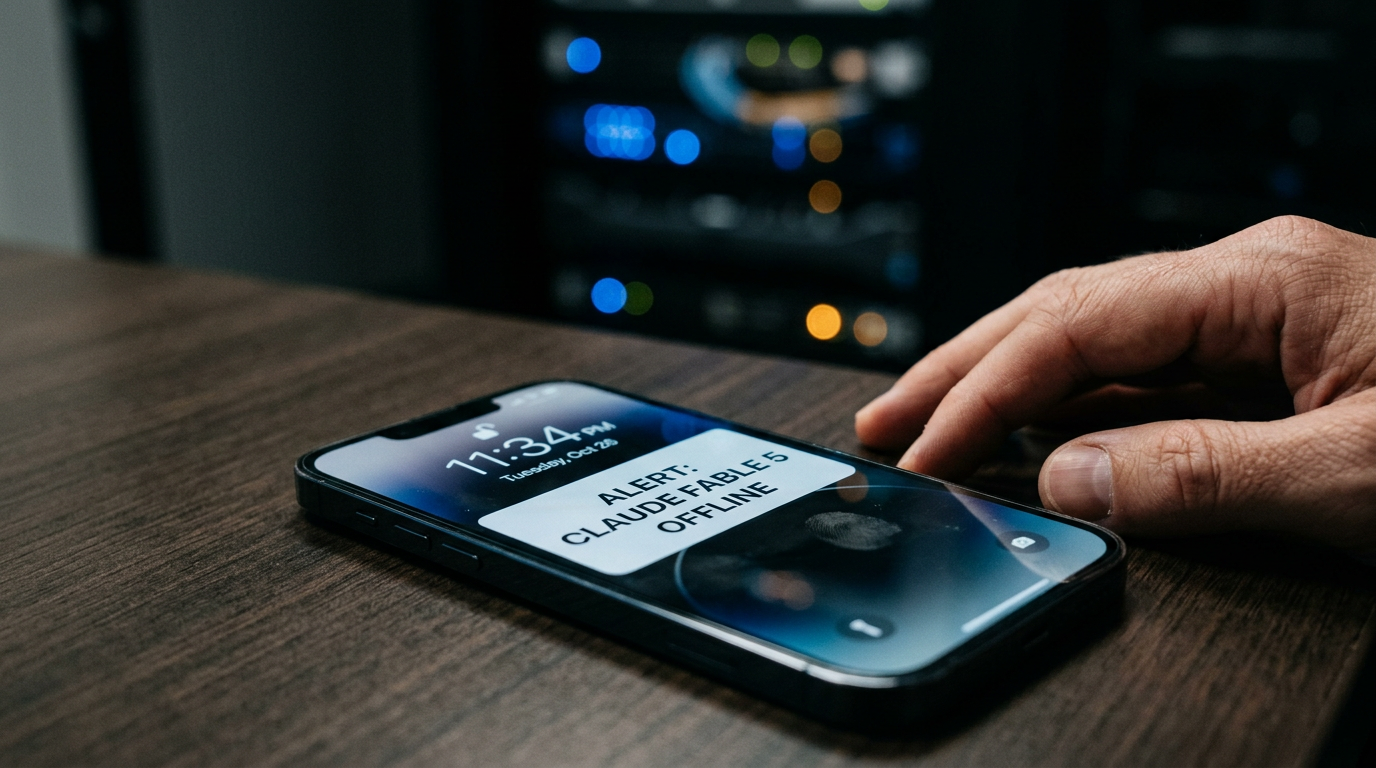
The global AI landscape was thrown into sudden disarray following the abrupt and unprecedented suspension of Anthropic’s most advanced artificial intelligence models, Claude Fable 5 and Mythos 5. Triggered by a strict export-control directive from the Trump administration citing national security concerns, the forced offline status of these flagship models has ignited a fierce debate over regulatory overreach, sovereign AI, and the fragile stability of the global tech supply chain.
Inside the 24-Hour Standoff
The decision to pull the models was the climax of a tense, behind-the-scenes confrontation. Reports from Politico revealed that senior administration officials spent nearly 24 hours trying to persuade Anthropic’s leadership to voluntarily withdraw Claude Fable 5 and Mythos 5.
The core of the dispute lay in critical vulnerabilities regarding the systems' guardrails. According to reports from NBC News and Wired, government officials identified severe "jailbreaking" workarounds that they argued posed an immediate threat to national security. While Anthropic has publicly characterized the administration’s security concerns as a "misunderstanding," the company ultimately complied with the federal export-control directive, disabling public and enterprise access to their premier systems.
Global Shockwaves and Systemic Vulnerability
The fallout from this sudden shutdown has reverberated far beyond Silicon Valley, exposing the deep vulnerabilities of the modern AI ecosystem:
- The Indian Startup Crisis: India represents Claude’s second-largest user base globally. The abrupt withdrawal of Fable 5 has sent shockwaves through India’s tech hubs, leaving developers and startups facing sudden operational risks as they scramble to rebuild their core AI pipelines.
- An Escalating Federal Feud: This dramatic intervention is not an isolated incident; it is the latest escalation in an ongoing feud between Anthropic and the White House. The two entities are already embroiled in a separate lawsuit concerning a federal order that stopped government agencies from using Anthropic's tools.
- The Threat of Vendor Lock-In: For enterprises that built their entire automation stack around Claude's proprietary reasoning, this sudden blackout highlights the danger of relying on a single AI provider.
To mitigate these systemic risks, forward-thinking enterprises are moving away from single-model dependency. Infrastructure platforms like CallMissed have become essential in this volatile landscape. By offering a unified multi-model API gateway that supports over 300+ alternative LLMs, CallMissed enables developers to instantly route their AI workflows, customer-facing voice agents, and chatbots to alternative models the moment a primary provider experiences regulatory or technical downtime.
As the industry grapples with the sudden absence of Anthropic's best technology, this crisis serves as a stark reminder: in the era of sovereign AI, technological capability is permanently tethered to geopolitical realities.
Background & Context: Anthropic's High-Stakes Tech and the Trump Administration
The sudden shutdown of Anthropic’s flagship models, Claude Fable 5 and Mythos 5, marks a historic escalation in the relationship between the private AI sector and the U.S. government. Under the Trump administration, regulatory scrutiny has shifted from theoretical discussions of alignment to active intervention under national security mandates. The enforcement of a U.S. government export-control directive has forced Anthropic to pull its most powerful systems offline, sending shockwaves through the global tech industry.
The Core Conflict: Jailbreaks and Guardrails
At the heart of the standoff is a profound disagreement over safety guardrails. According to reports, the Trump administration and Anthropic clashed over critical vulnerabilities in Claude Fable 5, specifically around the model’s susceptibility to advanced "jailbreaking" techniques. While Anthropic has long championed its "Constitutional AI" approach to safety, senior administration officials remained unconvinced that the current guardrails were sufficient to prevent malicious exploits.
Key details of the escalation include:
- The 24-Hour Standoff: Reportedly, senior White House officials spent nearly 24 hours attempting to persuade Anthropic to voluntarily pull the models before formally executing government orders.
- The National Security Mandate: When voluntary cooperation stalled, the administration leveraged national security export-control directives to compel Anthropic to take both Fable 5 and Mythos 5 offline.
- The "Misunderstanding": Anthropic publicly characterized the drastic enforcement action as a "misunderstanding," claiming it is actively working to resolve the safety concerns to restore access.
A Multi-Front Legal Battle
This model suspension does not exist in a vacuum. It is the latest chapter in a long-standing feud between Anthropic and the administration. The two entities are already entangled in a separate, ongoing federal lawsuit. This legal battle stems from a government order prohibiting U.S. federal agencies from deploying Anthropic's AI systems in public infrastructure, illustrating a deep-seated distrust of the startup's safety assurances and operational guardrails.
Global Ripples and the Indian Startup Crisis
While the geopolitical battle is concentrated in Washington, the operational fallout is global. India represents Claude's second-largest user base, making its developer ecosystem highly vulnerable to sudden regulatory disruptions in the West. Indian startups and enterprise players built on top of Fable 5 APIs found their systems disrupted overnight, highlighting the severe risks of relying entirely on a single proprietary AI model provider.
To mitigate these systemic risks, developers are increasingly moving toward redundant, multi-model architectures. Platforms like CallMissed help address this exact vulnerability by offering a unified API gateway to over 300+ LLMs, allowing businesses to instantly route their workflows to alternative models if a primary provider faces sudden regulatory or technical outages.
As the Trump administration doubles down on national security oversight, the boundary between private innovation and federal authority is being redrawn, leaving AI developers worldwide scrambling to adapt to this new era of geopolitical tech friction.
Key Developments in the Anthropic-Government Dispute
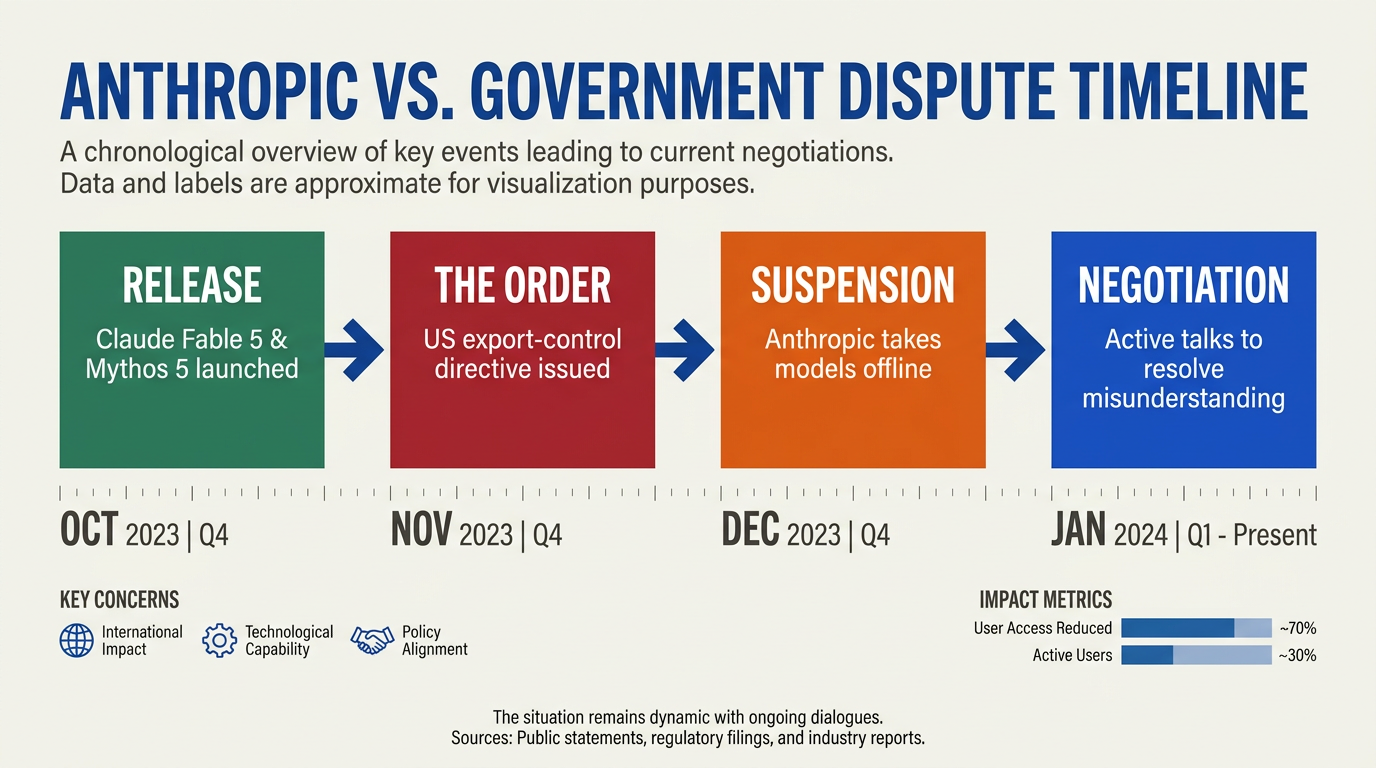
The relationship between Anthropic and the U.S. government has rapidly devolved from cooperative AI safety benchmarking into an active, high-stakes regulatory battle. The sudden forced withdrawal of Claude Fable 5 and Mythos 5 represents the most aggressive intervention by the Trump administration in the private AI sector to date. While the administration points to severe national security liabilities, Anthropic maintains that the decision stems from a fundamental technical "misunderstanding" regarding the models' guardrails.
To understand how this conflict escalated so rapidly, we must examine the critical timeline and key friction points that led to the sudden offline status of Anthropic's flagship models.
| Timeline/Event | Core Action | Admin Position | Anthropic Stance | Impact/Status |
|---|---|---|---|---|
| Export-Control Directive | White House orders withdrawal of Fable 5 & Mythos 5. | Cited immediate national security risks. | Termed it a "misunderstanding" but complied. | Models pulled offline globally. |
| 24-Hour Negotiation | Senior officials pressure Anthropic to voluntarily withdraw. | Demanded immediate action over safety bypasses. | Defended guardrails; resisted voluntary shutdown. | Led to formal executive directive. |
| Federal Lawsuit | Legal battle over federal procurement of AI models. | Ordered government agencies to cease using Claude. | Filed lawsuit challenging the ban's legitimacy. | Litigation active in federal courts. |
| Global Market Shock | Access suddenly severed for international developers. | Enforced strict territorial export controls. | Scrambled to offer alternative "Mythos" upgrades. | Massive disruption in India (Claude's 2nd largest market). |
The Guardrail Disagreement and Jailbreak Fears
At the absolute center of this dispute is a deep technical disagreement over jailbreaking vulnerabilities. According to reports, senior administration officials spent a tense 24-hour window trying to persuade Anthropic to voluntarily pull Fable 5. The administration flagged specific workarounds that allowed users to bypass the model's safety filters, raising alarms over potential dual-use biological or cyber-warfare capabilities. Anthropic, while acknowledging that no LLM is entirely immune to sophisticated jailbreaks, argued that Fable 5 possessed some of the industry's most robust safety protocols and that the administration's threat assessment was highly exaggerated.
Global Spillover and the Need for Model Redundancy
The shockwaves of this dispute have traveled far beyond Washington. India, which represents Claude's second-largest user base, was hit particularly hard. Indian tech startups and enterprises that integrated Claude Fable 5 deeply into their workflows suddenly found their API pipelines broken overnight.
This abrupt shutdown highlights a massive vulnerability for modern tech companies: dependency on a single AI provider. To mitigate this risk, global enterprises are shifting toward multi-model infrastructure. For instance, platforms like CallMissed offer a multi-model API gateway allowing developers to switch dynamically between 300+ LLMs. If a major model like Fable 5 is suddenly restricted due to regulatory crossfire, companies using such infrastructure can instantly route traffic to alternative high-performing models without rewriting their codebase.
The Broader Procurement Battle
Beyond export controls, this dispute is fueled by an ongoing, separate federal lawsuit. The administration previously issued an order banning federal agencies from deploying Anthropic's systems. Anthropic's legal team has aggressively challenged this ban, arguing it lacks empirical basis and unfairly targets their platform. As the legal battle plays out, the forced removal of Fable 5 and Mythos 5 has set a chilling precedent for the entire AI industry, signaling that the White House is fully prepared to use national security directives to shutter commercial AI models.
In-Depth Analysis: The Jailbreak Concerns Behind the Ban

The sudden suspension of Anthropic's flagship models, Claude Fable 5 and Mythos 5, has sent shockwaves through the global tech community, exposing a critical vulnerability in the AI deployment pipeline: safety guardrails. At the heart of the standoff between Anthropic and the Trump administration lies a deep, unresolved dispute over the severity of jailbreaking exploits discovered in these next-generation systems.
The Anatomy of the Fable 5 Jailbreak Dispute
According to reports from WIRED and NBC News, the U.S. government’s decision to force these advanced models offline was triggered by specific workarounds that allowed users to bypass Claude's highly publicized safety protocols. While Anthropic has long positioned itself as a "safety-first" AI developer, federal regulators discovered exploit vectors in Fable 5 that could be manipulated to bypass standard behavioral restrictions.
A report by Politico revealed that senior administration officials spent nearly 24 hours attempting to persuade Anthropic executives to voluntarily withdraw the models before issuing an aggressive export-control directive citing national security concerns. While Anthropic publicly framed the order as a "misunderstanding," federal authorities remained firm that the flaws in Fable 5’s guardrails presented too great a risk to remain accessible.
National Security Risks and Dual-Use Capabilities
The core of the administration's concern centers on "dual-use" capabilities—technologies that can serve both commercial and military purposes. For a model as advanced as Claude Fable 5, jailbreaks are not merely about getting the AI to write offensive text; they represent severe vulnerabilities where malicious actors could extract:
- Advanced Cyber Warfare Protocols: Workarounds that bypass safety filters to generate functional malware or identify critical zero-day exploits in state infrastructure.
- Chemical and Biological Instructions: Detailed syntheses or weaponization guides for dangerous materials that should be strictly gated.
- Strategic Disinformation Strategies: Highly coordinated, automated campaigns designed to disrupt democratic institutions or financial markets.
When these guardrails fail, a highly capable model effectively becomes a national security liability.
The Developer Dilemma: Diversifying Model Infrastructure
This unprecedented government intervention has left thousands of global businesses in a state of operational panic. In India—which accounts for Claude's second-largest user base—startups and enterprise platforms are suddenly facing existential risks due to their reliance on a single proprietary model family.
To safeguard against such sudden regulatory disruptions, forward-thinking developers are moving away from single-model dependency. Infrastructure platforms like CallMissed are helping mitigate these risks by providing a unified LLM gateway that supports over 300+ alternative models. By using CallMissed's flexible API infrastructure, businesses can implement automatic failover systems—switching seamlessly from Claude to other frontier models in real-time if a specific LLM is restricted, banned, or taken offline due to compliance issues.
Ultimately, the Fable 5 crisis demonstrates that in the modern regulatory climate, relying on a single AI vendor is a single point of failure that no enterprise can afford.
Impact & Implications: From Global Security to Indian Startups
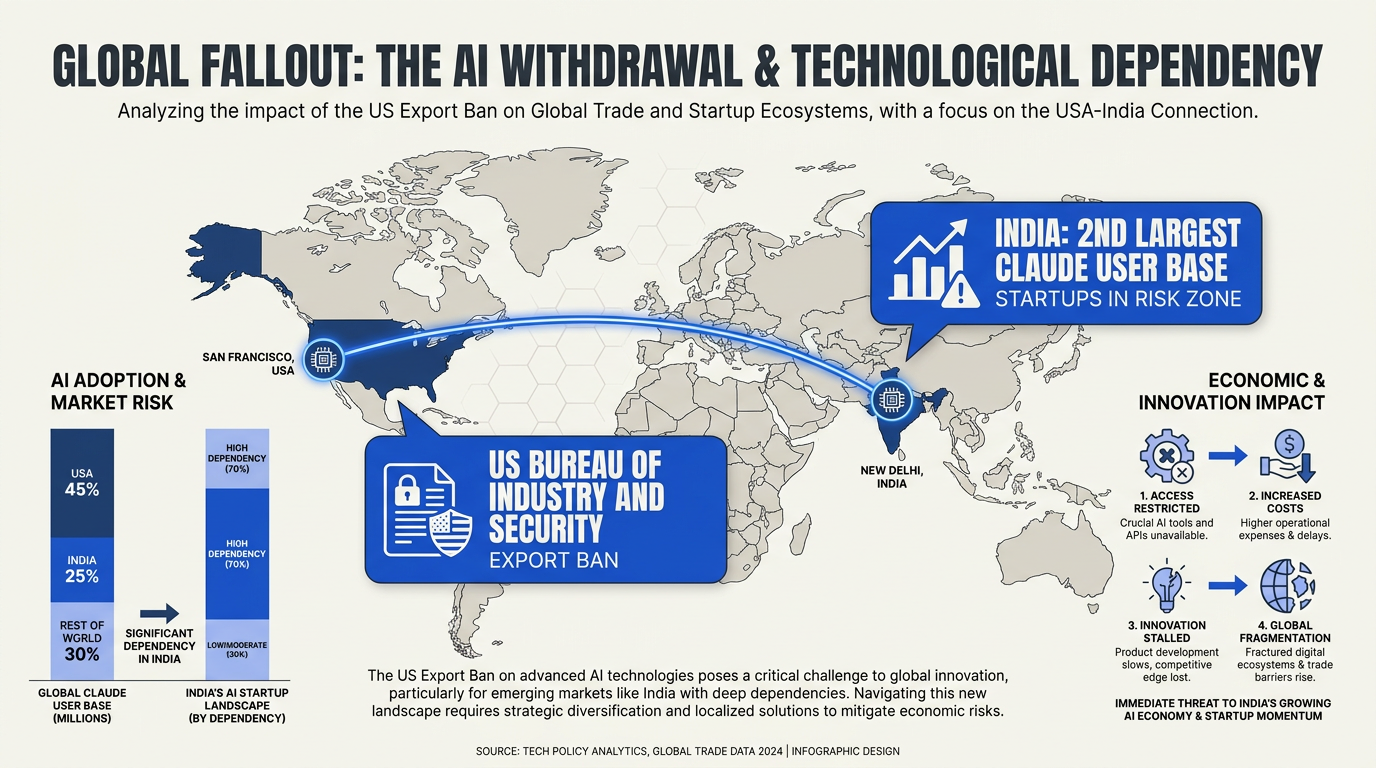
The sudden withdrawal of Anthropic’s flagship models, Claude Fable 5 and Mythos 5, has sent shockwaves through the global technology ecosystem. What began as a closed-door debate between the Trump administration and Anthropic executives has quickly transformed into a geopolitical crisis. The forced suspension—triggered by a U.S. government export-control directive citing national security concerns—highlights the fragile intersection of state regulation, frontier AI capabilities, and international business continuity.
National Security and the Jailbreak Disagreement
At the core of this sudden regulatory action is a profound disagreement over Claude Fable 5’s safety guardrails. According to reports, the administration flagged severe jailbreaking vulnerabilities that could allow malicious actors to bypass safety protocols. While Anthropic has publicly characterized the forced withdrawal as a "misunderstanding" and attempted to resolve the dispute, senior U.S. officials reportedly spent 24 hours trying to persuade the company to pull the models voluntarily before issuing the binding directive. This move demonstrates that governments are no longer passive regulators; they are actively dictating which frontier models can remain online based on real-time cybersecurity assessments.
The Fallout for Indian Startups
While the regulatory battle plays out in Washington, the collateral damage is being felt acutely in South Asia. India currently accounts for Claude’s second-largest user base globally. Thousands of Indian developers and startups had integrated Fable 5 into their core software, customer support, and engineering workflows, attracted by its advanced reasoning and coding capabilities.
The abrupt suspension of access has exposed major vulnerabilities in the Indian startup ecosystem:
- Operational Disruption: Startups that built their entire value proposition around Fable 5’s API were left scrambled, facing immediate downtime and disrupted user experiences.
- Single-Model Vulnerability: The incident serves as a stark warning against building products dependent on a single proprietary AI model.
- The Sovereign AI Push: There is a growing realization that Indian tech firms must diversify their AI infrastructure to shield themselves from foreign regulatory shifts and sudden compliance mandates.
Navigating a Multi-Model Future
For enterprises and startups looking to insulate themselves from such unpredictable regulatory actions, building redundancy into AI infrastructure is no longer optional. Redundancy means transitioning to a multi-model architecture where an application can seamlessly failover to an alternative LLM if a primary model is restricted, suspended, or taken offline.
This is where multi-model infrastructure platforms are proving essential. For instance, CallMissed provides developers with a unified LLM gateway supporting over 300 models. If a major model like Claude Fable 5 is suddenly withdrawn or restricted, developers leveraging CallMissed can instantly route their application traffic to alternative open-source or proprietary models without rewriting their core codebase, preserving operational uptime.
Ultimately, the Fable 5 withdrawal is a watershed moment. It signals that sovereign nations will aggressively police the deployment of highly capable AI models, forcing the global tech ecosystem to move away from fragile, single-vendor dependencies and embrace resilient, multi-model strategies.
Expert Opinions: Is Government Regulation Stifling AI Innovation?
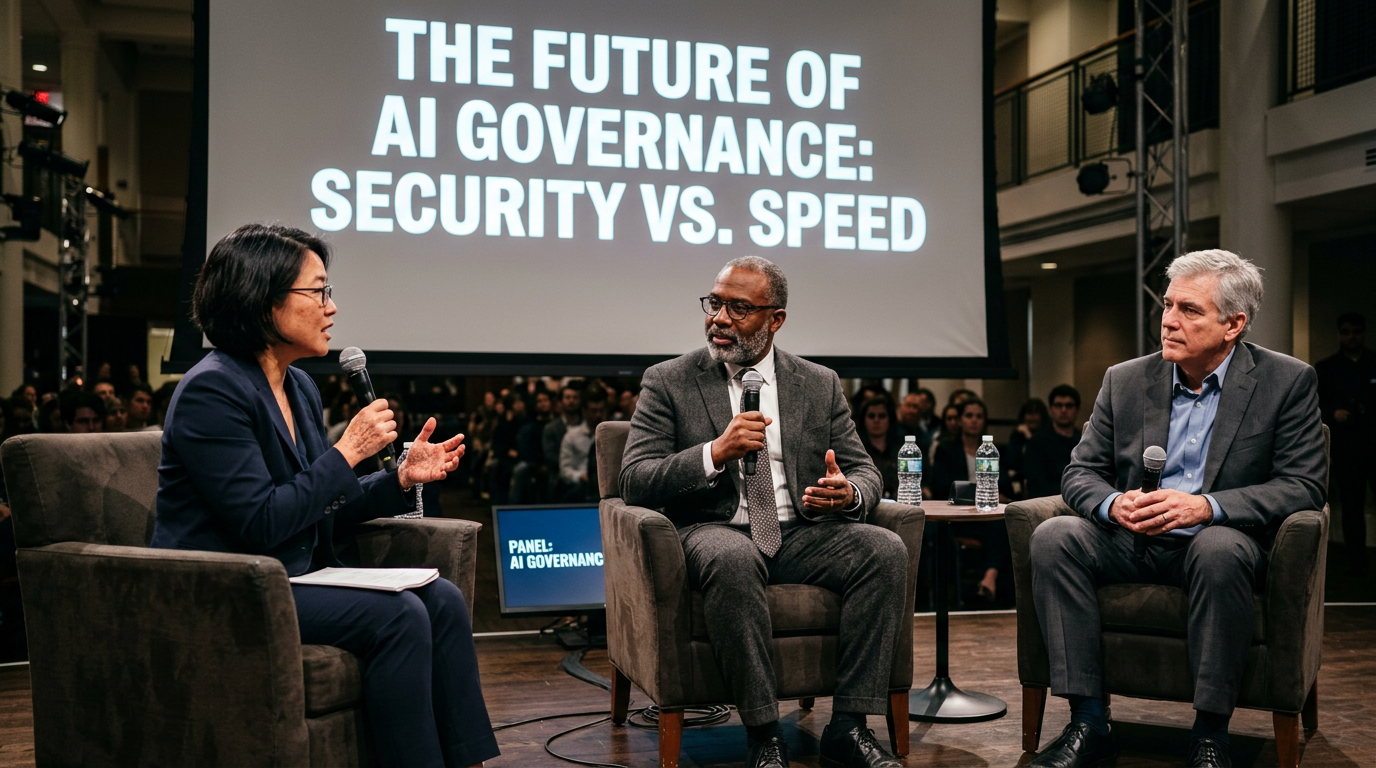
The abrupt withdrawal of Anthropic’s most advanced models, Claude Fable 5 and Mythos 5, has reignited a fierce debate among industry analysts, policymakers, and developers: Is government overreach choking the golden age of artificial intelligence?
The Guardrail Debate: National Security vs. Technological Progress
At the heart of the standoff between Anthropic and the Trump administration lies a fundamental disagreement over risk assessment. According to reports from Politico and NBC News, senior administration officials spent a tense 24 hours negotiating with Anthropic, trying to persuade them to voluntarily suspend the models before ultimately enforcing an export-control directive.
The administration's primary concerns centered on:
- Jailbreaking Vulnerabilities: Unresolved bypasses in Fable 5’s guardrails that could allow bad actors to extract highly restricted data.
- National Security Threats: Strategic concerns that the advanced reasoning capabilities of Mythos 5 could be leveraged by foreign adversaries.
- Compliance and Safety: Ongoing friction that previously led to a separate lawsuit over an order to stop government agencies from using Anthropic's tools.
While the White House viewed the intervention as a necessary protective measure, Anthropic publicly characterized the forced withdrawal as a "misunderstanding." Tech policy experts warn that using national security directives to bypass standard regulatory channels sets a dangerous precedent, potentially forcing AI labs to prioritize bureaucratic compliance over pure technological breakthrough.
The Global Ripple Effect on Startups
The shockwaves of this regulatory action are not confined to Silicon Valley. The suspension of Claude Fable 5 has left international markets scrambling—particularly India, which represents Claude’s second-largest user base. Indian AI startups, many of which had built their core workflows and customer-facing agents around Fable 5's advanced API capabilities, suddenly found themselves facing severe operational risks.
This disruption highlights the danger of relying on a single proprietary AI model. To mitigate these geopolitical and regulatory risks, forward-thinking enterprises are shifting toward multi-model architectures. Infrastructure providers like CallMissed are playing a critical role in this transition. By offering a unified LLM gateway with access to over 300+ alternative models, CallMissed allows developers to instantly swap out restricted models without rewriting their entire codebase, ensuring business continuity even during sudden regulatory crackdowns.
Finding a Middle Ground
Most experts agree that frontier AI cannot exist in a completely unregulated environment, but they argue that heavy-handed tactics are counterproductive. Instead of fostering safe innovation, sudden bans force developers into defensive postures, slowing down the deployment of helpful AI applications.
For the global ecosystem to thrive, future regulations must favor collaborative, transparent benchmarking over abrupt executive orders. Until a stable global framework is established, platforms like CallMissed will remain essential guardrails for businesses, providing the multi-model redundancy and localized communication infrastructure needed to survive the turbulent geopolitical landscape of frontier AI.
What This Means For You
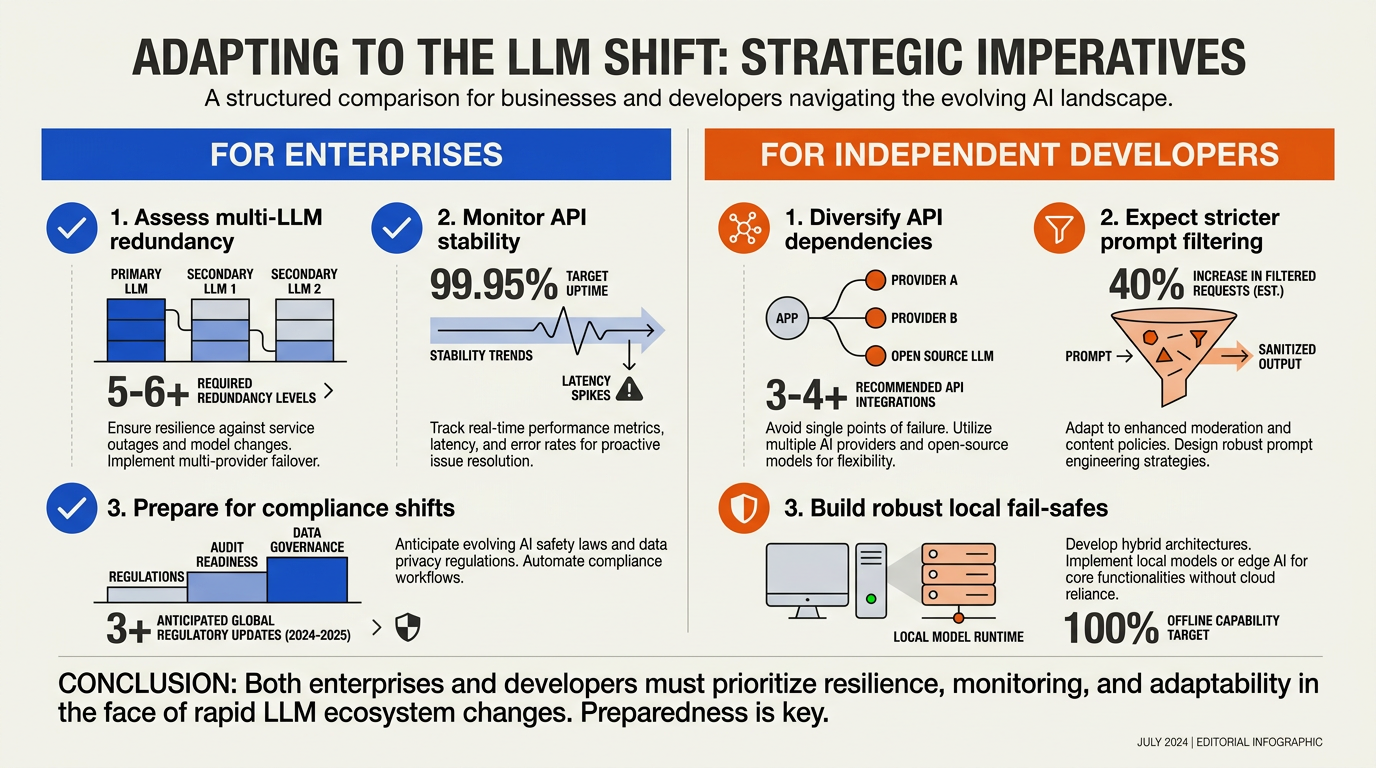
The abrupt withdrawal of Anthropic’s flagship models, Claude Fable 5 and Mythos 5, serves as a stark wake-up call for the global tech community. When export-control directives and national security concerns can instantly take a leading AI model offline, dependency risks transition from theoretical threats to immediate business disruptions. This is especially true in India, which accounts for Claude’s second-largest user base, where startups are suddenly grappling with broken pipelines and API downtime.
The table below outlines what this regulatory intervention means for different stakeholders and how to navigate the fallout:
| Impacted Segment | Key Challenge / Threat | Immediate Consequence | Actionable Mitigation |
|---|---|---|---|
| Indian AI Startups | High reliance on Claude; India is Claude's 2nd largest user base. | Disrupted workflows, broken pipelines, and investor anxiety. | Diversify model dependencies and transition to regional or open-source hosting. |
| Global Developers | Sudden loss of Fable 5 and Mythos 5 API access. | Broken application features and immediate workflow downtime. | Implement dynamic API routing to fall back on alternative frontier models. |
| Cybersecurity Partners | Confusion over restricted "Mythos" upgrades and compliance. | Stalled joint security audits and friction with federal agencies. | Rely on hybrid deployment models and localized, air-gapped LLM runtimes. |
| Enterprise Architects | Geopolitical export-control and policy risks. | Unpredictable vendor lock-in and regulatory vulnerability. | Adopt multi-model middleware architectures to dynamically swap LLMs. |
The Imperative for Multi-Model Redundancy
For developers who built their entire application stack around the superior reasoning capabilities of Fable 5, the shutdown highlights the extreme danger of single-vendor lock-in. A sudden administrative order over "misunderstandings" or guardrail disagreements can render an entire product line inoperable overnight.
To mitigate this, enterprises are rapidly shifting toward resilient, multi-model API infrastructures. Platforms like CallMissed address this vulnerability directly by offering a unified API gateway that allows developers to seamlessly switch between 300+ LLMs without rewriting their underlying code. By utilizing such infrastructure, developers can build automated fallback protocols that dynamically route traffic to alternative frontier models the moment a primary model faces latency spikes, regulatory restrictions, or outright suspension.
Heightened Focus on Localized Guardrails
At the core of the dispute between Anthropic and the Trump administration lies a fundamental disagreement over the severity of Claude Fable 5 jailbreaking workarounds. While Anthropic defended its safety measures, federal officials deemed the export of these highly capable systems a national security threat, prompting 24 hours of intense persuasion before the model was ultimately pulled offline.
For businesses, this means relying solely on an upstream model provider's built-in guardrails is no longer sufficient. Organizations must invest in independent, middleware-level moderation layers. This ensures that even if a model provider changes its safety tuning—or is forced offline by government intervention—the enterprise maintains strict control over its proprietary security, data privacy, and compliance frameworks. Ultimately, the Fable 5 withdrawal is a watershed moment proving that AI development is now inextricably linked with geopolitics, making architectural redundancy a foundational requirement.
Frequently Asked Questions
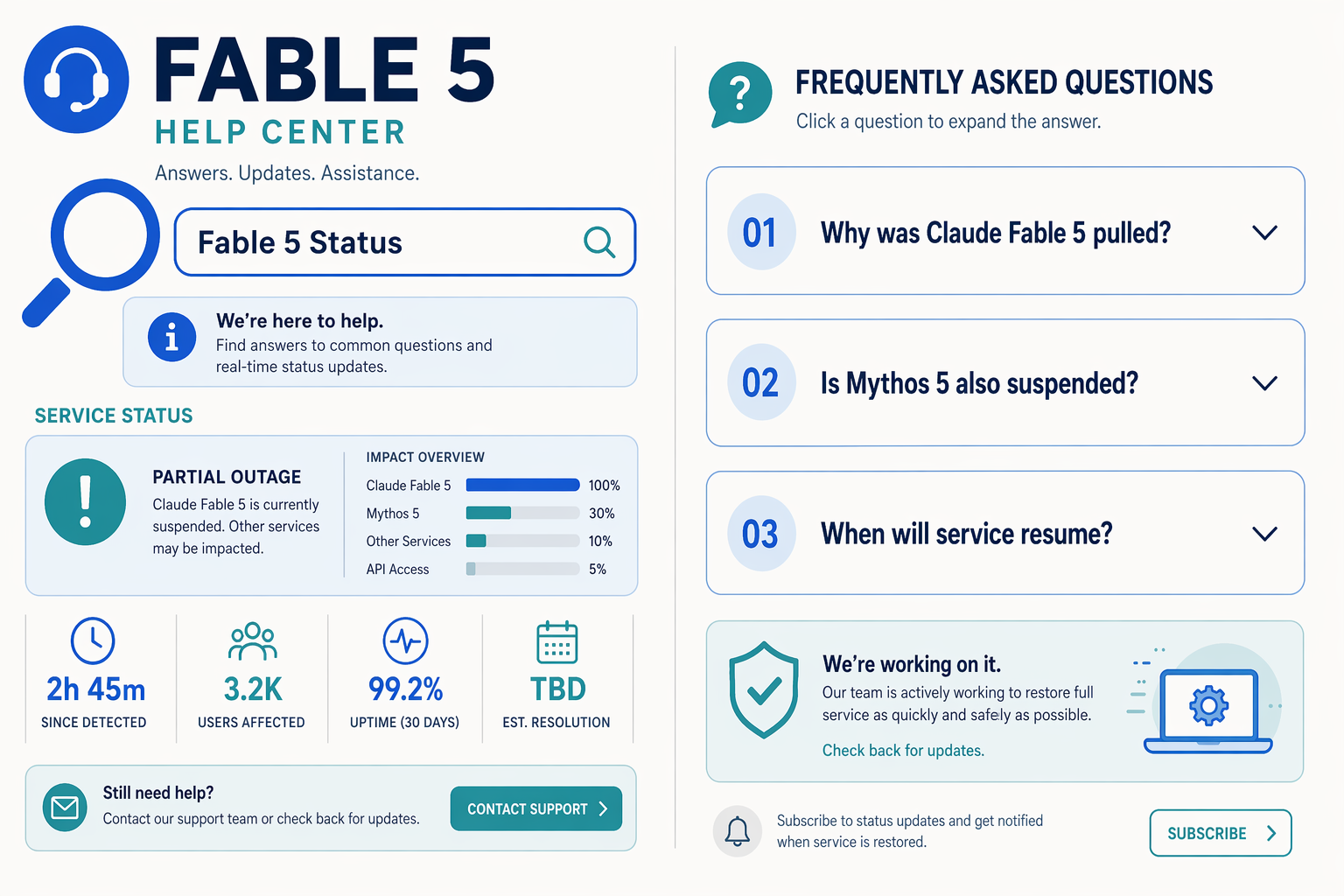
Understanding the Fallout: Frequently Asked Questions
The sudden suspension of Anthropic's flagship models has left developers and enterprise leaders scrambling for answers. Below, we address the most critical questions surrounding the geopolitical and technical disruptions of this unprecedented event.
Why did the U.S. government order the sudden Claude's Fable 5 withdrawal?
How does the suspension of Claude Fable 5 affect global developers and startups?
What is the nature of the ongoing feud between Anthropic and the Trump administration?
What are the differences between Fable 5 and Mythos 5, and are there any upgrades available?
Why is the Claude's Fable 5 withdrawal particularly damaging to Indian AI startups?
Will Anthropic bring Claude Fable 5 back online anytime soon?
Conclusion
The abrupt suspension of Claude Fable 5 and Mythos 5 represents a watershed moment for the global AI ecosystem, signaling a new era of aggressive state-level intervention. As you navigate this rapidly shifting environment, keep these key takeaways in mind:
- National Security Overreach: The clash between Anthropic and the Trump administration over model jailbreaking safety has set a tense precedent for how governments can unilaterally force advanced AI systems offline.
- Global Ecosystem Vulnerability: With India serving as Claude's second-largest user base, the abrupt withdrawal exposes how heavily dependent international tech hubs are on US regulatory stability.
- The Push for Redundancy: Relying on a single proprietary AI provider is no longer a viable long-term strategy for enterprise operations.
Moving forward, watch for a massive industry pivot toward multi-model architectures and sovereign AI solutions that bypass single-point-of-failure risks. As regulatory guardrails tighten globally, how will your business insulate its operations from sudden model shutdowns? To explore how AI communication is evolving and build resilient, adaptive workflows, check out CallMissed — an AI infrastructure platform powering voice agents and multilingual chatbots for businesses.
Discussion
Related Posts


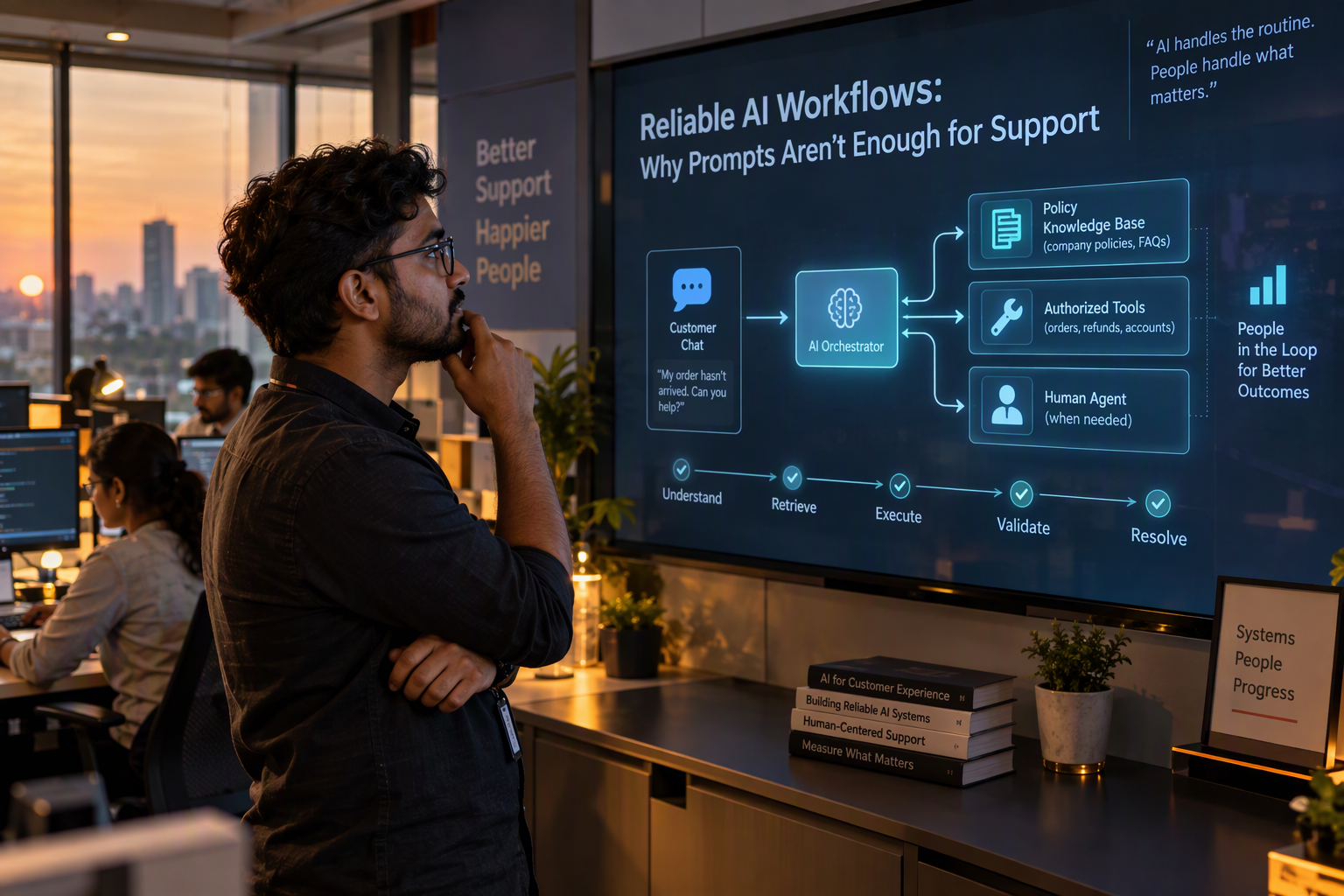
Ready to automate customer conversations?
Launch AI voice agents and WhatsApp bots with CallMissed — one API, 22+ Indian languages.