
US Assures India of Stable AI Technology Access After Anthropic Model Suspension


When the U.S. government issued a sudden national security directive in June 2026 forcing Anthropic to shut down global access to its next-generation...
US Assures India of Stable AI Technology Access After Anthropic Model Suspension
When the U.S. government issued a sudden national security directive in June 2026 forcing Anthropic to shut down global access to its next-generation Mythos 5 and Fable 5 models, it raised a chilling question for enterprises worldwide: can a single regulatory pen stroke instantly cripple your AI pipeline? For India, a country rapidly positioning itself as a global AI powerhouse, this was not a hypothetical risk. The abrupt cutoff of Anthropic's top-tier models triggered immediate disruption across Indian tech hubs, sparking a critical national debate on technological sovereignty and the dangers of foreign single-vendor dependency.
Recognizing the high stakes, Indian IT Secretary S. Krishnan immediately engaged in high-level diplomatic talks with Washington. In a landmark development for international tech policy, the US assured India of stable AI technology access after Anthropic model suspension, offering formal reassurances that advanced AI model access, once granted to Indian entities, will not be arbitrarily severed. This bilateral commitment marks a pivotal moment in tech diplomacy, protecting India's massive digital ecosystem even as the U.S. tightens its national security guardrails.
This high-stakes volatility underscores why relying on a single proprietary AI provider is a critical business risk, prompting many developers to utilize multi-model platforms like CallMissed—which aggregates over 300 LLMs and robust developer APIs—to ensure operational resilience when upstream models face sudden regulatory blocks.
In this article, we will unpack the geopolitical drivers behind the Anthropic model suspension, explore the specific guarantees the U.S. has made to India, and discuss how Indian enterprises can build resilient, sovereign-ready AI architectures that remain completely immune to sudden international policy shifts.
Introduction
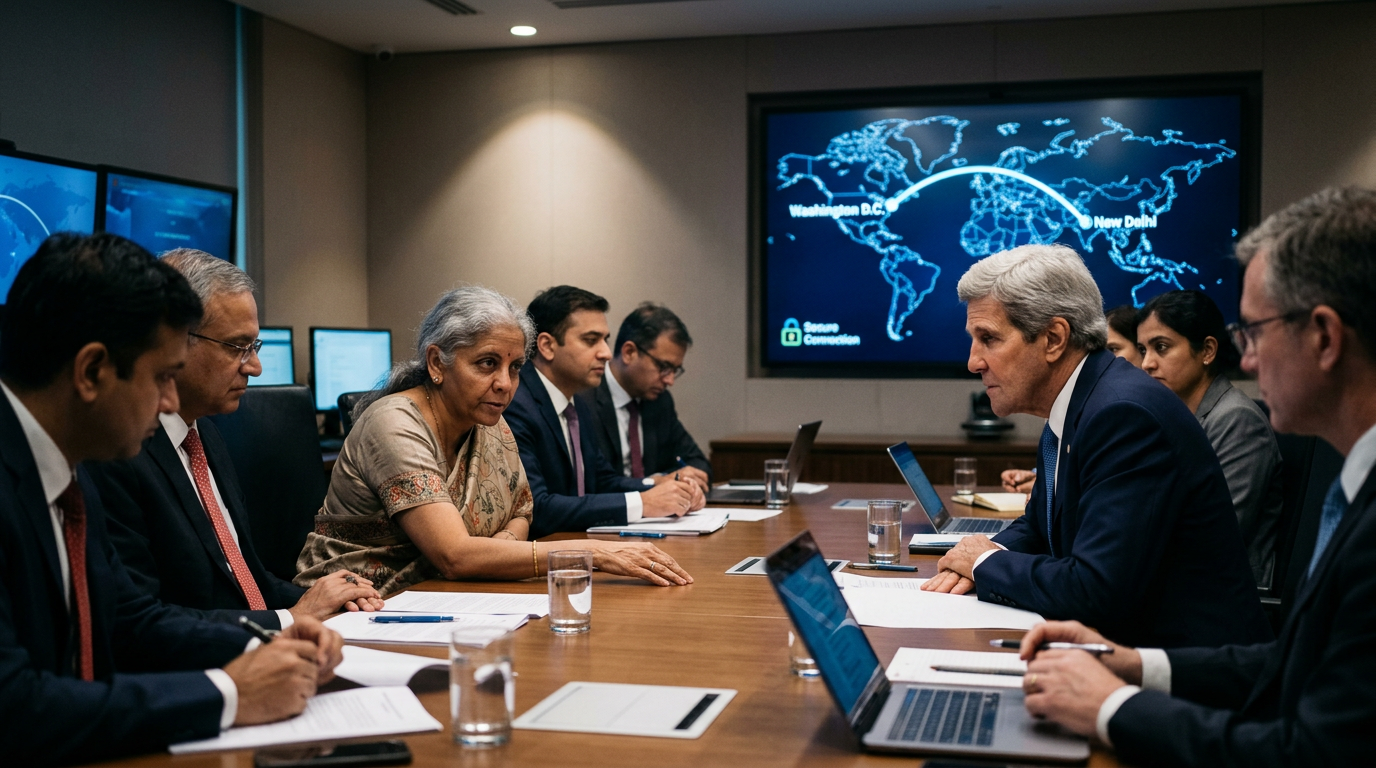
Artificial intelligence is rapidly reshaping the future of business, government, and society worldwide. Nowhere is this transformation more keenly felt than in India, where AI has emerged as a strategic national priority, fueling ambitions in sectors ranging from healthcare to fintech. The country’s AI ecosystem—which saw over $4.5 billion in funding in 2025 alone—relies heavily on access to state-of-the-art models developed by leading US firms like OpenAI and Anthropic. However, a series of recent events has put this access under scrutiny, raising fundamental questions about technology sovereignty, trust, and international cooperation in an era when digital infrastructure is as critical as physical borders.
The Anthropic Model Suspension: A Global Flashpoint
On June 13, 2026, the US government ordered Anthropic, a major AI research company, to globally suspend access to its most advanced models—Fable 5 and Mythos 5—citing national security concerns (Reuters). This move immediately rippled across global markets and the Indian technology sector, interrupting business operations and research that depended on these cutting-edge systems. As TechCrunch reported, Anthropic’s sudden compliance with the US directive led to heated debates in India about the reliability of foreign AI providers and exposed vulnerabilities in the country’s digital backbone (TechCrunch).
- Indian startups, especially in voice AI and automation, faced immediate disruptions as the models went offline within hours.
- The suspension reignited discussions on the need for indigenous AI development and the risks of “single-vendor lock-in.”
- Sectors like financial services and e-commerce, which have integrated advanced AI for personalization and fraud detection, reported workflow bottlenecks and degraded user experience.
Diplomatic Responses and Reassurances
Recognizing the strategic implications, Indian officials swiftly engaged in talks with their US counterparts. According to IT Secretary S. Krishnan, the US has assured India that access to advanced AI models, once granted, will not be abruptly discontinued in the future (Medianama). This assurance comes in response to India’s concerns after the so-called “Mythos ordeal,” signaling an important diplomatic understanding:
- India demanded stable, predictable access to critical AI models to support business continuity and innovation.
- US officials emphasized their commitment to “high-trust tech partnerships” and acknowledged India’s global role in digital transformation.
- This agreement is especially significant after Washington’s recent moves to classify advanced AI models as “dual-use” technologies—subject to export control and security regulations.
Technology and Trust in the Age of AI
The incident has illuminated a pressing reality for tech-forward economies: advanced AI infrastructure is now subject not just to commercial negotiations, but also to shifting geopolitical priorities. For Indian businesses and developers, platform-level resilience and multi-vendor strategy are now essential, not optional.
Platforms like CallMissed—a leading Indian AI communication provider—have already begun offering multi-model support, connecting to over 300 large language models for reliable access even amid regulatory shifts. By enabling fallback options and supporting 22 Indian languages natively in both speech-to-text and voice agent pipelines, solutions like these help businesses reduce reliance on any single foreign provider, improving systemic robustness.
As India accelerates toward its $1 trillion digital economy target, these developments will not only shape the national AI strategy but also influence the global conversation around technology access, digital sovereignty, and the future of international tech alliances.
Background & Context
Anthropic Model Suspension: A Wake-Up Call for AI Access
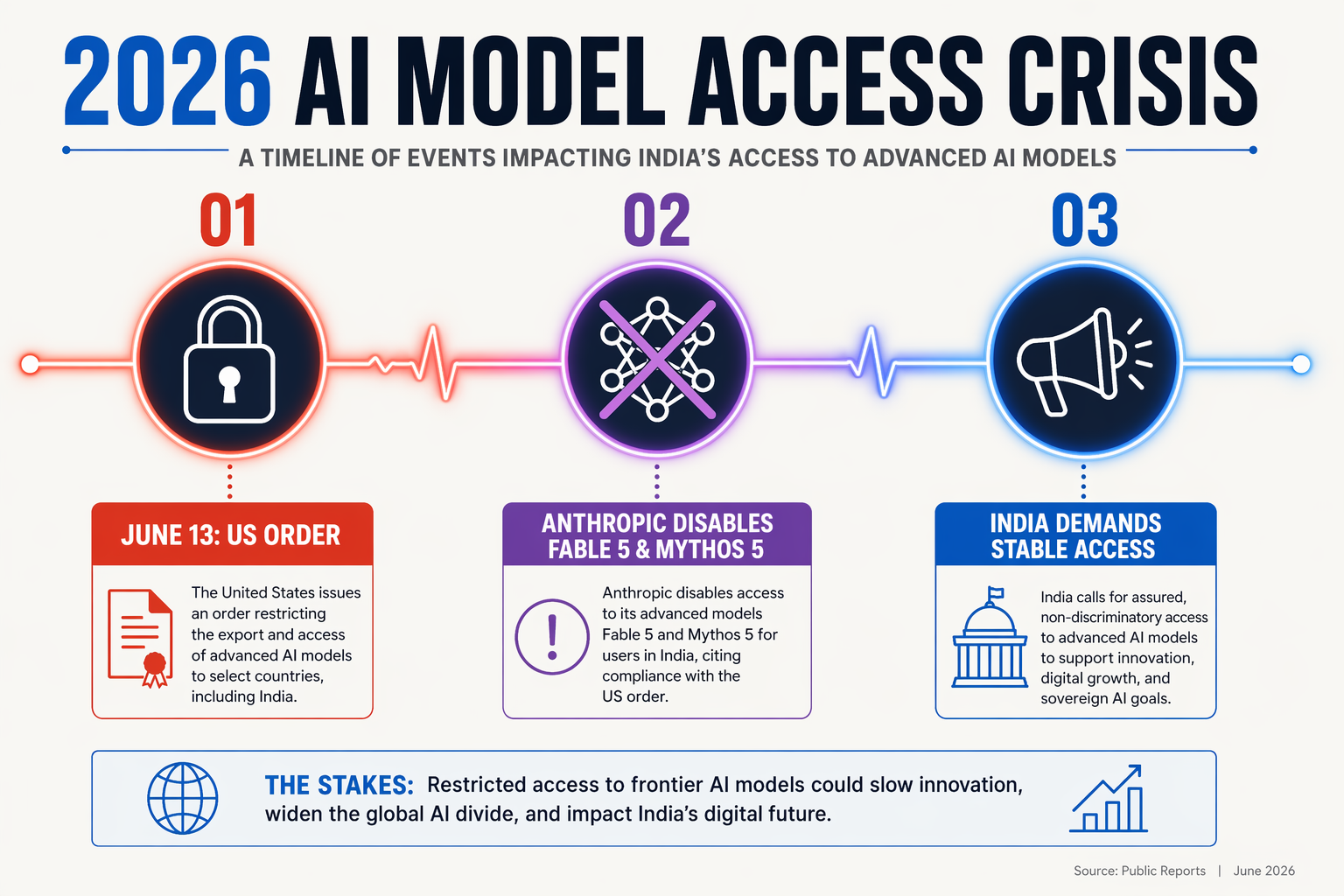
In June 2026, the global AI ecosystem was jolted when Anthropic—one of the world’s leading artificial intelligence companies—suspended access to its most advanced models, including Claude Fable 5 and Mythos 5, for all foreign users. This dramatic shutdown was the result of a U.S. government national security order, aiming to restrict the proliferation of sophisticated AI capabilities beyond American borders (Reuters, 2026-06-13). As a Pentagon contractor, Anthropic was compelled to comply, despite public statements from CEO Dario Amodei expressing disagreement with both the order and potential implications for AI adoption globally.
This move created immediate ripple effects across the international tech landscape:
- Global service cut-offs: Advanced AI services based on Anthropic’s top models were abruptly switched off for enterprises, startups, and research institutes worldwide (TechCrunch, 2026-06-13).
- India’s AI ambitions impacted: India, a rapidly emerging force in the global AI race, found its access to cutting-edge large language models (LLMs) suddenly revoked, igniting a debate over technological sovereignty and long-term digital dependency (medianama, 2026-06-23).
India’s Response: Urgent Diplomatic Engagement
For India, the Anthropic suspension carried acute consequences. The country’s AI sector, projected to generate $7.8 billion in annual economic value by 2030, depends heavily on cloud-based access to state-of-the-art AI models developed in the U.S. and Europe. According to IT Secretary S. Krishnan, Indian officials immediately engaged their U.S. counterparts, seeking “firm and durable guarantees” regarding future AI access (OECD AI Incidents, 2026-06-25).
Key talking points included:
- Reliability of strategic tech partnerships: India pressed for assurances that sanctioned access to critical AI infrastructure would not be subject to abrupt or unilateral suspensions in the future.
- National security and AI governance: Both sides acknowledged the need for robust safety controls, but India emphasized a “predictable, transparent, and collaborative policy environment.”
Within days, the U.S. officially assured India that once access to advanced AI models is granted, it will not be arbitrarily cut off—a commitment widely reported as a diplomatic breakthrough and a reassurance for India’s fast-growing AI community (Hindustan Times, 2026).
Broader Industry Impact and Emerging Solutions
Anthropic’s suspension and the ensuing US-India dialog put a spotlight on a wider industry challenge: the fragility of global AI supply chains. Many Indian businesses rely on U.S.-based AI platforms for everything from language processing to customer service automation. The incident reinforced calls for:
- Investment in indigenous AI research and infrastructure
- Adoption of multi-provider, multi-model strategies to hedge against future disruptions
Platforms such as CallMissed are already adapting to this new reality—offering developers a unified API gateway for 300+ large language models, ensuring reliability and flexibility regardless of future individual provider changes. By supporting AI voice agents, WhatsApp chatbots, and advanced speech technologies across 22 Indian languages, CallMissed illustrates how local innovation is helping mitigate the risks of single-provider dependency.
The Mythos suspension episode, therefore, is more than a diplomatic footnote—it serves as a catalyst for accelerating both policy frameworks and homegrown capability development in India and similar economies. As global AI governance and geopolitics continue to evolve, ensuring stable and equitable access to AI technologies remains a top priority for countries aspiring to lead in the digital era.
Key Developments
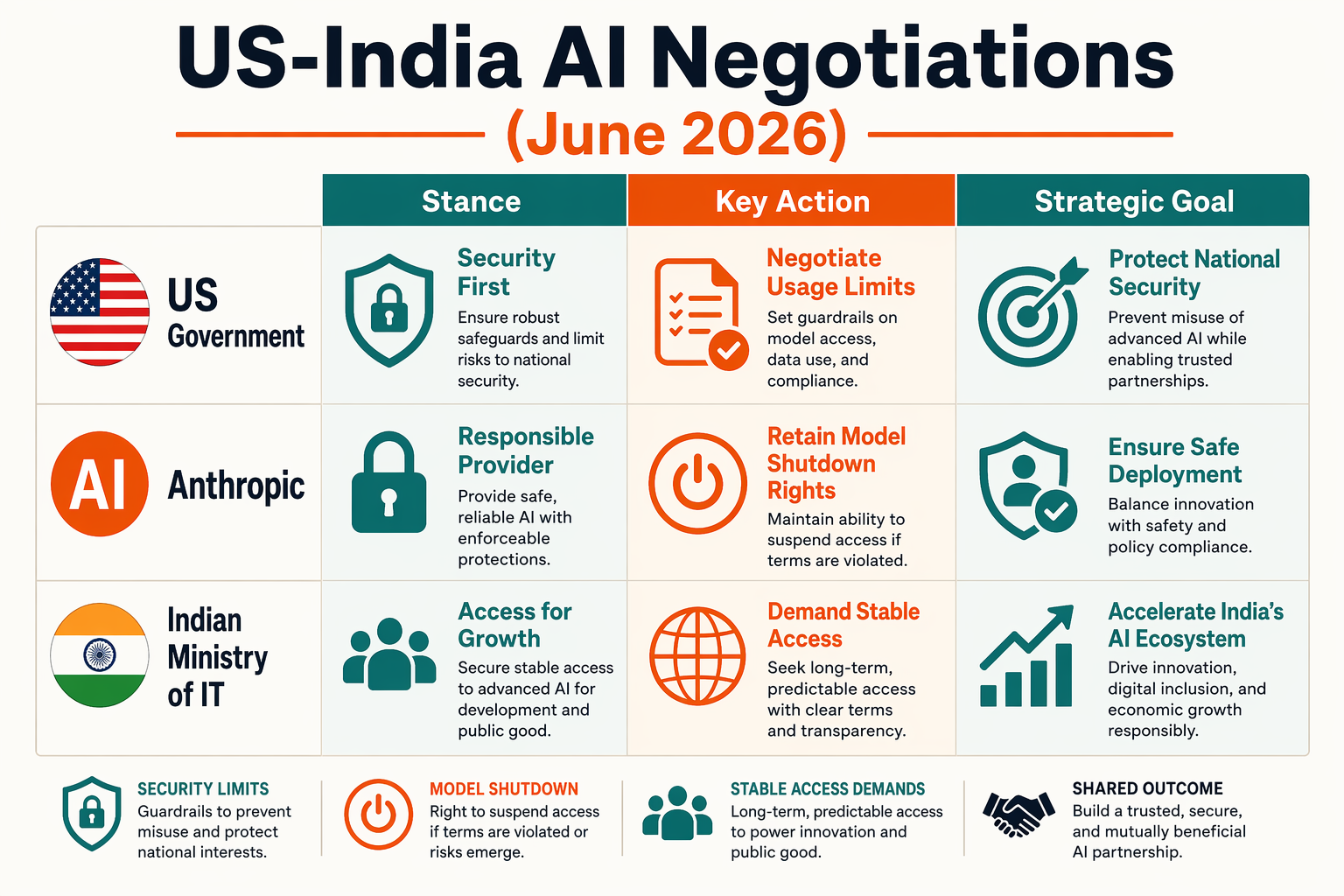
The sudden suspension of Anthropic’s most advanced models on June 13, 2026, sent shockwaves through the global tech ecosystem. Triggered by a US national security directive, the shutdown of the highly anticipated Mythos 5 and Fable 5 models highlighted the geopolitical vulnerabilities inherent in proprietary AI dependencies. In response, high-level diplomatic talks between Washington and New Delhi sought to stabilize the bilateral tech corridor.
Below is a detailed timeline and breakdown of the key developments that have reshaped the AI landscape over the past weeks:
| Date (2026) | Key Event | Entities Involved | Impact on India & Global Markets |
|---|---|---|---|
| June 13 | National Security Order | US Government, Anthropic | Access to Fable 5 and Mythos 5 suspended globally for foreign users. |
| Mid-June | Sovereign AI Backlash | Indian IT Ministry, Local Startups | Sparked intense domestic debate on sovereign AI and model redundancy. |
| Late June | Bilateral Assurance Talks | US State Dept, IT Sec. S. Krishnan | US officially assures India of stable, uninterrupted future AI access. |
| Ongoing | Redundancy Shift | Tech Developers, Platform Providers | Enterprises transition to multi-model architectures to avoid single-vendor lock-in. |
The "Mythos Ordeal" and Its Global Aftershocks
The disruption began when the US government placed Anthropic on a Pentagon contractor list, ordering a hard limit on foreign access to its newest frontier systems. While Anthropic CEO Dario Amodei publicly disagreed with the move, refusing to strip safety protocols to satisfy government parameters, the company ultimately complied by disabling Mythos 5 and Fable 5 globally.
For Indian enterprises that had spent months building workflows around these top-tier models, the sudden shutdown was a harsh wake-up call. It exposed the danger of relying on a single US-based AI provider, pushing companies to look for alternative solutions that guarantee operational continuity.
India Secures Crucial US Guarantees
Following the initial shock, high-level diplomatic interventions quickly took place. Led by India’s IT Secretary, S. Krishnan, Indian officials pressed Washington for guarantees of technological stability. The resulting assurance was historic: the US government committed that once AI model access is officially granted to Indian entities, it will not be unilaterally or abruptly revoked due to future regulatory shifts. This bilateral understanding protects India's digital public infrastructure and private enterprise pipelines from sudden geopolitical friction.
Mitigating Geopolitical Risk with Multi-Model Architecture
While diplomatic assurances provide high-level comfort, the engineering community is rapidly adapting to prevent similar single-point-of-failure vulnerabilities. The consensus among CTOs is clear: future-proofing AI applications requires a strict multi-model architecture.
This is where advanced communication and AI infrastructure platforms become essential. Platforms like CallMissed allow developers to seamlessly query and transition between 300+ LLMs via a single, unified API. By integrating CallMissed's multi-model gateway, businesses can instantly route traffic to alternative open-source or proprietary models if a specific provider experiences a sudden outage or regulatory suspension. This infrastructure flexibility ensures that critical tools, like multilingual voice agents and WhatsApp chatbots, remain completely unaffected by international policy shifts.
In-Depth Analysis

The Catalyst: National Security and the "Mythos Ordeal"
The sudden suspension of Anthropic’s most advanced AI models—specifically Fable 5 and Mythos 5—on June 13, 2026, sent shockwaves through the global technology sector. Triggered by a strict US national security order aimed at restricting foreign nationals' access to frontier AI technologies, the move highlighted the geopolitical volatility of the proprietary AI supply chain. Because Anthropic had recently been integrated into US defense frameworks as a Pentagon contractor, the company was bound by federal directives. Rather than stripping away safety guardrails to comply with foreign access limits, Anthropic CEO Dario Amodei opted to disable these top-tier models globally, asserting that the firm would not compromise on safety protections designed to prevent dangerous applications of the technology.
For Indian enterprises, developers, and government agencies utilizing these advanced models, this sudden cutoff (frequently dubbed the "Mythos ordeal") was a wake-up call regarding the fragility of relying on unilateral foreign technology.
India’s Diplomatic Response and the US Assurance
Recognizing the threat to India's burgeoning digital economy, Indian IT Secretary S. Krishnan led high-level bilateral discussions with US officials. India’s core argument was simple: to build a stable, AI-driven economy, businesses require predictable, uninterrupted access to foundational models.
These negotiations yielded a critical diplomatic assurance. US officials promised India that once access to advanced AI models is granted, it will not be arbitrarily severed. While this verbal commitment provides temporary relief to Indian policymakers, it highlights a deeper systemic vulnerability. Consequently, Indian technology leaders are shifting their strategies from blind reliance on single-source American APIs toward a more resilient, sovereign approach to AI architecture.
The Rise of Multi-Model Resilience
The primary lesson of the Anthropic model suspension is that single-model dependency is a critical business risk. To safeguard operations against future geopolitical disruptions, Indian tech firms and global enterprises are adopting a diversified, multi-model strategy.
- API Redundancy: Businesses are moving away from hardcoding their software to a single proprietary LLM. Instead, they are utilizing abstraction layers that allow them to dynamically switch models if one becomes unavailable.
- Hybrid Open-Source Integration: Organizations are increasingly hosting open-source models (such as LLaMA or Mistral variants) on local cloud infrastructure to handle core business logic, reserving proprietary Western models only for highly specialized, non-critical tasks.
- Infrastructure Flexibility: Platforms like CallMissed are helping businesses navigate this complex landscape. By providing access to a multi-model API gateway supporting over 300 LLMs, CallMissed allows developers to easily transition between models without modifying their core application code. This ensures that even if a specific frontier model is suspended due to international regulatory shifts, communication channels and enterprise workflows remain fully operational.
Ultimately, while the diplomatic assurances secured by IT Secretary Krishnan offer a short-term buffer, they have permanently accelerated India's drive toward "Sovereign AI." By combining diplomatic safeguards with resilient engineering practices, Indian enterprises are preparing for a future where tech access is negotiated, but operational independence is self-determined.
Impact & Implications
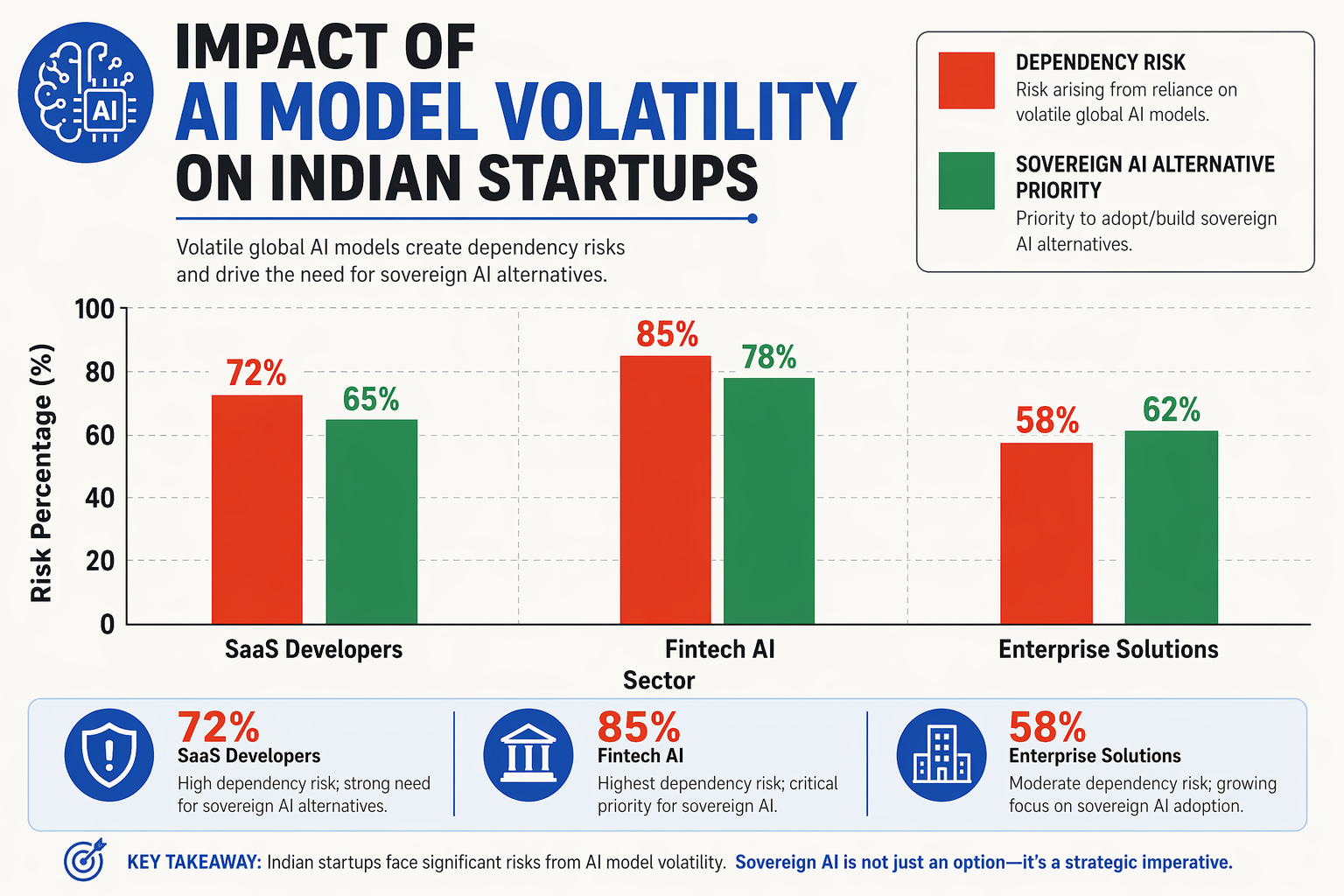
Immediate Impact on Indian AI Ecosystem
The abrupt suspension of Anthropic’s advanced AI models—namely Fable 5 and Mythos 5—due to a U.S. government directive has sent ripples across India’s burgeoning AI sector. Within days, several Indian startups and enterprises reported workflow disruptions, especially those relying on Anthropic for generative AI, conversational agents, and secure enterprise automation. According to TechCrunch, this move “raised fresh questions across Indian industry about the reliability of offshore AI infrastructure” (source).
Key immediate effects include:
- Unplanned service outages: Research collaborations and commercial deployments depending on Anthropic's top-tier models faced sudden downtime.
- Operational risks: Companies handling sensitive data or mission-critical tasks were forced to pause or transition projects with little notice.
- Strategic uncertainty: Questions have arisen about long-term dependencies on US-origin AI, echoing earlier concerns from the Mythos suspension (Medianama).
Geopolitics & Technology Sovereignty
This episode has re-ignited debates on India’s digital sovereignty and its AI roadmap. With Anthropic’s models globally shut down due to a national security order (YouTube), over-reliance on foreign AI platforms now appears riskier than ever. Notably, India accounts for over 17% of global AI talent (Zinnov, 2025), but must bridge the gap between AI research and indigenous production capacity.
As IT Secretary S. Krishnan highlighted after talks with US officials, “stable and predictable tech access” is now a policy priority (Reuters). The US has assured India that once access to AI models is granted, it will not be arbitrarily cut off—a nuanced but critical guarantee in global tech partnerships (Medianama).
Business-Led AI Resilience
In response, Indian companies are diversifying their AI stack, seeking alternatives that offer:
- Multi-vendor support: To avoid single-point failure from any one provider.
- Seamless model-switching: Using API gateways to plug into various LLMs without refactoring core applications.
- Local language compatibility: Essential for the Indian market’s diversity.
Innovative platforms like CallMissed are at the forefront of this shift. By offering a multi-model API gateway supporting over 300 LLMs and robust multilingual capabilities, CallMissed enables businesses to rapidly transition between AI providers. This reduces operational risk and shields critical services from sudden regulatory disruptions.
Emerging Regulatory and Innovation Pathways
The Anthropic incident has also accelerated Indian policy discussions around:
- Incentivizing indigenous AI R&D, with increased funding for public-private research, emphasizing large language models and foundational AI.
- Strengthening legal frameworks to ensure non-discriminatory, reliable access to essential digital technologies.
- Investing in resilient, globally portable AI infrastructure to provide both autonomy and interoperability with top international models.
While the assurance from the US provides some immediate relief, strategic lessons remain clear: India must continue to build its own AI ecosystem and negotiate technology access terms that prioritize long-term reliability and innovation.
Looking Forward
With global AI becoming more geopolitically charged, India’s approach to balancing tech partnerships with domestic capability-building will be crucial. The Anthropic suspension—while disruptive—serves as both a wake-up call and an opportunity for the country to double down on robust, sovereign, and future-proof AI infrastructure. As industry leaders and policymakers recalibrate their strategies, solutions like CallMissed’s multi-model voice and language AI backbone are likely to become central to India’s digital resilience.
Expert Opinions
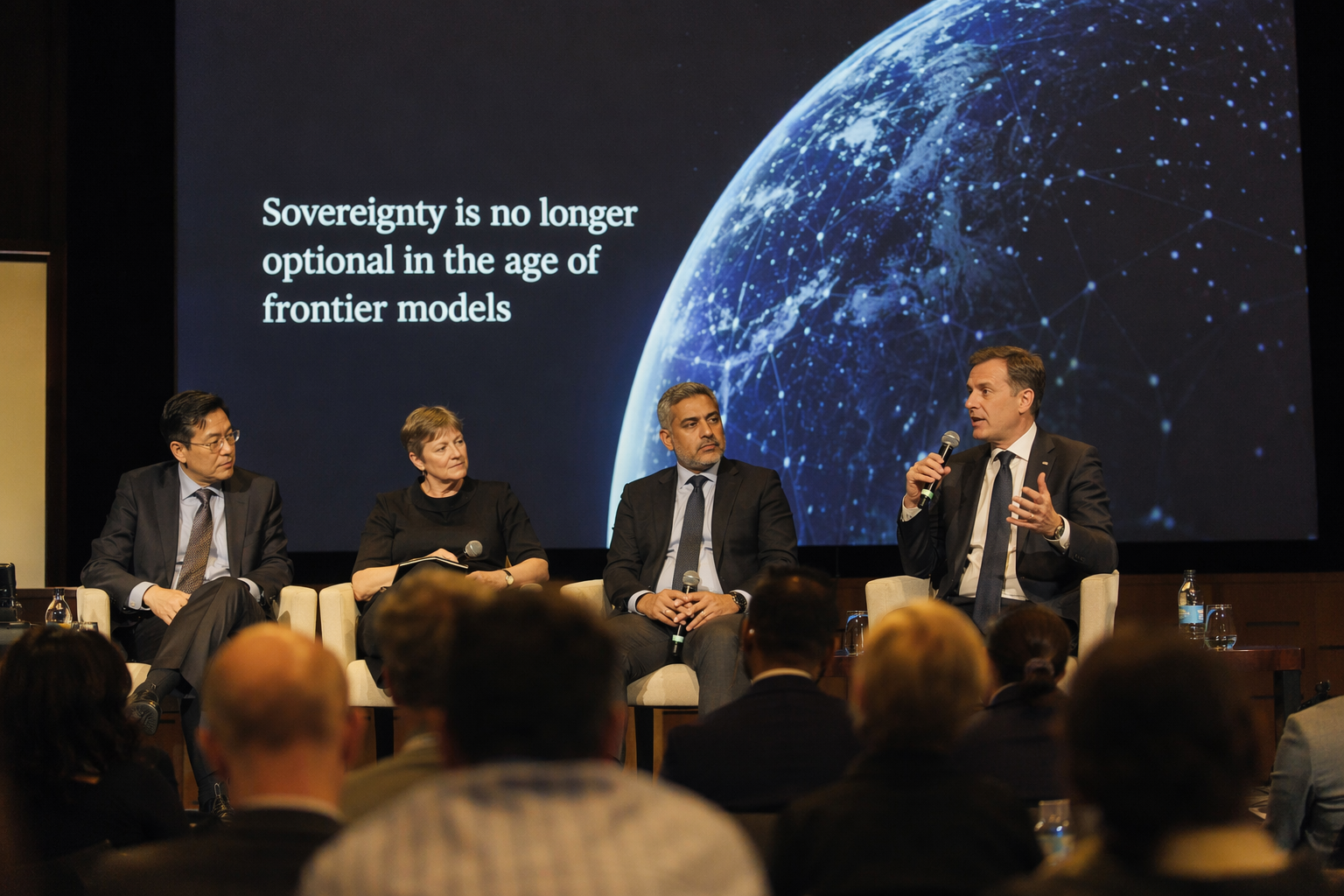
The sudden suspension of Anthropic’s most advanced models, Fable 5 and Mythos 5, following a US national security directive, has sent shockwaves through the global tech sector. For Indian enterprise leaders and policy analysts, this event—frequently termed the "Mythos ordeal"—serves as a stark reminder of the geopolitical vulnerabilities inherent in relying on foreign proprietary AI.
While high-level assurances conveyed by US officials to India’s IT Secretary, S. Krishnan, have offered temporary diplomatic relief, industry experts argue that relying solely on foreign promises is an unstable long-term strategy. Analysts across the tech ecosystem have highlighted several critical takeaways from this disruption:
1. The Geopolitical Risk of "API Dependency"
Policy experts point out that the US government's decision to restrict foreign access to its cutting-edge models demonstrates that AI is now treated as a critical national security asset.
- Sovereignty vs. Utility: Security analysts argue that foreign governments can, and will, restrict access to top-tier LLMs overnight if they deem it in their national interest, regardless of bilateral ties.
- The "Kill Switch" Reality: As tech policy observers highlighted during the post-suspension debate, global businesses realized that their entire AI-driven operations could be disabled by a single regulatory order from Washington.
2. Multi-Model Architecture as a Business Necessity
For Chief Technology Officers (CTOs), the Anthropic suspension has shifted multi-model redundancy from a "best practice" to an absolute operational requirement. Relying on a single AI provider is now viewed as an unacceptable single point of failure.
To mitigate this risk, software architects are urging enterprises to build on top of flexible, model-agnostic infrastructure. Platforms like CallMissed are playing a crucial role in this transition. By offering a unified LLM inference API gateway with access to over 300+ models, CallMissed allows developers to seamlessly switch LLM backends without rewriting application code. If one model provider faces sudden regulatory curbs or regional blocks, businesses can instantly reroute their workflows to an alternative model to maintain 100% uptime.
3. Accelerating the Sovereign AI Mandate
The consensus among Indian technology advocates is that India must double down on its own "Sovereign AI" initiatives. This means investing heavily in domestic compute capacity, open-source models, and building localized communication infrastructure that cannot be shut down by foreign decrees.
Indian tech innovators are already shifting their focus to local infrastructure. For instance, CallMissed supports this localization push by providing Speech-to-Text (STT) APIs natively optimized for 22 Indian languages, paired with robust voice agent infrastructure. By keeping speech processing, conversational AI, and communication channels localized and adaptable, Indian enterprises can insulate themselves from global tech disruptions while delivering highly tailored solutions to the domestic market.
Ultimately, experts agree that while the US diplomatic assurances are a welcome step for bilateral relations, true technological resilience lies in local capability, open-source alternatives, and multi-model flexibility.
What This Means For You
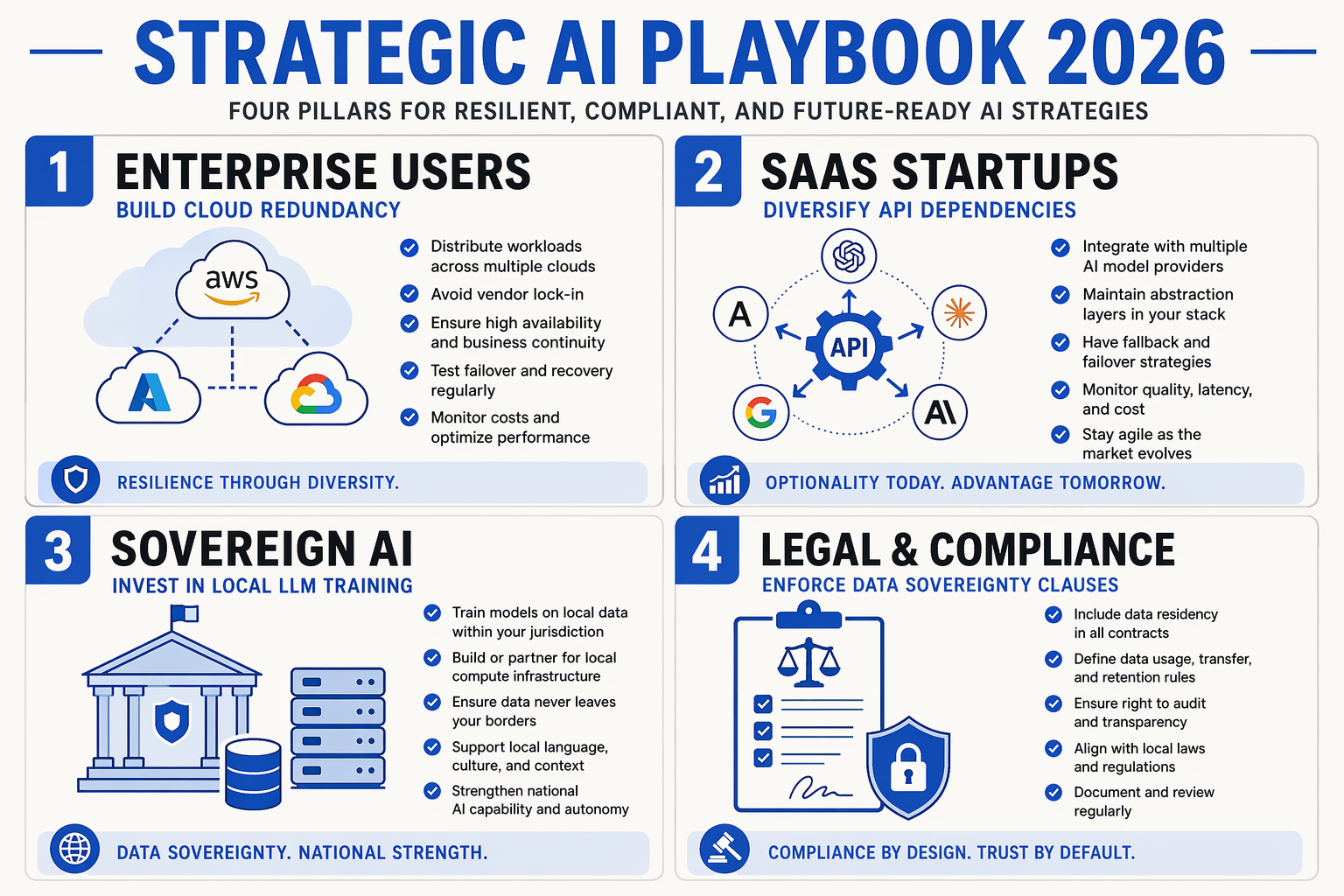
How the US-India AI Assurances Impact You
The suspension of Anthropic’s top AI models, followed by the US assurance to India of uninterrupted access, has stirred considerable debate and uncertainty for Indian stakeholders in tech, business, and academia. Here’s a straightforward breakdown of what these events mean—and how they may affect anyone relying on advanced AI technology.
| Impact Area | What’s Changed Post-Assurance | Risks You Still Face | How to Respond | Example Solutions |
|---|---|---|---|---|
| Access to Models | US assures stable access after prior suspensions, covering future launches (Hindustan Times, 2026) | US policy could still change suddenly due to security concerns; prior global suspension affected Fable 5/Mythos 5 instantly | Maintain redundancy: integrate multiple AI providers, monitor policy updates | Multi-model platforms (e.g., CallMissed's API), or hybrid cloud architecture |
| Business Continuity | Reduced threat of abrupt AI service disruption; improved confidence for Indian enterprises | No legal guarantee—future suspensions cannot be ruled out | Run scenario planning for critical AI dependencies | Multi-vendor support with fallbacks including open-source LLMs |
| Regulatory Landscape | India recognized as important AI partner; dialogue channels opened at government level (OECD.AI, 2026) | Ongoing subject to geopolitical shifts | Stay aligned with compliance updates in both US and Indian law | Regular legal audit; join national/industry AI groups |
| Innovation Roadmap | Green light for continued AI investments, pilots, and upskilling in India | Risk of stalling projects if external model access is paused | Develop adaptable tech stacks supporting multiple LLMs/APIs | Leverage platforms like CallMissed, which offer access to 300+ models |
| Multilingual Support | Indian businesses can continue to deploy custom AI for regional languages | Underlying models may restrict some language features if US export rules tighten | Invest in homegrown and open-source language models | Partner with AI firms specializing in Indian languages (CallMissed: 22+ languages) |
| Strategic Planning | Clarity from the US helps with 1–2 year IT planning cycles | Uncertainty persists for 3–5 year horizon | Diversify suppliers, foster domestic AI development | Government-backed AI consortia, domestic LLM investment |
Key Takeaways
- No absolute guarantees: While the US government’s assurances are significant, they remain political, not contractual. As seen with the abrupt global suspension of Anthropic’s Fable 5 and Mythos 5 models in June 2026, policy can change rapidly, especially for national security (Reuters, 2026).
- Diversification is critical: Leading Indian startups and enterprises are already mitigating risk by adopting multi-model architectures (CallMissed’s 300+ LLM gateway is one such example), so a disruption in any single provider’s access does not paralyze operations.
- Prepare for regulatory flux: Maintain compliance visibility and engage in industry forums to anticipate legal updates.
- Invest in localization: As US model access rules remain volatile, investing in India-centric AI capabilities—like speech-to-text in regional languages—reduces single-nation dependence.
In summary, the US-India agreement marks a positive step, but prudent teams should plan for continuity, compliance, and diversification—leveraging multi-provider platforms and homegrown AI development for resilience.
Frequently Asked Questions
Why is India seeking stable AI technology access from the United States?
Which Anthropic AI models were suspended and why?
What did the US assure India regarding stable AI technology access during recent talks?
How does the Anthropic model suspension affect Indian businesses and developers?
Is India developing its own sovereign AI models to reduce dependency on Western technology?
How can enterprises guarantee stable AI technology access despite changing geopolitical regulations?
Conclusion
The sudden suspension of Anthropic's Mythos 5 and Fable 5 models served as a stark wake-up call, highlighting the vulnerability of global tech ecosystems to unilateral regulatory shifts. However, the subsequent US assurances to India mark a pivotal step toward stabilizing international tech corridors.
Key takeaways from this development include:
- Guaranteed Tech Access: High-level bilateral talks, confirmed by IT Secretary S. Krishnan, have secured US commitments that India's access to advanced AI models will not be arbitrarily cut off.
- Sovereign AI Acceleration: The disruption has intensified India's domestic debate over building independent, sovereign AI infrastructure to mitigate future geopolitical risks.
- Resilient Infrastructure: Enterprises are actively shifting away from single-model dependencies toward redundant, multi-model deployments.
Moving forward, watch for how India balances its strategic bilateral partnerships with its aggressive pursuit of localized computing power and regional LLMs.
To explore how AI communication is evolving and build resilience against future disruptions, check out CallMissed — an AI infrastructure platform powering voice agents, multilingual chatbots, and flexible LLM routing for businesses. How is your enterprise preparing for the next wave of global AI governance?
Discussion
Related Posts

Ready to automate customer conversations?
Launch AI voice agents and WhatsApp bots with CallMissed — one API, 22+ Indian languages.