
Tata-ASML Deal: How Significant is it for India’s Semiconductor Push?


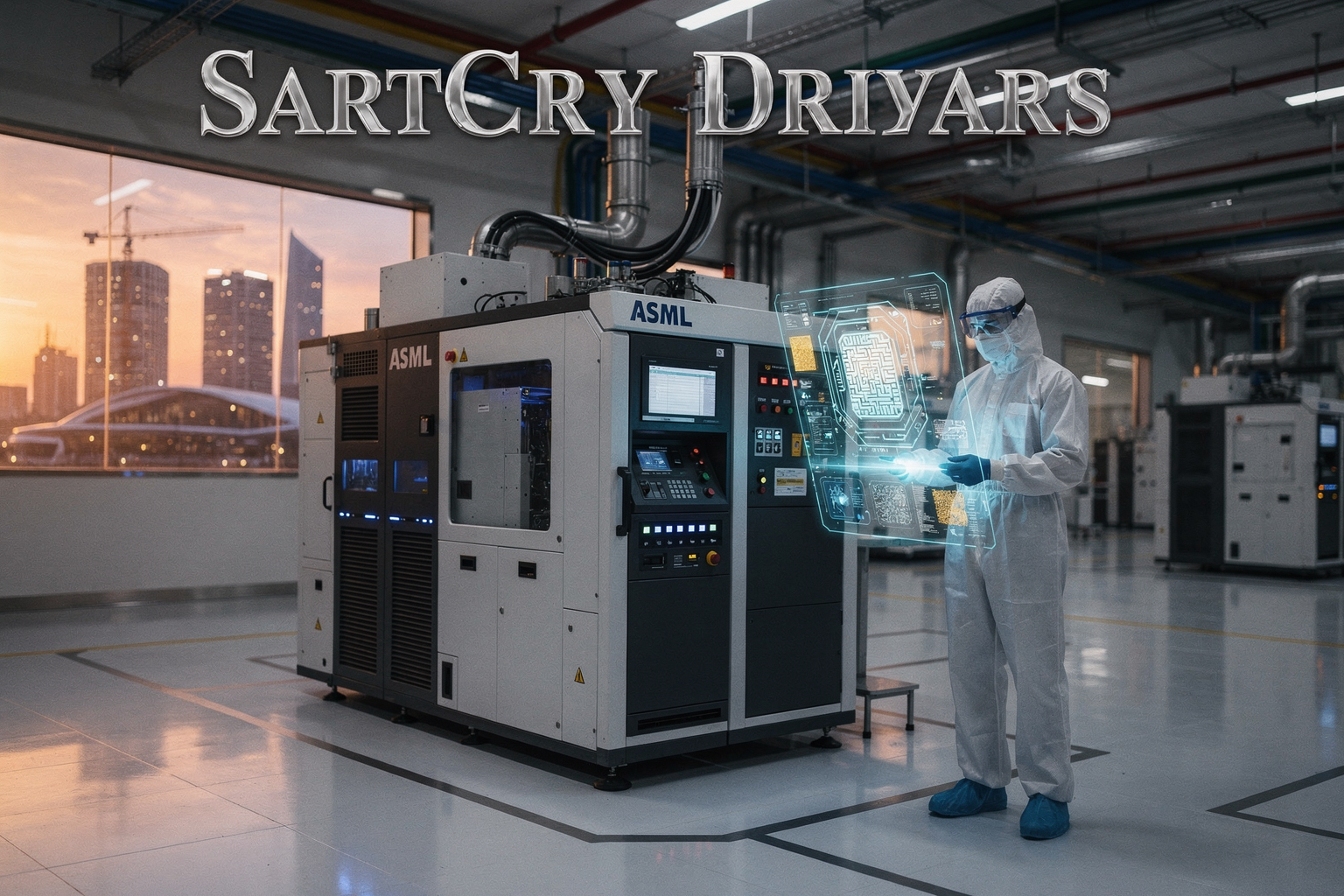
Did you know that more than 90% of the world’s most advanced semiconductor chips rely on equipment from just one company—ASML, the Dutch giant behind the...
Tata-ASML Deal: How Significant is it for India’s Semiconductor Push?
Did you know that more than 90% of the world’s most advanced semiconductor chips rely on equipment from just one company—ASML, the Dutch giant behind the ultraviolet lithography machines that make modern electronics possible? Now, for the first time, India is set to enter this exclusive club. Tata Electronics’ landmark deal with ASML, announced in May 2026, is making headlines because it promises to fundamentally reshape India’s role in the global chip supply chain—a sector projected to reach $1 trillion by 2030, according to McKinsey.
Why does this matter right now? Geopolitical tensions and supply chain disruptions have exposed just how vulnerable the world is to semiconductor shortages. In 2021, a global chip crunch slashed production in automotive, electronics, and telecom sectors, costing industries hundreds of billions of dollars. For a rapidly digitizing country like India, which imported over $27 billion worth of semiconductors last year, building domestic chip-making capacity isn’t just about industrial growth—it’s about technological sovereignty and future-proofing the nation’s digital ambitions.
This article will unpack what the Tata-ASML partnership actually involves, how it accelerates India’s semiconductor manufacturing dream (including Tata’s upcoming 300mm fab in Dholera), and what challenges remain as India seeks to join the elite group of countries with high-end chip production. We’ll also explore the ripple effects for tech startups and AI-driven platforms—like CallMissed, whose communication infrastructure depends on cutting-edge chips—underscoring why this is not just a corporate milestone, but a linchpin for India’s digital economy.
Whether you’re a policymaker, tech executive, or simply curious about how chips power everything from your phone to cloud AI agents, this deep-dive will clarify why the Tata-ASML deal could be a turning point for India’s semiconductor push—and what it means for the future of technology on the subcontinent and beyond.
Introduction: A Historic Leap for India’s Silicon Ambitions
The global semiconductor landscape is undergoing a monumental shift, and India has just secured a seat at the high table. In May 2026, Tata Electronics announced a historic strategic partnership with Dutch technology titan ASML (Advanced Semiconductor Materials Lithography). As the world’s sole producer of the highly advanced extreme ultraviolet (EUV) lithography machines and a dominant player in deep ultraviolet (DUV) systems, ASML is the undisputed gatekeeper of modern microchip fabrication.
This landmark agreement is designed to fast-track the establishment and successful operational ramp of Tata’s upcoming 300 mm (12-inch) semiconductor Fab in Dholera, Gujarat. Representing a pivotal piece of India's broader $11 billion chip manufacturing push, this collaboration is widely seen by industry experts as a watershed moment for the nation’s journey toward technological independence.
Why the Tata-ASML Deal is a Game Changer
For decades, India has excelled in chip design, housing design centers for almost every major global semiconductor firm. However, actual physical manufacturing (front-end fabrication) remained an elusive frontier. The partnership with ASML directly addresses this gap by ensuring Tata has the cutting-edge lithography equipment, workforce training, and technical expertise necessary to build high-yield, commercial-grade silicon.
The significance of this partnership spans across several key areas:
- Technological Sovereignty: By localizing semiconductor manufacturing, India aims to insulate its domestic industries from global supply chain shocks and geopolitical vulnerabilities.
- Ecosystem Catalyst: The presence of an operational, ASML-supported fab in Dholera will attract a cluster of ancillary industries, including chemical providers, cleanroom engineers, and specialized equipment suppliers.
- High-Volume Capabilities: ASML will actively enable the successful launch of India's first major front-end semiconductor fab, focusing on the high-volume 300 mm silicon wafers that power everything from smartphones to automotive electronics.
Powering the Next Generation of Indian AI and Infrastructure
This hardware revolution is closely intertwined with India's booming software and AI ecosystem. As local chip production scales, it will provide a highly secure, high-performance foundation for advanced, localized AI applications.
Downstream innovators are already positioning themselves to leverage this hardware boom. For example, AI communication platforms like CallMissed rely on robust computational infrastructure to power their multi-model API gateways (integrating 300+ LLMs) and high-accuracy Speech-to-Text APIs natively supporting 22 regional Indian languages. Localized chip manufacturing will ultimately lower latency, enhance data sovereignty, and accelerate the deployment of such compute-intensive AI services across the subcontinent.
As Christophe Fouquet, President and CEO of ASML, highlighted during the announcement, this partnership is a testament to India's growing role in the global semiconductor value chain. Over the coming years, the collaboration will redefine not just India's domestic tech landscape, but the geopolitics of global technology manufacturing.
Background & Context: India's Semiconductor Landscape
The Urgency Behind India’s Semiconductor Ambitions
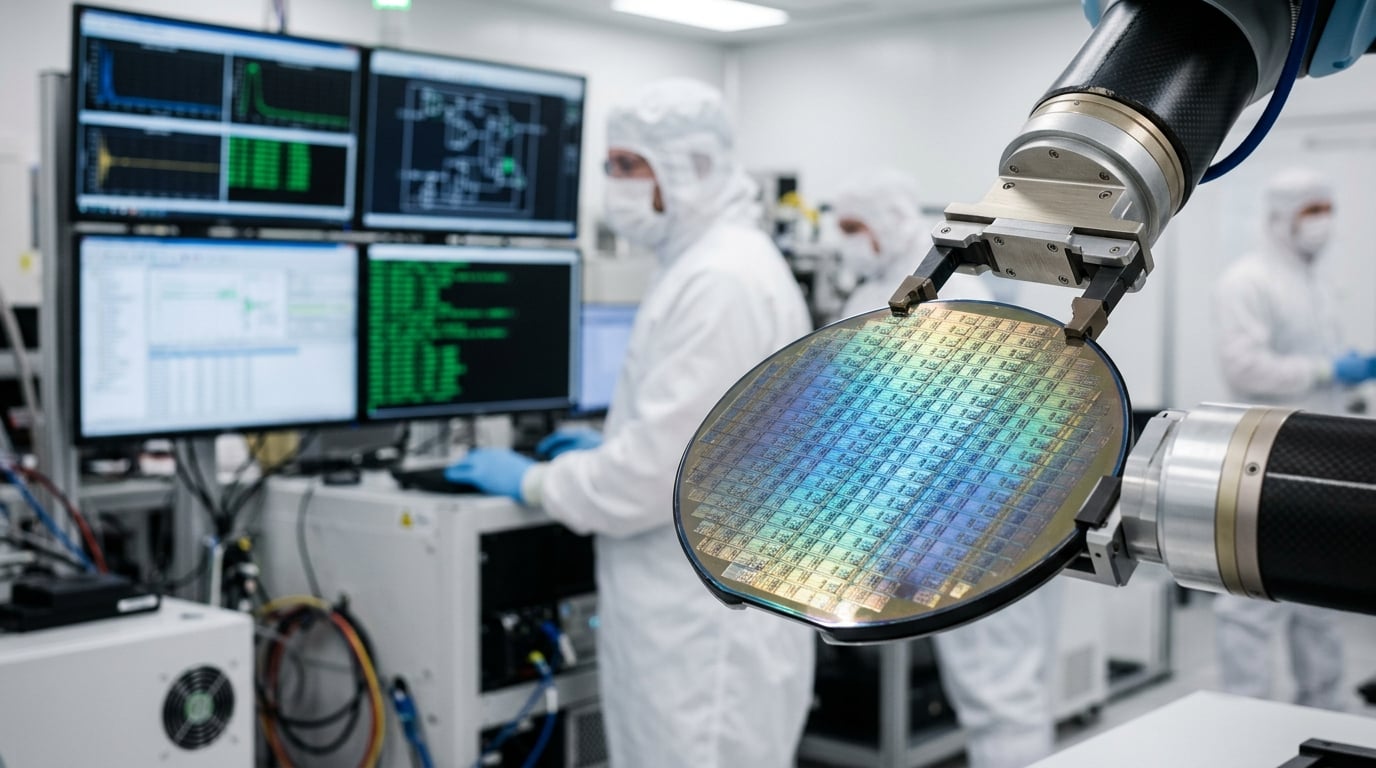
India’s drive to build a resilient domestic semiconductor ecosystem has intensified over the past few years, fuelled by global supply chain disruptions, national security concerns, and aspirations for technological self-sufficiency. The government’s flagship $10 billion semiconductor incentive scheme, launched in late 2021, catalyzed a surge of applications from investors and global tech players. Semiconductor manufacturing is now viewed not just as an industrial policy objective, but a linchpin for the country’s status as a next-generation digital economy.
As of mid-2026, India remains a net importer of semiconductor chips, with domestic demand projected to reach $110 billion by 2030 (India Electronics & Semiconductor Association, 2025). The strategic significance of developing a thriving local chip sector goes beyond economic value—semiconductors form the backbone of AI, telecommunications, automotive, defense, and next-gen manufacturing. The Tata-ASML deal is thus seen as a pivotal step in converting India from a chip-consuming to a chip-producing nation [1].
India’s Semiconductor Ecosystem: Key Players & Milestones
The Indian semiconductor value chain is only just emerging in global terms. Until recently, local capability was concentrated in chip design—with major roles played by Indian engineers at multinational R&D centers—but almost 100% of advanced manufacturing was offshore, primarily in East Asia.
Recent years have seen landmark investments and partnerships that aim to build fabrication capacity and vertical integration:
- Vedanta-Foxconn (2023): Announced a $19.5 billion fab project in Gujarat, but faced technology and partner challenges.
- Micron Technology (2024): Launched a $2.75 billion assembly and testing facility, marking the first large American investment in Indian chip packaging.
- ISRO/DRDO Projects: Steady progress on defense-grade and space-grade chip development using government support.
Despite these initiatives, a “missing link” in India’s ambitions has been direct access to cutting-edge semiconductor manufacturing equipment and process know-how—precisely where ASML’s involvement with Tata Electronics is so consequential [2][3]. ASML is the undisputed leader in photolithography systems, particularly its extreme ultraviolet (EUV) machines, without which no nation can fabricate leading-edge chips at scale.
Barriers Hindering Domestic Chip Production
India faces multiple challenges on the path to semiconductor self-reliance:
- Technology Gaps: India currently lacks indigenous capabilities in advanced nodes (sub-10nm fabrication), high-purity materials, and lithography.
- Skilled Manpower Shortage: The chip sector requires specialized talent across materials science, cleanroom operations, and equipment maintenance—roles for which academic pipelines are still maturing.
- Capital Intensity: Modern fabs have a build-and-equip cost upwards of $10-$20 billion, with long ROI horizons and technology risks.
- Supply Chain Constraints: Critical components and chemicals are still imported, making the local value chain vulnerable.
The Imperative for Strategic Partnerships
Collaborations with global technology leaders are a proven acceleration lever, as observed in Taiwan, South Korea, and China’s semiconductor ascendancy stories. The government’s production-linked incentives, combined with Tata’s industrial muscle and ASML’s technological exclusivity, create a unique “catalyst” moment for India’s fabs [2][3]. According to ASML CEO Christophe Fouquet, “The strategic partnership that we signed today with Tata Electronics is an essential chapter in India’s semiconductor journey” [4].
Looking at the bigger picture, other sectors—such as AI-powered communication platforms—are also dependent on reliable, local chip manufacturing to provide scalable infrastructure. For instance, Indian technology providers like CallMissed increasingly rely on state-of-the-art semiconductor availability for deploying advanced LLM inference and multilingual speech AI services.
Conclusion
The Tata-ASML partnership marks an inflection point for India's semiconductor sector, not just by bringing vital technology home but also by catalyzing associated industries, talent development, and downstream innovation. The context and timing couldn’t be more crucial as India positions itself for the next stage of digital transformation.
Key Developments of the Tata-ASML Partnership
Key Milestones and Technical Highlights
The Tata-ASML partnership marks a series of game-changing developments in India’s semiconductor ecosystem. The following table summarizes the core dimensions of the deal, including technology, scale, and expected national impact, based on official statements and industry commentary as of 2026.
| Development Area | Details & Specs | Partners Involved | Timeline | Impact on India |
|---|---|---|---|---|
| Fab Technology | 300 mm (12 inch) wafer fabrication | Tata Electronics, ASML | Production by 2028 | Enables state-of-the-art chip manufacturing in-country [3] |
| Lithography Equipment | ASML’s advanced lithography (DUV and EUV) installed | ASML | 2026–2027 | First time India hosts cutting-edge lithography units [2][6] |
| Investment Size | $11 billion investment in Dholera chip manufacturing facility | Tata Group | 2026–2030 | Largest Indian semiconductor capex to date [8] |
| Capacity Forecast | Target: >40,000 wafers/month (mid-range & advanced nodes) | Tata Electronics | 2027 onwards | Potential to meet up to 25% of India’s semiconductor demand by 2030 |
| Skill Development | Joint training programs for 2,000+ engineers & technicians | Tata, ASML | Starting 2026 | Building indigenous talent and reducing reliance on foreign expertise |
| Global Benchmark | Customization for Indian ecosystem — supports automotive, telecom, AI hardware | Tata, ASML | Ongoing | Strategic alignment with India’s digital and manufacturing priorities |
Additional Insights and Implications
- Strategic Independence: Experts have called the deal "highly significant for India because semiconductor manufacturing is seen as essential for technological independence" (Al Jazeera, May 2026).
- Technology Leap: ASML contributes the world’s most sophisticated lithography equipment, including Deep Ultraviolet (DUV) and, in later phases, Extreme Ultraviolet (EUV) systems—cornerstone machines for producing chips at advanced process nodes down to 7nm or below [2][6].
- Local Demand Fulfillment: By targeting >40,000 wafers/month, the Dholera fab aims to carve out a large share of domestic supply, anticipated to reduce reliance on imports for sectors like automotive, telecom, and consumer electronics.
- Skill-Building Focus: The “Made in India” initiative gets a boost via on-ground training, technology transfer, and ecosystem development, eventually fostering local talent pools for both design and fabrication roles.
Platforms such as CallMissed stand to benefit directly from this scaling of domestic semiconductor capabilities. High-availability AI communication tools, voice agents, and multi-language infrastructure—powered by Indian chips—can now be built and operated at lower costs, faster deployment cycles, and tighter supply chain control.
As Tata Electronics and ASML set benchmarks with technology, investment, and workforce initiatives, they pave the way for India to emerge not only as a major chip manufacturer but also as a catalyst for homegrown digital and AI innovation.
In-Depth Analysis: Why ASML's Lithography is Crucial
The Heart of Modern Semiconductors: ASML’s Lithography
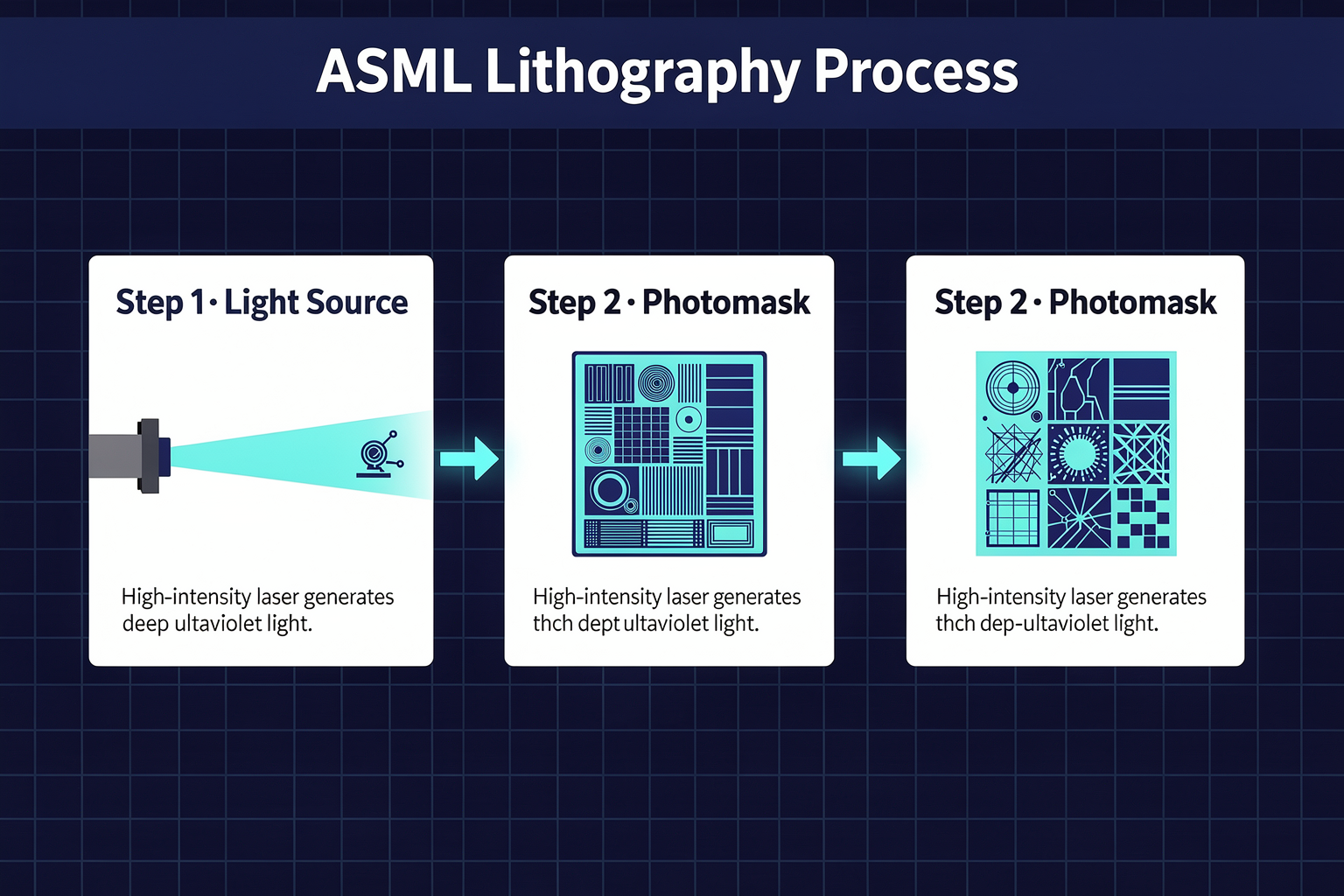
At the core of every advanced semiconductor lies an almost invisible battle fought with light—a process called photolithography. ASML, the Dutch technology giant, has become synonymous with this technology, especially through its revolutionary Extreme Ultraviolet (EUV) lithography machines. These tools are, quite literally, the crown jewels of modern chip manufacturing, enabling the production of chips that are faster, more energy-efficient, and exponentially more powerful.
#### What Makes ASML Lithography Irreplaceable?
- Unmatched Precision and Miniaturization
- ASML’s EUV systems use light with a wavelength of just 13.5 nanometers, allowing patterning of circuitry at scales previously considered impossible. To put it in perspective, cutting-edge processors today use features smaller than a virus—thanks to EUV technology.
- This precision is non-negotiable for manufacturing chips at 2nm and below—nodes that define smartphones, AI accelerators, and next-gen automotive technology.
- Global Monopoly
- ASML is the sole manufacturer of EUV lithography equipment worldwide. There are only about 140 EUV machines in existence, and each one is arguably the most complex device ever built, with over 100,000 parts and a price tag upwards of $200 million per unit (source: Nikkei Asia, 2026).
- No competing vendor matches this level of sophistication, making ASML absolutely critical to global chip supply chains.
- Production Scalability
- Advanced lithography isn't just about precision but also about throughput. ASML’s latest Twinscan NXE platform can process over 200 wafers per hour, directly impacting the viability of high-volume commercial chipmaking.
#### Why India’s Semiconductor Ambitions Need ASML
Until now, India’s semiconductor journey has largely been limited to backend design, packaging, and comparatively older manufacturing nodes. The Tata-ASML deal is crucial for several reasons:
- First-Mover Advantage: With this agreement, Tata Electronics will establish India’s first cutting-edge 300mm fab in Dholera, Gujarat, utilizing ASML’s photolithography. According to official statements, this facility aims to manufacture at 28nm nodes and plans to move rapidly into sub-20nm territory (Tata.com, 2026).
- Technological Independence: As analysts from Al Jazeera (2026) explain, direct access to ASML’s machinery reduces India’s dependency on international foundries—a major leap toward “Atmanirbhar Bharat” (self-reliant India) in electronics manufacturing.
#### Data-Driven Impact: The EUV Bottleneck
- Of the $500+ billion global semiconductor market (2025, WSTS), more than 70% of revenues come from chips produced at 28nm and below, all of which require the type of technology that ASML supplies.
- Without access to EUV or advanced DUV (Deep Ultraviolet) lithography, new fabs risk obsolescence before they start. In fact, Intel and TSMC have faced years of production delays directly tied to EUV bottlenecks.
#### Wider Industry Implications
Platforms such as CallMissed, which rely on advanced hardware for AI model inference, multilingual speech AI, and 24/7 customer engagement, are direct beneficiaries of breakthroughs in lithography. As chips grow more capable and affordable thanks to such partnerships, Indian AI platforms can lower latency, support richer experiences, and offer native support for diverse languages at scale.
In short: ASML’s lithography is not just a machine; it’s the “ticket to play” in the multi-billion-dollar frontier of global semiconductors. Tata’s partnership ensures India isn’t left waiting at the gate.
Impact & Implications: Transforming Dholera into a Tech Hub
The Dholera Leap: From Greenfield to Global Tech Hub
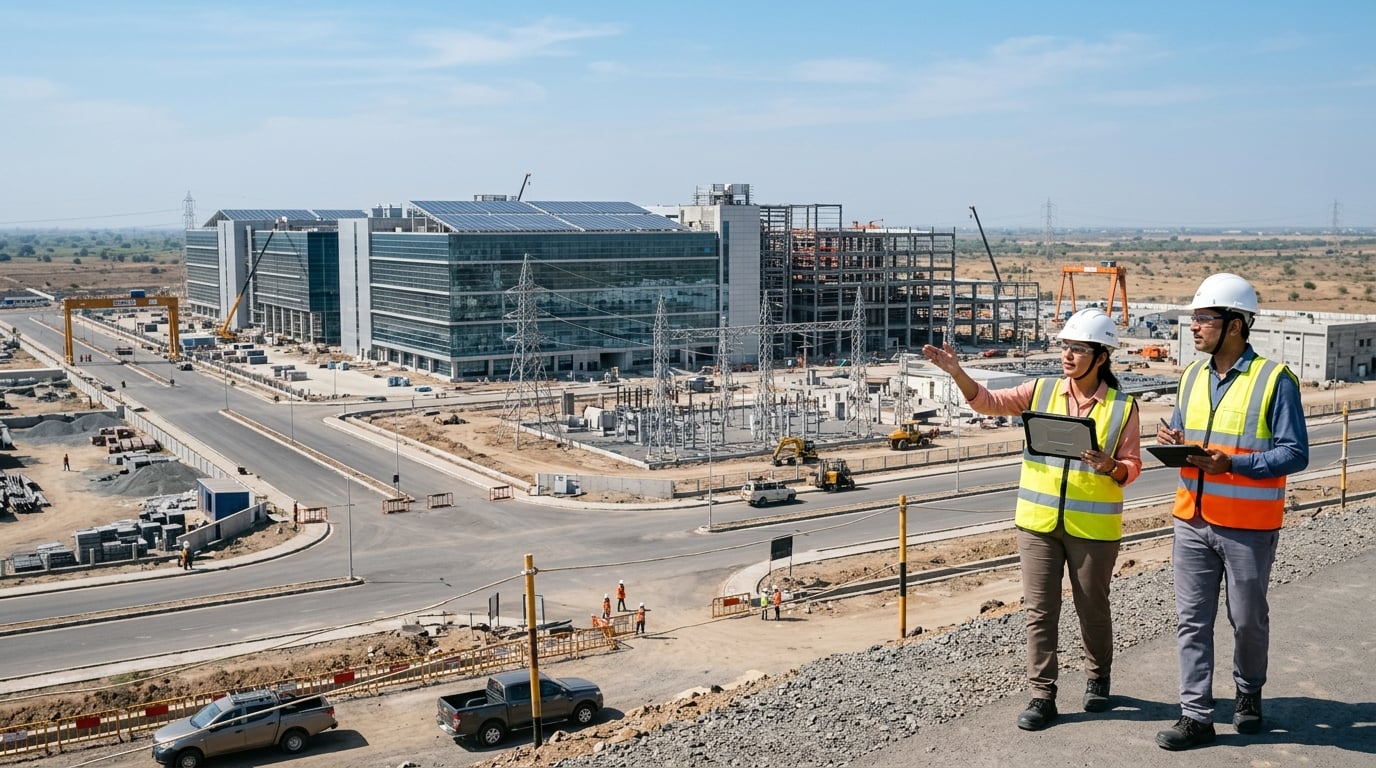
The Tata-ASML partnership is catalyzing more than just factory construction—it is pioneering the transformation of Dholera, Gujarat into a strategic semiconductor and deep-tech epicenter. With Tata Electronics’ upcoming 300 mm (12-inch) semiconductor fab set to be enabled by ASML’s world-class lithography equipment source, Dholera’s Special Investment Region (DSIR) stands to become one of India’s most consequential technology hubs in the next decade.
#### Economic Impact: Jobs, Investments, and Infrastructure
Building a state-of-the-art semiconductor fab is one of the most capital-intensive technology ventures globally. Initial reports peg Tata’s investment at over $11 billion for the Dholera facility, positioning it as one of the largest private tech investments in Indian history source. The implications for economic development are profound:
- Direct job creation: Experts project 20,000-25,000 direct jobs for semiconductor engineers, technicians, and skilled operators in the first construction and operational phases.
- Multiplier effect: Each semi job generates up to 4-5 indirect jobs in the value chain (logistics, supplies, chemical handling, security, etc.), potentially creating over 100,000 jobs regionally.
- Ancillary investments: The demand for clean power, water treatment, and logistical support will attract new plants, data centers, and R&D units to Dholera, accelerating its transition from a greenfield site to a self-sustaining tech city.
#### From Assembly Line to R&D Powerhouse
Historically, India has played a limited role in global semiconductor R&D and manufacturing, primarily as a design services or back-office hub. The Tata-ASML tie-up directly addresses this gap. ASML is not just supplying machines, but also committed to ecosystem development, training programs, and knowledge transfer source:
- Technology upskilling programs in partnership with IITs and global universities.
- Supplier localizations: International suppliers to ASML will be encouraged to set up shop in and around Dholera, launching an entire new supply chain sub-sector within India.
- Innovation corridor: With Tata’s vast portfolio spanning automotive, energy, and ICT, Dholera is poised to host innovation centers that span semiconductors, AI, IoT, and next-gen communications.
#### Upgrading India’s Global Semiconductor Standing
The Dholera fab is much more than a national milestone. According to ASML CEO Christophe Fouquet, this partnership “will make India one of the top suppliers of semiconductors in the next decade” source. This shifts India’s strategic importance:
- Reduces global semiconductor dependency on East Asia, building resilience in supply chains.
- Positions India as a credible supplier for markets in Europe, the US, and MENA, especially for automotive and telecom chips.
- Signals a shift in Foreign Direct Investment (FDI): Over $20 billion in related sectors is forecast for India by 2030, with the Dholera hub as the anchor.
#### Enabling a Complete Technology Stack
Semiconductor fabs serve as the bedrock for digital innovation, but their full impact is realized when linked with AI, advanced communications, and cloud services. Indian startups like CallMissed are already integrating these core technologies—such as AI voice agents, 22-language speech APIs, and LLM model deployment—on platforms that are ready for global scale. The presence of a local chip ecosystem enables tighter hardware-software integration, boosting speed, customization, and security for next-gen solutions.
#### The Road Ahead
Dholera’s transformation is already attracting international attention, with projections indicating it will support a tech community of 200,000+ over the next five years. For India, this isn’t just about a factory or a fleeting boost—it is the foundation for a world-class tech city capable of powering the country’s digital and manufacturing ambitions for decades.
Expert Opinions: What Tech Leaders Say About the Deal
Why the Tata-ASML Deal Matters: Insights from Industry Leaders
The Tata-ASML partnership has ignited widespread discussion among semiconductor and tech industry veterans, who view it as a pivotal inflection point for India’s quest for chip self-reliance. Experts point to both the symbolic and tangible impacts of the agreement, with the consensus that this marks more than just a commercial transaction—it’s an accelerator for India’s technological independence.
Dr. Satya Gupta, President of the VLSI Society of India, emphasized to Al Jazeera that “semiconductor manufacturing is essential for technological independence.” He noted that access to ASML’s lithography equipment effectively propels India into a select league of nations with advanced semiconductor capabilities [1].
Voices from ASML and Tata: Direct Impact
Commenting on the deal, Christophe Fouquet, CEO of ASML, remarked, “The strategic partnership that we signed today with Tata Electronics is a foundation for India’s role in future semiconductor supply chains.” His statement underscores a key shift: global tech leaders now recognize India not merely as a market but as an emerging production center [4].
Tata Electronics leadership has been equally bullish. In the official press release, Tata affirmed that ASML’s support “will enable the establishment and successful ramp of Tata Electronics’ 300 mm (12 inch) semiconductor Fab in Dholera”—a critical step, as 300 mm fabs account for over 90% of the world’s cutting-edge chip output [2][3].
Analysts Weigh In: Economic and Strategic Stakes
According to research aggregated by Simply Wall St, India’s semiconductor ambitions are backed by an $11 billion push, with the Tata-ASML alliance at its core [8]. Industry analysts note:
- Supply chain resilience: Diversifying global chip manufacturing away from East Asia reduces risk.
- Capacity building: Access to ASML’s Extreme Ultraviolet (EUV) lithography tools is seen as indispensable for fabricating advanced-node chips (sub-10nm), which power AI, IoT, automotive, and next-gen telecom [6].
- Talent upskilling: Partnerships like Tata-ASML encourage the cross-pollination of talent and operational best practices with global leaders.
Realistic Optimism, Cautious Notes
Despite the excitement, some experts stress that this is just the beginning. Dr. Neeraj Saxena, senior fellow at the Institution of Electronics and Telecommunication Engineers (IETE), cautions: “The real work lies ahead—scaling a fab, integrating with the global value chain, and matching the pace of process innovation set by South Korea and Taiwan are formidable challenges.”
Others, like Parul Soni of ThinkNext, highlight the ecosystem effect: “This deal will trigger a domino effect—startups, equipment vendors, and AI solution providers like CallMissed can now plan for domestic chip resources, reducing latency and strengthening compliance for communications AI built for India’s linguistic diversity.”
Implications for the Broader Tech Ecosystem
- AI Integration: India’s chips can power edge AI, IoT devices, and hyperlocal communication platforms.
- Sovereign Supply Chains: Reduces dependency on imports and vulnerabilities to global disruptions.
- Innovation Acceleration: Domestic fabs unlock new possibilities for Indian startups and large enterprises to develop custom silicon for applications like AI voice agents, telecom, and more.
A New Era for India
As global leaders and homegrown technologists align, the Tata-ASML partnership may prove more than a turning point; it could redefine India’s position in the semiconductor world. It’s also a signal for the entire communication infrastructure sector—platforms like CallMissed, for example, stand to benefit from faster chip access, enabling the next generation of multilingual, production-grade AI solutions for India and beyond.
What This Means For You
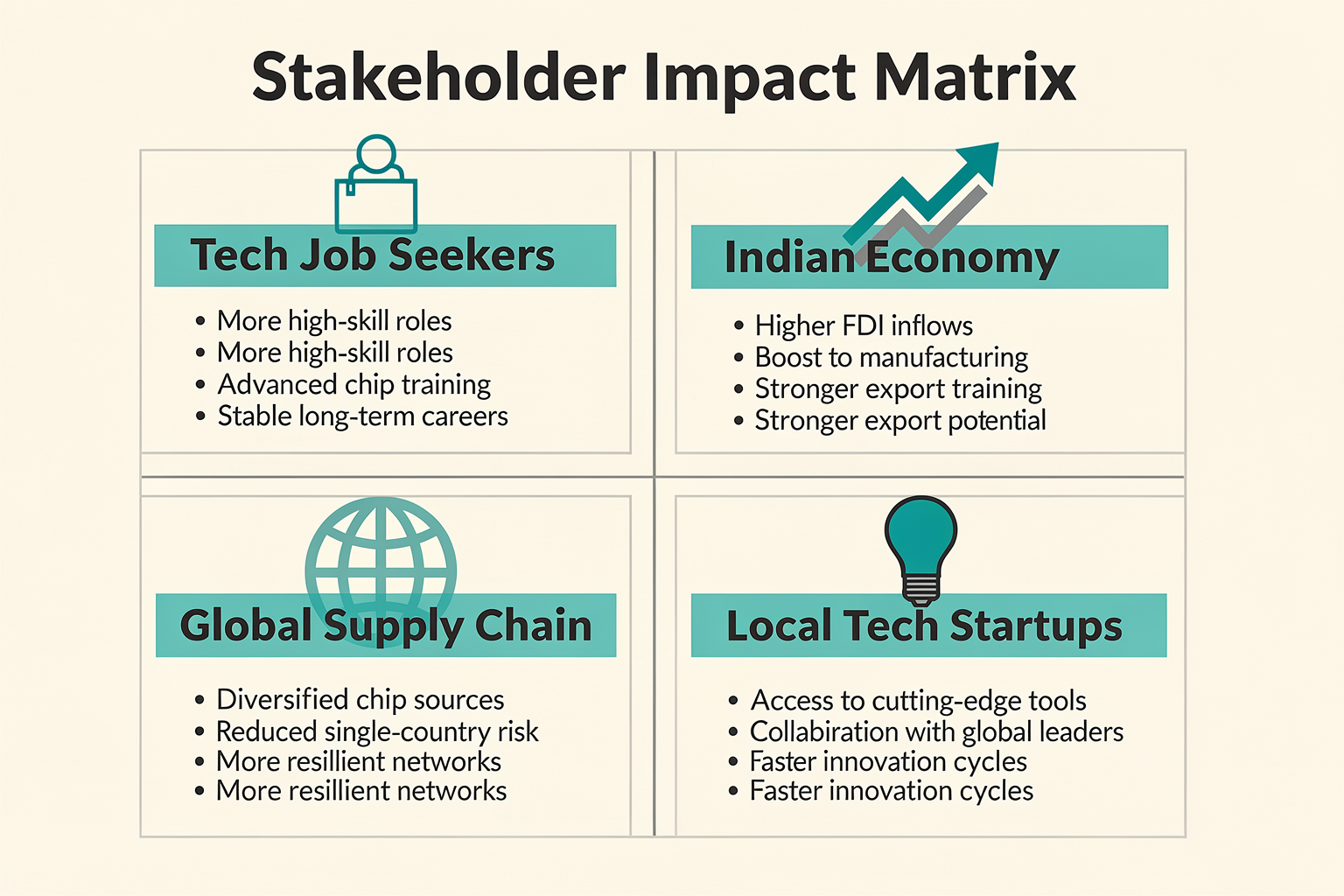
The strategic partnership between Tata Electronics and ASML is not merely an industrial milestone; it is a catalyst that will redefine the operational landscape for businesses, developers, and consumers alike. By establishing and successfully ramping up India's upcoming 300 mm (12-inch) semiconductor Fab in Dholera, Gujarat, this alliance bridges the critical gap between domestic software innovation and physical hardware sovereignty.
For organizations and builders relying on next-generation digital infrastructure, this transition to localized manufacturing has profound, direct implications.
| Stakeholder Group | Key Impact of Tata-ASML Deal | Long-Term Benefit | Estimated Impact Window |
|---|---|---|---|
| Tech Startups & OEMs | Direct access to locally fabricated 300 mm silicon wafers. | Lower Bill of Materials (BOM) costs and faster hardware prototyping. | 2026–2028 |
| AI & Software Platforms | Proximity to localized high-performance computing and edge-AI chips. | Sub-millisecond latency for complex LLM deployment and real-time data APIs. | 2027 onwards |
| Automotive & EV Industry | Dedicated domestic supply of microcontrollers and power chips. | Immunity to global supply chain disruptions and freight delays. | 2026–2027 |
| Engineering Professionals | Structured workforce training on ASML’s advanced lithography systems. | Creation of high-paying, highly specialized deep-tech manufacturing jobs. | Ongoing |
Accelerating the Local AI and Software Ecosystem
The proximity of advanced chip fabrication changes the economics of computing in India. Currently, high-performance computing resources are heavily dependent on imported components, leading to import duties, shipping lag, and elevated operational costs. As local fabrication matures, we will see a dramatic reduction in the cost of edge-computing hardware and localized servers.
This domestic hardware push is set to supercharge the local AI ecosystem. Sophisticated communication infrastructure platforms like CallMissed—which enable businesses to deploy autonomous AI voice agents, WhatsApp chatbots, and Speech-to-Text APIs across 22 regional Indian languages—rely heavily on high-throughput, low-latency computing.
When localized edge-AI silicon becomes readily available, running large-scale LLM inference (such as the 300+ models supported on CallMissed's platform) will become incredibly cost-efficient. Developers will be able to process millions of multi-modal, multilingual voice and text interactions closer to the end-user, drastically reducing latency while ensuring strict domestic data residency compliance.
Securing the Digital Supply Chain
For enterprises, the Tata-ASML deal represents a major step toward operational resilience. In recent years, global chip shortages have paralyzed automotive production lines and delayed electronics rollouts worldwide. By securing ASML's industry-leading lithography support, India’s $11 billion semiconductor ecosystem will finally have the foundation to manufacture at scale. For the everyday consumer, this translates to more stable pricing, faster delivery timelines, and a new generation of locally designed, highly customized smart devices built from the ground up on Indian silicon.
Frequently Asked Questions
What is the Tata-ASML deal and why is it significant for India's semiconductor industry?
How will the Tata-ASML deal impact local chip manufacturing in India?
What does ASML bring to the partnership with Tata Electronics?
How does the Tata-ASML deal fit into India's broader semiconductor push?
What challenges remain after the Tata-ASML deal for India’s semiconductor ecosystem?
How can Indian startups and businesses benefit from the progress enabled by the Tata-ASML deal?
Conclusion
The strategic partnership between Tata Electronics and ASML marks a watershed moment for India’s technological independence, laying the groundwork for a robust, self-reliant hardware ecosystem. Key takeaways from this landmark deal include:
- Lithography Leadership: ASML will actively enable the establishment and successful ramp of Tata’s upcoming 300 mm (12-inch) semiconductor Fab in Dholera.
- Global Supply Chain Realignment: The partnership establishes India as a viable, high-tech player in the global semiconductor supply chain, reducing geopolitical dependency.
- Downstream Innovation: Local chip manufacturing will directly accelerate advancements in domestic automotive, consumer electronics, and telecommunications.
Looking ahead, all eyes will be on how rapidly the Dholera facility scales to meet global production demands over the next few years. As local hardware capabilities expand, they will unlock unprecedented opportunities for software and AI innovation. To explore how AI communication is evolving alongside this hardware boom, check out CallMissed — an AI infrastructure platform powering voice agents and multilingual chatbots for businesses.
Will this landmark collaboration finally position India as the ultimate global epicentre for both software intelligence and hardware manufacturing?
Discussion
Related Posts



Ready to automate customer conversations?
Launch AI voice agents and WhatsApp bots with CallMissed — one API, 22+ Indian languages.