
Kunal Shah to Lead WhatsApp: 9 Indian-Origin CEOs Driving Global Tech Leadership


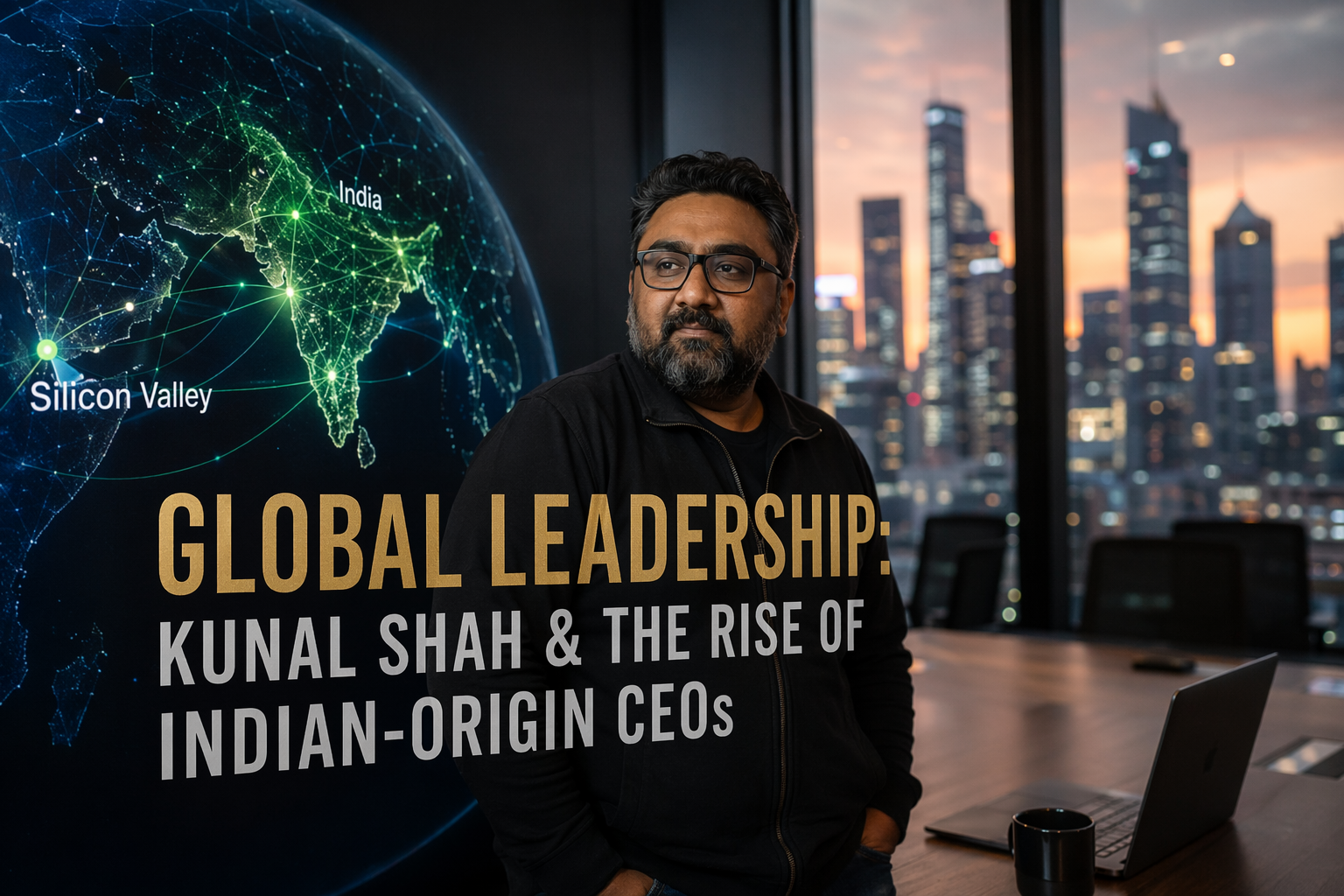
Did you know that the messaging platform relied upon by over two billion people daily is now steered by one of India's most disruptive fintech pioneers?...
Kunal Shah to Lead WhatsApp: 9 Indian-Origin CEOs Driving Global Tech Leadership
Did you know that the messaging platform relied upon by over two billion people daily is now steered by one of India's most disruptive fintech pioneers? Meta's landmark decision to appoint Kunal Shah, the visionary founder of CRED and FreeCharge, as the new global head of WhatsApp marks a historic watershed moment for the global tech landscape. Succeeding long-time executive Will Cathcart, Shah's transition from India's hyper-competitive startup ecosystem to the helm of a global communications giant signals a fundamental shift: Indian innovators are no longer just building localized solutions—they are redefining how the entire world connects.
This high-profile appointment has put a dazzling spotlight on a defining trend of modern enterprise: the unparalleled rise of Indian-origin executives in global tech leadership. From Satya Nadella's transformative tenure at Microsoft and Sundar Pichai's stewardship of Alphabet to Shah's new mandate at Meta, the world's most powerful digital corridors are increasingly shaped by leaders who understand scale, cultural diversity, and rapid digital adoption. This isn't just about representation; it is a strategic migration of leadership. As WhatsApp doubles down on peer-to-peer payments, business messaging, and localized artificial intelligence, Shah’s deep expertise in fintech and consumer behavior makes him uniquely suited to unlock WhatsApp’s next phase of monetization and platform utility.
This global evolution closely mirrors the rapid innovation happening across the communication sector. As WhatsApp transitions under Shah’s leadership to become a sophisticated conversational commerce hub, infrastructure platforms like CallMissed are already helping enterprises leverage this shift by deploying advanced WhatsApp chatbots and multilingual AI voice agents globally.
In this article, we will unpack the strategic implications of Kunal Shah to Lead WhatsApp, explore what his appointment means for the future of conversational commerce, and profile nine powerhouse Indian-origin CEOs who are currently driving global tech leadership. From Silicon Valley stalwarts to emerging pioneers, these leaders are proving that the future of global technology is being written with an Indian-origin pen.
Introduction: Kunal Shah's Historic Appointment at WhatsApp
The global technology landscape witnessed a tectonic shift with Meta’s landmark appointment of Kunal Shah as the new Global Head of WhatsApp. Succeeding Will Cathcart, who successfully steered the messaging giant through a phase of unprecedented growth, Shah’s transition from the helm of Indian fintech unicorn CRED to leading the world's most ubiquitous communication platform is more than a standard C-suite hire—it is a massive strategic pivot. It underscores a growing global reality: the playbook for the next generation of consumer technology and digital commerce is increasingly being written by pioneers from India's hyper-competitive startup ecosystem.
The Strategic Calculus Behind Meta's Bold Move
WhatsApp is no longer just a peer-to-peer texting application. With over 2 billion active users globally—and India serving as its largest single market with more than 500 million users—the platform is rapidly transitioning into a full-stack digital economy hub. Meta’s primary objective for WhatsApp's next phase of growth revolves around monetization, which requires mastering three critical pillars:
- Peer-to-Peer (P2P) and Merchant Payments: Scaling frictionless digital transaction infrastructure across diverse socioeconomic demographics.
- Conversational Commerce: Transforming simple chat threads into interactive storefronts where users can browse, negotiate, and buy.
- Localized AI Integration: Delivering contextual, multilingual customer support to users who bypass traditional web browsers entirely.
This is precisely where Kunal Shah’s expertise lies. Having previously co-founded FreeCharge (which was acquired by Snapdeal for $400 million in 2015) and founded CRED (which scaled to a valuation of over $6.4 billion), Shah has spent his career decoding consumer behavior, trust-based financial transactions, and gamified digital engagement.
Redefining the Business Messaging Playbook
Shah’s appointment signals that Meta is ready to aggressively commercialize WhatsApp by treating the chat interface as the primary operating system for modern businesses. In emerging economies, the entire consumer journey—from product discovery to final checkout—is shifting to messaging apps.
As WhatsApp expands its transactional capabilities under Shah’s leadership, forward-looking enterprise infrastructure platforms like CallMissed are enabling organizations to capitalize on this shift. By leveraging CallMissed’s advanced WhatsApp chatbots, high-performance Speech-to-Text APIs (supporting 22 Indian languages), and conversational AI, businesses can instantly deploy virtual agents that handle customer queries, process orders, and manage complex workflows natively within the messaging environment.
Ultimately, Shah's historic appointment is a testament to the sophistication of Indian tech talent. It cements a broader narrative: Indian-origin leaders are no longer just maintaining legacy systems at established Silicon Valley firms; they are being actively recruited to architect the transactional, AI-driven digital ecosystems of tomorrow.
Background & Context: The Rise of Kunal Shah from CRED to Meta

From Philosophy Graduate to Fintech Pioneer
Before securing one of the most coveted roles in global technology, Kunal Shah spent over a decade dismantling and rebuilding India's digital transaction ecosystem. Unlike many of his Silicon Valley peers who hold traditional computer science degrees, Shah graduated with a degree in Philosophy from Wilson College, Mumbai, and later dropped out of his MBA program. This distinct background shaped his consumer-first, behavioral-science-led approach to product design.
Shah first made waves in the Indian startup scene by co-founding FreeCharge in 2010, a platform that revolutionized online mobile recharges by pairing them with retail coupons. In 2015, FreeCharge was acquired by Snapdeal for an estimated $400 million, marking one of the largest tech acquisitions in India at the time.
Never one to rest on his laurels, Shah launched CRED in 2018. Positioned as a high-trust community for creditworthy individuals, CRED transformed the mundane task of credit card bill payments into an engaging, gamified lifestyle experience. Under his leadership, CRED scaled rapidly to a valuation of over $6.4 billion, serving as a masterclass in driving high-frequency user engagement among India’s premium consumer segment.
The Strategic Playbook: Why Meta Chose Shah
Meta’s decision to tap Shah to succeed Will Cathcart as the Global Head of WhatsApp is a calculated, strategic masterstroke. WhatsApp is no longer just a free messaging application; it has evolved into a powerhouse for global utility. To understand why Shah is the perfect fit, one must look at WhatsApp's shifting strategic priorities:
- Unlocking Conversational Commerce: With over 200 million monthly active users on WhatsApp Business, the platform's future lies in transactional messaging. Shah's deep expertise in financial technology and digital payments will be critical as Meta seeks to scale WhatsApp Pay and merchant transactions globally.
- Cracking the Indian Market Playbook: India is WhatsApp’s largest market, boasting over 500 million active users. By bringing in an executive who has spent his career navigating India’s complex regulatory, financial, and consumer landscapes, Meta can leverage local innovations to build a global operational model.
- Monetization through Engagement: Shah has a proven track record of monetizing high-intent user bases without compromising on user experience—a balance that Meta must strike as WhatsApp increases its business-to-consumer communication footprint.
As Shah steers WhatsApp toward becoming an all-in-one transactional super-app, the underlying technological infrastructure must keep pace. Modern enterprises are already transitioning to meet this future. Platforms like CallMissed are playing a crucial role here, enabling businesses to deploy production-ready WhatsApp chatbots and multilingual conversational agents that natively bridge the gap between customer communication and instant transactional commerce.
By bridging the worlds of high-trust fintech and global communication, Shah's leadership signals that the next era of WhatsApp will be highly transactional, deeply interactive, and powered by intelligent automation.
Key Developments: 9 Indian-Origin Leaders Dominating Global Tech
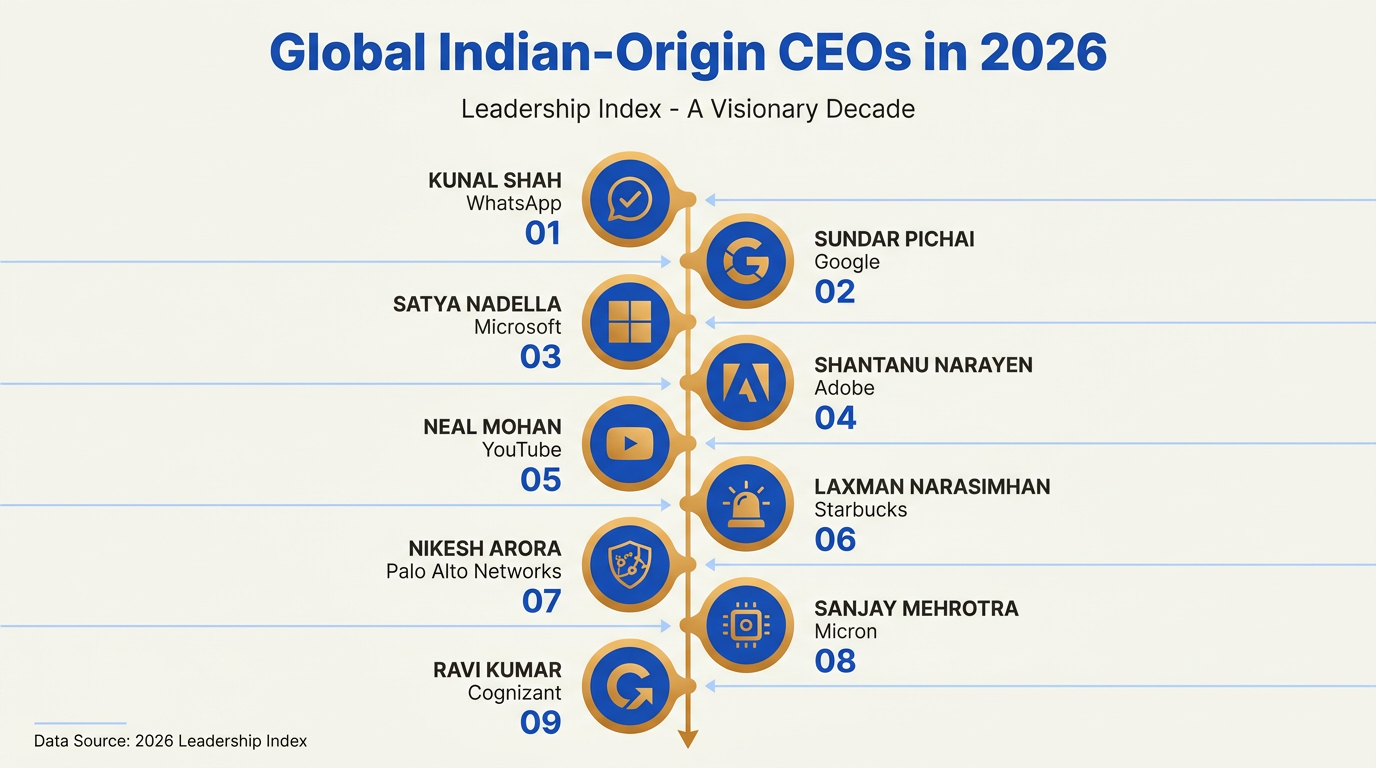
The global tech landscape is no longer just influenced by Indian talent; it is actively directed by it. From foundational cloud infrastructure to consumer-facing AI and social networks, Indian-origin executives hold the reins of companies that dictate how billions of people work, communicate, and transact every single day. The appointment of Kunal Shah to lead WhatsApp is the latest milestone in this decades-long leadership migration, shifting the industry's focus from traditional enterprise software to high-velocity consumer fintech and conversational platforms.
To understand the sheer scale of this leadership footprint, it is essential to analyze the specific domains these pioneers control. Below is a structured breakdown of the key Indian-origin leaders dominating the global technology sector, showcasing their strategic focus areas and the massive operations they oversee.
| Leader | Company | Role | Appointed | Key Strategic Focus |
|---|---|---|---|---|
| Kunal Shah | WhatsApp (Meta) | Global Head | 2026 | Conversational commerce, peer-to-peer payments, and localized AI integration. |
| Satya Nadella | Microsoft | Chairman & CEO | 2014 | Cloud infrastructure (Azure), enterprise generative AI, and strategic partnerships. |
| Sundar Pichai | Alphabet & Google | CEO | 2015 | Search dominance, Gemini AI ecosystem expansion, and cloud computing. |
| Shantanu Narayen | Adobe | Chairman & CEO | 2007 | Cloud subscription models, digital experiences, and creative AI (Firefly). |
| Neal Mohan | YouTube | CEO | 2023 | Creator economy, short-form video monetization, and AI-driven curation. |
| Arvind Krishna | IBM | Chairman & CEO | 2020 | Hybrid cloud adoption, enterprise AI (watsonx), and quantum computing. |
Driving the Future of Conversational and Intelligent Ecosystems
This roster demonstrates that Indian leadership has evolved through distinct waves. The first wave, led by pioneers like Shantanu Narayen and Satya Nadella, focused on migrating legacy systems to the cloud and establishing subscription-based enterprise software. The second wave, represented by Sundar Pichai and Arvind Krishna, has been defined by the race for artificial intelligence supremacy, reshaping search, productivity, and cloud architecture.
We are now entering a decisive third wave. Led by consumer-tech innovators like Kunal Shah, this era centers on conversational commerce—the intersection of communication, identity, and digital finance. WhatsApp is no longer just a utility for messaging; under Shah's stewardship, it is poised to become a comprehensive transactional operating system.
As these global platforms pivot toward hyper-localized, AI-driven interactions, the underlying communication infrastructure must keep pace. For businesses looking to implement these capabilities, platforms such as CallMissed offer production-ready voice agent infrastructure, offering advanced WhatsApp chatbots, LLM gateways, and Speech-to-Text APIs across 22 regional Indian languages. This allows enterprises to build scalable, automated workflows that natively align with the conversational future these global CEOs are designing.
Ultimately, these leaders—alongside other powerhouse executives like Nikesh Arora of Palo Alto Networks and Dev Ittycheria of MongoDB—prove that managing global scale requires a unique blend of cultural adaptability, technical foresight, and an innate understanding of highly competitive, rapid-growth markets.
In-Depth Analysis: Why Meta Chose Kunal Shah to Lead WhatsApp
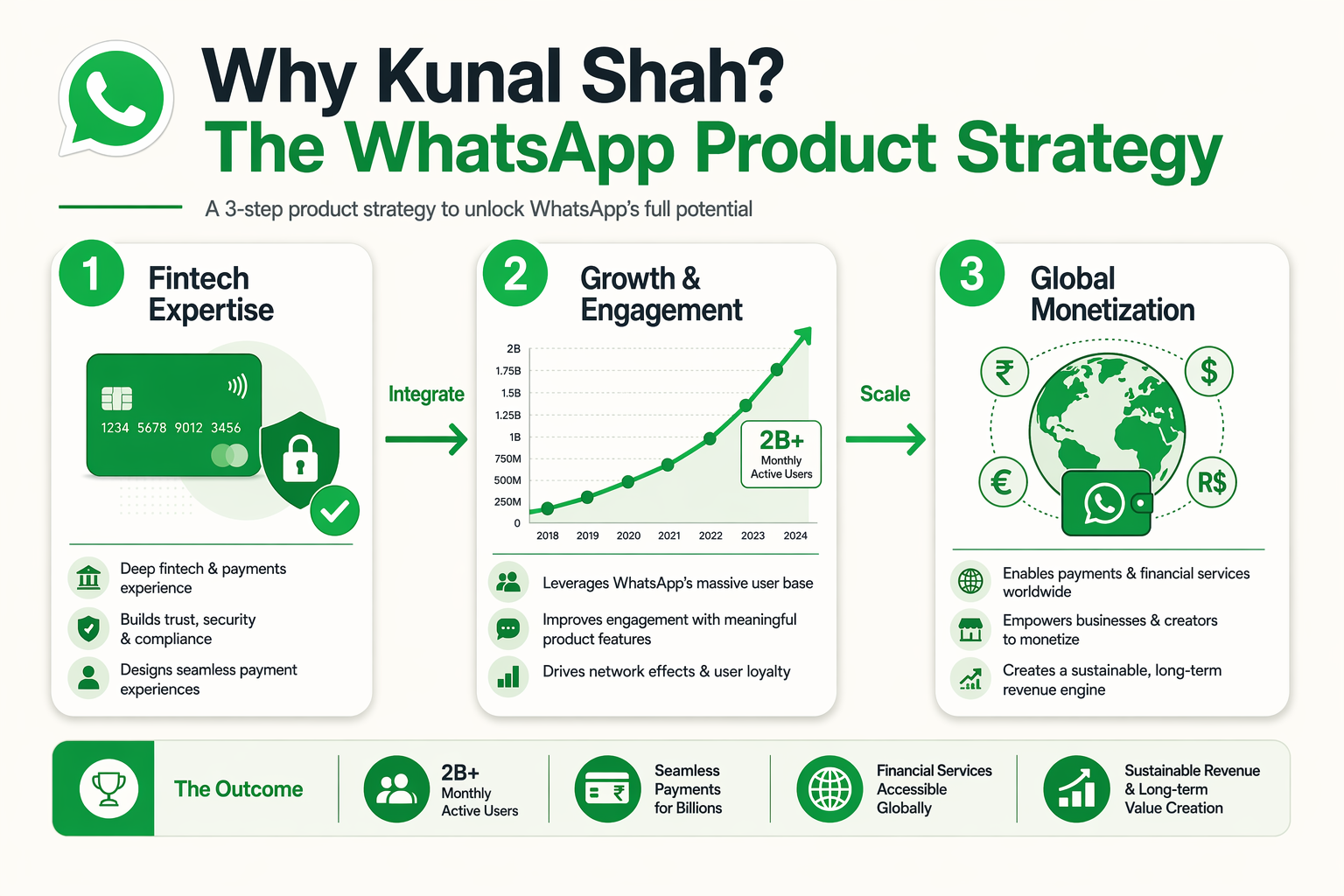
Meta’s decision to appoint Kunal Shah as the Global Head of WhatsApp is a highly calculated, strategic bet on the future of the platform as a transactional giant. While WhatsApp has successfully captured over two billion active global users, its primary challenge has always been monetization. To transition from a free messaging utility into a high-yielding revenue engine, Meta needed a leader who does not just understand scale, but deeply understands consumer transaction psychology.
Here is an in-depth analysis of why Meta chose Kunal Shah to lead this next chapter:
1. Unmatched Fintech Pedigree and Transactional Expertise
Shah’s entrepreneurial journey is defined by his ability to build trusted financial ecosystems. Having co-founded FreeCharge and later built CRED—a platform designed specifically for high-trust, premium credit card users—Shah has spent over a decade analyzing consumer spending habits and payment frictionless-ness. Meta is eager to replicate WeChat’s "super-app" success in emerging markets. Shah’s mastery of gamified engagement and financial transactions makes him uniquely qualified to turn WhatsApp’s chat interface into a seamless digital wallet and marketplace.
2. Domination of the Indian Sandbox
With over 500 million active users, India is WhatsApp’s largest market and the global sandbox for its business messaging and digital payment experiments. By placing an Indian startup pioneer at the helm, Meta is signaling that the playbooks developed in India’s hyper-competitive Unified Payments Interface (UPI) ecosystem will serve as the blueprint for WhatsApp’s global rollout. Shah’s deep connections with the Indian tech ecosystem and his understanding of local regulatory frameworks are invaluable as Meta navigates complex digital banking and compliance landscapes worldwide.
3. Transforming Chats into AI-Driven Commerce
The future of WhatsApp lies in business messaging—enabling enterprises to sell, support, and engage directly inside the chat thread. However, managing millions of business-to-consumer interactions requires more than just basic texting; it demands robust automation. This is where AI-driven conversational infrastructure becomes essential.
Modern communication platforms like CallMissed are already bridging this gap by enabling businesses to deploy multilingual WhatsApp chatbots and advanced voice agents that handle customer queries, transactions, and payments 24/7. Shah’s vision aligns perfectly with this shift, positioning WhatsApp as the ultimate platform for automated conversational commerce.
4. A Visionary Pulse on Consumer Behavior
Unlike traditional corporate executives, Shah is celebrated for his deep, first-principles thinking regarding consumer psychology. His insights on delta-efficiency, wealth generation, and status-driven consumer habits are widely studied across the global tech industry. Meta hopes Shah can apply this psychological edge to WhatsApp, turning everyday text-based interactions into high-value micro-transactions and accelerating the adoption of WhatsApp Business among small-to-medium businesses (SMBs) and enterprises globally.
Impact & Implications: Shifting the Center of Gravity for Global Tech
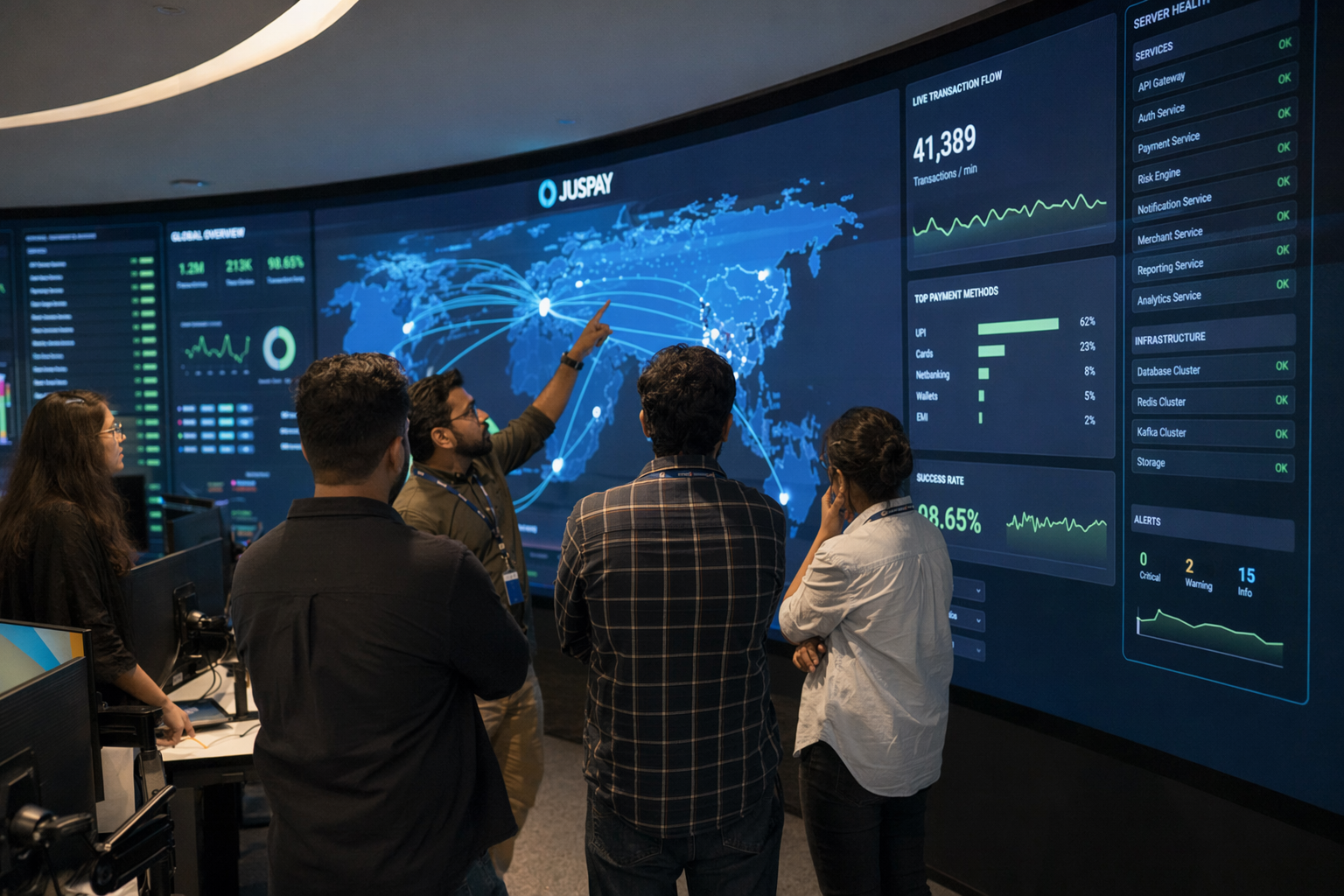
The ascension of leaders like Kunal Shah to the helm of global giants like WhatsApp represents a structural realignment of the entire technology ecosystem. For decades, the flow of technological innovation was unidirectional: Silicon Valley engineered products, and the rest of the world adapted to them. Today, the center of gravity has shifted. Global tech conglomerates are actively importing battle-tested frameworks from hyper-competitive, high-scale emerging markets to redefine how global platforms operate.
This leadership migration carries profound strategic implications for the future of digital infrastructure, global commerce, and product design.
From Silicon Valley Playbooks to High-Scale, Low-Resource Engineering
Leaders who cut their teeth in India’s digital economy operate in a unique crucible. They must design for hundreds of millions of users who navigate diverse languages, varying internet connectivity, and highly competitive, price-sensitive environments.
- Unmatched Scale Dynamics: India's digital landscape, powered by infrastructure like the Unified Payments Interface (UPI) which processes billions of transactions monthly, requires systems that are both incredibly robust and highly efficient.
- Frugal Innovation (Jugaad) at Scale: Designing software that delivers immense value with minimal data consumption and compute overhead is a necessity, not an afterthought.
- Cultural and Linguistic Plurality: Products cannot be monolithic; they must natively support multiple languages, dialects, and localized consumer behaviors to achieve true market penetration.
By placing executives like Shah at the helm, global companies are betting on leaders who know how to scale platforms under these demanding conditions, translating these learnings into global product strategies.
The Acceleration of Conversational Commerce and Super-Apps
Kunal Shah’s deep-rooted expertise in fintech (via CRED and FreeCharge) hints at a massive evolutionary step for WhatsApp. His appointment signals that the messaging app is moving rapidly past its identity as a simple communication tool to become a transactional super-app—blending peer-to-peer payments, business messaging, and customer service.
In this new era, communication is no longer a static exchange of text; it is an active, transactional interface. To successfully execute this transition, global enterprises require highly adaptable, localized backend technology.
AI communication infrastructures, such as CallMissed, are proving essential in this shift. By offering robust APIs that integrate WhatsApp chatbots with Speech-to-Text engines supporting 22 regional Indian languages and access to over 300+ LLMs, CallMissed enables enterprises to capitalize on the exact conversational commerce models that leaders like Shah are popularizing on a global scale.
Redefining Corporate Culture and Resilience
Beyond product architecture, this leadership shift is redefining corporate governance. Indian-origin CEOs are globally recognized for their consensus-driven, highly resilient leadership styles. Having navigated volatile regulatory landscapes and rapid market transitions in emerging economies, these leaders bring a unique brand of crisis management and long-term strategic vision to the boardroom.
As global tech faces tightening regulatory scrutiny around data privacy, antitrust, and AI ethics, this blend of high-empathy leadership, political neutrality, and structural adaptability is becoming the gold standard for navigating a fragmented global market.
Expert Opinions: The Decade's Most Significant Tech Leadership Shift
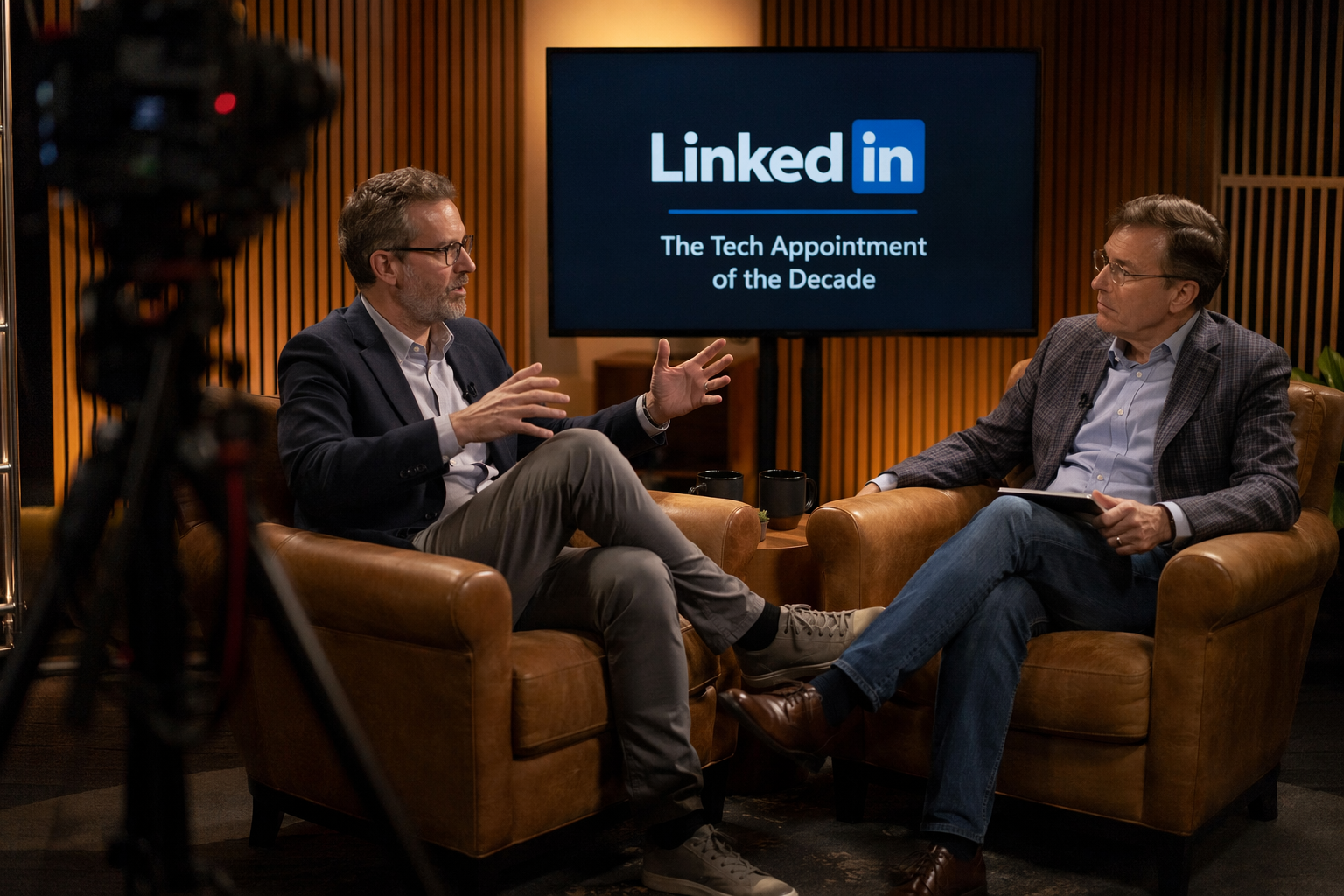
The Single Most Important Appointment of the Decade
Industry analysts and tech leaders globally are calling Meta’s move to place an Indian startup founder at the helm of WhatsApp a watershed moment. Prominent entrepreneur and investor Arjun Vaidya summarized the industry sentiment on LinkedIn, stating that Kunal Shah’s new role as WhatsApp's global head is "the single most important tech appointment of this decade."
This perspective is widely echoed across global business circles. Historically, the pipeline of Indian-origin talent reaching the pinnacle of Silicon Valley was defined by engineering excellence and climbing the corporate ladder within multinational corporations—exemplified by Satya Nadella at Microsoft or Sundar Pichai at Alphabet. Shah’s appointment shatters this traditional mold. For the first time, a premier Western tech giant has directly recruited a highly successful, active founder from India’s homegrown startup ecosystem to steer its most globally ubiquitous consumer platform.
Why Silicon Valley is Sourcing from India’s Startup Trenches
Experts point to several factors driving this historic leadership shift:
- Frictionless Fintech DNA: India has pioneered some of the world's most advanced digital payment frameworks. Shah, having founded both FreeCharge and CRED, possesses a deep understanding of high-volume transaction design and behavioral economics that traditional Silicon Valley executives rarely acquire.
- Decoupling from the West: Tech growth in Western markets has plateaued. The next billion users and the primary engines of digital monetization are situated in emerging economies, specifically across India, Southeast Asia, and Latin America.
- The "Zero-to-One" Mindset: Unlike typical corporate custodians, startup founders are uniquely comfortable with rapid iteration, pivoting, and building scalable business models under severe constraints.
By placing Shah at the helm, Meta is signalling that WhatsApp’s future lies not in maintenance, but in aggressive, transaction-led growth. This shift directly addresses the long-standing challenge of how to effectively monetize WhatsApp's massive database of over two billion active global users.
The Operational Era of Conversational Commerce
Under Shah’s leadership, WhatsApp is expected to evolve rapidly from a peer-to-peer messaging tool into a comprehensive transactional "super-app." This will require deep integration of messaging, localized fintech, and advanced artificial intelligence.
As enterprises prepare for this transformation, the demand for robust backend infrastructure is skyrocketing. Modern communication platforms like CallMissed are already positioning themselves as essential partners in this new landscape. By providing scalable WhatsApp chatbots alongside low-latency LLM inference and Speech-to-Text APIs supporting 22 regional Indian languages, CallMissed enables businesses to build the highly localized conversational interfaces that Shah’s vision of WhatsApp will demand.
Ultimately, expert consensus indicates that this leadership transition is more than a standard executive hire. It is a structural realignment of global tech influence, proving that the playbooks designed in India's hyper-competitive digital economy are now ready to scale globally.
What This Means For You: Opportunities in the New Tech Era
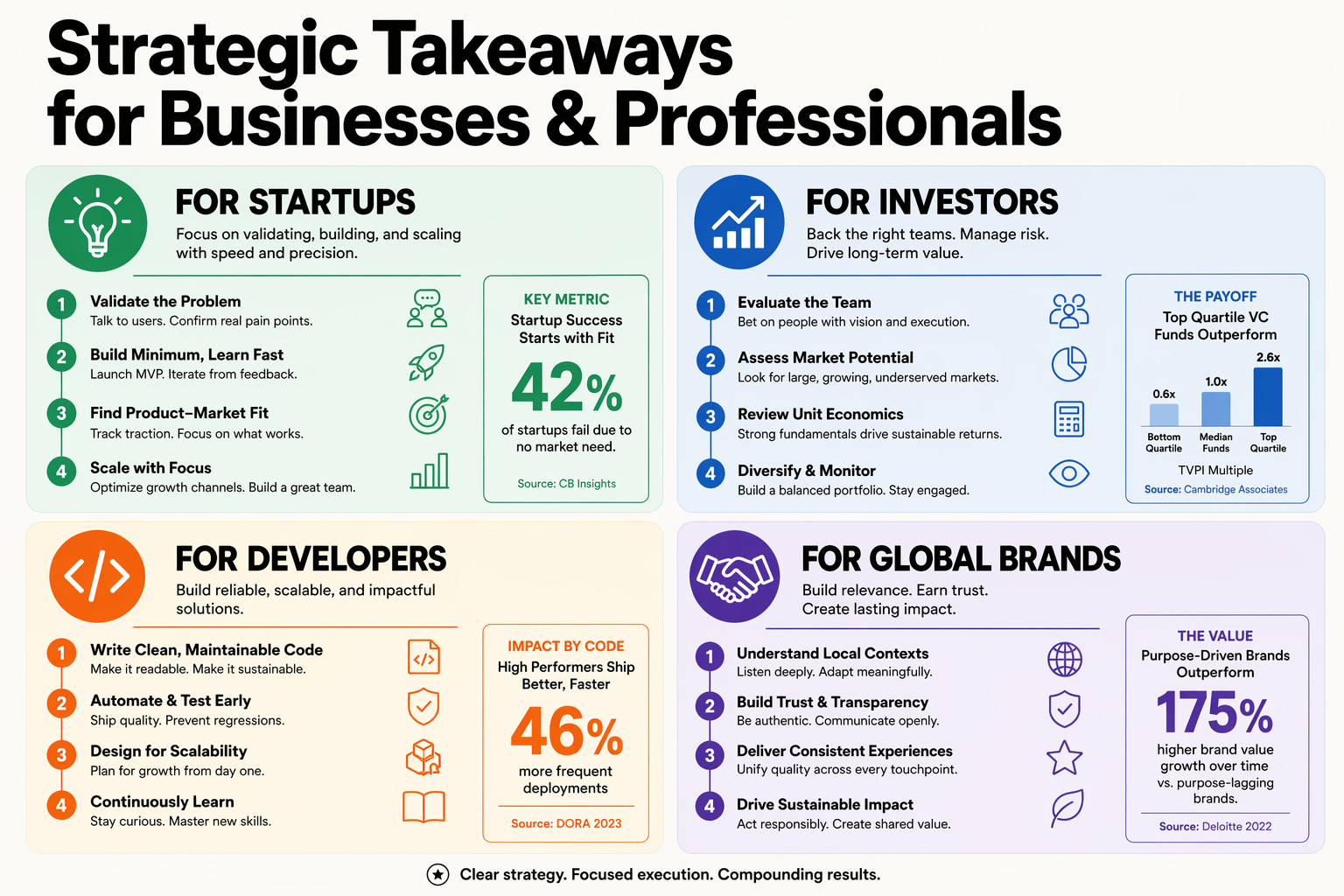
The rise of Indian-origin executives like Kunal Shah at the apex of global tech giants isn't just an inspiring narrative—it represents a profound paradigm shift in how digital infrastructure is built and delivered. Under Shah's stewardship, WhatsApp is rapidly evolving from a standard messaging tool into a powerhouse conversational commerce platform. This shift provides a direct blueprint for how businesses, startups, and developers must adapt to remain competitive in this modern ecosystem.
We are transitionining rapidly from the "app-first" era to the conversational-first era. As global tech leaders integrate native fintech, localized artificial intelligence, and seamless communications, organizations must pivot to meet customers exactly where they already spend their time.
For businesses looking to capitalize on this transformation, this new tech era offers three high-value corridors of opportunity:
1. The Democratization of Conversational Trade
With Kunal Shah’s deep fintech pedigree from CRED and FreeCharge, we are witnessing a rapid convergence of social messaging and instant digital transactions. The barrier to entry for e-commerce is collapsing. Small enterprises and global corporations alike can now manage the entire customer lifecycle—from product discovery and price negotiation to instant checkout and post-purchase support—directly within a single chat window.
2. Bridging the Linguistic Divide
Indian-origin leaders intuitively understand the complexity of highly fragmented, multilingual markets. Consequently, the global tech roadmap now heavily prioritizes hyper-localized AI. Building systems that only support English is no longer a viable strategy. Businesses must leverage next-generation communication infrastructure to interact natively with global audiences. Platforms like CallMissed are already enabling this shift, offering robust Speech-to-Text APIs supporting 22 Indian languages alongside advanced multilingual AI voice agents. This allows enterprises to deploy culturally nuanced voice and chat agents that scale effortlessly across diverse regions.
3. Transitioning to API-First Architecture
As global leadership emphasizes scalable, cost-efficient infrastructure, developers are moving away from rigid, single-model solutions. The modern enterprise tech stack relies on agility and multi-model flexibility. Utilizing platforms like CallMissed's multi-model API gateway allows developers to switch between 300+ LLMs without rewriting core code, ensuring businesses can instantly adopt the best-performing AI models as the market evolves.
To help you navigate these rapid industry changes, here is a strategic roadmap mapping leadership shifts to actionable enterprise opportunities:
| Opportunity Area | Strategic Driver | Enterprise Impact | Key Next Step |
|---|---|---|---|
| Conversational Commerce | Kunal Shah's product-led, high-engagement consumer playbooks at WhatsApp. | Elevates messaging apps from simple support channels to transactional hubs. | Integrate in-chat shopping experiences and direct digital checkout funnels. |
| Multilingual AI Engagement | Big tech's focus on regional-first digital adoption across emerging markets. | Breaks language barriers, unlocking access to massive Tier-2 and Tier-3 demographics. | Deploy localized AI voice agents and multilingual chat interfaces. |
| Embedded Fintech | Shah's deep roots in credit, digital payments, and reward ecosystems. | Frictionless, secure peer-to-peer and business payments embedded natively in chats. | Connect existing ERP and CRM systems directly to messaging payment APIs. |
| Modular AI Infrastructure | The scalable, cloud-first approaches popularized by Satya Nadella and Sundar Pichai. | Enterprise-grade reliability, reducing LLM dependency and vendor lock-in. | Migrate legacy setups to flexible, multi-model API gateways. |
| Hyper-Personalized CX | AI-driven, context-aware customer journeys that replace static IVR menus. | Drastically lowers Customer Acquisition Cost (CAC) and boosts user retention. | Implement automated 24/7 voice agents to handle inbound queries instantly. |
Frequently Asked Questions

Why did Meta choose Kunal Shah to lead WhatsApp as its global head?
What does the decision for Kunal Shah to lead WhatsApp signal about Indian-origin tech leadership?
Who did Kunal Shah replace as the global head of WhatsApp, and what is changing?
How will Kunal Shah's fintech expertise impact WhatsApp Business and conversational commerce?
Who are the key Indian-origin CEOs driving global leadership alongside Kunal Shah?
How can enterprises build highly scalable AI solutions on WhatsApp's evolving infrastructure?
Conclusion
Kunal Shah’s landmark transition to the global head of WhatsApp cements a historic era where Indian-origin leaders are actively reshaping global technology.
As we look toward the future, here are the key takeaways from this leadership milestone:
- A New Strategic Playbook: Indian-origin tech leaders are no longer just managing global operations; they are setting the strategic direction for the world’s most powerful platforms.
- Conversational Commerce Acceleration: With Shah's rich fintech background, WhatsApp is poised to accelerate its transformation into an all-in-one transaction and peer-to-peer payments ecosystem.
- Scale and Localization: Global tech giants are increasingly seeking leaders who deeply understand hyper-scale, cultural diversity, and rapid digital adoption.
Moving forward, watch how WhatsApp leverages localized AI and business messaging to redefine how the global market connects. To explore how AI communication is evolving, check out CallMissed — an AI infrastructure platform powering voice agents and multilingual chatbots for businesses looking to stay ahead of this trend.
As Indian innovators continue to redefine how the world connects, is your business ready to leverage the next wave of conversational commerce?
Discussion
Related Posts


Ready to automate customer conversations?
Launch AI voice agents and WhatsApp bots with CallMissed — one API, 22+ Indian languages.