
Kunal Shah to Lead WhatsApp: 9 Indian-Origin CEOs Driving Global Leadership



Did you know that the communication platform used by over two billion people daily is now being steered by the mind behind one of India’s most successful...
Kunal Shah to Lead WhatsApp: 9 Indian-Origin CEOs Driving Global Leadership
Did you know that the communication platform used by over two billion people daily is now being steered by the mind behind one of India’s most successful fintech startups? Meta’s groundbreaking decision to appoint Kunal Shah, the visionary founder of CRED and FreeCharge, as the new global head of WhatsApp marks a historic milestone in Silicon Valley. Replacing long-time executive Will Cathcart, Shah’s transition from building elite credit ecosystems to managing the world's most ubiquitous messaging app highlights a massive geopolitical shift: the indisputable rise of Indian tech leadership on the global stage.
The Geopolitical Shift in Tech Leadership
This high-profile appointment matters immensely right now. India is already WhatsApp's largest market, boasting over 500 million active users. By placing an Indian entrepreneurial icon at the helm, Meta is positioning WhatsApp to transition from a simple chat application into a comprehensive "super-app" driven by conversational commerce, payments, and localized AI utilities. This move cements Shah's position among an elite cohort of visionaries—including Microsoft’s Satya Nadella and Alphabet’s Sundar Pichai—who are actively redefining the boundaries of global technology. As WhatsApp expands its business ecosystem under this new direction, communication infrastructure platforms like CallMissed are already enabling enterprises to ride this wave by deploying advanced AI voice agents and WhatsApp chatbots natively.
In this article, we dive deep into the strategic implications of Kunal Shah to Lead WhatsApp: 9 Indian-Origin CEOs Driving Global Leadership. We will explore how Shah's fintech background will shape WhatsApp's global product roadmap, examine the remarkable trajectories of nine pioneering Indian-origin leaders dominating the Fortune 500, and analyze what this leadership paradigm means for the future of global technology and business communication.
Introduction
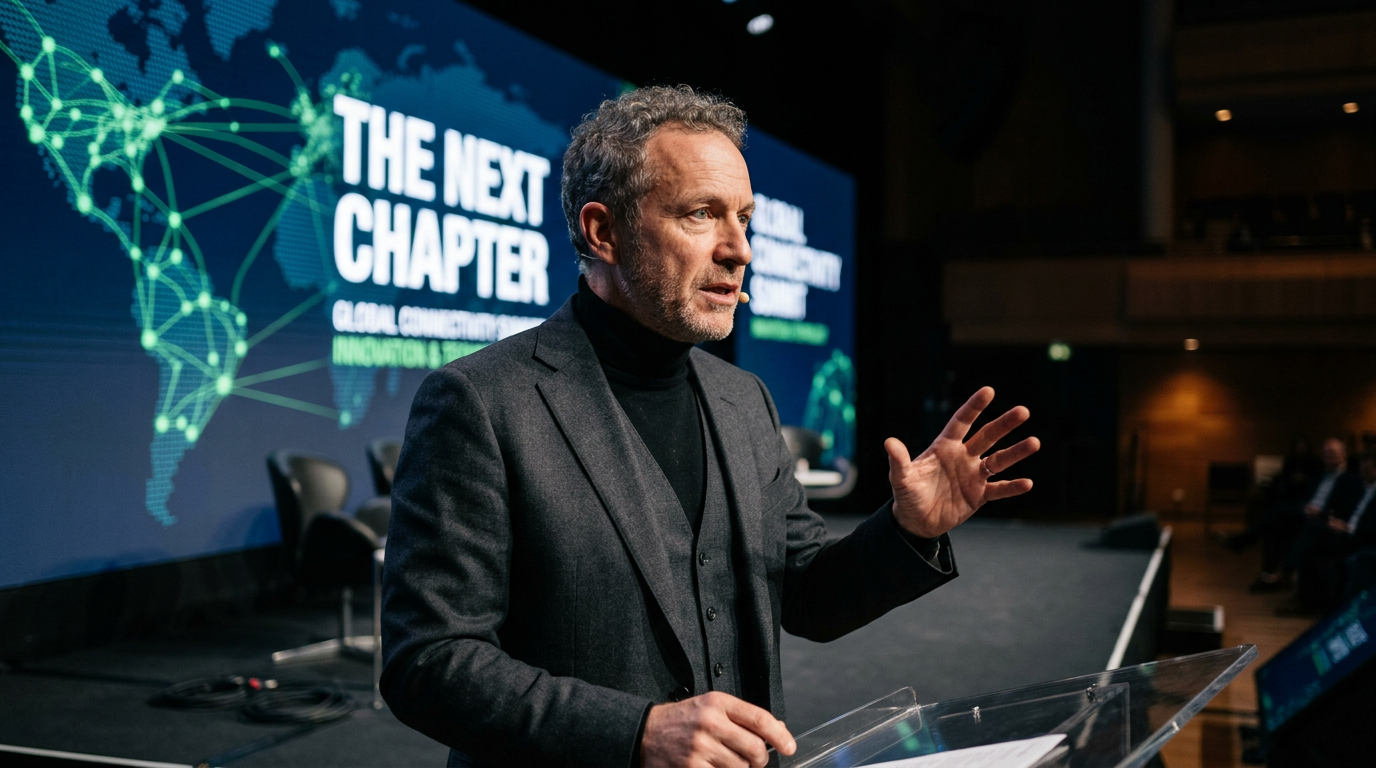
Meta's blockbuster decision to appoint Kunal Shah, the visionary founder of fintech giant CRED and co-founder of FreeCharge, as the new global head of WhatsApp has sent shockwaves through the technology industry. Shah succeeds Will Cathcart, who spent years steering the messaging giant. This appointment is not just another executive transition; it represents a monumental paradigm shift. Within the tech community, Shah's new role is already being hailed as one of the most critical technology appointments of this decade—a resounding validation of the maturity, scale, and world-class capability of the Indian startup ecosystem.
WhatsApp, which boasts over 2 billion active users globally, increasingly views India as the primary engine for its next phase of growth. With over 500 million users in the country, India is WhatsApp's largest market. As the platform transitions from a simple messaging app into a robust utility for conversational commerce, peer-to-peer payments, and business communications, Shah’s deep expertise in building high-engagement products and navigating complex fintech landscapes makes him uniquely suited to steer WhatsApp's global product roadmap.
The Rise of Indian-Origin Tech Leadership
Shah's appointment shines a bright spotlight on a larger, undeniable trend: the rise of Indian-origin executives driving the world's most influential technology boardrooms. This leadership transition underscores a broader geopolitical and economic reality:
- Strategic Vision: Indian-origin leaders are highly regarded for their ability to manage massive scale while navigating complex regulatory and cultural landscapes.
- Pioneering AI and Innovation: From Satya Nadella guiding Microsoft through the generative AI revolution to Sundar Pichai navigating Google's search and AI evolution, Indian-origin leaders are defining the future of global technology.
- Product-Led Growth: Leaders like Shah bring a unique framework of "frugal innovation" (Jugaad) combined with hyper-scale execution, a capability highly prized in Silicon Valley.
Reshaping Global Communication Ecosystems
With an Indian-origin leader at the helm of WhatsApp, the industry anticipates a deeper focus on localized business solutions, conversational AI, and regional market integration. WhatsApp is rapidly evolving from a social tool into a critical business communication operating system.
This evolution directly impacts how businesses interact with their customers at scale. To keep pace with this shift, forward-thinking enterprises are turning to advanced conversational infrastructure. Platforms like CallMissed are already enabling this transition, offering specialized AI communication infrastructure—including WhatsApp chatbots, LLM routing across 300+ models, and Speech-to-Text APIs supporting 22 Indian languages. As global platforms like WhatsApp become more deeply integrated into daily commerce, having the backend infrastructure to engage customers in their native languages becomes a vital competitive advantage.
In the sections that follow, we will explore the deeper strategic implications of Kunal Shah’s landmark appointment and profile 9 extraordinary Indian-origin leaders who are currently driving global technology, innovation, and corporate strategy at the highest level.
Background & Context

The Changing Landscape of Global Tech Leadership
The appointment of Kunal Shah as the new global head of WhatsApp represents a pivotal moment in the history of international technology leadership. Over the past decade, Indian-origin executives have become increasingly prominent at the highest rungs of global companies—a trend that has accelerated as India strengthens its status as a technology and innovation powerhouse.
According to Storyboard18, Meta’s decision to tap Kunal Shah—founder of CRED and FreeCharge—for WhatsApp’s top position in 2026 has “once again spotlighted the growing influence of Indian-origin leaders” (Storyboard18). This move comes at a time when the international business community is seeing Indian-born or Indian-origin executives guide some of the world’s most valuable enterprises.
From Indian Startups to Global Boardrooms
Shah’s rise from fintech innovator in Mumbai to head of one of the world’s most widely used messaging platforms is not an isolated success. His earlier ventures, CRED and FreeCharge, were instrumental in advancing India’s digital payments infrastructure, helping drive the country’s unified payments interface (UPI) adoption to over 12 billion transactions monthly by 2026. His leadership style is characterized by a focus on customer experience, product innovation, and a deep understanding of user needs—qualities increasingly sought after in global tech.
His predecessors in the “Indian-origin CEO club” include industry giants such as:
- Satya Nadella (Microsoft)
- Sundar Pichai (Google and Alphabet)
- Arvind Krishna (IBM)
- Shantanu Narayen (Adobe)
These leaders, together with recent appointees like Shah, are steering companies that collectively impact billions of users every day. Their stewardship has not only led to record-breaking market capitalizations but is also shaping innovation trajectories—AI, cloud, payments, and digital communication—at a planetary scale.
Forces Driving Indian-Origin Leadership
Several factors explain the sharp rise of Indian-origin executives globally:
- Scale & Complexity of the Indian Market: Managing products for a billion users in India equips leaders with a unique understanding of scale, resourcefulness, and multicultural sensitivity.
- Educational Foundations: India’s top engineering (IITs, NITs) and management institutes (IIMs) are among the world’s most competitive, producing globally sought-after talent.
- Global Digital Transformation: As companies digitalize post-pandemic, experience in hyper-growth markets like India becomes invaluable.
- Community and Network Effect: Success breeds visibility and trust, making global boards more open to Indian-origin candidates.
As technology’s center of gravity shifts toward Asia, Indian-origin leaders are increasingly being called to bridge East and West, enabling global companies to localize and scale faster in fast-growing markets.
WhatsApp, India, and Global Connectivity
Kunal Shah’s elevation is especially notable given WhatsApp’s centrality in India—it is the country’s preferred messaging app, with over 500 million Indian users as of 2026. His appointment marks a full-circle moment, showing how product vision derived from direct immersion in India’s consumer economy can now shape global communication platforms. As WhatsApp doubles down on business communication, digital payments, and AI-powered customer engagement, Shah’s experience will be key.
Platforms like CallMissed, for example, are emerging to complement this transformation: enabling companies to build multilingual AI agents and automate communication across voice and chat, supporting India’s 22 major regional languages. Such infrastructure makes it practical for both startups and enterprises to offer modern customer experiences at the scale demanded by markets like India.
In summary, Kunal Shah’s selection to lead WhatsApp not only underscores Indian-origin executives’ growing clout but also signals how deep familiarity with emerging market realities is now seen as a top leadership asset for the world’s most critical digital platforms.
Key Developments
The appointment of Kunal Shah, founder of fintech unicorn CRED and co-founder of FreeCharge, as the global head of WhatsApp marks a watershed moment in the technology industry. Succeeding Will Cathcart, Shah’s transition from a homegrown Indian entrepreneur to the leader of a platform with over two billion active users highlights a crucial evolution: global tech giants are looking beyond traditional corporate executives, opting instead for battle-tested founders who understand how to scale hyper-local consumer ecosystems.
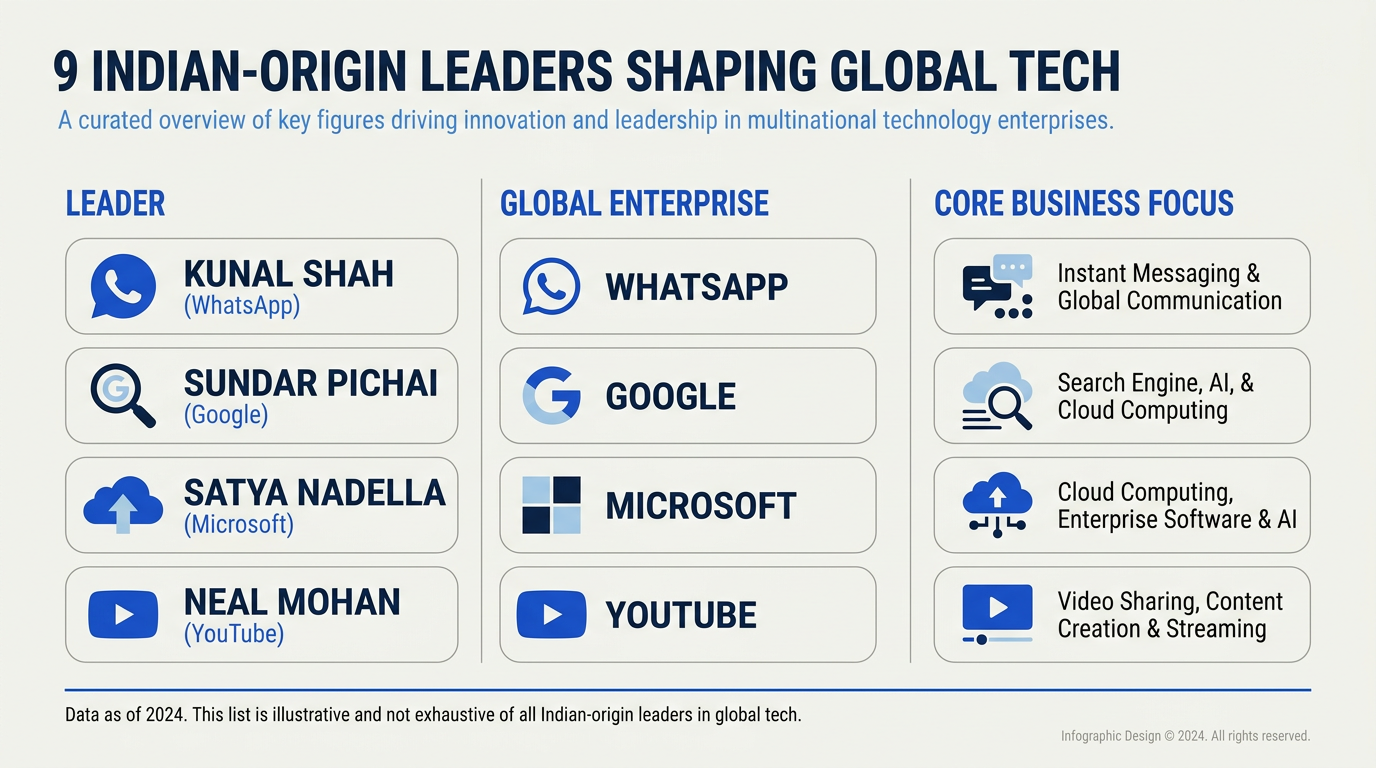
This leadership pivot underscores India's dual role as both a primary consumer market and the definitive talent engine driving global digital strategy. To contextualize how Shah fits into this elite cohort of Indian-origin executives steering the world's most influential technology platforms, we can analyze the key players currently leading the global tech landscape:
| Leader | Company | Role | Core Strategic Focus |
|---|---|---|---|
| Kunal Shah | WhatsApp (Meta) | Global Head | Conversational commerce, fintech integration, and merchant tooling. |
| Satya Nadella | Microsoft | Chairman & CEO | Generative AI infrastructure, enterprise cloud, and strategic partnerships. |
| Sundar Pichai | Alphabet & Google | CEO | Search evolution, multi-modal Gemini AI integration, and Android ecosystem. |
| Neal Mohan | YouTube | CEO | Creator monetization, short-form video (Shorts), and AI safety. |
| Shantanu Narayen | Adobe | Chairman & CEO | Creative Cloud SaaS transitions, enterprise digital experience, and generative design. |
The Era of Conversational Commerce and AI
Shah's appointment is highly strategic for Meta's long-term monetization goals. Meta is actively steering WhatsApp away from being a simple, peer-to-peer messaging utility and transforming it into a robust, transactional "super-app." With his deep expertise in consumer behavior, gamified engagement, and financial services, Shah is uniquely positioned to unlock advanced transactional models across emerging markets. Under his direction, WhatsApp is expected to heavily prioritize conversational banking, in-chat merchant tools, and deep application-level integrations.
As global communication becomes increasingly automated and transactional, businesses must adapt to these fast-evolving platforms. Modern communication infrastructure is critical to keeping pace with this shift. For instance, platforms like CallMissed enable enterprises to build production-ready voice agents and WhatsApp chatbots that integrate directly with this evolving ecosystem. By offering LLM orchestration with access to over 300 models and advanced Speech-to-Text capabilities across 22 regional Indian languages, CallMissed provides the underlying infrastructure needed to match the rapid, multilingual scale that WhatsApp is standardizing globally.
Ultimately, this leadership shift is not just about representation; it is about a fundamental change in how global software products are built and monetized. With Indian-origin leaders steering the most vital communication, search, and cloud platforms on earth, the future of global tech will undoubtedly be shaped by paradigms forged in the world's most dynamic, high-growth digital economies.
In-Depth Analysis
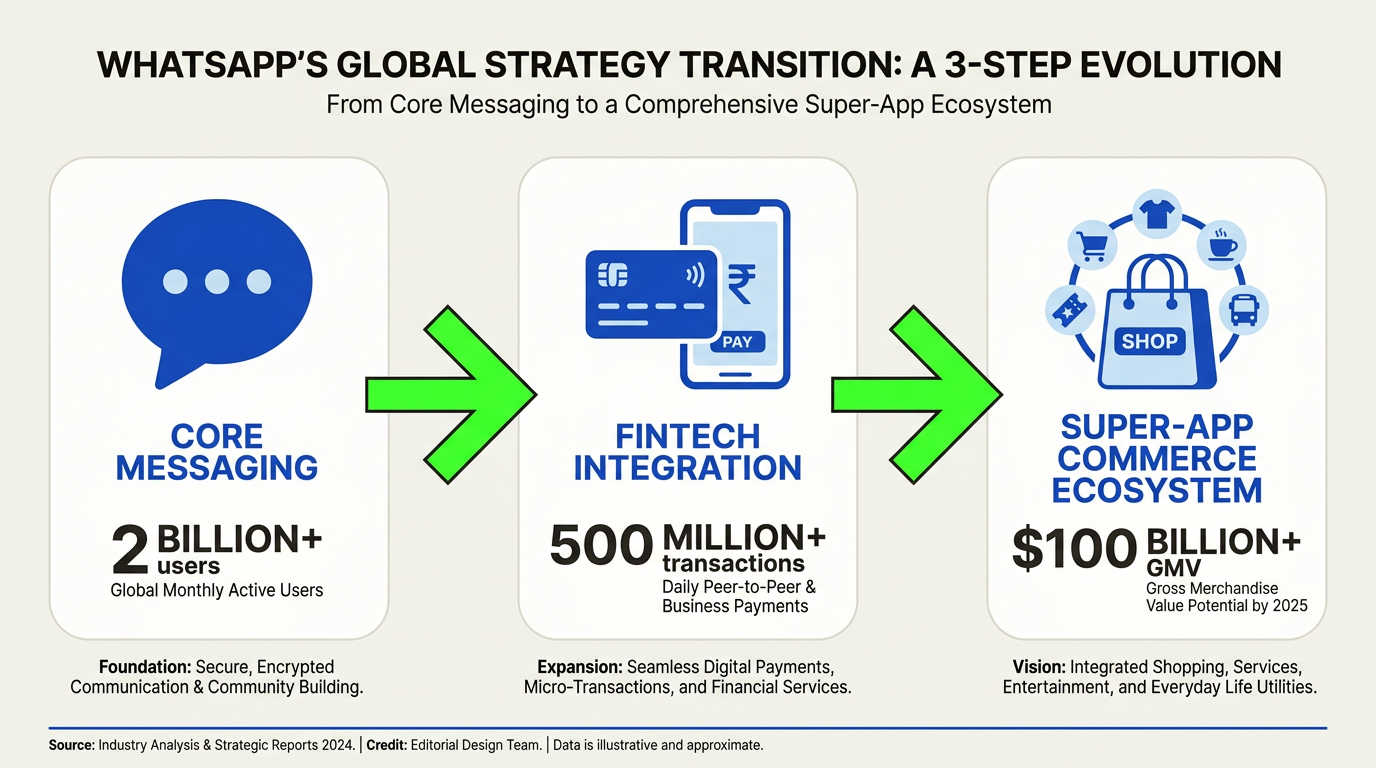
Meta’s selection of Kunal Shah as the new Global Head of WhatsApp represents a profound strategic pivot. This is not merely about placing another highly successful Indian-origin executive at the helm of a Silicon Valley giant; it is a calculated move to transform WhatsApp from a ubiquitous messaging utility into a high-monetization, transactional powerhouse.
The Intersection of Fintech and Communication
Kunal Shah’s professional pedigree is rooted deeply in Indian fintech, having founded both FreeCharge and CRED. By replacing Will Cathcart—who successfully led WhatsApp through its massive scaling phase—Meta is signaling that the platform’s next frontier is transactional velocity and commerce.
WhatsApp is already the de facto digital operating system in markets like India, Brazil, and parts of Africa. However, translating this unmatched user engagement into direct revenue has remained a complex challenge. Shah's expertise in consumer behavior, gamification, and high-trust financial transactions makes him uniquely qualified to address this. Under his leadership, we are highly likely to see:
- Frictionless Commerce: Deeper integration of native payment systems (like UPI in India) directly into chat threads.
- Unified Merchant Ecosystems: Transforming WhatsApp Business from a simple conversational tool into an end-to-end storefront where discovery, negotiation, payment, and support happen in one window.
- Fintech Native Services: The potential introduction of micro-lending, insurance distribution, and investment products directly via the messaging interface.
Driving the "Super-App" Transition with AI
To realize this super-app vision, conversational AI must do the heavy lifting. As businesses scale their operations on WhatsApp, static menus are no longer sufficient; they require intelligent, contextual, and multilingual automation to guide users through complex financial and retail journeys.
This is where the broader ecosystem is rapidly adapting. Infrastructure platforms like CallMissed are already enabling this transition, allowing enterprises to deploy sophisticated WhatsApp chatbots and voice agents. By integrating advanced Speech-to-Text and Text-to-Speech APIs that support 22 regional Indian languages natively, platforms like CallMissed complement this new era of conversational commerce, ensuring that businesses can interact with users in their preferred dialect without friction.
The Emerging Market Playbook Goes Global
Historically, Western tech companies built products for domestic audiences and localized them for international markets. Today, the flow of innovation has reversed.
Indian tech founders are uniquely trained to build for "Bharat"—a market characterized by diverse linguistic demographics, varying internet bandwidths, and acute price sensitivity. As LinkedIn influencer Arjun Vaidya highlighted, Shah's transition is "the single most important tech appointment of this decade." It proves that the playbook for the next billion users is being written in India, and executives who understand how to capture and monetize high-volume, low-margin user bases are now highly coveted to lead global product strategies.
Impact & Implications
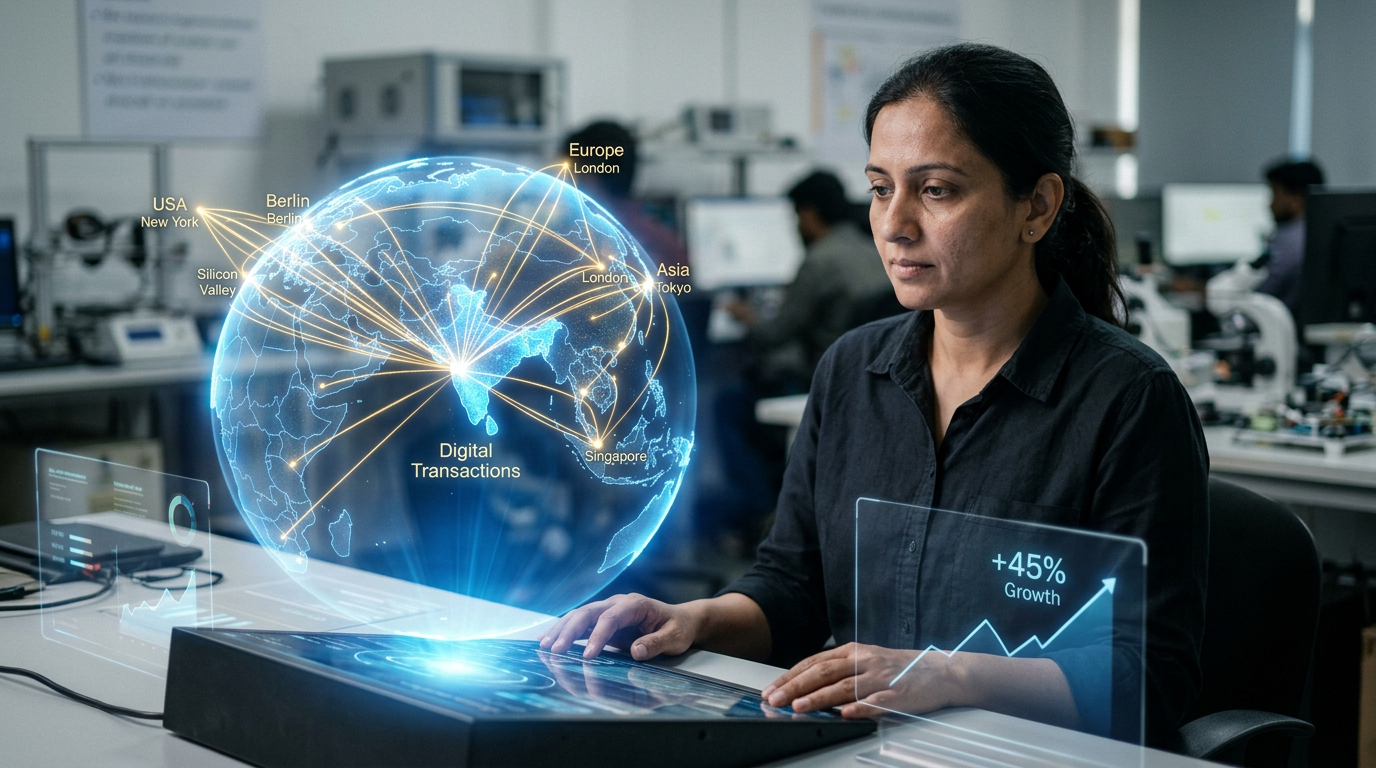
The appointment of Kunal Shah as the global head of WhatsApp, replacing Will Cathcart, represents a watershed moment that extends far beyond corporate restructuring. By placing an iconic Indian fintech builder at the helm of its most ubiquitous platform, Meta is sending a clear signal about the future trajectory of global digital interaction.
1. Accelerating WhatsApp’s Transition to a "Super-App"
Kunal Shah’s professional pedigree is deeply rooted in consumer internet and financial technology, having founded FreeCharge and CRED. His appointment indicates that Meta is ready to aggressively monetize WhatsApp by transforming it from a simple utility messenger into a transactional powerhouse—similar to WeChat's model in China.
- Frictionless Commerce: Under Shah, we can expect deeper integration of UPI payments, micro-lending, insurance, and merchant services directly within individual chat threads.
- Enterprise Domination: WhatsApp Business is poised to evolve from a basic customer support channel into a full-funnel sales engine, where users can discover, negotiate, buy, and track orders without ever leaving the application.
2. Validation of the Indian Startup Ecosystem
Historically, global Indian-origin tech leaders like Satya Nadella (Microsoft) and Sundar Pichai (Google) climbed the traditional multinational corporate ladder. Kunal Shah’s appointment breaks this mold; he is a homegrown venture builder who understands the nuances of hyper-growth, viral product design, and localized consumer psychology.
As prominent investor Arjun Vaidya noted, Shah's new role is "the single most important tech appointment of this decade" and serves as a powerful validation of the Indian startup ecosystem's ability to produce world-class product visionaries.
3. Democratization of AI and Conversational Messaging
With India already serving as WhatsApp's largest market, Shah's leadership will prioritize product design that addresses the diverse, mobile-first populations of emerging markets. This means businesses must prepare for a massive surge in conversational commerce driven by AI.
- Hyper-Localization: Businesses will need to communicate with customers natively, spanning varied dialects and regional preferences.
- AI-Driven Infrastructure: To capitalize on this shift, enterprises must deploy highly sophisticated, localized automation. Platforms like CallMissed are playing a critical role here by providing the underlying communication infrastructure—such as intelligent WhatsApp chatbots, Speech-to-Text APIs supporting 22 Indian languages natively, and production-ready voice agents—that businesses need to scale customer touchpoints seamlessly.
Ultimately, Shah's leadership will likely redefine how billions of users interact with businesses daily, turning conversational commerce from a modern convenience into the default global standard.
Expert Opinions

A Historic Shift for the Indian Startup Ecosystem
The appointment of CRED founder Kunal Shah as the global head of WhatsApp, succeeding Will Cathcart, has sent shockwaves through the global technology and business landscapes. Industry analysts and venture capitalists view this development not just as a standard corporate transition, but as a watershed moment for Indian-origin leadership.
Prominent startup figures have highlighted the structural shift this appointment represents. On social media, investor and entrepreneur Arjun Vaidya remarked that Shah’s new role is "the single most important tech appointment of this decade." He emphasized that this decision is a powerful validator of the Indian startup ecosystem, signaling that Indian founder-operators are no longer just building for regional markets—they are being trusted to steer some of the world's most ubiquitous global products.
Historically, legendary Indian-origin leaders like Satya Nadella (Microsoft) and Sundar Pichai (Google) climbed the corporate ladder internally over decades. In contrast, Shah’s appointment brings a raw, zero-to-one entrepreneurial mindset directly into the upper echelons of Meta, bridging the gap between high-growth startup agility and trillion-dollar global scale.
Decoding Meta’s Strategic Fintech Gambit
Market analysts point out that Meta’s decision is highly tactical. With over 500 million active users in India alone, the country is WhatsApp's largest market, yet monetization has historically lagged behind user acquisition. Tech commentators suggest that Shah’s pedigree in consumer tech and fintech—having successfully founded FreeCharge and CRED—makes him uniquely qualified to transform WhatsApp into a transaction-heavy "super-app."
Experts predict several key areas of focus under Shah's leadership:
- Conversational Commerce: Transitioning WhatsApp from a peer-to-peer messaging tool into a dominant marketplace where users discover, chat, and buy from brands natively.
- Financial Services Integration: Utilizing Shah’s fintech background to deepen WhatsApp Pay's market penetration and build utility-driven micro-lending, insurance, and banking integrations.
- Enterprise Tooling: Accelerating the roll-out of advanced automation tools for small and medium businesses (SMBs) to manage customer support and conversational sales pipelines.
As WhatsApp doubles down on transactional commerce, the demand for sophisticated business automation is surging. Platforms like CallMissed are already helping businesses capitalize on this paradigm shift by providing production-ready WhatsApp chatbots, LLM gateways, and multilingual Speech-to-Text APIs, enabling brands to build seamless, automated customer journeys directly inside the messaging app.
A Blueprint for Emerging Markets
Global technology analysts suggest that Meta is actively shifting its product development philosophy. By appointing a leader who deeply understands high-frequency consumer behavior in highly competitive, emerging economies, Meta is positioning WhatsApp to design features tailored for mobile-first, high-engagement markets first, which can then be scaled globally. Under Shah’s direction, WhatsApp is widely expected to evolve from a basic utility into an indispensable digital operating system for daily commerce.
What This Means For You
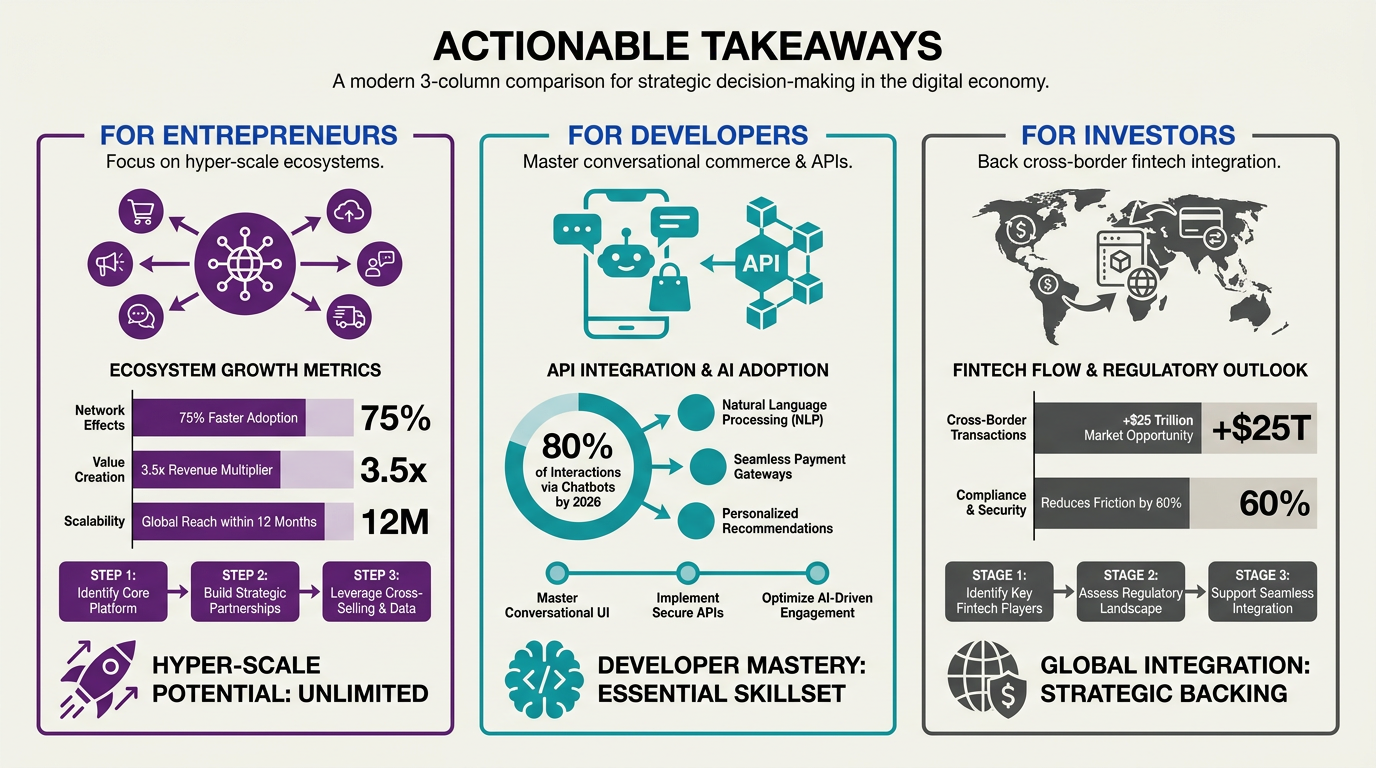
The appointment of Kunal Shah as the global head of WhatsApp is not just a milestone for Indian startup representation on the world stage; it signals a massive shift in how global platforms will design their product ecosystems. With a background deeply rooted in high-velocity Indian consumer fintech (CRED and FreeCharge), Shah's leadership strongly hints at a future where WhatsApp evolves from a simple messaging tool into a comprehensive transaction, utility, and conversational commerce super-app.
For businesses, developers, and tech leaders, this leadership change marks a pivotal moment to rethink customer engagement strategies.
| Stakeholder | Key Strategic Focus | Expected Impact | Recommended Action |
|---|---|---|---|
| Enterprise Businesses | Conversational Commerce & Payments | Streamlined user journeys with direct, in-chat checkout and financial service integrations. | Audit existing CRM pathways and prepare to migrate core funnels directly into WhatsApp. |
| SMBs & Startups | Lowering Customer Acquisition Costs (CAC) | Deeper organic user retention through hyper-personalized, automated interactive workflows. | Shift marketing spend away from traditional SMS and email toward rich, interactive chat journeys. |
| Developers & Tech Teams | Native AI & API Infrastructure | Greater access to advanced APIs for building multi-agent AI, billing tools, and customer support. | Leverage platforms like CallMissed to unifiedly manage WhatsApp chatbots and voice workflows. |
| Everyday Consumers | Frictionless Utility Integration | Access to highly localized, AI-driven personal assistants, micro-transactions, and billing tools. | Expect a cleaner, low-friction UI where utilities are managed inside a single chat thread. |
Accelerated Shift to Conversational Commerce and Fintech
Under Shah's stewardship, WhatsApp is highly anticipated to double down on conversational commerce, peer-to-peer micro-transactions, and enterprise financial tools. For years, businesses have struggled with high drop-off rates on external websites and mobile applications. By keeping the user entirely inside the chat window—from product discovery to final payment—companies can significantly boost conversion rates.
This transformation means businesses must prepare for an environment where customer queries require instant, contextual, and automated resolutions. Simple, hard-coded keyword bots will no longer suffice. Brands must instead adopt robust AI-driven agents capable of handling complex dialogue, transactional APIs, and localized customer support natively.
The Need for Multilingual and Multi-Channel AI Infrastructure
With WhatsApp setting its sights on deeper penetration across diverse global demographics, hyper-localization is key. In countries like India, communication is rarely monolingual; users frequently switch between English, Hindi, and regional dialects.
To capitalize on this shift, organizations are turning to specialized communication infrastructure. Platforms like CallMissed are already enabling businesses to scale these efforts seamlessly. By offering a robust API gateway that connects to 300+ LLMs alongside Speech-to-Text capabilities across 22 Indian languages, CallMissed allows brands to deploy production-ready voice and WhatsApp chat agents that can understand and respond to users in their native tongues.
As global tech giants align their products with the commercial nuances of emerging markets, building on agile, multi-channel AI infrastructure is no longer optional—it is the direct path to staying competitive.
Frequently Asked Questions
Is it true that Meta has appointed CRED founder Kunal Shah to lead WhatsApp as the new global head?
How does Kunal Shah's appointment reflect the trend of Indian-origin CEOs driving global leadership in tech?
Who are the key Indian-origin CEOs driving global leadership in the technology sector today?
Why did Meta choose Kunal Shah to lead WhatsApp, especially given his background in fintech?
What impact will the decision for Kunal Shah to lead WhatsApp have on the Indian startup ecosystem?
What will happen to CRED now that Kunal Shah is transitioning to lead WhatsApp global operations?
Conclusion
Kunal Shah’s transition from building pioneering Indian startups like CRED to leading WhatsApp globally marks a monumental shift in the tech landscape. Here are the key takeaways from this landmark appointment:
- Startups as Global Leadership Incubators: Indian founders are no longer just building local successes; they are transitioning directly into top-tier global executive roles.
- The Rise of Conversational Commerce: Shah's deep fintech background signals WhatsApp’s upcoming evolution into a unified hub for peer-to-peer payments, credit, and merchant services.
- A Mobile-First Focus: Global tech giants are increasingly relying on leaders who understand the unique, fast-paced dynamics of high-growth, mobile-first markets.
Looking ahead, we can expect messaging platforms to rapidly transition into AI-driven ecosystems where conversational commerce is the norm. To explore how this wave of AI communication is evolving, check out CallMissed — an AI communication platform powering voice agents and multilingual chatbots that help businesses capitalize on these global shifts.
With Indian-origin leaders now steering the world's most influential digital platforms, how will your business leverage this next generation of conversational technology to scale?
Discussion
Related Posts


Ready to automate customer conversations?
Launch AI voice agents and WhatsApp bots with CallMissed — one API, 22+ Indian languages.