

डिजिटल रक्षकों की रक्षा: Google AI को नियंत्रित करने के लिए AI का उपयोग करने की योजना कैसे बना रहा है


जैसे-जैसे एआई-संचालित साइबर अपराधी मानव सुरक्षा टीमों द्वारा कमजोरियों को ठीक करने की गति से भी तेज़ी से हमलों को स्वचालित कर रहे हैं, तकनीकी उद्योग एक असहज... સ્થિતિ का सामना कर रहा है.
डिजिटल रक्षकों की सुरक्षा: Google AI को नियंत्रित करने के लिए AI का उपयोग करने की योजना कैसे बना रहा है
जैसे-जैसे AI-संचालित साइबर अपराधी मानव सुरक्षा टीमों द्वारा कमजोरियों को ठीक करने की गति से भी तेज़ी से हमलों को स्वचालित कर रहे हैं, तकनीकी उद्योग एक असहज वास्तविकता का सामना कर रहा है: मानव डेवलपर अब अकेले AI की निगरानी नहीं कर सकते। इस बदलाव से बचने के लिए हमें एक महत्वपूर्ण प्रश्न का उत्तर देना होगा: हम उन प्रणालियों को कैसे सुरक्षित करें जो हमसे तेज़ी से सोचती और अनुकूलित होती हैं? इसका उत्तर उस प्रतिमान बदलाव में निहित है, जिसमें हम स्वयं AI को अपने डिजिटल सीमांतों की निगरानी, सुरक्षा और रक्षा के लिए तैनात करते हैं।
यही चुनौती है जिसके कारण Google DeepMind ने हाल ही में अपना AI Control Roadmap पेश किया। स्वचालित पर्यवेक्षकों और ज़ीरो-ट्रस्ट साइबर सुरक्षा ढाँचों की ओर बढ़ते हुए, Google स्वायत्त प्रणालियों पर निरंतर, मशीन-नेतृत्व वाली निगरानी स्थापित करने की योजना बना रहा है। यह केवल एक वैचारिक बदलाव नहीं है; यह उस युग में एक आवश्यकता है जहाँ जनरेटिव AI की सुरक्षा, अनुपालन और गोपनीयता को अभूतपूर्व स्तर पर बनाए रखना आवश्यक है। Secure AI Framework (SAIF) और समर्पित AI Threat Defence प्रणालियों जैसी पहलों के माध्यम से लक्ष्य एक स्थिर दीवार के बजाय एक सक्रिय डिजिटल प्रतिरक्षा प्रणाली बनाना है।
स्वचालित, सुरक्षित AI अवसंरचना की ओर यह बदलाव पूरे तकनीकी पारिस्थितिकी तंत्र में महसूस किया जा रहा है। उदाहरण के लिए, CallMissed जैसे उन्नत संचार प्लेटफ़ॉर्म, जो अपने मल्टी-मॉडल गेटवे के माध्यम से 300+ LLMs का संचालन करते हैं, वैश्विक स्तर पर वॉइस और चैट एजेंटों को सुरक्षित रूप से प्रबंधित करने के लिए सुरक्षित, रीयल-टाइम AI सुरक्षा-नियंत्रण के इन्हीं सिद्धांतों पर निर्भर करते हैं।
इस लेख में हम विस्तार से समझेंगे कि Google AI का उपयोग करके AI को नियंत्रित करने की योजना कैसे बना रहा है। इसमें DeepMind के नए नियंत्रण रोडमैप की तकनीकी कार्यप्रणाली, SAIF के छह मुख्य स्तंभों और स्वायत्त एजेंटों को नियंत्रण से बाहर जाने से रोकने के लिए बनाए गए स्वचालित "पर्यवेक्षक" मॉडलों का विश्लेषण किया जाएगा। यह समझकर कि तकनीकी दिग्गज डिजिटल रक्षकों की सुरक्षा कैसे कर रहे हैं, हम 2026 और उसके बाद के सुरक्षित, स्वायत्त भविष्य के लिए अपने संगठनों को बेहतर ढंग से तैयार कर सकते हैं।
परिचय: स्वायत्त AI का उदय और नियंत्रण की आवश्यकता
स्थिर, प्रश्न-उत्तर आधारित बड़े भाषा मॉडलों से पूर्णतः स्वायत्त AI एजेंटों की ओर संक्रमण 2026 का सबसे महत्वपूर्ण तकनीकी बदलाव है। आज की स्वायत्त प्रणालियाँ केवल प्रश्नों के उत्तर नहीं देतीं; वे जटिल, बहु-चरणीय कार्यप्रवाह निष्पादित करती हैं, कोड लिखती और चलाती हैं, बाहरी APIs के साथ संपर्क करती हैं और वास्तविक समय में महत्वपूर्ण परिचालन निर्णय लेती हैं। हालाँकि, यह अभूतपूर्व स्वायत्तता एक विशाल चुनौती प्रस्तुत करती है: नियंत्रण।
जब AI अपने निष्पादन मार्गों का प्रबंधन स्वयं करना शुरू करता है, तो पारंपरिक मानव-नेतृत्व वाले सुरक्षा प्रतिमान विफल हो जाते हैं। सुरक्षा बेंचमार्क से संकेत मिलता है कि AI-संचालित साइबर अपराधी अब मानव IT टीमों द्वारा कमजोरियों को ठीक करने की गति से भी तेज़ी से हमलों को स्वचालित कर रहे हैं। यदि दुर्भावनापूर्ण कर्ता सुरक्षा उपायों को दरकिनार करने के लिए मशीन लर्निंग का उपयोग कर रहे हैं और स्वायत्त प्रणालियाँ मशीन की गति से काम कर रही हैं, तो मानव ऑपरेटर अब सुरक्षा की एकमात्र पंक्ति नहीं रह सकते। हम ऐसे युग में प्रवेश कर चुके हैं जहाँ हमें AI को नियंत्रित करने के लिए AI पर निर्भर रहना होगा।
AI Control Roadmap: रक्षकों की सुरक्षा
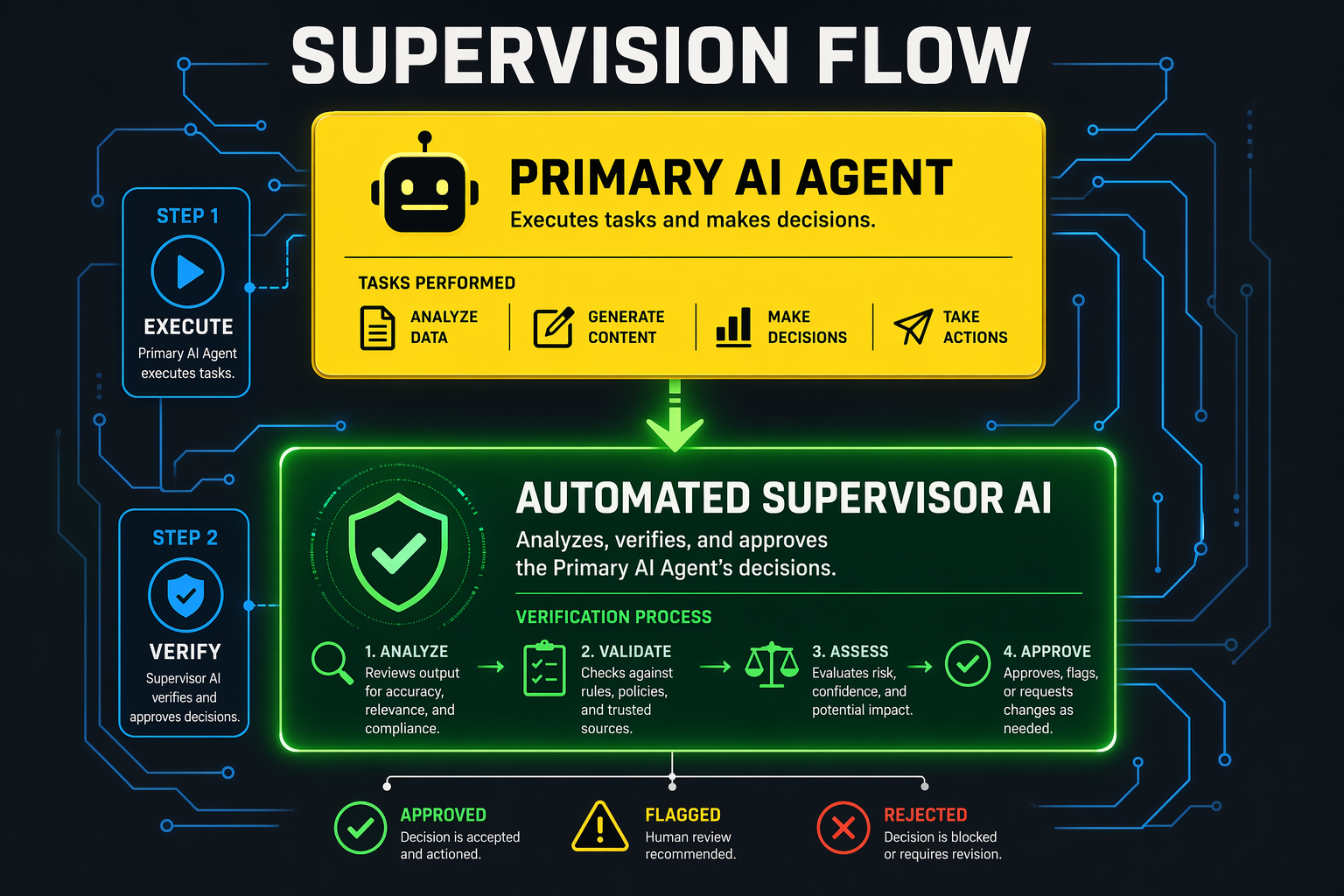
इन उभरते जोखिमों का समाधान करने के लिए Google DeepMind ने अपना AI Control Roadmap पेश किया है। यह पहल उद्योग के प्रतिमान को मैन्युअल शासन से हटाकर स्वचालित AI पर्यवेक्षकों की तैनाती और ज़ीरो-ट्रस्ट साइबर सुरक्षा ढाँचे स्थापित करने की दिशा में ले जाती है। विशेषीकृत "पर्यवेक्षक" मॉडलों का उपयोग करके Google का लक्ष्य प्राथमिक स्वायत्त एजेंटों की गतिविधियों की निगरानी और विश्लेषण करना तथा आवश्यक होने पर उन्हें रोकना है, इससे पहले कि वे नुकसान पहुँचा सकें या संवेदनशील प्रणालियों से समझौता कर सकें।
यह ढाँचा Google के स्थापित Secure AI Framework (SAIF) पर आधारित है, जो मॉडल सुरक्षा, जोखिम प्रबंधन और गोपनीयता से जुड़े मूल तत्वों की रूपरेखा प्रस्तुत करता है। नए रोडमैप के अंतर्गत, इन सुरक्षा सिद्धांतों को रीयल-टाइम, स्वचालित निगरानी के माध्यम से व्यवहार में लाया जाता है, जिससे एक बहु-स्तरीय रक्षा प्रणाली तैयार होती है जिसमें पर्यवेक्षक AI डिजिटल प्रहरी के रूप में कार्य करते हैं।
एंटरप्राइज़ AI के लिए वास्तविक-विश्व प्रभाव
स्वायत्त एजेंट सुरक्षा की ओर यह बदलाव केवल उच्च-स्तरीय अनुसंधान प्रयोगशालाओं तक सीमित नहीं है; इसके एंटरप्राइज़ परिनियोजनों पर तत्काल और व्यावहारिक प्रभाव हैं। उदाहरण के लिए, CallMissed जैसे प्लेटफ़ॉर्म पहले से ही व्यवसायों को उत्पादन के लिए तैयार AI वॉइस एजेंट और WhatsApp चैटबॉट तैनात करने में सक्षम बना रहे हैं, जो सीधे ग्राहकों के साथ संवाद करते हैं।
इन स्वचालित प्रणालियों को तैनात करते समय—विशेष रूप से 22 तक क्षेत्रीय भारतीय भाषाओं का समर्थन करने वाले बहुभाषी स्पीच-टू-टेक्स्ट मॉडलों का उपयोग करते समय—स्वचालित सुरक्षा-नियंत्रण शामिल करना आवश्यक है। सुरक्षित अवसंरचना यह सुनिश्चित करती है कि लाइव ग्राहक संवादों के दौरान वॉइस एजेंटों को प्रॉम्प्ट इंजेक्शन, लीक हुई API कुंजियों या कॉर्पोरेट अनुपालन प्रोटोकॉल को दरकिनार करने के लिए मजबूर नहीं किया जा सके।
मैन्युअल निगरानी अब पर्याप्त क्यों नहीं है
स्वचालित नियंत्रण की आवश्यकता तीन प्राथमिक तकनीकी वास्तविकताओं से प्रेरित है:
- कार्रवाई की गति: स्वायत्त प्रणालियाँ ऐसी गति से काम करती हैं जो वास्तविक समय की सुरक्षा के लिए मानव-नियंत्रित सत्यापन को अप्रासंगिक बना देती है।
- हमलों का स्वचालन: स्वचालित खतरा-पहचान और रक्षा उपकरणों के लॉन्च के साथ, सुरक्षा प्रणालियों को मशीन-प्रेरित शोषणों का तुरंत प्रतिकार करना होगा।
- जटिल हमलावर सतहें: जब कोई LLM बाहरी डेटाबेस, APIs और निष्पादन वातावरणों से जुड़ता है, तो डेटा बाहर निकालने और अनधिकृत कार्रवाइयों के संभावित मार्ग घातांकीय रूप से बढ़ जाते हैं।
जैसे-जैसे हम इन जोखिमों को नियंत्रित करने की Google की रणनीति का विश्लेषण करते हैं, यह स्पष्ट होता जाता है कि डिजिटल सुरक्षा का भविष्य AI की क्षमताओं को सीमित करने में नहीं, बल्कि एक समानांतर, स्वचालित सुरक्षा परत बनाने में है जो उसकी निगरानी कर सके।
पृष्ठभूमि और संदर्भ: Secure AI Framework (SAIF) से अब तक
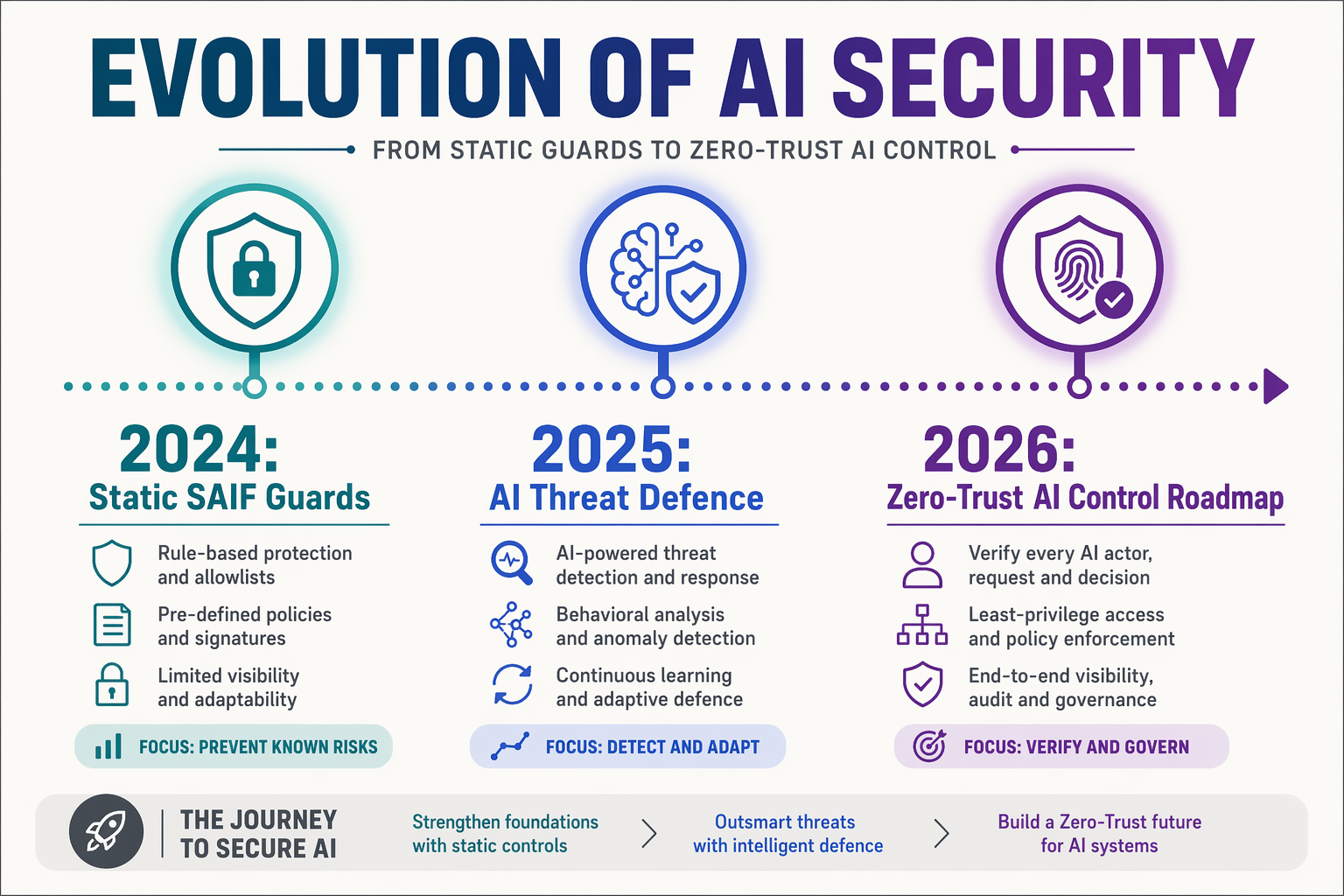
Google के AI नियंत्रण में नवीनतम प्रतिमान बदलाव को समझने के लिए हमें इसकी सुरक्षा वास्तुकला के विकास को मूलभूत Secure AI Framework (SAIF) तक वापस देखना होगा। Google द्वारा उद्योग के लिए एक वैचारिक मार्गदर्शक के रूप में प्रस्तुत SAIF ने मशीन लर्निंग पारिस्थितिकी तंत्रों को सुरक्षित करने के लिए एक मानकीकृत, बहु-स्तरीय दृष्टिकोण स्थापित किया। ज़ीरो-ट्रस्ट जैसे पारंपरिक साइबर सुरक्षा सिद्धांतों से प्रेरित SAIF छह मुख्य स्तंभों पर आधारित था:
- मज़बूत सुरक्षा नींव का विस्तार अवसंरचना परत तक करना।
- पहचान और प्रतिक्रिया का विस्तार करके AI-विशिष्ट खतरों की पहचान करना।
- रक्षा उपायों को स्वचालित करना ताकि तेज़, मशीन-गति वाले हमलों की बराबरी की जा सके।
- प्लेटफ़ॉर्म नियंत्रणों में सामंजस्य स्थापित करना ताकि पूरे संगठनों में एकसमान सुरक्षा सुनिश्चित हो सके।
- नियंत्रणों को अनुकूलित करना ताकि फीडबैक लूप और निरंतर सीखने से जुड़े जोखिमों को कम किया जा सके।
- AI पारिस्थितिकी तंत्र की सक्रिय निगरानी करना ताकि नए हमले के रास्तों का पता लगाया जा सके।
सिद्धांत से रीयल-टाइम रक्षा की ओर बदलाव
हालाँकि SAIF ने मूल रूप से एक रणनीतिक प्रारूप के रूप में काम किया, लेकिन जनरेटिव AI के तेज़ी से लोकतंत्रीकरण और बड़े पैमाने पर विस्तार ने निष्क्रिय दिशानिर्देशों से सक्रिय, रनटाइम सुरक्षा की ओर बदलाव आवश्यक बना दिया। हैकरों और स्वचालित साइबर अपराधियों ने तेज़, अत्यधिक लक्षित शोषणों को संचालित करने के लिए AI को हथियार बनाना शुरू कर दिया। इसके जवाब में, Google ने अपने पारिस्थितिकी तंत्र में रीयल-टाइम खतरा खुफिया को एकीकृत किया और Google Cloud के भीतर AI Threat Defence लॉन्च किया। यह सेवा साइबर खतरों का वास्तविक समय में पता लगाने, समन्वय करने और उन पर प्रतिक्रिया देने के लिए उन्नत मशीन लर्निंग का उपयोग करती है, जिससे एंटरप्राइज़ को मानव सुरक्षा उपायों को दरकिनार करने से पहले स्वचालित हमलों का सामना करने में मदद मिलती है।जैसे-जैसे उद्यम स्वायत्त एजेंटों की अपनी तैनाती का विस्तार कर रहे हैं, विविध परिवेशों में अनुपालन और सुरक्षा बनाए रखना बेहद जटिल हो गया है। यहीं पर आधुनिक इंटीग्रेशन लेयर्स एक आवश्यक भूमिका निभाती हैं। उदाहरण के लिए, CallMissed जैसे संचार अवसंरचना प्लेटफ़ॉर्म इन आधुनिक सुरक्षा प्रतिमानों के साथ स्वाभाविक रूप से संरेखित होते हैं। डेवलपर्स को एकीकृत API गेटवे के माध्यम से 300+ LLMs तक सुरक्षित रूप से पहुँचने और उनके बीच स्विच करने की सुविधा देकर, CallMissed उद्यमों को मॉडल क्वेरीज़ को अलग रखने, कड़े गवर्नेंस को लागू करने और शुरुआत से जटिल सुरक्षा इंटीग्रेशन लिखे बिना एप्लिकेशन लेयर पर ज़ीरो-ट्रस्ट सीमाएँ बनाए रखने में सक्षम बनाता है।
DeepMind का AI Control Roadmap: स्वचालित पर्यवेक्षकों का युग
2026 तक, अत्यधिक स्वायत्त AI एजेंटों के प्रसार ने सुरक्षा रणनीतियों को बुनियादी API फ़िल्टर से आगे विकसित होने के लिए मजबूर कर दिया है। जब AI एजेंट स्वतंत्र रूप से कोड निष्पादित करने, वित्तीय लेन-देन करने और महत्वपूर्ण डेटाबेस के साथ बातचीत करने में सक्षम हों, तब निष्क्रिय निगरानी पर्याप्त नहीं रह जाती।
इस स्वायत्तता के अंतर को संबोधित करने के लिए, Google DeepMind ने अपना महत्वपूर्ण AI Control Roadmap प्रस्तुत किया। यह पहल नियंत्रण की ज़िम्मेदारी मैन्युअल सुरक्षा टीमों से हटाकर स्वचालित पर्यवेक्षकों को सौंपती है—विशेषीकृत, अत्यधिक सैंडबॉक्स किए गए AI मॉडल, जिन्हें प्राथमिक परिचालन AI प्रणालियों की लगातार निगरानी, ऑडिट और प्रतिबंधित करने का कार्य सौंपा गया है।
इस नए ज़ीरो-ट्रस्ट ढाँचे के अंतर्गत, किसी भी स्वायत्त एजेंट पर स्वतः भरोसा नहीं किया जाता। प्राथमिक प्रणाली द्वारा की गई प्रत्येक कार्रवाई, API कॉल और उत्पन्न आउटपुट को रोका जाता है और स्वचालित पर्यवेक्षक द्वारा उसका मूल्यांकन किया जाता है। यदि पर्यवेक्षक असामान्य व्यवहार, अनधिकृत एस्केलेशन या संभावित प्रॉम्प्ट इंजेक्शन हमलों का पता लगाता है, तो वह तुरंत प्रभावित मॉडल को अलग कर देता है। यह परतदार, AI-पर-AI रक्षा तंत्र एक महत्वपूर्ण विकास का प्रतिनिधित्व करता है, जो SAIF को संगठनात्मक नियमों के एक समूह से डिजिटल युग के लिए एक सक्रिय, स्वयं-सुधार करने वाली प्रतिरक्षा प्रणाली में बदल देता है।
प्रमुख विकास: Google का AI Control Roadmap (तालिका)
अत्यधिक स्वायत्त एजेंटों को सुरक्षित रखने की बढ़ती चुनौतियों का समाधान करने के लिए, Google DeepMind और Google Cloud ने एक संरचित AI Control Roadmap स्थापित किया है। इसके केंद्र में आधुनिक एजेंटिक युग का एक मौलिक सत्य स्वीकार किया गया है: जैसे-जैसे प्रणाली की स्वायत्तता और प्रोसेसिंग गति बढ़ती है, मानव-इन-द-लूप निगरानी एक भौतिक बाधा बन जाती है। AI को सुरक्षित रखने के लिए, हमें विशेषीकृत, स्वचालित AI पर्यवेक्षकों को तैनात करना होगा।
Google की रणनीति स्वचालित नियंत्रण, ज़ीरो-ट्रस्ट आर्किटेक्चर और Secure AI Framework (SAIF) के छह मुख्य तत्वों पर आधारित है। यह दृष्टिकोण सुनिश्चित करता है कि मशीन लर्निंग मॉडल केवल कुशलता से संचालित न हों, बल्कि उभरते खतरों के विरुद्ध वास्तविक समय में अपनी और अपने होस्ट इकोसिस्टम की सक्रिय रूप से रक्षा भी करें।
नीचे दी गई तालिका Google के AI Control Roadmap के प्रमुख स्तंभों और इस बात का विवरण देती है कि वे उद्यमी तैनाती में जोखिम को सामूहिक रूप से कैसे कम करते हैं:
| Roadmap Component | Core Mechanism | Primary Security Purpose | Target Risk |
|---|---|---|---|
| Automated AI Supervisors | परिचालन एजेंट के आउटपुट का लगातार ऑडिट करने वाले स्वतंत्र "रेफरी" LLMs। | तर्क में बदलाव, भ्रमपूर्ण व्यवहार और संरेखण विफलताओं की पहचान करता है। | अनियंत्रित एजेंट स्वायत्तता और दुष्ट व्यवहार। |
| Zero-Trust Infrastructure | सभी मॉडल-से-मॉडल API कॉल और डेटा आदान-प्रदान के लिए क्रिप्टोग्राफ़िक सत्यापन। | हाइब्रिड परिवेशों में अनधिकृत प्रणाली पहुँच या मॉडल हाईजैकिंग को रोकता है। | डेटा निष्कासन और अनधिकृत API निष्पादन। |
| Secure AI Framework (SAIF) | ML पाइपलाइनों और मॉडल लाइफ़साइकल पर लागू छह मुख्य इंजीनियरिंग सिद्धांत। | प्रशिक्षण से लेकर तैनाती तक, उद्योग-व्यापी सुरक्षा आधाररेखाएँ स्थापित करता है। | मॉडल पॉइज़निंग और सप्लाई चेन की कमज़ोरियाँ। |
| AI Threat Defence | Google Cloud के भीतर स्वाभाविक रूप से चलने वाले रीयल-टाइम खतरा पहचान इंजन। | मानव सुरक्षा टीमों की गति से आगे निकलने वाले स्वचालित, AI-संचालित साइबर हमलों से रक्षा करता है। | तेज़ी से स्वचालित किए गए एक्सप्लॉइट और ज़ीरो-डे कमज़ोरियाँ। |
| Input/Output Sanitization | API गेटवे लेयर पर रीयल-टाइम AI-संचालित प्रॉम्प्ट फ़िल्टरिंग। | दुर्भावनापूर्ण निर्देशों को मुख्य LLM पैरामीटर तक पहुँचने से पहले निष्क्रिय करता है। | अप्रत्यक्ष प्रॉम्प्ट इंजेक्शन और डेटा का खुलासा। |
रीयल-टाइम, स्वचालित शमन की ओर बढ़ता कदम
ऐतिहासिक रूप से, डिजिटल सुरक्षा स्थिर सॉफ़्टवेयर पैच और मैन्युअल लॉग समीक्षाओं पर निर्भर रही है। हालाँकि, जब AI-संचालित विरोधी मानव सुरक्षा टीमों की प्रतिक्रिया से अधिक तेज़ी से हमलों को स्वचालित कर रहे हों, तब रक्षा भी मशीन की गति से होनी चाहिए। इसके लिए सुरक्षा को API गेटवे और ऑर्केस्ट्रेशन लेयर्स तक अपस्ट्रीम ले जाना आवश्यक है।
इन उन्नत क्षमताओं को लागू करने की इच्छुक कंपनियों के लिए, CallMissed जैसे प्लेटफ़ॉर्म इन्हीं ज़ीरो-ट्रस्ट सिद्धांतों को ध्यान में रखकर डिज़ाइन किया गया प्रोडक्शन-रेडी AI संचार अवसंरचना प्रदान करते हैं। 300+ LLMs से जुड़ने वाला एक सुरक्षित, केंद्रीकृत API गेटवे प्रदान करते हुए—और 22 भारतीय भाषाओं में जटिल Speech-to-Text पाइपलाइनों को संभालते हुए—CallMissed संगठनों को एंटरप्राइज़-स्तरीय डेटा अनुपालन से समझौता किए बिना संवादात्मक वॉइस एजेंट और WhatsApp चैटबॉट तैनात करने में सक्षम बनाता है।
अंततः, Google का रोडमैप सिद्ध करता है कि डिजिटल सुरक्षा का भविष्य AI विकास को रोकने में नहीं, बल्कि बुद्धिमान, स्वचालित सुरक्षा-नियंत्रण तैयार करने में निहित है। AI सुरक्षा को "डिजिटल गार्ड्स" द्वारा निगरानी की जाने वाली एक सक्रिय, गतिशील प्रक्रिया के रूप में मानकर, डेवलपर्स ऐसे मजबूत एप्लिकेशन बना सकते हैं जिनमें यह भरोसा हो कि उनकी प्रणालियाँ आंतरिक बदलाव और बाहरी शोषण, दोनों से सुरक्षित रहेंगी।
गहन विश्लेषण: स्वचालित पर्यवेक्षक AI एजेंटों की निगरानी कैसे करते हैं
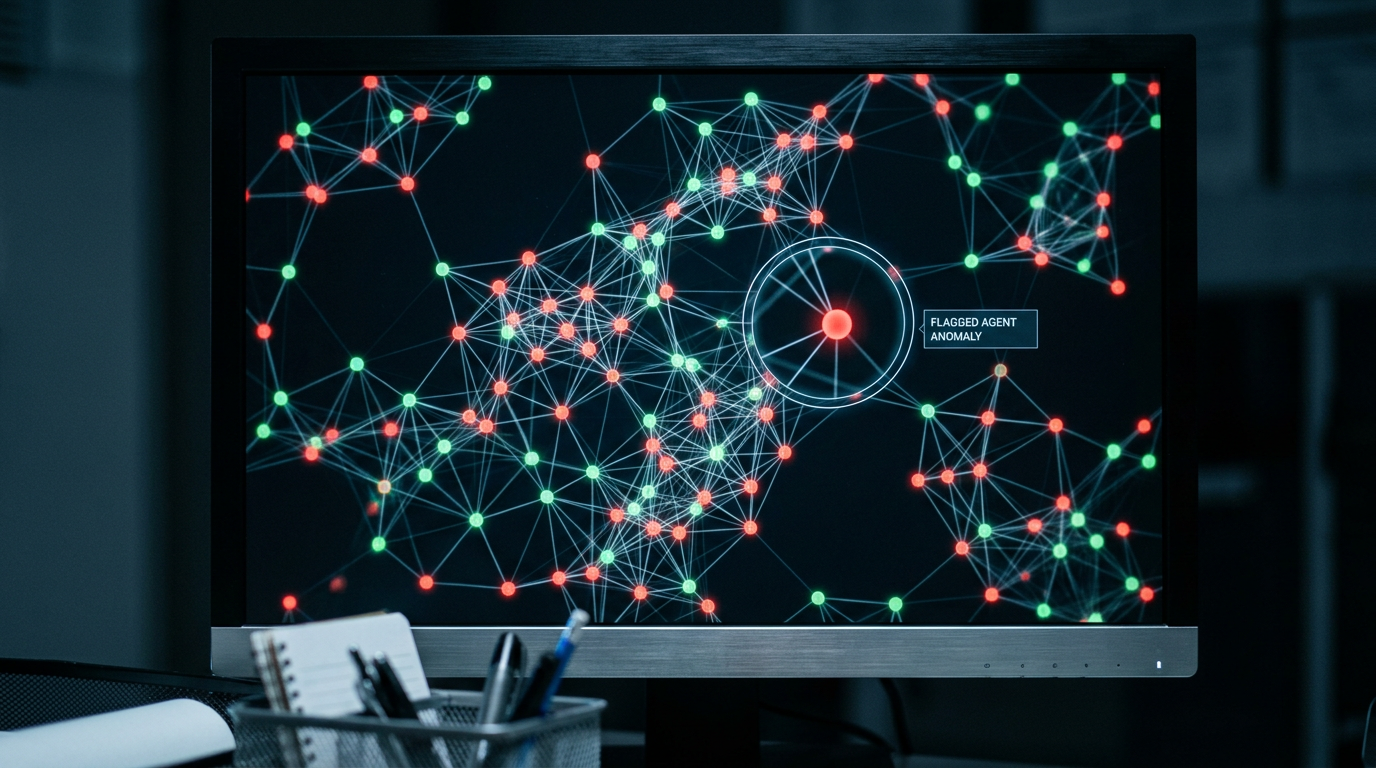
स्वायत्त AI एजेंटों के तेज़ विकास ने रीयल-टाइम, उच्च-मात्रा वाले संचालन के लिए मानव-इन-द-लूप निरीक्षण को लगातार अव्यावहारिक बना दिया है। इसे संबोधित करने के लिए, Google DeepMind का AI Control Roadmap स्वचालित पर्यवेक्षकों की ओर बदलाव की रूपरेखा प्रस्तुत करता है—विशेषीकृत, अत्यधिक सैंडबॉक्स किए गए AI मॉडल, जिन्हें केवल प्राथमिक AI एजेंटों की निगरानी, मूल्यांकन और नियंत्रण का कार्य सौंपा गया है। यह "AI द्वारा AI की निगरानी" प्रतिमान सुरक्षा या परिचालन विफलताओं में बदलने से पहले इच्छित व्यवहारों से विचलन का पता लगाने के लिए बनाया गया है।
दोहरे-एजेंट आर्किटेक्चर: एक्टर बनाम पर्यवेक्षक
आधुनिक स्वचालित निरीक्षण के केंद्र में एक दोहरा-एजेंट आर्किटेक्चर है, जो निष्पादन और मूल्यांकन को स्पष्ट रूप से अलग करता है:
- एक्टर (प्राथमिक एजेंट): कोड लिखने, थर्ड-पार्टी APIs के साथ इंटरैक्ट करने या ग्राहक वर्कफ़्लो प्रबंधित करने जैसे जटिल, बहु-चरणीय कार्यों को निष्पादित करता है।
- पर्यवेक्षक (स्वचालित मॉनिटर): एक अत्यधिक सीमित, विशेषीकृत मॉडल, जिसे विशेष रूप से विरोधी पैटर्न, नीति उल्लंघनों और अप्रत्याशित एजेंट विचलन की पहचान करने के लिए प्रशिक्षित किया गया है।
यह डिज़ाइन ज़ीरो-ट्रस्ट मॉडल पर काम करता है। स्वचालित पर्यवेक्षक प्राथमिक एजेंट के इनपुट और आउटपुट को लगातार रोकता है और उनका वास्तविक समय में विश्लेषण करता है। Google के Secure AI Framework (SAIF) के अनुसार, यह सुनिश्चित करता है कि प्राथमिक एजेंट की क्षमताएँ उसके तत्काल परिवेश के सुरक्षा संदर्भ के आधार पर गतिशील रूप से सीमित की जाएँ।
रीयल-टाइम खतरा पहचान और सैंडबॉक्सिंग
AI-संचालित सुरक्षा खतरों को रोकने के लिए, स्वचालित पर्यवेक्षक परिष्कृत ऑर्केस्ट्रेशन तकनीकों का उपयोग करते हैं:
- Semantic Firewalls: जेलब्रेक, प्रॉम्प्ट इंजेक्शन या अनधिकृत सिस्टम कमांड का पता लगाने के लिए प्रॉम्प्ट-और-रिस्पॉन्स लूप की निगरानी।
- Behavioral Sandboxing: एजेंट के संचालन को अलग-थलग डिजिटल परिवेशों में चलाना, जहाँ प्रोडक्शन प्रणालियों में निष्पादित किए जाने से पहले उनकी कार्रवाइयों का अनुकरण और मूल्यांकन किया जा सके।
- Automated Threat Defense: सुरक्षा संचालन में निरंतर टेलीमेट्री भेजना, जिससे प्रणालियाँ प्रभावित एजेंटों को स्वचालित रूप से रोक सकें और मैन्युअल टीमों की प्रतिक्रिया से अधिक तेज़ी से कमज़ोरियों को ठीक कर सकें।यह सतत सत्यापन अत्यंत महत्वपूर्ण है। जैसे-जैसे संगठन अपने AI उपयोग का विस्तार करते हैं, सैकड़ों सक्रिय एजेंटों पर सख्त नियंत्रण बनाए रखने के लिए ऐसी अंतर्निहित अवसंरचना आवश्यक है, जो तेज़, स्वचालित सत्यापन का समर्थन करे।
सुरक्षित AI अवसंरचना का विस्तार
इस स्तर का स्वचालित पर्यवेक्षण लागू करना अब केवल तकनीकी दिग्गजों तक सीमित नहीं है। स्वायत्त प्रणालियों को सुरक्षित रूप से तैनात करने की इच्छुक कंपनियों को ऐसे प्लेटफ़ॉर्म का लाभ उठाना चाहिए, जो इन सुरक्षा-नियंत्रणों को सीधे अपनी संचार और ऑर्केस्ट्रेशन परतों में निर्मित करते हों।
उदाहरण के लिए, CallMissed जैसे प्लेटफ़ॉर्म उत्पादन-तैयार AI अवसंरचना प्रदान करते हैं, जो डेवलपर्स को मजबूत, अंतर्निहित सुरक्षा-नियंत्रणों के साथ वॉइस एजेंट और WhatsApp चैटबॉट तैनात करने में सक्षम बनाती है। CallMissed के मल्टी-मॉडल API गेटवे का उपयोग करके संगठन प्राथमिक एजेंट संचालन को सेकेंडरी सुपरवाइज़र LLMs के माध्यम से सुगमता से रूट कर सकते हैं, ताकि सुरक्षा अनुपालन, इरादे की सटीकता और परिचालन विचलन का रियल-टाइम में विश्लेषण किया जा सके। इससे व्यवसाय सुरक्षा या प्रदर्शन से समझौता किए बिना 22 क्षेत्रीय भाषाओं में स्वचालित वर्कफ़्लो का विस्तार कर सकते हैं।
"सुरक्षाकर्मियों की निगरानी" को स्वचालित करके, उद्यम स्वायत्त प्रणालियों का आत्मविश्वास के साथ विस्तार कर सकते हैं, यह जानते हुए कि यदि कोई प्राथमिक एजेंट विचलित होने लगे या किसी प्रतिकूल शोषण का सामना करे, तो जोखिम को निष्प्रभावी करने के लिए एक स्वचालित सुपरवाइज़र पहले से मौजूद है।
प्रभाव और निहितार्थ: Zero-Trust AI के युग में साइबर सुरक्षा
Google DeepMind के AI Control Roadmap का साकार होना उद्यम सुरक्षा में एक मौलिक प्रतिमान बदलाव का संकेत देता है: Zero-Trust AI का आगमन। ऐतिहासिक रूप से, zero-trust आर्किटेक्चर एक सरल सिद्धांत पर आधारित रहे हैं—"कभी भरोसा न करें, हमेशा सत्यापित करें"—और इसे सख्ती से मानव उपयोगकर्ताओं, उपकरणों और नेटवर्क सेगमेंट पर लागू किया जाता था। हालांकि, जैसे-जैसे स्वायत्त AI एजेंट मानव हस्तक्षेप के बिना जटिल वर्कफ़्लो निष्पादित करने, निर्णय लेने और डेटाबेस तक पहुंचने लगे हैं, इस ढांचे को विकसित कर AI मॉडलों को स्वयं ऐसी इकाइयों के रूप में देखना होगा, जिन्हें निरंतर, स्वचालित पर्यवेक्षण की आवश्यकता होती है।
AI Threat Defence के साथ खतरे के वेक्टरों को नए सिरे से परिभाषित करना
AI-संचालित साइबर अपराधियों के उदय के साथ, जो मानव सुरक्षा टीमों द्वारा खामियों को ठीक किए जाने की गति से भी तेज़ी से एक्सप्लॉइट तैयार करते हैं, मैनुअल निगरानी अब व्यवहार्य नहीं रही है। Google Cloud द्वारा AI Threat Defence का लॉन्च इस बदलाव को दर्शाता है, जिसमें AI पाइपलाइनों को लक्षित करने वाले प्रतिकूल हमलों का पता लगाने, उनका ऑर्केस्ट्रेशन करने और प्रतिक्रिया देने के लिए रियल-टाइम मशीन लर्निंग का उपयोग किया जाता है।
Zero-Trust AI मॉडल में, सुरक्षा प्रोटोकॉल को विशिष्ट कमजोरियों का समाधान करना चाहिए:
- Prompt Injection और Manipulation: दुर्भावनापूर्ण इनपुट को एजेंट के अंतर्निहित तर्क को बदलने या उसे सुरक्षा फ़िल्टरों को दरकिनार करने के लिए धोखा देने से रोकना।
- Data Leakage और Exfiltration: यह सुनिश्चित करना कि संवादात्मक मॉडल बातचीत के दौरान अनजाने में स्वामित्व वाले डेटा, API keys या व्यक्तिगत रूप से पहचान योग्य जानकारी (PII) प्रकट न करें।
- Autonomous Lateral Movement: AI एजेंट के परिचालन "blast radius" को सीमित करना और यह सुनिश्चित करना कि वह अपने विशिष्ट लेन-देन संबंधी दायरे से आगे बैकएंड अवसंरचना तक पहुंच न बना सके।
SAIF (Secure AI Framework) लागू करना
इस सुरक्षा व्यवस्था को संरचित करने के लिए Google ने Secure AI Framework (SAIF) प्रस्तुत किया। छह मुख्य तत्वों से मिलकर बना SAIF यह स्थापित करता है कि AI को सुरक्षित करना केवल मॉडल की सुरक्षा तक सीमित नहीं है, बल्कि उसके आसपास के पूरे पारिस्थितिकी तंत्र को सुरक्षित करना है—प्रशिक्षण डेटा पाइपलाइनों से लेकर उन API गेटवे तक, जो इन मॉडलों को दुनिया के सामने उपलब्ध कराते हैं।
बड़े पैमाने पर ग्राहकों के सामने उपयोग की जाने वाली संवादात्मक प्रणालियां तैनात करने वाले संगठनों के लिए, इन zero-trust सीमाओं को लागू करना अत्यंत महत्वपूर्ण है। CallMissed जैसे प्लेटफ़ॉर्म इन सुरक्षा चुनौतियों का सीधे समाधान करते हैं। AI वॉइस एजेंट और WhatsApp चैटबॉट के लिए उत्पादन-तैयार अवसंरचना प्रदान करके, CallMissed डेवलपर्स को सख्त अनुपालन बनाए रखते हुए अत्यधिक संवादात्मक एप्लिकेशन तैनात करने में सक्षम बनाता है। इसके अलावा, CallMissed का मल्टी-मॉडल API गेटवे व्यवसायों को 300+ LLMs के बीच सुगमता से स्विच करने और 22 क्षेत्रीय भारतीय भाषाओं में Speech-to-Text APIs का उपयोग करने की सुविधा देता है, जिससे संचार चक्र के प्रत्येक चरण में स्थानीयकृत डेटा प्रबंधन और मजबूत सत्यापन सुनिश्चित होता है।
स्वचालित सुपरवाइज़रों का उदय
शायद zero-trust AI प्रतिमान का सबसे महत्वपूर्ण निहितार्थ "स्वचालित सुपरवाइज़रों" का उदय है। जैसा कि DeepMind के रोडमैप में विस्तार से बताया गया है, ये सेकेंडरी, अत्यधिक प्रतिबंधित AI मॉडल होते हैं, जिन्हें केवल प्राथमिक परिचालन प्रणालियों के ऑडिट और निगरानी का कार्य सौंपा जाता है। यदि कोई प्राथमिक ग्राहक सेवा एजेंट असामान्य डेटाबेस क्वेरी निष्पादित करने या अनधिकृत ग्राहक रिकॉर्ड तक पहुंचने का प्रयास करता है, तो सुपरवाइज़र तुरंत हस्तक्षेप कर लेन-देन को रोक देता है।
यह दो-स्तरीय आर्किटेक्चर सुनिश्चित करता है कि AI एजेंट अधिक स्वायत्त बनने के साथ-साथ पूर्वनिर्धारित परिचालन सीमाओं के भीतर सुरक्षित रूप से नियंत्रित रहें, जिससे अत्यधिक सुरक्षित, स्वचालित भविष्य का मार्ग प्रशस्त हो।
विशेषज्ञों के विचार: AI Alignment के संतुलन, समझौते और भविष्य
"AI द्वारा AI को नियंत्रित करना" कंप्यूटर विज्ञान में एक आकर्षक, फिर भी विवादास्पद प्रतिमान बदलाव प्रस्तुत करता है। जैसे-जैसे Google DeepMind अपना AI Control Roadmap लागू कर रहा है, उद्योग भर के विशेषज्ञ स्वायत्त प्रणालियों की निगरानी के लिए स्वचालित सुपरवाइज़रों और zero-trust ढांचों के उपयोग से जुड़े गहरे समझौतों का मूल्यांकन कर रहे हैं। हालांकि यह दृष्टिकोण रियल-टाइम खतरा पहचान और शमन का वादा करता है, लेकिन यह पुनरावर्ती कमजोरी को लेकर महत्वपूर्ण प्रश्न भी उठाता है: यदि AI का सुरक्षा प्रहरी स्वयं समझौता-ग्रस्त या misaligned हो जाए तो क्या होगा?
AI प्रणालियों में Zero-Trust की दुविधा
पारंपरिक सुरक्षा परिधि-आधारित सुरक्षा पर निर्भर करती है, लेकिन Google का Secure AI Framework (SAIF) zero-trust मॉडल की वकालत करता है। स्वायत्त एजेंट वातावरण में, इसका अर्थ है कि हर इनपुट, आउटपुट और आंतरिक निर्णय लूप को सत्यापित किया जाना चाहिए।
उद्योग विशेषज्ञ कई प्रमुख संतुलनों की ओर संकेत करते हैं, जिन्हें डेवलपर्स को साधना होगा:
- Latency बनाम Security: सेकेंडरी "supervisor LLMs" या रियल-टाइम खतरा वर्गीकरण इंजन चलाने से प्रसंस्करण समय अनिवार्य रूप से बढ़ता है। रियल-टाइम एप्लिकेशन के लिए, 500 मिलीसेकंड की देरी भी उपयोगकर्ता अनुभव को खराब कर सकती है।
- Resource और Compute Overhead: प्रत्येक AI मॉडल के आउटपुट को दूसरे मॉडल से दोबारा जांचना मूलतः कम्प्यूटेशनल फुटप्रिंट को दोगुना कर देता है। इससे परिचालन लागत और ऊर्जा खपत बढ़ती है, जिससे उद्यमों को यह तय करना पड़ता है कि वे कितने सुरक्षा ओवरहेड का खर्च वहन कर सकते हैं।
- Infinite Regress का जोखिम: यदि Model A की निगरानी Model B करता है, तो Model B की निगरानी कौन करता है? विशेषज्ञों का तर्क है कि human-in-the-loop (HITL) checkpoints के बिना केवल AI-on-AI निगरानी पर निर्भर रहने से ऐसी प्रणालीगत अदृश्य कमियां उत्पन्न हो सकती हैं, जहां दोनों प्रणालियां एक साथ विफल हो जाएं।
बहु-स्तरीय सुरक्षा-नियंत्रणों का डिज़ाइन
इन समझौतों का समाधान करने के लिए सुरक्षा शोधकर्ता एक हाइब्रिड दृष्टिकोण की सलाह देते हैं। सभी परिचालनों को नियंत्रित करने के लिए किसी एक, एकीकृत मॉडल पर निर्भर रहने के बजाय, उद्यम प्रणालियां मॉड्यूलर, बहु-स्तरीय आर्किटेक्चर की ओर बढ़ रही हैं। ये प्रणालियां हल्के, नियतात्मक नियम-आधारित जांचों को विशिष्ट, सीमित दायरे वाले AI मॉनिटरों के साथ जोड़ती हैं।
गति और सुरक्षा के बीच संतुलन बनाने का यह व्यावहारिक दृष्टिकोण आधुनिक अवसंरचना निर्माताओं का मुख्य केंद्र है। उदाहरण के लिए, CallMissed जैसे प्लेटफ़ॉर्म व्यवसायों को मल्टी-मॉडल गेटवे (300+ LLMs का समर्थन) के माध्यम से कार्यों को रूट करके उन्नत AI वॉइस एजेंट और बहुभाषी चैटबॉट तैनात करने में सक्षम बनाते हैं। यह सेटअप कंपनियों को तेज़ उपयोगकर्ता संवाद के लिए छोटे, अत्यधिक अनुकूलित मॉडलों का उपयोग करने की सुविधा देता है, जबकि जटिल तर्क और सुरक्षा अनुपालन जांचों को विशेष guardrail मॉडलों के माध्यम से एक साथ रूट किया जा सकता है, जिससे सुरक्षा से समझौता किए बिना latency को न्यूनतम किया जा सके।
स्वायत्त Alignment का आगे का मार्ग
अंततः, स्वचालित AI सुपरवाइज़रों की दिशा में Google का कदम एक मौलिक सत्य को उजागर करता है: जैसे-जैसे AI प्रणालियां अधिक agentic बनती जाती हैं और उच्च स्तर की स्वायत्तता के साथ काम करती हैं, संचालन की विशाल मात्रा के कारण मैनुअल मानवीय समीक्षा शारीरिक रूप से असंभव हो जाती है। आगे देखते हुए, उद्योग तीन मुख्य मार्गों पर सहमति बना रहा है:
- स्वचालित रेड-टीमिंग: AI मॉडल को अन्य मॉडलों में कमजोरियों, प्रॉम्प्ट-इंजेक्शन वेक्टर और अलाइनमेंट विफलताओं को उत्पादन में पहुंचने से पहले खोजने के लिए तेजी से प्रशिक्षित किया जाएगा।
- मानकीकृत सुरक्षा फ्रेमवर्क: SAIF जैसे फ्रेमवर्क आंतरिक कॉर्पोरेट दिशानिर्देशों से आगे बढ़कर मानकीकृत, उद्योग-व्यापी अनुपालन ऑडिट का रूप ले लेंगे।
- विकेंद्रीकृत निगरानी: भविष्य के आर्किटेक्चर में संभवतः जिम्मेदारियों का सख्त पृथक्करण लागू किया जाएगा, जिससे निष्पादन करने वाले AI एजेंट और पर्यवेक्षण करने वाले AI एजेंट पूरी तरह अलग रहें और मिलीभगत या साझा कमजोरियों को रोका जा सके।
आपके लिए इसका अर्थ: AI-संचालित सुरक्षा के अनुकूलन (तालिका)
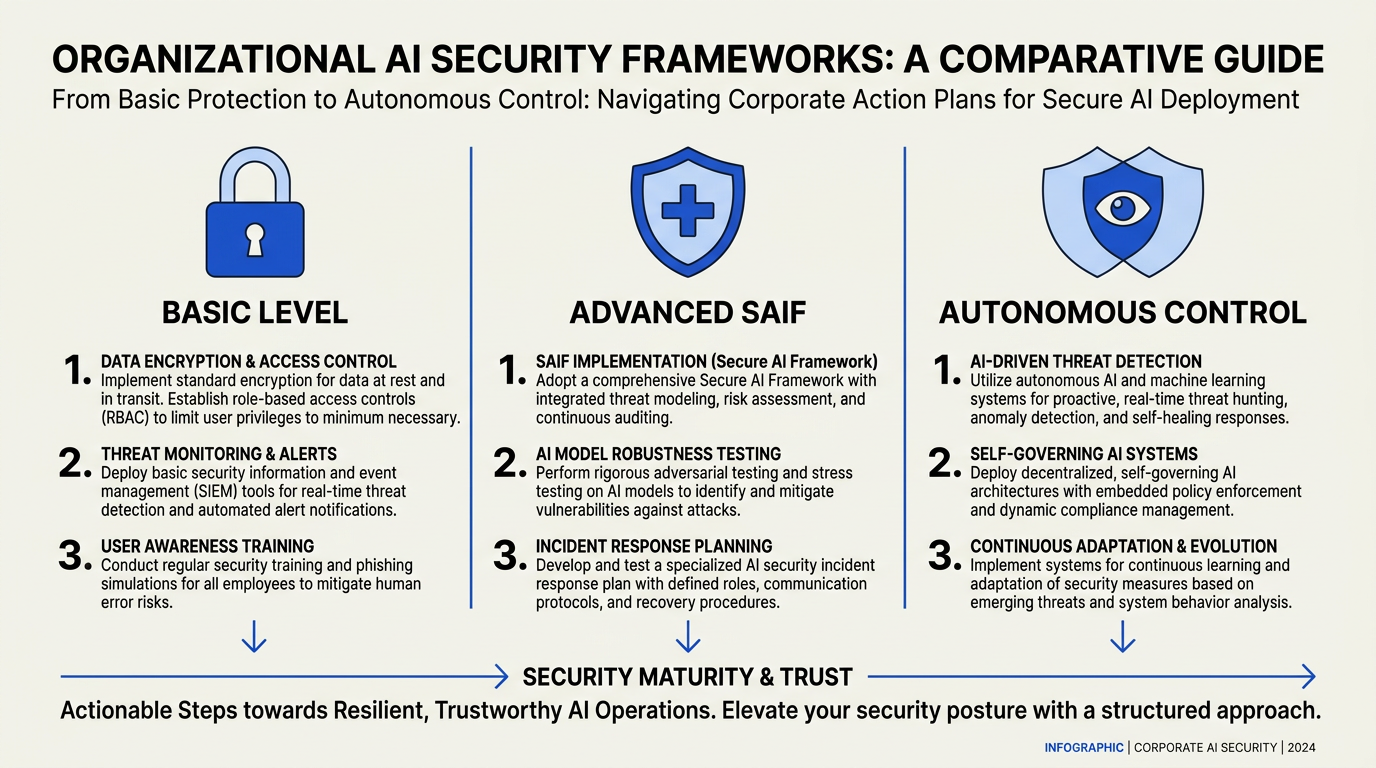
जैसे-जैसे स्वायत्त AI सिस्टम और एजेंटिक वर्कफ़्लो नई अवधारणा से आगे बढ़कर मुख्य अवसंरचना का रूप ले रहे हैं, संगठनों को अपने सुरक्षा प्रतिमानों पर पुनर्विचार करना होगा। Google DeepMind का AI Control Roadmap की ओर बढ़ता रुख—जिसकी विशेषता स्वचालित पर्यवेक्षक और ज़ीरो-ट्रस्ट साइबरसुरक्षा फ्रेमवर्क हैं—यह सिद्ध करता है कि मैनुअल निगरानी अब पर्याप्त नहीं है। गति बनाए रखने के लिए उद्यमों को स्वचालित, AI-पर-AI सुरक्षा प्रोटोकॉल अपनाने होंगे, जो रियल टाइम में काम करें।
इस नए प्रतिमान के अनुकूलन के लिए ठोस आर्किटेक्चरल बदलाव आवश्यक हैं। नीचे दी गई तालिका बताती है कि संगठन Google की सुरक्षा पहलों, जैसे Secure AI Framework (SAIF) और AI Threat Defence, को व्यावहारिक कॉर्पोरेट रणनीतियों में कैसे बदल सकते हैं।
| सुरक्षा स्तंभ | तकनीकी तंत्र | व्यवसायों के लिए कार्रवाई | मुख्य लाभ |
|---|---|---|---|
| ज़ीरो-ट्रस्ट मॉनिटरिंग | एजेंट-से-एजेंट इंटरैक्शन का लगातार स्वचालित सत्यापन। | सभी LLM इनपुट और आउटपुट को अविश्वसनीय मानें तथा महत्वपूर्ण कार्रवाइयों को सैंडबॉक्स में चलाएं। | दुर्भावनापूर्ण प्रॉम्प्ट इंजेक्शन से होने वाली प्रणालीगत क्षति को रोकता है। |
| स्वचालित पर्यवेक्षण | दोहरे-एजेंट वाला आर्किटेक्चर, जिसमें एक "Supervisor" AI, एक "Actor" AI की निगरानी करता है। | प्राथमिक एजेंट के आउटपुट का मूल्यांकन करने के लिए विशेष रूप से हल्के गार्डरेल LLM तैनात करें। | रियल-टाइम नीति अनुपालन और हैलुसिनेशन फ़िल्टरिंग सुनिश्चित करता है। |
| SAIF अलाइनमेंट | AI जोखिम प्रबंधन के लिए Google के 6 मुख्य तत्वों का कार्यान्वयन। | मौजूदा AI पाइपलाइनों को Google के ओपन-सोर्स SAIF दिशानिर्देशों के अनुरूप मैप करें। | जटिल, बहु-मॉडल तैनातियों में अनुपालन को मानकीकृत करता है। |
| AI Threat Defence | स्वचालित, मशीन-गति वाले हमलों की पहचान करने के लिए ML-संचालित टेलीमेट्री। | सिस्टम लॉग को AI-अनुकूलित Security Operations Centers (SOCs) में भेजें। | स्वचालित प्रतिकूल हमलों को डेटा से समझौता करने से पहले निष्क्रिय करता है। |
एजेंटिक युग में ज़ीरो-ट्रस्ट लागू करना
AI-संचालित सुरक्षा के अनुकूलन का अर्थ है परिधि-आधारित रक्षा से हटकर सूक्ष्म, रियल-टाइम लेनदेन निगरानी की ओर बढ़ना। चूंकि आधुनिक AI एजेंट स्वायत्त रूप से APIs को कॉल करते हैं, डेटाबेस तक पहुंचते हैं और कोड तैयार करते हैं, इसलिए एक समझौता किया गया प्रॉम्प्ट आपके पूरे नेटवर्क में विशेषाधिकारों को बढ़ा सकता है।
Google के SAIF सिद्धांतों को लागू करके संगठन यह सुनिश्चित कर सकते हैं कि प्रत्येक स्वचालित निर्णय की जांच एक स्वतंत्र डिजिटल "गार्ड" द्वारा की जाए। इसके लिए निष्पादन वातावरण को सैंडबॉक्स में चलाना और विशेष, कम-विलंबता वाले क्लासिफ़ायर मॉडल का उपयोग करना आवश्यक है, ताकि आने वाले और बाहर जाने वाले डेटा पैकेट बाहरी कार्रवाइयों को ट्रिगर करने से पहले जांचे जा सकें।
CallMissed के साथ संचार चैनलों को सुरक्षित करना
जैसे-जैसे ये स्वचालित गार्डरेल मानक बनते जा रहे हैं, ऐसे इंफ्रास्ट्रक्चर साझेदारों का चयन अत्यंत महत्वपूर्ण हो जाता है जो मूल रूप से सुरक्षित AI आर्किटेक्चर का समर्थन करते हों। CallMissed जैसे प्लेटफ़ॉर्म डेवलपर्स को आधुनिक सुरक्षा मानकों का पालन करते हुए उन्नत वॉइस और चैट एजेंट तैनात करने की सुविधा देते हैं।
CallMissed के मल्टी-मॉडल API गेटवे के साथ, व्यवसाय 300+ समर्थित LLMs में से किसी के माध्यम से इंटरैक्शन को सहजता से रूट कर सकते हैं। यह लचीलापन दोहरे-एजेंट पर्यवेक्षण को लागू करना अत्यंत व्यावहारिक बनाता है: एक उच्च-प्रदर्शन वाला LLM संवाद प्रवाह—जैसे 22 क्षेत्रीय भारतीय भाषाओं में Speech-to-Text और Text-to-Speech—संभाल सकता है, जबकि दूसरा, विशेष मॉडल स्वचालित सुरक्षा पर्यवेक्षक के रूप में कार्य कर सकता है। CallMissed के सुरक्षित इंफ्रास्ट्रक्चर का लाभ उठाकर कंपनियां WhatsApp और वॉइस चैनलों पर अपनी डिजिटल पहुंच का विस्तार कर सकती हैं और इस विश्वास के साथ काम कर सकती हैं कि उनके स्वचालित सिस्टम लगातार मॉनिटर किए जा रहे हैं और उभरते खतरे वाले वेक्टरों से पूरी तरह सुरक्षित हैं।
अक्सर पूछे जाने वाले प्रश्न
प्रश्न: Google AI का उपयोग करके AI को नियंत्रित करने और स्वायत्त सिस्टम को सुरक्षित करने की योजना कैसे बना रहा है?
उत्तर: Google DeepMind ने अपना AI Control Roadmap प्रस्तुत किया है, जो एक अग्रणी सुरक्षा पहल है और स्वायत्त सिस्टम की निगरानी के लिए स्वचालित पर्यवेक्षकों तथा ज़ीरो-ट्रस्ट साइबरसुरक्षा फ्रेमवर्क को तैनात करती है। यह रणनीति विशेष, सैंडबॉक्स किए गए AI एजेंटों का उपयोग करके प्राथमिक मॉडलों का लगातार ऑडिट करती है और सुनिश्चित करती है कि वे सुरक्षा सीमाओं को पार न करें या अप्रत्याशित उभरते व्यवहार प्रदर्शित न करें। इन डिजिटल गार्डों को लागू करके Google का उद्देश्य अनियंत्रित कम्प्यूटेशनल प्रक्रियाओं को महत्वपूर्ण अवसंरचना से समझौता करने से पहले नियंत्रित करना है।
प्रश्न: Google का Secure AI Framework (SAIF) क्या है और यह सुरक्षा जोखिमों को कैसे रोकता है?
उत्तर: Google का Secure AI Framework (SAIF) एक ओपन-सोर्स, छह-तत्वीय सुरक्षा पद्धति है, जिसे प्रशिक्षण डेटा पॉइज़निंग, प्रॉम्प्ट इंजेक्शन और मॉडल चोरी जैसे जोखिमों को कम करने के लिए बनाया गया है। क्लाउड आर्किटेक्चर में SAIF को एकीकृत करके डेवलपर्स एकीकृत, सुरक्षित सिस्टम के अंतर्गत मशीन लर्निंग एप्लिकेशन बना सकते हैं। यह फ्रेमवर्क संगठनों को सभी तैनात AI सिस्टम में मजबूत जोखिम प्रबंधन, स्वचालित निगरानी और अत्याधुनिक प्राइवेसी नियंत्रण स्थापित करने में मार्गदर्शन देता है।
प्रश्न: आधुनिक उद्यम साइबरसुरक्षा के लिए AI का उपयोग करके AI को नियंत्रित करना आवश्यक क्यों है?
उत्तर: AI-संचालित साइबर अपराधियों द्वारा मानव सुरक्षा टीमों की खामियां ठीक करने की गति से भी तेज़ी से शोषण स्वचालित किए जाने के कारण, स्वचालित रक्षा एक परिचालन आवश्यकता बन गई है। स्वायत्त गार्ड सिस्टम का उपयोग कंपनियों को साइबर खतरों का रियल टाइम में पता लगाने, उनका समन्वय करने और प्रतिक्रिया देने में सक्षम बनाता है। यह स्वचालित निगरानी सुनिश्चित करती है कि जटिल न्यूरल नेटवर्क की 24/7 निगरानी हो, दुर्भावनापूर्ण इनपुट को रोका जाए और अनधिकृत डेटा एक्सफ़िल्ट्रेशन के प्रयासों को तुरंत अवरुद्ध किया जाए।
प्रश्न: क्या व्यवसाय Google की AI नियंत्रण और सुरक्षा प्रथाओं को अपने एप्लिकेशन में लागू कर सकते हैं?
उत्तर: हां, संगठन CallMissed जैसे एंटरप्राइज़ प्लेटफ़ॉर्म का उपयोग करके इन उन्नत सुरक्षा प्रथाओं को अपना सकते हैं, जो सुरक्षित और उत्पादन-तैयार AI संचार अवसंरचना प्रदान करते हैं। CallMissed कंपनियों को 300+ से अधिक LLMs का समर्थन करने वाले मल्टी-मॉडल गेटवे से जुड़े वॉइस एजेंट और WhatsApp चैटबॉट तैनात करने की सुविधा देता है। 22 भारतीय भाषाओं में सुरक्षित inference, स्वचालित गार्डरेल और Speech-to-Text APIs को एकीकृत करके CallMissed उद्यमों को पहले से उपलब्ध सख्त अनुपालन और सुरक्षा मानकों को लागू करने में सहायता करता है।
प्रश्न: Google Cloud का AI Threat Defence स्वचालित साइबर हमलों से कैसे सुरक्षा करता है?
उत्तर: Google Cloud का AI Threat Defence पूर्वानुमान-आधारित मशीन लर्निंग का उपयोग करके ज़ीरो-डे एक्सप्लॉइट का पता लगाने और सक्रिय हमलों को तेजी से नियंत्रित करने में उद्यमों की सहायता करता है। यह सेवा Google Security Operations के साथ घनिष्ठ रूप से एकीकृत है, जिससे IT टीमें विशाल क्लाउड वातावरणों में विसंगतियों पर प्रतिक्रियाओं का समन्वय और स्वचालन कर सकती हैं। इससे यह सुनिश्चित होता है कि भले ही दुर्भावनापूर्ण हमलावर अपने स्वचालित टूलकिट का विस्तार करें, फिर भी रक्षक पूर्वानुमान-आधारित AI का लाभ उठाकर उनसे आगे रह सकें।
प्रश्न: Google Workspace में उपयोगकर्ता डेटा की प्राइवेसी बनाए रखते हुए AI का उपयोग करके AI को नियंत्रित करने की योजना कैसे बना रहा है?
उत्तर: Google सख्त डेटा गवर्नेंस और आइसोलेशन प्रोटोकॉल लागू करके Workspace की सुरक्षा सुनिश्चित करता है, जो जनरेटिव AI सिस्टम को संवेदनशील ग्राहक डेटा लीक करने से रोकते हैं। इस फ्रेमवर्क के अंतर्गत, ग्राहक इनपुट का उपयोग सार्वजनिक मॉडलों को प्रशिक्षित करने के लिए कभी नहीं किया जाता और स्वचालित अनुपालन गार्ड अनधिकृत पहुंच को रोकने के लिए डेटा पाइपलाइनों की निगरानी करते हैं। यह बहु-स्तरीय रक्षा तंत्र सुनिश्चित करता है कि AI नियंत्रण नीतियां उपयोगकर्ता की प्राइवेसी या परिचालन प्रदर्शन से समझौता किए बिना लगातार काम करती रहें।
निष्कर्ष
जैसे-जैसे स्वायत्त AI एजेंट हमारे डिजिटल बुनियादी ढाँचे में और गहराई से एकीकृत हो रहे हैं, उन्हें सुरक्षित करने की होड़ तेज़ हो रही है। AI-पर-AI पर्यवेक्षण की दिशा में Google का रणनीतिक बदलाव एक महत्वपूर्ण वास्तविकता को उजागर करता है: उन्नत, स्वायत्त AI के प्रबंधन के लिए ऐसे सुरक्षा उपकरणों की आवश्यकता है जो ठीक उसी गति और पैमाने पर काम करें।
याद रखने योग्य मुख्य बातें:
- स्वचालित निगरानी: Google DeepMind का AI Control Roadmap सुरक्षा प्रोटोकॉल को धीमी मैनुअल समीक्षाओं से स्वचालित, रियल-टाइम AI पर्यवेक्षकों की ओर स्थानांतरित करता है।
- AI के लिए ज़ीरो-ट्रस्ट: आधुनिक सुरक्षा के लिए मशीन लर्निंग पाइपलाइनों और एजेंटिक वर्कफ़्लो पर सीधे लागू होने वाली एक सख्त ज़ीरो-ट्रस्ट आर्किटेक्चर आवश्यक है।
- एक खाके के रूप में SAIF: Google के Secure AI Framework (SAIF) जैसे फ्रेमवर्क मॉडल-विशिष्ट जोखिमों को कम करने के लिए वैश्विक मानक स्थापित कर रहे हैं।
आगे बढ़ते हुए, उम्मीद की जा सकती है कि एंटरप्राइज़ AI अपनाने के लिए "सुरक्षा-आधारित-डिज़ाइन" आर्किटेक्चर अनिवार्य आधाररेखा बन जाएंगे। सुरक्षित, लचीले AI संचार के विकास को समझने के लिए CallMissed देखें — यह एक AI बुनियादी ढाँचा प्लेटफ़ॉर्म है, जो व्यवसायों के लिए सुरक्षित वॉइस एजेंट और बहुभाषी चैटबॉट संचालित करता है। जैसे-जैसे ये प्रणालियाँ अधिक स्वायत्त होती जा रही हैं, प्रश्न बना हुआ है: क्या आपकी डिजिटल सुरक्षा व्यवस्थाएँ उन प्रणालियों को प्रबंधित करने के लिए तैयार हैं, जिन्हें उन्हें बेहतर बनाने के लिए ही बनाया गया है?
Related Posts
कोडिंग पर GPT-OSS 120B का ओपन-सोर्स प्रदर्शन: विशिष्टताएँ, बेंचमार्क, मूल्य निर्धारण और API एक्सेस
तर्क कार्यों के लिए Grok 4.20 बनाम Gemini 3.1 Pro: क्या सत्यापित किया जा सकता है?

मैं LLM API गेटवे को वॉइस और WhatsApp एजेंट्स से कैसे कनेक्ट कर सकता हूँ? एक डेवलपर गाइड
Ready to automate customer conversations?
Launch AI voice agents and WhatsApp bots with CallMissed — one API, 22+ Indian languages.