

ग्रिबुइय 0.3.0: ग्राफ़िक्स के व्याकरण को मूल रूप से Typst में लाना


क्या हो अगर आप R, Python या किसी भारी-भरकम... को कभी खोले बिना सीधे अपने दस्तावेज़ मार्कअप के भीतर जटिल, प्रकाशन-स्तरीय डेटा विज़ुअलाइज़ेशन बना सकें...
Gribouille 0.3.0: Grammar of Graphics को Typst में मूल रूप से लाना
क्या हो अगर आप R, Python या किसी भारी बाहरी ग्राफ़िक्स एडिटर को खोले बिना, सीधे अपने दस्तावेज़ मार्कअप के भीतर जटिल, प्रकाशन-स्तरीय डेटा विज़ुअलाइज़ेशन बना सकें? दशकों से शोधकर्ताओं और डेवलपर्स को केवल एक साफ़ scatterplot या bar chart बनाने के लिए भारी सांख्यिकीय प्रोग्रामिंग वातावरणों और LaTeX जैसी दस्तावेज़-तैयारी प्रणालियों के बीच बार-बार संदर्भ बदलना पड़ता रहा है। हालांकि, जैसे-जैसे Typst LaTeX के आधुनिक, अत्यंत तेज़ उत्तराधिकारी के रूप में तेज़ी से स्थापित हो रहा है, इसका इकोसिस्टम मूल रूप से विज़ुअलाइज़ेशन संभालने के लिए विकसित हो रहा है। Gribouille 0.3.0 का लॉन्च—Mickaël Canouil द्वारा विकसित एक मूल Typst पैकेज—Leland Wilkinson के प्रख्यात Grammar of Graphics को सीधे Typst Universe में लाता है, जिसने हाल ही में डेवलपर समुदाय का ध्यान आकर्षित किया है और 60 अंकों के साथ HackerNews की रैंकिंग में ऊपर चढ़ा है।
फ़्रेंच शब्द "scribble" के नाम पर रखा गया Gribouille किसी साधारण स्केचिंग टूल से कहीं अधिक है। यह जटिल प्लॉट बनाने के लिए एक अत्यंत संरचित, घोषणात्मक और पूरी तरह ऑफ़लाइन-अनुकूल API प्रदान करता है। यह आधुनिक इंजीनियरिंग और अकादमिक वर्कफ़्लो के लिए बेहद महत्वपूर्ण है, जिन्हें ऐसे पुनरुत्पाद्य, आत्मनिर्भर दस्तावेज़ों की आवश्यकता होती है जो बाहरी वेब APIs पर निर्भर हुए बिना मिलीसेकंडों में कंपाइल हो जाएँ। जिस तरह CallMissed जैसे संचार प्लेटफ़ॉर्म सैकड़ों LLMs और voice APIs को एकल, घोषणात्मक डेवलपर इंटरफ़ेस के अंतर्गत एकीकृत करके जटिल इन्फ्रास्ट्रक्चर को सरल बनाते हैं, उसी तरह Gribouille 0.3.0 R के ggplot2 जैसी लाइब्रेरियों की अभिव्यक्तिपूर्ण शक्ति को सीधे आपके टाइपसेटिंग सोर्स कोड में लाकर दस्तावेज़ डिज़ाइन को सरल बनाता है।
इस लेख में हम देखेंगे कि Gribouille 0.3.0 Grammar of Graphics के सैद्धांतिक घटकों—जैसे डेटा ज्यामितियों, स्केल्स और गाइड्स—को मूल Typst सिंटैक्स में कैसे रूपांतरित करता है। हम व्यावहारिक कोड उदाहरणों पर चलेंगे, देखेंगे कि इसका offline-first डिज़ाइन स्थानीय दस्तावेज़ कंपाइलेशन को कैसे तेज़ करता है, और आपको दिखाएँगे कि अपना एडिटर छोड़े बिना शानदार, प्रकाशन-तैयार ग्राफ़िक्स बनाना कैसे शुरू करें।
परिचय: मूल Typst विज़ुअलाइज़ेशन का उदय

वैज्ञानिक और तकनीकी प्रकाशन का परिदृश्य तेज़ी से बदल रहा है। दशकों तक LaTeX अकादमिक शोधपत्रों, रिपोर्टों और जटिल दस्तावेज़ों के लिए वास्तविक मानक के रूप में सर्वोच्च रहा। हालांकि, इसकी कठिन सीखने की प्रक्रिया और धीमे कंपाइल समय ने एक आधुनिक विकल्प के लिए जगह बना दी। Typst इसी आवश्यकता का उत्तर है—एक तेज़, ओपन-सोर्स टाइपसेटिंग सिस्टम, जिसे अत्यधिक सुलभ, अविश्वसनीय रूप से तेज़ और उपयोगकर्ता-अनुकूल बनाया गया है।
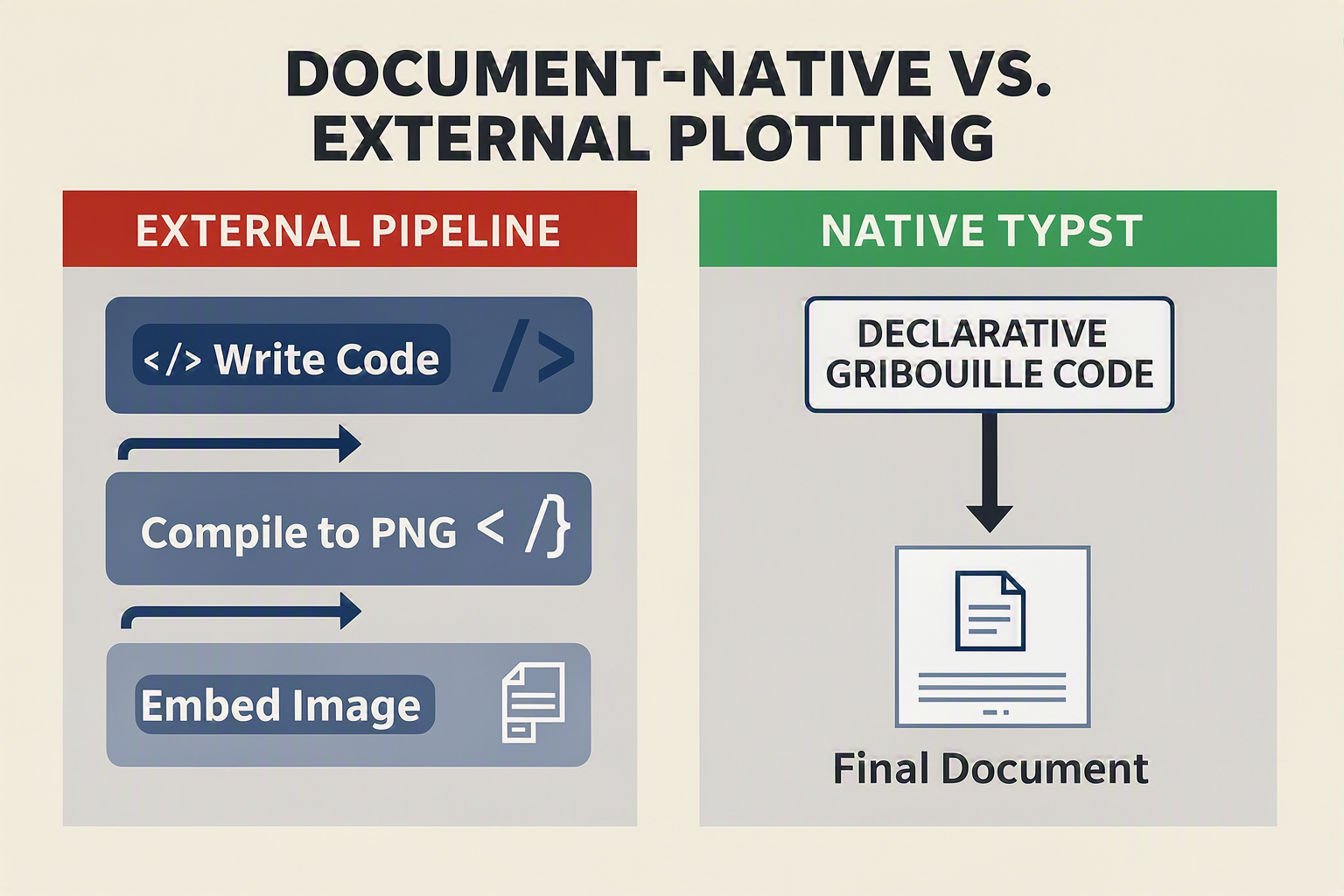
जैसे-जैसे Typst डेवलपर्स और शोधकर्ताओं के बीच तेज़ी से लोकप्रिय हो रहा है—हाल ही में Hacker News की चर्चाओं में भी इसकी चर्चा प्रमुख रही है, जहाँ Typst का इकोसिस्टम नियमित रूप से ट्रेंड करता है—मज़बूत, मूल डेटा विज़ुअलाइज़ेशन की आवश्यकता अत्यंत महत्वपूर्ण हो गई है। ऐतिहासिक रूप से, पेशेवर स्तर के सांख्यिकीय चार्ट बनाने के लिए R ( ggplot2 के माध्यम से) या Python ( matplotlib के माध्यम से) जैसे बाहरी वातावरणों में प्लॉट कंपाइल करके उन्हें स्थिर इमेज के रूप में आयात करना पड़ता था। यही बिखरा हुआ वर्कफ़्लो Gribouille 0.3.0 समाप्त करना चाहता है।
Gribouille क्या है?
Mickaël Canouil (mcanouil) द्वारा लिखित, Gribouille (जिसका फ़्रेंच में अर्थ "scribble" है) Typst Universe में हाल ही में जारी किया गया एक पैकेज है, जो Leland Wilkinson के प्रख्यात Grammar of Graphics को मूल रूप से लागू करता है। संस्करण 0.3.0 के रिलीज़ ने डेवलपर्स की उल्लेखनीय रुचि आकर्षित की है, 60 अंकों के साथ Hacker News में शीर्ष तक पहुँचकर सक्रिय तकनीकी चर्चाओं को जन्म दिया है।
Grammar of Graphics की मूल शब्दावली को सीधे Typst में पोर्ट करके, Gribouille उपयोगकर्ताओं को जटिल सांख्यिकीय विज़ुअलाइज़ेशन मूल रूप से और पूरी तरह ऑफ़लाइन बनाने की सुविधा देता है। यह आर्किटेक्चर R के ggplot2 और Python के plotnine द्वारा लोकप्रिय बनाए गए अत्यंत अभिव्यक्तिपूर्ण, लेयर-आधारित प्लॉटिंग दृष्टिकोण से मेल खाता है।
घोषणात्मक डिज़ाइन की ओर बदलाव
Typst और Gribouille जैसे टूल्स का उदय घोषणात्मक, एकीकृत डेवलपर वर्कफ़्लो की ओर उद्योग-व्यापी व्यापक बदलाव को रेखांकित करता है। क्रमिक, चरण-दर-चरण ड्रॉइंग निर्देश लिखने के बजाय, डेवलपर्स यह परिभाषित करते हैं कि विज़ुअलाइज़ेशन को क्या दर्शाना चाहिए और इंजन यह संभालता है कि उसे कैसे रेंडर किया जाए।
एकल, एकीकृत इंटरफ़ेस के अंतर्गत जटिल वर्कफ़्लो को सरल बनाने की यह प्रवृत्ति विभिन्न क्षेत्रों में सॉफ़्टवेयर विकास को नया रूप दे रही है:
- दस्तावेज़ उत्पादन में: Typst और Gribouille लेआउट, टाइपसेटिंग और डेटा विज़ुअलाइज़ेशन को एकल, सुसंगत सिंटैक्स में जोड़ते हैं।
- दूरसंचार में: CallMissed जैसे आधुनिक संचार प्लेटफ़ॉर्म इसी दर्शन का सटीक उदाहरण प्रस्तुत करते हैं। Speech-to-Text (22 भारतीय भाषाओं के समर्थन के साथ), Text-to-Speech और कई विक्रेताओं के बीच LLM inference के लिए अलग-अलग इन्फ्रास्ट्रक्चर प्रबंधित करने के बजाय, CallMissed जैसे प्लेटफ़ॉर्म व्यवसायों को एकल, एकीकृत API gateway के माध्यम से production-ready AI voice agents तैनात करने की सुविधा देते हैं।
मूल Typst विज़ुअलाइज़ेशन के प्रमुख लाभ
- कठोर टाइपोग्राफ़िकल एकरूपता: चूँकि Gribouille सीधे Typst के भीतर कंपाइल होता है, आपके चार्ट स्वचालित रूप से पूरे दस्तावेज़ के समान फ़ॉन्ट, स्ट्रोक वेट और रंग वेरिएबल अपना लेते हैं, जिससे अत्यंत परिष्कृत और एकीकृत सौंदर्यबोध बनता है।
- बाहरी निर्भरताएँ नहीं: यह लाइब्रेरी पूरी तरह ऑफ़लाइन-अनुकूल है। जटिल गणितीय या सांख्यिकीय मॉडल रेंडर करने के लिए आपको R, Python या सक्रिय इंटरनेट कनेक्शन की आवश्यकता नहीं होती।
- रिएक्टिव रिकंपाइलेशन: Typst का अत्यंत तेज़ incremental compiler आपके अंतर्निहित डेटा या चार्ट के सौंदर्यात्मक गुणों में किए गए बदलावों को तुरंत रेंडर करता है, जिससे डिज़ाइन फ़ीडबैक लूप काफ़ी तेज़ हो जाता है।
जैसे-जैसे हम इस रिलीज़ में गहराई से उतरेंगे, हम देखेंगे कि Gribouille 0.3.0 Wilkinson के मूलभूत सिद्धांतों का लाभ उठाकर Typst के भीतर ग्राफ़िक्स डिज़ाइन करने के तरीके को मौलिक रूप से कैसे बदलता है।
पृष्ठभूमि और संदर्भ: Wilkinson की विरासत Typst से मिलती है
यह समझने के लिए कि Typst Universe पर Gribouille 0.3.0 की रिलीज़ डेवलपर्स के बीच इतनी महत्वपूर्ण रुचि क्यों पैदा कर रही है—जिसमें 60 अंकों के साथ Hacker News की रैंकिंग में ऊपर चढ़ना भी शामिल है—पहले उन दो क्रांतिकारी अवधारणाओं को समझना आवश्यक है जिन्हें यह एक साथ लाता है: Leland Wilkinson का Grammar of Graphics और Typst की आधुनिक टाइपसेटिंग क्षमताएँ।
Leland Wilkinson की विश्लेषणात्मक विरासत
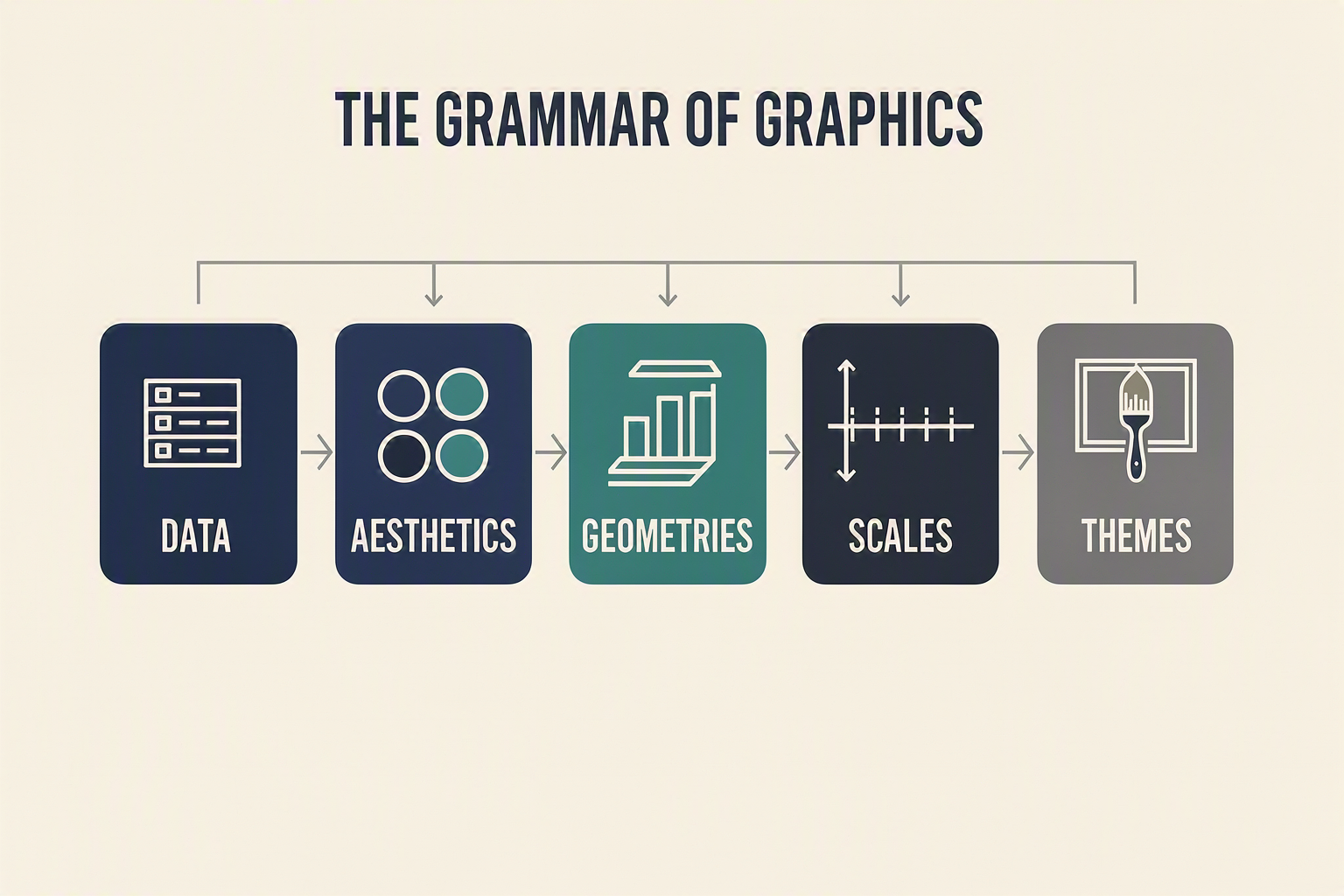
1999 में पहली बार प्रकाशित Leland Wilkinson की प्रख्यात कृति The Grammar of Graphics ने कंप्यूटर वैज्ञानिकों और डेटा विश्लेषकों के डेटा विज़ुअलाइज़ेशन के दृष्टिकोण को मौलिक रूप से बदल दिया। चार्ट्स को कठोर, एकरूप टेम्पलेट्स—जैसे एक मानक "bar chart" या "scatter plot"—के रूप में देखने के बजाय, Wilkinson ने प्रस्तावित किया कि प्रत्येक मात्रात्मक ग्राफ़ स्वतंत्र, अर्थपूर्ण निर्माण-खंडों से बना होता है:
- डेटा: विज़ुअलाइज़ किए जाने वाले कच्चे, सुव्यवस्थित वेरिएबल।
- एस्थेटिक्स/स्केल्स: डेटा मानों का स्थिति, आकार या रंग जैसे भौतिक आयामों में मैपिंग।
- ज्यामितियाँ (Geoms): पृष्ठ पर डेटा का भौतिक निरूपण (बिंदु, रेखाएँ, अंतराल)।
- निर्देशांक: वह स्थान जहाँ डेटा बनाया जाता है (Cartesian, polar या geographic)।
- फैसेट्स: बहु-पैनल तुलनाओं के लिए डेटा को उप-प्लॉट्स में विभाजित करना।
इस घोषणात्मक दृष्टिकोण ने R की ggplot2 और JavaScript की Vega-Lite जैसी उद्योग-परिभाषित विज़ुअलाइज़ेशन लाइब्रेरियों की नींव रखी। यह डेवलपर्स और शोधकर्ताओं को किसी ग्राफ़ का तार्किक रूप से "वर्णन" करने की सुविधा देता है, जबकि अंतर्निहित निर्देशांक गणित को संभालने का काम इंजन पर छोड़ देता है.
Typst: आधुनिक डेस्कटॉप प्रकाशन कैनवास
दशकों से, वैज्ञानिक टाइपसेटिंग के लिए LaTeX निर्विवाद अकादमिक मानक रहा है। हालांकि, इसकी कठिन सीखने की प्रक्रिया, नाज़ुक पैकेज पारिस्थितिकी तंत्र और धीमे संकलन समय ने शोधकर्ताओं को लंबे समय से निराश किया है। Typst एक आधुनिक, बेहद तेज़, ओपन-सोर्स मार्कअप विकल्प के रूप में उभरा, जो तत्काल संकलन और लाइव-रीलोडिंग प्रीव्यू प्रदान करता है।
जहाँ Typst टेक्स्ट और गणितीय लेआउट में उत्कृष्ट था, वहीं दस्तावेज़ों के भीतर जटिल डेटा विज़ुअलाइज़ेशन बनाना अब भी एक चुनौती रहा। लेखकों को या तो लंबा, मैन्युअल ड्रॉइंग कोड लिखने या Python अथवा R जैसे बाहरी वातावरणों से स्थिर SVG फ़ाइलें निर्यात करने के बीच चुनाव करना पड़ता था। इस असंबद्ध कार्यप्रवाह ने एकीकृत संपादन अनुभव को बाधित कर दिया।
Gribouille: मूल रूप से सृजित सुरुचिपूर्ण स्केचिंग
यहीं Gribouille (फ़्रेंच में "स्केच"), जिसे Mickaël Canouil ने बनाया है, उपयोगी साबित होता है। Gribouille, Wilkinson के Grammar of Graphics को सीधे और मूल रूप से Typst पारिस्थितिकी तंत्र में लाता है। पूरी तरह ऑफ़लाइन-अनुकूल ढंग से कार्य करते हुए, यह लाइब्रेरी इस क्लासिक घोषणात्मक शब्दावली को सीधे Typst के मूल सिंटैक्स में पोर्ट करती है।
दृश्य तत्वों को अंतर्निहित लेआउट गणित से अलग करके, Gribouille उपयोगकर्ताओं को न्यूनतम कोड के साथ सुरुचिपूर्ण, प्रोडक्शन-ग्रेड सांख्यिकीय चार्ट बनाने की सुविधा देता है। 0.3.0 संस्करण में यह एकीकरण काफ़ी परिपक्व हो गया है और Typst की नई, जटिल लेआउट क्षमताओं का लाभ उठाते हुए अधिक स्वच्छ रेंडरिंग, उन्नत स्ट्रोक पैटर्न और सटीक गणितीय संरेखण प्रदान करता है।
यह डिज़ाइन पद्धति आधुनिक क्लाउड इंजीनियरिंग के रुझानों से मिलती-जुलती है। जिस तरह Gribouille जटिल चार्ट ज्यामिति को स्वच्छ, घोषणात्मक मार्कअप में अमूर्त करता है, उसी तरह CallMissed जैसे प्लेटफ़ॉर्म एंटरप्राइज़ AI संचार में यही अमूर्तीकरण दर्शन लागू करते हैं। डेवलपर्स को दर्जनों स्पीच-टू-टेक्स्ट, LLM और टेक्स्ट-टू-स्पीच मॉड्यूल का मैन्युअल समन्वय करने के लिए बाध्य करने के बजाय, CallMissed 300+ LLM और बहुभाषी वॉइस एजेंटों को मूल रूप से संचालित करने के लिए एक एकीकृत API गेटवे प्रदान करता है। दोनों फ्रेमवर्क निम्न-स्तरीय मैन्युअल वायरिंग को सुरुचिपूर्ण, उच्च-स्तरीय घोषणात्मक API से बदलकर डेवलपर उत्पादकता पर ज़ोर देते हैं।
Gribouille 0.3.0 के प्रमुख विकास (तालिका)
डेवलपर Mickaël Canouil द्वारा बनाए गए Gribouille 0.3.0 के जारी होने के साथ, Typst उपयोगकर्ताओं के पास अंततः Leland Wilkinson के प्रसिद्ध Grammar of Graphics का एक मूल, ऑफ़लाइन-अनुकूल कार्यान्वयन उपलब्ध है। डेवलपर्स को बाहरी Python, R या कमांड-लाइन रेंडरिंग इंजनों पर निर्भर रहने के लिए बाध्य करने के बजाय, Gribouille (फ़्रेंच में "स्केच") Typst Universe के भीतर सीधे एक घोषणात्मक सिंटैक्स प्रस्तुत करता है।
ggplot2 की मूल शब्दावली और व्यापक Grammar of Graphics को सीधे Typst में पोर्ट करके, संस्करण 0.3.0 जटिल डेटा विज़ुअलाइज़ेशन को एक सुरुचिपूर्ण, इनलाइन प्रक्रिया बना देता है।
नीचे दी गई तालिका Gribouille 0.3.0 में लागू Grammar of Graphics के मूल घटकों का विवरण देती है और उनकी कार्यात्मक भूमिकाओं को Typst प्लॉटिंग पारिस्थितिकी तंत्र में उनके योगदान से जोड़ती है:
| मूल घटक | Grammar of Graphics में भूमिका | Gribouille 0.3.0 की सुविधा | पारिस्थितिकी तंत्र पर प्रभाव |
|---|---|---|---|
| Aesthetics (Aes) | कच्चे डेटा चर को दृश्य गुणों (x, y, रंग, आकार) से मैप करता है | संरचनात्मक डेटा मैपिंग के लिए मूल Typst बाइंडिंग | बाहरी स्क्रिप्ट के बिना निर्देशांक रूपांतरण को सरल बनाता है |
| Geoms (Geometry) | डेटा के वास्तविक भौतिक आकार (बिंदु, रेखाएँ, बार) को निर्धारित करता है | घोषणात्मक ज्यामितीय लेयर परिभाषाएँ | Typst में मैन्युअल आकृतियाँ या पथ बनाने की आवश्यकता समाप्त करता है |
| Scales & Guides | डेटा मानों को भौतिक स्थान और दृश्य लेजेंड में बदलता है | स्वचालित स्केल गणना और कॉन्फ़िगर करने योग्य गाइड | गणितीय रूप से सटीक लेजेंड और अक्ष लेआउट सुनिश्चित करता है |
| Offline-First Engine | बाहरी नेटवर्क या रनटाइम निर्भरताओं के बिना रेंडरिंग निष्पादित करता है | Typst कंपाइलर पारिस्थितिकी तंत्र के भीतर मूल रूप से संकलित | दीर्घकालिक दस्तावेज़ पुनरुत्पादन और शून्य विलंबता की गारंटी देता है |
| Theme & Customization | विज़ुअलाइज़ेशन के समग्र दृश्य सौंदर्य का प्रबंधन करता है | उन्नत स्ट्रोक प्रबंधन (कॉन्फ़िगर करने योग्य कैप, जॉइन, डैश पैटर्न) | पूरे दस्तावेज़ की टाइपोग्राफ़ी और रंग योजनाओं के साथ एकीकृत होता है |
दस्तावेज़ विज़ुअलाइज़ेशन की कमी को पाटना
ऐतिहासिक रूप से, दस्तावेज़ तैयारी प्रणालियों का उपयोग करने वाले तकनीकी लेखकों के सामने एक बड़ी दुविधा रही है: चार्ट को बाहरी रूप से संकलित करके स्थिर रास्टर छवियों के रूप में आयात करना (ज़ूम करने पर जिनकी गुणवत्ता घट जाती है), या निम्न-स्तरीय ड्रॉइंग कमांड की हज़ारों पंक्तियाँ लिखना। Gribouille 0.3.0 डेटा विज़ुअलाइज़ेशन को मूल, घोषणात्मक और Typst दस्तावेज़ जीवनचक्र में पूरी तरह एकीकृत बनाकर इस समस्या का समाधान करता है।
एकीकृत, घोषणात्मक अमूर्तताओं की ओर यह कदम आधुनिक सॉफ़्टवेयर इंजीनियरिंग में व्यापक बदलाव को दर्शाता है। उदाहरण के लिए, जिस तरह CallMissed जैसे एकीकृत संचार प्लेटफ़ॉर्म डेवलपर्स को 300+ LLM से जुड़ने और एकल, स्वच्छ API गेटवे के माध्यम से बहुभाषी स्पीच-टू-टेक्स्ट प्रणालियों का प्रबंधन करने में सक्षम बनाते हैं, उसी तरह Gribouille जटिल गणितीय रेंडरिंग को एक सुव्यवस्थित, सहज इंटरफ़ेस के पीछे अमूर्त कर देता है। डेवलपर्स को अब अंतर्निहित वेक्टर गणित की चिंता करने की आवश्यकता नहीं होती; वे बस अपना डेटा घोषित करते हैं, अपनी एस्थेटिक्स परिभाषित करते हैं और पैकेज को बाकी काम करने देते हैं।
0.3.0 में प्रमुख कार्यात्मक सुधार
0.3.0 अपडेट मुख्य रूप से प्लॉट की दृश्य गुणवत्ता और अनुकूलन क्षमता को बेहतर बनाने पर केंद्रित है। प्रमुख सुधारों में शामिल हैं:
- उन्नत स्ट्रोक कॉन्फ़िगरेशन: अब उपयोगकर्ता अत्यधिक विशिष्ट स्ट्रोक शैलियाँ परिभाषित कर सकते हैं, जिनमें कॉन्फ़िगर करने योग्य कैप, जॉइन और कस्टम डैश पैटर्न शामिल हैं। यह दृश्य सीमाओं में पेशेवर, प्रकाशन-गुणवत्ता की सटीकता लाता है।
- अव्यवस्थित समीकरणों में सुधार: Typst के गणितीय लेआउट इंजनों के साथ बेहतर एकीकरण का अर्थ है कि लेबल, टिप्पणियाँ और गणितीय सूत्र ग्राफ़िकल अक्षों के साथ पूरी तरह रेंडर होते हैं।
- अनुकूलित प्रदर्शन: जटिल वेक्टर चार्ट का संकलन संसाधन-गहन हो सकता है, लेकिन Gribouille 0.3.0 रेंडरिंग पथों को अनुकूलित करता है, जिससे Typst का विशिष्ट बिजली-सी तेज़ लाइव प्रीव्यू प्रतिक्रियाशील बना रहता है।
गहन विश्लेषण: घोषणात्मक API और ऑफ़लाइन-प्रथम कार्यप्रवाह
Gribouille 0.3.0 का जारी होना इस बात में एक महत्वपूर्ण पड़ाव है कि डेवलपर, शोधकर्ता और तकनीकी लेखक दस्तावेज़-आधारित डेटा विज़ुअलाइज़ेशन को किस प्रकार अपनाते हैं। Typst पारिस्थितिकी तंत्र के भीतर Leland Wilkinson के मौलिक Grammar of Graphics को मूल रूप से लागू करके, निर्माता Mickaël Canouil ने तकनीकी प्रकाशन की एक लंबे समय से चली आ रही समस्या का समाधान किया है: घोषणात्मक सरलता और स्थानीय संकलन गति के बीच समझौता।
घोषणात्मक दृश्य सिंटैक्स की शक्ति
दस्तावेज़ तैयारी प्रणालियों में पारंपरिक प्लॉटिंग लाइब्रेरी अक्सर उपयोगकर्ताओं को अनिवार्य कार्यप्रवाह अपनाने के लिए बाध्य करती हैं—जहाँ उन्हें निर्देशांक स्थानों की मैन्युअल गणना करनी होती है, मूल आकृतियाँ बनानी होती हैं और चरण-दर-चरण लेबल व्यवस्थित करने होते हैं। Gribouille इस प्रतिमान को पूरी तरह बदल देता है।
Grammar of Graphics की मूल शब्दावली (वही वैचारिक ढाँचा जो R के ggplot2 को शक्ति देता है) पोर्ट करके, Gribouille उपयोगकर्ताओं को यह बताने की सुविधा देता है कि डेटा क्या दर्शाता है, न कि उसे कैसे बनाना है। यह घोषणात्मक API डेवलपर्स को निम्नलिखित कार्य करने में सक्षम बनाता है:
- डेटा चर मैप करें सीधे एस्थेटिक विशेषताओं (जैसे स्थिति, रंग या आकृति) से, Typst के भीतर मूल रूप से।
- ज्यामितीय ऑब्जेक्ट (geoms) की परतें बनाएँ, जैसे बिंदु, रेखाएँ और बार, एक साझा निर्देशांक प्रणाली पर व्यवस्थित रूप से।
- डेटा को स्केल और रूपांतरित करें बाहरी प्री-प्रोसेसिंग स्क्रिप्ट या भारी कमांड-लाइन टूल पर निर्भर हुए बिना स्वचालित रूप से।
चूँकि ग्राफ़िक्स Typst के मूल सिंटैक्स के भीतर परिभाषित होते हैं, वे दस्तावेज़ के टेक्स्ट के साथ तुरंत संकलित हो जाते हैं और एक सुसंगत, प्रोग्रामेटिक लेआउट बनाए रखते हैं, जिसे समय के साथ बनाए रखना बेहद सरल होता है।
शून्य-निर्भरता, ऑफ़लाइन-प्रथम वर्कफ़्लो
Gribouille 0.3.0 के सबसे प्रभावशाली पहलुओं में से एक इसकी सख़्ती से ऑफ़लाइन-अनुकूल आर्किटेक्चर है। ऐसे समय में जब कई आधुनिक विज़ुअलाइज़ेशन टूल बाहरी वेब API, भारी ब्राउज़र-आधारित रेंडरर या जटिल Python वातावरण (जैसे matplotlib या seaborn ब्रिज) पर निर्भर करते हैं, Gribouille पूरी तरह Typst Universe के भीतर स्व-निहित है।
क्योंकि Typst Rust के माध्यम से तुरंत मशीन कोड में कंपाइल होता है, Gribouille बाहरी एसेट डाउनलोड किए बिना या रिमोट रेंडरिंग सर्वर को कॉल किए बिना पूरी तरह स्थानीय मशीन पर चलता है। यह ऑफ़लाइन-प्रथम दृष्टिकोण तीन विशिष्ट लाभ प्रदान करता है:
- अधिकतम गोपनीयता: दस्तावेज़ के कंपाइलेशन के दौरान संवेदनशील वित्तीय, चिकित्सीय या कॉर्पोरेट डेटा कभी भी स्थानीय वातावरण से बाहर नहीं जाता।
- नियतत्ववाद: दस्तावेज़ वर्षों बाद भी बिल्कुल एक जैसे रेंडर होंगे और API के अप्रचलन, नेटवर्क बंदी या बाहरी ब्रेकिंग बदलावों से पूरी तरह अप्रभावित रहेंगे।
- कम विलंबता: रेंडरिंग समय मिलीसेकंड में मापा जाता है, जिससे यह उच्च-थ्रूपुट, स्वचालित दस्तावेज़ निर्माण पाइपलाइनों के लिए अत्यंत उपयुक्त बनता है।
स्वचालित बैकएंड आर्किटेक्चर में एकीकृत किए जाने पर यह संरचित, ऑफ़लाइन-प्रथम डिज़ाइन अत्यंत मूल्यवान होता है। उदाहरण के लिए, CallMissed जैसे संचार प्लेटफ़ॉर्म का उपयोग करके AI-संचालित वॉइस और चैट एजेंट तैनात करने वाले व्यवसायों को अक्सर इंटरैक्शन के बाद के सारांश या विश्लेषणात्मक ट्रेंड रिपोर्ट तैयार करने की आवश्यकता होती है। चूँकि CallMissed बड़ी मात्रा में संचार डेटा को मूल रूप से प्रोसेस करता है, इसलिए इस संरचित टेलीमेट्री को Gribouille का उपयोग करने वाले स्थानीय Typst कंपाइलर में सीधे भेजकर संगठन रियल टाइम में अत्यधिक अनुकूलित, सुरक्षित और दृष्टिगत रूप से प्रभावशाली PDF रिपोर्ट स्वचालित रूप से तैयार कर सकते हैं—बिना किसी क्लाउड-रेंडरिंग ओवरहेड के।
अंततः, Gribouille 0.3.0 केवल मैन्युअल दस्तावेज़ ड्राफ़्टिंग का टूल नहीं है; यह प्रोग्रामेटिक, सुरक्षित और बिजली-सी तेज़ दस्तावेज़ निर्माण के भविष्य का खाका है।
प्रभाव और निहितार्थ: LaTeX और Quarto के वर्चस्व को चुनौती
Mickaël Canouil द्वारा Gribouille 0.3.0 का रिलीज़ Typst के विकास में एक महत्वपूर्ण मील का पत्थर है, जो इसे LaTeX और Quarto जैसे पारंपरिक वैज्ञानिक प्रकाशन मानकों के लिए एक प्रभावशाली चुनौतीकर्ता के रूप में स्थापित करता है। ऐतिहासिक रूप से, शोधकर्ता, इंजीनियर और डेटा वैज्ञानिक एक खंडित टूलचेन पर निर्भर रहे हैं: LaTeX में पाठ लिखना, TikZ में आरेख तैयार करना और R (via ggplot2) या Python (via matplotlib) में डेटा विज़ुअलाइज़ेशन कंपाइल करना, और फिर Quarto के माध्यम से सब कुछ कंपाइल करना।
Leland Wilkinson के ग्राफिक्स के व्याकरण को Typst के भीतर एक घोषणात्मक, ऑफ़लाइन-अनुकूल API के रूप में मूल रूप से लागू करके Gribouille 0.3.0 इस जटिलता का बड़ा हिस्सा समाप्त करता है।
R और Python के विज़ुअलाइज़ेशन एकाधिकार का विकेंद्रीकरण
परंपरागत रूप से, तकनीकी दस्तावेज़ों में समृद्ध डेटा विज़ुअलाइज़ेशन को एकीकृत करने के लिए Quarto पसंदीदा टूल रहा है। हालाँकि, Quarto स्थिर इमेज एसेट तैयार करने के लिए रेंडरिंग प्रक्रिया के दौरान बाहरी कोड ब्लॉक चलाने पर निर्भर करता है। Gribouille इस वर्कफ़्लो को कई तरीकों से बदलता है:
- मूल निष्पादन: Gribouille पूरी तरह Typst कंपाइलर के भीतर काम करता है। सांख्यिकीय ग्राफ़िक्स रेंडर करने के लिए बाहरी Python वर्चुअल वातावरण या R इंस्टॉलेशन की आवश्यकता नहीं होती।
- ऑफ़लाइन-अनुकूल पोर्टेबिलिटी: चूँकि Gribouille की शब्दावली को Typst में मूल रूप से पोर्ट किया गया है, दस्तावेज़ सक्रिय इंटरनेट कनेक्शन, बाहरी रनटाइम या भारी कंटेनरीकृत वातावरण पर निर्भर हुए बिना तुरंत कंपाइल होते हैं।
- वेक्टर निष्ठा: प्लॉट सीधे मूल Typst एलिमेंट के रूप में रेंडर होते हैं, जिससे सही स्केलिंग और टाइपोग्राफी सुनिश्चित होती है, जो बाकी दस्तावेज़ की शैली से सहज रूप से मेल खाती है।
LaTeX और TikZ की जटिलता को समाप्त करना
हालाँकि LaTeX का PGF/TikZ इंजन अत्यंत शक्तिशाली है, लेकिन इसकी सीखने की प्रक्रिया कुख्यात रूप से कठिन है। TikZ में जटिल ग्राफ़िक्स लिखना अक्सर आधुनिक दस्तावेज़ तैयारी की तुलना में अनिवार्य, निम्न-स्तरीय प्रोग्रामिंग जैसा अधिक महसूस होता है। Gribouille 0.3.0 एक सुंदर, घोषणात्मक विकल्प प्रदान करता है:
- घोषणात्मक डिज़ाइन: सटीक पिक्सेल या निर्देशांक-आधारित ड्रॉइंग कमांड निर्दिष्ट करने के बजाय, उपयोगकर्ता डेटा मैपिंग, स्केल और ज्यामितियों का उपयोग करके ग्राफ़िक्स को वैचारिक रूप से परिभाषित करते हैं।
- पठनीयता: सिंटैक्स साफ़ और सहज है, जिससे फ़िगर को बनाए रखने और अपडेट करने के लिए आवश्यक संज्ञानात्मक भार काफ़ी कम हो जाता है।
- आधुनिक कंपाइलेशन गति: Typst का त्वरित, इन्क्रिमेंटल कंपाइलेशन, Gribouille की घोषणात्मक प्रकृति के साथ मिलकर ग्राफ़िक्स के संपादन को रियल टाइम में संभव बनाता है।
डेवलपर वर्कफ़्लो का एकीकृत भविष्य
अत्यधिक एकीकृत, कम-जटिलता वाले डेवलपर टूलचेन की ओर यह बदलाव तकनीकी परिदृश्य में व्यापक रुझानों को दर्शाता है। जिस तरह दस्तावेज़ लेखक ऐसे एकीकृत पारिस्थितिकी तंत्र की तलाश कर रहे हैं जिनमें कई कंपाइलरों को संभालने की आवश्यकता न हो, उसी तरह सॉफ़्टवेयर डेवलपर भी समेकित इंफ्रास्ट्रक्चर की तलाश कर रहे हैं। उदाहरण के लिए, CallMissed जैसे प्लेटफ़ॉर्म 300+ LLMs के साथ-साथ बहुभाषी speech-to-text APIs तक एकीकृत पहुँच प्रदान करके AI-संचालित संचार को सरल बनाते हैं। चाहे आप Gribouille के साथ कोई तकनीकी शोध-पत्र टाइपसेट कर रहे हों या विश्व स्तर पर संवादात्मक वॉइस एजेंट तैनात कर रहे हों, लक्ष्य एक ही रहता है: आर्किटेक्चर की जटिलता कम करना और डेवलपर की गति को अधिकतम करना।
जैसे-जैसे Typst का पारिस्थितिकी तंत्र Gribouille जैसे सुदृढ़, उत्पादन-तैयार पैकेजों के साथ विस्तार कर रहा है, पुराने LaTeX पाइपलाइनों के बजाय Typst चुनने की जटिलता लगातार कम होती जा रही है। यह सिद्ध करता है कि डेवलपर अनुभव और मूल प्रदर्शन को प्राथमिकता देकर आधुनिक, नए सिरे से तैयार किए गए डिज़ाइन वास्तव में दशकों पुराने उद्योग मानकों से आगे निकल सकते हैं।
विशेषज्ञों के विचार: Typst Universe समुदाय क्या कहता है
Typst Universe पर लॉन्च होने के बाद से, Gribouille ने तकनीकी लेखकों, डेटा वैज्ञानिकों और दस्तावेज़ डिज़ाइनरों के बीच काफ़ी चर्चा पैदा की है। फ़्रेंच शब्द "scribble" के नाम पर रखा गया Gribouille अव्यवस्थित होने के बिल्कुल विपरीत साबित हो रहा है। Leland Wilkinson के मौलिक ग्राफिक्स के व्याकरण को Typst पारिस्थितिकी तंत्र में मूल रूप से लाकर, निर्माता Mickaël Canouil (mcanouil) ने सुरुचिपूर्ण, घोषणात्मक और ऑफ़लाइन-अनुकूल दस्तावेज़ विज़ुअलाइज़ेशन टूल की बढ़ती माँग को पहचाना है।
खंडित वर्कफ़्लो का अत्यधिक प्रत्याशित विकल्प
कई वर्षों तक, अकादमिक और तकनीकी लेखकों का मानक वर्कफ़्लो एक असंबद्ध पाइपलाइन पर आधारित रहा: R या Python में डेटा का विश्लेषण करना, ggplot2 या matplotlib के माध्यम से प्लॉट रेंडर करना, उन्हें स्थिर SVG या PDF के रूप में एक्सपोर्ट करना और अंततः उन्हें LaTeX या Typst दस्तावेज़ों में इम्पोर्ट करना।
Gribouille 0.3.0 पर Typst समुदाय की प्रतिक्रिया सामूहिक राहत की साँस को दर्शाती है। ग्राफिक्स के व्याकरण पर आधारित घोषणात्मक API लागू करके, Gribouille उपयोगकर्ताओं को यह बताने की अनुमति देता है कि उनका विज़ुअलाइज़ेशन क्या दर्शाना चाहिए, न कि Cetz जैसे निम्न-स्तरीय वेक्टर टूल का उपयोग करके उसे पंक्ति-दर-पंक्ति कैसे बनाना है।
Hacker News और Typst Forum से प्रमुख विषय
Gribouille 0.3.0 का रिलीज़ शीघ्र ही Hacker News की रैंकिंग में ऊपर चढ़ गया, 60 points हासिल किए और सक्रिय चर्चा को बढ़ावा दिया। Typst Forum और LinkedIn पर समुदाय की प्रतिक्रिया इस बात के कई प्रमुख कारणों को उजागर करती है कि यह पैकेज गेम-चेंजर क्यों है:
- मूल, ऑफ़लाइन-अनुकूल आर्किटेक्चर: लाइव API कॉल या भारी स्थानीय Python वातावरण की आवश्यकता वाले वेब-आधारित प्लॉटिंग समाधानों के विपरीत, Gribouille हल्के Typst कंपाइलर के भीतर पूरी तरह ऑफ़लाइन कंपाइल होता है।
- सहज शब्दावली पोर्ट: स्केल, गाइड, ज्यामितियों (geoms) और एस्थेटिक्स की अवधारणाओं को सीधे Typst के मूल सिंटैक्स में पोर्ट करके, उपयोगकर्ता बिना कठिन सीखने की प्रक्रिया के R के
ggplot2जैसे टूल से आसानी से बदलाव कर सकते हैं। - परिष्कृत स्टाइलिंग एकीकरण: यह पैकेज Typst के लेआउट इंजन का पूरा लाभ उठाता है, जिससे चार्ट के भीतर लेबल, फ़ॉन्ट और गणितीय सूत्र दस्तावेज़ की वैश्विक टाइपोग्राफ़िक शैली से पूरी तरह मेल खाते हैं।
घोषणात्मक, एकीकृत इंफ्रास्ट्रक्चर की ओर बढ़ाव
Gribouille को लेकर उत्साह सॉफ़्टवेयर उद्योग में एक व्यापक प्रतिमान बदलाव को दर्शाता है: डेवलपर तेजी से खंडित, बहु-चरणीय टूलचेन को अस्वीकार कर एकीकृत, घोषणात्मक प्लेटफ़ॉर्म अपना रहे हैं।
हम अन्य अत्यंत जटिल क्षेत्रों, जैसे AI-संचालित व्यावसायिक संचार, में भी यही प्रवृत्ति देखते हैं। जिस प्रकार Gribouille डेवलपर्स को अपने दस्तावेज़ वातावरण से बाहर जाए बिना मूल रूप से जटिल दृश्य ग्राफ़िक्स बनाने देता है, उसी प्रकार CallMissed जैसे आधुनिक इन्फ्रास्ट्रक्चर प्लेटफ़ॉर्म उद्यमों को खंडित बैकएंड टूल्स से जूझे बिना उन्नत वॉइस और टेक्स्ट एजेंट तैनात करने की सुविधा देते हैं। CallMissed का एकीकृत API गेटवे डेवलपर्स को 300+ LLMs के बीच गतिशील रूप से स्विच करने और 22 भारतीय भाषाओं में मूल Speech-to-Text का लाभ उठाने देता है, जो Gribouille के उस दर्शन को प्रतिबिंबित करता है जिसमें विशाल, संरचित शक्ति को एकल, सुसंगत वर्कफ़्लो में लाया जाता है।
अंततः, Typst समुदाय Gribouille 0.3.0 को एक ऐसे आधारभूत स्तंभ के रूप में देखता है, जो Typst को केवल LaTeX के प्रतियोगी से आगे बढ़ाकर एक आधुनिक, पूर्ण विकसित प्रकाशन वातावरण बनाता है, जहाँ टेक्स्ट और डेटा विज़ुअलाइज़ेशन पूर्ण सामंजस्य में मौजूद रहते हैं।
आपके लिए इसका अर्थ: अपनाने की रणनीतियाँ (तालिका)
Gribouille 0.3.0 का रिलीज़ उन टीमों के लिए एक बड़ा अवसर प्रस्तुत करता है, जो अपने दस्तावेज़ संकलन वर्कफ़्लो को सुव्यवस्थित करना चाहती हैं। Leland Wilkinson के Grammar of Graphics को Typst के भीतर मूल रूप से लागू करके, निर्माता Mickaël Canouil ने बाहरी R या Python वातावरणों में चार्ट रेंडर करने और उन्हें स्थिर छवियों के रूप में आयात करने की कठिनाई समाप्त कर दी है।
आपकी टीम को इस घोषणात्मक प्लॉटिंग प्रतिमान में सहज रूप से संक्रमण करने में सहायता देने के लिए, हमने विभिन्न तकनीकी स्तरों के अनुसार अपनाने की मुख्य रणनीतियाँ प्रस्तुत की हैं।
सही एकीकरण रणनीति का चयन
Gribouille 0.3.0 को अपनाना आपके मौजूदा डेटा स्टैक, दस्तावेज़ों की मात्रा और प्रदर्शन आवश्यकताओं पर बहुत अधिक निर्भर करता है। चूँकि यह लाइब्रेरी पूरी तरह ऑफ़लाइन-अनुकूल है और Typst के rust-आधारित इंजन के भीतर मूल रूप से संकलित होती है, इसलिए यह व्यक्तिगत अकादमिक शोधपत्रों से लेकर उच्च-मात्रा वाले कॉर्पोरेट दस्तावेज़ पाइपलाइनों तक उल्लेखनीय रूप से अच्छी तरह स्केल करती है।
| लक्षित दर्शक | अपनाने की रणनीति | मुख्य Gribouille घटक | प्रयास स्तर | मुख्य लाभ |
|---|---|---|---|---|
| शोधकर्ता और शिक्षाविद | स्थिर .png/.pdf प्लॉट्स को इनलाइन Typst कोड में माइग्रेट करना | घोषणात्मक Geoms और Scales | निम्न | पूर्ण वेक्टर स्केलिंग और दस्तावेज़ की टाइपोग्राफी से सटीक मेल |
| डेटा इंजीनियर | स्वचालित सर्वरलेस पाइपलाइनों में Typst CLI को सीधे एम्बेड करना | ऑफ़लाइन-अनुकूल डेटा बाइंडिंग | मध्यम | Python के बिना शून्य-निर्भरता, अत्यंत तेज़ PDF जनरेशन |
| एंटरप्राइज़ विश्लेषक | एकीकृत थीम के साथ कॉर्पोरेट रिपोर्टिंग टेम्पलेट्स को मानकीकृत करना | अनुकूलन योग्य Guides और Facets | मध्यम | सभी PDFs में सुसंगत ब्रांड रंग और लेआउट स्टाइलिंग |
| AI सिस्टम इंटीग्रेटर | गतिशील रूप से उत्पन्न LLM आउटपुट को सीधे Typst फ़ाइलों में भेजना | घोषणात्मक JSON/YAML API | निम्न | AI द्वारा वास्तविक समय में तैयार की गई समृद्ध, दृश्य ग्राहक रिपोर्टिंग |
स्वचालित वर्कफ़्लो के साथ एकीकरण
आधुनिक एंटरप्राइज़ आर्किटेक्चर में, दस्तावेज़ निर्माण शायद ही कभी एक मैनुअल कार्य होता है। Typst और Gribouille 0.3.0 की वास्तविक शक्ति तब सामने आती है, जब इन्हें स्वचालित डेटा और संचार पाइपलाइनों में एकीकृत किया जाता है।
उदाहरण के लिए, ग्राहक संचार को स्वचालित करने के लिए CallMissed जैसे प्लेटफ़ॉर्म का उपयोग करने वाले व्यवसाय अपने वॉइस एजेंट एनालिटिक्स को Typst के साथ सहज रूप से जोड़ सकते हैं। जब CallMissed के AI वॉइस एजेंट ग्राहक प्रश्नों को संभालते हैं या 22 क्षेत्रीय भारतीय भाषाओं में बहुभाषी कॉल्स का प्रतिलेखन करते हैं, तो परिणामी इंटरैक्शन डेटा (जैसे भावना के रुझान, कॉल की मात्रा और समाधान दरें) तुरंत संरचित किया जा सकता है।
चार्ट बनाने के लिए इस डेटा को भारी और धीरे-आरंभ होने वाले Python वातावरणों से गुज़ारने के बजाय, डेवलपर्स संरचित JSON को सीधे Typst टेम्पलेट में भेज सकते हैं। इसके बाद Gribouille 0.3.0 इन मेट्रिक्स को तुरंत सुंदर, प्रकाशन-स्तरीय वेक्टर ग्राफ़िक्स में संकलित करता है। इसका परिणाम ऐसे त्वरित, पेशेवर PDF रिपोर्ट्स के रूप में मिलता है, जिन्हें किसी इंटरैक्शन अभियान के समाप्त होने के कुछ ही सेकंड बाद हितधारकों या ग्राहकों तक पहुँचाया जा सकता है।
चरणबद्ध रोलआउट के लिए सर्वोत्तम प्रथाएँ
- हाइब्रिड रेंडरिंग से शुरुआत करें: भारी सांख्यिकीय गणना के लिए अपने मौजूदा जटिल डेटासेट्स को R (
ggplot2) या Python (seaborn) में बनाए रखें, लेकिन सारांश आँकड़ों, बार चार्ट्स और KPI विज़ुअलाइज़ेशन के लिए Gribouille 0.3.0 का उपयोग सीधे Typst दस्तावेज़ के भीतर करें। - अपने पैलेट्स को मानकीकृत करें: एक केंद्रीय ब्रांड थीम बनाने के लिए Gribouille के घोषणात्मक स्केल्स का लाभ उठाएँ। अपने कॉर्पोरेट रंग पैलेट्स को एक मास्टर Typst टेम्पलेट में एक बार परिभाषित करें, ताकि हर गतिशील रूप से उत्पन्न चार्ट कंपनी के दिशानिर्देशों का पूरी तरह पालन करे।
- डेटा इनपुट को अनुकूलित करें: चूँकि Typst अत्यंत तेज़ी से संकलित होता है, इसलिए दस्तावेज़ संकलन चरण में सीधे विशाल, बहु-गीगाबाइट कच्ची CSV फ़ाइलें लोड करने से बचें। Gribouille के ड्रॉइंग फ़ंक्शंस में स्वच्छ, संक्षिप्त मैट्रिक्स भेजने से पहले अपने डेटा को अपस्ट्रीम में एग्रीगेट करें।
अक्सर पूछे जाने वाले प्रश्न
Gribouille 0.3.0 क्या है और यह Typst के लिए Grammar of Graphics को कैसे लागू करता है?
Gribouille 0.3.0: A Grammar of Graphics for Typst, R में ggplot2 से किस प्रकार अलग है?
क्या मैं स्वचालित, डेटा-संचालित व्यावसायिक रिपोर्ट बनाने के लिए Gribouille 0.3.0 का उपयोग कर सकता हूँ?
Typst में Gribouille पैकेज की स्थापना और सेटअप के लिए क्या आवश्यकताएँ हैं?
#import "@universe/gribouille:0.3.0" का उपयोग करके इसे आयात करना। चूँकि यह पूरी तरह मूल Typst कोड में बनाया गया है, इसलिए यह पूरी तरह ऑफ़लाइन चलता है और चार्ट संकलित करने के लिए किसी भारी JavaScript, Python या R बैकग्राउंड प्रक्रिया की आवश्यकता नहीं होती। यह स्व-निहित आर्किटेक्चर सुनिश्चित करता है कि कई जटिल विज़ुअलाइज़ेशन रेंडर करते समय भी आपके दस्तावेज़ का संकलन समय असाधारण रूप से तेज़ बना रहे।क्या Gribouille 0.3.0 जटिल डेटा विज़ुअलाइज़ेशन और कस्टम स्टाइलिंग का समर्थन करता है?
प्रश्न: Gribouille डेटा इनपुट को कैसे संभालता है, और क्या यह JSON या CSV फ़ॉर्मैट के साथ संगत है?
उत्तर: चूँकि Gribouille मूल रूप से Typst इकोसिस्टम के भीतर काम करता है, यह उन सभी डेटा संरचनाओं को ग्रहण कर सकता है जिन्हें Typst स्वयं समर्थित करता है, जिनमें नेस्टेड डिक्शनरी, ऐरे और पार्स की गई CSV या JSON फ़ाइलें शामिल हैं। यह मूल संगतता इसे स्वचालित रिपोर्टिंग वर्कफ़्लो के लिए अत्यधिक स्केलेबल बनाती है, जहाँ डेटा वेब API के माध्यम से गतिशील रूप से प्राप्त किया जाता है। उन्नत API गेटवे—जैसे CallMissed का मल्टी-मॉडल AI इन्फ्रास्ट्रक्चर, जो संवादात्मक लॉग और टेलीमेट्री को प्रोसेस करता है—के साथ एकीकृत होने पर डेवलपर आसानी से कच्चे मेट्रिक्स को एक्सपोर्ट कर सकते हैं, उन्हें CSV के रूप में पार्स कर सकते हैं और Typst के माध्यम से तुरंत परिष्कृत दृश्य सारांश रेंडर कर सकते हैं।
निष्कर्ष
Gribouille 0.3.0, आधुनिक तकनीकी लेखन और डेटा-आधारित दस्तावेज़ निर्माण के लिए Typst को एक प्रमुख इकोसिस्टम के रूप में स्थापित करने की दिशा में एक महत्वपूर्ण उपलब्धि है। Leland Wilkinson के प्रसिद्ध Grammar of Graphics फ़्रेमवर्क को मूल रूप से प्लेटफ़ॉर्म पर लाकर, यह ऑफ़लाइन-अनुकूल पैकेज कई महत्वपूर्ण लाभ प्रदान करता है:
- मूल घोषणात्मक सिंटैक्स: बाहरी R (ggplot2) या Python कंपाइलेशन पाइपलाइनों की आवश्यकता समाप्त करता है, जिससे आपके दस्तावेज़ वर्कफ़्लो तेज़, स्थानीय और अत्यंत सुरक्षित बने रहते हैं।
- अभिव्यंजक विज़ुअलाइज़ेशन: Typst मार्कअप के भीतर सीधे जटिल चार्ट और दृश्य लेआउट डिज़ाइन करने के लिए एक अत्यंत सहज, घोषणात्मक API लागू करता है।
- उन्नत अकादमिक प्रकाशन: पेशेवर, शोध-स्तरीय प्रकाशनों के निर्माण के लिए पारंपरिक LaTeX सेटअप पर Typst की प्रतिस्पर्धात्मक बढ़त को सुदृढ़ करता है।
आगे चलकर, मूल प्लॉटिंग इंजन और LLM-संचालित दस्तावेज़ कंपाइलेशन का एकीकरण संभवतः स्वायत्त AI प्रणालियों को तुरंत सुंदर ढंग से फ़ॉर्मैट की गई, डेटा-समर्थित विश्लेषणात्मक रिपोर्ट स्वतः तैयार और रेंडर करने में सक्षम बनाएगा। यह जानने के लिए कि इन आधुनिक डेवलपर वर्कफ़्लो के साथ AI संचार कैसे विकसित हो रहा है, CallMissed देखें — यह व्यवसायों के लिए वॉइस एजेंट और बहुभाषी चैटबॉट संचालित करने वाला AI इन्फ्रास्ट्रक्चर प्लेटफ़ॉर्म है।
मूल, Grammar-of-Graphics-आधारित प्लॉटिंग आपकी अगली तकनीकी रिपोर्ट डिज़ाइन करने के तरीके को कैसे बदलेगी?
Related Posts
कोडिंग पर GPT-OSS 120B का ओपन-सोर्स प्रदर्शन: विशिष्टताएँ, बेंचमार्क, मूल्य निर्धारण और API एक्सेस
तर्क कार्यों के लिए Grok 4.20 बनाम Gemini 3.1 Pro: क्या सत्यापित किया जा सकता है?

मैं LLM API गेटवे को वॉइस और WhatsApp एजेंट्स से कैसे कनेक्ट कर सकता हूँ? एक डेवलपर गाइड
Ready to automate customer conversations?
Launch AI voice agents and WhatsApp bots with CallMissed — one API, 22+ Indian languages.