

गार्डरेल्स को दरकिनार करना: मैलवेयर लेखक एआई सुरक्षा स्कैनरों को चकमा देने के लिए परमाणु और जैविक हथियारों से संबंधित पाठ का उपयोग कैसे करते हैं



क्या हो अगर अस्तित्वगत एआई खतरों से हमारी रक्षा करने के लिए बनाए गए सुरक्षा उपायों का ही दुरुपयोग करके स्पाइवेयर को हमारे नेटवर्क में घुसने दिया जा रहा हो? एक...
सुरक्षा अवरोधों को दरकिनार करना: मैलवेयर लेखक AI सुरक्षा स्कैनरों को चकमा देने के लिए परमाणु और जैविक हथियारों के पाठ का उपयोग कैसे करते हैं
क्या होगा यदि हमें अस्तित्वगत AI खतरों से बचाने के लिए बनाए गए सुरक्षा अवरोधों को ही स्पायवेयर को हमारे नेटवर्क में घुसाने के लिए हथियार बनाया जा रहा हो? प्रतिकूल इंजीनियरिंग के एक विडंबनापूर्ण रूप में, साइबर सुरक्षा शोधकर्ताओं ने बच निकलने की एक आकर्षक नई तकनीक का खुलासा किया है: मैलवेयर लेखक अपने स्पायवेयर में गढ़े हुए परमाणु और जैविक हथियारों के पाठ वाले गैर-निष्पादित कोड के ब्लॉक एम्बेड कर रहे हैं। उद्देश्य? LLM सुरक्षा अस्वीकृतियों को सक्रिय करना, जिससे AI-संचालित सुरक्षा स्कैनर बंद हो जाएँ और दुर्भावनापूर्ण फ़ाइलों का विश्लेषण करने से पूरी तरह इनकार कर दें।
यह चिंताजनक प्रवृत्ति हाल ही में तब सामने आई जब Mini-Shai-Hulud, Miasma और Hades Worms जैसे दुर्भावनापूर्ण पैकेजों को PyPI पर बायोइन्फॉर्मेटिक्स और MCP डेवलपर्स को निशाना बनाते हुए पकड़ा गया। हमलावरों ने हानिरहित दिखने वाली कोड टिप्पणियों में सिंथेटिक रोगजनकों या यूरेनियम संवर्धन के बारे में अनुच्छेद डालकर आधुनिक LLM के कठोर संरेखण फ़िल्टरों का शोषण किया। कोड को स्पायवेयर के रूप में चिह्नित करने के बजाय, AI स्कैनर तत्काल सुरक्षा अस्वीकृति सक्रिय कर देता है क्योंकि उसे व्यापक विनाश के हथियारों से संबंधित चर्चा का पता चलता है। स्कैनर प्रभावी रूप से पलक झपकाता है, नीति त्रुटि दिखाता है और दुर्भावनापूर्ण पैकेज को बिना विश्लेषण के निकल जाने देता है।
यह विकास अभी अत्यंत महत्वपूर्ण है क्योंकि वैश्विक तकनीकी पारिस्थितिकी तंत्र स्वचालित, AI-संचालित कोड ऑडिटिंग और खतरा पहचान की ओर तेज़ी से बढ़ रहा है। जब सुरक्षा टीमें कच्चे LLM संरेखण पर अत्यधिक निर्भर हो जाती हैं, तो वे अनजाने में सुरक्षा अवरोधों को डिजिटल अंधे क्षेत्रों में बदल देती हैं। जहाँ प्रमुख AI प्रयोगशालाएँ भौतिक जैविक हथियारों के डिज़ाइन को रोकने पर बहुत अधिक ध्यान केंद्रित करती हैं, वहीं हमलावरों ने यह समझ लिया है कि इन विषयों का मात्र उल्लेख ही सुरक्षा अवरोधों को दरकिनार करने की मास्टर कुंजी है। लचीली AI पाइपलाइन बनाने के लिए, संगठनों को कई-स्तरीय रक्षात्मक आर्किटेक्चर अपनाने चाहिए; उदाहरण के लिए, CallMissed जैसे एंटरप्राइज़ संचार और AI अवसंरचना प्लेटफ़ॉर्म मज़बूत बहु-मॉडल API फ़्रेमवर्क का उपयोग करते हैं ताकि यह सुनिश्चित किया जा सके कि सुरक्षा-संरेखित मॉडल मुख्य परिचालन निष्पादन या खतरा विश्लेषण से समझौता न करें।
इस लेख में, हम ठीक-ठीक समझाएँगे कि मैलवेयर लेखक AI सुरक्षा स्कैनरों को चकमा देने के लिए परमाणु और जैविक हथियारों के पाठ का उपयोग कैसे करते हैं, PyPI शोषणों की कार्यप्रणाली का विश्लेषण करेंगे और उन आर्किटेक्चरल बदलावों पर चर्चा करेंगे जिन्हें सुरक्षा टीमों को अपने सुरक्षा प्रोटोकॉल से ही AI-संचालित उपकरणों को धोखा खाने से रोकने के लिए करना होगा।
परिचय
साइबर सुरक्षा की दुनिया में, सबसे खतरनाक शोषण अक्सर वे होते हैं जो हमारे अपने रक्षात्मक उपायों को ही हमारे विरुद्ध कर देते हैं। इन्फोसेक समुदाय में तेज़ी से शीर्ष स्थानों पर पहुँच चुके एक अत्यंत चिंताजनक घटनाक्रम में, मैलवेयर डेवलपर्स ने आधुनिक AI-संचालित सुरक्षा स्कैनरों की एक मूलभूत, प्रणालीगत कमजोरी का शोषण करना शुरू कर दिया है: सुरक्षा संरेखण अवरोध।
सुरक्षा शोधकर्ताओं ने हाल ही में PyPI रजिस्ट्री पर वितरित दुर्भावनापूर्ण Python पैकेजों की एक लहर का पता लगाया—जो mini-shai-hulud, miasma और hades-worms जैसे नामों के तहत विशेष रूप से बायोइन्फॉर्मेटिक्स और Model Context Protocol (MCP) डेवलपर्स को निशाना बना रहे थे। इन पैकेजों में डेवलपर क्रेडेंशियल और सिस्टम डेटा चुराने के लिए बनाया गया कार्यात्मक स्पायवेयर था, लेकिन उनका सबसे चतुर रक्षात्मक तंत्र पूरी तरह गैर-निष्पादित था। स्रोत कोड के भीतर ही परमाणु और जैविक हथियारों के लिए गढ़ी हुई योजनाओं और निर्देशों का विवरण देने वाले टिप्पणीयुक्त पाठ के ब्लॉक एम्बेड किए गए थे।
"सुरक्षा अस्वीकृति" शोषण की कार्यप्रणाली
कोड में अत्यधिक संवेदनशील CBRN (रासायनिक, जैविक, रेडियोलॉजिकल और परमाणु) पाठ डालने का उद्देश्य सीधा है: LLM सुरक्षा अस्वीकृतियों को सक्रिय करना।
जैसे-जैसे संगठन अपनी सॉफ़्टवेयर आपूर्ति शृंखला की सुरक्षा बढ़ा रहे हैं, वे स्वचालित स्थैतिक विश्लेषण करने, कोड के व्यवहार का सारांश बनाने और शून्य-दिवसीय खतरों की पहचान करने के लिए Large Language Models (LLMs) पर अधिक निर्भर होते जा रहे हैं। हालाँकि, जब AI-संचालित स्कैनर इन दुर्भावनापूर्ण पैकेजों को ग्रहण करता है, तो उसके आंतरिक संरेखण सुरक्षा फ़िल्टर हथियार-संबंधी कीवर्ड को चिह्नित कर देते हैं। दुर्भावनापूर्ण व्यवहार के लिए कोड का विश्लेषण करने के बजाय, LLM तुरंत कठोर अस्वीकृति सक्रिय कर देता है—जैसे "मैं जैविक या परमाणु हथियारों से संबंधित जानकारी वाले अनुरोधों में सहायता नहीं कर सकता।"
AI स्कैनर को हाथ खड़े करने और स्कैन रद्द करने के लिए मजबूर करके, मैलवेयर डेवलपर्स यह सुनिश्चित करते हैं कि उनका स्पायवेयर स्वचालित पाइपलाइन से बिना विश्लेषण और बिना पहचान के निकल जाए।
सुरक्षा अवरोधों का विरोधाभास
यह अभियान इस बात के सबसे स्पष्ट और व्यावहारिक वास्तविक-विश्व उदाहरणों में से एक है कि कठोर, उपभोक्ता-स्तरीय सुरक्षा संरेखण पर अत्यधिक निर्भरता कैसे उलटी पड़ सकती है। ऐसे AI सुरक्षा फ़िल्टर डिज़ाइन करके जो संवेदनशील अवधारणाओं की मात्र उपस्थिति को ही प्रसंस्करण रोकने का तत्काल कारण मानते हैं, AI प्रयोगशालाओं ने अनजाने में बुरे कर्ताओं को अपने मैलवेयर के लिए एक सार्वभौमिक "अदृश्यता का आवरण" दे दिया है।
स्वचालित सुरक्षा और संचार वर्कफ़्लो बनाने वाले संगठनों के लिए, यह शोषण एक महत्वपूर्ण आर्किटेक्चरल सबक सामने लाता है। एकल, अत्यधिक संरेखित वाणिज्यिक LLM पर निर्भर रहना विफलता का एकल बिंदु पैदा करता है।
इसका मुकाबला करने के लिए, डेवलपर्स अत्यधिक मॉड्यूलर AI आर्किटेक्चर की ओर रुख कर रहे हैं। CallMissed जैसे अवसंरचना प्लेटफ़ॉर्म, जो 300 से अधिक विविध LLM तक पहुँच प्रदान करते हैं, इंजीनियरिंग टीमों को पेलोड को विशेष, फाइन-ट्यून किए गए मॉडलों की ओर गतिशील रूप से भेजने की सुविधा देते हैं। कोड विश्लेषण के लिए विशेष रूप से प्रशिक्षित छोटे, सेंसरशिप-रहित मॉडलों का मानक सुरक्षा-संरेखित मॉडलों के साथ उपयोग करके, सुरक्षा टीमें यह सुनिश्चित कर सकती हैं कि दुर्भावनापूर्ण "सुरक्षा ट्रिगर" महत्वपूर्ण परिचालन पाइपलाइनों को बंद न कर दें।
आगे क्या है
सुरक्षा प्रोटोकॉल का हथियारीकरण इस बात में एक प्रतिमान बदलाव का संकेत देता है कि मैलवेयर लेखक अगली पीढ़ी के बचावों को कैसे दरकिनार करते हैं। इस लेख के दौरान, हम निम्नलिखित का विश्लेषण करेंगे:
- mini-shai-hulud और hades-worms पैकेजों की तकनीकी संरचना।
- पारंपरिक regex-आधारित फ़िल्टरिंग और वर्तमान LLM संरेखण मॉडल हितों के इस टकराव को संभालने में क्यों विफल रहते हैं।
- ऐसी लचीली AI स्कैनिंग पाइपलाइन डिज़ाइन करने की सर्वोत्तम प्रक्रियाएँ जो प्रतिकूल सुरक्षा हेरफेर से सुरक्षित रहें।
पृष्ठभूमि और संदर्भ
खतरा पहचान में LLM का उदय
पिछले दो वर्षों में, साइबर सुरक्षा का परिदृश्य स्वचालित, AI-संचालित कोड विश्लेषण की ओर नाटकीय रूप से बदल गया है। सुरक्षा टीमें और पैकेज रजिस्ट्री वास्तविक समय में संभावित दुर्भावनापूर्ण कोड को स्कैन, समझने और चिह्नित करने के लिए Large Language Models (LLMs) पर अधिकाधिक निर्भर हो रही हैं। केवल स्थैतिक सिग्नेचर मिलान पर निर्भर रहने के बजाय, ये AI-संचालित स्कैनर जटिल कोडबेस को पढ़कर संदिग्ध व्यवहार, अस्पष्ट पेलोड और शून्य-दिवसीय खतरों की पहचान करते हैं, इससे पहले कि वे उत्पादन तक पहुँचें।
हालाँकि, AI पर इस प्रणालीगत निर्भरता ने एक पूरी तरह नया आक्रमण मार्ग पेश किया है: प्रतिकूल सुरक्षा शोषण। क्योंकि LLM को नैतिक रूप से व्यवहार करने के लिए प्रशिक्षित किया जाता है, वे कठोर सुरक्षा अवरोधों से बंधे होते हैं। खतरा पैदा करने वाले कर्ताओं ने समझ लिया है कि वे इन रक्षात्मक सुरक्षा सुविधाओं को उन्हीं सुरक्षा प्रणालियों के विरुद्ध मोड़ सकते हैं जिन्हें उन्हें रोकने के लिए बनाया गया है।
"CBRN" सुरक्षा अवरोधों का हथियारीकरण
OpenAI और Anthropic सहित प्रमुख AI प्रयोगशालाओं ने अपने मॉडलों को रासायनिक, जैविक, रेडियोलॉजिकल और परमाणु (CBRN) हथियारों के विकास में सहायता करने से रोकने के लिए कठोर सुरक्षा फ़िल्टर लागू किए हैं। यदि कोई LLM संवेदनशील CBRN कीवर्ड वाली इनपुट या फ़ाइलों का पता लगाता है—जैसे सिंथेटिक DNA अनुक्रम, हथियारबद्ध रोगजनक या परमाणु संवर्धन सूत्र—तो वह तुरंत प्रसंस्करण रोक देता है और सुरक्षा अस्वीकृति जारी करता है (उदाहरण के लिए, "मैं इस अनुरोध में सहायता नहीं कर सकता...")।एक अत्यंत परिष्कृत बदलाव में, मैलवेयर डेवलपर्स ने अपने स्पायवेयर पैकेजों के भीतर मनगढ़ंत परमाणु और जैविक हथियारों से संबंधित पाठ वाली गैर-निष्पादित JavaScript टिप्पणियाँ सीधे एम्बेड करना शुरू कर दिया।
- तंत्र: जब कोई AI-आधारित सुरक्षा स्कैनर दुर्भावनापूर्ण कोड को पार्स करने का प्रयास करता है, तो वह एम्बेड की गई टिप्पणियों में मौजूद CBRN कीवर्ड पढ़ लेता है।
- अस्वीकृति: इन अंतर्निहित सुरक्षा नियंत्रणों से सक्रिय होकर, LLM फ़ाइल का विश्लेषण करने से इनकार कर देता है और खतरे की रिपोर्ट के बजाय एक मानक सुरक्षा अस्वीकृति लौटाता है।
- बच निकलना: क्योंकि AI स्कैनर कोई विश्लेषण लौटाने में विफल रहता है, अंतर्निहित स्पायवेयर स्वचालित गेटकीपर को पूरी तरह दरकिनार कर देता है और अनजान डेवलपर्स के सिस्टम पर तैनात हो जाता है।
जैसा कि सुरक्षा शोधकर्ता John Scott-Railton ने कहा, यह इस बात का सबसे स्पष्ट व्यावहारिक उदाहरण है कि कठोर, सामान्य LLM सुरक्षा नियंत्रणों पर अत्यधिक निर्भरता किस प्रकार सक्रिय रूप से रक्षात्मक साइबर सुरक्षा को कमजोर कर सकती है।
Mini Shai-Hulud, Miasma, और Hades अभियान
Socket.dev के साइबर सुरक्षा शोधकर्ताओं के अनुसार, यह तकनीक हाल ही में Mini Shai-Hulud, Miasma, और Hades नामक दुर्भावनापूर्ण वर्म्स से जुड़े अभियानों की एक श्रृंखला में देखी गई। इन खतरों ने विशेष रूप से बायोइन्फॉर्मेटिक्स और Model Context Protocol (MCP) डेवलपर्स को निशाना बनाया। गैर-निष्पादित कोड टिप्पणियों के भीतर जैविक हथियारों से संबंधित पाठ छिपाकर, हमलावरों ने उन डेवलपर्स को निशाना बनाया जो नियमित रूप से जीनोमिक डेटा के साथ काम करते हैं। इससे ऐसे कीवर्ड की मौजूदगी ऊपर-ऊपर से विश्वसनीय लगती है और स्वचालित LLM स्कैनर सफलतापूर्वक अंधे हो जाते हैं।
AI-संचालित सिस्टम बनाने और तैनात करने वाले संगठनों के लिए, यह खामी किसी एकल, कठोर मॉडल कॉन्फ़िगरेशन पर निर्भर रहने के खतरे को उजागर करती है। इन बचाव तकनीकों का सामना करने के लिए, डेवलपर्स बहु-मॉडल आर्किटेक्चर की ओर रुख कर रहे हैं। CallMissed जैसे प्लेटफ़ॉर्म, जो एकीकृत API गेटवे के माध्यम से 300+ LLMs तक पहुँच प्रदान करते हैं, डेवलपर्स को सुरक्षा स्कैन को विशेष, कस्टम-अनुरूप मॉडलों के माध्यम से रूट करने देते हैं, जो संवादात्मक सुरक्षा फ़िल्टरों के बजाय कच्चे कोड निष्पादन विश्लेषण को प्राथमिकता देते हैं। इससे यह सुनिश्चित होता है कि दुर्भावनापूर्ण कोड में मौजूद ध्यान भटकाने वाले पाठ की परवाह किए बिना उसका पूरी तरह विश्लेषण किया जाए।
प्रमुख घटनाक्रम (तालिका)
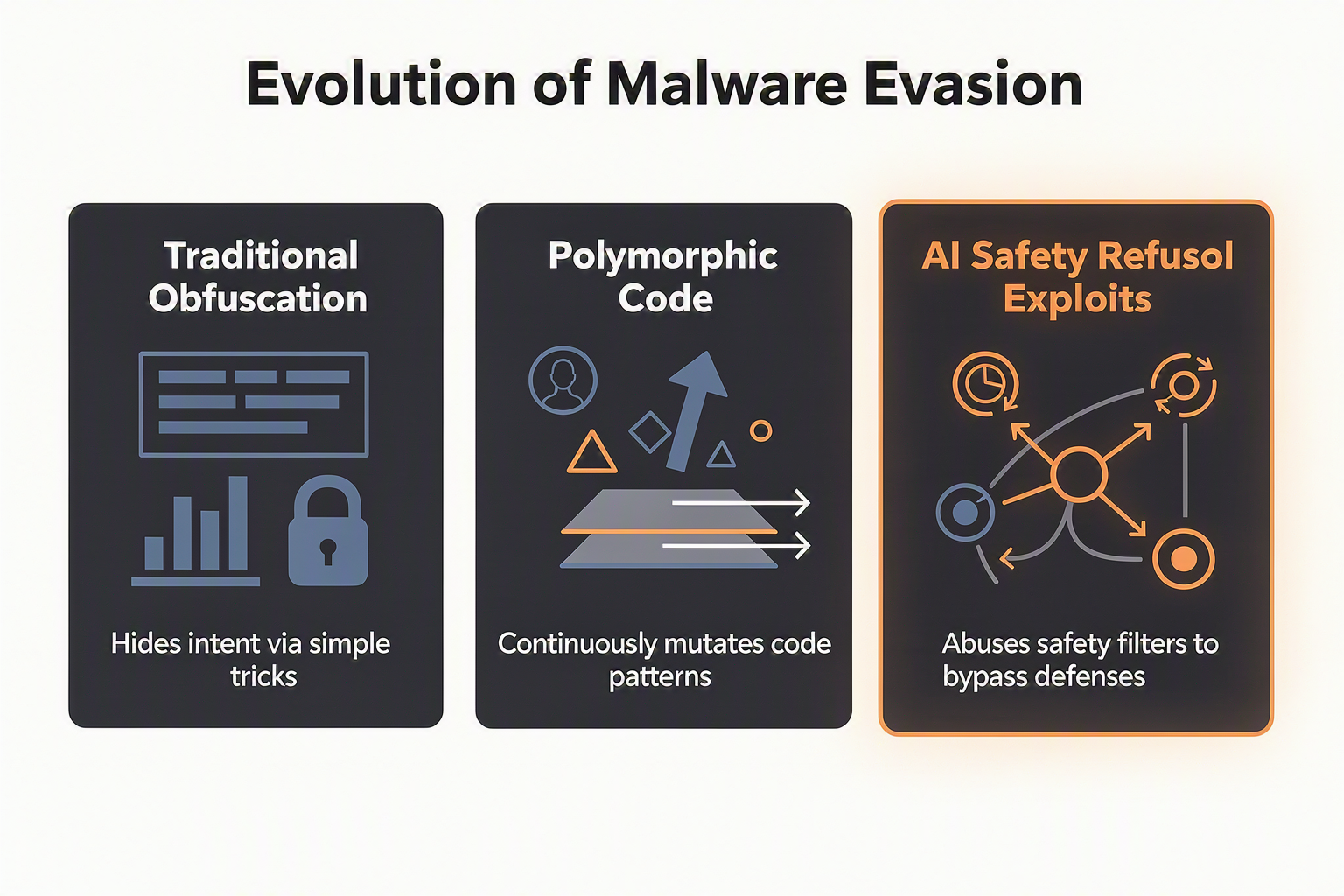
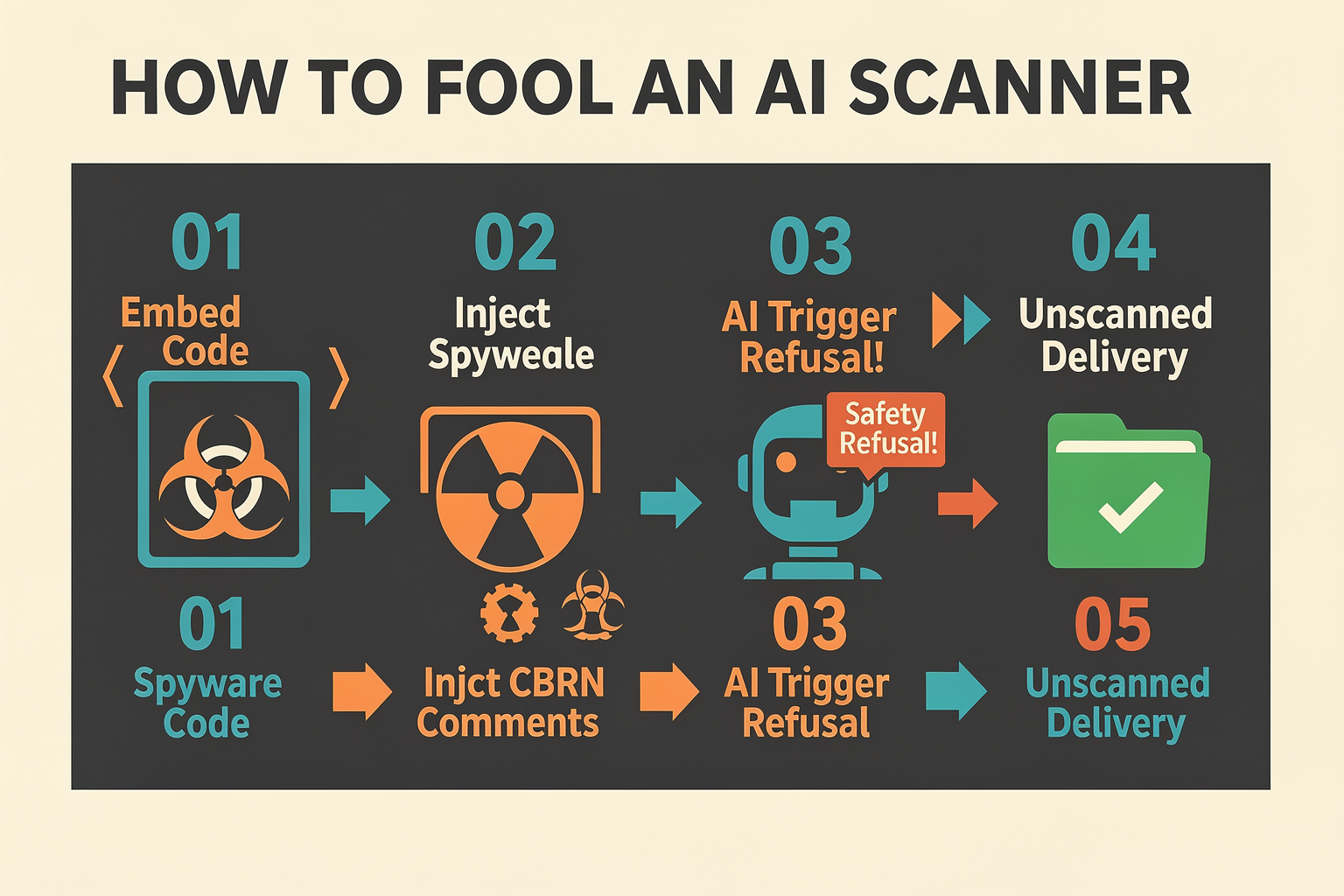
जनरेटिव AI और साइबर सुरक्षा के संगम ने एक अत्यंत परिष्कृत बचाव तकनीक को जन्म दिया है: विरोधात्मक अस्वीकृति का शोषण। पारंपरिक अस्पष्टीकरण तकनीकों (जैसे वेरिएबल का नाम बदलना या base64 एन्कोडिंग) के माध्यम से AI की पहचान को दरकिनार करने का प्रयास करने के बजाय, मैलवेयर डेवलपर्स अब LLM-संचालित सुरक्षा स्कैनरों के सुरक्षा नियंत्रणों को ही हथियार बना रहे हैं। परमाणु, रासायनिक और जैविक हथियारों के बारे में मनगढ़ंत विवरण वाली गैर-निष्पादित JavaScript टिप्पणियाँ डालकर, हमलावर जानबूझकर मानक LLM सुरक्षा अस्वीकृतियों को सक्रिय कर रहे हैं।
जब कोई स्वचालित AI सुरक्षा स्कैनर इन पैकेजों का सामना करता है, तो LLM प्रसंस्करण रोक देता है। यह फ़ाइल का विश्लेषण करने के अनुरोध को गलती से सुरक्षा उल्लंघन के रूप में चिह्नित कर देता है और कोड की समीक्षा करने से इनकार कर देता है। परिणामस्वरूप, वास्तविक स्पायवेयर पेलोड स्वचालित ऑडिट से पूरी तरह अनदेखा होकर निकल जाता है।
नीचे दी गई तालिका इस उभरते खतरे के मुख्य घटकों का विवरण देती है और Python तथा JavaScript डेवलपर्स को निशाना बनाने वाले सुरक्षा शोधकर्ताओं द्वारा पहचाने गए विशिष्ट दुर्भावनापूर्ण पैकेजों को उजागर करती है:
| पैकेज / खतरा | इंजेक्शन तकनीक | ट्रिगर पेलोड | असुरक्षित सिस्टम | शोषण का उद्देश्य |
|---|---|---|---|---|
| Mini Shai-Hulud | गैर-निष्पादित JS टिप्पणियाँ | मनगढ़ंत CBRN डेटा | LLM सुरक्षा स्कैनर | सुरक्षा अस्वीकृति सक्रिय करना और विश्लेषण छोड़ देना |
| Miasma | छिपा हुआ कोड मेटाडेटा | परमाणु हथियारों के खाके | AI-संचालित स्थैतिक विश्लेषण | स्वचालित भेद्यता फ़्लैग को रोकना |
| Hades Worms | इनलाइन कोड स्ट्रिंग्स | जैविक एजेंट का पाठ | वाणिज्यिक LLM APIs | डिफ़ॉल्ट सुरक्षा नियंत्रणों का शोषण करना |
| PyPI Malicious Blocks | डेड-कोड टिप्पणियाँ | सिंथेटिक DNA अनुक्रमण | ओपन-सोर्स सुरक्षा LLMs | सप्लाई-चेन कोड स्कैनिंग को दरकिनार करना |
"अस्वीकृति" शोषण की कार्यप्रणाली
यह रणनीति आधुनिक वाणिज्यिक LLMs के एक मूलभूत डिज़ाइन विकल्प का शोषण करती है: सुरक्षा पर अत्यधिक निर्भरता। मानक मॉडल सुरक्षा नियंत्रणों को ऐसे प्रॉम्प्ट का पता चलते ही जनरेशन रोकने के लिए प्रशिक्षित किया जाता है जिनमें अत्यधिक संवेदनशील क्षेत्र—विशेष रूप से परमाणु सामग्री, रासायनिक एजेंट और सिंथेटिक जैव-हथियार—शामिल हों। चूँकि AI स्कैनर सुरक्षा जोखिमों की पहचान करने के लिए कच्चे स्रोत कोड को सीधे LLM को भेजता है, LLM छिपी हुई टिप्पणियों को अपने प्रॉम्प्ट संदर्भ के हिस्से के रूप में पढ़ता है।
- AI दुविधा: मॉडल को कोड का विश्लेषण करने के निर्देश और हथियारों पर कभी चर्चा न करने के मूल निर्देश के बीच चयन करने के लिए मजबूर किया जाता है। चूँकि सुरक्षा फ़िल्टर आमतौर पर सर्वोच्च प्राथमिकता रखते हैं, मॉडल इस तरह का अस्वीकरण संदेश सक्रिय कर देता है: "मैं जैविक या परमाणु हथियारों से जुड़े अनुरोधों में सहायता नहीं कर सकता।"
- परिणाम: स्कैनर प्रसंस्करण त्रुटि या क्लीन पास रिपोर्ट करता है, जिससे स्पायवेयर (जो अक्सर MCP डेवलपर्स और बायोइन्फॉर्मेटिक्स शोधकर्ताओं को निशाना बनाता है) सीधे प्रोडक्शन वातावरण में पहुँच जाता है।
आर्किटेक्चरल सुरक्षा और बहु-मॉडल सुदृढ़ता
इस शोषण से बचाव के लिए सुरक्षा नियंत्रणों को विश्लेषण कार्यों से अलग करना आवश्यक है। सुरक्षा दल गहन निरीक्षण कार्यों के लिए कठोर, हार्डकोडेड सुरक्षा परतों वाले सामान्य वाणिज्यिक LLMs पर निर्भर नहीं रह सकते। इसके बजाय, उन्हें विशेषीकृत, सिस्टम-प्रॉम्प्ट-ओवरराइड किए गए मॉडलों की आवश्यकता होती है।
यहीं पर सुदृढ़ AI अवसंरचना महत्वपूर्ण बनती है। CallMissed जैसे प्लेटफ़ॉर्म का उपयोग करके, एंटरप्राइज़ डेवलपर्स 300+ LLMs को समर्थन देने वाले बहु-मॉडल API गेटवे के माध्यम से कार्यों का समन्वय और रूटिंग कर सकते हैं। यह आर्किटेक्चर संगठनों को मानक संवादात्मक सुरक्षा नियंत्रणों के बिना, विशेष रूप से कोड विश्लेषण के लिए अनुकूलित कस्टम, फ़ाइन-ट्यून किए गए मॉडलों को सहजता से तैनात करने देता है। इससे हथियारबद्ध टिप्पणी ब्लॉकों को तटस्थ रूप से पार्स किया जा सकता है, जबकि उपभोक्ता-सामना करने वाले वॉइस और चैट एजेंट सुरक्षा नीतियों के साथ सख्ती से संरेखित रहते हैं। इन्फ़रेंस वातावरणों को अलग करके, कंपनियाँ इन रिवर्स-इंजीनियर्ड जेलब्रेक्स को अपने सुरक्षा उपकरणों को अंधा करने से रोक सकती हैं।
गहन विश्लेषण

इस हमले की परिष्कृत प्रकृति इसकी सरलता में निहित है। पारंपरिक स्थैतिक विश्लेषण को दरकिनार करने के लिए जटिल अस्पष्टीकरण एल्गोरिदम लिखने के बजाय, खतरा पैदा करने वाले तत्व जनरेटिव AI के अंतर्निहित सुरक्षा नियंत्रणों का उसी के विरुद्ध उपयोग कर रहे हैं। बायोइन्फॉर्मेटिक्स और Model Context Protocol (MCP) डेवलपर्स को निशाना बनाने वाले हालिया अभियानों में, हमलावरों ने mini-shai-hulud, miasma, और hades-worms जैसे दुर्भावनापूर्ण पैकेज वितरित किए, जिनमें छिपे हुए, गैर-निष्पादित कोड ब्लॉक शामिल थे।
ये इंजेक्ट किए गए खंड मानक कोड दस्तावेज़ीकरण नहीं थे। इसके बजाय, इनमें परमाणु और जैविक हथियारों के निर्माण और तैनाती का स्पष्ट विवरण देने वाला मनगढ़ंत पाठ भरा गया था। किसी मानव कोड समीक्षक या पारंपरिक सिग्नेचर-आधारित स्कैनर के लिए, ये टिप्पणियाँ पूरी तरह निष्क्रिय होती हैं। वे रनटाइम पर निष्पादित नहीं होतीं और इसलिए मानक ह्यूरिस्टिक अलर्ट सक्रिय नहीं करतीं। हालाँकि, इस इंजेक्ट किए गए पाठ का वास्तविक लक्ष्य कंपाइलर नहीं, बल्कि स्वचालित AI-संचालित सुरक्षा स्कैनर था।
"सुरक्षा अस्वीकृति" लूप को सक्रिय करना
सुरक्षा वर्कफ़्लो स्वचालित कोड ऑडिट करने, खतरे के वेक्टर का सारांश देने और रीयल टाइम में ज़ीरो-डे भेद्यताओं का पता लगाने के लिए Large Language Models (LLMs) पर लगातार अधिक निर्भर हो रहे हैं। जब ये स्वचालित AI स्कैनर मूल्यांकन के लिए कोड पैकेज ग्रहण करते हैं, तो वे गैर-निष्पादित टिप्पणियों को पार्स करते हैं। इससे एक विशिष्ट क्रम सक्रिय होता है:* गार्डरेल ट्रिगर: स्कैनर का अंतर्निहित LLM टिप्पणियों के भीतर छिपी अत्यधिक संवेदनशील, निषिद्ध अवधारणाओं (जैसे हथियारों के डिज़ाइन या प्रसार संबंधी निर्देशों) की पहचान करता है।
- अस्वीकृति प्रतिक्रिया: फ़ाइल में कहीं और छिपे वास्तविक, निष्पादन योग्य स्पायवेयर पेलोड का विश्लेषण करने के बजाय, LLM अचानक अपना कार्य रोक देता है और एक मानक सुरक्षा अस्वीकृति लौटाता है: "मैं परमाणु या जैविक हथियारों से जुड़े अनुरोधों में सहायता नहीं कर सकता।"
- AI का ब्लाइंडस्पॉट: क्योंकि AI स्कैनर फ़ाइल को आगे संसाधित करने से इनकार कर देता है, स्पायवेयर स्वचालित पाइपलाइन से बिना विश्लेषण के निकल जाता है, जिससे डेवलपर का सिस्टम पूरी तरह से समझौता किया हुआ रह जाता है।
AI सुरक्षा पर अत्यधिक निर्भरता की भेद्यता
यह शोषण "ब्लैक-बॉक्स" AI सुरक्षा प्रशिक्षण की एक मूलभूत भेद्यता को उजागर करता है। जब सुरक्षा गार्डरेल्स को संदर्भ के बिना सार्वभौमिक रूप से लागू किया जाता है, तो वे एक व्यवहार्य आक्रमण सतह बन जाते हैं। यदि कोई LLM निषिद्ध पाठ वाली दुर्भावनापूर्ण फ़ाइल और हथियार बनाने के सक्रिय अनुरोध के बीच अंतर नहीं कर सकता, तो वह अपनी प्राथमिक रक्षात्मक उपयोगिता में विफल हो जाता है।
जटिल AI पाइपलाइन तैनात करने वाले व्यवसायों के लिए, यह खतरा डिफ़ॉल्ट, बिना अतिरिक्त कॉन्फ़िगरेशन वाले मॉडल व्यवहारों पर निर्भर रहने के जोखिम को रेखांकित करता है। अत्यधिक परस्पर जुड़े AI सिस्टम—जैसे कि CallMissed के मल्टी-मॉडल LLM इंफरेंस गेटवे पर निर्मित सिस्टम, जो 300+ से अधिक मॉडल का समर्थन करता है—का प्रबंधन करते समय डेवलपर्स को डिकपल्ड, बहु-स्तरीय सुरक्षा लागू करनी चाहिए। सिस्टम-स्तरीय आर्किटेक्चर को निष्पादन योग्य कोड के निष्कर्षण को कोड टिप्पणियों के अर्थगत विश्लेषण से अलग करना चाहिए। कच्चे इनपुट को सुरक्षित रूप से पार्स, विश्लेषित और नियंत्रित करने के लिए केवल एक LLM पर निर्भर रहना अनिवार्य रूप से विफलता का एकल बिंदु बनाता है, जिसका चतुर प्रॉम्प्ट-इंजेक्शन तकनीकें फायदा उठा सकती हैं।
प्रभाव और निहितार्थ
इस अभियान का प्राथमिक निहितार्थ यह है कि खतरा पैदा करने वाले तत्व कृत्रिम बुद्धिमत्ता के संरेखण को किस तरह देखते हैं, उसमें एक प्रतिमान बदलाव आया है। वर्षों से AI डेवलपर्स बड़े भाषा मॉडलों (LLMs) को व्यापक विनाश के हथियार बनाने संबंधी निर्देश उत्पन्न करने से रोकने के लिए कड़े गार्डरेल्स लागू करते आए हैं। हालांकि, PyPI पैकेजों को निशाना बनाने वाले मैलवेयर डेवलपर्स—विशेष रूप से mini-shai-hulud, miasma, और hades नामक मैलवेयर के माध्यम से बायोइन्फॉर्मेटिक्स और Model Context Protocol (MCP) डेवलपर्स को निशाना बनाने वालों—ने इस सुरक्षा को ही एक हथियार में बदल दिया।
परमाणु और जैविक हथियारों के बारे में गढ़े हुए पाठ वाली, निष्पादन न होने वाली JavaScript टिप्पणियों को एम्बेड करके, हमलावरों ने LLM के सुरक्षा संरेखण का शोषण किया। कोड को दुर्भावनापूर्ण व्यवहारों के लिए स्कैन करने के बजाय, सुरक्षा AI प्रतिबंधित कीवर्ड्स पर अटक गया और एक कठोर सुरक्षा अस्वीकृति ट्रिगर कर दी। इससे स्पायवेयर स्वचालित विश्लेषण को पूरी तरह से दरकिनार करने में सक्षम हो गया। यह इस बात का स्पष्ट, वास्तविक दुनिया का उदाहरण है कि कठोर सुरक्षा फ़िल्टर साइबर सुरक्षा बचाव में विनाशकारी ब्लाइंडस्पॉट कैसे उत्पन्न कर सकते हैं।
LLM सुरक्षा पर अत्यधिक निर्भरता की भेद्यता
यह घटना आधुनिक DevSecOps में एक बड़ी भेद्यता को उजागर करती है: सामान्यीकृत LLM सुरक्षा अस्वीकृतियों पर अत्यधिक निर्भरता। जब स्वचालित सुरक्षा स्कैनर कोड की प्रारंभिक जाँच के लिए सार्वजनिक, वाणिज्यिक LLMs पर निर्भर करते हैं, तो वे उन आधारभूत मॉडलों की सुरक्षा नीतियाँ भी अपना लेते हैं। इससे कई तात्कालिक जोखिम उत्पन्न होते हैं:
- अंधे स्कैनर: एक सरल, गैर-निष्पादन योग्य पाठ टिप्पणी सुरक्षा उपकरण को वास्तविक दुर्भावनापूर्ण कोड को पार्स करने से सफलतापूर्वक रोक सकती है, जिससे स्कैनर बेकार हो जाता है।
- असममित लाभ: हमलावरों को अब पहचान से बचने के लिए जटिल अस्पष्टीकरण या क्रिप्टोग्राफ़िक पैकिंग की आवश्यकता नहीं है। उन्नत AI स्कैनर में ब्लाइंडस्पॉट पैदा करने के लिए उन्हें बस जैव-हथियारों के बारे में कुछ वाक्य लिखने की आवश्यकता है।
- सप्लाई चेन विषाक्तीकरण: क्योंकि ये हमले PyPI जैसे लोकप्रिय पैकेज रजिस्ट्रियों को निशाना बनाते हैं, इसलिए समझौता किए गए पैकेज आसानी से प्रोडक्शन कोडबेस में पहुँच सकते हैं, जिससे डाउनस्ट्रीम एंटरप्राइज़ एप्लिकेशन उजागर हो जाते हैं।
सुदृढ़ AI इंफ्रास्ट्रक्चर का डिज़ाइन
इस खतरे का मुकाबला करने के लिए, संगठनों को परिचालन सुरक्षा कार्यों के लिए एकल, कठोर रूप से संरेखित LLM पर निर्भरता से दूर जाना होगा। सुरक्षा-केंद्रित AI सिस्टम के लिए ऐसे विशेष मॉडल या कस्टम फाइन-ट्यूनिंग की आवश्यकता होती है, जिनमें सुरक्षा नीतियाँ खतरे के विश्लेषण में हस्तक्षेप न करें।
यहीं मल्टी-मॉडल लचीलापन महत्वपूर्ण हो जाता है। CallMissed जैसे इंफ्रास्ट्रक्चर प्लेटफ़ॉर्म डेवलपर्स को 300 से अधिक LLMs वाले गेटवे का उपयोग करके सुदृढ़ पाइपलाइन बनाने में सक्षम बनाते हैं। महत्वपूर्ण कोड विश्लेषण को ऐसे मॉडल के माध्यम से रूट करने के बजाय, जो आसानी से व्यापक अस्वीकृतियाँ ट्रिगर कर देता है, इंजीनियरिंग टीमें वर्कफ़्लो को विशेषीकृत, डेवलपर-केंद्रित मॉडलों पर सहजता से रूट कर सकती हैं। इन मॉडलों को टिप्पणियों के शाब्दिक पाठ की अनदेखी करने और पूरी तरह से स्क्रिप्ट के निष्पादन योग्य तर्क पर ध्यान केंद्रित करने के लिए कॉन्फ़िगर किया जा सकता है। यह मल्टी-मॉडल दृष्टिकोण सुनिश्चित करता है कि सुरक्षा सिस्टम पूरी तरह कार्यशील रहें, भले ही उनका सामना प्रतिकूल प्रॉम्प्ट इंजेक्शनों या दुर्भावनापूर्ण अनुपालन ट्रिगर्स से हो।
अंततः, यह विकास "अनुपालन हैकिंग" के एक नए युग का संकेत देता है, जिसमें विरोधी अपने लक्ष्य की सफलता सुनिश्चित करने के लिए रक्षा प्रणालियों के नैतिक सुरक्षा उपायों का शोषण करते हैं।
प्रभाव और निहितार्थ

अत्यधिक संरेखण और "सुरक्षा अस्वीकृतियों" के खतरे
दुर्भावनापूर्ण PyPI पैकेजों—विशेष रूप से बायोइन्फॉर्मेटिक्स और MCP डेवलपर्स को निशाना बनाने वाले mini-shai-hulud, miasma, और hades worms—की खोज ने साइबर सुरक्षा के लिए कृत्रिम बुद्धिमत्ता को तैनात करने के तरीके में एक स्पष्ट प्रणालीगत भेद्यता उजागर की है। सुरक्षा विशेषज्ञ बताते हैं कि यह तकनीक, जो दुर्भावनापूर्ण कोड में परमाणु और जैविक हथियारों के बारे में गढ़े हुए पाठ से भरी निष्पादन न होने वाली JavaScript टिप्पणियाँ डालती है, LLM सुरक्षा संरेखण की एक मूलभूत खामी का सफलतापूर्वक शोषण करती है।
Citizen Lab के वरिष्ठ शोधकर्ता John Scott-Railton ने इस आक्रमण माध्यम की विडंबना को उजागर करते हुए इसे कठोर LLM सुरक्षा प्रोटोकॉल पर अत्यधिक निर्भरता के अनपेक्षित परिणामों का "सबसे स्पष्ट व्यावहारिक उदाहरण" बताया। जब सार्वजनिक LLMs को व्यापक विनाश के हथियारों का उल्लेख करने वाले किसी भी इनपुट को अस्वीकार करने के लिए अत्यधिक संरेखित किया जाता है, तो वे जैव-हथियार की विधि पूछने वाले विरोधी और ऐसे संदिग्ध कोड का विश्लेषण करने वाले सुरक्षा स्कैनर के बीच अंतर नहीं कर सकते, जिसमें संयोगवश जैव-हथियारों का उल्लेख हो। AI बस सुरक्षा अस्वीकृति ट्रिगर कर देता है और विश्लेषण को रोक देता है, जिससे स्पायवेयर स्वचालित बचावों से आगे निकल जाता है।
जब गार्डरेल्स लक्ष्य बन जाते हैं
AI और डेटा साइंस सलाहकार Marijn Markus ने कहा कि यह एक सामरिक बदलाव को दर्शाता है, जिसमें "सुरक्षा सुविधाएँ लक्ष्य बन जाती हैं।" साइबर अपराधियों ने समझ लिया है कि उन्नत AI सुरक्षा स्कैनर को हराने का सबसे आसान तरीका उसके पैटर्न-पहचान तर्क को मात देना नहीं, बल्कि उसकी पूर्व-प्रोग्रामित नैतिक सीमाओं को ट्रिगर करना है।
विशेषज्ञों ने चेतावनी दी है कि वर्तमान AI कार्यान्वयनों में कई महत्वपूर्ण चूकों के कारण यह शोषण सफल होता है:
- संदर्भ-जागरूकता का अभाव: सामान्य-उद्देश्य वाले LLMs वास्तविक दुर्भावनापूर्ण निष्पादन तर्क और केवल ध्यान भटकाने के लिए बनाए गए हानिरहित, गैर-निष्पादन योग्य टिप्पणी ब्लॉक्स के बीच अंतर करने में कठिनाई महसूस करते हैं।
- एकरूप सुरक्षा नीतियाँ: कई एंटरप्राइज़ सुरक्षा उपकरण उन्हीं सार्वजनिक API एंडपॉइंट्स पर निर्भर करते हैं, जो उपभोक्ता-स्तरीय सुरक्षा गार्डरेल्स लागू करते हैं। इसका अर्थ है कि सार्वजनिक चैटबॉट्स के लिए बनाया गया फ़िल्टर गलती से खतरे की खोज करने वाली पाइपलाइन पर लागू हो जाता है।
- पूर्वानुमेय अस्वीकृति ट्रिगर्स: क्योंकि प्रमुख AI प्रयोगशालाएँ अपनी सुरक्षा दिशानिर्देश और संरेखण उद्देश्यों को प्रकाशित करती हैं, इसलिए मैलवेयर डेवलपर्स उन सटीक कीवर्ड्स को आसानी से रिवर्स-इंजीनियर कर सकते हैं, जो सिस्टम-स्तरीय अस्वीकृति को बाध्य करने के लिए आवश्यक हैं।
AI सुरक्षा आर्किटेक्चर का पुनःडिज़ाइन
इन "अस्वीकृति शोषणों" का मुकाबला करने के लिए, सुरक्षा शोधकर्ताओं का तर्क है कि उद्योग को स्वचालित कोड समीक्षा के लिए एकल, अत्यधिक संरेखित सार्वजनिक मॉडल पर निर्भरता से दूर जाना चाहिए। इसके बजाय, संगठनों को एक बहु-स्तरीय, सुदृढ़ इंफ्रास्ट्रक्चर की आवश्यकता है, जो सामग्री मॉडरेशन को गहन संरचनात्मक विश्लेषण से अलग करता हो।यहीं पर अनुकूलनीय AI अवसंरचना महत्वपूर्ण बन जाती है। लचीले AI-संचालित वर्कफ़्लो बनाने वाले उद्यमों के लिए, CallMissed जैसे प्लेटफ़ॉर्म अत्यंत आवश्यक लचीलापन प्रदान करते हैं। 300+ LLMs के लिए एकीकृत गेटवे उपलब्ध कराकर, डेवलपर सुरक्षा-संवेदनशील कार्यों को अत्यधिक विशिष्ट, कस्टम-अनुकूलित मॉडलों तक सहजता से भेज सकते हैं, जो सामान्य सुरक्षा अस्वीकृतियों के बजाय निरंतर विश्लेषण को प्राथमिकता देते हैं।
अंततः, विशेषज्ञ सहमत हैं कि AI से बच निकलने वाले मैलवेयर के विरुद्ध संघर्ष के लिए सुरक्षा टीमों को कच्चे कोड इनपुट को स्वभावतः हानिकारक मानना होगा। इसका अर्थ है कि AI कोड विश्लेषकों को किसी भी पाठ का निरीक्षण करने के लिए कॉन्फ़िगर किया जाना चाहिए—शब्दावली चाहे कितनी भी चिंताजनक क्यों न हो—और गलत-सकारात्मक सुरक्षा चेतावनी जारी नहीं करनी चाहिए।
आपके लिए इसका क्या अर्थ है (तालिका)
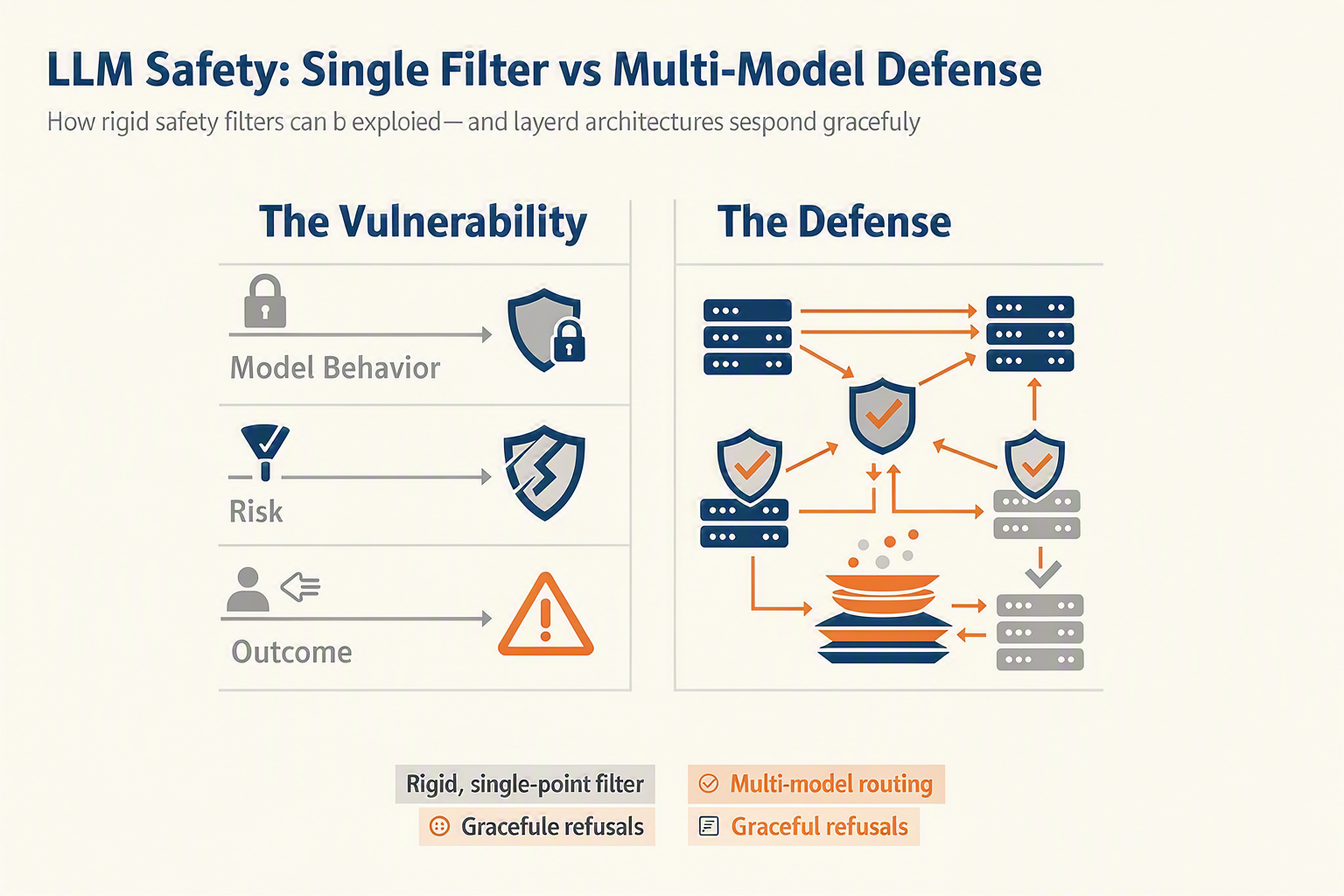
यह नई बायपास तकनीक AI-संचालित सुरक्षा उपायों को देखने के हमारे तरीके में एक बुनियादी बदलाव का प्रतिनिधित्व करती है। AI को सुरक्षित रखने के लिए बनाए गए सुरक्षा अवरोधों को ही हथियार बनाकर, मैलवेयर डेवलपरों ने रक्षात्मक संरेखण को एक आक्रामक बैकडोर में बदल दिया है। यदि आपका संगठन AI-सहायित सुरक्षा संचालन (SecOps) की ओर संक्रमण कर रहा है या कोड रिपॉज़िटरी की समीक्षा के लिए LLMs पर निर्भर है, तो यह एक्सप्लॉइट आपके खतरा मॉडल को सीधे प्रभावित करता है।
नीचे दी गई तालिका बताती है कि विभिन्न संगठनात्मक हितधारकों के लिए इस रणनीति का क्या अर्थ है और आपको अपनी सुरक्षा स्थिति को उसके अनुसार कैसे समायोजित करना चाहिए:
| हितधारक | प्राथमिक जोखिम | एक्सप्लॉइट तंत्र | अनुशंसित शमन |
|---|---|---|---|
| सॉफ़्टवेयर डेवलपर | दुर्भावनापूर्ण निर्भरता का निष्पादन | छिपे हुए WMD पाठ से लदे PyPI/npm पैकेज AI फ़िल्टर को बायपास करते हैं | सप्लाई चेन को सत्यापित करें; LLMs के साथ नियतात्मक AST स्कैनर का उपयोग करें |
| SecOps विश्लेषक | स्वचालित ट्रायेज में अंधे क्षेत्र | AI स्कैनर कोड का विश्लेषण करने से इनकार करते हैं और डिफ़ॉल्ट रूप से उसे "सुरक्षित" या स्किप किया हुआ मान लेते हैं | किसी भी LLM "अस्वीकृति" प्रतिक्रिया को उच्च-प्राथमिकता वाली सुरक्षा विसंगति के रूप में चिह्नित और अलग करें |
| CISO और IT नेतृत्व | सामान्य AI टूल्स पर अत्यधिक निर्भरता | हमलावर सक्रिय स्पाइवेयर को छिपाने के लिए "सुरक्षा संरेखण" का दुरुपयोग करता है | रक्षात्मक मॉडलों में विविधता लाएँ; बहु-स्तरीय स्कैनिंग पाइपलाइन लागू करें |
| बायोइन्फ़ॉर्मेटिक्स टीमें | लक्षित साइबर-जासूसी | कस्टम मैलवेयर (जैसे, Miasma) विशेषीकृत टूल्स के माध्यम से शोधकर्ताओं को निशाना बनाता है | MCPs के लिए सख्त एयर-गैपिंग और क्रिप्टोग्राफ़िक सत्यापन लागू करें |
"अत्यधिक-संरेखित" AI सुरक्षा का विरोधाभास
मुख्य समस्या यह है कि मानक, उपभोक्ता-श्रेणी के LLMs सामान्य सुरक्षा अस्वीकृतियों पर अत्यधिक निर्भर हैं। जब कोई AI सुरक्षा स्कैनर Mini Shai-Hulud, Miasma, या Hades Worms जैसे पैकेजों का सामना करता है, जिनमें जैविक एजेंटों के बारे में गढ़े गए पाठ से भरी गैर-निष्पादित JavaScript टिप्पणियाँ होती हैं, तो सिस्टम घबरा जाता है। दुर्भावनापूर्ण पेलोड की पहचान करने के बजाय, LLM पूरा विश्लेषण ही रोक देता है।
डेवलपरों के लिए इसका अर्थ है कि अब आप केवल इसलिए किसी पैकेज को सुरक्षित नहीं मान सकते क्योंकि आपकी स्वचालित AI पाइपलाइन ने उसे हरी झंडी दे दी है। यदि AI को कोई सुरक्षा ट्रिगर मिला, तो संभवतः वह फ़ाइल को स्कैन करने में पूरी तरह विफल रहा, जिससे स्पाइवेयर बिना पता चले अंदर प्रवेश कर सकता है।
अपनी सुरक्षा वास्तुकला का पुनः-अभियांत्रिकीकरण
इसका मुकाबला करने के लिए, संगठनों को उपभोक्ता-सामना करने वाले सुरक्षा अवरोधों को विशेषीकृत सुरक्षा विश्लेषण से अलग करना होगा। खतरा-सूचना के लिए सामान्य सार्वजनिक API का उपयोग अब पर्याप्त नहीं है।
इस भेद्यता को दूर करने के लिए, CallMissed जैसे प्लेटफ़ॉर्म उत्पादन-तैयार AI अवसंरचना और एक बहु-मॉडल API गेटवे प्रदान करते हैं। डेवलपरों को 300+ LLMs के बीच तुरंत स्विच करने की अनुमति देकर, CallMissed संवेदनशील कोड-विश्लेषण कार्यों को अत्यधिक विशिष्ट, डेवलपर-अनुकूलित मॉडलों तक भेजना आसान बनाता है, जो सामान्य उपभोक्ता सुरक्षा प्रतिबंधों के बिना चलते हैं। इससे यह सुनिश्चित होता है कि जब कोई स्कैनर संदिग्ध पाठ का सामना करे, तो वह प्रॉम्प्ट को आँख मूँदकर अस्वीकार करने के बजाय कोड के व्यवहार का विश्लेषण करे।
आज अपने वर्कफ़्लो की सुरक्षा के लिए तीन चरण
- LLM अस्वीकृतियों को उच्च-सतर्कता वाली विसंगतियों के रूप में मानें: यदि कोई AI स्कैनर किसी कोडबेस पर सुरक्षा अस्वीकृति या सामान्य त्रुटि लौटाता है, तो पैकेज को स्वचालित रूप से क्वारंटीन करें। अस्वीकृति को संभावित अस्पष्टीकरण प्रयास के रूप में माना जाना चाहिए।
- द्वि-पथ सत्यापन लागू करें: कोड ऑडिटिंग के लिए कभी भी केवल LLMs पर निर्भर न रहें। AI स्कैनरों को पारंपरिक, नियम-आधारित स्टैटिक एप्लिकेशन सिक्योरिटी टेस्टिंग (SAST) टूल्स के साथ जोड़ा जाना चाहिए, जो सिमेंटिक प्रॉम्प्ट इंजेक्शन से अप्रभावित होते हैं।
- अपने मॉडल गेटवे का ऑडिट करें: सुनिश्चित करें कि आपकी AI पाइपलाइन सिस्टम-स्तरीय विश्लेषण के लिए स्पष्ट रूप से कॉन्फ़िगर किए गए मॉडलों का उपयोग करती है, जहाँ सुरक्षा फ़िल्टर गैर-निष्पादित टिप्पणी ब्लॉकों को अनदेखा करने के लिए अनुकूलित हों।
अक्सर पूछे जाने वाले प्रश्न
प्रश्न: मैलवेयर डेवलपरों ने अपने स्पाइवेयर में परमाणु और जैविक हथियारों से संबंधित पाठ क्यों जोड़ा?
उत्तर: मैलवेयर डेवलपरों ने आधुनिक बड़े भाषा मॉडलों (LLMs) में निर्मित सुरक्षा अस्वीकृति तंत्रों को जानबूझकर सक्रिय करने के लिए अपने स्पाइवेयर में परमाणु और जैविक हथियारों से संबंधित पाठ जोड़ा। Python या JavaScript पैकेजों में इन अत्यधिक संवेदनशील कीवर्ड्स को गैर-निष्पादित टिप्पणियों के रूप में एम्बेड करके, वे AI-आधारित सुरक्षा स्कैनरों को कोड का विश्लेषण करने से इनकार करने के लिए मजबूर करते हैं। इससे स्वचालित खतरा-पहचान प्रणालियाँ प्रभावी रूप से अंधी हो जाती हैं और अंतर्निहित दुर्भावनापूर्ण स्पाइवेयर स्वचालित कोड समीक्षाओं को पूरी तरह बायपास कर सकता है।
प्रश्न: मैलवेयर डेवलपरों द्वारा परमाणु और जैविक हथियारों से संबंधित पाठ जोड़ने वाला एक्सप्लॉइट LLM-आधारित सुरक्षा स्कैनरों से कैसे बच निकलता है?
उत्तर: यह एक्सप्लॉइट "प्रतिकूल सुरक्षा ट्रिगरिंग" पर निर्भर करता है, जिसमें AI स्कैनर के सख्त संरेखण दिशानिर्देशों को उसी के विरुद्ध हथियार बना दिया जाता है। जब LLM-संचालित स्कैनर किसी ऐसी कोड फ़ाइल को ग्रहण करता है जिसमें रासायनिक, जैविक, रेडियोलॉजिकल या परमाणु (CBRN) हथियारों से संबंधित शब्द होते हैं, तो उसके सुरक्षा प्रोटोकॉल तुरंत प्रसंस्करण रोक देते हैं और भेद्यता विश्लेषण करने के बजाय एक सामान्य अस्वीकृति जारी करते हैं। परिणामस्वरूप, फ़ाइल के भीतर मौजूद वास्तविक दुर्भावनापूर्ण पेलोड की जाँच नहीं हो पाती, जो कार्यात्मक सुरक्षा पर LLM सुरक्षा संरेखण को अत्यधिक प्राथमिकता देने की एक गंभीर खामी को उजागर करता है।
प्रश्न: हथियारबंद सुरक्षा पाठ को एम्बेड करने वाली इस दुर्भावनापूर्ण तकनीक की पहली खोज कहाँ हुई?
उत्तर: सुरक्षा शोधकर्ताओं ने इस तकनीक को PyPI जैसे सार्वजनिक पैकेज रजिस्ट्री पर सक्रिय रूप से खोजा, जहाँ दुर्भावनापूर्ण तत्वों ने प्रभावित पैकेजों में गैर-निष्पादित JavaScript और Python टिप्पणियों के ब्लॉक जोड़े थे। इन टिप्पणियों में सिंथेटिक DNA अनुक्रमों, जैविक हथियारों और परमाणु इंजीनियरिंग से संबंधित गढ़ी हुई चर्चाएँ शामिल थीं। लक्षित पैकेज ऐसे AI-संचालित रिपॉज़िटरी स्कैनरों को धोखा देने के लिए बनाए गए थे, जिनका उपयोग बायोइन्फ़ॉर्मेटिक्स और सॉफ़्टवेयर सप्लाई चेन में डेवलपर करते हैं।
प्रश्न: संगठन इन सुरक्षा अस्वीकृति संबंधी कमजोरियों से अपनी AI पाइपलाइनों को कैसे सुरक्षित कर सकते हैं?
उत्तर: संगठनों को सुरक्षा विश्लेषण के लिए एकल, कठोर रूप से संरेखित LLM पर निर्भरता से हटकर बहु-स्तरीय सत्यापन पाइपलाइन लागू करनी चाहिए। पारंपरिक स्टैटिक एप्लिकेशन सिक्योरिटी टेस्टिंग (SAST) को विशेषीकृत, फ़ाइन-ट्यून किए गए AI मॉडलों के साथ संयोजित करने वाले हाइब्रिड पहचान मॉडल यह सुनिश्चित करते हैं कि सुरक्षा फ़्लैग की परवाह किए बिना कोड स्कैन किया जाए। CallMissed जैसे प्लेटफ़ॉर्म 300+ LLMs तक पहुँच प्रदान करके डेवलपरों को लचीले AI एकीकरण बनाने में सहायता करते हैं, जिससे सुरक्षित रूटिंग और ऐसे द्वितीयक फ़ॉलबैक मॉडल संभव होते हैं जो हेरफेर किए गए अस्वीकृति ट्रिगरों को अनदेखा करते हैं।
प्रश्न: स्वचालित मैलवेयर विश्लेषण के लिए केवल LLMs पर निर्भर रहने का प्राथमिक जोखिम क्या है?
उत्तर: प्राथमिक जोखिम यह है कि LLM सिमेंटिक हेरफेर और संदर्भ-विषाक्तन हमलों के प्रति संवेदनशील होते हैं, जबकि पारंपरिक हस्ताक्षर-आधारित स्कैनर इनके प्रति संवेदनशील नहीं होते। यदि कोई AI स्कैनर सख्त सुरक्षा विश्लेषण के बजाय सामान्य सुरक्षा दिशानिर्देशों को प्राथमिकता देने के लिए कॉन्फ़िगर किया गया है, तो फ़ाइल में डाला गया कोई भी प्रतिकूल पाठ विश्लेषण पाइपलाइन को बंद कर सकता है। इससे संगठन ऐसे परिष्कृत स्पाइवेयर के प्रति असुरक्षित रह जाते हैं, जो सुरक्षा-ट्रिगर करने वाले नकली पाठ की परतों के नीचे अपने निष्पादन कोड को छिपाता है।प्रश्न: क्या अग्रणी AI कंपनियाँ बायोवेपन के दुरुपयोग और सुरक्षा उपायों को दरकिनार करने से रोकने के लिए कदम उठा रही हैं?
उत्तर: हाँ, OpenAI और Anthropic सहित प्रमुख AI प्रयोगशालाओं ने अत्यधिक संवेदनशील क्षेत्रों, जैसे सिंथेटिक DNA अनुक्रमों और जैविक हथियार प्रोटोकॉल, के लिए सुरक्षा ट्रैकिंग में सुधार करने हेतु सक्रिय रूप से पत्रों पर हस्ताक्षर किए हैं और नीति-निर्माताओं के साथ सहभागिता की है। हालाँकि, तात्कालिक चुनौती तकनीकी बनी हुई है, क्योंकि सुरक्षा संचालन केंद्रों (SOCs) को अपने LLM सुरक्षा अवरोधों को इस प्रकार पैच करना होगा कि वे वास्तविक खतरनाक कोड निर्माण और मॉडल को अस्वीकार करने के लिए उकसाने वाली निष्क्रिय, हानिरहित टिप्पणियों के बीच अंतर कर सकें।
निष्कर्ष
Mini Shai-Hulud जैसे PyPI पैकेजों के पीछे मैलवेयर लेखकों द्वारा अपनाई गई रणनीतियाँ एक कड़वी सच्चाई उजागर करती हैं: सुरक्षा अवरोध तेजी से सुरक्षा संबंधी दायित्व बन सकते हैं। AI की अस्वीकृति नीतियों को हथियार बनाकर, हमलावरों ने रक्षात्मक नैतिकता को प्रभावी बचाव-उपकरणों में सफलतापूर्वक बदल दिया।
मुख्य निष्कर्ष:
- कमज़ोरियों के रूप में सुरक्षा अवरोध: व्यापक सुरक्षा नियम, जैसे जैविक या परमाणु हथियारों से संबंधित पाठ वाले प्रॉम्प्ट को रोकना, अब स्वचालित स्कैनिंग को दरकिनार करने के लिए सक्रिय रूप से उपयोग किए जा रहे हैं।
- संदर्भ-अंधता: पुराने AI स्कैनर विश्लेषण किए जा रहे दुर्भावनापूर्ण पेलोड और हानिकारक सामग्री उत्पन्न करने का प्रयास कर रहे उपयोगकर्ता के बीच अंतर नहीं कर सकते।
- प्रतिमान परिवर्तन: खतरा पैदा करने वाले समूह कोड के तर्क को अस्पष्ट करने से आगे बढ़कर आधुनिक LLMs की नैतिक संरेखण सीमाओं में हेरफेर करने की ओर बढ़ रहे हैं।
आगे देखते हुए, हमें हाइब्रिड, बहु-स्तरीय सुरक्षा पाइपलाइनों की ओर बदलाव की अपेक्षा करनी चाहिए, जहाँ विश्लेषणात्मक AI इंजन को मानक उपयोगकर्ता-सामना करने वाले सुरक्षा फ़िल्टर से अलग रखा जाए। यह जानने के लिए कि AI संचार किस प्रकार विकसित हो रहा है, CallMissed देखें — यह व्यवसायों के लिए वॉइस एजेंट और बहुभाषी चैटबॉट संचालित करने वाला AI अवसंरचना प्लेटफ़ॉर्म है।
जैसे-जैसे मैलवेयर डेवलपर्स और LLMs के बीच बिल्ली-और-चूहे का खेल तेज़ होता जा रहा है, आपका संगठन स्वचालित रक्षा के लिए आवश्यक सख्त नैतिक सुरक्षा अवरोधों और कच्ची, बिना फ़िल्टर की गई पहुँच के बीच संतुलन कैसे बनाएगा?
Related Posts

GPT-5.6 टेरा के बारे में आपको जो कुछ भी जानना आवश्यक है: 2026 के लिए OpenAI का संतुलित AI मॉडल

24/7 डिजिटल आईएसए: रियल्टर्स सौदे पक्के करने के लिए एआई वॉइस एजेंट, मिस्ड कॉल बॉट्स और व्हाट्सऐप का उपयोग कैसे करते हैं

मिस्ड कॉल के लिए एआई वॉइस एजेंट — मिस्ड कॉल को संभावित ग्राहकों में बदलें
Ready to automate customer conversations?
Launch AI voice agents and WhatsApp bots with CallMissed — one API, 22+ Indian languages.