

स्वायत्त एआई एजेंटों को अपनाने में तेजी ला रहे 9 नवाचार नेता



क्या हो यदि आपकी रणनीति टीम का सबसे उत्पादक सदस्य कोई इंसान नहीं, बल्कि एक बुद्धिमान सॉफ़्टवेयर इकाई हो, जो जटिल, बहु-चरणीय कार्यों को निष्पादित करने में सक्षम हो...
9 इनोवेशन लीडर्स जो ऑटोनोमस एआई एजेंट्स को अपनाने में तेजी ला रहे हैं
क्या होगा यदि आपकी स्ट्रेटेजी टीम का सबसे उत्पादक सदस्य कोई मानव नहीं बल्कि एक बुद्धिमान सॉफ्टवेयर इकाई हो, जो जटिल, बहु-चरणीय वर्कफ्लो को पूरी तरह से अपने आप निष्पादित कर सके? यह अब कोई भविष्यवादी अवधारणा नहीं है; यह ऑटोनोमस एआई एजेंट्स को तेजी से अपनाने की मौजूदा वास्तविकता है। जैसे-जैसे हम 2026 की ओर बढ़ रहे हैं, वैश्विक व्यापार परिदृश्य निष्क्रिय, प्रॉम्प्ट-आधारित जनरेटिव टूल्स से आगे बढ़कर सक्रिय, निर्णय लेने वाली प्रणालियों की ओर जा रहा है जो केवल कार्यों में सहायता नहीं करतीं—बल्कि उन्हें शुरू से अंत तक क्रियान्वित भी करती हैं।
यह परिवर्तनकारी बदलाव विशाल बाजार गति से समर्थित है। उद्योग के आंकड़ों के अनुसार, वैश्विक एआई एजेंट्स बाजार 2025 में $7.84 बिलियन से बढ़कर 2030 तक $52.62 बिलियन तक पहुंच जाएगा, और 46.3% की विस्फोटक संयुक्त वार्षिक वृद्धि दर (CAGR) दर्ज करेगा। यह उछाल इस मूलभूत बदलाव से प्रेरित है कि कैसे कंपनियां उत्पादकता को देखती हैं। हार्वर्ड बिजनेस स्कूल और डेलॉइट के हालिया अध्ययन दिखाते हैं कि नॉलेज वर्कर्स एजेंटिक वर्कफ्लोज़ के प्रमुख उपयोगकर्ता बनकर उभरे हैं, जो जटिल संचालन को स्वचालित करने और मानवीय विशेषज्ञता को बढ़ाने के लिए इनका लाभ उठा रहे हैं। साथ ही, एमआईटी प्रेस के शोध में सामने आया है कि वे संगठन, जिनके लीडर इस परिवर्तन में अपनी टीमों का सक्रिय रूप से मार्गदर्शन करते हैं, तेजी से स्वीकृति प्राप्त कर रहे हैं और संचालन में महत्वपूर्ण कमी ला रहे हैं।
हालांकि, कच्चे फाउंडेशन मॉडल्स और सुरक्षित, प्रोडक्शन-ग्रेड ऑटोनोमस सिस्टम्स के बीच की खाई को पाटने के लिए मजबूत आधारभूत संरचना की आवश्यकता होती है। कॉलमिस्ड जैसे अग्रणी कम्युनिकेशन प्लेटफॉर्म इस परिवर्तन को आगे बढ़ा रहे हैं, जिससे कंपनियां स्वायत्त वॉयस एजेंट्स और व्हाट्सएप चैटबॉट्स को 22 क्षेत्रीय भाषाओं में मूल रूप से जटिल उपभोक्ता इंटरैक्शन संभालने के लिए सहजता से तैनात कर सकती हैं।
लेकिन वे कौन सी दूरदर्शी सोच और संगठन हैं जो इस कॉग्निटिव क्रांति के मानक को आकार दे रहे हैं? इस लेख में, हम 9 इनोवेशन लीडर्स को हाइलाइट करेंगे जो ऑटोनोमस एआई एजेंट्स के अपनाने को सक्रिय रूप से तेज कर रहे हैं। आप जानेंगे कि वे कौन-सी ब्रेकथ्रू तकनीकें बना रहे हैं, वे किस तरह की गवर्नेंस और एथिकल फ्रेमवर्क स्थापित कर रहे हैं, और वे व्यावहारिक रणनीतियाँ जो आपकी कंपनी इस नई एआई निर्णय-निर्माण तरंग को सफलतापूर्वक अपनाने के लिए उपयोग कर सकती है।
परिचय
आर्टिफिशियल इंटेलिजेंस परिदृश्य भारी बदलाव के दौर से गुजर रहा है। हम स्थिर चैटबॉट्स और बुनियादी कोपायलट असिस्टेंट्स के युग से तेजी से आगे बढ़ रहे हैं, और ऑटोनोमस एआई एजेंट्स के युग में कदम रख रहे हैं—ऐसी प्रणालियाँ जो स्वतंत्र रूप से योजना, निर्णय और निष्पादन करने में सक्षम हैं।
यह परिवर्तन आधुनिक उद्यम प्रौद्योगिकी में सबसे महत्वपूर्ण आर्किटेक्चरल बदलावों में से एक का प्रतिनिधित्व करता है। हालिया बाजार विश्लेषण के अनुसार, वैश्विक एआई एजेंट्स बाजार 2025 में USD 7.84 बिलियन से बढ़कर 2030 में USD 52.62 बिलियन तक पहुंच जाएगा, जिसमें विस्फोटक 46.3% की संयुक्त वार्षिक वृद्धि दर (CAGR) दर्ज होगी। इस तेज व्यावसायीकरण का कारण यह मूलभूत एहसास है: वे संस्थाएँ जो एजेंटिक वर्कफ्लो को नहीं अपनाएंगी, वे अपने तेज-तर्रार प्रतिस्पर्धियों से स्थायी रूप से पीछे रह जाएंगी।
ऑटोमेशन से ऑटोनोमस एक्शन की ओर
पारंपरिक जनरेटिव एआई टूल्स जो केवल स्थिर यूज़र प्रॉम्प्ट्स पर प्रतिक्रिया देते हैं, उनसे अलग, ऑटोनोमस एजेंट्स का डिजाइन देखने, तर्क करने और क्रिया करने के लिए किया गया है। ये मानवीय विशेषज्ञता को केवल कार्य-स्वचालन से आगे बढ़ाकर जटिल, बहु-चरणीय वर्कफ्लोज़ का प्रबंधन करते हैं। जैसा कि डेलॉइट ने हाइलाइट किया है, ये एजेंट्स ज्ञान-कर्मियों की उत्पादकता को मौलिक रूप से फिर से परिभाषित करने वाले हैं, जो इस एजेंटिक तकनीक के शुरुआती और बड़े पैमाने पर अपनाने वाले बने हैं।
दोहराए जाने वाले संचालनीय कार्यों को अपने ऊपर लेकर, ऑटोनोमस एजेंट्स मानव टीमों को उच्च-स्तरीय रणनीतिक पहलों पर ध्यान केंद्रित करने का अवसर देते हैं। हालांकि, इन प्रणालियों को बड़े पैमाने पर लागू करना चुनौतियों से खाली नहीं है। उद्यम नेताओं को निम्नलिखित प्रमुख संचालन संबंधी मुश्किलों का सामना करना पड़ता है:
- इन्फ्रास्ट्रक्चर की जटिलता: कई LLMs और डेटा पाइपलाइनों का ऑर्केस्ट्रेशन करना।
- स्थानीयकरण और पहुंच: यह सुनिश्चित करना कि एजेंट्स विविध क्षेत्रीय भाषाओं और चैनलों में स्वाभाविक रूप से संवाद कर सकें।
- गवर्नेंस और एथिक्स: ऑटोनोमस निर्णय लेने की प्रक्रियाओं की निगरानी के लिए गार्डरेल्स स्थापित करना।
इन बाधाओं को पार करने के लिए, संगठन अब मजबूत आधारभूत टूल्स की ओर बढ़ रहे हैं। उदाहरण के लिए, कॉलमिस्ड जैसे एआई कम्युनिकेशन प्लेटफॉर्म इस बदलाव को गति दे रहे हैं, जो प्रोडक्शन-रेडी इन्फ्रास्ट्रक्चर प्रदान कराते हैं। 300+ LLMs की एक्सेस के साथ एक मल्टी-मॉडल API गेटवे और 22 भारतीय भाषाओं में अत्यंत विशेषज्ञता वाले स्पीच-टू-टेक्स्ट इंजन के ज़रिए, कॉलमिस्ड कंपनियों को सक्षम बनाता है कि वे बहुभाषी वॉयस एजेंट्स और व्हाट्सएप चैटबॉट्स को पूरी तरह से स्वायत्त और विश्वसनीय रूप से जटिल ग्राहक वर्कफ्लो संभालने के लिए तैनात कर सकें।
एजेंटिक परिवर्तन में सफल दिशा-निर्देशन
ऑटोनोमस प्रणालियाँ अपनाने के लिए केवल सही कोड तैनात करना ही काफी नहीं; इसमें सक्रिय नेतृत्व की आवश्यकता होती है। एमआईटी प्रेस के शोध में बताया गया है कि वे नेता जो अपनी टीमों का सक्रिय रूप से मार्गदर्शन करते हैं, विश्वास बढ़ाते हैं, संचालन संबंधी चिंता को कम करते हैं और संगठनों में स्वीकृति को तेज़ी से बढ़ाते हैं।
इस लेख में हम 9 इनोवेशन लीडर्स—अग्रणी शोधकर्ताओं, दूरदर्शी उद्यम अधिकारियों, और ओपन-सोर्स चैंपियंस—के प्रोफाइल प्रस्तुत करेंगे, जो ऑटोनोमस सिस्टम्स के भविष्य को आकार दे रहे हैं और सफल उद्यम अपनाने के लिए प्लेबुक परिभाषित कर रहे हैं।
पृष्ठभूमि एवं संदर्भ: एजेंटिक सिस्टम्स का उदय
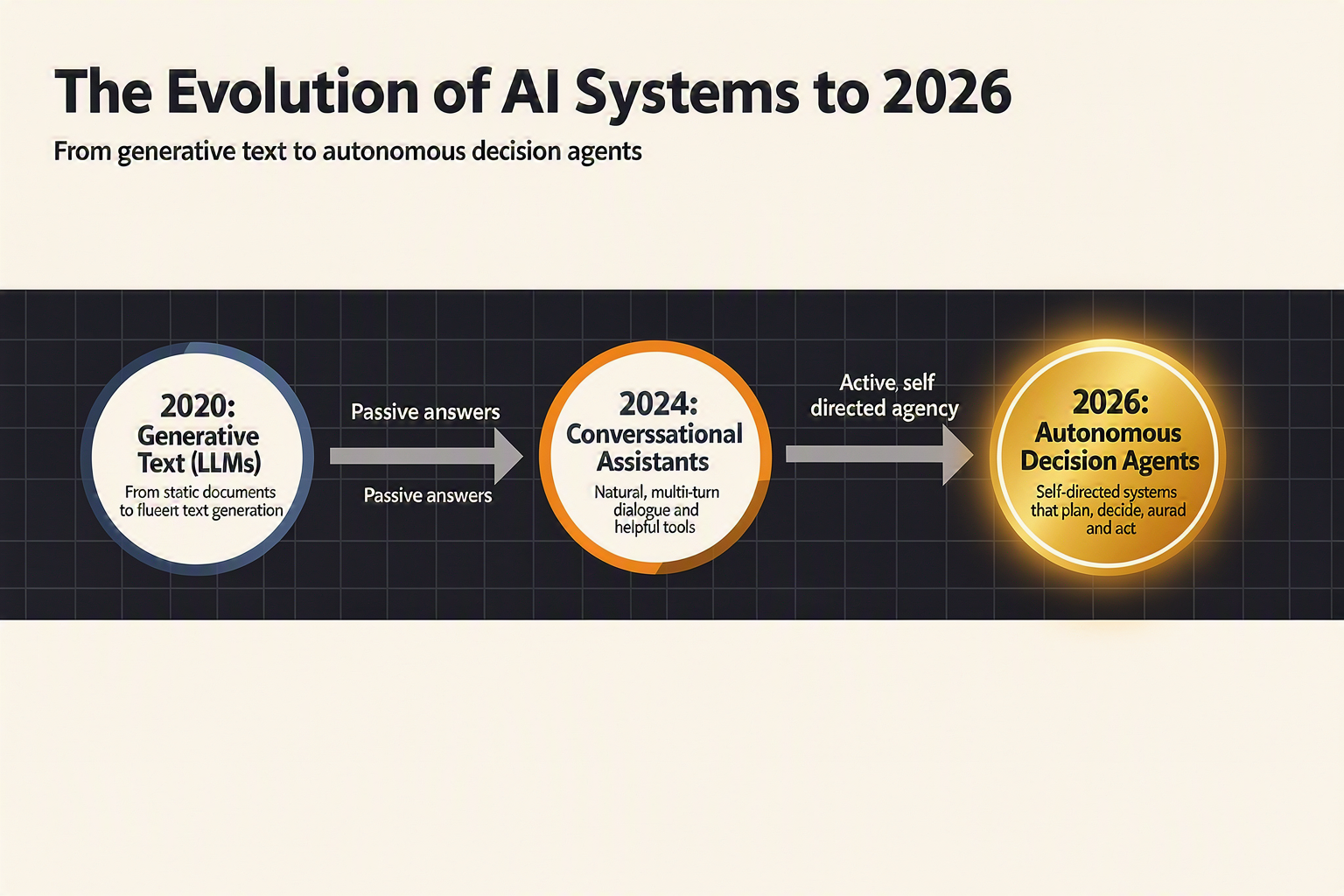
आर्टिफिशियल इंटेलिजेंस परिदृश्य में एक बड़ा भूचाल आया है। हम स्थिर, प्रॉम्प्ट-एंड-रिस्पॉन्स चैटबॉट्स के युग से आगे बढ़ चुके हैं और एजेंटिक सिस्टम्स के युग में प्रवेश कर चुके हैं—ऐसे ऑटोनोमस एआई एजेंट्स, जो कम से कम मानवीय निगरानी के साथ योजना बनाने, निष्पादित करने और जटिल वर्कफ्लो को ऑप्टिमाइज़ करने में सक्षम हैं। पारंपरिक सॉफ्टवेयर, जो कठोर नियमों पर निर्भर रहता है, या स्टैंडर्ड LLMs, जो केवल अगला शब्द अनुमानित करते हैं, के विपरीत, ऑटोनोमस एजेंट्स की पहचान उनकी क्रिया की क्षमता से होती है। वे उच्च-स्तरीय उद्देश्यों को छोटे-छोटे कार्यों में विभाजित करते हैं, बाहरी टूल्स का उपयोग करते हैं, अन्य एजेंट्स के साथ सहयोग करते हैं, और विशिष्ट व्यापार लक्ष्यों को हासिल करने के लिए वास्तविक समय में निर्णय लेते हैं।
यह परिवर्तनकारी बदलाव तेज़ी से बाजार में तेजी ला रहा है। मार्केट्सएंडमार्केट्स के उद्योग आंकड़ों के अनुसार, वैश्विक एआई एजेंट्स बाजार 2025 में USD 7.84 बिलियन से बढ़कर 2030 में USD 52.62 बिलियन हो जाएगा, जिसमें विस्फोटक 46.3% की संयुक्त वार्षिक वृद्धि दर (CAGR) दर्ज होगी। यह तीव्र व्यावसायीकरण इस बात को नया आकार दे रहा है कि उद्यम नेता डिजिटल परिवर्तन कैसे अपनाते हैं।
क्यों एजेंटिक एआई नई रणनीतिक अनिवार्यता है
ऑटोनोमस सिस्टम्स के उदय का कारण है कि अब कार्य के ढांचे में एक मौलिक बदलाव आ गया है। बोस्टन कंसल्टिंग ग्रुप (BCG) द्वारा विस्तृत, एआई एजेंट्स उत्पादकता को इस तरह फिर से परिभाषित कर रहे हैं कि वे केवल बुनियादी ऑटोमेशन से आगे बढ़कर संपूर्ण बहु-चरणीय प्रक्रियाओं का प्रबंधन करने लगे हैं। उद्यम अपनाने में वृद्धि के कई प्रमुख कारण हैं:
- मानवीय विशेषज्ञता को बढ़ाना: मानव कर्मचारियों को बदलने के बजाय, ऑटोनोमस एजेंट्स बल गुणक की भूमिका निभाते हैं। हार्वर्ड बिजनेस स्कूल (HBS) के शोध के अनुसार, ज्ञान-कर्मी एजेंटिक एआई के सबसे बड़े उपयोगकर्ता बनकर उभरे हैं, जो इन प्रणालियों का लाभ उठाकर संज्ञानात्मक वर्कफ्लो को ऑफलोड कर रणनीतिक निर्णय लेने पर ध्यान केंद्रित करते हैं।
- सहायक से कर्ता की ओर: पारंपरिक जनरेटिव एआई एक निष्क्रिय सलाहकार के रूप में कार्य करता है। जबकि ऑटोनोमस एजेंट्स स्वतंत्र रूप से क्रियाएं निष्पादित कर सकते हैं—जैसे डाटाबेस अपडेट करना, बाहरी API कॉल करना, जटिल सॉफ्टवेयर इंटरफेस में नेविगेट करना, और ग्राहक संवाद प्रबंधित करना।
- लगातार आत्म-संशोधन: ये प्रणालियाँ अपने निर्णयों के परिणामों का विश्लेषण करती हैं, जिससे यह अपनी प्रॉम्प्ट्स को बेहतर बनाती हैं और समय के साथ बिना मैन्युअल कोड अपडेट के ऑपरेशनल दक्षता सुधारती हैं।इन क्षमताओं को सफलतापूर्वक क्रियान्वित करने के लिए, संगठनों को एक मजबूत, आधारभूत इंफ्रास्ट्रक्चर की आवश्यकता होती है जो रीयल-टाइम निष्पादन की जटिलताओं को संभाल सके। यहीं पर विशेष प्लेटफ़ॉर्म अहम भूमिका निभा रहे हैं। उदाहरण के लिए, CallMissed इस बदलाव को तेज कर रहा है, जो प्रोडक्शन-तैयार वॉयस एजेंट इंफ्रास्ट्रक्चर, 300 से अधिक मॉडलों को सपोर्ट करने वाला एलएलएम गेटवे, और 22 भारतीय भाषाओं को सपोर्ट करने वाले बहुभाषी स्पीच-टू-टेक्स्ट एपीआई प्रदान कर रहा है। इससे डेवलपर्स ऐसे एजेंट बना सकते हैं जो आवाज़ व टेक्स्ट दोनों के ज़रिए नेटिव रूप से बातचीत कर सकें व वर्कफ़्लोज़ को पूरा कर सकें।
स्वायत्तता की चुनौतियों का सामना
अस्वीकार्य लाभों के बावजूद, एजेंटिक वर्कफ़्लो में परिवर्तन अद्वितीय चुनौतियां प्रस्तुत करता है। नेता केवल इन प्रणालियों को लागू करके छोड़ नहीं सकते। AWS Insights द्वारा रेखांकित अनुसार, सफल अपनाने के लिए गवर्नेंस, एथिक्स, और सेफ्टी पर स्पष्ट ध्यान आवश्यक है। जब AI एजेंट निर्णय लेने की जिम्मेदारी संभालते हैं, स्पष्ट सीमाएँ, ऑडिट ट्रेल्स, और "ह्युमन-इन-द-लूप" प्रोटोकॉल स्थापित करना अनुपालन बनाए रखने और परिचालन जोखिम को कम करने के लिए अत्यंत आवश्यक है।
इसके अलावा, संगठनों के भीतर परिवर्तन प्रबंधन भी महत्वपूर्ण है। MIT Sloan Management Review की अंतर्दृष्टि के अनुसार, वे नेता जो इस बदलाव में सक्रिय रूप से अपनी टीम का मार्गदर्शन करते हैं—प्रतिफल का मापन करके और खुला संवाद प्रोत्साहित कर—गोद लेने की घबराहट को काफी कम कर सकते हैं, विश्वास बढ़ा सकते हैं, और इन स्वायत्त प्रणालियों के रणनीतिक एकीकरण को तेज़ कर सकते हैं।
स्वायत्त AI तकनीक में मुख्य विकास (तालिका)
निष्क्रिय जेनरेटिव AI मॉडलों से सक्रिय, निर्णय लेने वाले स्वायत्त एजेंटों में संक्रमण आज के एंटरप्राइज टेक्नोलॉजी में सबसे बड़ा बदलाव है। यह विकास विशाल आर्थिक प्रभाव पैदा कर रहा है; हालिया बाजार अनुसंधान के अनुसार, वैश्विक AI एजेंट बाजार के 2025 में $7.84 बिलियन से बढ़कर 2030 में $52.62 बिलियन होने का अनुमान है, जिसमें 46.3% की विस्फोटक वार्षिक संयुक्त वृद्धि दर (CAGR) दर्ज की जाएगी।
इस दिशा में सफलतापूर्वक आगे बढ़ने के लिए, एंटरप्राइज नेताओं को उन बुनियादी तकनीकी परिवर्तनों को समझना होगा जो स्वायत्त निर्णय-निर्माण को सक्षम बना रहे हैं। CallMissed जैसे इंफ्रास्ट्रक्चर इनोवेटर इस बदलाव को तेज कर रहे हैं, संगठनों को मल्टी-मॉडल एपीआई, बहुभाषी समर्थन, और रीयल-टाइम वॉयस इंफ्रास्ट्रक्चर उपलब्ध करा रहे हैं, जो स्वायत्त प्रणालियों को सहज रूप से तैनात करने के लिए आवश्यक हैं।
| मुख्य तकनीक | प्रमुख क्षमताएं | प्रमुख लाभार्थी | बाज़ार परिपक्वता | एंटरप्राइज जोखिम |
|---|---|---|---|---|
| एजेंटिक वर्कफ़्लोज़ | सक्रिय निर्णय-निर्माण, पुनरावृत्त आत्म-सुधार, टूल इंटीग्रेशन | नॉलेज वर्कर्स, ऑपरेशंस | तीव्र विकासशील | निष्पादन नियंत्रण का नुकसान |
| मल्टीमॉडल रियल-टाइम एपीआई | कम विलंबता वाली संवादात्मक आवाज़, बहुभाषी टीटीएस, स्पीच-टू-टेक्स्ट | ग्राहक सहायता, वैश्विक बिक्री | उच्च प्रोडक्शन-तैयारी | ब्रांड सुरक्षा एवं सामंजस्य |
| मल्टी-मॉडल ऑर्केस्ट्रेशन | 300+ LLMs के बीच डायनामिक रूटिंग, कार्य-विशिष्ट लागत अनुकूलन | डेवलपर्स, आईटी विभाग | तेज़ वृद्धि | विलंबता व लागत प्रबंधन |
| गवर्नेंस फ्रेमवर्क | निष्पादन गार्डरेल्स, अनुपालन जांच, रीयल-टाइम ऑडिट लॉगिंग | लीगल, रिस्क & कंप्लायंस | तात्कालिक एंटरप्राइज स्वीकृति | रेगुलेटरी गैर-अनुपालन |
| रिट्रीवल-आग्मेंटेड जेन (RAG) | रीयल-टाइम एंटरप्राइज डेटा सिंकिंग, सन्दर्भ-जागरूक सेमांटिक सर्च | R&D, ग्राहक सफलता | परिपक्व | डेटा लीक & कल्पना (हेलुसिनेशन) |
एजेंटिक आर्किटेक्चर के साथ निर्णय-निर्माण का विकेंद्रीकरण
Boston Consulting Group (BCG) द्वारा रेखांकित अनुसार, AI एजेंट उत्पादकता को पुनर्परिभाषित कर रहे हैं, सरल ऑटोमेशन से जटिल, बहु-चरणीय वर्कफ़्लोज़ के समन्वयन में स्थानांतरित हो रहे हैं। हार्वर्ड बिजनेस स्कूल के Jeremy Yang द्वारा किए गए हालिया शोध के अनुसार, नॉलेज वर्कर एजेंटिक AI के सबसे बड़े उपयोगकर्ता के रूप में उभरे हैं, ये प्रणालियां अत्यधिक संज्ञानात्मक, बहु-चरण कार्यों को हस्तांतरित करने के लिए इनका उपयोग कर रहे हैं। स्थैतिक क्वेरी-रिस्पांस इंजन की तरह काम करने के बजाय, स्वायत्त एजेंट योजना, टूल एकीकरण, निष्पादन, और आत्म-परावर्तन के चक्र का उपयोग करते हैं ताकि समग्र परियोजनाएं पूरी की जा सकें।
रणनीतिक बाधाएं: गवर्नेंस एवं इन्फ्रास्ट्रक्चर
हालांकि उत्पादकता लाभ अत्यधिक हैं, Deloitte का कहना है कि पूर्ण स्वायत्त जेनरेटिव AI एजेंट अभी भी त्वरित एंटरप्राइज सुधार के दौर से गुजर रहे हैं, जिनमें गार्डरेल्स पर विशेष ध्यान देने की आवश्यकता है। AWS insights पर बल दिया गया है कि एंटरप्राइज नेताओं को गवर्नेंस और एथिक्स को प्राथमिकता देनी चाहिए क्योंकि एजेंट महत्वपूर्ण निर्णय-निर्माण जिम्मेदारियां संभाल रहे हैं। पारदर्शी ऑडिट ट्रेल्स और निष्पादन गार्डरेल्स के बिना, एंटरप्राइज परिचालन विचलन (drift) का जोखिम उठाते हैं।
इन तकनीकों को सुरक्षित रूप से पैमाने पर लाने के लिए, व्यवसायों को ऐसा इंफ्रास्ट्रक्चर चाहिए जो कच्चे मॉडल और व्यापार-विशिष्ट लॉजिक के बीच की खाई को पाट सके। CallMissed जैसे प्लेटफ़ॉर्म इस आवश्यकता का प्रत्यक्ष समाधान करते हैं। 300 से अधिक LLM आर्किटेक्चर्स तक पहुँच, 22 भारतीय भाषाओं को सपोर्ट करने वाले रीयल-टाइम स्पीच-टू-टेक्स्ट, और अत्यधिक अनुकूलित वॉयस एजेंट एपीआई उपलब्ध कराकर, CallMissed संगठनों को प्रोडक्शन-ग्रेड आधार प्रदान करता है जिसकी उन्हें एजेंटिक workflows को सुरक्षा, विश्वसनीयता और वैश्विक स्तर पर प्रबंधित और स्केल करने की आवश्यकता है।
गहन विश्लेषण: 9 इनोवेशन लीडर जो अपनाने को आगे बढ़ा रहे हैं

वैश्विक AI एजेंट बाजार तीव्रता से ऊपर की ओर बढ़ रहा है, जिसे 2025 में USD 7.84 बिलियन से 2030 में USD 52.62 बिलियन तक पहुंचने का अनुमान है, MarketsandMarkets के अनुसंधान के अनुसार इसमें असाधारण 46.3% CAGR दर्ज की जाएगी। यह विस्फोटक वृद्धि उन गिने-चुने इनोवेशन लीडरों द्वारा सक्रिय रूप से संचालित की जा रही है, जो AI को निष्क्रिय, प्रॉम्प्ट आधारित असिस्टेंट से proactive, goal-oriented स्वायत्त प्रणालियों में बदल रहे हैं।
यह समझने के लिए कि किस प्रकार यह पैरेडाइम शिफ्ट आधुनिक एंटरप्राइज वर्कफ़्लोज़ को नया आकार दे रहा है, हमें उन प्रमुख पथ-प्रदर्शकों का विश्लेषण करना चाहिए जो इस बदलाव को तीन महत्वपूर्ण आयामों में आगे बढ़ा रहे हैं: संज्ञानात्मक आधार, इन्फ्रास्ट्रक्चर तैनाती, और वर्कफ़्लो एकीकरण।
1. संज्ञानात्मक आधार निर्माता (The Brains)
स्वायत्त एजेंसी के केंद्र में बड़े भाषा मॉडल (LLM) निर्माता हैं—जैसे OpenAI, Anthropic, और Google। स्थैतिक टेक्स्ट निर्माण से एजेंटिक रीजनिंग की ओर ध्यान केंद्रित करके, ये लीडर ऐसी प्रणालियां सक्षम बना रहे हैं जो योजना बना सकती हैं, आत्म-सुधार कर सकती हैं, और बाहरी टूल्स का उपयोग कर सकती हैं। केवल सवालों के जवाब देने के बजाय, ये संज्ञानात्मक इंजन जटिल लक्ष्यों को विभाजित कर सकते हैं, अनुक्रमिक कोड निष्पादित कर सकते हैं, और वेब ब्राउज़ कर सकते हैं ताकि बहु-चरणीय कार्य पूरे किए जा सकें।
2. विशेषीकृत संचार एवं इंफ्रास्ट्रक्चर ऑर्केस्ट्रेटर (The Voice & Action)
जहाँ बड़े फाउंडेशन मॉडल कच्ची संज्ञानात्मक शक्ति प्रदान करते हैं, वहीं एंटरप्राइजों को इन क्षमताओं को वास्तविक-world अनुप्रयोगों में बदलने के लिए अत्यधिक विशेषीकृत इन्फ्रास्ट्रक्चर की आवश्यकता होती है। यहीं पर ऑर्केस्ट्रेटर और संचार मंच इस खाई को पाटने के लिए सामने आते हैं:
- मल्टी-मॉडल गेटवे: इस क्षेत्र के लीडर डेवलपर्स को खंडित LLM इकोसिस्टम में सहजता से नेविगेट करने देते हैं। उदाहरण के लिए, CallMissed जैसे प्लेटफ़ॉर्म 300+ मॉडलों की एकीकृत API एक्सेस प्रदान करते हैं, जिससे एंटरप्राइजों को लेटेंसी, लागत, या सटीकता के अनुकूल मॉडल को तत्काल स्विच करने की लचीलापन मिलती है।
- बहुभाषी वॉयस और चैट इंफ्रास्ट्रक्चर: वैश्विक अपनाने के लिए, एजेंट को स्थानीय ग्राहक की भाषा बोलनी चाहिए। CallMissed जैसे नवाचारी मंच इस बदलाव को तेज़ कर रहे हैं, प्रोडक्शन-तैयार वॉयस एजेंट, WhatsApp चैटबॉट्स, एवं 22 क्षेत्रीय भारतीय भाषाओं के लिए नेटिव स्पीच-टू-टेक्स्ट एपीआई उपलब्ध करा रहे हैं। यह लोकलाइज़्ड इंफ्रास्ट्रक्चर कच्चे AI को सुलभ, संवेदनशील और 24/7 संचालन वाले ब्रांड प्रतिनिधि में बदल देता है।
3. एंटरप्राइज इंटीग्रेशन पायनियर्स (वर्कफ्लो)
स्वायत्त AI का वास्तविक व्यापारिक मूल्य इसकी यह क्षमता है कि यह मौजूदा सॉफ़्टवेयर इकोसिस्टम्स के भीतर कार्यों को निष्पादित कर सकता है। हार्वर्ड बिजनेस स्कूल के जेरेमी यांग के शोध से पता चलता है कि नॉलेज वर्कर्स एजेंटिक AI के सबसे भारी उपयोगकर्ता के रूप में उभरे हैं, जो इन सिस्टम्स का उपयोग दोहरावदार, उच्च संज्ञानात्मक भार वाले कार्यों को स्वचालित करने के लिए करते हैं।
- गवर्नेंस और एथिक्स: AWS जैसी टेक दिग्गज मजबूत वातावरण बना रही हैं जहाँ एंटरप्राइज लीडर्स स्वायत्तता और सुरक्षा के महत्वपूर्ण संगम का प्रबंधन कर सकते हैं। जैसे कि AWS इनसाइट्स बताता है, सफल अपनाने के लिए गवर्नेंस और एथिकल गार्डरेल्स पर ध्यान देना आवश्यक है क्योंकि एजेंट निर्णय लेने की क्षमताओं को ग्रहण करते हैं।
- वर्कफ़्लो ऑटोमेशन: स्वायत्त एजेंट्स को सीधे कस्टमर रिलेशनशिप मैनेजमेंट (CRM) और एंटरप्राइज रिसोर्स प्लानिंग (ERP) सिस्टम्स में इम्बेड करके, सॉफ़्टवेयर लीडर्स स्थिर डाटाबेस को सक्रिय, स्वंय अपडेटिंग इकोसिस्टम्स में बदल रहे हैं जो लॉजिस्टिक्स, शेड्यूलिंग, और लीड जनरेशन को बिना मानवी हस्तक्षेप के प्रबंधित करते हैं।
अंततः, स्वायत्त AI एजेंट्स को अपनाने वाले लीडर्स वे हैं जो जटिल मॉडल आर्किटेक्चर और व्यावहारिक, मानव-केंद्रित अनुप्रयोग के बीच की खाई को पाटते हैं। जैसे-जैसे संगठन इस परिवर्तन से गुजरते हैं, संकल्पना में विश्वास उत्पन्न करना और ROI को मापना संगठनात्मक चिंता को कम करने और तैनाती को गति देने के लिए महत्वपूर्ण होगा।
रणनीतिक बदलाव: ऑटोमेशन से एक्शन की ओर
एंटरप्राइज परिदृश्य एक मौलिक दृष्टिकोण परिवर्तन से गुजर रहा है। वर्षों तक “ऑटोमेशन” का मतलब रोबोटिक प्रोसेस ऑटोमेशन (RPA) था—कठोर, नियम-आधारित सिस्टम जो दोहरावदार, अत्यंत संरचित कार्यों को निष्पादित करने के लिए डिज़ाइन किए गए थे। आज, ध्यान पूरी तरह से क्रिया और स्वायत्त निर्णय लेने की ओर मुड़ गया है। जनरेटिव AI में उपलब्धियों से प्रेरित होकर, संगठन साधारण ऑटोमेशन से आगे बढ़ रहे हैं और ऐसे स्वायत्त एजेंट्स को तैनात कर रहे हैं जो स्वयं तर्क, योजना और जटिल वर्कफ़्लो को स्वतः निष्पादित करने में सक्षम हैं।
इस रणनीतिक परिवर्तन का प्रतिबिंब विस्फोटक बाज़ार विकास में देखा जा सकता है। MarketsandMarkets के आंकड़ों के अनुसार, वैश्विक AI एजेंट्स बाज़ार के 2025 में 7.84 अरब डॉलर से बढ़कर 2030 में 52.62 अरब डॉलर तक पहुंचने की उम्मीद है, जो 46.3% की असाधारण CAGR दर को दर्शाता है। यह तेज़ी से बढ़ोत्तरी एंटरप्राइज लीडर्स के बीच सामूहिक एहसास से प्रेरित है: AI का असली मूल्य उसकी कठोर स्क्रिप्ट को फॉलो करने की क्षमता में नहीं है, बल्कि इसकी उस योग्यता में है जिससे वह गतिशील, अप्रत्याशित परिवेश में लक्ष्य-उन्मुख क्रिया कर सकता है।
कड़े वर्कफ़्लोज़ से लक्ष्य-उन्मुख एक्शन तक
पारंपरिक ऑटोमेशन सॉफ़्टवेयर उस समय विफल हो जाता है जब वह किसी अप्रत्याशित परिवर्तनीय कारक का सामना करता है। इसके विपरीत, स्वायत्त एजेंट्स बड़े भाषा मॉडल्स (LLMs) का उपयोग केंद्रीय तर्क इंजन के रूप में करते हैं। जैसा कि Boston Consulting Group (BCG) इंगित करता है, ये प्रणालियाँ उत्पादकता को फिर से परिभाषित कर रही हैं—सिर्फ साधारण कार्यों के निष्पादन से हटकर जटिल, बहु-चरणीय व्यवसाय प्रक्रियाओं को प्रबंधित कर रही हैं।
हार्वर्ड बिजनेस स्कूल के शोधकर्ता जेरेमी यांग द्वारा करोड़ों यूज़र इंटरेक्शन्स के विश्लेषण से यह सामने आया कि नॉलेज वर्कर्स एजेंटिक AI के सबसे भारी उपयोगकर्ता के रूप में उभर रहे हैं। इन कार्यकर्ताओं की जगह लेने के बजाय, स्वायत्त एजेंट्स एक संज्ञानात्मक बल गुणक के रूप में कार्य करते हैं। वे मानव विशेषज्ञता को निम्न प्रकार से बढ़ाते हैं:
- असंरचित डाटा की विशाल मात्रा को संश्लेषित करके रणनीतिक क्रियाओं की अनुशंसा करना।
- अन्य डिजिटल टूल्स, डाटाबेस, और बाहरी APIs के साथ स्वायत्तता से समन्वय करना।
- अपने व्यवहार को गतिशील रूप से समायोजित करना और प्रारंभिक वर्कफ़्लो पथ अवरुद्ध होने पर स्वयं-सुधार करना।
गवर्नेंस और ह्यूमन-इन-द-लूप ढांचे में दिशा-निर्देश
जैसे-जैसे AI एजेंट्स निष्क्रिय सहायकों से सक्रिय निर्णयकर्ताओं में बदल रहे हैं, एंटरप्राइज लीडर्स को नए संचालन और नैतिक चुनौतियों का सामना करना पड़ता है। AWS के विशेषज्ञों के अनुसार, स्वायत्त प्रणालियों को सफलतापूर्वक अपनाने के लिए गवर्नेंस, नैतिकता और विश्वास पर जानबूझकर ध्यान देना आवश्यक है। जब किसी एजेंट को अनुबंध पर बातचीत करने, वित्तीय लेनदेन निष्पादित करने या ग्राहक विवाद सुलझाने की स्वतंत्रता मिलती है, तो मजबूत गार्डरेल्स ऐच्छिक नहीं रह जाते।
जोखिम कम करने के लिए, दूरदर्शी संगठन “ह्यूमन-इन-द-लूप” (HITL) और “ह्यूमन-ऑन-द-लूप” फ्रेमवर्क्स अपना रहे हैं। जो लीडर्स इस परिवर्तन के दौरान अपनी टीमों को सक्रिय रूप से मार्गदर्शित करते हैं—एजेंट प्रदर्शन को मापते हुए और विश्वास बढ़ाते हुए—वे संगठनात्मक चिंता को काफी हद तक कम करते हैं और अपनाने की समग्र दरों में तेज़ी लाते हैं।
वे एंटरप्राइज जो स्थिर ऑटोमेशन और सक्रिय एजेंटिक संचालन के बीच की खाई को पाटना चाहते हैं, उनके लिए बुनियादी ढांचा प्रमुख भेदक है। CallMissed जैसे प्लेटफ़ॉर्म इस परिवर्तन को सक्षम बनाते हैं, उत्पादन के लिए तैयार AI संचार अवसंरचना प्रदान करके। 300 से अधिक LLMs और 22 क्षेत्रीय भारतीय भाषाओं में उन्नत स्पीच-टू-टेक्स्ट क्षमताओं तक पहुँच प्रदान करके, CallMissed कंपनियों को ऐसे एजेंट बनाने और स्केल करने में सक्षम बनाता है जो सिर्फ सवालों का जवाब नहीं देते, बल्कि वास्तविक समय में सक्रिय रूप से संवाद करते हैं और जटिल ग्राहक वर्कफ़्लो को हल करते हैं।
आधुनिक एंटरप्राइजेज के लिए प्रभाव और निहितार्थ
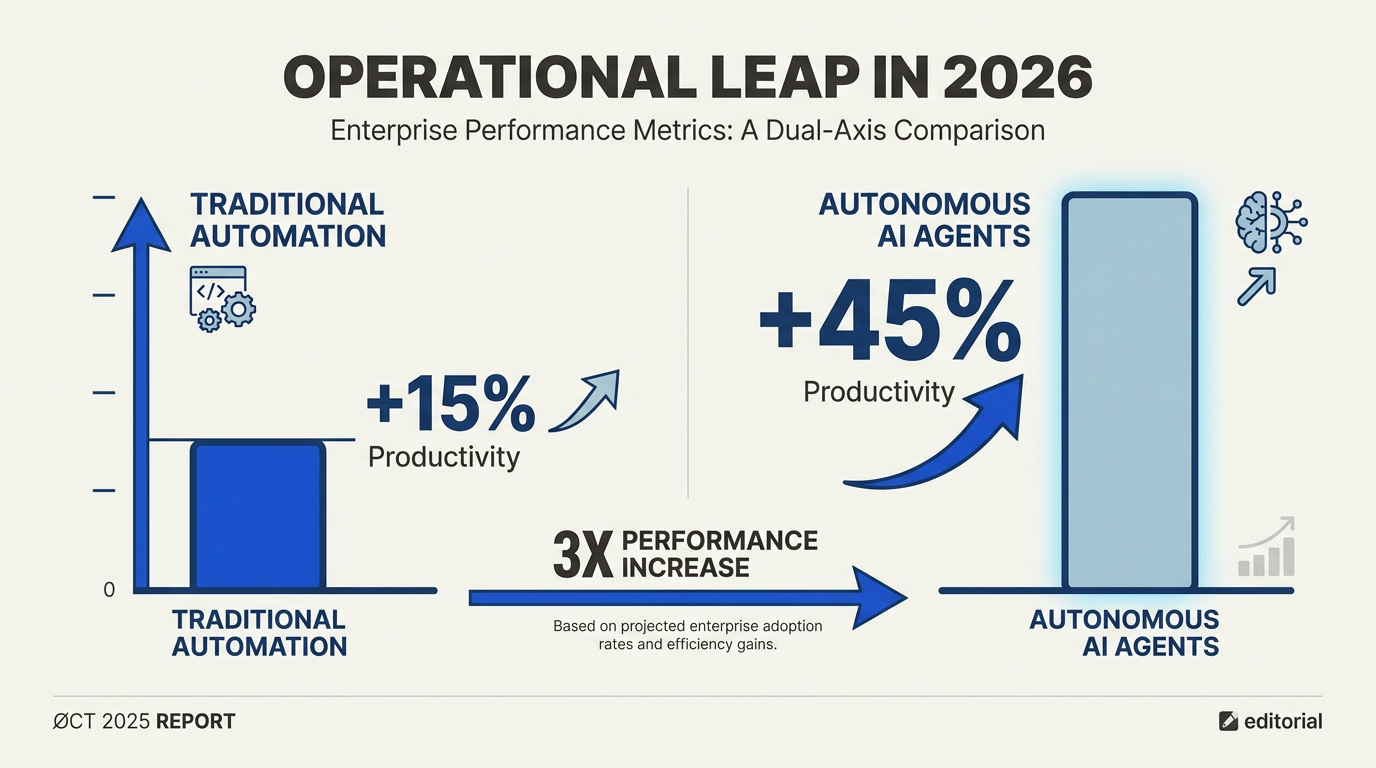
निष्क्रिय ऑटोमेशन से स्वायत्त निर्णय लेने में दृष्टिकोण परिवर्तन अब कोई भविष्य की अवधारणा नहीं रही है—यह एक तात्कालिक कॉर्पोरेट वास्तविकता है। वैश्विक AI एजेंट्स मार्केट के 2025 में $7.84 अरब से बढ़कर 2030 तक $52.62 अरब तक पहुंचने का अनुमान है, जो 46.3% का प्रभावशाली वार्षिक चक्रवृद्धि विकास दर (CAGR) दिखाता है। आधुनिक एंटरप्राइजेज के लिए, यह तेज़ विस्तार इस बात का संकेत है कि व्यापार के संचालन, विस्तार और वैल्यू डिलीवरी के तरीके में एक मौलिक पुनर्संरचना हो रही है।
नॉलेज वर्कर्स की क्षमताओं को सशक्त बनाना
प्रारंभिक अनुमानों के विपरीत कि AI मुख्य रूप से कम-कौशल वाले मैन्युअल कार्यों को स्वचालित करेगा, हालिया बाज़ार विश्लेषण इसका विपरीत रुझान दर्शाते हैं। हार्वर्ड बिजनेस स्कूल के शोध के अनुसार नॉलेज वर्कर्स एजेंटिक AI के सबसे भारी उपयोगकर्ता के रूप में उभर रहे हैं।
- जटिल वर्कफ़्लो: जैसे कि Boston Consulting Group (BCG) ने बताया, AI एजेंट्स अब अलग-थलग, दोहरावदार कार्यों से आगे बढ़कर जटिल, एंड-टू-एंड वर्कफ़्लो का संचालन कर रहे हैं।
- विशेषज्ञता को सशक्त बनाना: मानव प्रतिभा को प्रतिस्थापित करने के बजाय, स्वायत्त प्रणालियाँ रणनीतिक बल गुणक के रूप में कार्य करती हैं। Deloitte का कहना है कि जनरेटिव AI एजेंट्स संज्ञानात्मक-गहन अनुसंधान, संश्लेषण और प्रशासनिक वर्कफ़्लोज़ का कार्यभार संभालकर उत्पादकता को महत्वपूर्ण रूप से बढ़ाते हैं, जिससे मानव पेशेवर रचनात्मक और उच्च-स्तरीय रणनीतिक निर्णयों पर ध्यान केंद्रित कर सकते हैं।
नेतृत्व का दायित्व: गवर्नेंस और विश्वास
जैसे-जैसे स्वायत्त एजेंट्स अधिक निर्णय लेने का अधिकार प्राप्त करते हैं, एंटरप्राइज लीडर्स को गवर्नेंस, नैतिकता और वर्कफोर्स अलाइनमेंट के संबंध में महत्वपूर्ण चुनौतियों का सामना करना पड़ता है।
- सोच-समझकर गवर्नेंस: AWS Insights यह स्पष्ट करता है कि स्वायत्त प्रणालियों को सफलतापूर्वक अपनाने के लिए मजबूत नैतिक ढांचे की आवश्यकता होती है। जब एजेंट्स अनुबंधों पर बातचीत करते हैं, सप्लाई चेन का प्रबंधन करते हैं, या सीधे ग्राहकों के साथ संवाद करते हैं, तो संगठनों को अनुपालन, पारदर्शिता और डाटा गोपनीयता सुनिश्चित करने के लिए सख्त गार्डरेल्स लगाने होंगे।
- आंतरिक विश्वास का संवर्धन: MIT Press के Harvard Data Science Review के शोधकर्ताओं के अनुसार, लीडर्स को अपनी संस्थाओं को इस परिवर्तन के दौरान सक्रिय रूप से मार्गदर्शित करना चाहिए। सांस्कृतिक बदलाव का सक्रिय प्रबंधन, कार्यस्थल की चिंताओं को संबोधित करना, और एजेंटिक टूल्स के ठोस मूल्य को मापना—ये सभी कंपनियों में तेजी से नए उपकरणों को अपनाने हेतु आवश्यक कदम हैं।
स्केल पर तैनाती के लिए संचार अवसंरचना
स्वायत्त एजेंट्स को अलग-थलग पायलट प्रोजेक्ट्स से निकालकर पूरे एंटरप्राइज एसेट्स में बदलने के लिए, संगठनों को वह मजबूत बुनियादी ढांचा चाहिए जो फाउंडेशनल लार्ज लैंग्वेज मॉडल्स (LLMs) और वास्तविक दुनिया के कम्युनिकेशन चैनल्स के बीच की खाई को पाट सके। इन ऑर्केस्ट्रेशन लेयर्स को शुरू से बनाना बेहद सञसाधन-गहन है।यह वह जगह है जहाँ विशेषीकृत प्लेटफ़ॉर्म डिप्लॉयमेंट को सहज बनाने के लिए कदम उठा रहे हैं। उदाहरण के लिए, CallMissed जरूरी एआई संचार इन्फ्रास्ट्रक्चर उपलब्ध कराता है—जिसमें प्रोडक्शन-रेडी वॉयस एजेंट्स, व्हाट्सएप चैटबॉट्स, और 300 से अधिक LLMs को सपोर्ट करने वाला मल्टी-मॉडल गेटवे शामिल है। उन्नत स्पीच-टू-टेक्स्ट और टेक्स्ट-टू-स्पीच APIs (जो 22 भारतीय भाषाओं को मूल रूप से सपोर्ट करते हैं) के जरिए, CallMissed वैश्विक व्यवसायों को बेहद लोकलाइज़्ड, स्वायत्त संवाद एजेंट्स तैनात करने में सक्षम बनाता है, जो जटिल ग्राहक प्रश्नों का 24/7 समाधान करते हैं।
अंततः, स्वायत्त एजेंट्स का उदय आधुनिक प्रतिस्पर्धी लाभ को फिर से परिभाषित कर रहा है। जो उद्यम सक्रिय रूप से इन बुद्धिमान प्रणालियों को अपनी मुख्य संचालन में एकीकृत करते हैं वे अभूतपूर्व संचालनात्मक चपलता हासिल करेंगे, जबकि जो देरी करेंगे वे स्थायी रूप से पीछे छूटने का जोखिम उठाएंगे।
एजेंटिक ट्रांजिशन पर विशेषज्ञ की राय
निष्क्रिय, जेनरेटिव एआई मॉडल्स से सक्रिय, स्वायत्त निर्णय-लेने वाली प्रणालियों की ओर बदलाव एक विशाल आर्थिक और संचालनात्मक निर्णायक बिंदु दर्शाता है। MarketsandMarkets की एक बाजार रिपोर्ट के अनुसार, वैश्विक एआई एजेंट्स बाजार के 2025 में USD 7.84 बिलियन से 2030 में USD 52.62 बिलियन तक पहुंचने की संभावना है, जो शानदार वार्षिक संयुक्त वृद्धि दर (CAGR) 46.3% [8] दर्शाता है। यह नाटकीय वृद्धि यह स्पष्ट करती है कि कैसे उद्यम स्वचालन, संचार, और कार्यप्रवाह डिज़ाइन के प्रति मौलिक रूप से अपना दृष्टिकोण बदल रहे हैं।
उद्योग के अग्रणी और अनुसंधान संस्थान इस "एजेंटिक ट्रांजिशन" पर ज्यादा ध्यान दे रहे हैं, यह बताते हुए कि संगठन इन स्वायत्त प्रणालियों के एकीकरण को सफलतापूर्वक कैसे नेविगेट कर सकते हैं।
1. ऑटोमेशन से को-एक्शन तक: नॉलेज वर्क का पुनःपरिभाषा
विशेषज्ञ सहमत हैं कि स्वायत्त एआई एजेंट्स सामान्य, नियम-आधारित ऑटोमेशन से कहीं आगे बढ़ रहे हैं। Deloitte द्वारा रेखांकित किया गया है कि जेनरेटिव एआई एजेंट्स जटिल, बहु-चरणीय कार्यप्रवाहों को स्वतंत्र रूप से क्रियान्वित करके नॉलेज वर्कर्स की उत्पादकता को काफी बढ़ा सकते हैं [4]। यह मनुष्यों की जगह लेने के बजाय, ये एजेंट्स बल गुणक के रूप में कार्य करते हैं।
- एजेंसी की शक्ति: हार्वर्ड बिजनेस स्कूल द्वारा प्रकाशित एक शोध के अनुसार, नॉलेज वर्कर्स एजेंटिक एआई के सबसे अधिक उपयोगकर्ता के रूप में उभरे हैं [6]। यह दर्शाता है कि एजेंट्स सबसे अधिक लाभकारी तब होते हैं जब इन्हें मानवीय विशेषज्ञता के साथ जोड़ा जाता है, दोहराए जाने वाले सूचना पुनःप्राप्ति, ड्राफ्टिंग, और शेड्यूलिंग को संभालते हुए।
- मानवीय विशेषज्ञता का विस्तार: उद्योग विश्लेषण यह जोर देता है कि स्वायत्त एआई, प्रभावी तौर पर मानवीय क्षमताओं का विस्तार करते हुए, टीमों को रणनीतिक, उच्च-मूल्य वाले कार्यों पर ध्यान केंद्रित करने की अनुमति देता है [3]।
इस अंतर को पाटने के लिए, CallMissed जैसे इन्फ्रास्ट्रक्चर प्रदाता महत्वपूर्ण भूमिका निभा रहे हैं। 300+ LLM मॉडल्स और 22 क्षेत्रीय भारतीय भाषाओं में मजबूत स्पीच-टू-टेक्स्ट क्षमताओं के साथ एकीकृत APIs उपलब्ध कराते हुए, CallMissed कंपनियों को सक्षम बनाता है कि वे जटिल स्थानीय परिवेश में स्वाभाविक रूप से कार्य करने वाले एजेंट्स का निर्माण और अनुकूलन कर सकें, जिससे उत्पादकता की यह शिफ्ट तेज होती है।
2. नेतृत्व और संचालन: ट्रांजिशन को मैनेज करना
स्वायत्त एजेंट्स का डिप्लॉयमेंट जितना तकनीकी, उतना ही सांस्कृतिक और संचालनात्मक चुनौती भी है। उद्योग के दूरदर्शी यह जोर देते हैं कि वे संगठन सफल होंगे जो ट्रांजिशन के मानवीय पक्ष का सक्रिय रूप से प्रबंधन करेंगे।
- नीति और संचालन: अमेज़न वेब सर्विसेज (AWS) इंगित करता है कि सफल अंगीकरण के लिए संचालन और नैतिक सुरक्षा पर जानबूझकर ध्यान देना अनिवार्य है [1]। चूंकि एजेंट्स उच्च स्तर की स्वायत्तता के साथ संचालित होते हैं, इसलिए स्पष्ट सीमाएँ निर्धारित करना जरूरी है।
- कर्मचारी असंतोष को न्यूनतम करना: MIT प्रेस के शोध से पता चलता है कि नेताओं को अपनी टीमों को इस परिवर्तन से सक्रिय रूप से मार्गदर्शित करना चाहिए ताकि समर्थन मिले, चिंता कम हो, और सॉफ्टवेयर अंगीकरण तेज हो [2]। लाभों का मात्रात्मक विश्लेषण, और यह दिखाना कि एजेंट्स प्रतिस्पर्धी नहीं बल्कि सहायक साथी हैं, कार्यस्थल प्रतिरोध को कम करने के लिए महत्वपूर्ण है।
उन व्यवसायों के लिए जो इन तकनीकों को स्केल करना चाहते हैं, प्रोडक्शन-रेडी इन्फ्रास्ट्रक्चर का कार्यान्वयन अनिवार्य है। CallMissed जैसे प्लेटफार्म सुरक्षित, एंटरप्राइज़-ग्रेड एआई वॉयस एजेंट और व्हाट्सएप चैटबॉट ढांचे उपलब्ध कराकर इस ट्रांजिशन को जोखिम रहित बनाते हैं। इससे सुनिश्चित होता है कि व्यवसाय संवादशील, निर्णय लेने वाले एजेंट्स को तैनात कर सकें, जो कठोर संचालनात्मक मानकों का पालन करें और जहाँ सबसे अधिक जरूरी हो, वहीं मानव-इन-द-लूप को सुरक्षित रखें।
आपके लिए इसका क्या अर्थ है: व्यावहारिक अगले कदम (सारणी)
निष्क्रिय ऑटोमेशन से सक्रिय, निर्णय लेने वाले स्वायत्त एआई एजेंट्स की ओर ट्रांजिशन पहले की तुलना में कहीं अधिक तेज़ी से हो रहा है। हालिया उद्योग रिपोर्टों के अनुसार, वैश्विक एआई एजेंट्स बाजार के 2025 में USD 7.84 बिलियन से 2030 में USD 52.62 बिलियन तक, 46.3% की विस्फोटक वार्षिक संयुक्त वृद्धि दर (CAGR) के साथ बढ़ने की संभावना है।
एंटरप्राइज़ नेतृत्वकर्तओं के लिए, यह तेज़ विस्तार का अर्थ है कि स्वायत्त प्रणालियों को अपनाना अब कोई दीर्घकालिक प्रयोग नहीं, बल्कि तत्काल रणनीतिक आवश्यकता है। इस ट्रांजिशन का मार्गदर्शन करने के लिए, हमने एक व्यावहारिक रोडमैप रूपरेखा तैयार की है, जो आपके संगठन को प्रारंभिक मूल्यांकन से लेकर पूर्ण पैमाने पर, संचालित एजेंटिक डिप्लॉयमेंट तक ले जाएगी।
रणनीतिक कार्यान्वयन ढांचा
| चरण | उद्देश्य | प्रमुख फ़ोकस क्षेत्र | मुख्य डिलिवरेबल |
|---|---|---|---|
| 1. पहचानना और आकलन करना | उच्च-प्रभाव, कम-जोखिम वर्कफ़्लोज़ लक्षित करें | नॉलेज वर्कर्स और सूचना बाधाओं पर ध्यान दें | उच्च प्राथमिकता वाले यूज़-केस मैट्रिक्स |
| 2. इन्फ्रास्ट्रक्चर बनाएं | लचीले API एवं LLM आधार स्थापित करें | मल्टी-मॉडल गेटवे और स्थानीयकरण उपकरण एकीकृत करें | प्रोडक्शन-रेडी डेवलपर सैंडबॉक्स |
| 3. संचालन स्थापित करें | जोखिम को कम करें और नैतिक सीमाएँ निर्धारित करें | निर्णय सीमा और मानव-इन-द-लूप की सीमाओं को परिभाषित करें | एआई एजेंट संचालन चार्टर |
| 4. अपस्किल एवं ट्रांजिशन | कर्मचारी चिंता को कम करें और अंगीकरण बढ़ाएँ | टीमों को मानव-एजेंट सहयोग और प्रॉम्प्ट डिज़ाइन में प्रशिक्षित करें | सतत् शिक्षा और फीडबैक चक्र |
एंटरप्राइज़ नेतृत्वकर्तओं के लिए मुख्य कदम
इस रोडमैप का सफलतापूर्वक क्रियान्वयन करने के लिए, संगठनों को तीन प्रमुख क्षेत्रों पर ध्यान केंद्रित करना चाहिए:
- सही कार्यप्रवाह को पहले लक्षित करना:
हार्वर्ड बिजनेस स्कूल के Jeremy Yang जैसे शोधकर्ताओं द्वारा किए गए करोड़ों उपयोगकर्ता इंटरैक्शन के विश्लेषण से पता चलता है कि नॉलेज वर्कर्स वर्तमान में एजेंटिक एआई को सबसे ज्यादा अपनाने वाले हैं। पूरी तरह स्वायत्त विभाग बनाने की बजाय, पहले इन कार्यकर्ताओं का सहयोग करें। Deloitte ने रेखांकित किया है कि स्वायत्त जेनरेटिव एआई एजेंट्स नॉलेज वर्कर की उत्पादकता बढ़ाने के लिए उपयुक्त हैं क्योंकि वे जटिल, बहु-चरणीय अनुसंधान, डेटा संश्लेषण, और वर्कफ्लो प्रबंधन संभाल सकते हैं।
- मजबूत संचालन और नीति स्थापित करना:
AWS की अंतर्दृष्टि अनुरूप, स्वायत्त एजेंट्स का सफल अंगीकरण संचालन पर जानबूझकर ध्यान की मांग करता है। चूंकि ये एजेंट्स स्वतंत्र रूप से प्रदर्शन करते और निर्णय लेते हैं, आपको सख्त सीमाएँ परिभाषित करनी होंगी। उच्च-जोखिम वाले निर्णयों—जैसे वित्तीय प्रतिबद्धता, कानूनी अनुमोदन, या संवेदनशील ग्राहक समाधान—के लिए "मानव-इन-द-लूप" (HITL) प्रोटोकॉल स्थापित करें ताकि प्रणाली अनुपालन और नैतिक रूप से सुसंगत बनी रहे।
- स्केलेबल, लचीला इन्फ्रास्ट्रक्चर डिप्लॉय करना:
एजेंट अंगीकरण में एक बड़ी बाधा तकनीकी जटिलता है—विशेष रूप से API ऑर्केस्ट्रेशन, LLM लेटेंसी का प्रबंधन, और वैश्विक बाज़ारों के लिए एजेंट्स का स्थानीयकरण। CallMissed जैसे संचार इन्फ्रास्ट्रक्चर प्लेटफ़ॉर्म, प्रोडक्शन-रेडी वॉयस और चैट एजेंट डिप्लॉयमेंट की पेशकश करके इसका समाधान करते हैं। 300+ LLMs को सपोर्ट करने वाले API गेटवे और 22 क्षेत्रीय भारतीय भाषाओं में उन्नत स्पीच-टू-टेक्स्ट क्षमताओं के साथ, CallMissed कंपनियों को उनके मौजूदा ढांचे को फिर से बनाए बिना, अत्यधिक प्रतिक्रियाशील, स्थानीयकृत स्वायत्त एजेंट्स तैनात करने में सक्षम बनाता है।4. संस्कृति में बदलाव का प्रबंधन:
MIT प्रेस के शोध से पता चलता है कि वे नेता जो सक्रिय रूप से अपनी टीमों को एआई एजेंट्स की ओर संक्रमण में मार्गदर्शन करते हैं, संगठनात्मक समर्थन को बढ़ावा देते हैं और अपनाने की प्रक्रिया को तेजी से आगे बढ़ाते हैं। स्वायत्त एजेंट्स को डिजिटल सह-पायलट के रूप में प्रस्तुत करें, जिन्हें मानव विशेषज्ञता को बढ़ाने के लिए डिज़ाइन किया गया है, न कि उसे प्रतिस्थापित करने के लिए। प्रारंभिक सफलताओं का प्रत्यक्ष मूल्यांकन करना और कर्मचारियों की चिंता को खुले तौर पर संबोधित करना आपकी कार्यशक्ति को आपकी एजेंटिक रणनीति के सक्रिय समर्थकों में बदल देगा।
अक्सर पूछे जाने वाले प्रश्न
प्रश्न: स्वायत्त एआई एजेंट्स क्या हैं और वे पारंपरिक स्वचालन से कैसे अलग हैं?
उत्तर: पारंपरिक स्वचालन में पूर्व निर्धारित, स्थिर नियमों का पालन करके कठोर कार्यों का निष्पादन किया जाता है, जबकि स्वायत्त एआई एजेंट्स बड़े भाषा मॉडल (LLMs) का उपयोग करके गतिशील वातावरण में स्वतंत्र रूप से तर्क करने, योजना बनाने और कार्य करने में सक्षम होते हैं। LinkedIn और Boston Consulting Group (BCG) के शोध के अनुसार, ये एजेंट्स मानवीय विशेषज्ञता को आगे बढ़ाते हैं—कार्य प्रवाह का गतिशील विश्लेषण करते हैं, संदर्भ-आधारित निर्णय लेते हैं, और बिना सतत मानवीय हस्तक्षेप के बहु-चरणीय कार्यों का संपादन करते हैं। इस बदलाव से एंटरप्राइज सिस्टम सिर्फ पूर्व-निर्धारित स्क्रिप्ट निष्पादक से उन्नत, जटिल एंड-टू-एंड वर्कफ्लो प्रबंधक बन जाते हैं।
प्रश्न: स्वायत्त एआई एजेंट्स का वैश्विक बाज़ार कितनी तेज़ी से बढ़ने की संभावना है?
उत्तर: स्वायत्त एआई एजेंट्स के लिए वैश्विक बाजार तीव्र गति से विस्तार कर रहा है, MarketsandMarkets के उद्योग आंकड़ों के अनुसार यह 2025 में 7.84 बिलियन अमेरिकी डॉलर से बढ़कर 2030 में 52.62 बिलियन अमेरिकी डॉलर हो जाएगा। यह पाँच साल की अवधि के दौरान 46.3% की प्रभावशाली वार्षिक संयुक्त वृद्धि दर (CAGR) को दर्शाता है। यह तेज़ी से बढ़ती मांग एंटरप्राइज स्तर पर इंटेलिजेंट वर्कफ्लो ऑटोमेशन और जनरेटिव एआई टूल्स की आवश्यकता के कारण है, जो कुल ज्ञान कार्यकर्ता उत्पादकता को बढ़ाते हैं।
प्रश्न: इन एजेंट्स को अपनाने वाले मुख्य उपयोगकर्ता कौन हैं और प्रमुख उपयोग के मामले क्या हैं?
उत्तर: हार्वर्ड बिजनेस स्कूल के जेरेमी यांग द्वारा किए गए सैकड़ों मिलियन उपयोगकर्ता इंटरैक्शन के विश्लेषण से पता चलता है कि फिलहाल ज्ञान कार्यकर्ता एजेंटिक एआई को सबसे अधिक अपना रहे हैं। डेलॉइट के शोध के अनुसार, संगठन इन सिस्टम्स को कॉम्प्लेक्स डॉक्युमेंट प्रोसेसिंग, ग्राहक सेवा संचालन के त्वरण और रणनीतिक निर्णय-निर्माण को त्वरित करने के लिए लागू कर रहे हैं। इस व्यापक अपनाने में सहायता के लिए CallMissed जैसे एंटरप्राइज संचार प्लेटफॉर्म 22 भारतीय भाषाओं में प्री-बिल्ट वॉयस एजेंट्स और स्पीच-टू-टेक्स्ट एपीआई प्रदान करते हैं, जिससे ग्राहक सेवा टीमें पूरी तरह से ऑटोमेटेड, स्थानीयकृत वर्कफ्लो में स्थानांतरित हो सकती हैं।
प्रश्न: स्वायत्त एआई एजेंट्स को अपनाने में मुख्य चुनौतियां क्या हैं?
उत्तर: स्वायत्त एआई एजेंट्स को अपनाने की सफलता मुख्य रूप से प्रशासन, नैतिकता, और संगठनात्मक विश्वास की बाधाओं को पार करने पर निर्भर करती है। AWS Insights के अनुसार, जैसे-जैसे एजेंट्स अधिक निर्णय-निर्माण की शक्ति प्राप्त करते हैं, नेताओं को जोखिम प्रबंधन, पक्षपात की रोकथाम और सुरक्षा सुनिश्चित करने के लिए मजबूत निरीक्षण ढांचे स्थापित करने चाहिए। इसके अलावा, संस्कृति में बदलाव का प्रबंधन भी महत्वपूर्ण है; MIT स्लोन के अनुसंधान से पता चलता है कि जो नेता बदलाव के दौरान टीमों को सक्रिय रूप से मार्गदर्शित करते हैं, वे समर्थन प्राप्त करते हैं, चिंता को कम करते हैं और सुरक्षित तैनाती को तेजी से आगे बढ़ाते हैं।
प्रश्न: कंपनियां इन सिस्टम्स को अपनी मौजूदा तकनीक में सफलतापूर्वक कैसे एकीकृत कर सकती हैं?
उत्तर: सफल एकीकरण के लिए एक अलग-थलग, मॉड्यूलर एआई ढांचे की आवश्यकता होती है जो LLM क्षमताओं के विकसित होने के साथ ही वेंडर लॉक-इन को रोक सके। अग्रणी संगठन लचीले एपीआई गेटवे का उपयोग करते हैं—जैसे CallMissed का ढांचा, जो डेवलपर्स को 300+ LLMs तक पहुंच देता है—और बिना मूल कोड में बदलाव किए विभिन्न मॉडलों के बीच अनुरोधों को सहजता से मार्गित करता है, विलंबता को अनुकूलित करता है, और स्विच करता है। यह मॉड्यूलर तरीका कंपनियों को व्हाट्सएप चैटबोट्स से लेकर वॉइस-सक्रिय वर्चुअल असिस्टेंट्स तक विभिन्न विभागों में एजेंट क्षमताओं का परीक्षण करने देता है, वह भी बिना मुख्य संचालन में व्यवधान डाले।
प्रश्न: स्वायत्त एआई का दीर्घकालिक रणनीतिक व्यावसायिक प्रभाव क्या है?
उत्तर: Boston Consulting Group (BCG) बताता है कि स्वायत्त एआई वैश्विक एंटरप्राइज उत्पादकता को पुनर्परिभाषित कर रहा है—सिस्टम्स को साधारण संवादात्मक खोज साधनों से proactive, उद्देश्य-उन्मुख साझेदारों में बदल रहा है। दीर्घकाल में, वे संगठन जो इन एजेंट्स को नहीं अपनाएंगे, वे पिछड़ जाएंगे, क्योंकि प्रतिस्पर्धी अनूठी परिचालन गति, घटित खर्च और मापनीय ग्राहक संवाद प्राप्त करेंगे। अंततः, शुरुआती अपनाने वाले रणनीतिक बढ़त हासिल करेंगे, क्योंकि मानव संसाधन सामान्य संचालन से उच्च-मूल्य, रणनीतिक पर्यवेक्षण की ओर स्थानांतरित हो जाएगा।
निष्कर्ष
निष्क्रिय स्वचालन का युग तेज़ी से स्वायत्त निर्णय-निर्माण की ओर बढ़ रहा है। जैसे-जैसे संगठन इस पैरेडाइम बदलाव से गुजर रहे हैं, सफल अपनाने के लिए सक्रिय नेतृत्व, रणनीतिक प्रशासन और मजबूत तकनीकी ढांचे की आवश्यकता है।
आगे के मार्ग के लिए प्रमुख बिंदु:
- मानव विशेषज्ञता को बढ़ाना: एआई एजेंट्स मौलिक कार्य-स्वचालक से सहयोगी साझेदारों में बदल रहे हैं, जो ज्ञान कार्यकर्ताओं की उत्पादकता को पुनर्परिभाषित करते हैं।
- तेज़ी से बढ़ता बाज़ार: अनुमानित है कि एजेंटिक एआई बाज़ार 2025 में $7.84 बिलियन से बढ़कर 2030 में $52.62 बिलियन हो जाएगा, अतः जल्दी एकीकरण एक बेहद महत्वपूर्ण प्रतिस्पर्धी बढ़त है।
- सावधानीपूर्वक प्रशासन: इन सिस्टम्स का सुरक्षित रूप से विस्तार करने के लिए भरोसा, डेटा सुरक्षा और टीम संक्रमण का सक्रिय प्रबंधन आवश्यक है।
आगे बढ़ते हुए, वास्तविक समय में जटिल बाह्य कार्यों को संभाल सकने वाले अत्यधिक विशिष्ट, बहुभाषी स्वायत्त एजेंट्स के उभार पर गौर करें। यह देखने के लिए कि एआई संचार का यह क्षेत्र कैसे विकसित हो रहा है, CallMissed—एक एआई इन्फ्रास्ट्रक्चर प्लेटफॉर्म जो व्यवसायों के लिए वॉयस एजेंट्स और बहुभाषी चैटबॉट्स को शक्ति देता है—को देखें।
जैसे-जैसे मानव और एजेंटिक वर्कफ्लोज़ में अंतर कम होता जाएगा, आपका संगठन स्वायत्त एजेंट्स का उपयोग अपनी अगली विकास लहर चलाने के लिए कैसे करेगा?
Related Posts
कोडिंग पर GPT-OSS 120B का ओपन-सोर्स प्रदर्शन: विशिष्टताएँ, बेंचमार्क, मूल्य निर्धारण और API एक्सेस
तर्क कार्यों के लिए Grok 4.20 बनाम Gemini 3.1 Pro: क्या सत्यापित किया जा सकता है?

मैं LLM API गेटवे को वॉइस और WhatsApp एजेंट्स से कैसे कनेक्ट कर सकता हूँ? एक डेवलपर गाइड
Ready to automate customer conversations?
Launch AI voice agents and WhatsApp bots with CallMissed — one API, 22+ Indian languages.