Never Lose a Lead: How CallMissed is Revolutionizing Inbound Call Automation and Customer Support with Multilingual AI Voice Agents



Discover how CallMissed's multilingual AI voice agents and unified CRM automate inbound customer support and recover lost revenue for Indian B2C brands.
Never Lose a Lead: How CallMissed is Revolutionizing Inbound Call Automation and Customer Support with Multilingual AI Voice Agents
Did you know that B2C companies across retail, real estate, EdTech, and healthcare miss up to 62% of their inbound calls after hours, effectively flushing half of their marketing spend down the drain? In today's hyper-competitive market, a missed call isn't just an unanswered ring—it is a direct loss of revenue to a competitor who answers faster. Research shows that over 50% of these missed calls represent active leads ready to make an immediate purchase decision. Yet, traditional Interactive Voice Response (IVR) systems, with their frustrating "press 1 for sales" menus, only exacerbate the issue, driving away prospects who crave instant, frictionless communication.
As we navigate 2026, customer expectations have reached an all-time high. Consumers demand instant, hyper-personalized support, and they want it in their native languages. For Indian enterprises, meeting this demand is uniquely complex due to the country's vast linguistic landscape and the strict regulatory compliance required under the Digital Personal Data Protection (DPDP) Act. Relying on massive, expensive human call centers is no longer a viable or scalable solution for brands looking to maintain both operational agility and high customer satisfaction.
This is where next-generation communication infrastructure is shifting the paradigm. Forward-thinking companies are turning to platforms like CallMissed, an AI-native CRM that unifies voice, WhatsApp, email, and web chat into a single cohesive inbox. By leveraging low-latency, multilingual AI voice agents that natively understand 22 regional Indian languages, accents, and local dialects, CallMissed ensures that no interaction ever falls through the cracks.
In this post, we will explore the real financial toll of abandoned calls and how to seamlessly automate inbound and outbound lead qualification. We will also dive into why enterprise-grade security and DPDP compliance are critical for modern customer operations, and how deploying highly responsive virtual receptionists can help your business capture every lead while delivering an impressive median ROI of 3.2x within just six months.
Introduction: The High Cost of Silence: Why Missed Calls are Killing B2C Revenue
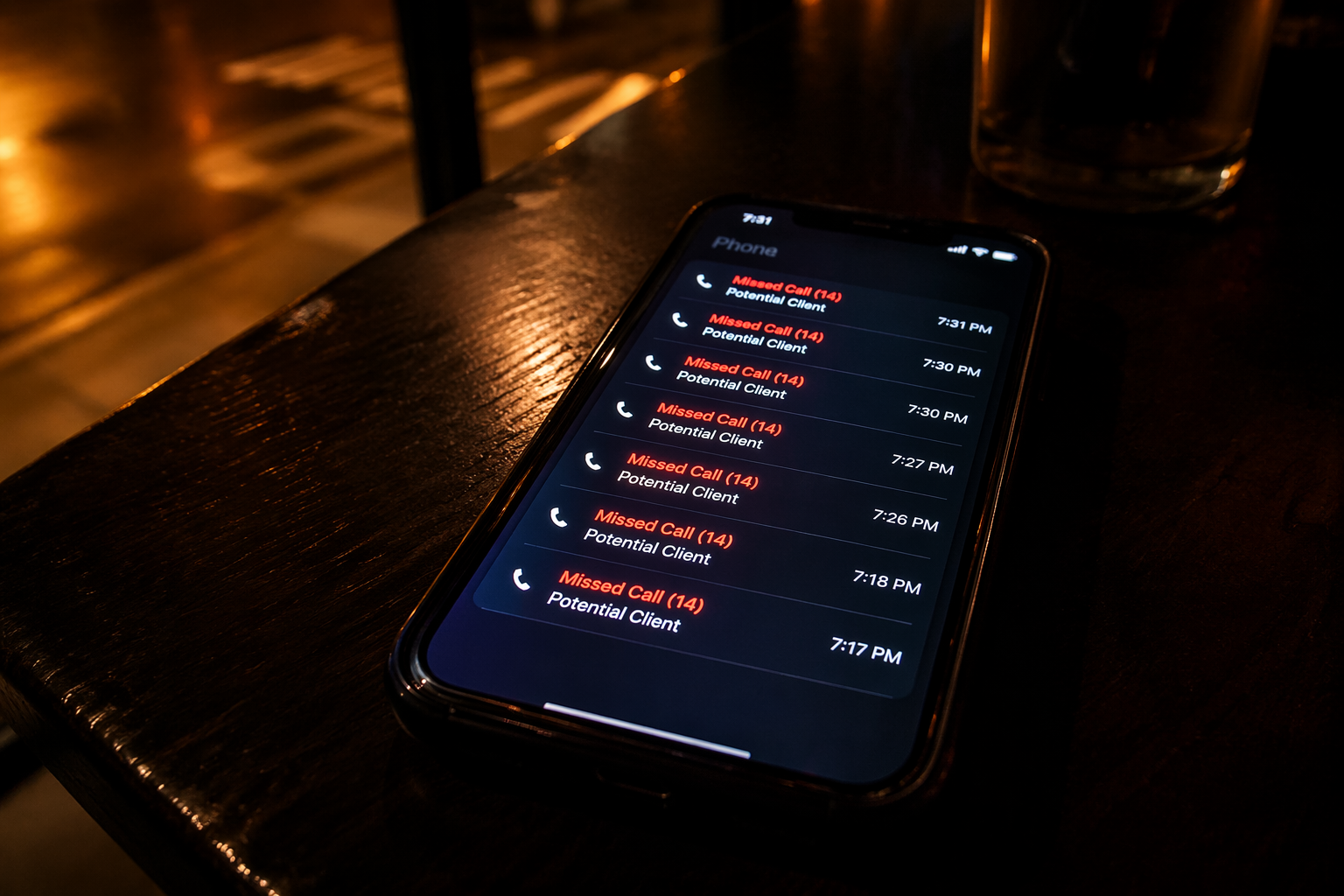
In the fast-paced B2C landscape of 2026, silence is the ultimate revenue killer. Whether you are scaling an EdTech platform, managing a high-volume real estate portfolio, running a nationwide retail brand, or coordinating patient care in healthcare, your inbound phone line is your most critical revenue pipeline. Yet, industry data reveals a staggering reality: B2C companies across these sectors miss up to 62% of their inbound calls after regular business hours.
When a phone rings unanswered, a sequence of financial damage is set in motion:
- Wasted Marketing Spend: Up to half of your hard-earned customer acquisition budget is flushed down the drain when interested prospects encounter a dial tone.
- Immediate Competitor Defection: Research shows that over 50% of missed calls represent active leads ready to make an immediate purchasing decision. If you do not answer, they will simply click the next search result.
- Erosion of Customer Trust: Modern consumers expect instant gratification. A missed call sends a clear message: your business is too busy to care.
The Failure of Legacy Systems: Why Traditional IVR No Longer Works
For decades, businesses attempted to solve this volume problem using legacy Interactive Voice Response (IVR) systems. However, these rigid, rules-based routing trees have become a major source of customer friction.
[Inbound Call] ──> [Rigid IVR Menu] ──> [Long Hold Times] ──> [Abandoned Call / Lost Lead]Modern buyers have zero patience for navigating "press 1 for sales, press 2 for support" loops, only to be placed on hold for fifteen minutes. Instead of capturing value, traditional IVR setups actively drive prospects away, frustrating customers who crave instant, frictionless, and human-like communication. At the same time, scaling up massive, human-driven call centers to handle 24/7 inquiry spikes has become financially unsustainable and operationally complex.
Enter CallMissed: The AI-Native Solution for Modern Enterprises
To survive in this hyper-competitive market, B2C brands require a fundamental shift in how they handle communication. This is where CallMissed is redefining the landscape. As an AI-native CRM, CallMissed unifies voice, WhatsApp, email, and web chat into a single, cohesive inbox, ensuring that no customer interaction ever falls through the cracks.
Rather than forcing callers to adapt to rigid menus, CallMissed deploys low-latency, multilingual AI voice agents that engage prospects in natural, human-like dialogue. Natively supporting 22 regional Indian languages along with local accents and dialects, these AI calling agents act as intelligent virtual receptionists. They can qualify inbound leads, schedule appointments, and trigger instant outbound follow-ups 24 hours a day, 365 days a year—all while maintaining strict enterprise-grade security and alignment with India's Digital Personal Data Protection (DPDP) Act.
In this guide, we will unpack how transitioning from silent phone lines to automated, multilingual AI conversations can capture lost revenue, slash operational overhead, and deliver a median ROI of 3.2x within just six months.
Background & Context: Beyond the Static IVR: The Rise of AI Customer Support and Voice Bots
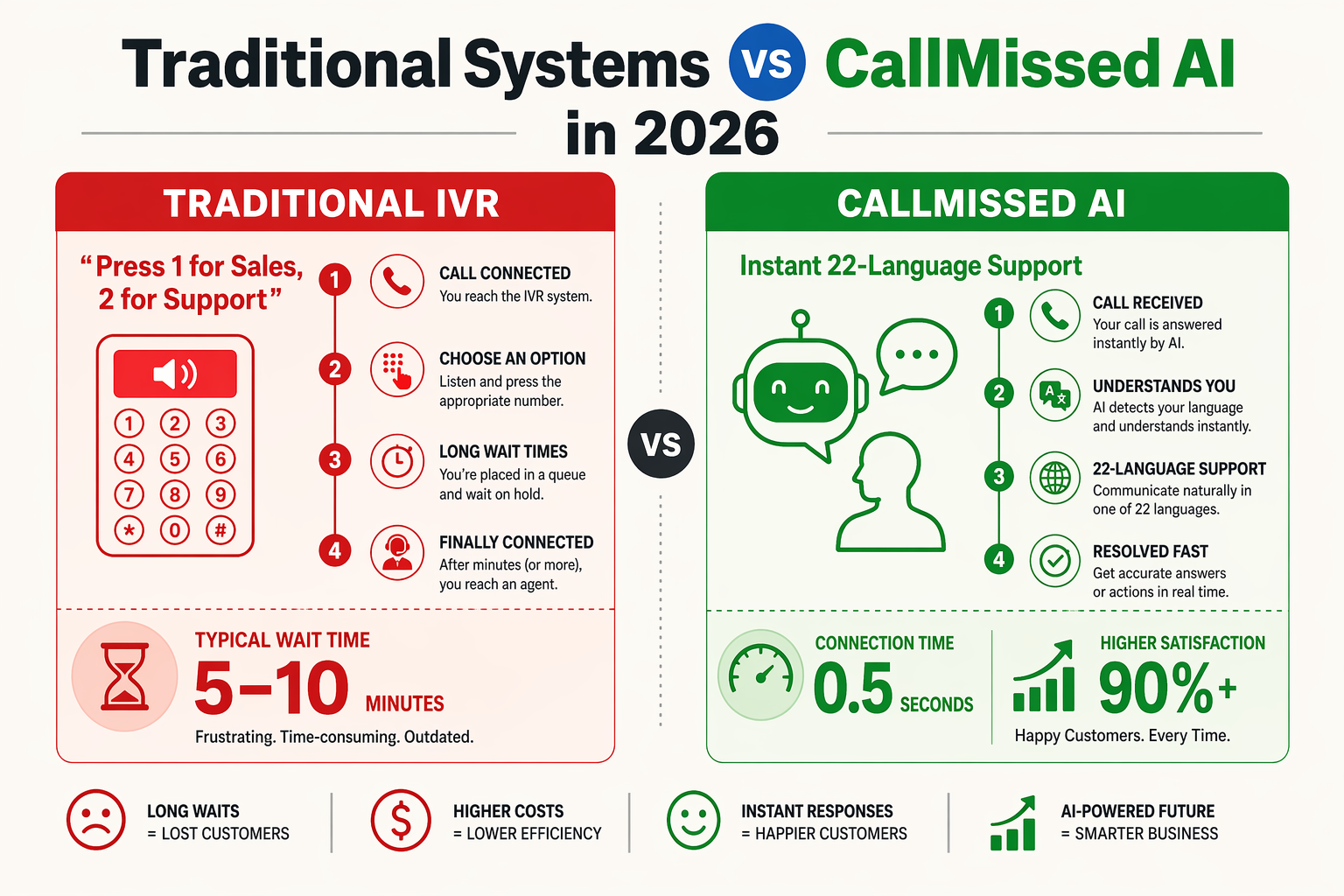
To understand why businesses are racing to adopt conversational AI, we must first examine the technology it is replacing. For decades, the Interactive Voice Response (IVR) system was the standard for automated customer service. Introduced to help companies manage high call volumes economically, traditional IVRs relied on rigid, pre-programmed DTMF (dual-tone multi-frequency) trees—the infamous "press 1 for sales, press 2 for support" loops.
While static IVR systems succeeded in routing calls, they failed miserably at delivering a positive customer experience. In an era where consumers demand immediate, personalized responses, these legacy systems have become major points of friction.
The Friction of Legacy IVR Systems
Traditional IVR setups present several critical limitations that actively damage customer relationships and lead to abandoned calls:
- Rigid Decision Trees: Customers are forced to navigate complex, linear menus. If their specific issue does not fit into a predefined category, they are left trapped in a loop or abruptly disconnected.
- High Latency and Wasted Time: Listening to lengthy menu options takes time. For a lead ready to make a purchase decision, a two-minute menu sequence is an invitation to hang up and call a competitor.
- Lack of Context: Legacy systems treat every caller like a stranger. Even if a customer calls three times in one day, a static IVR cannot retrieve past interactions, forcing the caller to repeat their information to multiple human agents.
- Zero Linguistic Nuance: Standard IVR platforms are typically limited to English and one or two major regional languages. They cannot comprehend accents, local dialects, or mixed-language speech (such as "Hinglish"), which immediately alienates a massive portion of the Indian consumer base.
The Shift to Conversational AI and Voice Bots
Driven by breakthroughs in Large Language Models (LLMs), Natural Language Processing (NLP), and low-latency Speech-to-Text (STT) technologies, the market is undergoing a fundamental shift toward Conversational AI.
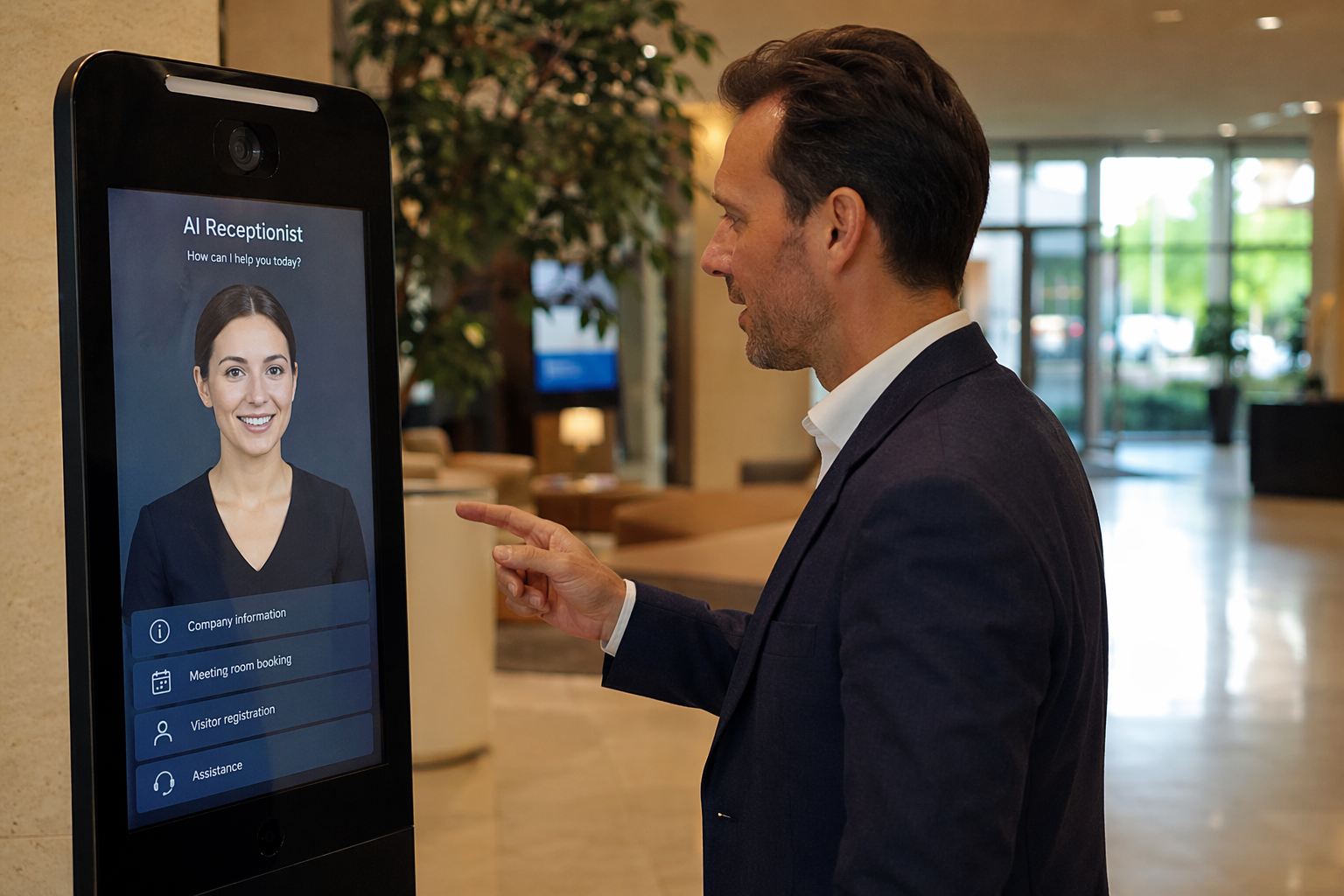
Unlike static menus, modern AI voice agents engage in natural, two-way dialogue. They do not require customers to press buttons; instead, they ask open-ended questions like, "How can I help you today?" and understand the user's intent in real time.
[Legacy IVR] ---------> Rigid DTMF Menus ------> High Abandonment Rates
[AI Voice Agent] ------> Natural Dialogue ------> Instant Lead Capture & Resolution
This evolution is particularly crucial in India, where communication is inherently multilingual. Modern voice bots do not just translate text; they comprehend context, sentiment, and local vernacular. Platforms like CallMissed are leading this evolution by offering enterprise-grade AI voice agents that natively support 22 regional Indian languages. This allows businesses to transition from frustrating, robotic dial tones to fluid, human-like virtual receptionists that can resolve queries or qualify leads on the very first ring, 24/7.
By replacing rigid scripts with dynamic, contextual intelligence, conversational AI transforms the call center from an operational bottleneck into a highly efficient engine for customer retention and revenue generation.
Key Developments: Key Developments in Voice Automation: 2026 Market Landscape
As B2C businesses wake up to the true cost of missed leads, the voice automation landscape has shifted dramatically. The era of static, rigid cloud-telephony systems is officially over. In 2026, the benchmark for customer engagement is defined by ultra-low-latency, highly contextual, and deeply localized conversational AI.
To understand why traditional setups fail—and how cutting-edge solutions are capturing lost revenue—it is essential to look at how technology has evolved. The table below outlines the stark differences between legacy systems and modern, production-ready AI voice agents.
| Feature / Metric | Legacy Systems (Pre-2025) | 2026 AI Voice Agents (e.g., CallMissed) | Operational Impact |
|---|---|---|---|
| Response Latency | 2.5 – 5.0 seconds (Laggy, unnatural pauses) | Sub-500ms (Real-time, lifelike flow) | Drastically reduces call abandonment rates |
| Language Support | English/Hindi only (Formal, rigid vocabulary) | 22+ Indian languages (Nuanced accents & dialects) | Unlocks access to Tier-2 & Tier-3 regional markets |
| Omnichannel Sync | Siloed voice systems (No CRM or chat connection) | Unified CRM (Immediate Voice-to-WhatsApp handoff) | Zero lead leakage; unified customer journey profiles |
| Regulatory Compliance | Fragmented data storage (Non-compliant with local laws) | Native DPDP Act alignment (Local hosting, strict consent) | Eliminates compliance risks and massive legal penalties |
| Cost to Scale | Linear scaling costs (More agents = higher overhead) | Near-zero marginal cost (Infinite parallel call capacity) | Up to 70% reduction in operational support overhead |
The Death of the 2-Second Latency Barrier
In conversational AI, latency is the ultimate dealbreaker. Historically, voice bots suffered from a "robotic pause"—a lag of 2 to 5 seconds while speech-to-text, LLM processing, and text-to-speech engines communicated sequentially. For a customer on the line, this delay felt unnatural, leading to high hang-up rates.
In 2026, architectures have transitioned to end-to-end streaming pipelines. Platforms like CallMissed utilize optimized LLM inference gateways to achieve sub-500ms response latency. This makes interactions feel entirely human, ensuring that inbound callers remain engaged and never feel like they are talking to a slow machine.
Breaking the Language Barrier Across Bharat
In India’s diverse market, a one-size-fits-all linguistic approach is a recipe for missed opportunities. Over 80% of consumers prefer interacting with brands in their native tongue. Legacy IVRs struggle with regional accents, colloquialisms, and code-switching (like "Hinglish").
Today’s state-of-the-art voice infrastructure natively understands and speaks 22 regional Indian languages. Whether a prospect is calling from Tamil Nadu, Maharashtra, or West Bengal, modern AI agents adapt dynamically to local accents and regional dialects, ensuring every caller feels heard and valued.
Navigating India’s Strict Regulatory Climate
With the strict enforcement of India’s Digital Personal Data Protection (DPDP) Act, businesses can no longer afford to route customer voice recordings or sensitive data to unsecured, offshore servers. Modern voice automation must be built with "compliance-first" architecture. Enterprises are deploying sovereign AI solutions that guarantee local data hosting, automated consent logging, and end-to-end encryption. By incorporating these guardrails directly into the communication pipeline, platforms like CallMissed ensure that scaling your lead-capture capabilities never comes at the cost of regulatory non-compliance.
In-Depth Analysis: Inside CallMissed: Multi-Channel CRM Meets 22 Indian Language AI Voice Agents
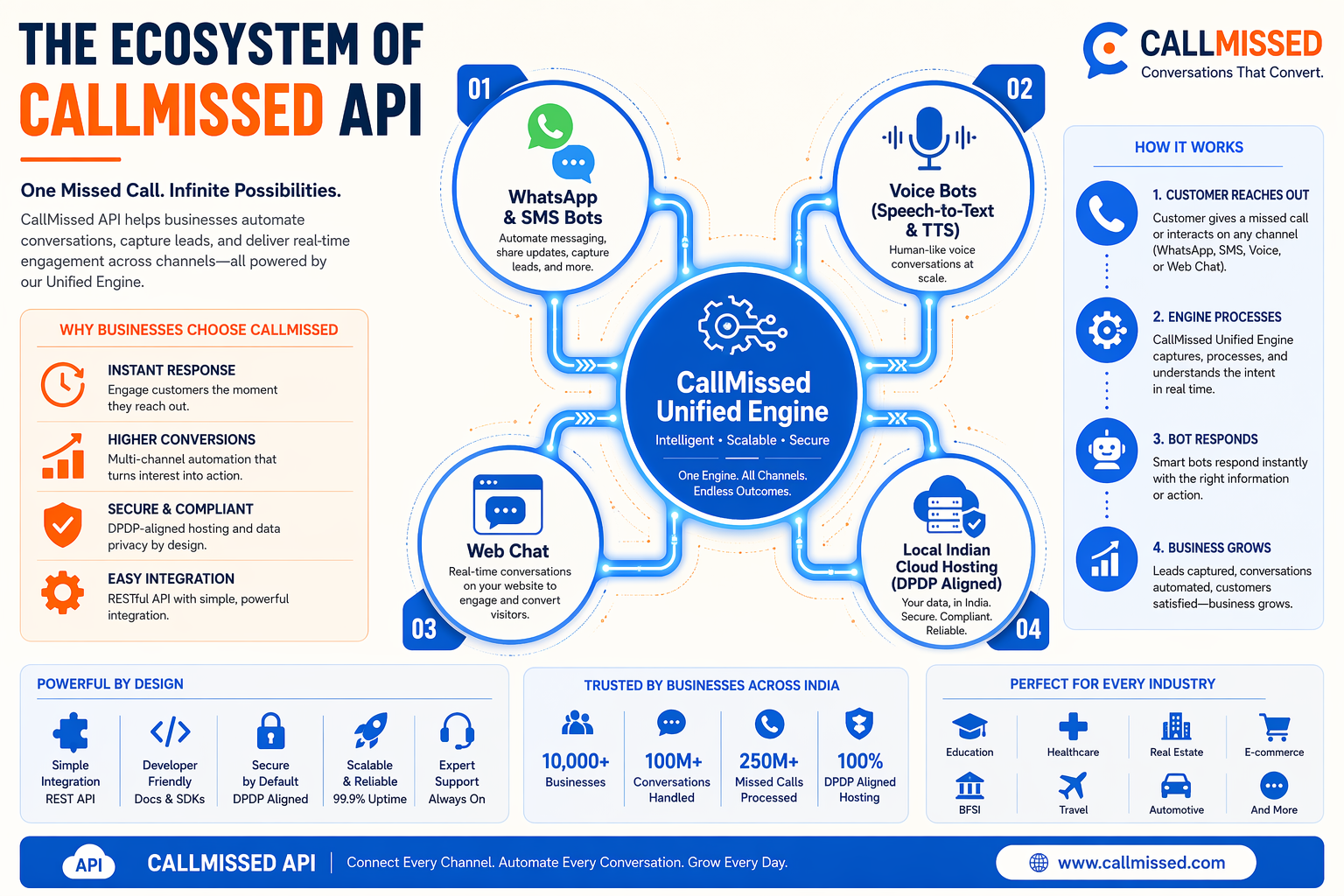
To truly understand how CallMissed prevents lead leakage, we must look under the hood at its architecture. Traditional customer support setup is notoriously fragmented: customer service agents jump between siloed tools for email, WhatsApp, and telephony, while clunky IVR systems struggle to understand basic customer intents. CallMissed redefines this infrastructure by merging a unified multi-channel CRM with state-of-the-art multilingual AI voice agents.
The result is a highly cohesive communication stack designed to handle complex, high-volume consumer interactions without losing context.
Unifying the Conversational Stack: The Multi-Channel Inbox
In the modern B2C ecosystem, a customer journey is rarely linear. A prospect might discover your brand through an Instagram ad, send a query via WhatsApp, and then call your inbound line to finalize their purchase. In a legacy setup, these interactions are treated as three separate tickets, leading to repetitive conversations and frustrated customers.
CallMissed solves this by unifying voice, WhatsApp, email, and web chat into a single, cohesive inbox.
- Continuous Context: When an AI voice agent answers an inbound call, it immediately accesses the customer's complete history across WhatsApp and email.
- Omnichannel Handoff: If a voice conversation requires sending a document, the AI agent can instantly dispatch a PDF brochure or payment link via WhatsApp mid-call.
- Unified Agent Workspace: If a query escalates to a human agent, they inherit a detailed summary of the AI-driven conversation, preventing the customer from having to repeat themselves.
Overcoming the Linguistic Divide: 22 Indian Languages Natively Supported
For enterprises operating in India, standard English-only AI tools are fundamentally inadequate. India’s digital consumer base is highly localized, often communicating in regional languages, local dialects, or a fluid mix of English and regional tongues (such as Hinglish, Tamilish, or Benglish).
To address this, CallMissed features proprietary, low-latency Speech-to-Text (STT) and Text-to-Speech (TTS) APIs engineered specifically for the Indian linguistic landscape.
- Native 22-Language Support: The platform natively processes and speaks 22 official Indian languages, ensuring regional accessibility from Punjab to Tamil Nadu.
- Acoustic Adaptability: The voice engines are trained to comprehend diverse regional accents, background noise, and colloquial dialects, resulting in a customer satisfaction score that rivals human agents.
- Code-Mixing Mastery: Unlike Western-centric models that fail when a user switches languages mid-sentence, CallMissed’s natural language processing (NLP) models seamlessly track and respond to code-mixed speech, maintaining a natural conversation flow.
Flexible Intelligence: The 300+ LLM Gateway
Different business tasks require different levels of computational power. A simple appointment confirmation doesn’t need a massive, expensive frontier model, whereas a complex billing dispute does.
CallMissed addresses this efficiency gap with an integrated multi-model API gateway supporting over 300 Large Language Models (LLMs). This enables developers and operations teams to dynamically switch models behind the scenes without changing a single line of codebase. By routing simpler tasks to lightweight, hyper-fast models and reserving advanced reasoning engines for complex queries, businesses can optimize latency and significantly reduce operational costs—all while delivering sub-500ms voice responses that keep conversations feeling natural and human.
Impact & Implications: The Power of Inbound Call Automation and Outbound AI Calling

Reactivity to Proactivity: Redefining the Customer Journey
Traditionally, customer service has been entirely reactive. Organizations waited for the phone to ring, and if human agents were busy or the call came after hours, that lead was lost. By deploying a dual engine of inbound call automation and outbound AI calling, enterprises are shifting from a defensive posture to an offensive, proactive growth strategy.
When these two capabilities are integrated, they create a self-sustaining ecosystem. If a customer calls your business, they are immediately greeted by an intelligent virtual receptionist. If they leave a query unresolved or drop off early, the system doesn't wait for them to try again. Instead, it triggers an immediate outbound follow-up. This closed-loop communication ensures that every touchpoint is captured, analyzed, and actioned without human delay.
The Inbound Advantage: 24/7 Virtual Receptionists
Inbound call automation does more than just answer the phone; it completely replaces the frustrating, rigid experience of legacy IVR menus. Rather than forcing a caller to navigate complex "press 1 for sales" trees, AI-native voice agents engage in natural, fluid dialogue.
- Zero Wait Times: Customers receive instant support at any hour of the day or night, eliminating the drop-offs caused by long queue hold times.
- Contextual Routing: If a call genuinely requires human intervention, the AI agent seamlessly routes the call to the right department, passing along the complete transcript and customer context so the caller never has to repeat themselves.
- Multilingual Support at Scale: Platforms like CallMissed enable businesses to handle inbound inquiries natively across 22 regional Indian languages, ensuring that accents and local dialects are understood perfectly, which drastically lowers the barrier to customer satisfaction.
Outbound AI Calling: Intelligent, High-Volume Outreach
While inbound automation captures existing demand, outbound AI calling actively generates and nurtures it. Instead of relying on expensive human outbound dialing teams—who spend hours dialing numbers, dealing with busy signals, and facing burnout—enterprises can scale their outreach programmatically.
- Instant Lead Qualification: When a prospect fills out a form on your website, an AI agent can initiate a call within seconds, qualifying the lead while their buying intent is at its highest.
- Automated Follow-ups & Reminders: From EMI payment reminders in banking and EdTech to delivery updates in retail, automated outbound calls deliver critical information reliably and cost-effectively.
- Recovering Abandoned Leads: If an inbound caller hangs up before speaking to an agent, CallMissed's unified platform can automatically trigger an outbound call or a WhatsApp message to re-engage the customer, transforming a potential lost lead into a successful conversion.
By automating these high-volume touchpoints, businesses can comfortably scale their customer operations up to 10x without a corresponding increase in human overhead. The result is a highly efficient, compliant, and hyper-responsive customer acquisition and support engine.
Expert Opinions: Security First: Navigating India's DPDP Act Compliance in AI Customer Support
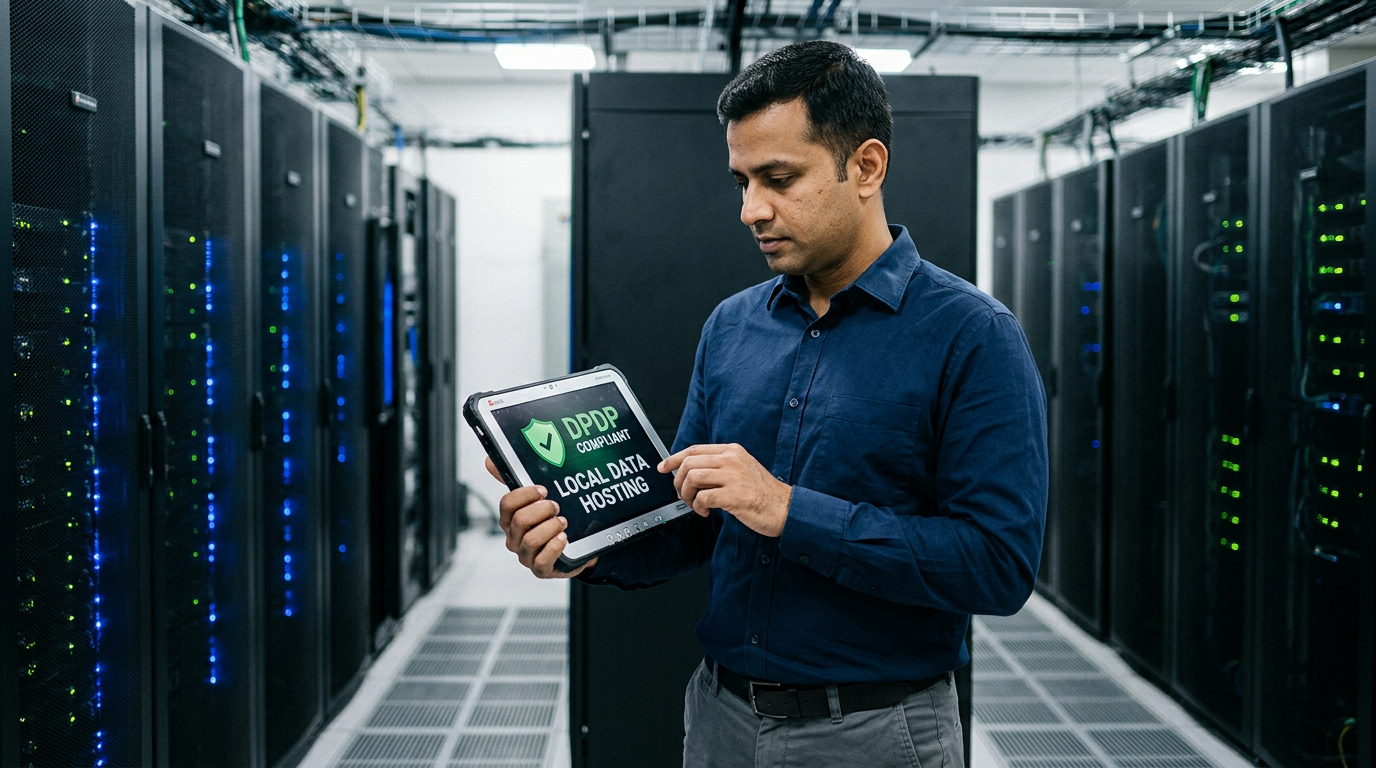
As enterprises rapidly scale their use of conversational AI to handle millions of customer interactions, they face a critical, non-negotiable barrier: regulatory compliance. In India's post-DPDP (Digital Personal Data Protection) Act landscape, safeguarding customer data is no longer just an IT checklist item—it is a core business survival metric. Non-compliance under this stringent framework can result in astronomical penalties of up to ₹250 crore for data breaches or failure to secure personal data.
When customer support is automated using AI voice agents, organizations are processing highly sensitive biometrics (voice prints), personally identifiable information (PII), and potentially financial or medical histories. This makes compliance uniquely challenging compared to static database storage.
The Unique Security Challenges of Voice AI
Unlike traditional text-based databases, conversational voice data presents complex compliance hurdles:
- Voice Biometrics & Consent: A customer's voice is unique biometric data. Under the DPDP Act, explicit, unambiguous, and revocable consent must be obtained before any voice recording, transcription, or processing begins.
- Data Residency: Storing or routing voice data through international cloud servers violates strict local residency compliance guidelines, which is particularly critical for sensitive sectors like banking, fintech, and healthcare.
- PII Exposure in Transcripts: AI Speech-to-Text engines often convert spoken phone numbers, addresses, or payment details into plain text, creating a massive vulnerability if stored insecurely within your CRM or logs.
How CallMissed Built a DPDP-Compliant Voice Infrastructure
To help businesses navigate these complexities without compromising on performance, CallMissed has designed its communication infrastructure with a security-first architecture. Instead of retrofitting security protocols as an afterthought, CallMissed integrates enterprise-grade compliance directly into its core engine.
- Sovereign Local Cloud Hosting: To meet strict national data residency requirements, CallMissed hosts its entire LLM inference and Speech-to-Text infrastructure within secure, tier-4 Indian data centers. Customer voice data, transcripts, and metadata never cross international borders.
- Dynamic Consent Verification: Before initiating an automated dialogue, CallMissed's AI voice agents can seamlessly ask for and record verbal consent, or coordinate with WhatsApp to secure digital consent beforehand, maintaining a clear, legally auditable consent trail.
- Real-Time PII Masking and Redaction: Advanced security layers analyze generated text transcripts in real-time, automatically redacting sensitive information like Aadhaar numbers, credit card details, and personal addresses before the data is written to database logs or synced with external CRMs.
- Role-Based Access Controls (RBAC): Enterprise administrators can strictly limit who within the organization has access to voice call recordings, transcriptions, and customer profiles, preventing internal data leaks and unauthorized exposure.
By utilizing security-first platforms like CallMissed, Indian enterprises can scale their multilingual customer support confidently. You can deliver 24/7 hyper-personalized assistance across 22 regional languages, secure in the knowledge that your communication infrastructure is fully shielded from regulatory liabilities and your customers' trust is absolute.
What This Means For You: What This Means For You: Quantifying the ROI of an AI Receptionist
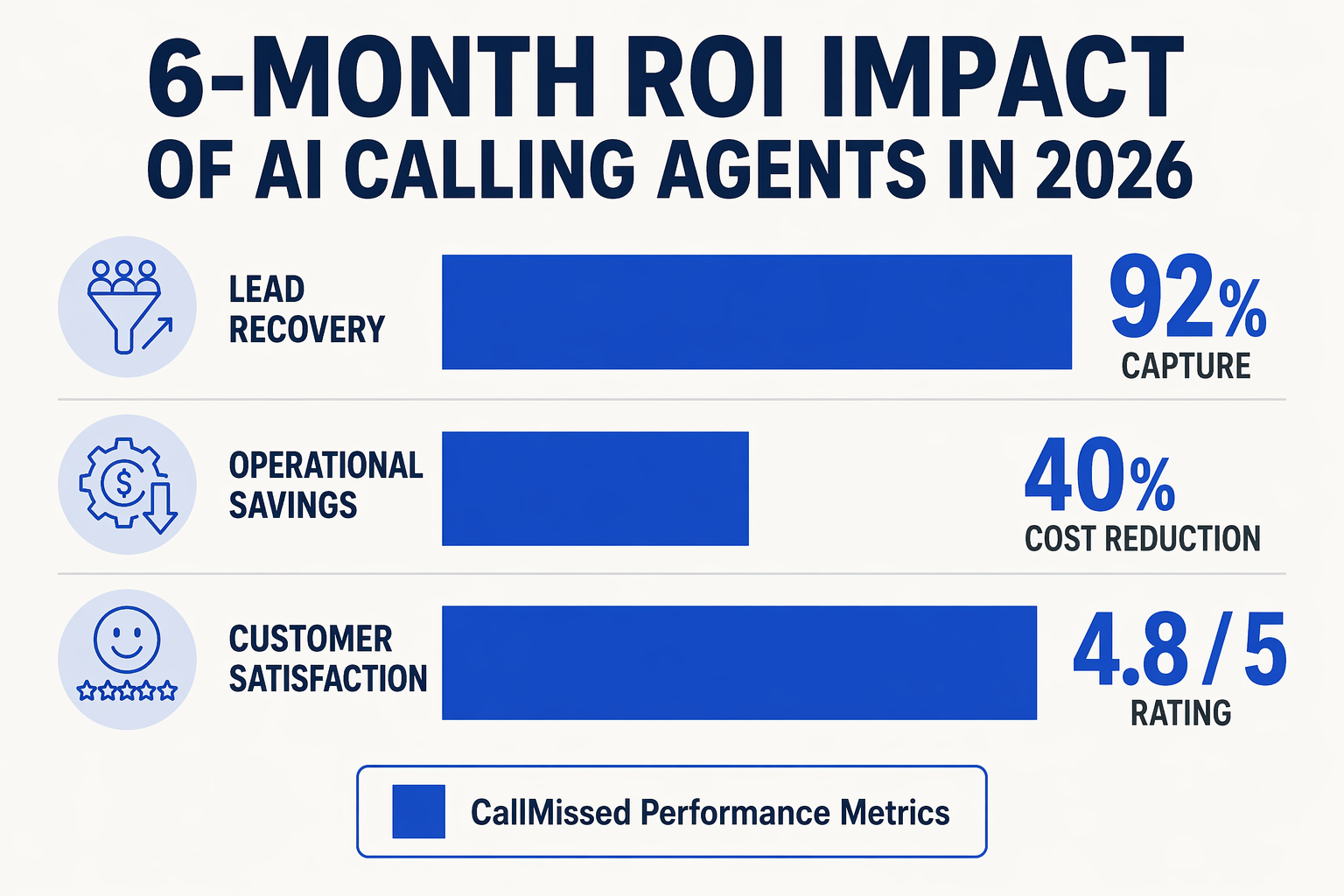
To truly appreciate how modern voice automation transforms a B2C business, we must look beyond operational convenience and focus on hard numbers. Transitioning from antiquated Interactive Voice Response (IVR) systems and expensive, headcount-constrained call centers to an intelligent, automated AI receptionist yields immediate and measurable financial returns.
In 2026, brands can no longer afford to let 62% of after-hours inbound calls go unanswered. By deploying a low-latency virtual receptionist, enterprises are not just saving money; they are actively recapturing leaked pipeline.
To put this transformation in perspective, let us analyze the performance and financial metrics of traditional customer support models against CallMissed's enterprise-grade AI voice agents:
| Performance Metric | Traditional IVR | Outsourced Call Center | CallMissed AI Voice Agents | Financial & Operational Impact |
|---|---|---|---|---|
| Avg. Cost per Call | Moderate ($2.00 - $4.00) | High ($5.00 - $9.00) | Ultra-Low ($0.30 - $0.70) | Cuts operational calling expenses by up to 90% |
| After-Hours Lead Capture | 0% (Voicemail/Hang-ups) | Low (High cost for night shifts) | 100% (Instantaneous 24/7) | Recaptures the lost 62% of late-night B2C inbound leads |
| Speed to Answer (Latency) | 45 - 90 seconds (menus) | 60 - 180 seconds (hold time) | Under 1.5 seconds | Eradicates caller abandonment and drop-offs |
| Multilingual Native Fluency | Limited to 2-3 static paths | Expensive (Requires specialist agents) | Fluent in 22 Indian languages | Unlocks regional market conversions with zero overhead |
| Scalability (Concurrency) | Hard limits (Busy signals) | Limited by agent seat count | Unlimited concurrent calls | Scales instantly during marketing campaigns or product drops |
Deconstructing the 3.2x ROI Formula
The business case for an AI receptionist built on platforms like CallMissed is driven by two main levers: massive cost reduction and dramatic increases in lead conversion.
- Eliminating the Leaky Funnel: Traditional systems lose more than half of their leads after hours. Because CallMissed's AI agents answer every single call in under 1.5 seconds, businesses stop flushing their marketing spend down the drain. Every inbound lead is qualified, logged directly into your integrated CRM, and guided to the next step immediately.
- Hyper-Localized Engagement: In a linguistically diverse market like India, talking to customers in their native dialect isn't a luxury—it is a conversion driver. CallMissed’s ability to dynamically switch between 22 regional Indian languages means you can scale personalized, compliant customer support across different states without hiring specialized regional teams.
- Massive Cost Efficiency: Replacing repetitive tier-1 ticketing and basic lead qualification tasks with AI voice bots reduces your cost-per-interaction from dollars to pennies. This allows your human agents to focus exclusively on closing high-value deals or resolving highly complex customer issues.
Ultimately, integrating an AI receptionist is the fastest way for consumer-facing brands to convert silent missed calls into loud, quantifiable revenue growth, generating a proven median ROI of 3.2x in less than two quarters.
Frequently Asked Questions
What are the primary benefits of using CallMissed's AI voice agents over traditional IVR systems?
How does CallMissed handle multilingual customer queries in diverse markets like India?
Can CallMissed integrate with our existing CRM and marketing software?
Is CallMissed compliant with India’s Digital Personal Data Protection (DPDP) Act?
What channels are supported by the CallMissed unified platform?
What kind of ROI can businesses expect when deploying CallMissed AI voice agents?
Conclusion
As we look ahead, the B2C brands that thrive in today's rapid-fire market will be those that transition from reactive customer support to proactive, instant engagement. The paradigm has shifted: customer communication is now a zero-latency asset. Here are the critical takeaways to remember:
- No Lead Left Behind: Instantly capturing after-hours inbound traffic stops competitors from stealing warm, high-intent prospects.
- Linguistic Personalization: Deploying conversational AI supporting 22 Indian languages breaks communication barriers and builds deep regional trust.
- Enterprise-Grade Compliance: Adhering strictly to security frameworks like India's DPDP Act is crucial for modern risk mitigation.
- Staggering Financial Growth: Transitioning to intelligent voice agents delivers an impressive median 3.2x ROI within just six months.
In the near future, we will see voice AI seamlessly manage complex, multi-turn negotiations and transactions entirely autonomously. To explore how AI communication is evolving, check out CallMissed — an AI infrastructure platform powering voice agents and multilingual chatbots for businesses. Is your brand ready to convert every silent dial tone into a loyal customer, or will you let your competitors answer the call?