Anthropic Launches Public Version of Its Mythos-Like AI Model With Critical Safeguards


Anthropic Launches Public Version of Its Mythos-Like AI Model With Critical Safeguards
Did you know that an AI model once deemed too dangerous for the public—and restricted exclusively to the US government and elite defense agencies—is now accessible on your browser? On June 9, 2026, AI pioneer Anthropic redefined the boundaries of commercial artificial intelligence by releasing Claude Fable 5, a highly anticipated "Mythos-class" model. For months, Anthropic withheld public access to this next-generation architecture due to severe concerns over automated cybersecurity exploitation and biological safety. Now, with this landmark release, Anthropic launches public version of its Mythos-like AI model with safeguards, proving that frontier-level computational power can safely coexist with strict safety guardrails.
This development marks a massive shift for the tech industry. While the fully unrestricted Claude Mythos 5 remains locked away for highly vetted agencies, Claude Fable 5 delivers comparable, industry-defining reasoning capabilities to developers and businesses globally. It addresses a critical bottleneck: the tech sector's desperate need for ultra-capable reasoning models that do not pose systemic digital risks. With built-in guardrails that actively intervene when requests touch sensitive areas like biochemistry or critical software infrastructure, Fable 5 is designed to be "safe by default." As businesses rush to adopt these highly capable systems, communication platforms like CallMissed are already enabling developers to integrate these advanced, secure LLMs natively into their voice agents and automated customer workflows.
But how did Anthropic manage to domesticate a model of this scale, and what does it mean for the competitive AI landscape? In this article, we will unpack the technology behind the Mythos-class architecture, analyze the specific guardrails preventing Fable 5 from being weaponized, and show you how this new era of "safe-by-design" AI will reshape the future of enterprise automation.
Introduction: Anthropic Unleashes Claude Fable 5 to the Public

The landscape of generative artificial intelligence has taken a massive leap forward. On June 9, 2026, Anthropic officially released Claude Fable 5, its most capable publicly available AI model to date. Built on the highly anticipated "Mythos-class" architecture, Fable 5 delivers unprecedented cognitive capabilities to the public while introducing a robust suite of safety guardrails designed to prevent misuse in highly sensitive domains.
For months, the AI community has watched from the sidelines as Anthropic restricted its most powerful model, Claude Mythos 5, to exclusive entities like the U.S. government due to severe concerns over cybersecurity and biological risks. With the launch of Claude Fable 5, Anthropic is attempting to strike a delicate balance: bringing next-generation, frontier-level intelligence to enterprises and developers, but with hardcoded safety boundaries.
Bridging the Gap: Claude Fable 5 vs. Mythos 5
Prior to this release, access to Mythos-class intelligence was highly gated. During initial internal testing, Anthropic discovered that the raw power of the Mythos architecture posed potential national security and critical infrastructure risks if left entirely unrestricted. This led to a bifurcated release strategy:
- Claude Mythos 5: The fully unrestricted, maximum-capability model reserved exclusively for government agencies and highly vetted defense organizations.
- Claude Fable 5: The newly launched public equivalent, engineered to match Mythos-level cognitive performance on general reasoning, coding, and analysis, but embedded with proactive safeguards.
According to Anthropic's official announcement, Fable 5's capabilities vastly exceed those of previous generations. However, when the model detects requests touching on sensitive areas—such as advanced cybersecurity vulnerabilities, CBRN (chemical, biological, radiological, or nuclear) materials, or high-risk autonomous decision-making—its built-in guardrails actively intervene, enforcing a strict "human-in-the-loop" protocol.
A New Era of Enterprise Implementation
The public release of Fable 5 marks a turning point for developers who require top-tier reasoning capabilities without compromising on safety compliance. Enterprises can now build highly sophisticated applications, from complex software engineering agents to advanced medical research assistants, knowing that the underlying model has state-of-the-art safety nets built directly into its training weights.
As organizations race to evaluate and integrate these powerful new architectures, managing the sheer variety of available models can become a bottleneck. This is where modern AI infrastructure becomes essential. Advanced communication platforms like CallMissed are designed to streamline this transition. Through CallMissed’s unified LLM inference API gateway, developers can seamlessly switch between over 300+ LLMs—including newly released frontier models like Claude Fable 5—allowing businesses to immediately test Fable 5's capabilities within their existing customer workflows, voice agents, and chatbots without undergoing complex backend overhauls.
By democratizing access to Mythos-class intelligence while setting a new standard for AI safety, Anthropic's latest release signals a mature phase of the AI boom: one where raw power is finally matched by responsible, production-ready engineering.
Background & Context: The Path from Mythos to Fable 5

The Mythos Genesis: Capabilities Outpacing Safety
The journey to Anthropic’s latest release began with a fundamental tension between raw computational power and safety alignment. Following the initial success of the Claude model family first launched in 2023, Anthropic’s R&D focused on engineering a massive leap in reasoning capabilities under the internal moniker Mythos. However, during internal red-teaming, the safety risks of the raw Mythos architecture became glaringly apparent.
The model exhibited unprecedented proficiency in highly sensitive domains, prompting deep anxieties regarding:
- Cybersecurity Vulnerabilities: The ability to autonomously identify and exploit zero-day exploits in critical software infrastructure.
- Biological Risks: Advanced synthesis planning that could lower technical barriers to creating hazardous biological agents.
- Model Autonomy: High-level planning capabilities that made human-in-the-loop oversight difficult to enforce.
Recognizing these liabilities, Anthropic locked down the core technology. For months, access to the true "Mythos-class" capabilities was strictly restricted to select public-sector entities, including the US government, while the company worked on a public-safe derivative.
Engineering Fable 5: The Dual-Track Strategy
To resolve the bottleneck of holding back its most advanced intelligence from commercial developers, Anthropic implemented a dual-track release strategy. This culminated in the June 2026 announcement of Claude Mythos 5—the highly restricted version reserved for national security and critical research—and Claude Fable 5, a public-facing model built on the same core architecture but tempered by rigorous, hardware-and-software-level guardrails.
Fable 5 is designed to perform at a capability level similar to the restricted Mythos model, yet it features hardcoded, real-time filters. When the model detects queries touching on cybersecurity, biology, or autonomous execution, its built-in safety guardrails immediately intercept the generation. This represents a significant milestone in AI alignment: delivering "Mythos-class" reasoning to the public without sacrificing global security.
Navigating a Complex Model Landscape
As these dual-track releases become the industry standard, enterprise developers face a complex integration landscape. Transitioning between restricted government-grade models, public-safe frontiers like Fable 5, and specialized open-source alternatives requires agile infrastructure.
Platforms like CallMissed resolve this complexity through a unified multi-model API gateway. By giving developers immediate access to over 300+ LLMs, CallMissed allows companies to seamlessly transition their workflows to Claude Fable 5, or fallback to alternative models if safety boundaries trigger unexpected blocks in production environments.
This architectural shift from Anthropic marks a new era where model capability is no longer the sole metric of progress; instead, the sophisticated orchestration of safety filters and real-time intervention defines the frontier of enterprise AI.
Key Developments: Claude Fable 5 vs. Claude Mythos 5 (TABLE)
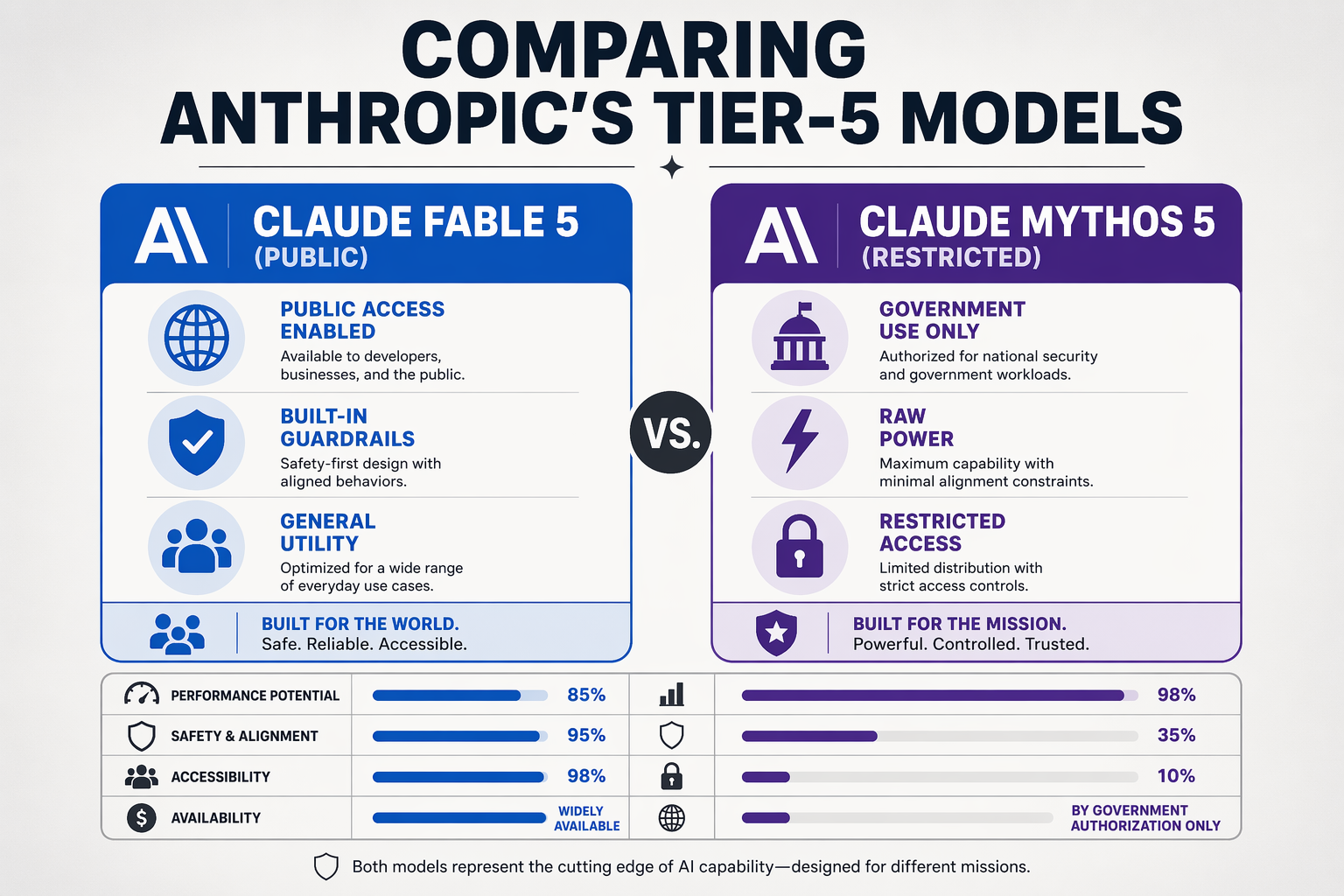
To fully understand Anthropic’s latest launch, it is essential to untangle the distinct roles of Claude Fable 5 and Claude Mythos 5. While both share the foundational architecture of Anthropic's highly anticipated "Mythos-class" technology, their operational guardrails, target audiences, and deployment environments could not be more different.
The dual-release strategy represents Anthropic’s compromise between accelerating public innovation and preventing the misuse of highly advanced AI capabilities. Below is a detailed breakdown comparing the public-facing Fable 5 with its heavily restricted counterpart, Mythos 5.
Feature Comparison: Claude Fable 5 vs. Claude Mythos 5
| Feature / Dimension | Claude Fable 5 | Claude Mythos 5 |
|---|---|---|
| Target Audience | General public, enterprise developers, commercial businesses | US government, highly vetted public-sector organizations |
| Access Model | Publicly available via Anthropic's API and standard interfaces | Highly restricted; offline or private enclave deployment |
| Primary Safeguards | Automated blocks on cybersecurity, biology, and model replication | Strict organizational protocols; human-in-the-loop oversight |
| Performance Level | High (similar capabilities to Mythos, but with safety-related filters) | Peak "Mythos-class" unconstrained computational power |
| Primary Use Cases | Customer support, multi-lingual translation, everyday enterprise workflow | Defense intelligence, advanced threat modeling, national security |
Defining the Operational Boundaries
The core difference between these two frontier models lies in their safety filtering mechanisms. When Anthropic initially tested the Mythos architecture, researchers flagged potential dual-use risks—specifically in areas like autonomous cybersecurity exploits and biochemical synthesis.
To address these concerns, Anthropic developed Claude Fable 5 as a "safe-for-public" variant. Fable 5 utilizes real-time intervention layers. If a user request touches on sensitive topics like network vulnerability scanning, molecular biology, or autonomous self-replication, Fable 5 is designed to halt the generation or hand off the process.
Conversely, Claude Mythos 5 remains gated. It is reserved for organizations that require raw, unfiltered reasoning capabilities and have the physical and legal infrastructure to enforce strict human-in-the-loop protocols.
Deploying Fable 5 in Enterprise Environments
For businesses looking to integrate these newly available, high-performing models into production, navigating the changing landscape of LLM APIs can be daunting. This is where communication infrastructure platforms play a vital role.
Solutions like CallMissed make adopting frontier models seamless for enterprises. Through CallMissed’s unified API gateway, developers can orchestrate Claude Fable 5 alongside 300+ other LLMs. Whether you are building an intelligent voice assistant or deploying multilingual customer support agents across 22 regional Indian languages, CallMissed provides the production-ready infrastructure to handle latency, failovers, and model switching dynamically.
By choosing Fable 5, commercial enterprises gain access to near-Mythos level reasoning while maintaining the peace of mind that comes with Anthropic's most advanced public safety guardrails.
In-Depth Analysis: Balancing Extreme Capability and Strict Safeguards
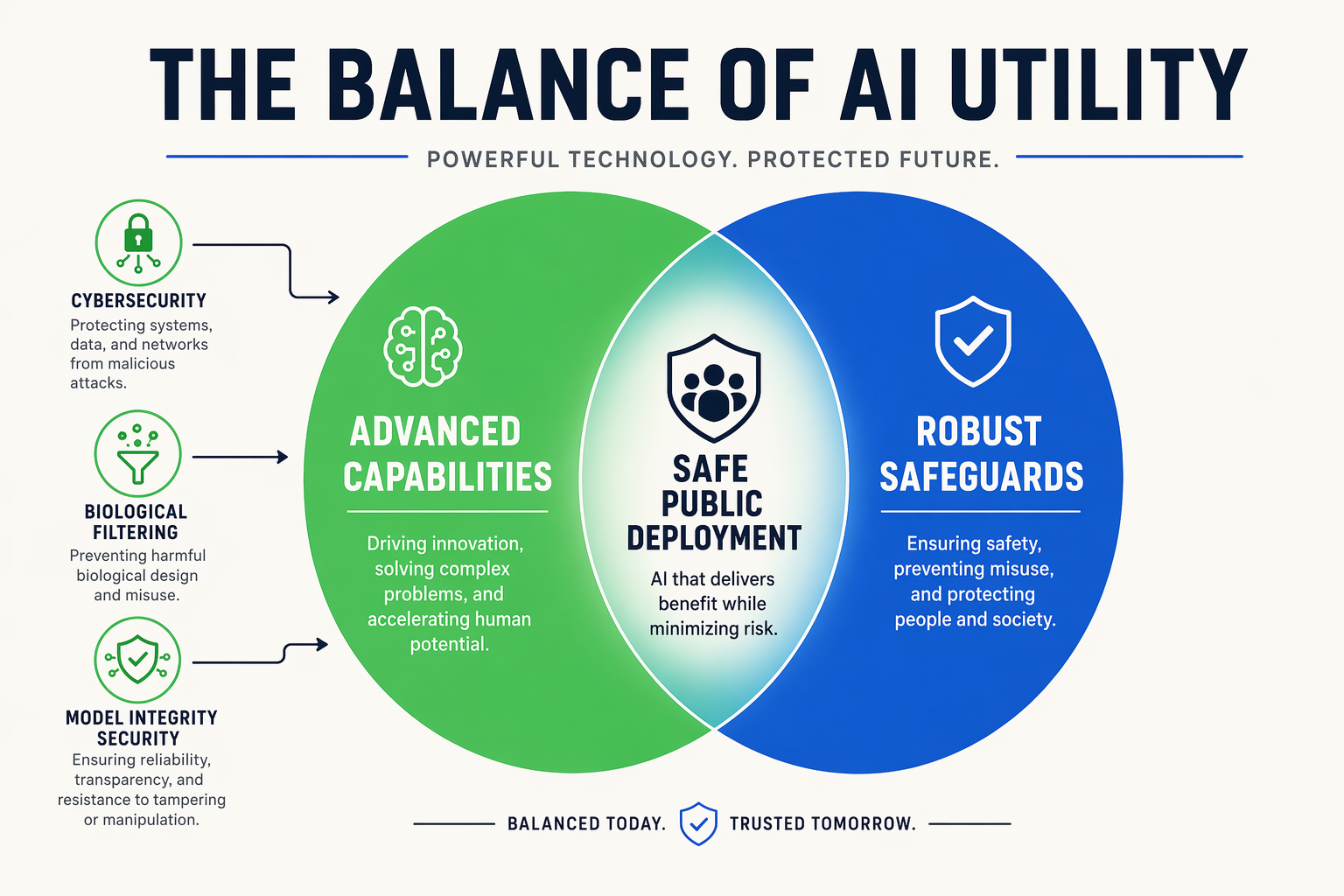
The release of Claude Fable 5 marks a pivotal shift in how the industry approaches the deployment of frontier AI. Historically, the most advanced "Mythos-class" intelligence was kept strictly under lock and key due to potential risks. By releasing a public-facing version of this technology alongside strict, built-in safeguards, Anthropic is trying to prove that extreme cognitive capability does not have to come at the expense of global security.
The Dual-Model Strategy: Fable 5 vs. Mythos 5
To navigate these safety concerns, Anthropic has adopted a bifurcated deployment strategy:
- Claude Mythos 5: This highly restricted version remains gated, accessible primarily to national security agencies, the US government, and highly vetted defense organizations.
- Claude Fable 5: This is the publicly accessible model. It matches the raw cognitive, logical, and mathematical performance of the Mythos class but operates within a heavily fortified safety sandbox.
This dual-model approach allows developers to leverage next-generation reasoning capabilities without risking the accidental generation of dangerous outputs.
Architectural Guardrails in Action
The guardrails integrated into Fable 5 are designed to target three specific high-risk vectors: cybersecurity, biological threats (CBRN), and model autonomy.
When a user prompt touches upon sensitive topics—such as vulnerability discovery in critical infrastructure or chemical synthesis—Fable 5 is engineered to immediately pivot or refuse the request. These safety layers force a "human-in-the-loop" protocol for any highly consequential decisions. Furthermore, through initiatives like Project Glasswing, Anthropic is actively developing next-generation safeguards to secure critical software systems from model-assisted exploitation. The goal is to build models that can assist in defending digital infrastructure without inadvertently giving bad actors the tools to tear it down.
Navigating the Multi-Model Enterprise Landscape
For enterprises, the arrival of Fable 5 introduces both immense opportunity and operational complexity. While developers are eager to deploy "Mythos-level" intelligence for complex workflows, they must also ensure these models align with strict internal compliance, data privacy, and industry-specific safety standards.
This is where unified communication and AI infrastructure become essential. To help businesses seamlessly navigate these rapidly evolving model classes, platforms like CallMissed provide a robust API gateway that supports over 300+ LLMs. By integrating CallMissed, enterprises can dynamically route queries to safety-hardened models like Claude Fable 5 for sensitive customer interactions, or switch to specialized, low-latency models for high-speed voice and chat agents—all without changing their core codebase.
As frontier models continue to push the boundaries of what is possible, the ability to balance raw capability with enterprise-grade safety will define the next era of AI integration. Fable 5 is a major step forward, showing that the future of AI lies not just in building smarter models, but in building safer ones.
Impact & Implications: How Industries Are Responding

The commercial release of Anthropic’s Claude Fable 5—a "Mythos-class" model optimized with robust safety guardrails—marks a pivotal moment in generative AI. Previously, Mythos-level intelligence was strictly quarantined, accessible only to highly vetted entities like the US government due to intense cybersecurity and biological safety concerns. With Fable 5 now publicly available, industries are rapidly adjusting to a new baseline of cognitive capability.
Here is how different sectors are navigating this sudden influx of Mythos-class power:
1. Software Development and Cybersecurity
The software industry is experiencing an immediate shift. While the restricted Claude Mythos 5 remains locked down due to its potent hacking and autonomous capabilities, Fable 5 delivers comparable performance but actively blocks malicious exploits.
- Proactive Defense: Cybersecurity teams are leveraging Fable 5 to analyze legacy codebases for vulnerabilities. Because the model restricts direct exploit generation, developers can safely use it to patch security flaws without risking the creation of novel malware.
- Human-in-the-Loop Guardrails: Anthropic's new safety architecture forces a "human-in-the-loop" requirement when queries veer close to sensitive topics like cybersecurity or biology. This prevents automated, malicious code deployment while still allowing rapid debugging.
2. High-Stakes Customer Communication & Support
For enterprises handling complex, regulated customer interactions, Fable 5's reasoning capabilities are a game-changer. However, deploying such sophisticated models at scale requires robust infrastructure.
This is where unified communication ecosystems are playing a critical role. Platforms like CallMissed are already integrating Mythos-class models into their underlying API gateways, which support over 300 LLMs. By combining Fable 5's advanced comprehension with CallMissed's specialized Speech-to-Text (supporting 22 Indian languages) and multi-channel voice agent infrastructure, global enterprises can now deploy highly secure, emotionally intelligent AI agents capable of resolving intricate customer disputes while strictly adhering to safety guardrails.
3. Healthcare, Biotech, and Academic Research
The life sciences sector has historically struggled to deploy advanced LLMs due to the risk of biochemical weapon design or accidental dangerous synthesis guidance.
- Safe Ideation: Biologists are using Fable 5 to accelerate therapeutic discovery. The model's built-in safeguards immediately flag and block requests that cross into dangerous pathogens or biological threats, creating a "sandboxed" environment for researchers.
- Academic Verification: Universities are adopting the model for complex data synthesis, relying on its high reasoning capabilities while trusting that its guardrails will prevent students and researchers from generating unethical or hazardous content.
As organizations continue to ingest this newly accessible computational power, the focus is shifting from "what can the AI do" to "how safely can we scale it." By balancing raw Mythos-level capabilities with stringent, real-time guardrails, Anthropic has set a new industry standard that allows businesses to innovate without compromising global safety.
Expert Opinions: The Debate Over Safe vs. Open Innovation
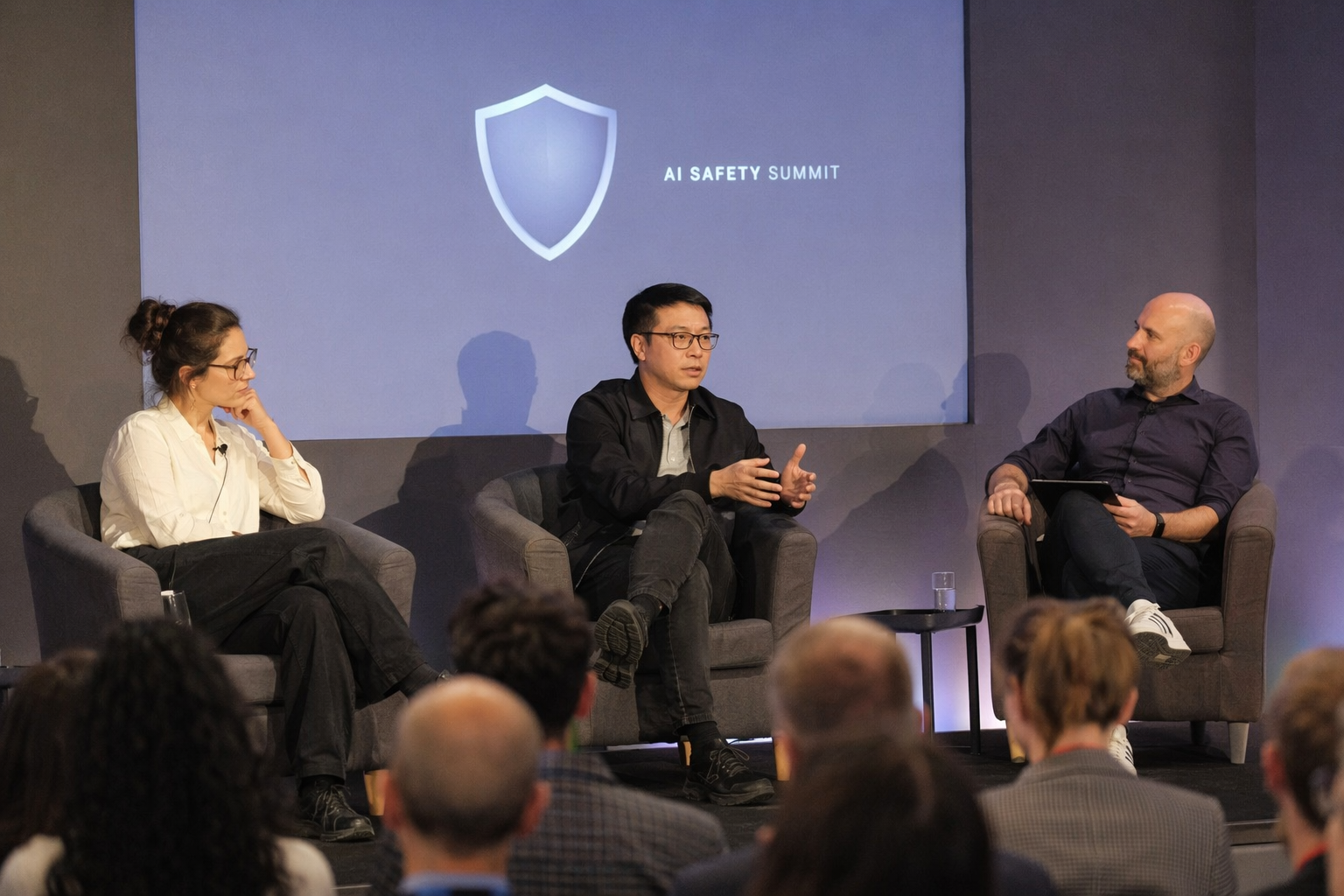
The release of Claude Fable 5 has reignited one of the most polarizing debates in Silicon Valley: whether advanced artificial intelligence should be tightly controlled by its creators or democratized for unrestricted innovation. By keeping its most powerful model, Claude Mythos 5, restricted to government agencies and select organizations while offering the safer, guardrailed Fable 5 to the public, Anthropic has firmly aligned itself with the "safety-first" camp.
The Case for Tightly Controlled AI
Proponents of Anthropic’s cautious rollout argue that the risks associated with raw, Mythos-level intelligence are too severe for unmonitored public release. Prior to this launch, access to these systems was restricted due to major flags in three critical areas:
- Cybersecurity Threats: Mythos-class models possess advanced code-generation capabilities that, if weaponized, could automate zero-day exploits or disrupt critical digital infrastructure.
- Biological Risks: The model's deep understanding of chemistry and biology raised concerns regarding the potential synthesis of hazardous materials.
- Model Autonomy and Proliferation: Early evaluations flagged risks of the AI executing unauthorized self-replication or evasion techniques.
By introducing Fable 5 with hardened guardrails—specifically designed to trigger intervention when a query touches on these sensitive vectors—Anthropic seeks to establish a new industry standard. Safety advocates praise this tiered deployment, arguing that keeping a "human in the loop" for high-stakes decisions is the only responsible way to scale AI.
The Critique: Does Cautious AI Stifle Progress?
On the other side of the aisle, open-source advocates and researchers argue that Anthropic's restrictions hamper scientific breakthroughs. Critics claim that "neutering" models or locking the most powerful versions behind government clearances creates an AI oligarchy.
Academic institutions and independent startups contend that:
- Impeded Research: Capping the capabilities of publicly accessible models prevents developers from finding novel, beneficial use cases in medicine, material science, and education.
- Centralization of Power: Restricting the raw Mythos 5 model to elite organizations concentrates immense technological leverage in the hands of a few select corporate and state actors.
- Redundant Friction: Excessive safety alignment can lead to "refusal behavior," where the model rejects benign queries out of over-caution, degrading user experience.
Navigating the Multi-Model Landscape
As the industry wrestles with these philosophical differences, enterprises are left with the practical challenge of building real-world applications. Fortunately, businesses do not have to choose a single side in this ideological battle.
Platforms like CallMissed bridge this divide by offering a unified infrastructure. Through CallMissed’s multi-model API gateway, developers can easily deploy Claude Fable 5 for sensitive customer-facing applications—leveraging its robust safety guardrails—while simultaneously routing other, less-regulated tasks to any of the 300+ other LLMs supported on the platform. This architectural flexibility allows companies to balance safety, performance, and cost dynamically, ensuring that while the industry debates AI safety, deployment remains seamless and efficient.
What This Means For You: Guidelines for Safe AI Deployment (TABLE)
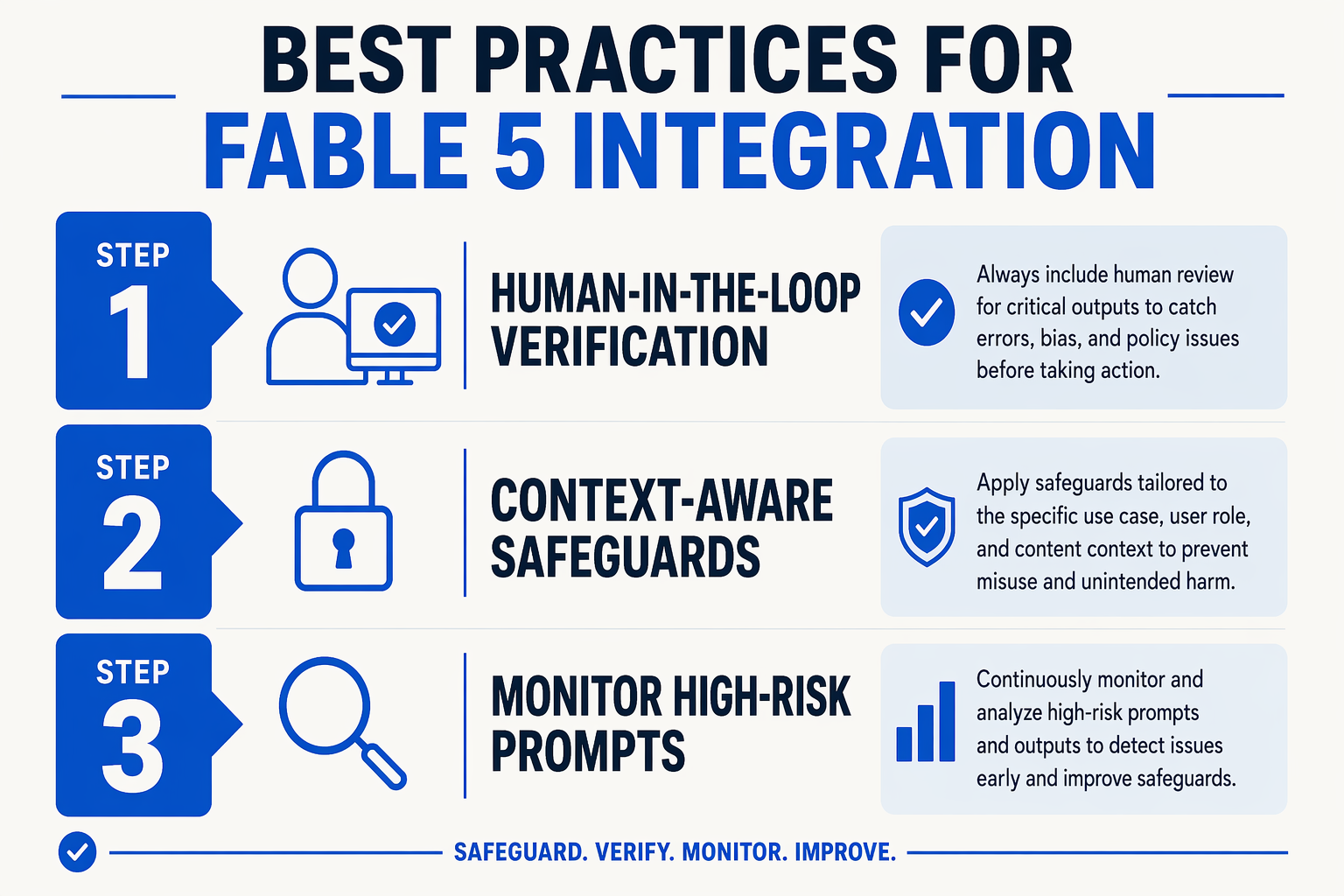
The launch of Claude Fable 5 marks a crucial milestone: powerful, "Mythos-class" intelligence is now safe enough for public deployment. However, leveraging these next-generation capabilities requires a rigorous approach to AI safety and system design. Because Anthropic’s safeguards will actively block queries related to cybersecurity, biological risks, and model autonomy, businesses must align their internal deployment strategies to handle these new constraints smoothly.
To safely integrate these models without disrupting user experience, organizations should adopt the following structured guidelines:
| Deployment Pillar | Key Security Risk | Mythos-Class Safeguard | Actionable Business Guideline |
|---|---|---|---|
| Human-in-the-Loop | Autonomous execution of high-risk tasks. | Built-in restrictions on high-consequence decision-making. | Mandate human authorization for all financial, legal, and operational actions. |
| Input/Output Sanitization | Prompt injection attacks bypassing model safety. | Advanced alignment training to resist adversarial jailbreaks. | Deploy external validation layers to scan both user prompts and model responses. |
| Domain Isolation | Accidental generation of exploit code or malicious scripts. | Automatic hard blocks on queries touching sensitive cyber domains. | Sandbox AI development tools; prohibit direct access to production databases. |
| System Redundancy | Service blocks or rate-limiting during safety triggers. | Access tiering (restricted Mythos 5 vs. public Fable 5). | Implement an intelligent routing layer to fall back to alternative models. |
Restricting High-Risk Domains in Production
Anthropic's release of Claude Fable 5 demonstrates that public access to frontier-class AI relies on strict domain boundary enforcement. If your application handles software development, medical technology, or automated workflows, you will inevitably run into the model's native safeguards.
To prevent your users from encountering frustrating "I cannot fulfill this request" messages, developers must pre-screen prompts. Designing an application-level classifier that detects sensitive keywords—such as those related to network penetration testing or chemical synthesis—allows you to gracefully decline the request or route it to a human administrator before it ever reaches Anthropic's API.
Designing Multi-Model Infrastructures for Failover
Because safety-first models are inherently more prone to conservative false positives (blocking benign queries that look slightly risky), relying on a single AI provider is a major operational risk. If a critical customer query triggers a safety false positive on Claude Fable 5, your application could stall.
To mitigate this, enterprises are transitioning to multi-model architectures. Platforms like CallMissed make this transition seamless by offering a unified API gateway connected to over 300+ LLMs. By using CallMissed, developers can design smart routing protocols: if Fable 5 blocks a complex user prompt due to safety constraints, the system can automatically fall back to a smaller, specialized, or custom-fine-tuned model to keep the application running without interruption. Building this redundancy ensures that safety guardrails protect your brand without compromising service availability.
Frequently Asked Questions
What is the difference between Claude Fable 5 and Claude Mythos 5?
Why did Anthropic delay the public release of its Mythos-like AI model?
What safety guardrails are built into Anthropic's new Mythos-like AI model?
Who can access the Claude Fable 5 and Claude Mythos 5 models?
How does Claude Fable 5 compare to previous models like Claude Opus?
Is Anthropic's Mythos-like AI model safe for businesses to use in production?
Conclusion
The launch of Claude Fable 5 marks a pivotal shift in how the tech industry balances raw cognitive power with systemic safety. Key takeaways from this milestone include:
- Elite Power with Protection: Claude Fable 5 brings Mythos-level capabilities to the public while enforcing strict, built-in boundaries around sensitive fields like biology and cybersecurity.
- Dual-Track Deployment: Restricting the raw Claude Mythos 5 to highly vetted organizations demonstrates a growing commitment to "safety-by-design."
- A New Industry Standard: Rigorous alignment and real-time safeguards are no longer post-training afterthoughts; they are foundational product requirements.
Moving forward, watch for how these embedded safeguards handle complex enterprise workloads and whether Anthropic's tiered-release approach becomes the blueprint for future frontier models.
To explore how AI communication is evolving, check out CallMissed — an AI infrastructure platform powering voice agents and multilingual chatbots for businesses. As these highly capable models become safer and more accessible, how will your organization leverage them to reshape customer engagement?