

AI Platform Comparisons
Side-by-side comparisons of voice AI, WhatsApp automation and LLM platforms — features, pricing, languages and integration effort, compared honestly so you can pick the right tool for your team.
Latest comparisons
 44 min read
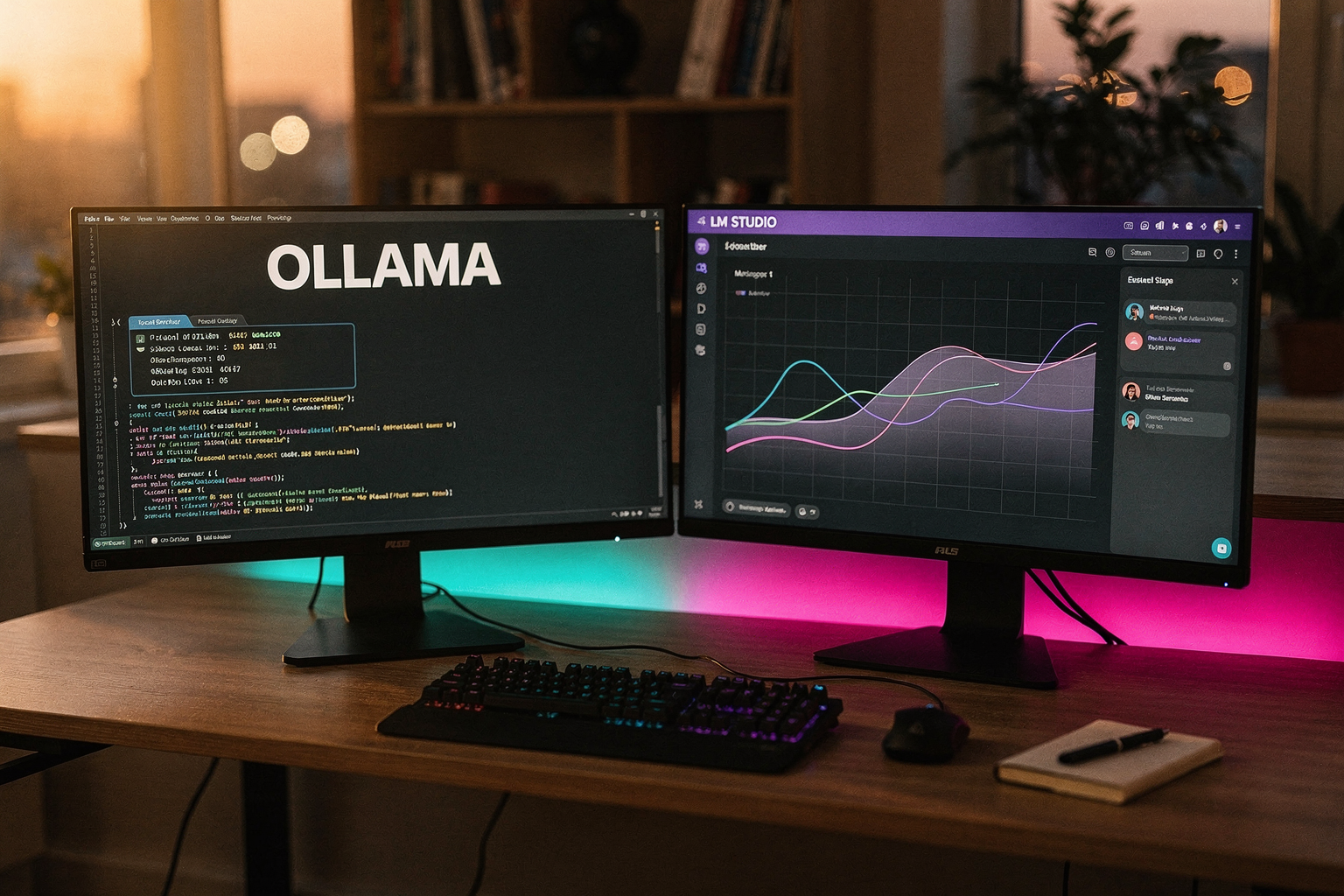
Ollama vs LM Studio: Which Local LLM Tool Wins in 2026?
Did you know that running a highly capable, state-of-the-art AI model on your local workstation now costs less in electricity than a single cup of coffee,...
Read more 5 min read
Vector Databases in 2026: Pinecone, Qdrant, Weaviate, pgvector
A 2026 guide to picking a vector database — Pinecone, Qdrant, Weaviate, or pgvector. Pricing, performance, hybrid search, and which workload fits which engine.
Read more 5 min read
Embedding Models in 2026: OpenAI vs Cohere vs Open Source
A 2026 embedding model comparison — text-embedding-3, voyage-3, Cohere embed-v3, BGE-M3, Google — with quality, dimensions, context, and cost tradeoffs.
Read more 5 min read
vLLM vs TGI vs SGLang: Inference Engines Compared
A 2026 comparison of vLLM, TGI, and SGLang inference engines — PagedAttention, RadixAttention, throughput, and which engine fits which production workload.
Read more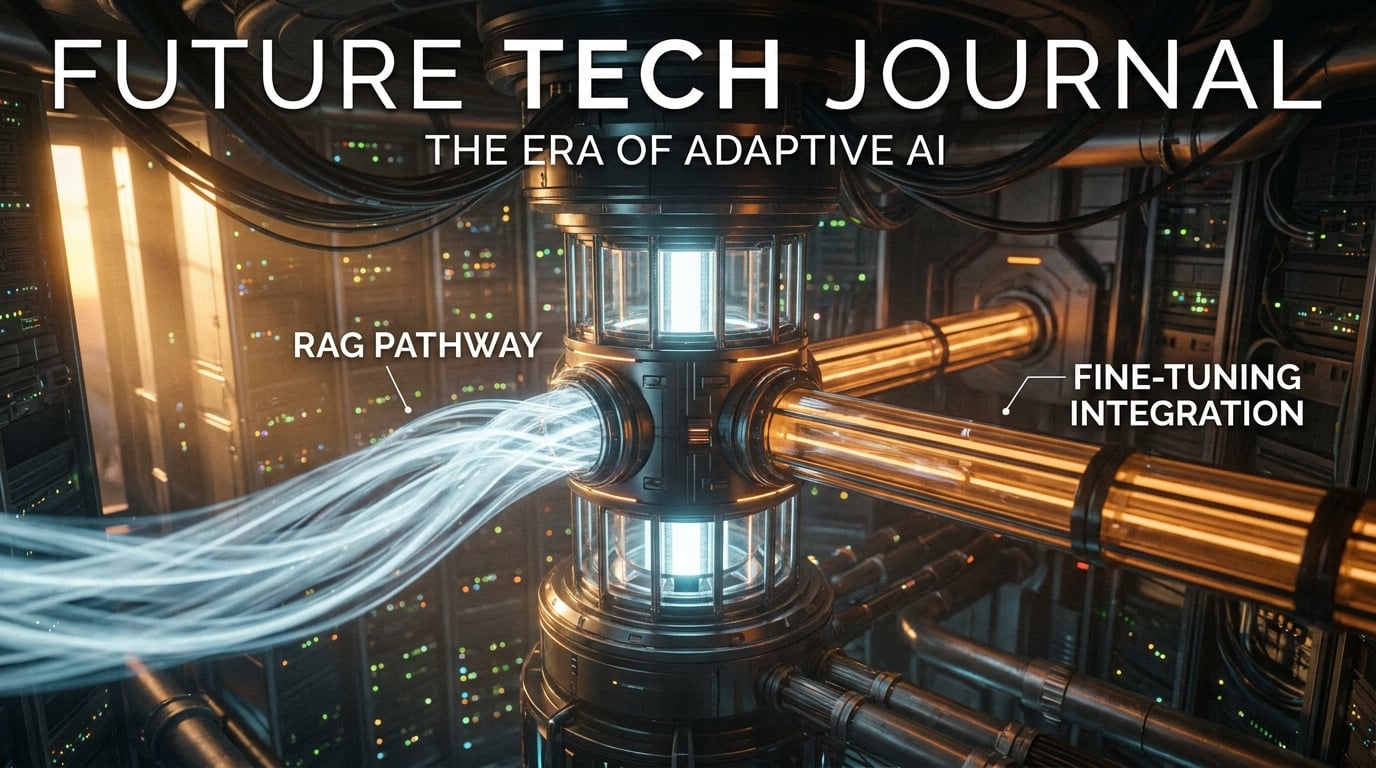 6 min read
Fine-Tuning vs RAG: The 2026 Decision Framework
A 2026 framework for choosing between fine-tuning and RAG — what each does, when each wins, and the hybrid pattern that most production systems actually use.
Read more 12 min read
AI Hardware Beyond GPUs: The 2026 Accelerator Landscape
A research-driven comparison of AI hardware accelerators in 2026 — Google TPU 8, AWS Trainium, NVIDIA Groq 3 LPU, Cerebras WSE-3, and when to choose each.
Read more 5 min read
GPT-5.5 vs Claude 4: A Head-to-Head Comparison in 2026
A practical comparison of GPT-5.5 and Claude 4 in 2026 — coding, reasoning, context, safety, pricing, and when to choose each.
Read more5 min readKnowledge Graphs vs Vector RAG: When to Use Which in 2026
A practical comparison of knowledge graph RAG and vector RAG in 2026 — how they work, when to use each, and hybrid architectures.
Read more