

 Featured
Featured article
ChatGPT Cross-Site Data Collection: Support Privacy
Understand the ChatGPT cross-site data collection claim, what OpenAI says about ads, and the privacy questions support teams should ask vendors.
Read articleHow-to
Practical guides
Step-by-step tutorials for voice agents, WhatsApp bots, and API workflows.
 21 min read
AI Agent Governance in Customer Service: Human Oversight
Build practical AI agent governance in customer service with escalation rules, human approvals, oversight metrics, and lifecycle controls for calls and support.
Read more 26 min read
How to Write Prompts for AI Agents: Support Guide 2026
Learn how to write prompts for AI support agents that cut escalations, protect PII, and answer accurately — with templates, metrics, and guardrails.
Read more 28 min read
Cloudflare Quick Tunnels for AI Voice API Testing
Use Cloudflare Quick Tunnels to expose localhost, test AI voice and messaging webhooks, handle callbacks, and know when to upgrade.
Read moreEvaluate options
Compare solutions
Head-to-head comparisons for voice AI, chatbots, and support automation.
 13 min read
GPT-6 Sol vs Claude Opus 5.5: Verified Comparison
GPT-6 Sol vs Claude Opus 5.5 compares verified status, features, pricing and use cases, with responsible guidance for developers and buyers.
Read more 16 min read
Best Text to Speech API for Hindi in 2026: 7 Options Compared
Compare the best text to speech API for Hindi by voice quality, Hinglish support, latency, streaming, pricing, and developer fit.
Read more 17 min read
Cheapest LLM API Provider in India in 2026: Workload-Based Cost Guide
Compare the cheapest LLM APIs in India for 2026 with token prices, INR cost formulas, tax caveats, and workload-based recommendations.
Read moreLatest articles
 25 min read
July 2026 AI Agent Updates: Gemini for Support Teams
Review July 2026 AI agent updates, compare Gemini model roles, and map support workflows, evaluation checks, and governance needs before rollout.
Read more 20 min read
Offline AI Voice Assistant Mac: What Laya Actually Proves
Learn what Laya’s M4 demo proves, how to measure an offline AI voice assistant on Mac, and where latency, privacy, and reliability claims need testing.
Read more 19 min read
Qwen 3.8 Voice Agent Benchmarks: A Builder’s Guide
Learn how to interpret Qwen 3.8 voice agent benchmarks, separate vendor claims from measured results, and run reproducible end-to-end tests.
Read more 21 min read
AI Agents from Pilot to Production: Support Playbook
Learn how to take AI agents from pilot to production with a support workflow, measurable quality gates, human handoffs, and safe rollout controls.
Read more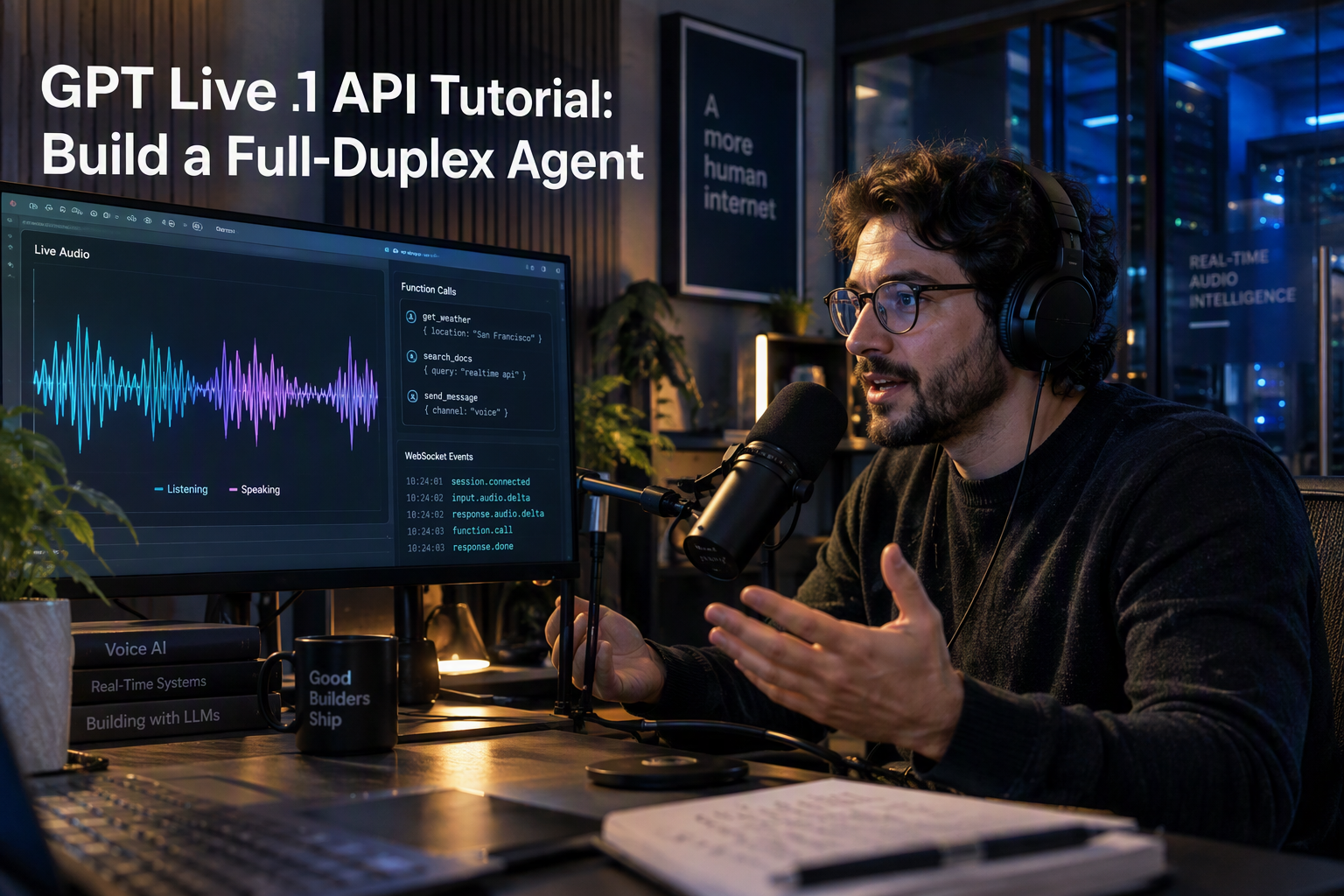 26 min read
GPT Live 1 API Tutorial: Build a Full-Duplex Agent
Learn how the GPT Live 1 API handles full-duplex voice, interruptions, function calls, WebSocket setup, limits, and per-minute billing.
Read more 24 min read
Claude Fable 5.1 vs Opus 5.5: Verified Comparison Guide
Verify the Opus 5.5 name and compare Fable 5.1 with official Opus 5 on pricing, coding, reasoning, speed, writing and agentic work.
Read more 25 min read
Claude Opus 5.5 vs GPT-5.6 Sol: Coding & Cost Tests
Compare Claude Opus 5.5 vs GPT-5.6 Sol on coding, reasoning, agents, verified pricing and workflow cost to choose by workload and budget.
Read more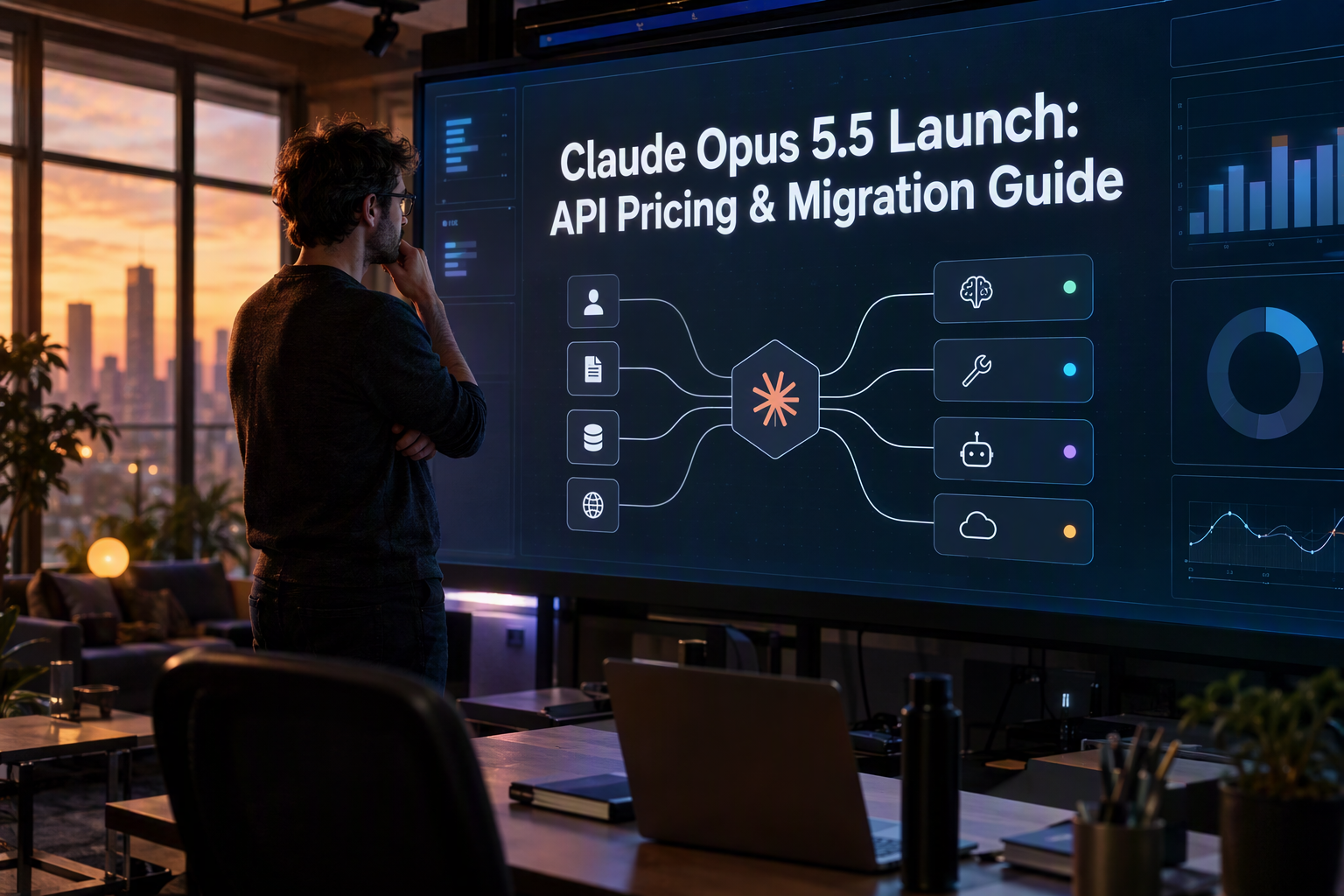 26 min read
Claude Opus 5.5 Launch: API Pricing & Migration Guide
Get verified Claude Opus 5.5 availability, API pricing, context limits, coding claims, agent guidance, and a practical migration checklist.
Read more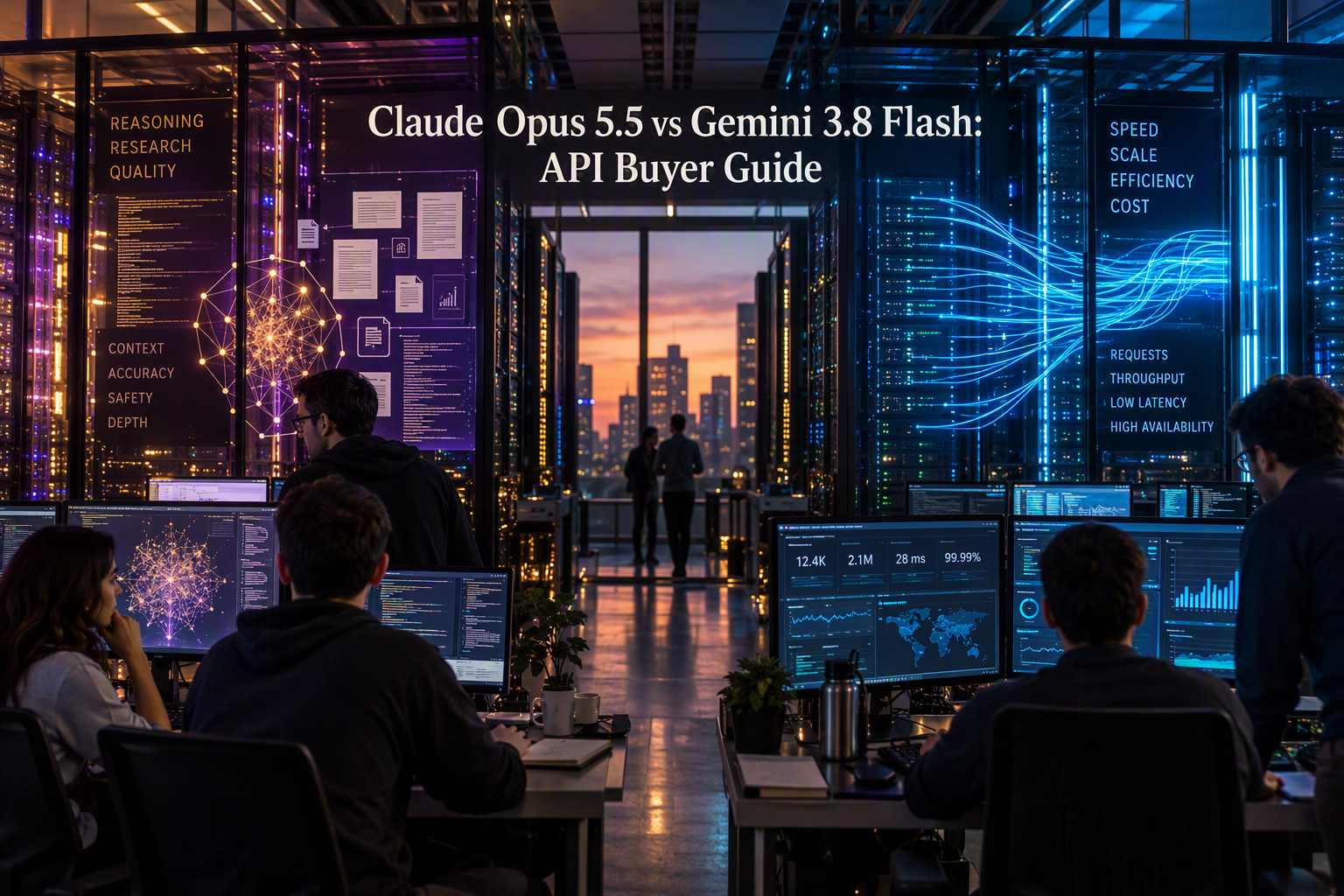 25 min read
Claude Opus 5.5 vs Gemini 3.8 Flash: API Buyer Guide
Compare Claude Opus 5.5 vs Gemini 3.8 Flash on verified API access, pricing, context, coding, reasoning, latency and production cost.
Read moreGet new guides in your inbox
Practical AI voice, WhatsApp automation, and LLM API updates — no spam.
CallMissed platform
Build your own AI voice agent
Automate inbound calls, qualify leads, and support customers across voice and WhatsApp — with a single dashboard and API.
Editor's picks
Recommended reads
High-value guides our team suggests for product and engineering readers.
13 min readGPT-6 Sol vs Claude Opus 5.5: Verified Comparison
GPT-6 Sol vs Claude Opus 5.5 compares verified status, features, pricing and use cases, with responsible guidance for developers and buyers.
Read more16 min readBest Text to Speech API for Hindi in 2026: 7 Options Compared
Compare the best text to speech API for Hindi by voice quality, Hinglish support, latency, streaming, pricing, and developer fit.
Read moreBrowse by topic
Browse by type