
AI in Indian Agriculture: Use Cases and Deployment Models in 2026


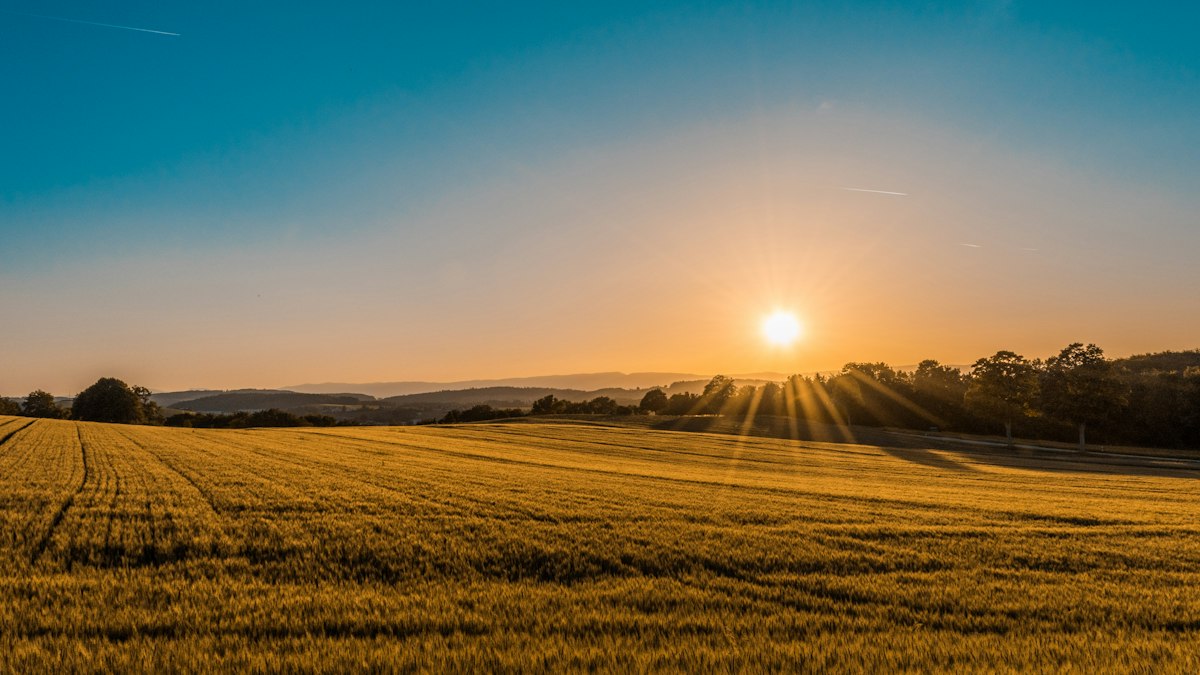
How AI is being deployed in Indian agriculture in 2026 — crop detection, yield prediction, supply chain, and farmer advisory.
Indian agriculture employs over 40% of the workforce and contributes roughly 18% of GDP. Yet productivity lags behind global averages. In 2026, AI is addressing crop disease detection, yield prediction, supply chain optimization, and farmer advisory services.
Key Use Cases
- Crop Disease Detection: Farmers photograph affected leaves. CV models classify the disease and suggest treatments.
- Yield Prediction: Satellite imagery, weather data, and soil sensors feed models that predict yields weeks before harvest.
- Supply Chain Optimization: AI optimizes farm-to-market flow, reducing the estimated 16% post-harvest waste.
- Farmer Advisory Chatbots: Voice-based chatbots in Hindi and regional languages answer questions about planting, fertilizer, and pest management.
Deployment Models
- Government programs: Through ICAR and Krishi Vigyan Kendras, reaching millions of farmers.
- Private ag-tech: DeHaat, Ninjacart, and Bijak target commercial farming operations.
- Cooperatives and FPOs: Shared technology platforms reach smallholders who would not adopt individually.
Challenges
Data scarcity, limited connectivity, literacy and language barriers, trust issues, and thin margins for smallholders all slow adoption.
The Outlook
[Speculation] The biggest wins will come from combining satellite data, government extension networks, and mobile voice interfaces. The models do not need to be frontier-level. They need to be reliable, cheap, and accessible.
Frequently Asked Questions
Can AI really help small Indian farmers?
What is the most successful AI ag-tech in India so far?
Do farmers trust AI recommendations?
Discussion
Related Posts



Ready to automate customer conversations?
Launch AI voice agents and WhatsApp bots with CallMissed — one API, 22+ Indian languages.