
Pin Your Models: A Survival Guide for Unstable AI Defaults in Production



Why "default" model aliases are dangerous in production, how to pin AI model versions safely, and what to do when a vendor deprecates yours.
OpenAI swapped the default ChatGPT model on May 5, 2026 — GPT-5.5 Instant replaced GPT-5.3 Instant. The change happened in under two weeks. Anything you were testing on the consumer surface the day before may have behaved differently the day after. This is not a one-off. It is the new default cadence, and any team running AI in production needs a strategy for it.
Here is the survival guide.
Why defaults are dangerous
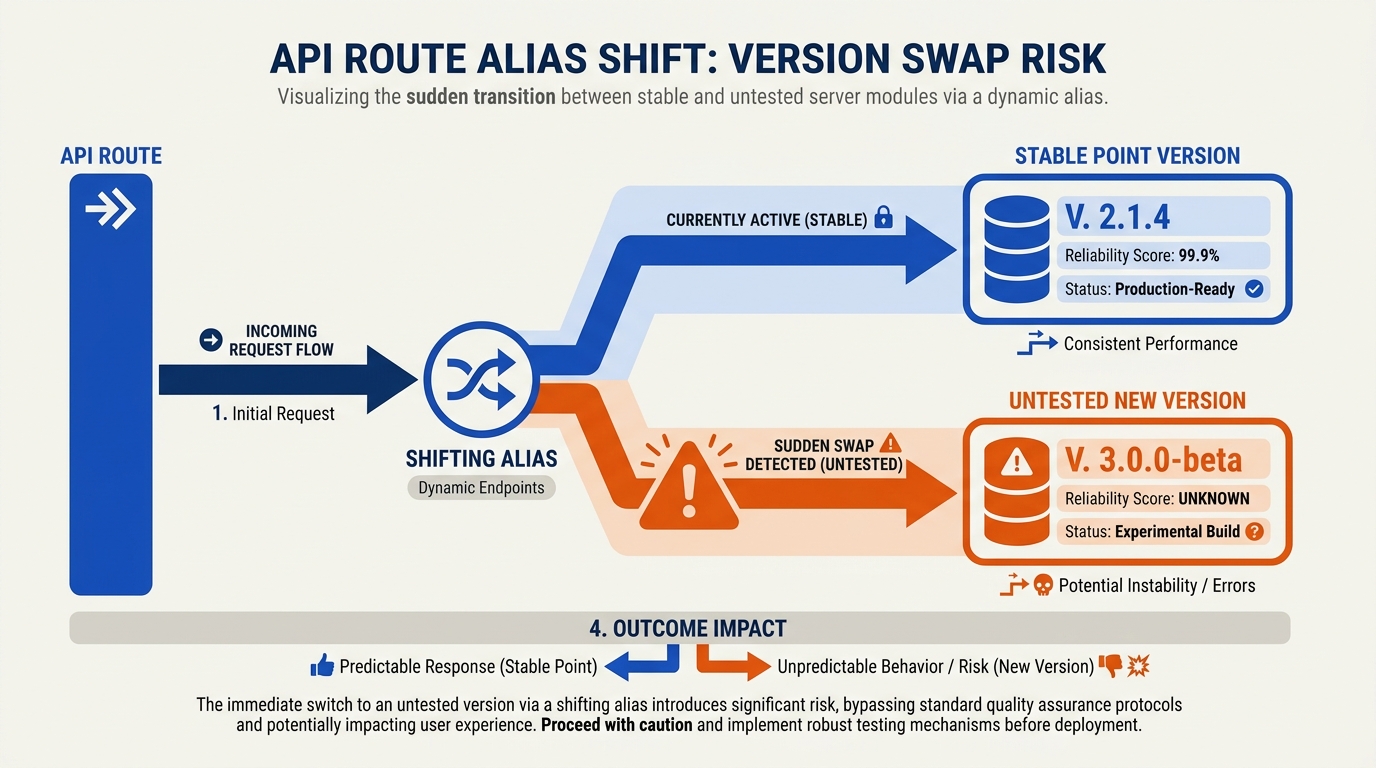
When you call gpt-5-5 or claude-opus-4-7, you are calling an alias. Behind the alias is a specific point version — gpt-5-5-2026-04-23 or similar. Vendors swap which point version the alias resolves to. They have done it more aggressively in 2026 than ever before. The reasons are reasonable from their side: they want all users on the latest improvements, they want to retire old serving capacity, they want consistent behavior across surfaces.
The reasons do not change the fact that your prompt that worked yesterday may not work today.
What changes when the alias swaps
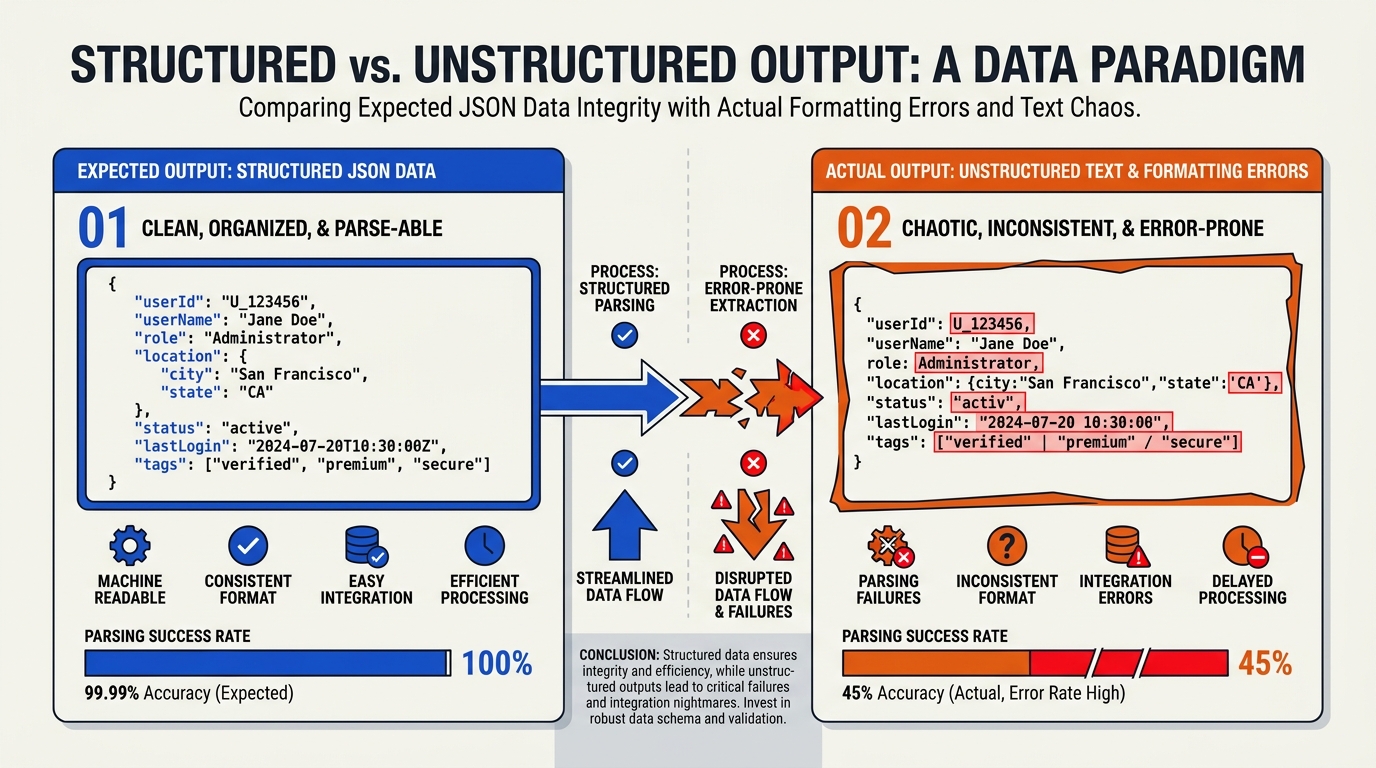
Three classes of behavior shift:
- Output formatting. A prompt that returned tightly-formatted JSON last week now returns prose. Schemas drift.
- Hallucination patterns. New models often hallucinate differently — fewer overall, but with new failure modes you have not built tests for.
- Tone and length. The same system prompt produces a noticeably warmer/cooler/longer/shorter response.
The damage is not always catastrophic. It is gradual quality drift that nobody notices until a customer complains.
How to pin

Three levels of pinning, increasing in safety and operational cost:
Level 1: Pin the alias
Configurable model name, default to the alias:
MODEL = os.getenv("LLM_MODEL", "claude-opus-4-7")

response = client.messages.create(model=MODEL, ...)
This lets you switch in one config change. It does not protect you from alias drift — claude-opus-4-7 may resolve to a different point version next month — but it gives you the ability to escape when one of those swaps breaks you.
Level 2: Pin the point version
When the vendor exposes specific versions, use them:
MODEL = "claude-opus-4-7-2026-04-15"This protects against alias drift. The cost: you have to actively update the version when bug fixes ship. Some vendors retire point versions on a 3–6 month cycle, which means a pinned version is also a deadline.
The right pattern: pin a specific point version in production, and run a parallel "canary" environment on the alias so you see the next version's behavior before you are forced onto it.
Level 3: Multi-vendor abstraction
The most defensive posture is to abstract behind your own model registry:
MODEL = registry.resolve("default-conversation")
# returns claude-opus-4-7-2026-04-15 today
# returns gpt-5-5-instant-2026-05-05 if Claude is down
Two providers, with explicit failover. The cost: you have to maintain prompt compatibility across vendors, which is real work. The benefit: vendor outages become invisible to users.
CallMissed's /api/v1/models endpoint exposes both alias and point versions for every model in the catalog so you can pin at whichever level matches your operational maturity.
Eval gates
Pinning is half the answer. The other half is knowing when a swap is safe. Build an eval gate:
- A canonical set of 50–200 representative tasks
- Recorded "good" outputs (or grading criteria)
- A script that runs the eval against any candidate model
- A diff report against the production model
When a vendor announces a new version, run the eval. If it passes, schedule the migration. If it fails, file the failures, decide whether to fix prompts or wait.
Without this gate, every model swap is a coin flip. With it, swaps become a routine deploy.
What to do when a vendor deprecates your version
Three steps, in order:
- Read the deprecation notice immediately. Vendors typically give 60–90 days. Do not wait.
- Run your eval against the recommended successor. If it passes, migrate.
- If it fails, the recovery options ranked by effort:
- Adjust prompts to match new behavior (often enough)
- Switch to a sibling model on the same vendor (Sonnet → Opus, Mini → Standard)
- Switch vendors (the multi-vendor abstraction pays off here)
- Stay on the deprecated version until the last day; this buys time but is not a strategy
Specific 2026 traps
A few specific drifts worth flagging:
- Streaming behavior. Some 2026 models added "thinking" tokens emitted before the visible response. If your client parses the first delta as final-answer content, the new behavior breaks you.
- Tool-call schema changes.
function_calldeprecation across vendors continues;tool_callsis the standard now. Code from 2024 may still be on the old field. - Default temperature drift. A few vendors quietly changed default temperature in their alias swaps in early 2026. Set temperature explicitly.
- Context window expansion. When a model gains a longer context window, retrieval logic that assumed "I will be truncated to N tokens" can suddenly send much more context, with cost consequences.
The mindset shift
In 2026, model versions are like database engine versions. You do not run "PostgreSQL latest" on your production database; you run a specific minor version, you read the changelog, you upgrade deliberately. AI models deserve the same posture.
The vendors are not going to slow down. The two-week shipping cycles are now the floor, not the ceiling. Your only protection is your own discipline: pin, eval, abstract.
Discussion
Related Posts


Ready to automate customer conversations?
Launch AI voice agents and WhatsApp bots with CallMissed — one API, 22+ Indian languages.