
AI Startup GTM in 2026: What's Actually Working



How AI startups are actually winning in 2026 — usage-based pricing, integration-first distribution, evals as outbound, and what classic SaaS GTM gets wrong.
The classic SaaS playbook — outbound SDR teams, MEDDIC qualification, 12-month enterprise sales cycles — is breaking against AI-native buying behavior. In 2026, the AI startups crossing $10M ARR fastest are the ones that have abandoned most of that motion. Here is what the live data shows is working, and what is quietly being deprecated.
The death of the per-seat SaaS contract
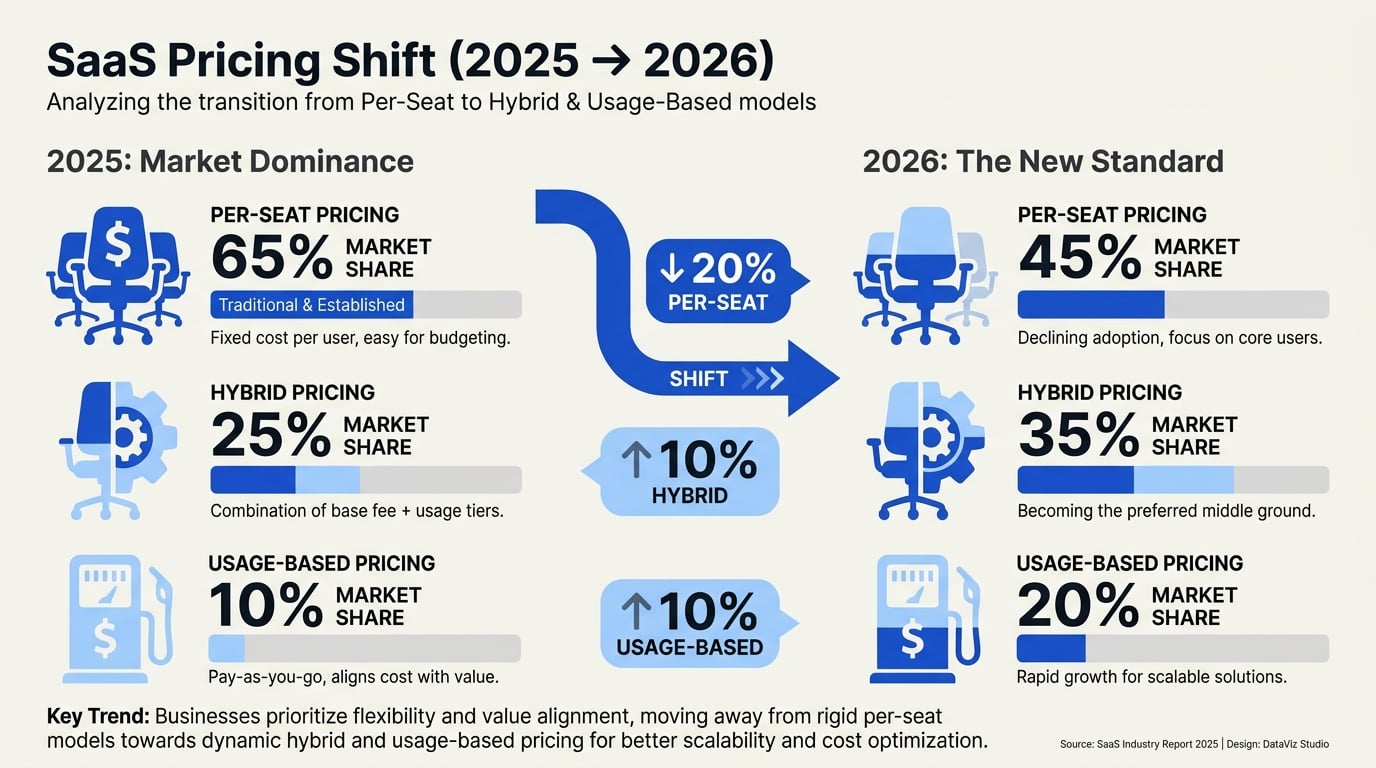
Per-seat pricing fell from 21% to 15% of SaaS adoption between 2025 and 2026, while hybrid pricing rose from 27% to 41%, according to Bessemer's 2026 AI Pricing Playbook tracking 200+ AI vendors. The reason is structural: AI products replace work, not seats. A customer rolling out an AI agent does not buy 500 seats — they buy "all the customer support tickets resolved by AI." Pricing has to follow the unit of value, and that unit is increasingly the outcome.
This breaks classic SaaS sales motions in two ways. First, the deal size at procurement is non-deterministic — buyers cannot model spend without a usage projection. Second, the renewal conversation flips from "are you using your seats?" to "did the AI deliver value?" Sales teams trained on seat utilization metrics are not equipped for either conversation.
What's working: product-led with a usage-based wedge
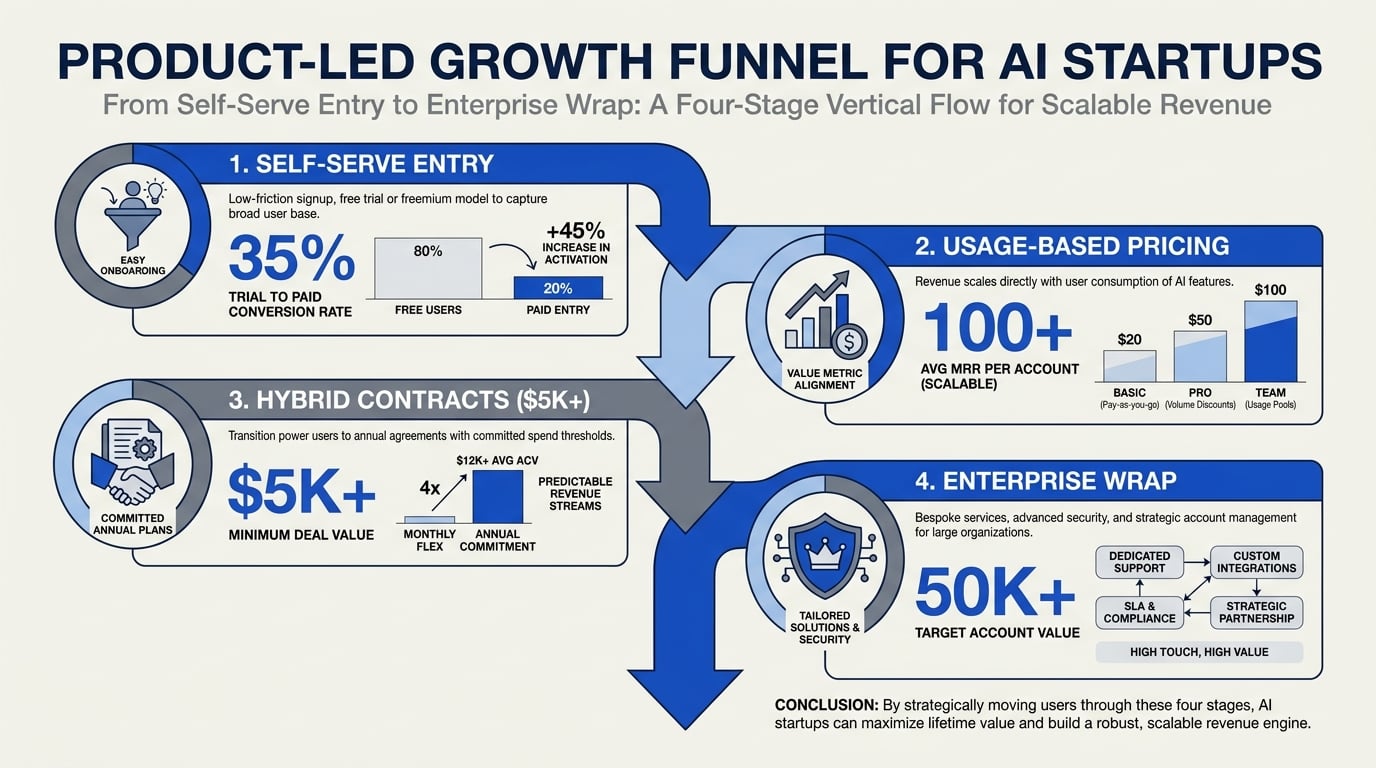
The pattern that works across 2026 AI startups looks like this:
- Free or low-friction self-serve entry. A developer or end-user can hit the API or the product within 5 minutes of signup, with usage credit attached.
- Usage-based pricing tied to a clear unit of value — a resolved ticket, a generated document, a completed call, a code review.
- Hybrid contract for >$5K customers — a base subscription locks in predictability, usage tiers capture upside.
- Enterprise wraps added only after self-serve users hit $1K+/month organically.
This inverts the old funnel. Outbound is replaced by content + product. The "sales conversation" mostly happens inside the product, not in a Zoom call. SDR teams shrink; product engineers and developer-relations grow.
Distribution: the integration-first thesis

AI startups in 2026 are increasingly built as integrations rather than destinations. The reason is that buyers are exhausted by another login. The wedge is "AI inside the tool you already use" — Slack, Salesforce, Shopify, Notion, your IDE, your CRM. [Inference] Every major platform now runs an "AI app store" of some kind, and being native to those distribution channels often beats brand-building from zero.
The tradeoff is platform risk. Building on Salesforce's AppExchange means Salesforce can launch the same feature at any price. The hedge is to layer your own data, evals, and vertical specialization on top — things the platform has no incentive to replicate.
Content + evals as the new outbound
Cold outbound conversion rates have collapsed. Multiple seed-stage founders report SDR-driven pipeline efficiency falling 40-60% year-over-year [Speculation — based on directional reports rather than a single survey]. What replaces it is content that demonstrates the product:
- Public eval leaderboards showing your model beating alternatives
- Side-by-side demos against named competitors
- Open-source SDKs, components, or evaluation harnesses
- Technical deep-dives that double as product documentation
The unit of work shifts from "150 cold emails per day per SDR" to "one well-built eval that ranks you #1 on a problem buyers care about." The eval IS the outbound.
What's quietly being deprecated
Three motions that worked in 2022 and are dead weight in 2026:
- The hour-long discovery call. Buyers have already done the discovery. They want to try the product.
- The 14-page security questionnaire response. Replaced by a SOC 2 + HIPAA + ISO link in a trust center, with one-click subprocessor lists.
- Quarterly business reviews built around feature-request lists. Replaced by usage dashboards customers self-serve at any time.
Vertical depth beats horizontal breadth
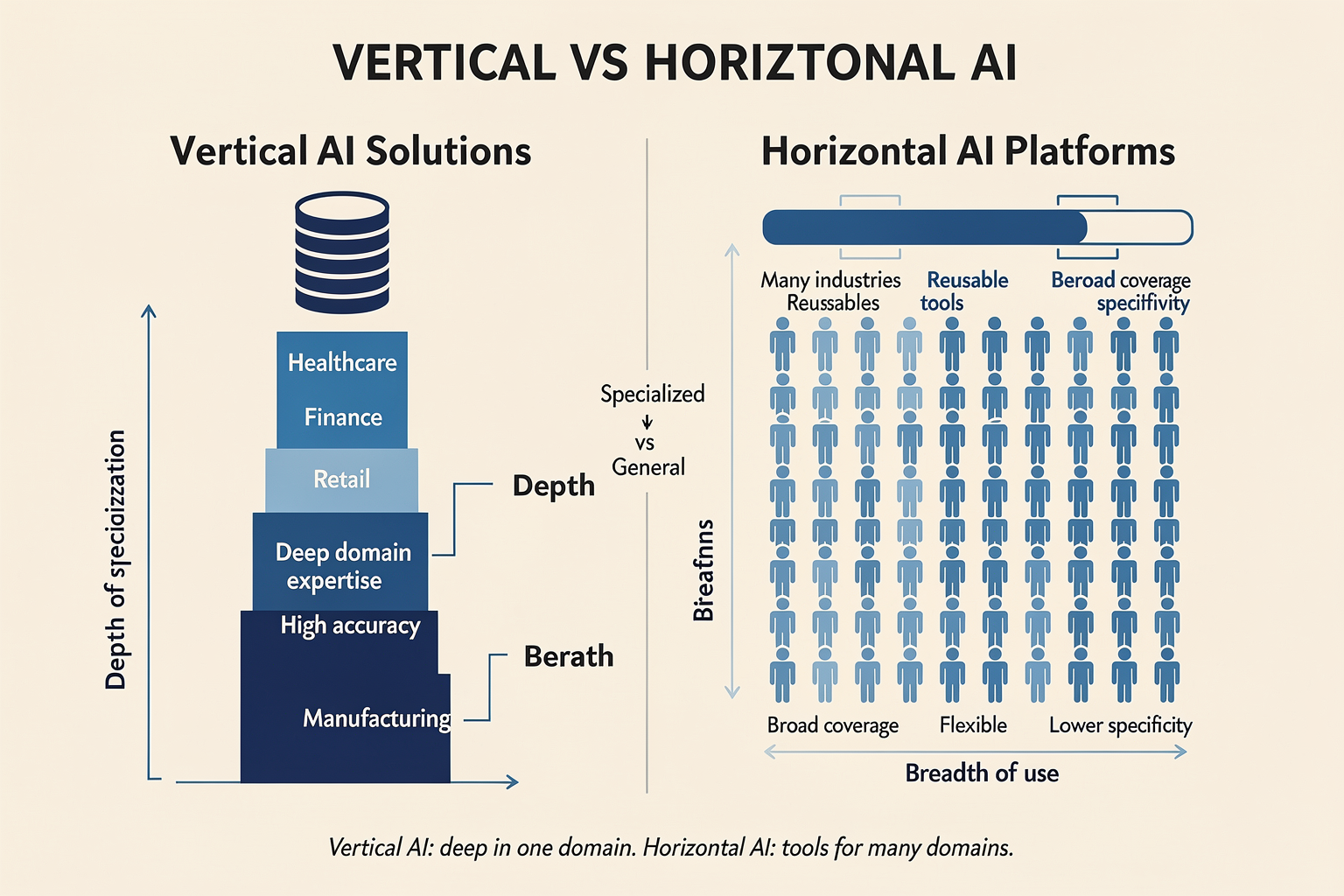
The 2025-2026 funding pattern shows vertical AI companies — for legal, healthcare, customer support, sales operations — outpacing horizontal "AI assistants" in revenue per dollar raised. [Inference] The reason is that vertical companies own the data, the workflow, and the integrations end-to-end, which is exactly what makes evals defensible. A horizontal copilot has to compete on model quality alone, which is a losing fight against frontier labs.
The COGS conversation
Classic SaaS gross margins of 80-90% are gone for AI. AI companies typically run 50-60% gross margins because every query incurs real compute cost. This changes how you sell:
- You cannot offer unlimited usage on a flat plan without ringfencing
- You have to monitor per-customer COGS in real time, not at end of quarter
- Discounting destroys margin faster than in SaaS — a 30% price cut on a 55% gross margin is roughly 1.5x the impact
The companies handling this best treat compute cost as a first-class product metric, surface it in customer-facing usage dashboards, and compete on workload efficiency, not just headline price.
What to do this quarter
If you are at the seed-stage and rebuilding GTM for 2026, the highest-leverage moves:
- Replace "request a demo" with "start free in 60 seconds." Usage-based default.
- Pick one platform (Slack, Salesforce, Shopify, GitHub, etc.) and ship a native integration. Distribution beats brand at seed.
- Run a public eval against your top 3 competitors. Publish the harness.
- Cut SDR headcount; double developer-relations and content engineering.
- Surface per-customer COGS in your internal dashboards — pricing decisions depend on it.
The companies that adapt fast are pulling ahead this year. The ones running 2022's playbook are losing to inbound funnels they cannot see.
Frequently Asked Questions
Is per-seat pricing dead for AI products?
Should we hire SDRs in 2026?
How do we handle AI COGS at low ACVs?
Discussion
Related Posts



Ready to automate customer conversations?
Launch AI voice agents and WhatsApp bots with CallMissed — one API, 22+ Indian languages.